Key takeaways
- Monitor forecasts closely; a 48-hour window is critical for effective preparation in zones 8-11.
- Deep water plants thoroughly, aiming for 18-24 inches of soil penetration, before temperatures exceed 95°F.
- Install 30-50% shade cloth over vulnerable plants to reduce solar radiation by up to 50%.
- Apply 3-4 inches of organic mulch to keep soil temperatures up to 20°F cooler and conserve 30% more moisture.
- Prioritize container plants and young seedlings, as they are most susceptible to heat stress above 100°F.
- Check irrigation systems and soil moisture levels daily with a meter to ensure consistent hydration.
Quick answer: To prepare gardens in USDA zones 8-11 for a heatwave, deep water plants thoroughly, install shade cloth, apply organic mulch, and prioritize vulnerable plants within a 48-hour window.
When a heatwave is forecast for regions like central Arizona or southern California, with temperatures projected to climb above 100°F, gardeners in USDA zones 8-11 have a narrow 48-hour window to implement critical protective measures. Urban areas, such as those in Los Angeles, can experience temperatures 5-10°F hotter than surrounding rural areas due to the urban heat island effect, intensifying the challenge for many home gardens. This focused preparation can mean the difference between a thriving garden and significant plant loss.
This checklist provides a practical, step-by-step plan to safeguard your plants, soil, and water resources when extreme heat is imminent. From deep watering strategies to deploying shade, these actions help mitigate the effects of prolonged high temperatures across coastal Florida and the Texas Gulf Coast.
The 48-hour warning: assessing your risk and prioritizing tasks
As soon as a heatwave warning is issued for your area, perhaps predicting three consecutive days above 100°F in Phoenix, Arizona, your first step is a thorough garden assessment. Identify your most vulnerable plants (typically young seedlings, container plants, and heat-sensitive varieties like lettuce or certain berry bushes). These plants will suffer first when soil temperatures rise above 90°F. Check your irrigation system for any leaks or blockages, ensuring it can deliver its usual 1 inch of water per week, or more, efficiently when needed. A quick walk-through helps you mentally map out the most urgent tasks before the heat sets in.
Identify vulnerable plants and garden zones
Begin by checking the forecast for specific temperature peaks and duration; a sustained period above 105°F, common in parts of Texas during summer, demands a more aggressive response. Note any plants showing early signs of stress, such as slight wilting in the morning, which indicates they are already struggling with current conditions. Prioritize containers, which can heat up quickly, often reaching soil temperatures 15-20°F higher than in-ground beds. Consider moving smaller potted plants to a cooler, shaded area, like a patio corner that receives morning sun but afternoon shade, or even indoors for the duration of the 2-3 day heat event.
- Young seedlings: roots are shallow, prone to rapid drying.
- Container plants: soil heats up quickly, limited moisture reservoir.
- Heat-sensitive vegetables: lettuce, spinach, broccoli, which bolt above 80°F.
- Fruiting plants: tomatoes and peppers may drop flowers above 95°F.
- Newly planted trees/shrubs: roots not yet established, require consistent moisture.
Water management strategies before the spike
The most effective action you can take before a heatwave hits is deep watering. Aim to saturate the soil to a depth of 18-24 inches for most established plants, and 6-12 inches for annuals and shallow-rooted vegetables. This ensures roots have access to a water reserve when evaporation rates double or triple during a heatwave. For a typical garden bed in central Florida, this might mean applying 2-3 inches of water over 24 hours, rather than the usual 1 inch per week. Water early in the morning, before 8:00 AM, to minimize evaporation losses and allow plants to absorb moisture before the sun’s intensity increases.
Optimize your watering schedule and methods
Consider using drip irrigation or soaker hoses, which deliver water directly to the root zone with up to 90% efficiency, compared to overhead sprinklers that can lose 30-50% of water to evaporation on hot days. If you’re using sprinklers, run them for longer periods at a slower rate to encourage deep penetration rather than runoff. For container plants, ensure they are watered until water drains from the bottom, indicating full saturation. A soil moisture meter helps check moisture levels at various depths, preventing both over- and under-watering. During a heatwave, check soil moisture daily, especially for plants in smaller pots or raised beds.
- Deep water: aim for 18-24 inches of soil penetration.
- Morning watering: before 8:00 AM to reduce evaporation by 30%.
- Drip irrigation: delivers water with up to 90% efficiency.
- Monitor soil moisture: use a meter to check daily at 6-inch depths.
- Avoid overhead watering: can lead to leaf scorch and fungal issues in high humidity.
Shade and shelter: protecting plants from direct sun
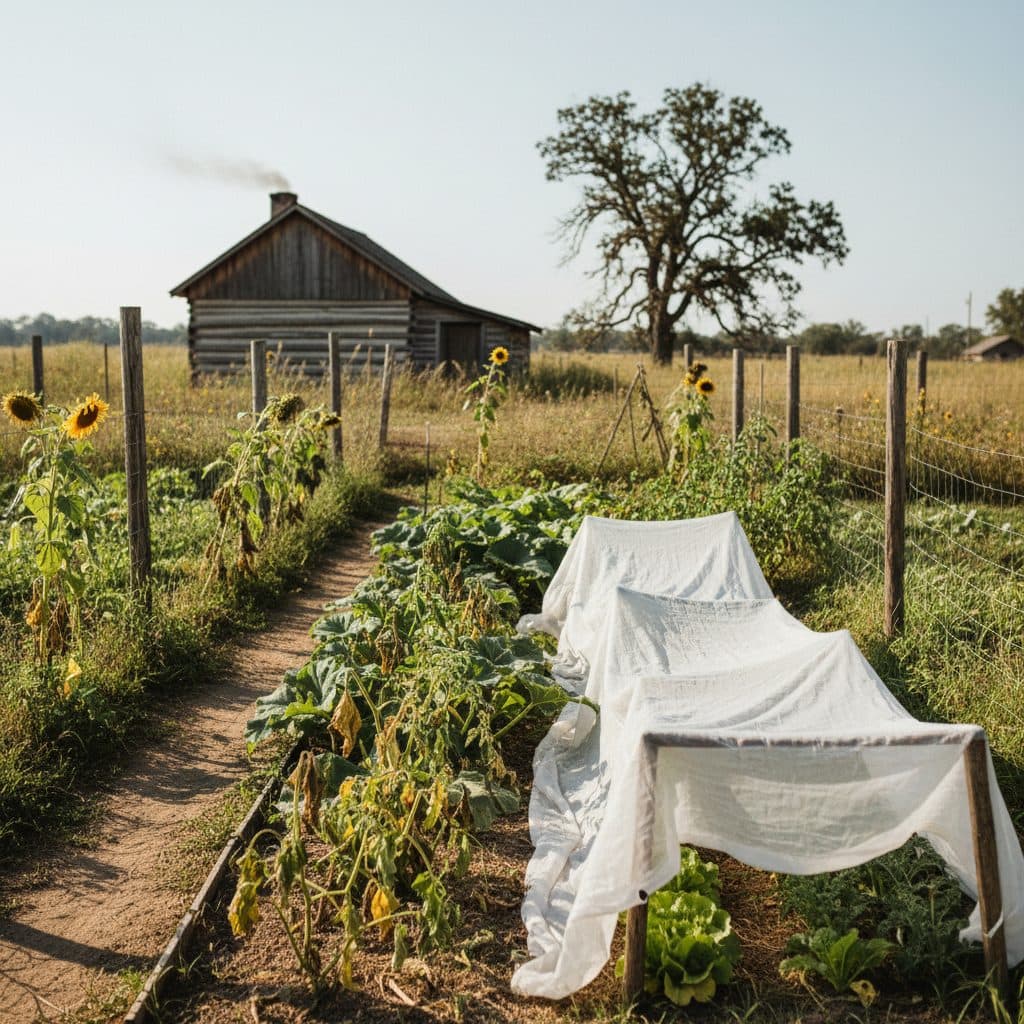
Direct, intense sunlight during a heatwave, especially in regions like the California Central Valley, can literally cook plant leaves and fruit, leading to sunburn and dehydration. Temperatures above 105°F can cause irreversible damage to plant cells. Deploying shade structures is an effective preventative measure. A 30-50% shade cloth can reduce direct solar radiation by a significant margin, lowering leaf temperatures by 10-15°F and reducing plant stress. Install these structures over your most vulnerable plants, ensuring they are in place at least 24 hours before the peak heat arrives. For smaller plants, even an overturned laundry basket or a piece of cardboard can provide temporary relief.
Implement temporary shade solutions
Consider the angle of the sun throughout the day; afternoon sun, from 1:00 PM to 5:00 PM, is typically the most damaging. Position shade cloth or temporary screens to block this intense western exposure. For larger garden beds, a simple PVC pipe frame covered with shade cloth can be erected in under an hour. Reflective materials, similar to those used in a reflective indoor grow tent, can also be strategically placed to deflect heat away from sensitive areas, reducing ambient temperatures by several degrees Fahrenheit. Ensure good air circulation beneath any shade structure to prevent heat from getting trapped, which can exacerbate the problem rather than solve it. For example, leaving at least 12 inches of space between the shade cloth and plant tops is ideal.
- 30-50% shade cloth: reduces solar radiation by up to 50%.
- Afternoon sun protection: focus on blocking western exposure from 1:00 PM to 5:00 PM.
- PVC pipe frames: quick and easy DIY shade structures.
- Reflective barriers: deflect heat from sensitive plants.
- Ensure air circulation: maintain 12+ inches between shade and plants.
Soil and root health: mulch and nutrient considerations
The soil is your plants’ anchor and nutrient reservoir, and protecting it from extreme heat is essential. During a heatwave, bare soil in places like the Mojave Desert can reach temperatures exceeding 140°F, severely damaging root systems that thrive best below 85°F. Applying a thick layer of organic mulch is one of the most effective ways to combat this. A 3-4 inch layer of wood chips, straw, or shredded leaves can reduce soil surface temperatures by up to 20°F and conserve up to 30% more soil moisture. This insulation helps maintain a more stable root environment, reducing stress on plants like citrus trees in USDA zone 9.
Replenish mulch and consider nutrient availability
Before the heatwave, replenish any areas where mulch has thinned. Ensure the mulch layer is consistent across all garden beds, leaving a 2-3 inch gap around plant stems to prevent rot. This protective layer also suppresses weeds, which compete for precious water and nutrients. While it’s generally not advisable to fertilize during a heatwave, as it can stress plants, ensuring adequate soil health beforehand is important. Products like fermented soybean meal organic fertilizer can provide slow-release nutrients that support plant resilience without causing a sudden growth spurt that requires more water. Healthy soil with good organic matter content can hold significantly more water (up to 20% more by weight) than depleted soil.
- 3-4 inches of mulch: reduces soil temperature by 20°F.
- Conserves 30% more soil moisture: critical during dry spells.
- Suppresses weeds: reduces competition for water and nutrients.
- Leave 2-3 inch gap: prevents stem rot around plant bases.
- Healthy soil: retains 20% more water by weight.
Post-heatwave recovery: assessing damage and supporting regrowth
Once the heatwave breaks and temperatures return to a more manageable 85°F or below, do not immediately rush to prune or fertilize. Your plants have just endured significant stress, and they need time to recover naturally. Begin with a gentle assessment of your garden, noting any plants with severe leaf scorch, wilting that persists after morning watering, or dropped fruit. In a garden in southern Nevada, you might find that some succulents have fared well, while more tender annuals have suffered 50% or more leaf damage. Resist the urge to overwater, as roots may be compromised and susceptible to rot if kept too wet.
Gentle care and observation for stressed plants
Continue to monitor soil moisture levels diligently with a 3-in-1 soil pH, moisture & light meter, ensuring plants receive consistent, but not excessive, hydration. Provide continued partial shade for severely stressed plants for another 3-5 days, even if temperatures have dropped, to ease their transition back to full sun. Prune away only completely dead or crispy leaves, as some damaged foliage might still be providing minor photosynthesis. Wait at least one week before applying any light, balanced fertilizer, allowing plants to regain some vigor. For example, a diluted liquid seaweed extract at half strength can provide gentle support without overwhelming the plant’s system. Recovery can take 2-3 weeks for severely impacted plants.
- Assess damage: look for persistent wilting or severe leaf scorch.
- Avoid immediate pruning: wait until plants show signs of recovery.
- Monitor soil moisture: use a meter daily to prevent overwatering.
- Provide partial shade: continue for 3-5 days after the heat breaks.
- Light fertilization: wait one week, use half-strength liquid seaweed.
Shade cloth types for heatwave protection in Zones 8-11
Shade percentage | Light reduction | Best use case | Typical temperature reduction |
|---|---|---|---|
30% | Low (25-35%) | Heat-tolerant vegetables (peppers, eggplant), general sun protection. | 5-8°F |
40-50% | Medium (35-55%) | Most vegetables (tomatoes, beans), delicate ornamentals, young plants. | 10-12°F |
60-70% | High (55-75%) | Shade-loving plants (lettuce, spinach), seedlings, extreme heat conditions. | 15-20°F |
Urban Heat Effect: Urban gardens in cities like Phoenix can experience temperatures 5-10°F higher than surrounding rural areas during a heatwave, intensifying plant stress.
Water Saving Mulch: Applying 3-4 inches of organic mulch can reduce soil surface temperatures by up to 20°F and conserve up to 30% more soil moisture in hot climates.
Frequently asked questions
How much water do my plants need during a heatwave?
During a heatwave, plants in USDA zones 8-11 may require 2-3 times their normal water intake. Aim to provide 2-3 inches of water per week, ensuring deep saturation of 18-24 inches, especially for established plants. Monitor daily with a soil moisture meter to avoid both over- and under-watering.
What is the best type of shade cloth for my garden?
For most vegetables and ornamentals in zones 8-11, a 30-50% shade cloth is ideal, as it reduces solar radiation by up to 50% without excessively limiting light. For very sensitive plants like lettuce or seedlings, a 60-70% shade cloth might be necessary to lower leaf temperatures by 15-20°F.
Can I fertilize my plants during a heatwave?
It is generally not recommended to fertilize plants during a heatwave. Fertilizing can stimulate new growth, which requires more water and can further stress an already struggling plant. Wait until temperatures drop below 90°F for at least 3-5 days before applying a diluted, balanced fertilizer.
How deep should mulch be to protect roots from heat?
An organic mulch layer of 3-4 inches is highly effective at insulating soil from extreme heat. This depth can reduce soil surface temperatures by up to 20°F and significantly conserve soil moisture, often by 30% or more, protecting root systems from damage above 85°F.
What plants are most vulnerable to heatwave damage in zones 8-11?
Young seedlings, container plants, and heat-sensitive vegetables like lettuce, spinach, and broccoli are particularly vulnerable. Fruiting plants such as tomatoes and peppers may also cease fruit production or drop flowers when temperatures consistently exceed 95°F.
References
- Highly inhomogeneous interactions between background climate and urban warming across typical local climate zones in heatwave and non-heatwave days (2024). Highly inhomogeneous interactions between background climate and urban warming across typical local climate zones in heatwave and non-heatwave days.
- Supporting Heat Mitigation in Coastal Copenhagen: A Spatial Approach for Urban Planners to Estimate Heatwave-Robust Waterbody Cooling Zones (2025). Supporting Heat Mitigation in Coastal Copenhagen: A Spatial Approach for Urban Planners to Estimate Heatwave-Robust Waterbody Cooling Zones.
- Spatial temperature differences in local climate zones of Seoul metropolitan area during a heatwave (2022). Spatial temperature differences in local climate zones of Seoul metropolitan area during a heatwave.
- Influence of process parameters on the formation and quality of joining zones during induction brazing (2023). Influence of process parameters on the formation and quality of joining zones during induction brazing.
- Influence of process parameters on the formation and quality of joining zones during induction brazing (2023). Influence of process parameters on the formation and quality of joining zones during induction brazing.
- Near-term heatwave risk in HighResMIP models across different temperature zones of West Africa (2025). Near-term heatwave risk in HighResMIP models across different temperature zones of West Africa.