Key takeaways
- Herbal salves use infused oils and wax to create topical remedies for minor skin issues.
- Common base oils include olive, almond, or jojoba, often combined with beeswax at a 4:1 or 5:1 oil-to-wax ratio.
- Proper herb selection and preparation, such as drying calendula flowers or plantain leaves, ensure effective infusions.
- Infusion methods range from slow, low-heat double boilers to faster stovetop approaches, typically taking 2-6 hours.
- Store finished salves in airtight containers in a cool, dark place for up to one year to maintain potency.
- Many herbs, like Salvia officinalis, offer documented benefits for skin wellness when applied topically [4].
Quick answer: Herbal salves and balms are made by infusing carrier oils with medicinal herbs like calendula or plantain, then solidifying the mixture with natural waxes such as beeswax. These topical preparations offer natural remedies for minor skin issues, using ingredients from your garden.
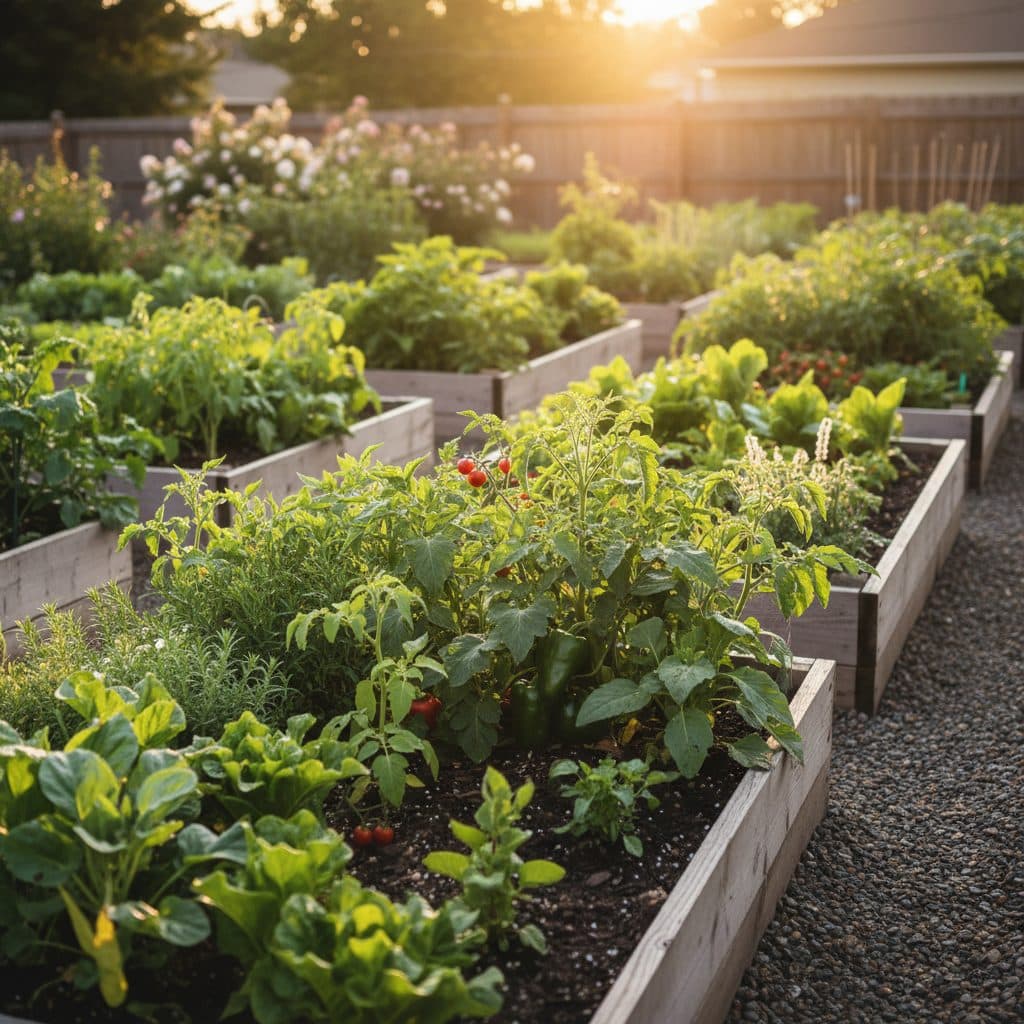
In the humid summers of the Southeast, from USDA zone 7b up to 9a, many gardeners find themselves with an abundance of medicinal herbs. Beyond culinary uses, these plants offer a pathway to creating practical home remedies, such as salves, balms, and healing ointments. Crafting these topical preparations allows for direct control over ingredients, ensuring a product free from synthetic additives and tailored to specific skin needs, often at a fraction of the cost of commercial alternatives, potentially saving 30% or more on skin care expenses over a year.
Transforming garden herbs into topical preparations requires selecting suitable plants, infusing them into carrier oils, and solidifying the mixture with natural waxes. For example, a single batch of calendula salve made with about 4 ounces of dried flowers yields several small jars, providing soothing relief for dry skin or minor abrasions.
Understanding salves, balms, and ointments
Herbal salves, balms, and ointments are topical preparations designed to deliver the beneficial compounds of plants directly to the skin. The primary difference often lies in their consistency and water content. Ointments, for example, are typically thicker and may contain a small percentage of water, while salves and balms are anhydrous, meaning they are entirely oil and wax-based [1]. A standard salve generally consists of a carrier oil infused with herbs, solidified with a natural wax, most commonly beeswax. This combination creates a protective barrier on the skin, helping to moisturize and deliver herbal properties. For instance, a basic salve might use 4 parts infused oil to 1 part beeswax by weight, resulting in a firm but spreadable consistency suitable for application. These preparations are often used for minor skin irritations, providing relief and support for the body’s natural healing processes.
The foundational ingredients: oils and waxes
Choosing the right carrier oil is an important step in making effective herbal preparations. Olive oil is a popular choice due to its stability, mild scent, and common availability, often costing less than $15 per liter for a quality extra virgin type. Other excellent options include sweet almond oil, jojoba oil, or sunflower oil, each offering unique textures, absorption rates, and nutrient profiles. For example, jojoba oil closely mimics the skin’s natural sebum, making it ideal for facial applications and less likely to clog pores. Beeswax, sourced from local apiaries in states like California or Florida, provides the necessary structure and forms a protective, breathable layer on the skin. A single pound of beeswax can solidify over 4 pounds of infused oil. Candelilla wax, a plant-based alternative, can also be used, typically requiring about 25% less wax than beeswax for a similar firmness, meaning 0.75 ounces of candelilla wax might replace 1 ounce of beeswax.
- Carrier oils: Olive, sweet almond, sunflower, jojoba.
- Waxes: Beeswax, candelilla wax.
- Herbs: Calendula, plantain, comfrey, yarrow.
- Optional additions: Vitamin E oil (for preservation), essential oils (for scent or added benefit).
Selecting and preparing your medicinal herbs
The effectiveness of your homemade salves begins with the quality of your herbs. For many common skin ailments, herbs like calendula (Calendula officinalis), plantain (Plantago major), and yarrow (Achillea millefolium) are excellent choices. Calendula, easily grown in USDA zones 3 to 9, is known for its skin-soothing properties, often used for minor irritations, dryness, and supporting skin repair. Plantain, a ubiquitous weed, thrives across nearly all US regions, from the humid Northeast to the arid Southwest, and is historically valued for its drawing and healing qualities [4]. If you’re starting a herb garden, consider these resilient plants, which can yield abundant harvests from a small 4 ft x 4 ft bed, providing enough material for several batches of salve annually.
Harvesting and drying for potency
Proper harvesting and drying preserve the medicinal compounds in your herbs. For flowers like calendula, harvest them when fully open on a dry morning, typically between 8 AM and 10 AM, after the dew has evaporated. Leaves, such as plantain or comfrey, should be harvested when mature and healthy, before they show signs of disease or pest damage. After harvesting, gently clean the herbs by brushing off any soil or insects, avoiding washing if possible. Spread them in a single layer on screens or clean cloths in a well-ventilated area, away from direct sunlight. This process, which can take 3 to 7 days depending on humidity levels (e.g., longer in Florida’s 80% humidity than Arizona’s 30%), reduces moisture content to below 10%, preventing mold growth during the oil infusion process [6].
- Calendula: Harvest bright orange or yellow flowers when fully open, yielding up to 2 ounces of dried petals per plant.
- Plantain: Gather young, tender leaves before flowering, typically in spring and early summer.
- Yarrow: Collect flowering tops and leaves in mid-summer, when the plant is in full bloom.
- Comfrey: Use mature leaves, avoiding roots for topical use only, as per safety guidelines.
Mastering the oil infusion process
Infusing herbs into oil is the core process for extracting their beneficial compounds, transferring them from the plant material into the carrier oil. There are several methods, each with its advantages. The slow, solar infusion method involves placing dried herbs in a clear glass jar, covering them completely with a carrier oil, and letting them steep in a sunny window for 4 to 6 weeks. This method is gentle and requires minimal oversight, though it takes a longer time. For example, a 16-ounce jar filled with calendula and olive oil might sit on a windowsill for 30 days or more in a sunny climate like Southern California. Ensure the herbs are fully submerged to prevent spoilage, topping off the oil as needed to keep them covered by at least 1 inch of oil.
Faster infusion techniques
When time is a factor, a double boiler or slow cooker offers a quicker alternative. For a double boiler method, combine dried herbs and oil in the top pot, heating gently over simmering water for 2 to 4 hours. The temperature should remain low, ideally between 100°F and 140°F, to avoid damaging the delicate plant compounds and to preserve their therapeutic value. In a slow cooker, set it to its lowest setting, add herbs and oil, and infuse for 2 to 6 hours, checking the temperature periodically with a thermometer to ensure it stays within the optimal range. After infusion, strain the oil through a fine mesh sieve or several layers of cheesecloth, pressing the herbs firmly to extract all the valuable liquid. This process typically yields about 80% of the original oil volume, meaning 10 fluid ounces of oil might result in 8 fluid ounces of infused oil.
- Solar Infusion: 4-6 weeks in a sunny window, requiring daily checks to ensure herbs remain submerged.
- Double Boiler: 2-4 hours at 100°F-140°F, offering precise temperature control.
- Slow Cooker: 2-6 hours on low setting, a convenient option for larger batches up to 2 quarts.
- Straining: Use fine mesh or cheesecloth to separate oil from herbs, aiming for a clear, sediment-free infused oil.
Formulating and pouring your salves
Once you have your potent herbal-infused oil, the next step is to transform it into a solid salve. The general ratio for a firm salve is 4 parts infused oil to 1 part beeswax by weight. For a softer balm, suitable for lip balms, you might adjust this to 5:1 or 6:1. For example, if you have 8 ounces of infused calendula oil, you would use 2 ounces of beeswax to achieve a consistent firmness. Melt the beeswax gently in a double boiler over low heat until it is fully liquid, which usually takes about 10 to 15 minutes for 2 ounces of wax. Then, add the infused oil to the melted wax, stirring constantly until the mixture is uniform. Maintaining a low temperature, around 150°F to 160°F, helps preserve the integrity of the herbal compounds and prevents the oil from overheating.
Testing and adding essential oils
Before pouring the entire batch, perform a “set test.” Place a small spoonful of the mixture on a cold plate and let it cool for one to two minutes. This allows you to check the consistency. If it’s too soft, add a bit more beeswax (e.g., another 0.25 ounce per 8 ounces of oil) and remelt; if too hard, add a little more infused oil. Once satisfied, you can add essential oils for additional benefits or scent. For a 4-ounce batch of salve, 10 to 20 drops of high-quality essential oil, such as lavender for soothing or tea tree for cleansing, is a common recommendation, providing a safe 0.5% to 1% dilution. Salvia officinalis, or garden sage, is another herb with documented benefits for skin [4], and its essential oil can be a valuable addition for its astringent qualities. Always research essential oil safety and dilution rates.
- Ratio: 4:1 oil to beeswax for firm salve, 5:1 or 6:1 for softer balms.
- Melting: Gentle heat in a double boiler, ensuring wax is fully liquid before adding oil.
- Test: Small spoonful on a cold plate to check firmness; adjust wax or oil as needed.
- Essential Oils: Add after cooling slightly, 10-20 drops per 4 ounces of salve, ensuring proper dilution.
Storage, labeling, and common uses
Proper storage extends the shelf life of homemade herbal salves. Once cooled and solidified, cap your containers tightly and store them in a cool, dark place, such as a pantry or cupboard, where temperatures remain consistently below 70°F. Exposure to heat, light, and air can cause the oils to go rancid prematurely, reducing the salve’s effectiveness and potentially leading to skin irritation. Under ideal conditions, a well-made salve can last for 6 to 12 months, or even up to 18 months if Vitamin E oil (a natural antioxidant) was added at a rate of 0.5% to 1% of the total oil volume. Labeling is also important, including the name of the salve, the herbs used, the carrier oil, and the date it was made. This helps track potency and ensures you use the freshest products, ideally within one year of creation.
Everyday applications for your home apothecary
Homemade salves are incredibly versatile and can address a range of common skin concerns. A calendula and plantain salve, for instance, can be applied to dry, chapped skin, minor cuts, scrapes, or insect bites. Research indicates that certain herbal ointments can promote wound healing, sometimes comparable to conventional treatments [2, 1]. For example, a study in 2019 compared herbal ointments to povidone-iodine and found similar efficacy in certain wound healing parameters, with some herbal preparations showing faster epithelialization. Another study from 2006 examined the wound healing effect of Napoleona imperialis in herbal ointments [5], showing long-standing research into botanical remedies. Always perform a patch test on a small area of skin, like the inner forearm, before widespread application, especially if you have sensitive skin or known allergies, and wait 24 hours for any reaction.
- Dry Skin: Apply a thin layer to moisturize and protect, especially on hands, elbows, and feet.
- Minor Cuts/Scrapes: Provides a protective barrier, keeping the area clean and supporting natural healing.
- Insect Bites: Helps soothe itching and reduce inflammation, offering relief from discomfort.
- Chapped Lips/Hands: Offers intense hydration and repair, particularly during cold, dry weather.
Comparison of common carrier oils for herbal infusions
Oil Type | Absorption Rate | Texture | Primary Benefit |
|---|---|---|---|
Olive Oil | Slow (3/5) | Heavy, rich | Moisturizing, stable, widely available |
Sweet Almond Oil | Medium (4/5) | Light, smooth | Nourishing, good for sensitive skin |
Sunflower Oil | Medium (4/5) | Light, non-greasy | Rich in Vitamin E, cost-effective |
Jojoba Oil | Fast (5/5) | Light, non-oily | Mimics skin sebum, non-comedogenic |
Herb Yield: A 4 ft x 4 ft garden bed can yield enough calendula flowers to make over 10 small jars of salve annually.
Oil-to-Wax Ratio: A common ratio for a firm herbal salve is 4 parts infused oil to 1 part beeswax by weight, ensuring a stable consistency.
Frequently asked questions
What is the ideal temperature for infusing herbs into oil?
When using a double boiler or slow cooker, aim for a consistent temperature between 100°F and 140°F. This low heat extracts beneficial compounds without degrading sensitive plant constituents, a process that typically takes 2 to 6 hours for optimal infusion.
How much beeswax should I use for a standard salve?
For a firm salve, a good starting point is a 4:1 ratio of infused oil to beeswax by weight. For example, 8 ounces of infused oil would require 2 ounces of beeswax to achieve a stable consistency.
Can I use fresh herbs for oil infusions?
It is generally recommended to use dried herbs for oil infusions to prevent spoilage. Fresh herbs contain a high water content, often over 70%, which can introduce moisture into the oil and promote mold growth, significantly reducing the salve’s shelf life to just a few weeks.
How long do homemade herbal salves typically last?
When stored properly in a cool, dark place, homemade herbal salves can last for 6 to 12 months. Adding 0.5% to 1% Vitamin E oil can extend their shelf life by several months, potentially up to 18 months, by acting as an antioxidant.
What are some common herbs used in healing salves?
Popular herbs for healing salves include calendula, plantain, comfrey, and yarrow, each offering unique skin-supporting properties. Calendula, for instance, is widely recognized for its soothing effects on irritated skin, and is easily grown in USDA zones 3 to 9.
Why is a patch test important before using a new salve?
A patch test helps identify potential skin sensitivities or allergic reactions to the salve’s ingredients. Apply a small amount, about the size of a dime, to an inconspicuous area like the inner forearm and wait 24 hours before full application.
References
- Ointments, Creams, and Topical Formulations (2025). Ointments, Creams, and Topical Formulations.
- Kampo herbal ointments for skin wound healing (2023). Kampo herbal ointments for skin wound healing.
- Comparison of Wound Healing Properties of Herbal Ointments with Povidone iodine on Basis of Histological Changes (2019). Comparison of Wound Healing Properties of Herbal Ointments with Povidone iodine on Basis of Histological Changes.
- The Healing Power of Nature: Exploring Herbal Ointments for Skin Wellness (2024). The Healing Power of Nature: Exploring Herbal Ointments for Skin Wellness.
- The wound healing effect of herbal ointments formulated with <i>Napoleona imperialis</i> (2006). The wound healing effect of herbal ointments formulated with <i>Napoleona imperialis</i>.
- USDA Natural Resources Conservation Service (2024). USDA Natural Resources Conservation Service.