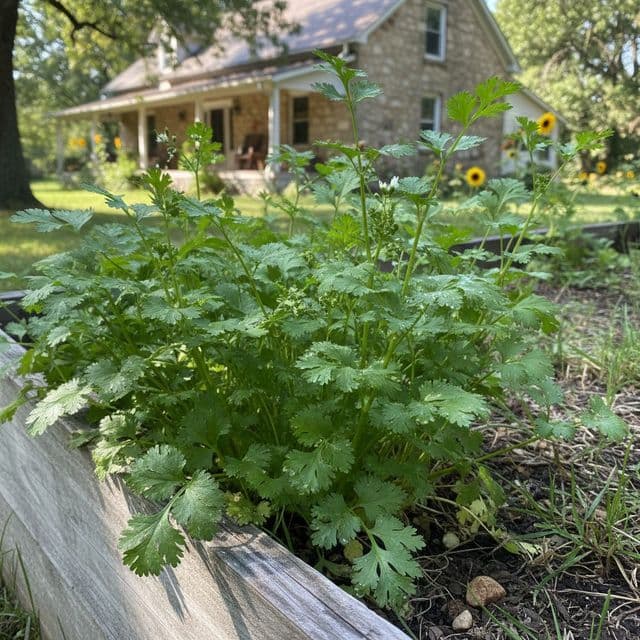
Harvesting Cilantro & Coriander: Leaves & Seeds in USDA Zones 4-9
Learn how to harvest both cilantro leaves and coriander seeds from the same plant. Discover slow-bolting varieties and cultivation tips for USDA zones 4-9.
Tag
55 articles in this tag on agripure. — page 1 of 3
Learn how to harvest both cilantro leaves and coriander seeds from the same plant. Discover slow-bolting varieties and cultivation tips for USDA zones 4-9.
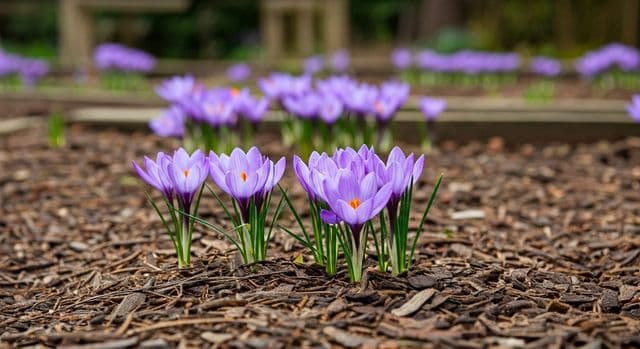
How to grow saffron in USDA Zones 6-9, covering planting depth, soil preparation, and drainage for successful cultivation in various US regions.
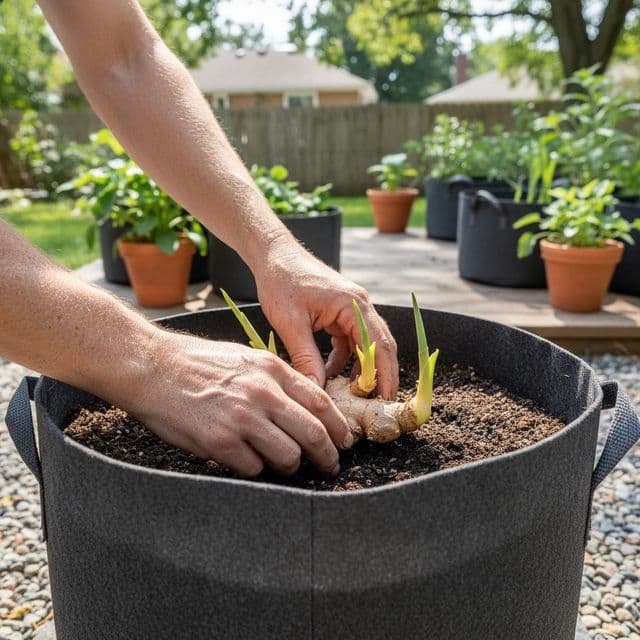
Pre-sprout store-bought rhizomes for a head start and harvest up to 30 pounds of fresh ginger in USDA Zone 7 and warmer climates.
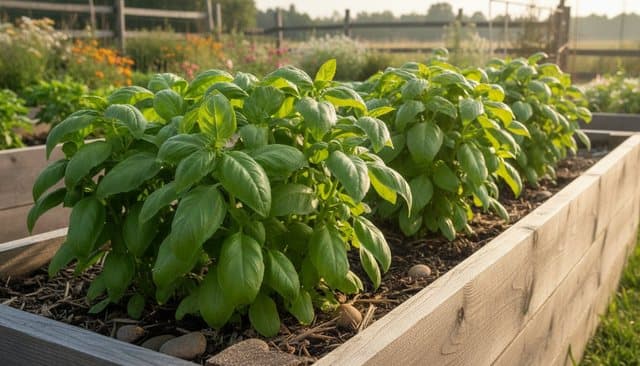
Master growing basil in USDA Zone 7. Learn expert tips to prevent bolting, choose slow-bolting varieties, and prune effectively for a continuous, flavorful harvest all season.
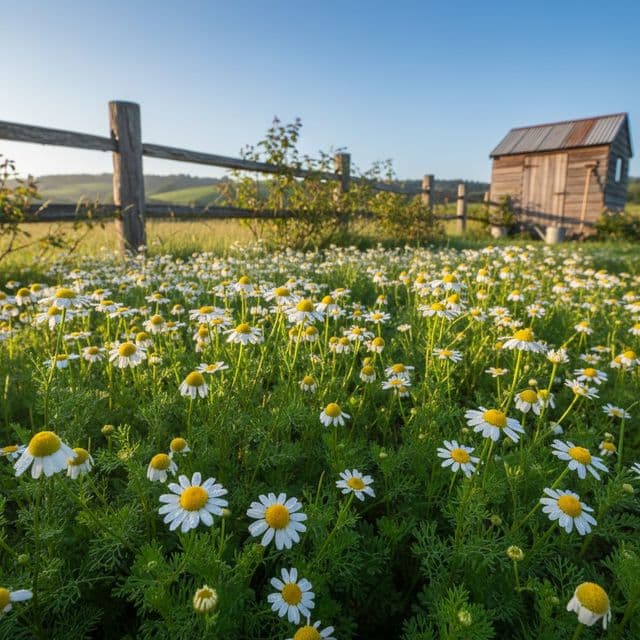
Learn to grow German and Roman chamomile for your home apothecary. This guide covers cultivation, USDA zones 2-9, harvesting, and drying for teas and tinctures.
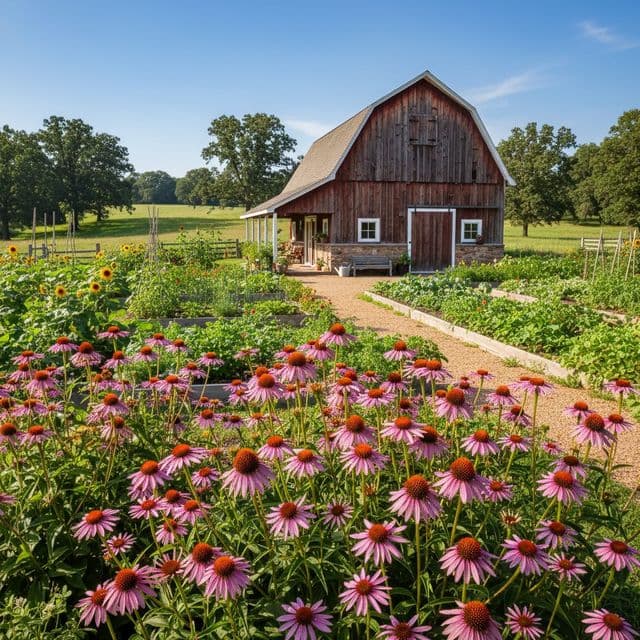
Discover the dual benefits of growing echinacea (purple coneflower) in USDA Zones 4-9. Support your immune system & attract 20+ pollinator species with this resilient medicinal herb.
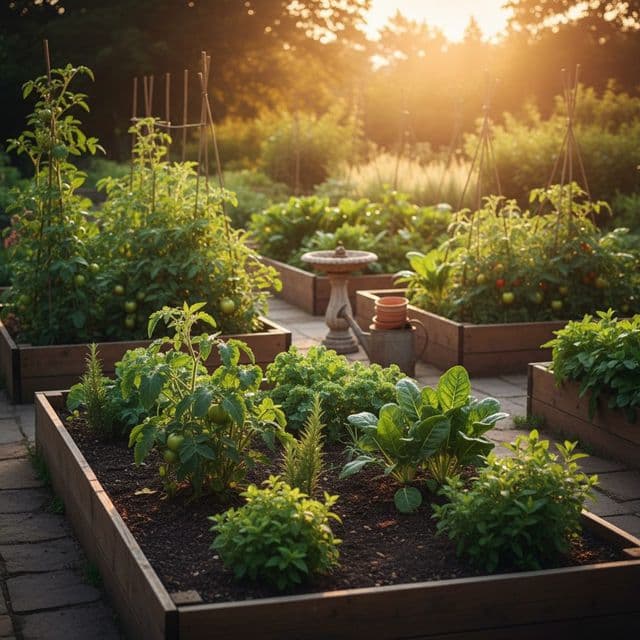
How to grow Bocking 14 comfrey in US gardens without spreading: planting, care, and containment techniques for this sterile, nutrient-rich herb.
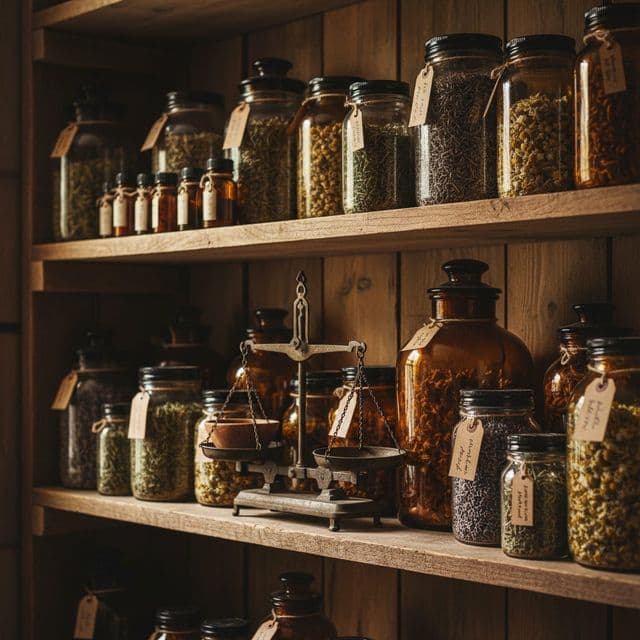
How to store dried herbs for your home apothecary. Learn how oxygen, light, heat, and moisture degrade potency, with suitable containers, conditions, and realistic shelf-life.
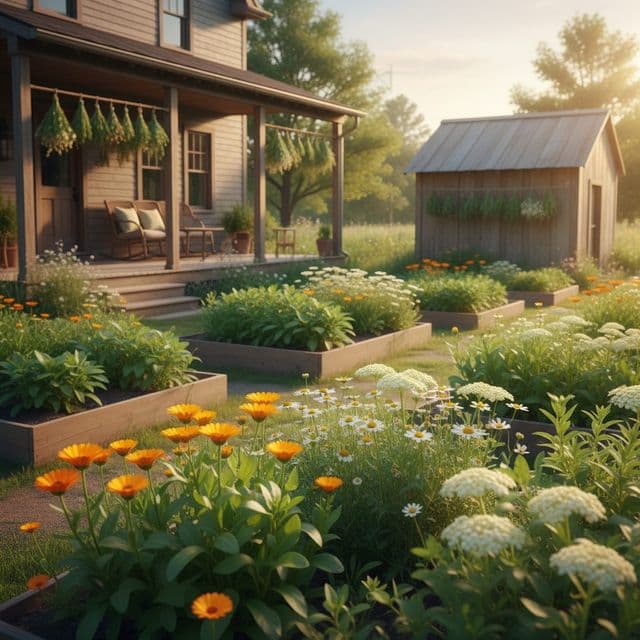
How to dry calendula, chamomile, and elderflower in USDA Zone 6 to preserve flower color and potency, covering harvest timing, drying temperatures, and storage.
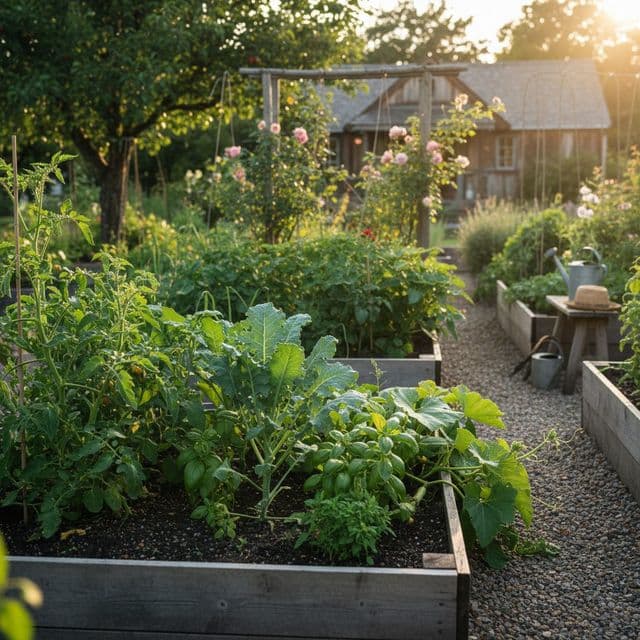
Maximize medicinal herb potency in your home apothecary. Learn optimal harvesting times for leaves, flowers, and roots in the US Midwest to boost active compounds by 15%.
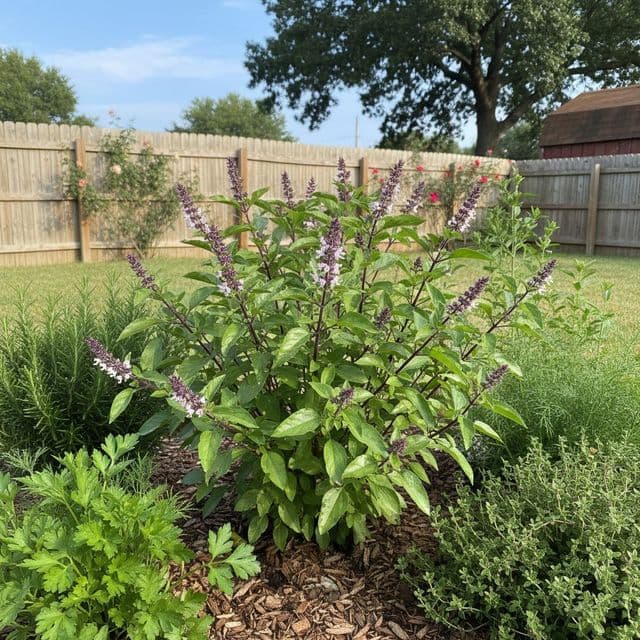
Learn to grow tulsi (holy basil) in your US garden, from seed to harvest. Discover how to dry and blend this adaptogenic herb for a daily wellness tea. Get practical tips for all climates.
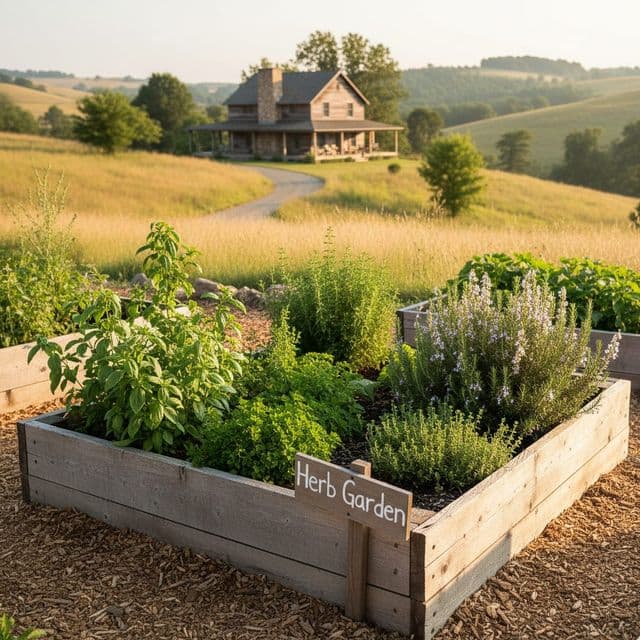
How to grow peppermint, fennel, ginger, and chamomile in USDA Zone 6 for a homemade digestive tea blend.
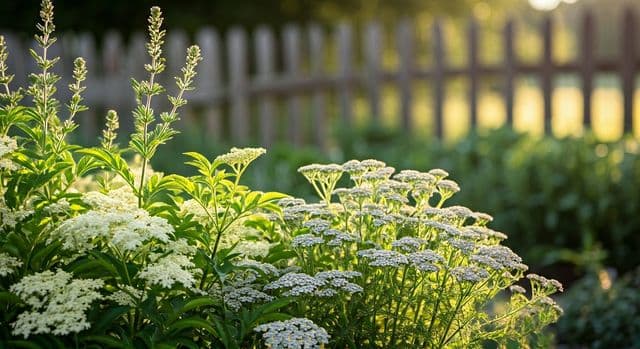
Learn to grow elderflower, yarrow, and peppermint in your USDA zone 6 medicinal herb garden. Discover cultivation, harvesting, and drying tips to craft a potent cold-and-flu tea.
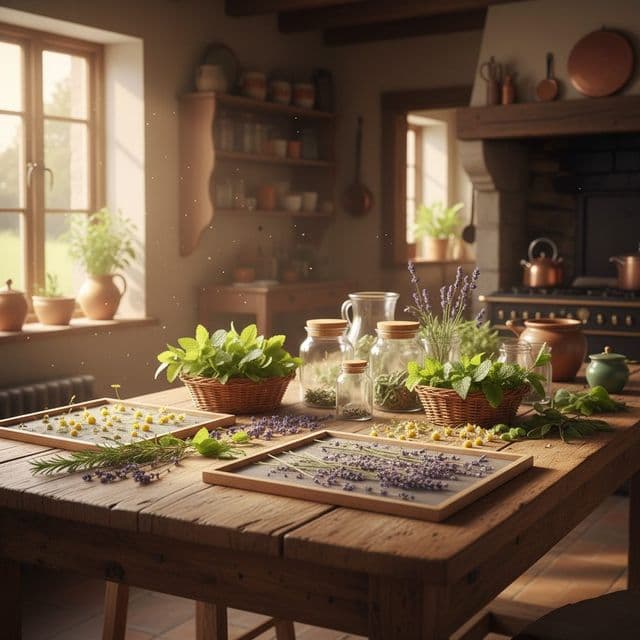
Learn to formulate balanced herbal tea blends with a 3-part approach. Discover base, supporting, and accent herb ratios for gardeners in USDA Zone 6. Maximize potency and flavor.
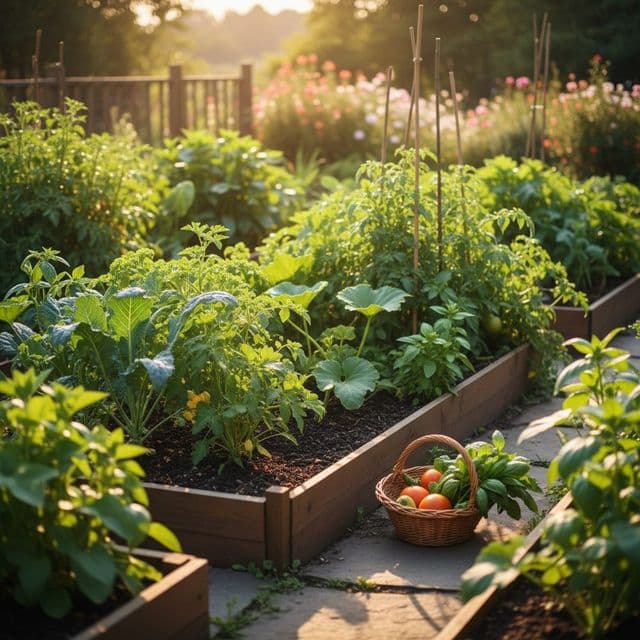
Learn to make spicy fire cider, a traditional herbal tonic for winter wellness. Discover how to grow key ingredients in USDA zones 4-9 for a potent home remedy.
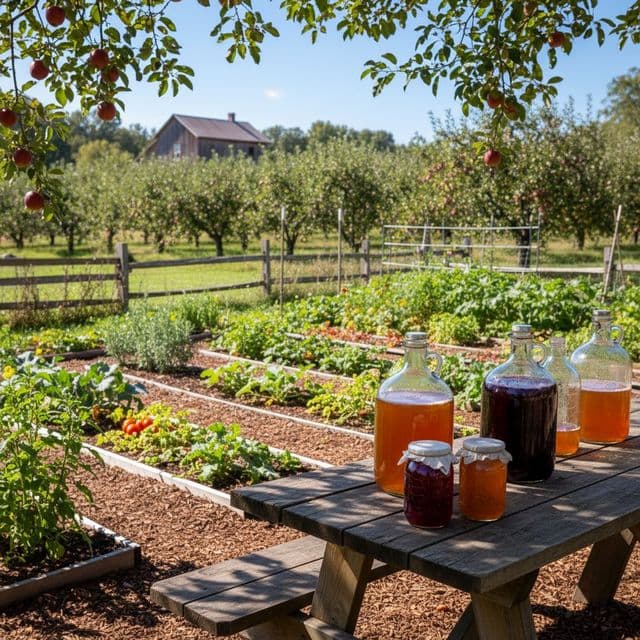
Learn to make homemade apple cider vinegar (ACV) for herbal preparations. Save 30% over store-bought, understand fermentation, and choose the best apples for potent remedies.
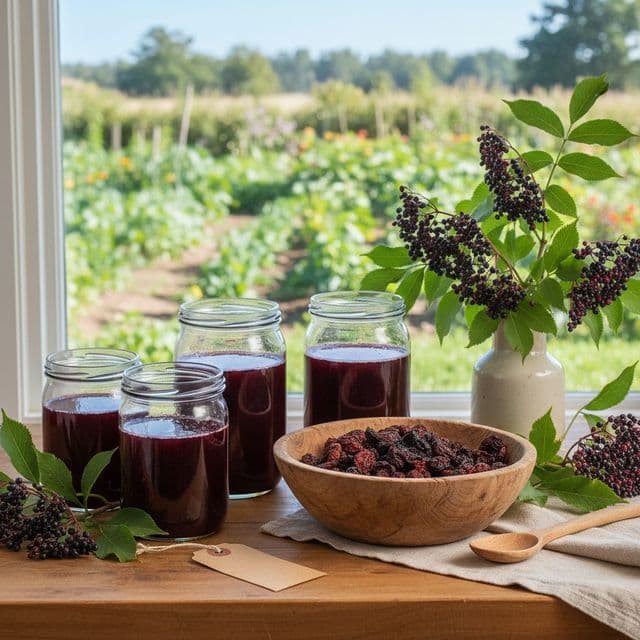
Learn to craft elderberry oxymel with a 3:1 honey-to-vinegar ratio. Grow and harvest elderberries in USDA zones 3-9 for immune support. Includes planting, drying, and recipe.
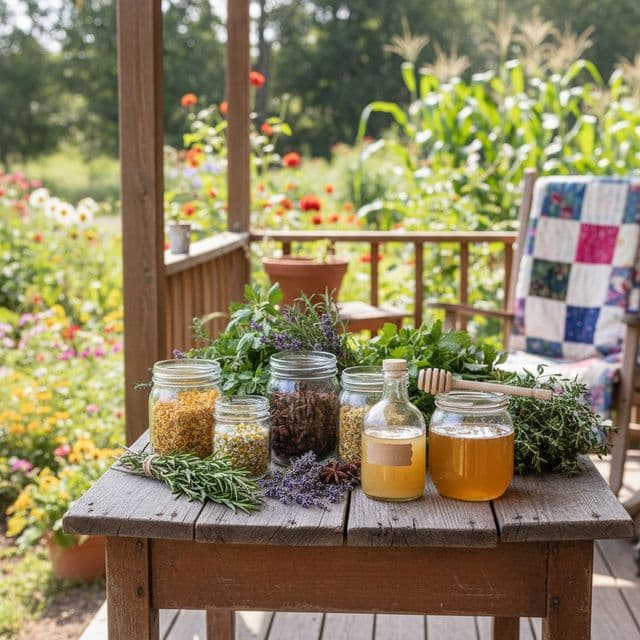
Learn oxymel formulation: discover what oxymels are, ideal vinegar-to-honey ratios, and how to use herbs from your USDA Zone 6 garden for natural remedies.
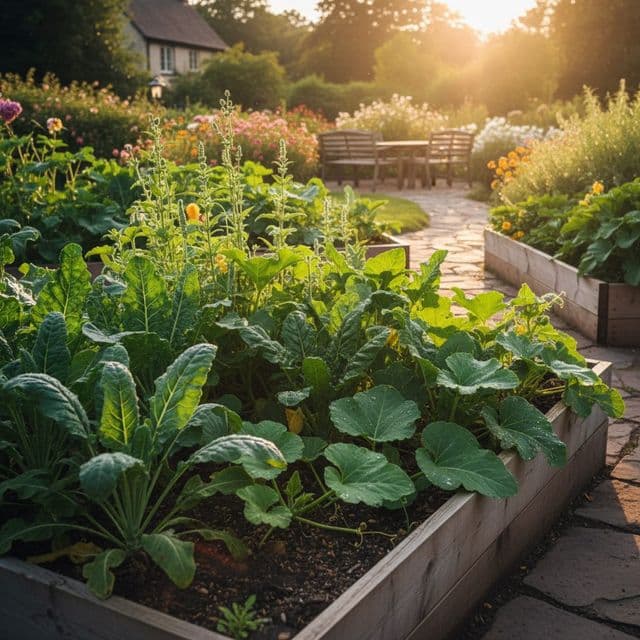
Learn to make traditional fire cider tonic at home. This guide covers ingredients, recipe, and benefits for US growers in USDA zones 3-9, using garden-grown herbs.
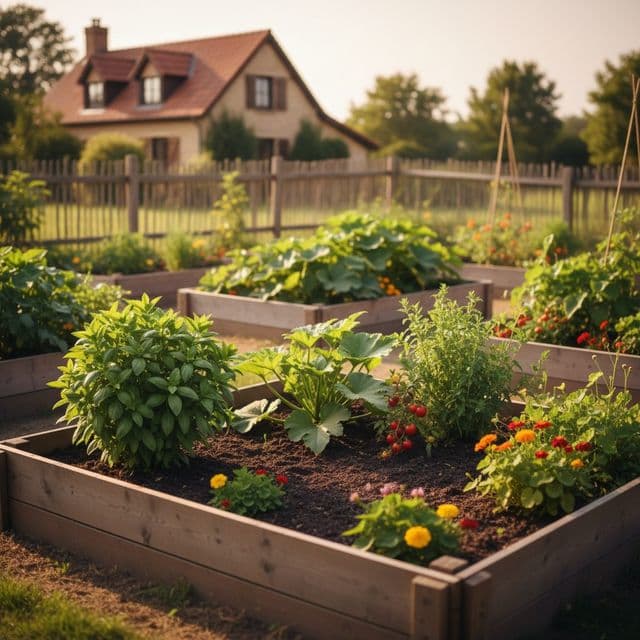
How to make infused honey safely at home by properly drying herbs and controlling water activity to prevent botulism.
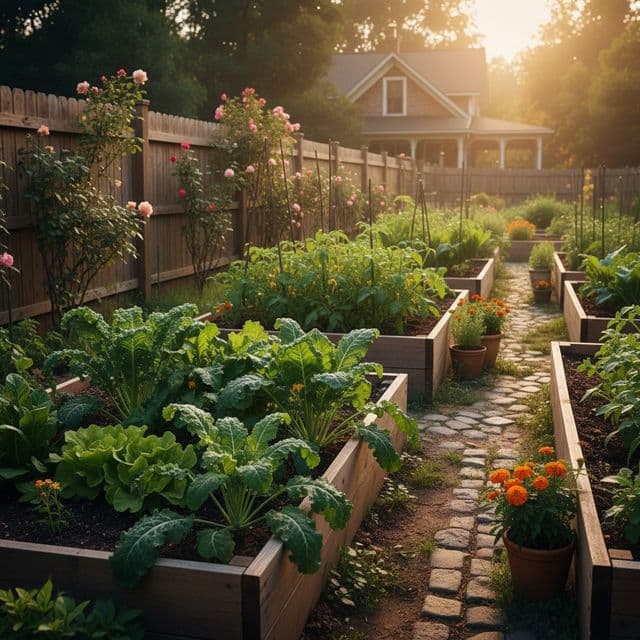
How to make and store herb-infused honeys in USDA Zone 6, covering ratios, infusion times, and storage methods for lemon balm, sage, and ginger honeys.
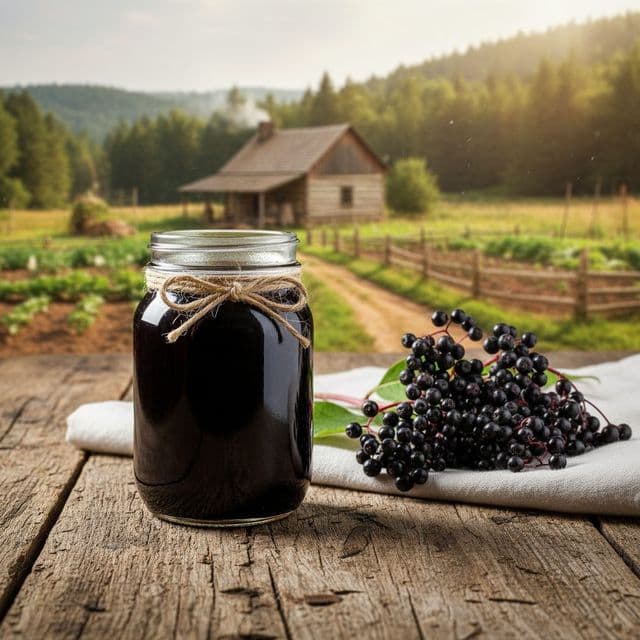
A guide to growing, harvesting, and preparing elderberry syrup for cold and flu season, covering planting, ethical foraging, cooking methods, and storage.
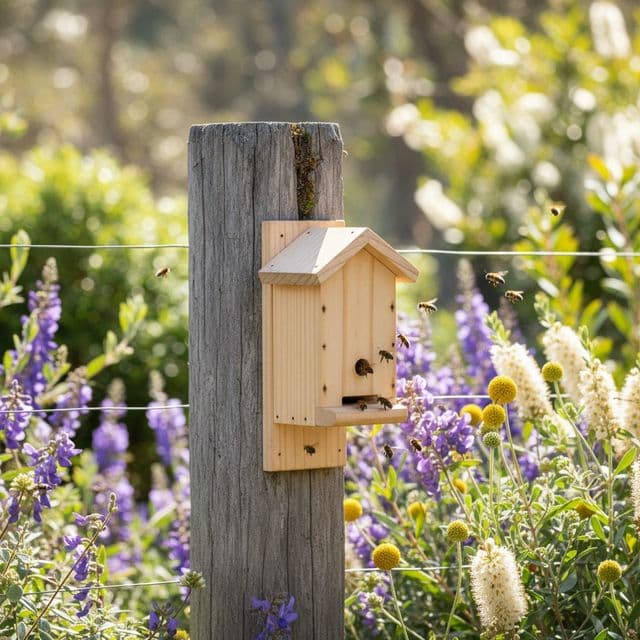
Cultivate a medicinal herb garden in USDA Zone 6, focusing on chamomile and lemon balm. Prepare safe, effective alcohol-free herbal remedies for your family. Save up to 75%.
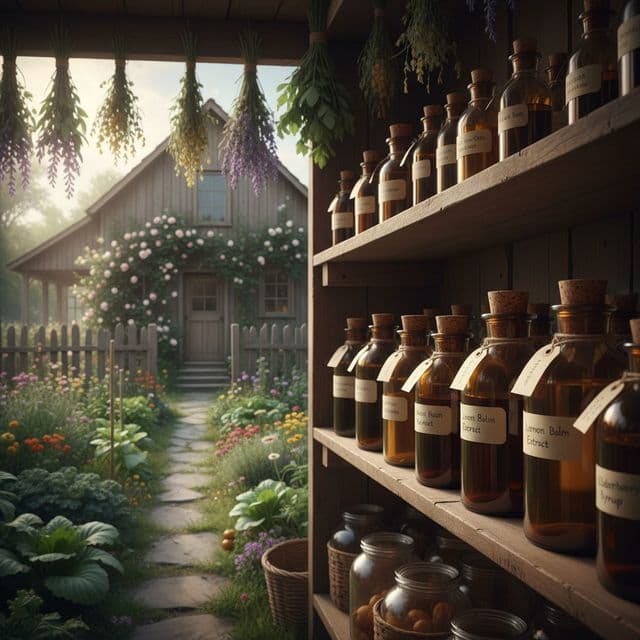
Learn how to maximize tincture shelf life and potency. Discover proper storage techniques, ideal conditions, and signs of spoilage for your home apothecary.