Key takeaways
- Mustard cake (sarso ki khali) is the nutrient-dense organic residue left after cold-pressing mustard seeds for oil.
- It provides an organic NPK ratio of roughly 4:1:1 to 5:2:1 (with exact values varying by batch) alongside sulfur, zinc, iron, and bio-active compounds.
- Fermenting 100 grams of mustard cake in 1 to 2 litres of water for three to five days creates a potent liquid plant tonic.
- Always dilute the fermented concentrate 1:10 with fresh water until it resembles pale black tea before soil application.
- Avoid applying mustard cake during continuous monsoon downpours or onto waterlogged soil to prevent white mold growth.
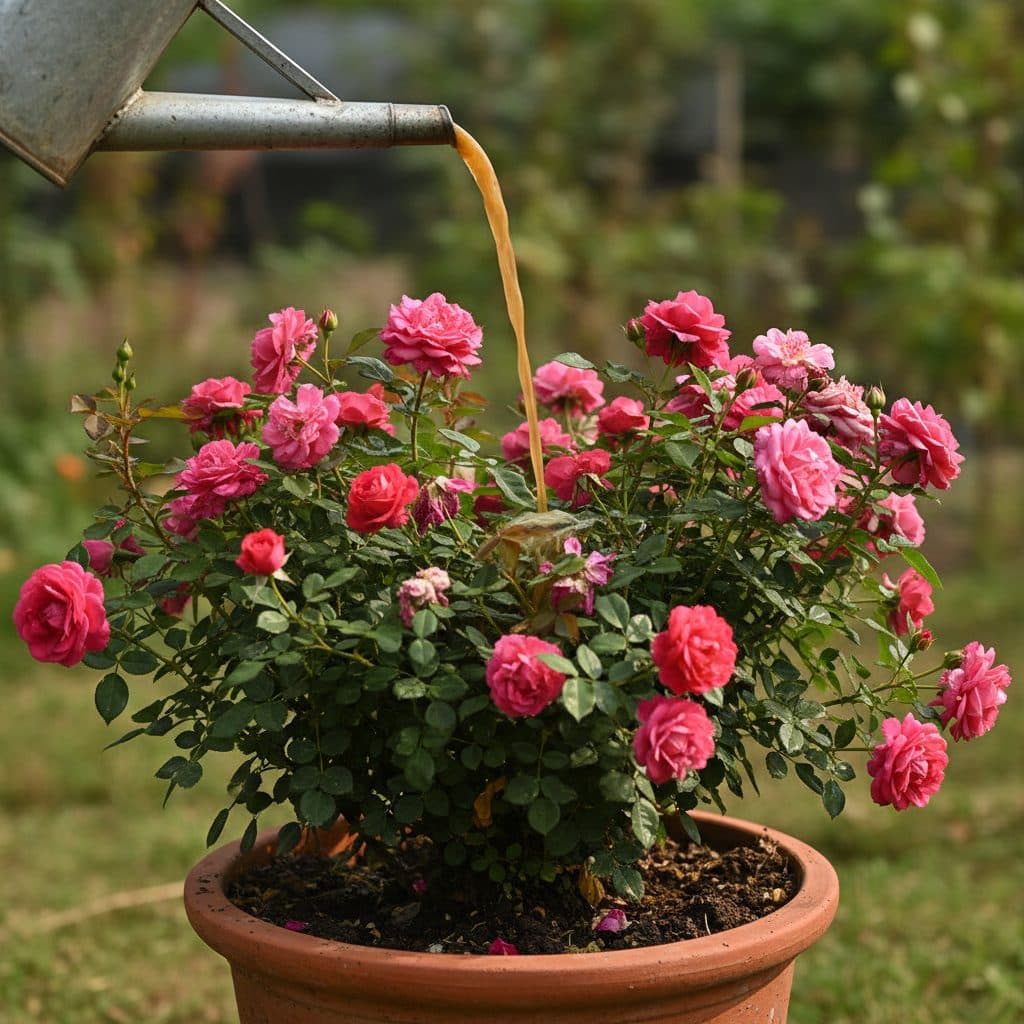
Quick answer: Mustard cake fertilizer for plants, known as sarso ki khali, is an organic fertilizer made by soaking 100 grams of mustard oil cake in 1 to 2 litres of water for three to five days. Dilute the fermented amber liquid with ten parts water and pour it directly onto the soil around heavy-feeding flowering plants like roses, hibiscus, and fruiting vegetables every two to three weeks.
Across traditional Indian horticulture, mustard oil cake has long been revered as one of the most effective organic fertilizers for terrace gardens and container plants. Known in Hindi as sarso ki khali, this humble byproduct of traditional mustard oil mills provides plants with concentrated nutrition that rivals synthetic chemical fertilizers. Understanding how to prepare and apply mustard cake fertilizer for plants enables organic growers to achieve strong flowering and bumper vegetable harvests.
When mustard seeds (Brassica juncea) are cold-pressed for cooking oil, the dry, fibrous cake that remains retains high levels of plant-available nitrogen, phosphorus, potassium, and beneficial secondary minerals. In addition to plant nutrients, mustard cake contains natural sulfur compounds that suppress soil-borne fungal pathogens and deter soil nematodes.
Whether cultivating fragrant Desi roses, heavy-yielding chillies, or lush rooftop climbers, using sarso khali transforms plant vigor when applied correctly. By following traditional fermentation methods and proper dilution ratios, Indian gardeners can feed their plants safely without causing root burn or foul odors.
Nutritional profile and benefits of sarso khali
Mustard cake is an all-natural slow-release organic fertilizer offering diverse agronomic advantages:
+-------------------------------------------------------------+
|               MUSTARD CAKE NUTRIENT COMPOSITION             |
|                                                             |
|  PRIMARY MACRONUTRIENTS (NPK):                              |
|  - Nitrogen (N): Approximately 4.0% to 5.2% (foliage growth)|
|  - Phosphorus (P2O5): Approximately 1.0% to 1.8% (roots)    |
|  - Potassium (K2O): Approximately 1.0% to 1.5% (flowers)    |
|                                                             |
|  SECONDARY & MICRONUTRIENTS:                                |
|  - Sulfur: 0.5% to 1.2% (oil & protein synthesis)           |
|  - Zinc, Iron, Manganese, Magnesium, Calcium                |
|  - Glucosinolates (predominantly sinigrin) & Myrosinase     |
+-------------------------------------------------------------+- Sustained nitrogen release: The protein-bound nitrogen in mustard cake breaks down steadily through microbial activity, providing continuous feeding without the rapid leaching common with chemical urea.
- Abundant flowering and bud set: The combination of natural phosphorus and potassium stimulates dense lateral branching and increases the number of flower buds on flowering ornamentals.
- Natural soil sanitization: Mustard cake is rich in glucosinolates (predominantly sinigrin), which enzymatic hydrolysis converts into allyl isothiocyanate. These organic compounds suppress harmful root-knot nematodes and pathogenic fungi such as Fusarium and Rhizoctonia.
- Improves soil biology: Organic matter from the decomposed cake feeds beneficial soil bacteria and earthworms, improving the moisture-retention capacity of potted terrace soils.
How to make mustard cake liquid fertilizer (step-by-step)
Fermenting mustard cake into a liquid tea releases nutrients in a soluble, fast-acting form that roots absorb within hours.
+-------------------------------------------------------------+
|             LIQUID FERMENTATION TIMELINE (100g CAKE)        |
|                                                             |
|  DAY 1: Soak 100g cake in 1-2 litres water in plastic bucket|
|  DAYS 2-4: Stir clockwise once daily; keep in shaded spot   |
|  DAY 5: Fermentation complete; pungent amber concentrate    |
|  DILUTION: Add 10 to 12 litres fresh water (1:10 ratio)     |
|  APPLICATION: Pour 250-500 ml per 30 cm container soil      |
+-------------------------------------------------------------+- Measure the cake: Take 100 grams of dry mustard cake (pieces or coarse flakes) and place it inside a clean 5-litre plastic bucket or terracotta container.
- Add clean water: Pour 1 to 2 litres of non-chlorinated tap water or collected rainwater over the cake.
- Cover and ferment: Cover the bucket loosely with a breathable cotton cloth or loose lid to allow fermentation gases to escape while keeping flies out. Keep the bucket loosely covered in shade for 3 to 5 days (shorter in hot summer, longer in winter), stirring daily. It will develop a strong, pungent odour during fermentation — keep it well away from indoor living areas.
- Daily stirring: Stir the mixture briskly with a wooden stick once a day for two minutes. This aerates the liquid and ensures the cake dissolves into a uniform slurry.
- Fermentation duration: In hot summer weather (30°C to 38°C), fermentation completes in three to four days. During cooler winter months (15°C to 22°C), allow five to seven days.
- Dilution (Mandatory step): The resulting dark amber liquid is highly concentrated and will burn roots if applied raw. Dilute the fermented concentrate with 10 to 12 litres of fresh water until the liquid turns the color of weak, translucent black tea.
For gardeners seeking diverse organic liquid feeds, comparing this tonic with banana and eggshell scrap liquid feeds or combining it with worm casting tea foliar application provides complete plant nutrition.
Dry powder application for potting soils
In addition to fermented liquid tea, mustard cake can be applied in dry powdered form to enrich potting soils and garden beds.
+-------------------------------------------------------------+
|               DRY MUSTARD POWDER APPLICATION GUIDE          |
|                                                             |
|  POTTING MIX ADDITION (New Containers):                     |
|  - Add 2 tablespoons (30-40g) per 30 cm pot                 |
|  - Mix thoroughly into the lower two-thirds of soil mix     |
|                                                             |
|  ESTABLISHED PLANTS (Monthly Top-Dressing):                 |
|  - Lightly hoe (gudai) top 2-3 cm of container soil         |
|  - Sprinkle 1-2 tablespoons around the pot perimeter        |
|  - Work powder into soil and water immediately              |
+-------------------------------------------------------------+
Monthly top-dressing procedure
Perform gentle hoeing (gudai) around the perimeter of the pot, keeping at least 5 cm away from the central plant stem. Sprinkle one to two tablespoons of finely crushed sarso khali powder evenly into the loosened soil, cover with a thin layer of compost, and water deeply. Soil microorganisms will gradually decompose the powder over three to four weeks, releasing steady nutrition.
Best plants for mustard cake: roses, fruiting vegetables, and more
Mustard cake is suitable for a broad range of heavy-feeding plants grown in Indian home gardens.
- Roses (Desi & Hybrid Tea): Roses respond dramatically to sarso khali. Apply 250 ml of diluted liquid fertilizer every 15 days during the active growing and flowering season (October to March) to produce large, fragrant blooms with deep petal coloration.
- Hibiscus and flowering shrubs: Hibiscus, bougainvillea, mogra (Arabian jasmine), and night-blooming jasmine develop prolific flower buds when fed mustard tea every two weeks.
- Fruiting vegetables: Solanaceous crops—such as brinjal (eggplant), tomatoes, and green chillies—benefit from applications once flowering begins. It also boosts vigor in climbing cucurbits like those in our guide on how to grow ridge gourd.
- Fruit trees in pots: Container-grown fruit trees—including citrus (nimbu), guava, pomegranate, and tropical specimens featured in how to grow banana plant at home—thrive when fed diluted mustard cake tea during active vegetative flushes.
- Plants to avoid or treat with caution: Avoid feeding sarso khali to newly sprouted seedlings, drought-adapted succulents and cacti, or sensitive acid-loving plants (such as azaleas and gardenias) whose root zones can be disrupted by rich organic top-dressings.
Common mistakes and seasonal precautions
While mustard cake is organic, improper handling can cause plant damage or pest issues.
+-------------------------------------------------------------+
|               CRITICAL MUSTARD CAKE PRECAUTIONS             |
|                                                             |
|  NEVER:                                                     |
|  - Apply undiluted, thick fermented slurry to pots          |
|  - Apply onto bone-dry, parched root balls                  |
|  - Pour fermented liquid onto leaves or flower petals       |
|  - Use during continuous, heavy monsoon downpours           |
|                                                             |
|  ALWAYS:                                                    |
|  - Water soil lightly before applying liquid fertilizer     |
|  - Pour liquid along the pot edge, away from the stem       |
|  - Store dry cake in an airtight plastic container          |
+-------------------------------------------------------------+- Applying undiluted slurry: Pouring thick, un-diluted fermented cake directly onto container soil creates an oxygen-depleted crust that generates excessive heat and suffocates roots. Always dilute 1:10 until translucent.
- Monsoon season risks: During continuous heavy monsoon rain, high atmospheric humidity and saturated potting soil create ideal conditions for white fungal mold (saprophytic mycelium) to overgrow unfermented mustard cake. Suspend dry cake applications during peak July and August rains.
- Foliage and foliar spray precautions: Avoid splashing fermented liquid onto plant leaves, as concentrated nitrogen and sulfur can scorch tender foliage under hot terrace sun. If using as a foliar spray, filter thoroughly through muslin cloth to avoid clogging spray nozzles, test on a single branch first, and never spray in full direct sun or on open blooms.
- Soil moisture check: Never apply fertilizer to bone-dry, wilting plants. Water the container lightly an hour beforehand so root hairs are hydrated and ready to absorb nutrients smoothly.
By respecting dilution rates and seasonal timing, mustard cake fertilizer provides steady organic nourishment for your Indian garden. At agripure, time-tested horticultural practices help you grow healthier, more productive plants using sustainable organic inputs.