Key takeaways
- Vertical hydro towers use recirculating water and nutrients, eliminating soil and reducing water use by up to 90%.
- Common designs include Nutrient Film Technique (NFT), Deep Water Culture (DWC), and aeroponics.
- Leafy greens (e.g., lettuce, spinach), culinary herbs (e.g., basil, mint), and small fruiting plants (e.g., strawberries) thrive in these systems.
- Space efficiency allows for significant yield increases, with a 100 square foot setup potentially matching the output of a much larger traditional garden space.
- Maintaining correct pH (5.5-6.5) and nutrient levels, along with consistent lighting, matter for plant health and growth.
- While initial costs can be higher, vertical hydro towers offer year-round production and consistent harvests, even in challenging climates.
Quick answer: Vertical hydro towers increase leafy green yields by utilizing vertical space and recirculating nutrient-rich water, allowing for dense cultivation and year-round production in compact urban areas. These systems can significantly reduce water usage and maximize plant count per square foot compared to traditional gardening.
In the arid landscapes of Arizona, where water conservation is paramount, growers are constantly seeking efficient methods. Traditional farming can consume thousands of gallons of water per acre for a single crop cycle. However, a growing number of urban and suburban gardeners, from Phoenix to Portland, are turning to vertical hydro towers to produce fresh food with significantly less water and space.
These soilless systems stack plants vertically, allowing for dense cultivation in compact areas, like a small patio or even indoors within a grow tent. By recirculating nutrient-rich water directly to plant roots, vertical hydro towers offer a controlled environment that can boost yields and extend growing seasons, even in USDA zone 5 winters if properly enclosed. Understanding their mechanics and identifying suitable crops is key to success.
The rise of vertical farming
For centuries, agriculture has largely been a horizontal endeavor, spreading across vast fields. However, as urban populations have grown and land resources have become scarcer, especially in densely populated areas like the Northeast Corridor, the concept of growing food upwards has gained traction. The idea of stacking crops to maximize yield per square foot isn’t entirely new; early concepts for multi-story farming appeared in academic discussions as far back as 1980 [1]. Modern vertical farming, however, integrates advanced hydroponic or aeroponic techniques with controlled environments.
Vertical hydro towers are a prominent component of this movement, offering a practical solution for both commercial operations and home gardeners. These systems allow for intensive cultivation, where a small 4-foot by 4-foot footprint can support dozens of plants, far exceeding the output of a similar ground-level plot. This efficient use of space is particularly appealing in cities like New York or Los Angeles, where a traditional garden might be impossible. They represent a significant step in making fresh, local produce accessible year-round, even in challenging climates like USDA zone 4 winters.
why vertical farming is gaining traction
The benefits extend beyond mere space saving. Controlled environments minimize exposure to pests and diseases, reducing the need for chemical interventions. Furthermore, the localized nature of vertical farms can drastically cut down on food miles, ensuring produce arrives fresher and with a longer shelf life. For example, a single indoor vertical farm in Chicago can supply thousands of pounds of leafy greens to local restaurants and grocery stores each week, reducing transit times from days to hours.
- Space optimization: Maximizes plant count in minimal square footage, often many times more per square foot.
- Urban integration: Enables food production directly within city limits, reducing transportation needs.
- Controlled environment: Protects crops from adverse weather, pests, and soil-borne diseases.
- Year-round harvests: Facilitates continuous growing cycles indoors, regardless of external climate conditions.
- Reduced transportation: Lowers the carbon footprint of food distribution by shortening supply chains.
What are vertical hydro towers?
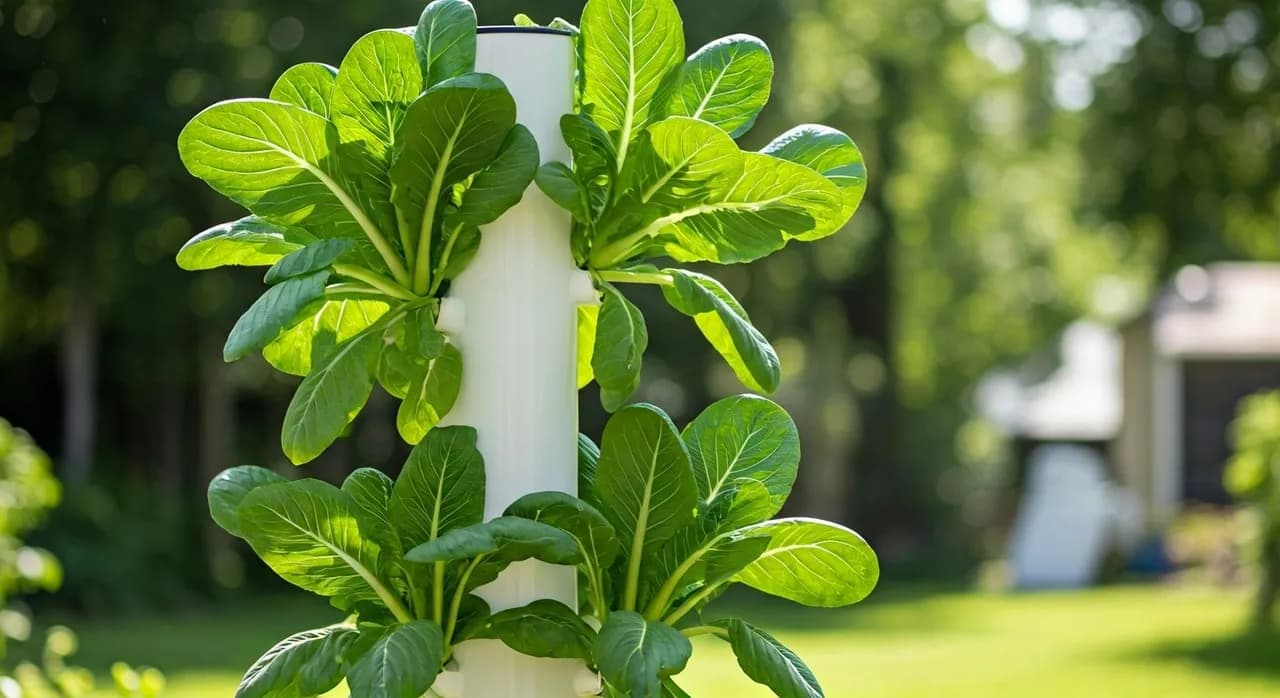
Vertical hydro towers represent a significant shift from traditional horizontal farming, utilizing vertical space to grow crops. These systems typically consist of a central column with planting pockets or openings, allowing plants to grow outwards. Instead of soil, plants are supported by an inert medium like rockwool, coco coir, or perlite, and receive all their essential nutrients through water. This method can reduce water usage significantly, in some cases by 70% to 90%, compared to conventional farming, a real benefit in regions facing water scarcity, such as California’s Central Valley.
The concept of utilizing vertical space for agriculture isn’t entirely new; historical accounts mention similar ideas, but modern technology has refined these systems for efficiency and yield. A typical home tower might stand 5 to 7 feet tall and accommodate 20 to 40 plants in a footprint of just 2 to 3 square feet. This density allows for substantial production in small areas, making them ideal for urban settings where land is at a premium. For instance, a 100 square foot indoor setup could potentially yield as much as a quarter-acre of traditional garden space for leafy greens. This contrasts sharply with traditional methods that grapple with soil composition, like managing clay soil.
key components of a home system
At their core, vertical hydro towers are designed for simplicity and efficiency. A reservoir at the base holds the nutrient solution, which is then pumped upwards and allowed to cascade down, bathing the plant roots. This recirculating system minimizes waste and ensures plants receive a consistent supply of water and nutrients. The structural integrity of these towers, often made from food-grade PVC or similar durable plastics, ensures longevity, and many systems last for many years with proper care.
- Reservoir: Holds 10 to 20 gallons of nutrient-rich water at the base of the tower.
- Submersible Pump: Circulates the nutrient solution from the reservoir to the top of the tower.
- Central Column/Stackable Sections: Provides the structural support and channels water flow.
- Planting Pockets: Openings where plants are placed, often 20 to 40 per tower.
- Growing Medium: Inert materials like rockwool or coco coir that support the plant roots.
How vertical hydro towers work
At the heart of a vertical hydro tower is a recirculating nutrient delivery system. A reservoir at the base holds water mixed with a balanced hydroponic nutrient solution, tailored to the specific needs of the plants. A small pump, often running on a timer for 15 to 30 minutes every few hours, pushes this solution up a central pipe to the top of the tower. From there, gravity takes over, allowing the nutrient solution to trickle down over the roots of each plant, bathing them in essential minerals like nitrogen, phosphorus, and potassium.
This constant flow ensures roots receive adequate hydration and nutrients, while excess solution drains back into the reservoir for reuse. Maintaining the correct pH level — typically between 5.5 and 6.5 for most vegetables — is critical for nutrient uptake. Regular monitoring, perhaps every 2 to 3 days, and adjustments with pH up or down solutions are necessary to keep plants healthy. In a 20-gallon system, a pH fluctuation of 0.5 can significantly impact nutrient availability. This method, often called nutrient film technique (NFT) or drip irrigation, is highly efficient, minimizing waste and maximizing plant access to vital elements.
understanding nutrient delivery methods
While the basic principle of water recirculation remains constant, different hydroponic methods can be adapted for vertical towers. The most common for home systems is a drip or NFT style, where a thin film of nutrient-rich water flows over the roots. Other systems, though less common in simple vertical towers, include deep water culture (DWC) where roots are submerged, or aeroponics where roots are misted. Each method offers slight variations in water and oxygen delivery, impacting growth rates by up to 10% depending on the crop and environmental conditions.
- Nutrient Film Technique (NFT): A thin film of nutrient solution flows over the roots, providing constant access to water and oxygen.
- Deep Water Culture (DWC): Plant roots are partially submerged in an aerated nutrient solution, ideal for leafy greens.
- Aeroponics: Roots are suspended in air and misted with nutrient solution at regular intervals, offering high oxygenation.
- Drip Systems: Nutrient solution is delivered directly to the base of each plant through small emitters, common in larger setups.
- Wick Systems: A simple, passive system using a wick to draw solution to the growing medium, suitable for smaller, less demanding plants.
Crops that thrive in vertical hydro towers
Not all plants are equally suited for vertical hydro towers, but many common garden favorites flourish in these controlled environments. Leafy greens are particularly well-adapted, including various types of lettuce like romaine, butterhead, and loose-leaf, which can mature in as little as 30 days from transplant. Spinach, kale, and Swiss chard also perform exceptionally well, often producing larger, more tender leaves than their soil-grown counterparts. A single 4-foot tower can easily yield 15 to 20 pounds of lettuce over a month in optimal conditions, such as those found in a controlled indoor setting with 14 hours of daily light.
Herbs are another excellent choice for vertical systems. Basil, mint, cilantro, parsley, and chives grow vigorously, providing a continuous supply for culinary use. Many growers in USDA zone 8, for example, find they can harvest basil weekly from a vertical tower for 8 to 9 months of the year. Small fruiting plants like strawberries also do remarkably well, producing sweet berries in a compact footprint. A tower with 20 strawberry plants can yield several pounds of fruit per week during peak season. Other successful crops include cherry tomatoes, bell peppers, and even some smaller varieties of cucumbers, though these often require more support and careful pruning.
high-performing plant varieties
Beyond the common choices, certain varieties within these categories are bred for compact growth and high yield in hydroponic systems. For instance, ‘Tom Thumb’ lettuce or ‘Tiny Tim’ tomatoes are excellent for vertical towers due to their manageable size. The consistent nutrient delivery and absence of soil-borne diseases contribute to a healthier, sturdier plant, with faster growth rates and greater overall production compared to traditional gardening methods. Careful selection of seeds or seedlings adapted to hydroponics can further enhance success.
- Lettuce varieties: Romaine, butterhead, loose-leaf, iceberg, and red leaf, maturing in 30-45 days.
- Herbs: Basil, mint, cilantro, parsley, chives, and oregano, offering continuous harvests.
- Greens: Spinach, kale, Swiss chard, arugula, and mustard greens, known for tender leaves.
- Fruiting plants: Strawberries, cherry tomatoes, and small bell peppers, yielding consistent produce.
- Other: Microgreens, bok choy, and some smaller flowering plants for aesthetic appeal.
Setting up and maintaining your system
Setting up a vertical hydro tower involves a few key steps. First, choose a location that provides adequate light. For indoor setups, LED grow lights are essential, typically providing 12 to 16 hours of light per day, with a wattage of 100 to 300 watts for a single tower. For outdoor systems, ensure at least 6 hours of direct sunlight. Next, assemble the tower according to manufacturer instructions, often involving stacking sections and connecting a pump to the reservoir. Fill the reservoir with dechlorinated water and add your chosen hydroponic nutrient solution, following the product’s dilution ratios, which might be 10 ml per gallon for a general-purpose mix.
Once plants are transplanted into the growing pockets, regular maintenance matters. Monitoring pH and nutrient levels every few days is paramount; a pH meter and EC (electrical conductivity) meter are indispensable tools. The nutrient solution in the reservoir should be completely changed every 7 to 14 days to prevent nutrient imbalances and pathogen buildup. This fresh solution ensures plants receive a balanced diet. Pest management, while less frequent than in soil, still requires vigilance. Inspect plants daily for signs of aphids or spider mites, which can be managed with natural sprays or beneficial insects. For persistent indoor issues, consider using a reflective indoor grow tent to create a more controlled environment and deter pests.
essential equipment for success
Beyond the tower itself, a few pieces of equipment are non-negotiable for consistent success. A reliable timer for the pump ensures consistent nutrient delivery, and a separate timer for grow lights maintains optimal photoperiods. Having a backup pump on hand can prevent catastrophic crop loss in case of equipment failure, particularly for systems running 24/7. Investing in high-quality nutrient solutions, specifically formulated for hydroponics, will provide the balanced diet your plants need to thrive, supporting growth rates up to 20% faster than with generic fertilizers.
- Light source: Adequate sunlight (6+ hours) or full-spectrum LED grow lights (12-16 hours daily) for indoor setups.
- Nutrient solution: A balanced hydroponic formula, specific to plant growth stage, typically changed every 1-2 weeks.
- pH and EC meters: Essential for monitoring water quality and nutrient availability, checked every 2-3 days.
- Water pump and timer: To circulate the nutrient solution efficiently, often cycling 15-30 minutes every few hours.
- Growing medium: Rockwool, coco coir, or hydroton to support plants and provide aeration for roots.
Benefits and considerations
The advantages of vertical hydro towers are compelling for many growers. Perhaps the most significant is space efficiency, allowing for substantial food production in small urban apartments or suburban backyards. A family of four in a USDA zone 7 city could potentially grow a significant portion of their leafy greens and herbs in a two-tower system occupying less than 10 square feet. This density is a direct result of stacking plants, a concept explored in early urban planning discussions [5]. Furthermore, these systems use considerably less water — often 80% to 90% less than traditional farming — because water is recirculated, not lost to evaporation or runoff.
However, vertical hydro towers also come with their own set of considerations. The initial setup cost can be higher than a traditional garden, ranging from $200 for a basic home unit to several thousand dollars for larger commercial systems. There’s also a learning curve involved in managing pH, nutrient concentrations, and identifying plant deficiencies, which can be intimidating for new growers. Power consumption for pumps and lights, especially in indoor setups, adds to the operational cost, potentially $10 to $30 per month for a small system. Despite these challenges, the consistent yields and ability to grow fresh produce year-round make them a worthwhile investment for many, providing up to 20 harvests per year for fast-growing crops like lettuce.
weighing the pros and cons
While the promise of fresh, home-grown produce year-round is attractive, it’s important to approach vertical hydroponics with a realistic understanding of its demands. The controlled environment minimizes many traditional gardening headaches like weeds and soil-borne pests, but it introduces new ones, such as managing nutrient imbalances or algae growth in the reservoir. For a dedicated grower, the benefits of higher yields, faster growth, and significantly reduced water usage — potentially saving thousands of gallons annually — often outweigh the initial investment and learning curve. Many commercial operations report a return on investment within 3 to 5 years, demonstrating the long-term viability.
- Increased yields: Up to 25% to 50% higher yields per square foot compared to soil-based gardening.
- Reduced water usage: Typically 70% to 90% less water than traditional farming due to closed-loop systems.
- Faster growth: Plants can mature more quickly due to optimized nutrient delivery and environmental control.
- Year-round production: Possible indoors, extending growing seasons regardless of climate or USDA zone.
- Fewer pests and diseases: Controlled environment minimizes soil-borne issues and reduces weed pressure.
Comparing vertical hydroponics to traditional soil gardening
Feature | Vertical Hydroponics | Traditional Soil Garden |
|---|---|---|
Space Efficiency | Extremely high, 20-40 plants in 2-3 sq ft | Low, few plants per sq ft |
Water Usage | Very low, 70-90% less due to recirculation | High, significant evaporation and runoff |
Growth Rate | Fast, 20-30% quicker | Moderate, dependent on soil and climate |
Pest/Disease Control | Easier, fewer soil-borne issues | Challenging, prone to soil pests and diseases |
Yield Potential | High, consistent, year-round | Moderate, seasonal, climate-dependent |
Initial Cost | Moderate to high ($200-$1000+) | Low ($50-$200 for basic setup) |
Learning Curve | Moderate, requires understanding pH/nutrients | Low, intuitive for many |
Water Savings: Vertical hydroponic systems can use up to 90% less water than traditional field farming for leafy greens.
Space Efficiency: A 100 square foot indoor vertical farm can produce as much as a much larger area of traditional farmland for certain crops, accommodating hundreds of plants.
Faster Growth: Plants in vertical hydro towers can mature 20% to 30% quicker than soil-grown counterparts due to optimized nutrient delivery and environmental control.
Browse our grow tent selection
Frequently asked questions
What is the average yield from a single vertical hydro tower?
A typical home vertical hydro tower, standing 5 to 7 feet tall with 20 to 40 planting pockets, can yield 15 to 20 pounds of leafy greens like lettuce per month. For herbs, it can provide weekly harvests for 8 to 9 months of the year, significantly boosting fresh produce availability.
How much water do vertical hydro towers save?
Vertical hydro towers are remarkably efficient, using 70% to 90% less water compared to traditional soil-based farming. This is primarily due to the recirculating system, which minimizes evaporation and runoff, making them ideal for water-scarce regions or conscious growers.
What are the essential maintenance tasks for a vertical hydro tower?
Key maintenance tasks include monitoring pH and nutrient levels every 2 to 3 days, changing the reservoir solution every 7 to 14 days, and inspecting plants daily for pests. Regular cleaning every 3 to 6 months helps prevent algae buildup and ensures optimal system performance for consistent yields.
Can I grow fruiting plants in a vertical hydro tower?
Yes, many small fruiting plants thrive in vertical hydro towers. Strawberries are a popular choice, with a 20-plant tower yielding several pounds of fruit per week during peak season. Cherry tomatoes and small bell peppers also perform well, though they may require additional support and pruning.
How much does it cost to set up a vertical hydro tower?
The initial setup cost for a home vertical hydro tower can range from $200 for a basic unit to over $1000 for more advanced systems with integrated lighting. Operational costs, primarily for electricity for pumps and lights, might add $10 to $30 per month for a small indoor setup.
What kind of light do vertical hydro towers need?
For outdoor vertical hydro towers, at least 6 hours of direct sunlight daily is ideal. For indoor setups, full-spectrum LED grow lights are essential, typically providing 12 to 16 hours of light per day, with a wattage of 100 to 300 watts per tower to ensure vigorous plant growth.
References
- Out of Ivory Towers (1980). Out of Ivory Towers.
- Effect of hydro-priming on imbibition rates in oilseed crops (2020). Effect of hydro-priming on imbibition rates in oilseed crops.
- 5 Towers (1996). 5 Towers.
- Refurbishing vertical space in the 21st century (2003). Refurbishing vertical space in the 21st century.
- Conquest of vertical space in earthquake country (2003). Conquest of vertical space in earthquake country.
- USDA Natural Resources Conservation Service (2024). USDA Natural Resources Conservation Service.