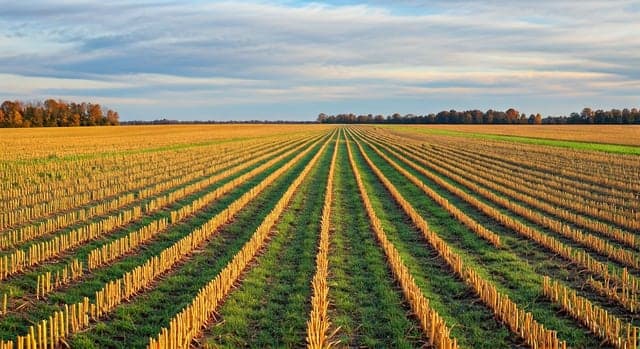
Quick cover crops: erosion control for US Midwest soil health
Discover the best quick cover crops for erosion control and soil health in the US Midwest. Learn about cereal rye, annual ryegrass, and legumes to protect your fields.
Topic
Compost and nutrient cycling covers the full loop from kitchen scraps and yard waste to finished humus-rich compost — and how that material re-enters the soil. Articles explain aerobic and anaerobic methods, C:N ratios, vermicomposting, and the microbial processes that drive decomposition.
88 articles in this topic on agripure. — page 1 of 4
Discover the best quick cover crops for erosion control and soil health in the US Midwest. Learn about cereal rye, annual ryegrass, and legumes to protect your fields.
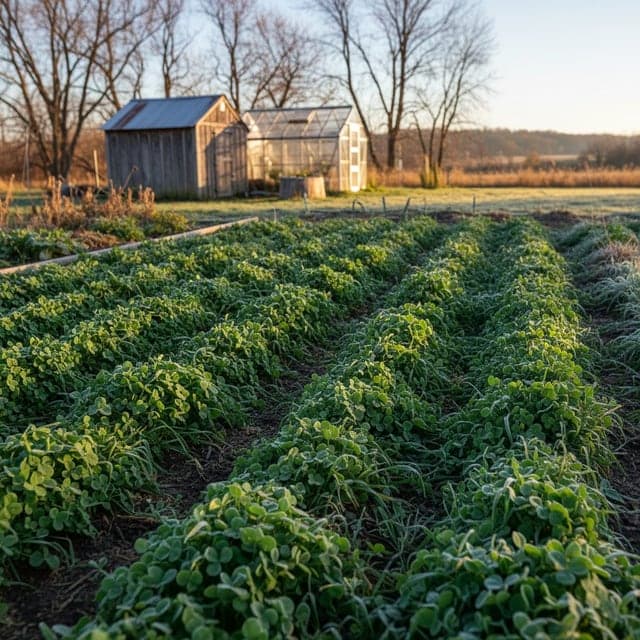
Discover how cover crops improve soil health, fix nitrogen, and boost yields in US gardens. Learn to choose and manage cover crops for a resilient, productive ecosystem.
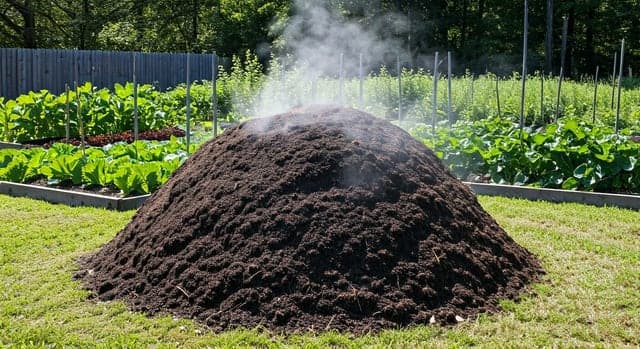
Learn how proper composting manure or aging prevents plant burn and pathogens in your garden. Essential tips for USDA Zone 6 gardeners to enrich soil safely.

Learn safe manure application rates for your garden. Discover how soil testing, composting, and specific guidelines for chicken, horse, and rabbit manure improve soil fertility.

Explore research on store-bought mycorrhizal inoculants for Midwest gardens. Learn when these fungi boost plant growth, improve soil, and reduce fertilizer needs.
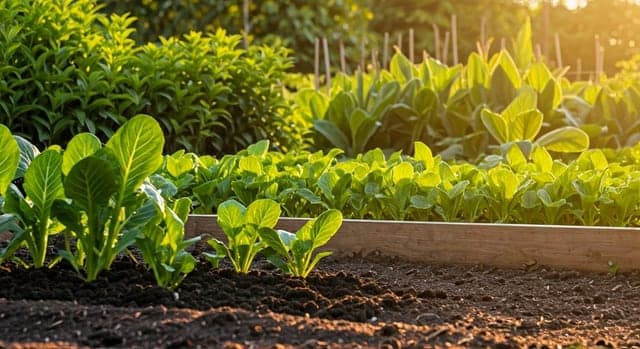
Learn to diagnose and correct potassium and magnesium deficiencies in your US home garden, especially in USDA Zone 6. Use soil testing for optimal yields and plant health.
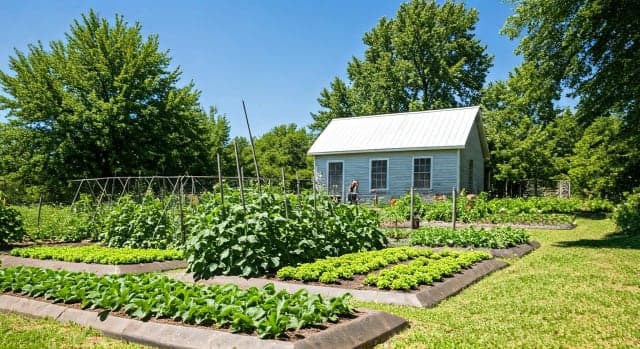
Natural methods like bone meal, rock phosphate, and compost to boost garden phosphorus in US soils, with guidance on soil pH and application timing.
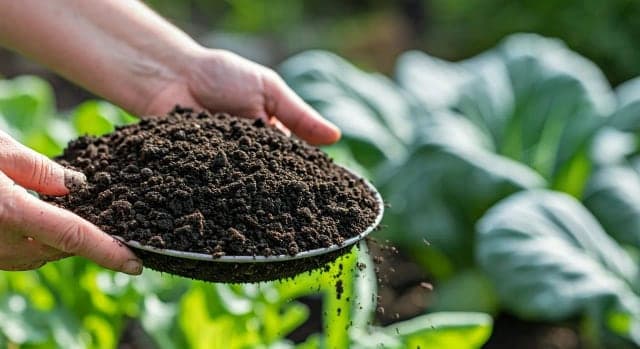
Skip concrete-forming sand and non-sodic gypsum myths. Learn the squeeze-drop wet-clay rule, compost and surface wood-chip depths, Daikon radish bio-drilling, and an honest 3-year clay soil timeline.
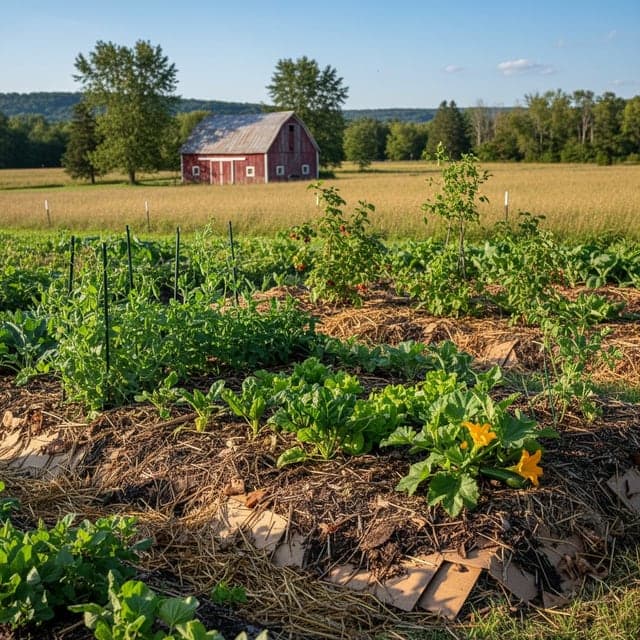
Convert turf into productive garden beds without digging: exact cardboard prep and contamination bans, vegetable vs. perennial tracks, WSU soil-science cautions around trees and clay, and silage ta…
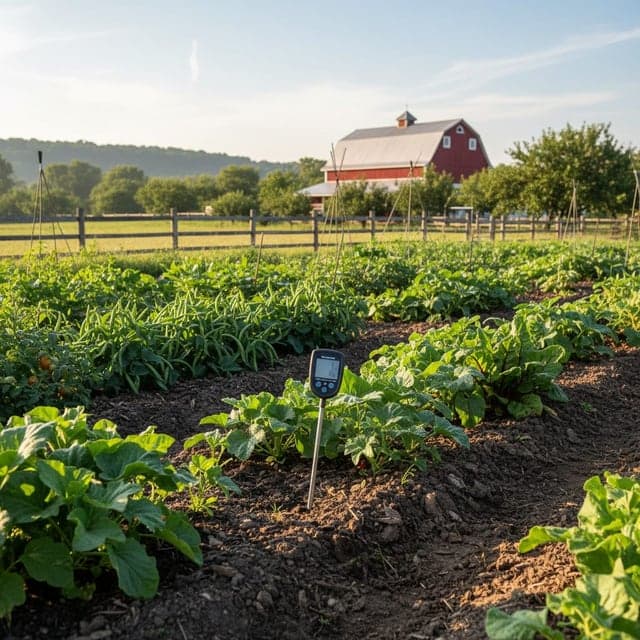
How to collect soil samples, select a testing lab, and interpret pH, NPK, and micronutrient reports for a USDA Zone 6 garden.

The UK transition to peat-free compost requires adjusting watering and feeding routines, as bark, wood fibre, and coir blends dry out faster on top while retaining core moisture.
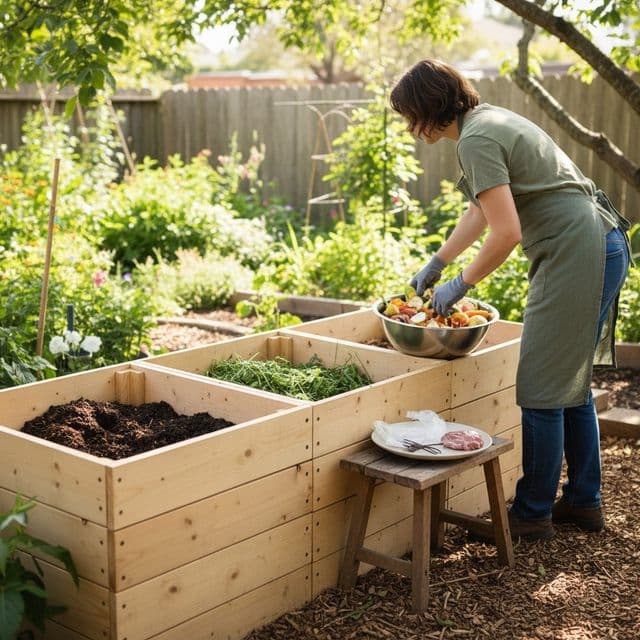
Learn what not to compost in backyard bins. Discover why meat, pet waste, herbicide-treated clippings, and diseased plants ruin compost piles and attract pests.
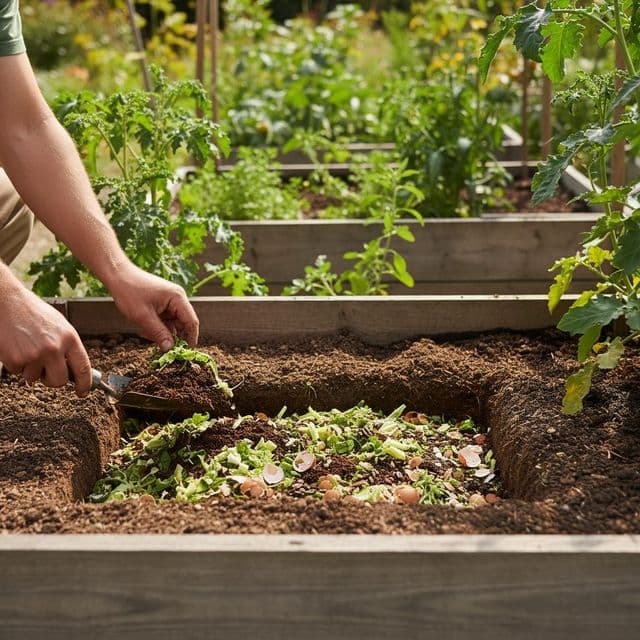
Master trench composting directly in your garden beds. Learn depth requirements, the 3-year rotation system, pest prevention, and soil benefits.

The soil food web is the underground biological community that cycles nutrients, improves soil structure, and suppresses plant disease naturally.
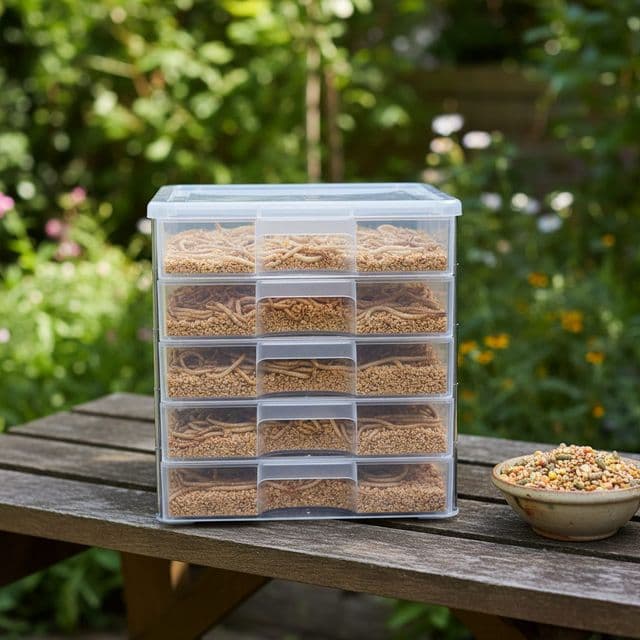
A practical guide to raising mealworms for chickens: breeding life cycles, three-drawer DIY bin setups, substrate feeding, and flock nutrition benefits.
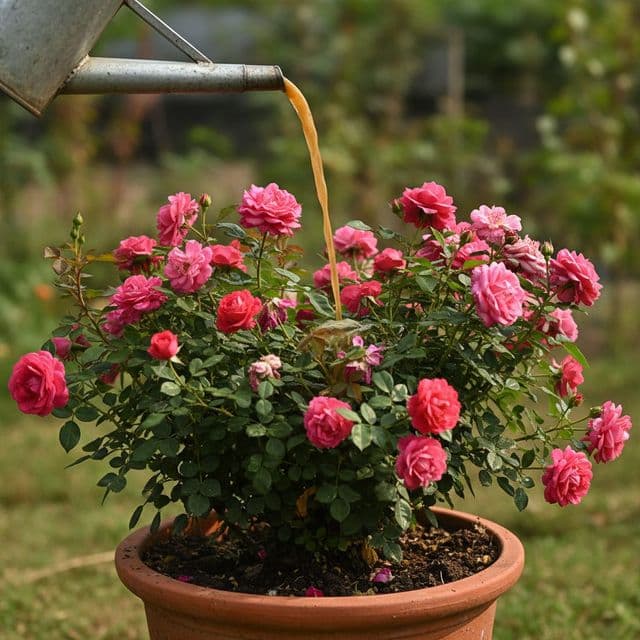
Learn how to prepare and apply mustard cake fertilizer (sarso khali) as a fermented liquid tea or powder to boost flowering and vegetable yields.
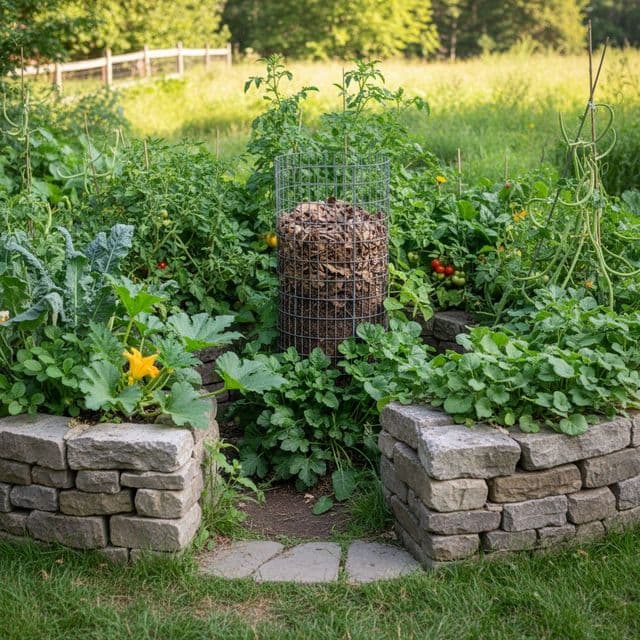
Learn how to design, build, and maintain a permaculture keyhole garden: circular raised bed dimensions, central composting basket, and layered organic fill.
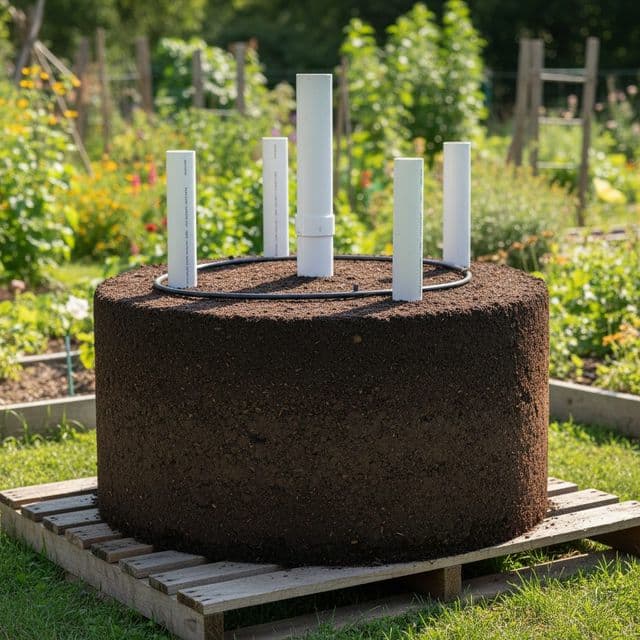
Build a Dr. David Johnson NMSU BEAM static bioreactor: wire cage, breathable fabric, smooth 4" PVC chimneys under 12-inch spacing, 70% moisture control, 52-week fungal shift, and 400-micron liquid…
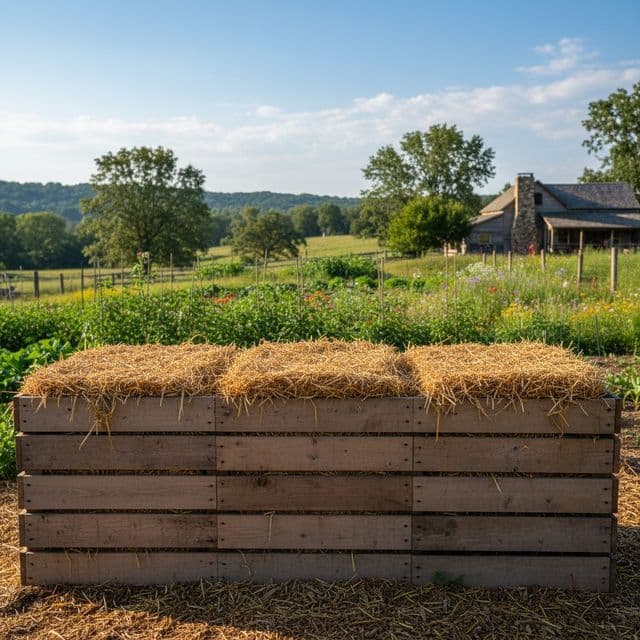
Build and operate a pathogen-safe US humanure system using EPA 40 CFR 503 Appendix B PFRP thermal criteria, 12–24+ month curing, covered leachate containment, and state code checks.
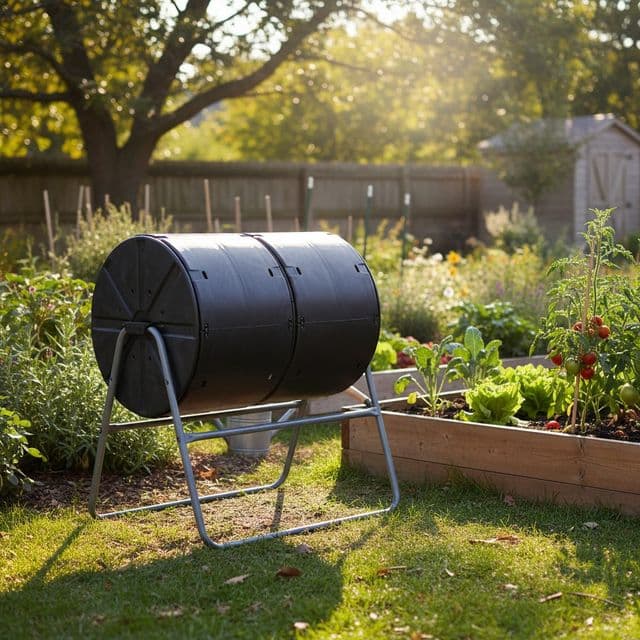
Learn to use a compost tumbler successfully: brown-to-green ratios, rotation schedules, moisture balance, winter operation, and troubleshooting wet clumping.
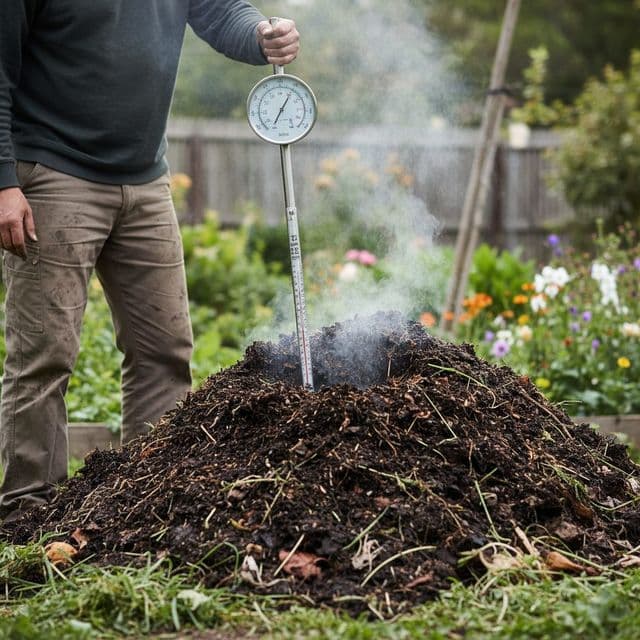
Exact composting timelines across 5 methods—18-day Berkeley hot compost, 6–10 week 3-bin active, 4–12 month Johnson-Su/cold piles, 3–6 month worm bins, and 2–4 week bokashi + 4-week trench—plus 165…

Understand ericaceous compost, its acidic pH range (4.5 to 5.5), which acid-loving plants require it, container potting mixes, and homemade recipe blends.
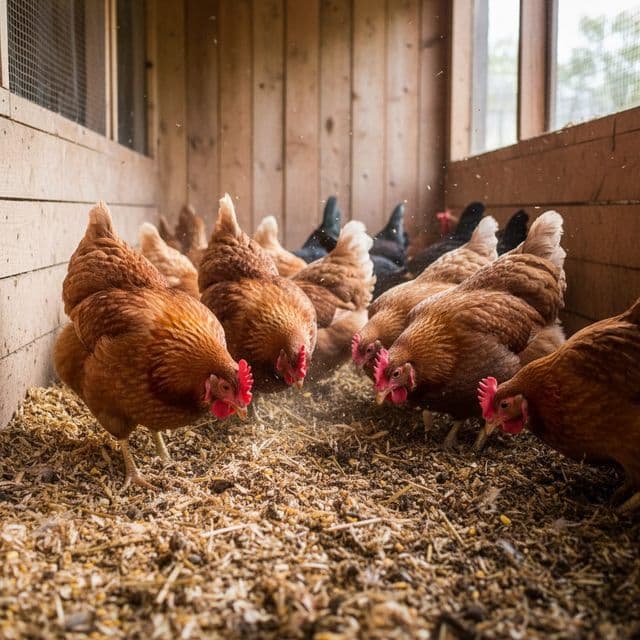
How to use the deep litter method for chicken coops to eliminate odors, generate natural winter heat, and turn poultry manure into rich garden compost.
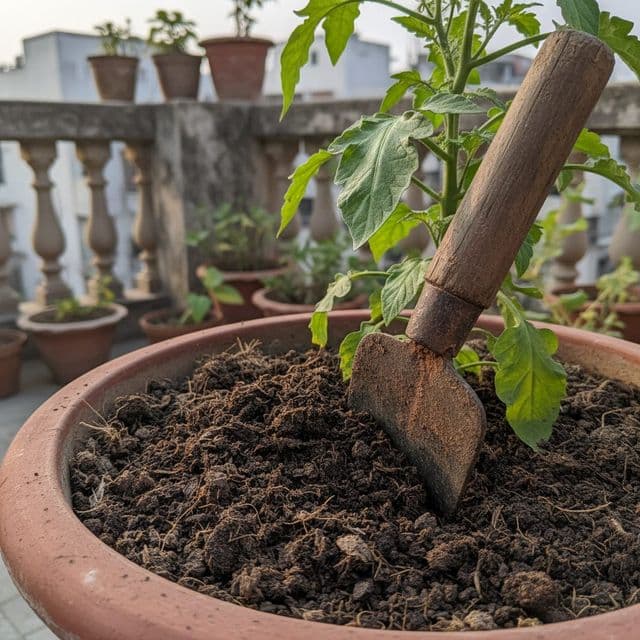
How to use cow dung fertilizer (gobar khad) safely in Indian terrace pots, garden beds, and fruit trees: real NPK math, hot composting, 90/120-day rule, liquid tea safety, and herbicide testing.