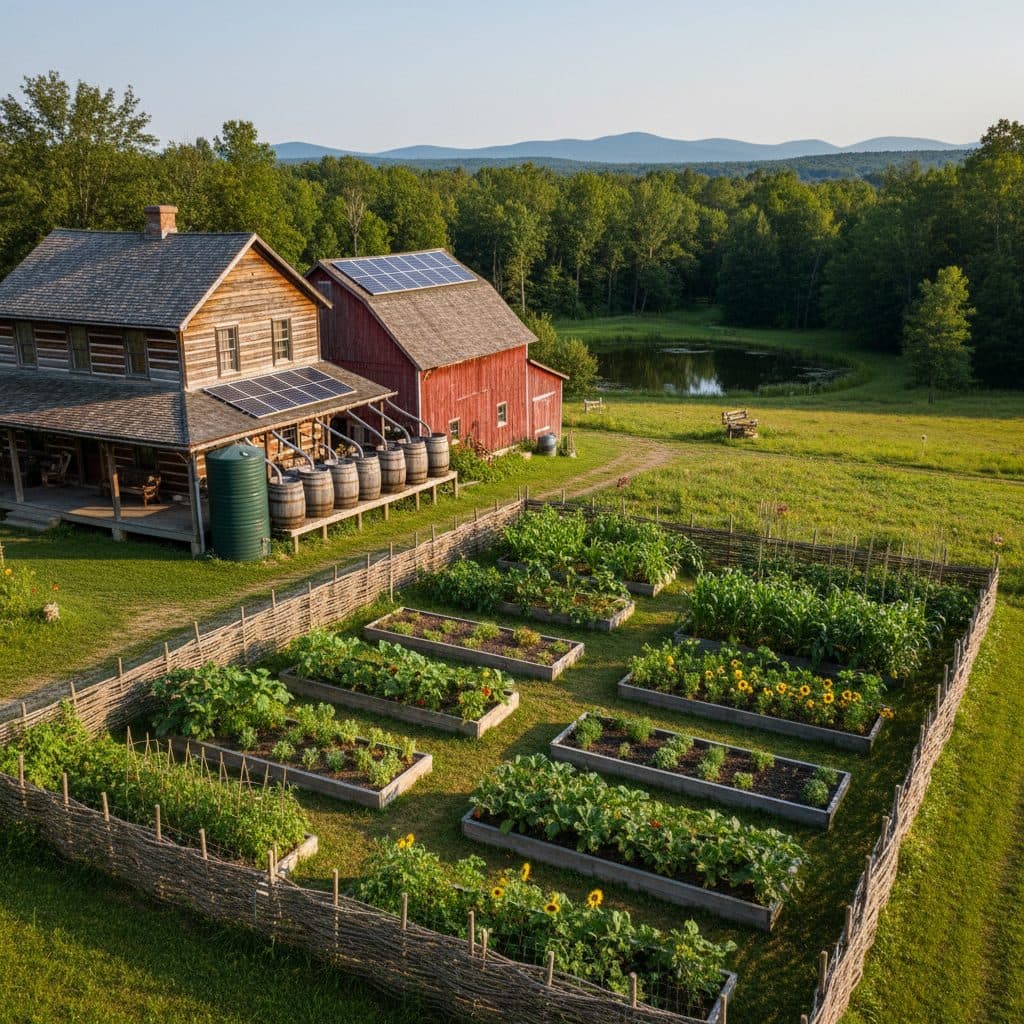
Key takeaways
- Rainwater harvesting can reduce garden irrigation needs by 30% or more, especially in regions like the Southwest.
- Simple systems, like rain barrels, can collect hundreds of gallons of water from a typical 1,000 square foot roof.
- Proper storage and distribution methods, including drip irrigation, maximize efficiency and minimize evaporation.
- Integrating harvested water with drought-tolerant plant choices strengthens garden resilience in USDA zones 7-10.
- Compost and mulching improve soil health, which increases water retention and reduces irrigation frequency by 25%.
- Legal restrictions on rainwater collection vary by state; check local regulations before installing large systems.
Quick answer: Rainwater harvesting helps gardens by providing a free, chlorine-free water source, reducing irrigation needs by 30-50%, and building resilience against drought. It also lowers water bills and supports local conservation efforts.
In arid regions like Arizona and Southern California, where average annual rainfall might be less than 15 inches, every drop of water counts for home gardeners. Even in wetter climates, like the Pacific Northwest, extended dry spells can stress food plants and strain municipal water supplies. Rainwater harvesting offers a practical, cost-effective solution, enabling gardeners across all USDA zones to capture a free, high-quality water source directly from their rooftops.
A typical 1,000 square foot roof can collect approximately 620 gallons of water from just one inch of rainfall [2]. This collected water, free of chlorine and other municipal additives, is ideal for irrigating food gardens, reducing reliance on potable water by 30% or more and building significant resilience against heat and drought. This guide will walk through the basics of setting up effective rainwater harvesting systems, from simple rain barrels to more integrated approaches, helping you cultivate a thriving food garden with less reliance on external water sources.
Why harvest rainwater? The benefits for your garden
Using rainwater for your garden provides several distinct advantages over municipal water. First, it’s free. Once your initial collection system is in place, you’re tapping into a consistent, naturally replenished resource. For a gardener in USDA zone 7 with a 1,500 square foot roof, collecting just 10 inches of annual rainfall could yield 9,300 gallons of water, significantly offsetting utility costs for irrigation. Second, rainwater is often cleaner than tap water, lacking chlorine, fluoride, and other chemicals that can be present in treated municipal supplies. Its pH is typically slightly acidic, around 5.5 to 6.5, which is beneficial for many garden plants, especially acid-loving varieties like blueberries or rhododendrons [3].
building garden resilience
Beyond cost savings and water quality, rainwater harvesting directly contributes to your garden’s resilience against climate challenges. In areas prone to drought, like much of the US Southwest where annual rainfall can be below 10 inches, storing rainwater provides a critical backup supply. This reduces your dependence on dwindling municipal water resources during dry periods, so your food plants receive consistent moisture. The USDA Natural Resources Conservation Service estimates that effective rainwater harvesting can reduce irrigation needs by 30% to 50% in many home gardens, especially when combined with other water-saving practices [1]. This stored water can keep your garden thriving even when outdoor watering restrictions are in place, making your food supply more secure.
- reduced water bills by up to 50% for irrigation
- chlorine-free water, better for soil microbes and plant roots
- improved garden resilience during drought conditions
- reduced stormwater runoff from your property by 70% to 80%
- support for local water conservation efforts
Simple systems: rain barrels and basic collection
Starting with rainwater harvesting doesn’t require a major overhaul; a simple rain barrel system is often the best first step for many gardeners. Most rain barrels hold between 50 and 100 gallons and connect directly to a downspout. For instance, a single 50-gallon barrel can capture all the runoff from a 20 square foot roof section during a 2.5-inch rain event [2]. Placing barrels strategically around your home, particularly near food garden beds or areas needing consistent water, maximizes their utility. You can find pre-made rain barrels at most garden centers, or you can convert food-grade barrels yourself with a few fittings.
setting up your first rain barrel
Installation is straightforward. First, choose a stable, level surface near a downspout. Elevating the barrel on concrete blocks or a sturdy stand by 12 to 18 inches will provide better water pressure for gravity-fed watering cans or hoses. Next, you’ll need to cut your downspout and install a diverter kit that directs water into the barrel. Ensure the barrel has an overflow spout to direct excess water away from your home’s foundation, perhaps into a rain garden or another barrel. A screened opening on top helps prevent mosquitoes and debris from entering the water. Rainwater harvesting: catch the free water on your roof provides more detailed instructions on setup. Remember to check local regulations; while many states like Colorado and Utah have eased restrictions, some areas might still have specific guidelines for collection volumes [1].
- one 50-gallon rain barrel
- a downspout diverter kit
- a sturdy, level base (e.g., concrete blocks 12-18 inches high)
- a screened inlet to prevent pests and debris
- an overflow hose to direct excess water
Advanced collection and storage for larger gardens
For gardeners with larger plots or those aiming for greater water independence, expanding beyond a single rain barrel is a logical next step. This often involves installing multiple barrels connected in a series, or investing in larger storage tanks, known as cisterns. Cisterns can range in capacity from a few hundred gallons to several thousand gallons, with common sizes around 1,000 to 2,500 gallons for residential use. A 2,000 square foot roof in a region receiving 20 inches of annual rainfall could theoretically collect over 24,000 gallons of water per year, making a large cistern a practical investment for year-round irrigation in USDA zones 8-10.
integrating cisterns and passive systems
Cisterns can be above-ground or buried, depending on space availability and aesthetic preferences. Buried cisterns, while more labor-intensive to install, keep water cooler and reduce evaporation, potentially saving 10% to 15% more water compared to exposed tanks. For distribution from larger tanks, you might need a small pump to create sufficient water pressure for drip lines or hoses. Beyond active collection, consider passive rainwater harvesting techniques like swales and berms. These landscape features are designed to slow, spread, and sink rainwater into the soil, particularly beneficial in sloped gardens. A well-designed swale can capture 100% of the runoff from a small hillside during a moderate rain event, allowing it to infiltrate the soil slowly, benefiting nearby fruit trees or perennial vegetables [5].
- multiple rain barrels connected in a daisy chain
- above-ground cisterns (500-2,500 gallons)
- underground cisterns for cooler storage and less evaporation
- small electric pumps for pressure distribution
- passive systems like swales and berms for landscape infiltration
Distributing and using your harvested water efficiently
Collecting rainwater is only half the battle; distributing it effectively to your plants matters just as much for getting the benefits and cutting waste. The most efficient method for delivering water to a food garden is drip irrigation. Drip systems deliver water slowly and directly to the plant’s root zone, reducing evaporation by 10% to 20% and minimizing runoff. They can be up to 90% efficient, compared to overhead sprinklers which might only be 50% to 70% efficient due to evaporation and wind drift [4]. This targeted approach means less water is lost to pathways or weeds, so your harvested water goes where it’s needed.
smart watering techniques
Beyond drip lines, consider soaker hoses for dense planting areas or raised beds. These hoses weep water along their entire length, providing a gentle, consistent soak. For individual plants or containers, a watering can filled from your rain barrel is simple and effective. Always water in the early morning or late evening to further reduce evaporation, especially during summer months when temperatures can exceed 90°F. Regularly check soil moisture with a soil moisture meter to avoid overwatering, which wastes water and can harm plants. By combining harvested water with these smart watering techniques, you can significantly reduce your garden’s overall water footprint, potentially saving 25% or more compared to conventional methods.
- drip irrigation systems for targeted root zone delivery
- soaker hoses for dense planting areas
- watering cans for individual plants and containers
- watering during cooler parts of the day (early morning/late evening)
- using a soil moisture meter to prevent overwatering
Integrating rainwater with drought-resilient practices
Rainwater harvesting is a powerful tool, but its effectiveness is amplified when integrated with other drought-resilient gardening practices. The foundation of a low-water garden is healthy soil. Incorporating 3 to 6 inches of organic matter, such as compost or aged manure, into your garden beds can dramatically improve soil structure and water retention. The USDA Natural Resources Conservation Service indicates that every 1% increase in soil organic matter can increase the soil’s water holding capacity by 25% to 50% [1]. This means your soil acts like a sponge, holding onto more of that precious harvested rainwater and requiring less frequent irrigation.
plant selection and mulching
Choosing the right plants for your climate zone is equally important. Opt for drought tolerant plants that thrive with minimal supplemental water once established. For example, in USDA zones 8-10, plants like lavender, rosemary, and many native salvias require significantly less water than traditional garden annuals. Similarly, selecting drought tolerant shrubs can provide structure and beauty without heavy water demands. Finally, mulching is indispensable. Applying a 3 to 6 inch layer of organic mulch, such as wood chips, straw, or shredded leaves, around your plants helps suppress weeds, regulate soil temperature, and, most importantly, reduces soil moisture evaporation by 10% to 25% [1]. This simple practice can extend the time between waterings by several days, making your harvested water stretch further and your garden more resilient.
- incorporate 3-6 inches of organic matter into soil
- choose drought-tolerant plant varieties suited for your USDA zone
- select native plants that are adapted to local rainfall patterns
- apply a 3-6 inch layer of organic mulch to reduce evaporation
- practice proper plant spacing to minimize competition for water
Significant Water Yield: A 1,000 square foot roof can yield 620 gallons of water from just one inch of rain, providing a substantial free resource for your garden [2].
Efficient Water Delivery: Drip irrigation systems can reduce water use by 50% compared to overhead sprinklers, achieving up to 90% efficiency in delivering water to plant roots [4].
Frequently asked questions
Is rainwater harvesting legal everywhere in the US?
No, legal restrictions vary by state and even by local municipality. While many states, including Colorado and Utah, have eased or removed restrictions on residential rainwater collection in recent years, it matters to check your specific state and local ordinances before installing a system, especially for larger capacities exceeding 100 gallons [1].
How much water can I realistically collect for my garden?
The amount of water you can collect depends on your roof size and local rainfall. A general rule is that one inch of rain on a 1,000 square foot roof yields approximately 620 gallons of water [2]. For example, a 1,500 square foot roof in a region receiving 30 inches of annual rainfall could collect over 27,900 gallons per year.
Is collected rainwater safe for food gardens?
Yes, rainwater is generally excellent for food gardens. It is free of chlorine and other chemicals found in municipal water. However, it is advisable to use a ‘first flush’ diverter to prevent the first 10 to 20 gallons of runoff from carrying roof debris into your storage, especially if your roof is older or has accumulated significant debris [3].
What’s the best way to store harvested water?
For small gardens, one or more 50-100 gallon rain barrels are sufficient. For larger needs, cisterns ranging from 500 to 2,500 gallons provide greater capacity. Underground cisterns keep water cooler and reduce evaporation by 10% to 15%, while above-ground tanks are easier to install and maintain.
How do I prevent mosquitoes from breeding in my rain barrel?
Preventing mosquitoes is critical. Ensure your rain barrel has a tightly sealed lid and a fine mesh screen over all openings, including the inlet and overflow spout. This prevents adult mosquitoes from entering and laying eggs. Regularly check and clean screens to maintain their effectiveness, especially during warmer months when mosquito activity is high.
Can I connect multiple rain barrels together?
Yes, connecting multiple rain barrels in a ‘daisy chain’ configuration is an effective way to increase your storage capacity without investing in a large cistern. You can connect barrels using short lengths of hose or PVC pipe near their overflow spouts, allowing water to fill sequentially from one barrel to the next, significantly boosting your total storage to several hundred gallons.
References
- USDA Natural Resources Conservation Service (2024). USDA Natural Resources Conservation Service.
- EPA — Soak Up the Rain (2024). EPA — Soak Up the Rain.
- SARE — Sustainable Agriculture Research & Education (2023). SARE — Sustainable Agriculture Research & Education.
- ATTRA / NCAT Sustainable Agriculture (2023). ATTRA / NCAT Sustainable Agriculture.
- USDA National Agroforestry Center (2023). USDA National Agroforestry Center.