Key takeaways
- Identify soil drainage issues before planting - it is the most common cause of unexplained plant failure on wet sites.
- Choose native plants adapted to regional moisture levels, like those in USDA zone 6 wetlands.
- Amend heavy clay soils with organic matter, aiming for a 2-3 inch layer annually.
- Consider raised beds or berms to improve drainage by 6-12 inches in saturated areas.
- Select specific trees, shrubs, and perennials known to tolerate or thrive in wet conditions.
- Monitor soil moisture with a meter, especially in areas prone to waterlogging after 2 inches of rain.
Quick answer: To garden successfully in poorly drained soil, identify drainage issues with a percolation test, amend heavy clay with organic matter, consider raised beds, and select plants known to tolerate or thrive in wet conditions.
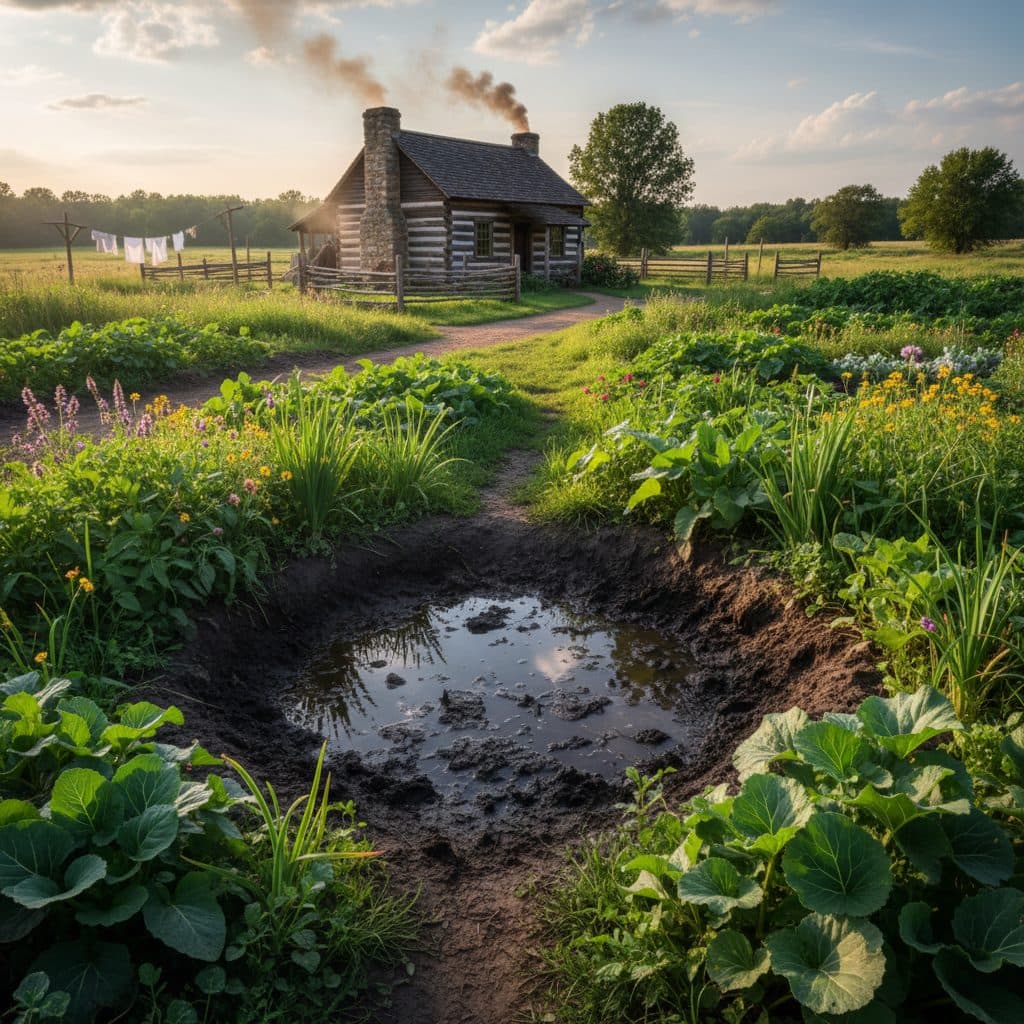
In many parts of the United States, particularly in regions like the Southeast where soils such as Bladen loam are common, gardeners often encounter areas with poorly drained soil [4]. This type of soil, sometimes referred to as a “gley soil” due to its characteristic gray or mottled appearance, can present a significant challenge for plant growth [1]. When water doesn’t drain effectively, plant roots are deprived of essential oxygen, which can lead to stunted growth, disease, and ultimately death for most common garden species.
Successfully gardening in these conditions requires a clear understanding of your soil and a thoughtful approach to plant selection. Instead of fighting the natural tendencies of a wet site, we can work with it by choosing plants that are not just tolerant but actually thrive in moist or even boggy environments. This article provides practical strategies and specific plant recommendations to help you cultivate a productive garden, even in the most challenging, waterlogged spots.
Understanding poorly drained soil
Poorly drained soil is characterized by its slow rate of water infiltration and percolation, leading to prolonged saturation after rainfall or irrigation. The USDA soil survey recognizes many distinct soil series that drain poorly, each presenting its own challenges. A common indicator is the presence of a “gley soil” layer, typically 6-12 inches below the surface, which is often gray or mottled with orange, signifying a lack of oxygen and the presence of reduced iron [1]. This lack of oxygen is detrimental because plant roots require at least 10% oxygen in the soil to respire and absorb nutrients effectively; waterlogged conditions can reduce this to less than 5% within hours.
To identify if your garden has a drainage problem, perform a simple percolation test: dig a hole about 12 inches deep and 12 inches wide. Fill it with water and let it drain completely. Once empty, refill the hole. If this second filling takes more than 24 hours to drain, your soil is poorly drained. This slow drainage starves the root zone of oxygen. Understanding these conditions is the first step toward successful planting in challenging areas.
How to test your soil drainage
A simple percolation test can provide clear insights into your soil’s drainage capacity. This method involves observing how quickly water moves through the soil profile, giving you a quantitative measure of drainage. For instance, if a 12-inch deep hole drains less than one inch per hour, it indicates poor drainage. Regular monitoring, especially after a significant rain event of 1-2 inches, can reveal areas where water consistently stands for more than 48 hours.
- Standing water after rain for more than one day.
- Stunted plant growth or yellowing leaves, indicating nutrient deficiencies.
- Soft, squishy soil underfoot, even days after rainfall.
- Gray or bluish-gray soil color 6-12 inches below the surface, a sign of gleying.
Strategies for managing wet sites
While selecting appropriate plants matters, there are also structural and soil amendment strategies that can improve conditions in poorly drained areas. For heavy clay soils, which often contribute to poor drainage, incorporating organic matter can be highly effective. Adding a 2-3 inch layer of compost or well-rotted manure annually can gradually improve soil structure, increasing aeration and water infiltration by up to 15% over several seasons. You can find more detailed guidance on managing these challenging soils in our article, Plants for clay soil that actually thrive.
For severely waterlogged areas, consider building raised beds or berms. These structures elevate the planting area by 6-12 inches, effectively lifting roots out of the saturated zone and providing a better environment for plant growth. Another option for persistent standing water is installing a French drain, a trench filled with gravel and a perforated pipe that diverts excess water away from the planting area. Consulting resources like the USDA Natural Resources Conservation Service [6] can provide localized soil maps and drainage classifications, helping you understand the specific characteristics of your site and choose the most effective management strategies.
Improving drainage in three steps
Improving drainage in a garden requires a multi-faceted approach, often combining physical alterations with ongoing soil amendments. For instance, a raised bed provides an immediate 6-12 inches of extra rooting depth, while consistent addition of organic matter improves soil structure year on year. Together these create a more hospitable environment for a wider range of plants and sharply reduce root rot.
- Provides 6-12 inches of improved drainage above the water table.
- Allows for custom soil mixes tailored to specific plant needs.
- Warms up faster in spring, potentially extending the growing season by 2-3 weeks.
- Reduces soil compaction from foot traffic, maintaining better aeration.
Trees and shrubs for wet areas
When selecting trees and shrubs for wet areas, prioritize species known for their tolerance to saturated soil conditions. River Birch (Betula nigra), hardy in USDA zones 4-9, is an excellent choice, growing 40-70 feet tall and tolerating occasional standing water. Its attractive exfoliating bark provides year-round interest. Another sturdy option is the Bald Cypress (Taxodium distichum), which thrives in USDA zones 4-10 and can reach 50-70 feet in height, famously developing “knees” when grown in consistently wet environments.
Red Maple (Acer rubrum), adaptable across USDA zones 3-9, is a versatile tree that can tolerate both wet and drier conditions, growing 30-50 feet tall and offering brilliant fall color. For a smaller option, consider Buttonbush (Cephalanthus occidentalis), a shrub hardy in USDA zones 4-10, reaching 5-12 feet tall and producing unique, spherical white flowers that attract a wide range of pollinators. Many willow species (Salix spp.), found in USDA zones 2-9, also excel in wet sites, though their aggressive root systems require careful placement, typically 30 feet or more from foundations. Some of these wet-tolerant plants, like Buttonbush, also offer the benefit of being less appealing to deer; you can explore more options in our guide to Deer resistant plants: a selection guide that admits no plant is truly deer-proof.
Characteristics of good wet-site trees
Trees that thrive in wet conditions often possess specific adaptations that allow them to cope with low-oxygen soil environments. These adaptations might include specialized root structures or the ability to transport oxygen to their roots from above-ground parts, ensuring survival where other trees would fail within weeks. For instance, some species put on noticeably more growth in moist soil than in dry.
- Deep, fibrous root systems that anchor well in saturated soil without rotting.
- Ability to transport oxygen to roots in low-oxygen environments, often through specialized tissues.
- Tolerance for fluctuating water levels, from consistently moist to temporarily submerged for 2-3 weeks.
- Often native to riparian areas, floodplains, or wetlands in various US regions, indicating natural adaptation.
Perennials and groundcovers for boggy spots
For the lower layers of your wet garden, a variety of perennials and groundcovers can add color, texture, and ecological value. Siberian Iris (Iris sibirica) is a standout, hardy in USDA zones 3-8, growing 2-3 feet tall, and producing beautiful blue, purple, or white flowers in late spring. It thrives in consistently moist to wet soil. Astilbe (Astilbe spp.), suitable for USDA zones 4-8, prefers partial shade and consistently damp conditions, reaching 1-4 feet in height with feathery plumes of flowers in summer.
Cardinal Flower (Lobelia cardinalis), a native perennial in USDA zones 3-9, offers striking red flowers on 2-4 foot tall stalks, attracting hummingbirds to boggy areas. Various ferns, such as Ostrich Fern (Matteuccia struthiopteris) and Royal Fern (Osmunda regalis), are excellent choices for damp, shady spots, typically growing 2-5 feet tall and providing lush green foliage. For early spring interest, Marsh Marigold (Caltha palustris), hardy in USDA zones 3-7, produces bright yellow flowers and grows 1-2 feet tall in very wet soil. Even in boggy areas, monitoring soil moisture can be beneficial, especially during dry spells; a soil moisture meter can help ensure plants get just the right amount of water, preventing issues even in naturally wet spots.
Tips for planting perennials in wet soil
When introducing perennials to a wet garden, proper planting techniques can significantly improve their establishment and long-term health. Ensuring the crown of the plant is not buried too deeply is critical, as this can lead to rot in saturated conditions. For instance, planting 0.5-1 inch higher than the surrounding grade can help. Additionally, a 1-2 inch layer of organic mulch can help regulate soil temperature and moisture, preventing excessive drying during brief dry spells while still allowing water to infiltrate.
- Choose species native to wetlands or stream banks in your USDA zone for best results.
- Plant at the same depth as they were in their nursery container, or slightly higher (0.5 inch) if soil is consistently saturated.
- Ensure good air circulation around plants to prevent fungal issues, which can be more prevalent in humid, damp environments.
- Apply a 1-2 inch layer of organic mulch, such as shredded bark, to maintain consistent moisture and suppress weeds.
Edibles and other useful plants for moist conditions
Gardening in wet areas doesn’t mean you have to forgo growing edibles. Several plants actually prefer or tolerate consistently moist to boggy conditions. Watercress (Nasturtium officinale), a perennial in USDA zones 5-9, requires consistently wet soil or shallow water, making it a good fit for a bog garden edge. One important caveat: watercress grown in water that livestock or wild ruminants can reach may carry liver fluke (Fasciola hepatica) cysts, which infect people who eat the leaves raw. Grow it in clean water you supply and control yourself, or cook it before eating. Taro (Colocasia esculenta), hardy in USDA zones 8-11, is grown for its edible corms and needs very wet conditions, often grown directly in water. Two cautions. Every part of the plant, corms included, contains calcium oxalate raphides and must be thoroughly cooked - raw taro causes severe burning of the mouth and throat. And taro has escaped into southern waterways, where it is listed as a noxious or prohibited aquatic plant in some states, Florida among them, so check your state list before planting it outdoors.
Cranberry (Vaccinium macrocarpon), a low-growing shrub in USDA zones 2-7, produces tart berries, but it is fussier than it looks: it needs strongly acidic sandy peat, roughly pH 4.0-5.5, not the heavy wet clay that most poorly drained garden sites actually have. Test your pH before buying plants. While most common vegetables prefer well-drained soil, some brassicas like cabbage and kale will tolerate a somewhat poorly drained site if the waterlogging is not prolonged, especially where the soil has been amended with plenty of organic matter. When considering edibles, ensure they receive adequate sunlight, typically 6-8 hours daily, even in moist conditions. For general soil enrichment, consider options like fermented soybean meal organic fertilizer to boost nutrient availability in challenging soils.
Considerations for edible plants in wet soil
Growing edible plants in wet soil presents a unique set of considerations, from selecting the right species to managing potential disease issues. It is important to choose varieties that are specifically adapted to high moisture, as many common vegetables will suffer from root rot if left in saturated conditions for more than 48 hours. For example, watercress can yield 1-2 pounds per square foot in ideal wet conditions.
- Select varieties known for wet tolerance, often those native to marshy areas or wetlands.
- Monitor for pests and diseases, which are more prevalent in damp, humid environments.
- Consider container gardening for some edibles if the soil is excessively boggy, allowing for better control over soil mix and drainage.
- Ensure adequate sunlight, typically 6-8 hours daily, as most edible plants require significant light for optimal production.
Comparison of Plants for Wet and Poorly Drained Soil
Plant Name | Wet Tolerance | USDA Zones | Growth Habit |
|---|---|---|---|
River Birch | High (standing water) | 4-9 | Tree (40-70 ft) |
Bald Cypress | Very High (boggy, submerged) | 4-10 | Tree (50-70 ft) |
Red Maple | Medium-High (moist to wet) | 3-9 | Tree (30-50 ft) |
Buttonbush | High (wet to shallow water) | 4-10 | Shrub (5-12 ft) |
Siberian Iris | High (consistently moist) | 3-8 | Perennial (2-3 ft) |
Astilbe | Medium-High (damp, partial shade) | 4-8 | Perennial (1-4 ft) |
Cardinal Flower | High (boggy, moist) | 3-9 | Perennial (2-4 ft) |
Watercress | Very High (shallow water) | 5-9 | Edible Perennial (6-12 in) |
Root Oxygen Needs: Plant roots require at least 10% oxygen in the soil for healthy growth; waterlogged conditions can reduce this significantly, often to less than 5%.
Frequently asked questions
How can I tell if my soil is poorly drained?
The best way is to perform a percolation test: dig a 12-inch deep hole, fill it with water, and if the second filling takes more than 24 hours to drain, your soil is poorly drained. You might also observe standing water for more than a day after a 1-inch rain event.
Can I improve poorly drained soil permanently?
You can significantly improve it, though ‘permanently’ is a strong word. Incorporating 2-3 inches of organic matter annually, building raised beds 6-12 inches high, or installing French drains can drastically improve drainage over time.
What are some common mistakes when planting in wet soil?
A common mistake is planting species that require well-drained soil, leading to root rot within weeks. Another is planting too deeply, which can suffocate the plant crown, especially in saturated conditions.
Are there any vegetables that grow well in wet soil?
Yes, some vegetables tolerate or prefer wet conditions. Watercress thrives in shallow water, and Taro requires very wet soil. Some brassicas can tolerate a somewhat poorly drained site if amended with compost, provided they are not left waterlogged for days at a time.
How often should I water plants in poorly drained soil?
Watering frequency depends heavily on rainfall and evaporation. In poorly drained soil, you may need to water less often than in well-drained soil, perhaps once every 7-10 days during dry spells, but always check the top 2-3 inches of soil for moisture before adding more water.
What is the difference between boggy and poorly drained soil?
Poorly drained soil simply means water drains slowly, leading to saturation. Boggy soil is an extreme form of poorly drained soil, characterized by constant saturation and often high organic content, where water may stand for weeks or months, supporting specialized wetland plant communities.
References
- poorly drained perched water gley soil (2014). poorly drained perched water gley soil.
- 4471 poorly drained soil [n] (2010). [4471 poorly drained soil \n].
- Phytoliths and micropalaeontological data in a boggy soil (2007). Phytoliths and micropalaeontological data in a boggy soil.
- BIOMASS, N, AND P ACCUMULATION IN FIRST AND SECOND ROTATION LOBLOLLY PINE PLANTATIONS ON A POORLY DRAINED BLADEN LOAM SOIL AND SOMEWHAT POORLY DRAINED LYNCHBURG (2023). BIOMASS, N, AND P ACCUMULATION IN FIRST AND SECOND ROTATION LOBLOLLY PINE PLANTATIONS ON A POORLY DRAINED BLADEN LOAM SOIL AND SOMEWHAT POORLY DRAINED LYNCHBURG.
- Penetration of Dry Soil by Roots of Dactylis glomerata L. Clones Derived from Well-Drained and Poorly Drained Soils (1987). Penetration of Dry Soil by Roots of Dactylis glomerata L. Clones Derived from Well-Drained and Poorly Drained Soils.
- USDA Natural Resources Conservation Service (2024). USDA Natural Resources Conservation Service.