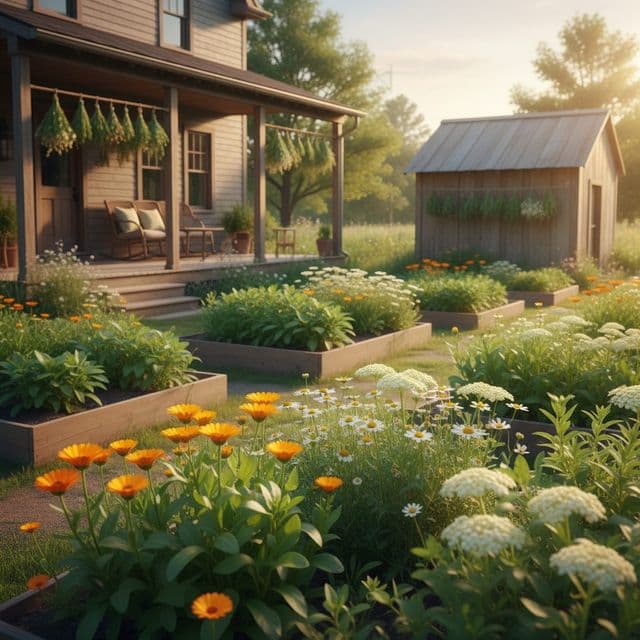
Drying calendula, chamomile, elderflower: preserve color & potency
How to dry calendula, chamomile, and elderflower in USDA Zone 6 to preserve flower color and potency, covering harvest timing, drying temperatures, and storage.
Tag
313 articles in this tag on agripure. — page 2 of 14
How to dry calendula, chamomile, and elderflower in USDA Zone 6 to preserve flower color and potency, covering harvest timing, drying temperatures, and storage.
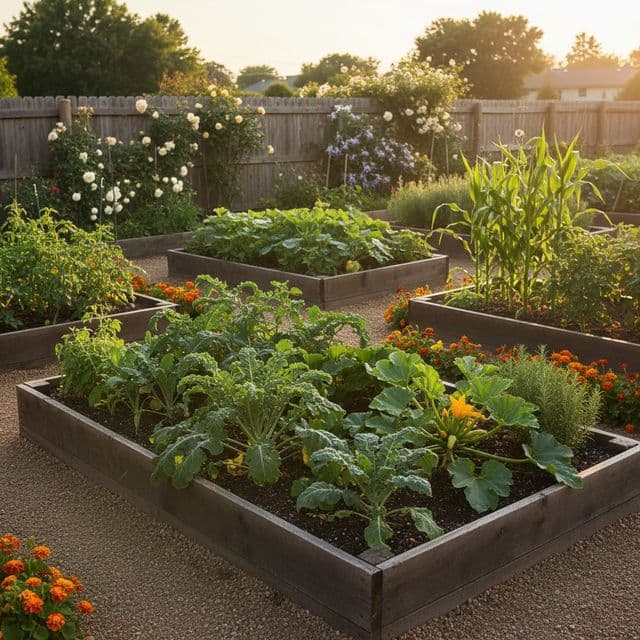
Learn the best methods for drying medicinal herbs in USDA Zone 6. Discover air-drying, dehydrators, and oven techniques to preserve potency for your home apothecary.
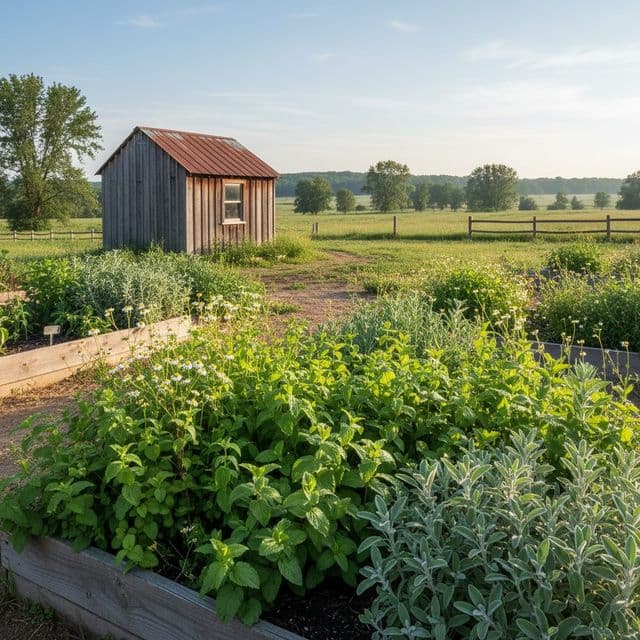
Learn to harvest, dry, and blend your own homemade loose-leaf tea. This guide covers herb selection for USDA zones 3-11, optimal harvesting, and drying techniques for fresh, custom blends.
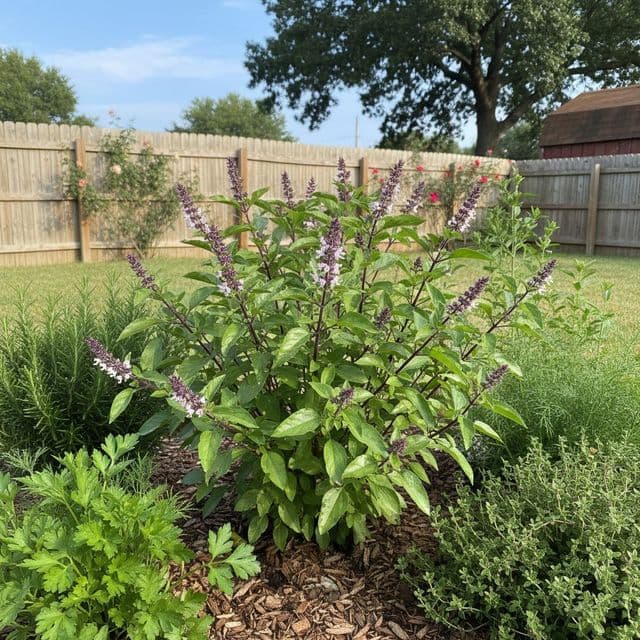
Learn to grow tulsi (holy basil) in your US garden, from seed to harvest. Discover how to dry and blend this adaptogenic herb for a daily wellness tea. Get practical tips for all climates.
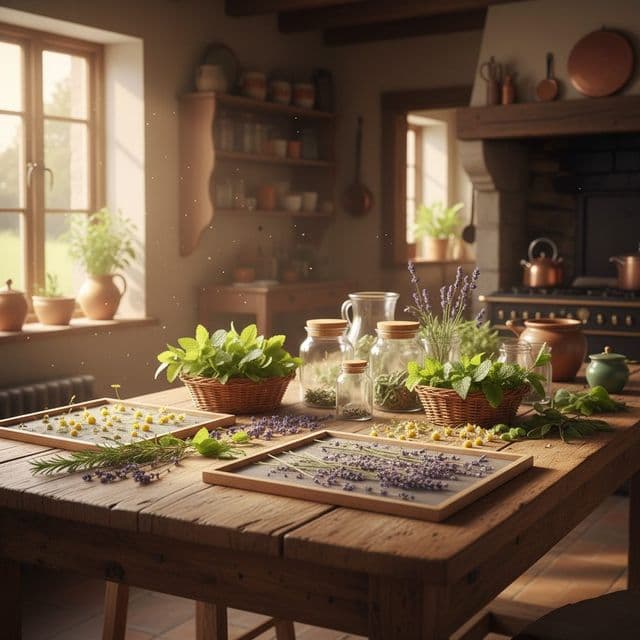
Learn to formulate balanced herbal tea blends with a 3-part approach. Discover base, supporting, and accent herb ratios for gardeners in USDA Zone 6. Maximize potency and flavor.
Learn to make spicy fire cider, a traditional herbal tonic for winter wellness. Discover how to grow key ingredients in USDA zones 4-9 for a potent home remedy.
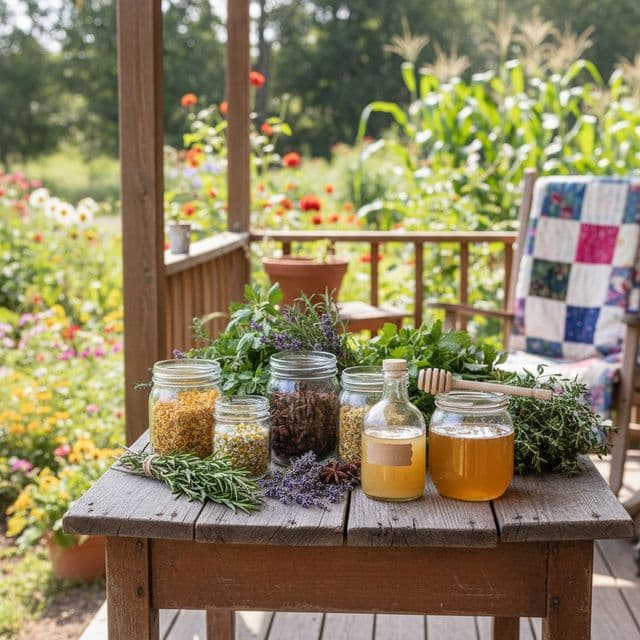
Learn oxymel formulation: discover what oxymels are, ideal vinegar-to-honey ratios, and how to use herbs from your USDA Zone 6 garden for natural remedies.
Learn to make traditional fire cider tonic at home. This guide covers ingredients, recipe, and benefits for US growers in USDA zones 3-9, using garden-grown herbs.
How to make infused honey safely at home by properly drying herbs and controlling water activity to prevent botulism.
How to make and store herb-infused honeys in USDA Zone 6, covering ratios, infusion times, and storage methods for lemon balm, sage, and ginger honeys.
Learn to choose the best menstruum for your herbal tinctures. Compare alcohol, glycerin, and vinegar for optimal extraction, potency, and shelf life of medicinal herbs.
A comparison of folk methods and weight-to-volume measurements for making herbal tinctures from fresh and dried garden herbs.
Learn practical tips to extend salve shelf life and prevent mold, especially in humid US climates. Master herb drying, storage, and natural preservatives for your homemade apothecary.
Three methods for infusing herbs into oil for a home apothecary: slow-cooker, solar, and double-boiler techniques for dried herbs in USDA zones 4-9.
How to formulate herbal balms and salves using specific beeswax-to-oil ratios, selecting carrier oils for the desired consistency.
Discover 12 beginner medicinal herbs that thrive in USDA Zone 6. Learn essential growing tips for your home apothecary, from calendula to echinacea, for natural remedies.
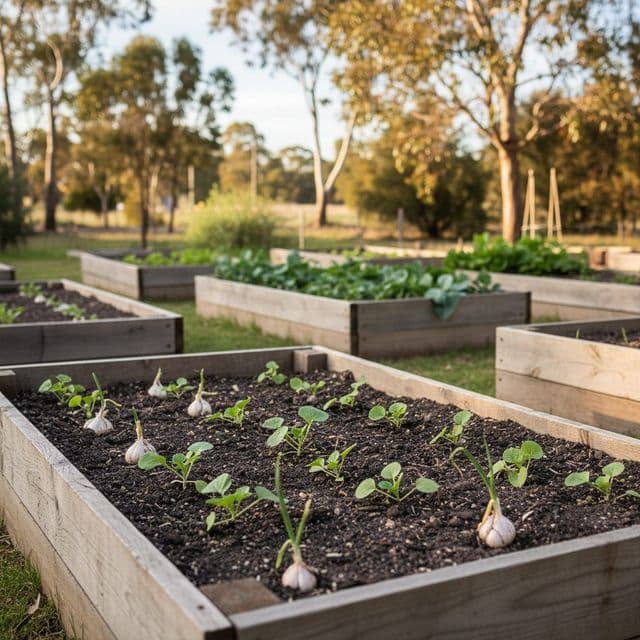
Learn to safely can berry jams and jellies for a year-round supply. This guide covers selecting fruit, essential ingredients, and USDA guidelines for preserves in USDA Zone 5.
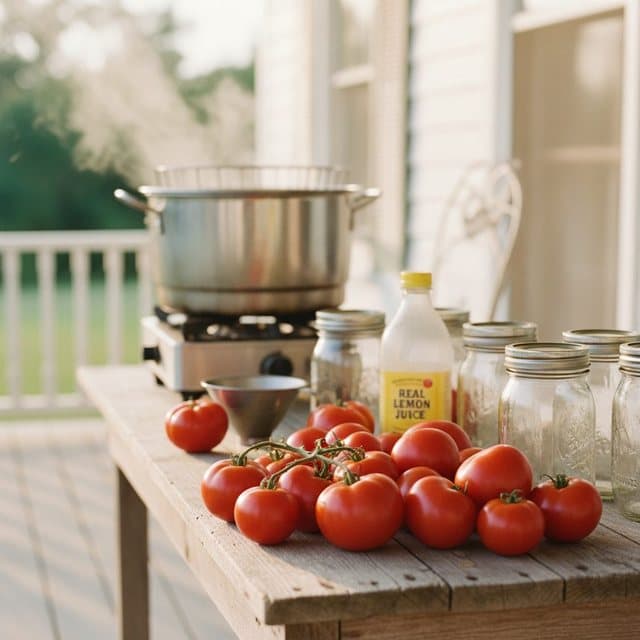
Learn to safely can tomatoes, salsa, and sauce at home. Discover USDA standards for adding acid (lemon juice, citric acid) to prevent botulism and preserve your harvest.
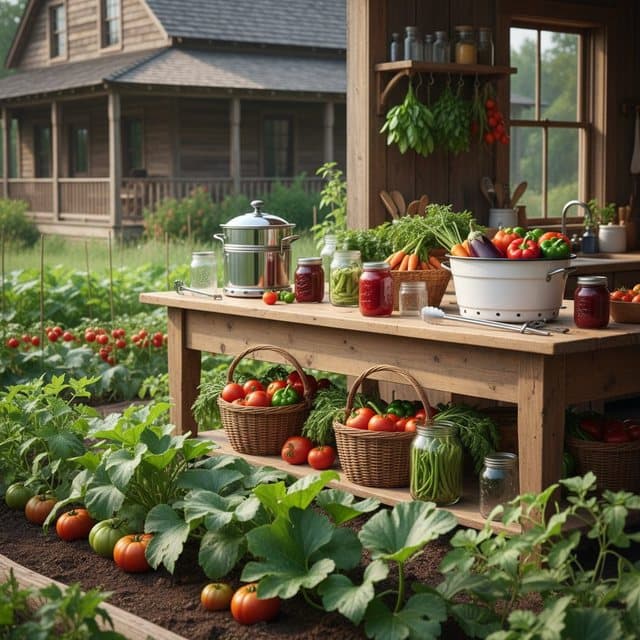
Master canning safety with this guide. Learn why high-acid foods need water baths & low-acid foods require 240°F pressure canning to prevent botulism. Preserve food safely.
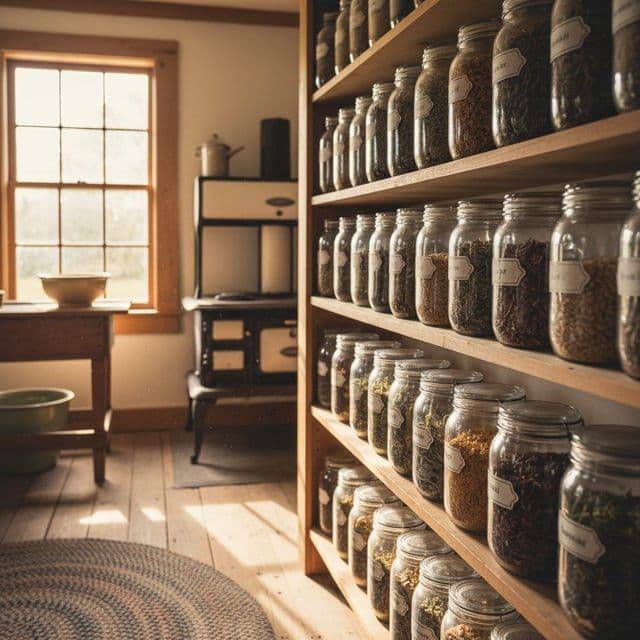
Master pantry food storage for spices & dried goods. Learn dehydration, organization, and optimal conditions to reduce waste and ensure year-round access on your homestead.
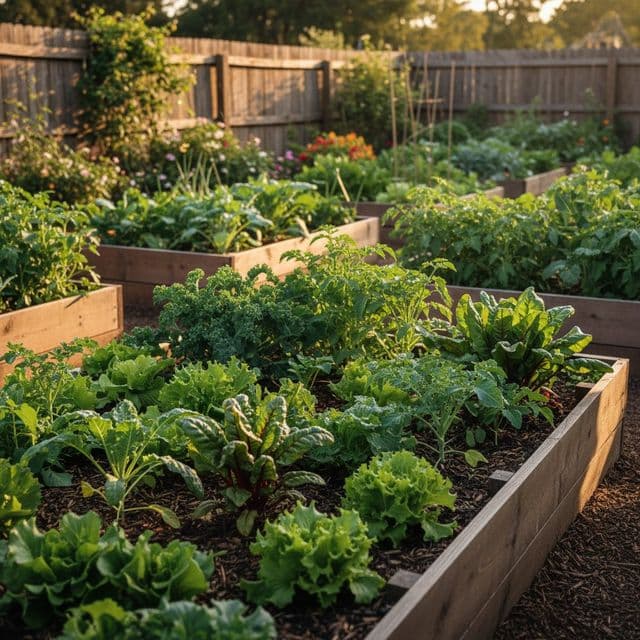
Learn how to make safe herbal infusions at home. Understand botulism risks in oils, vinegars, and honeys, and discover essential preservation techniques for your pantry.
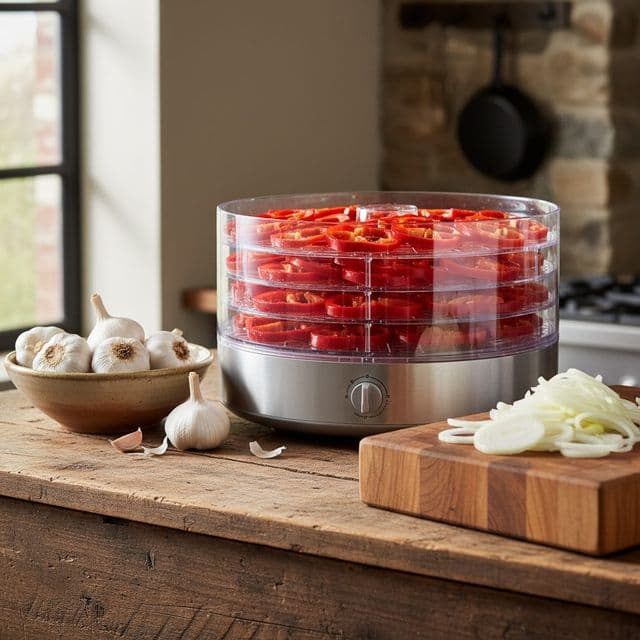
Learn to dry, store, and grind homemade spices like paprika, garlic, and onion powder from your garden. This guide helps US growers achieve high-quality, shelf-stable ingredients.
What to plant in March across the United States, organized by USDA hardiness zones from northern cold frames to southern warm-season transplanting.
A complete zone-by-zone guide to December planting and winter gardening jobs across Canada, from frozen northern Prairies to coastal British Columbia.