What to Plant in August in the US: Sowing Guides by USDA Zone
August is the critical transition month for starting fall and winter crops across US climate zones, from quick-growing northern greens to southern second-season transplants.
Tag
313 articles in this tag on agripure. — page 3 of 14
August is the critical transition month for starting fall and winter crops across US climate zones, from quick-growing northern greens to southern second-season transplants.
August planting in Canada varies by plant hardiness zone, ranging from quick-maturing salad greens in the north to winter-hardy root crops and brassicas in southern and coastal regions.
What to plant in April in Canada, organized by Canadian Plant Hardiness Zones from coastal BC to the cold Prairies, featuring indoor sowing schedules and outdoor direct-sowing guidelines.
Gardening in the Arabian Gulf requires reversing traditional calendars to grow from October to April. Learn how to manage extreme heat, sandy soils, and salinity.
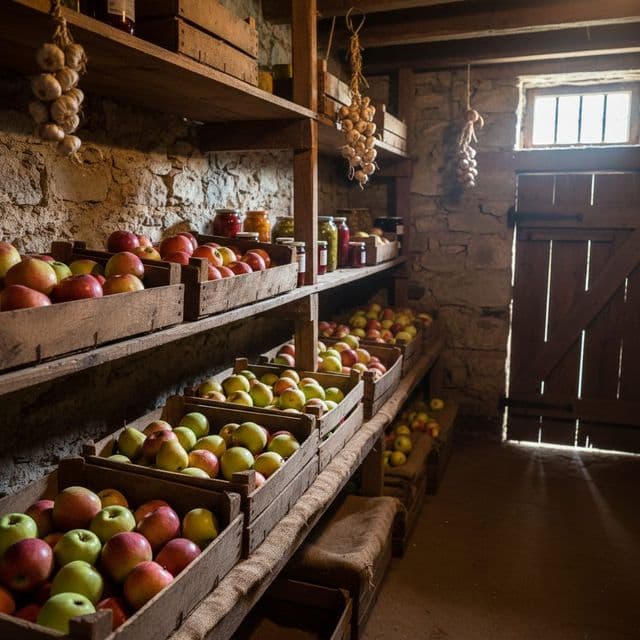
Master long-term fruit storage for apples & pears in USDA zones 5-7. Learn optimal temperatures, humidity, and variety selection to keep your harvest fresh for months, reducing waste.
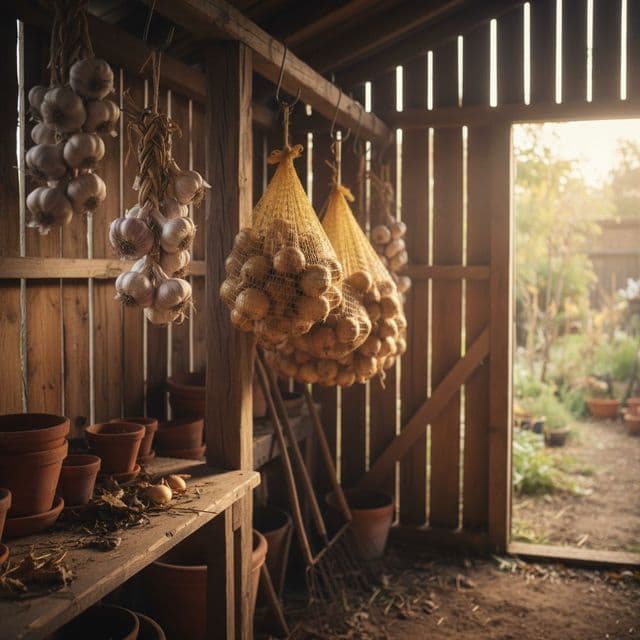
Learn how proper curing alliums, like onions and garlic, can drastically reduce spoilage and extend their shelf life for months. Master ideal conditions for long-term storage.
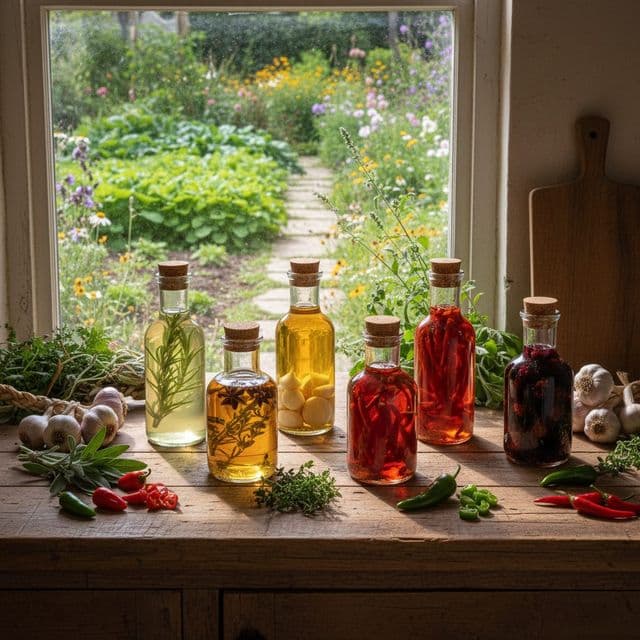
Learn how to make infused vinegars to preserve garden herbs, garlic, and chilies for up to 18 months. Extend your harvest and add flavor to dishes with this simple homesteading technique.
Learn to brew kombucha at home for a fraction of the store-bought price. This guide covers SCOBY care, first and second fermentation, and how to keep the brew safe.
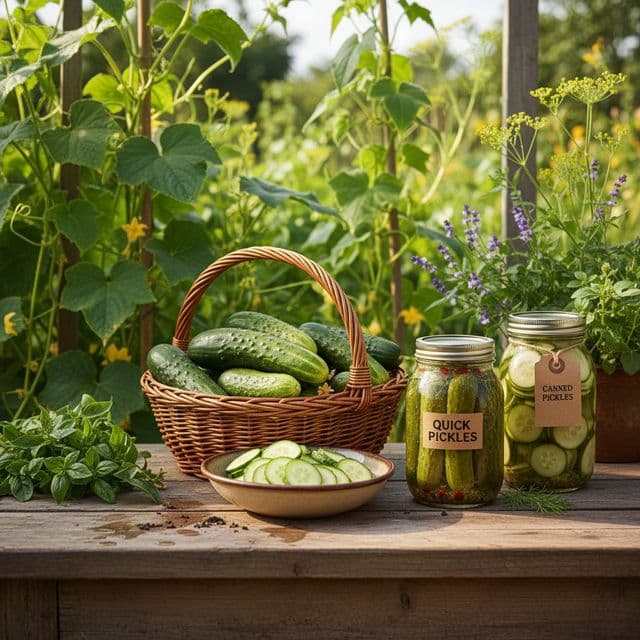
Learn safe pickling methods for your cucumber harvest. Compare quick refrigerator pickles vs. shelf-stable canning for 50 lbs in USDA Zone 5, for food safety and long-term storage.
How to tell a safe ferment from a spoiled one. Read pH levels, distinguish harmless kahm yeast from dangerous mold, and identify spoilage signs on your Zone 6 homestead.
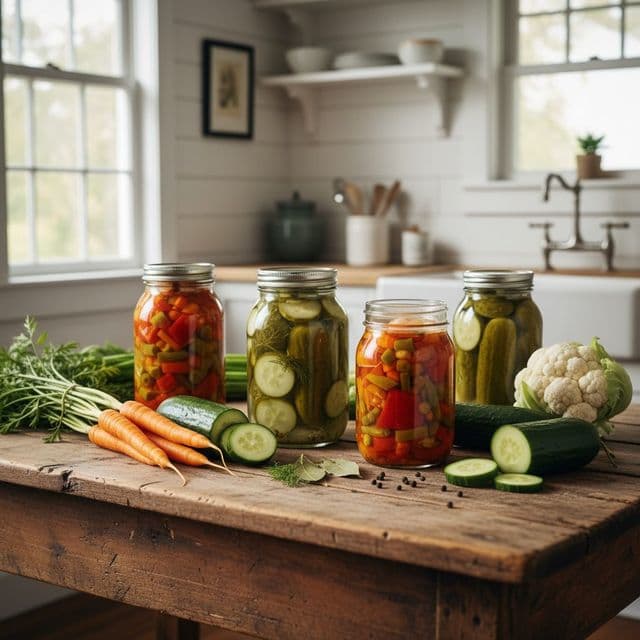
Learn to make delicious fermented dill pickles and giardiniera. This guide covers salt brine, temperature, and storage to preserve your harvest for 6-12 months.
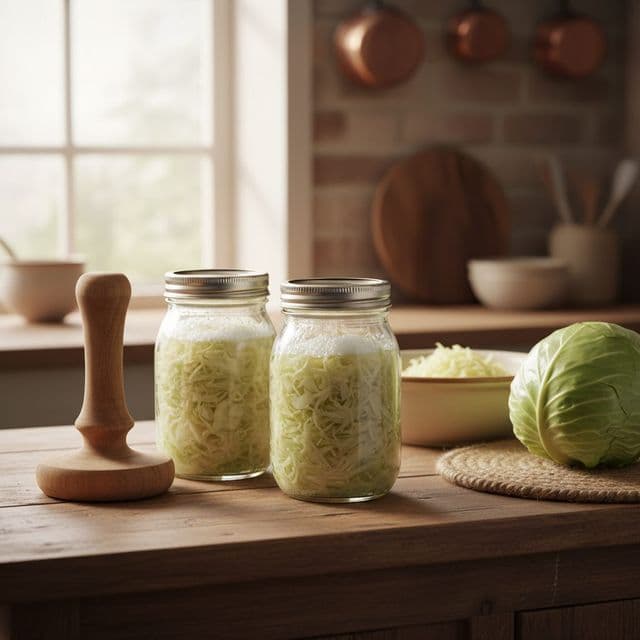
Learn to ferment cabbage in Mason jars for up to 12 months. This guide covers safe methods, health benefits, and step-by-step instructions for preserving your harvest without electricity.
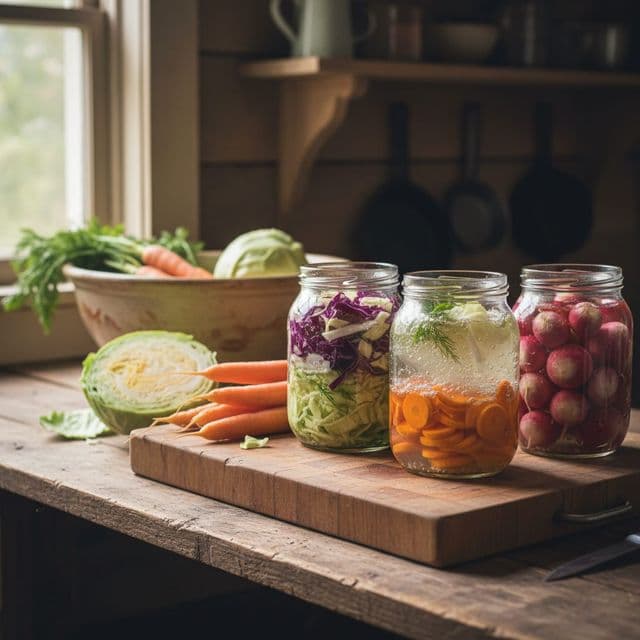
Master lacto-fermentation with a 2-3% brine for safe, delicious preserves. Learn precise salt ratios, ideal temperatures, and essential tips for successful food preservation.
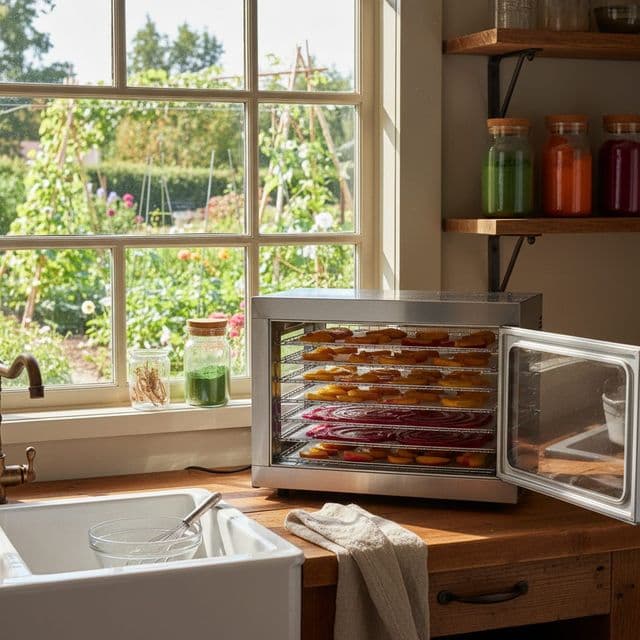
Transform excess summer produce into shelf-stable fruit leather and nutrient-dense vegetable powders. Learn drying techniques, temperatures, and storage tips to preserve your harvest and reduce foo…
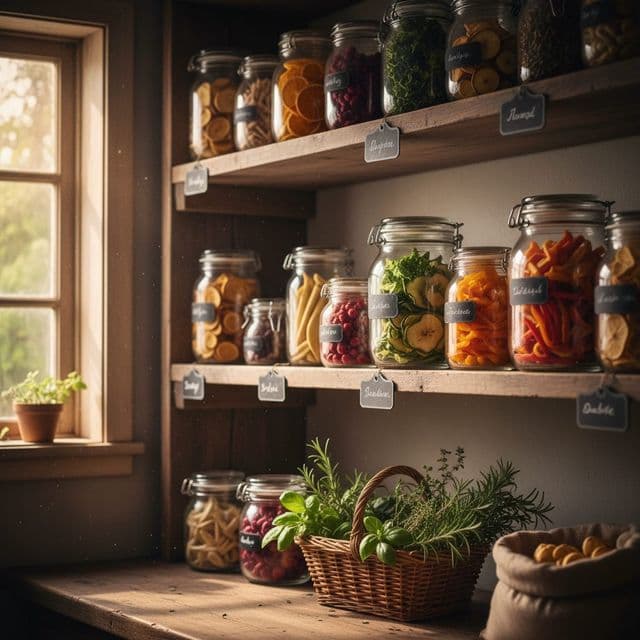
Condition dried food to prevent moisture reabsorption and mold. Learn techniques for USDA zone 6 homes to extend shelf life and preserve your harvest for years.
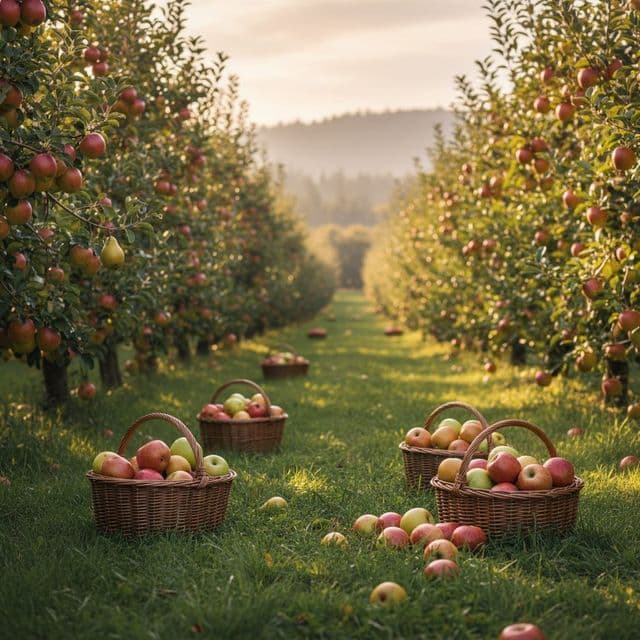
Learn how to dehydrate apples, pears, and stone fruit for year-round storage in USDA Zone 6. Preserve your harvest, reduce waste, and enjoy nutrient-dense snacks. Get tips on fruit selection, prepa…
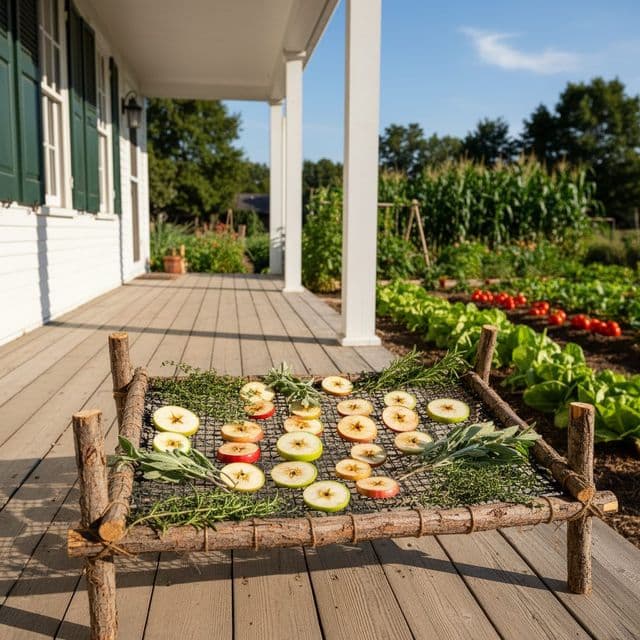
Explore effective food drying methods: sun, electric dehydrator, and oven. Learn how to preserve your harvest, extend shelf life, and reduce food waste for year-round self-sufficiency.
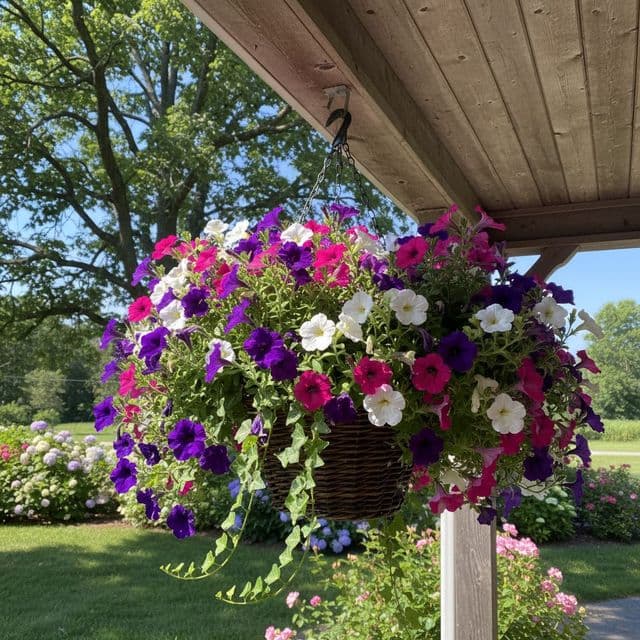
Hanging baskets dry out fast in hot climates like USDA Zone 7. Master hanging basket hydration with tips on soil, basket choice, and plants to reduce watering by 30% or more.
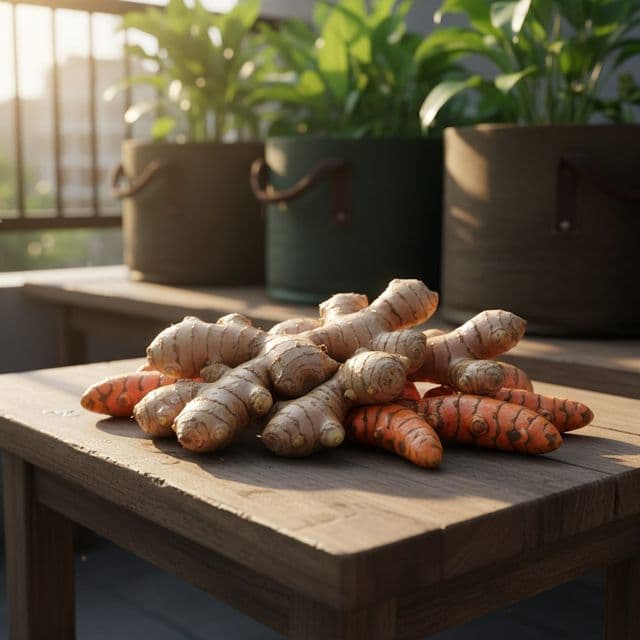
How to harvest and cure container-grown ginger and turmeric, with conditions for curing at 75-85°F and storing rhizomes for months in cooler US climates.
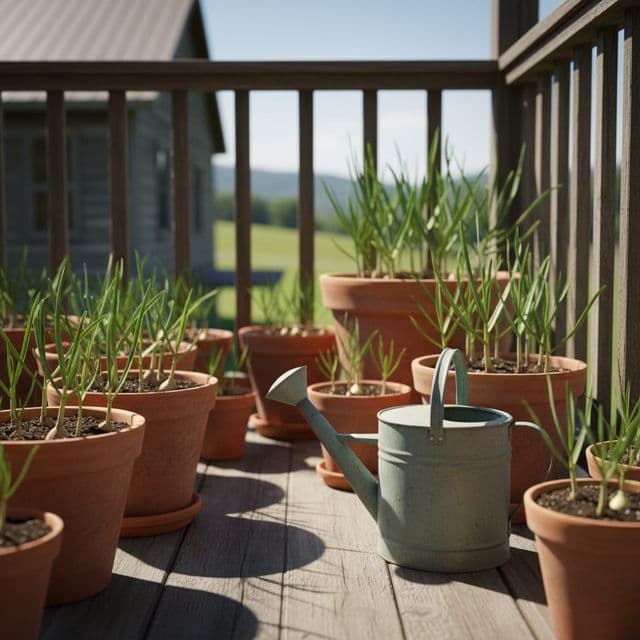
Learn to grow garlic and shallots in containers for a summer harvest, even in limited spaces. Get tips on planting, soil, and care for USDA Zones 4-9.
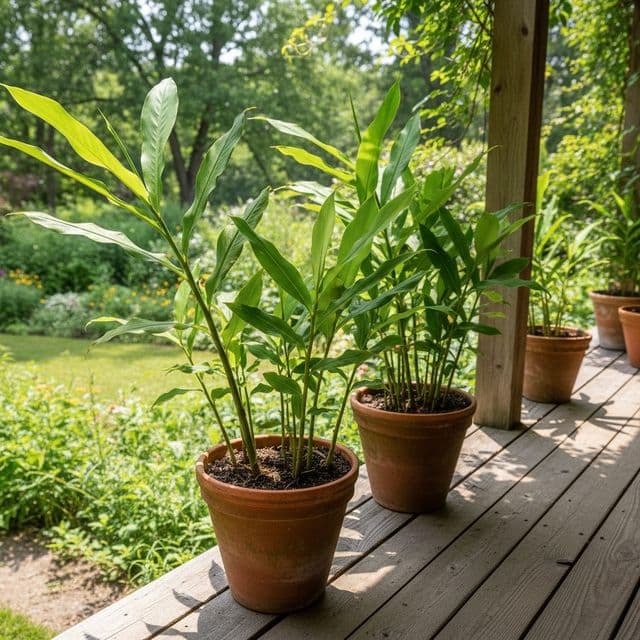
How to grow ginger in containers from grocery store rhizomes in cold climates like USDA Zone 5, including selection, planting, care, and harvesting.
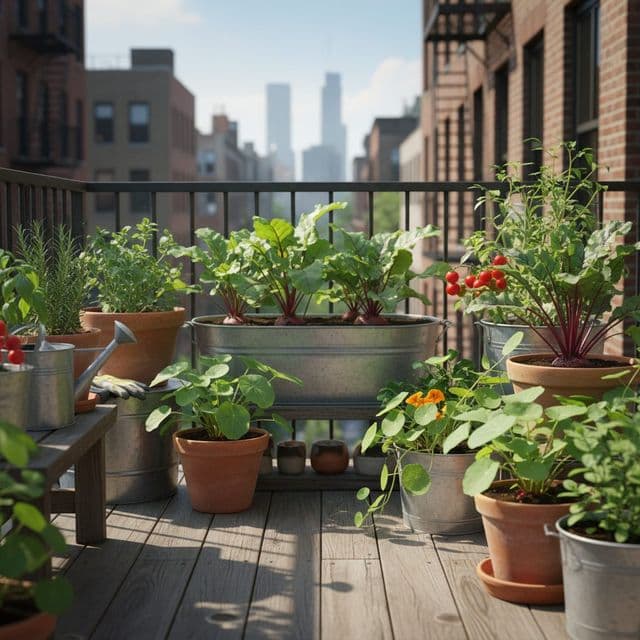
Grow container radishes and beets on your balcony. Learn how these fast-maturing root crops thrive in small spaces, offering quick harvests for impatient gardeners in USDA Zone 7.
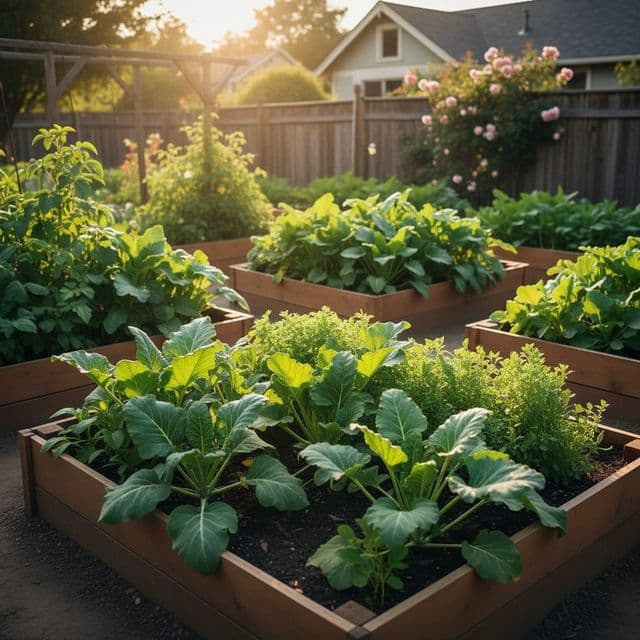
Maximize your urban garden yield with strawberry towers & stacking planters. Learn what works best for small spaces, plant selection, and care tips for vertical gardening success.
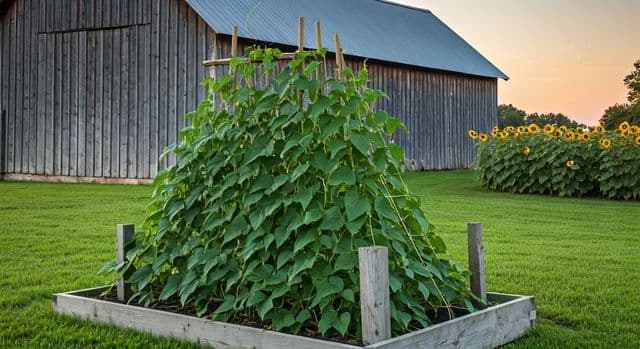
Discover how vertical gardening can dramatically increase your yields in USDA Zone 7. Learn tips for climbing plants, support structures, and maximizing small spaces.