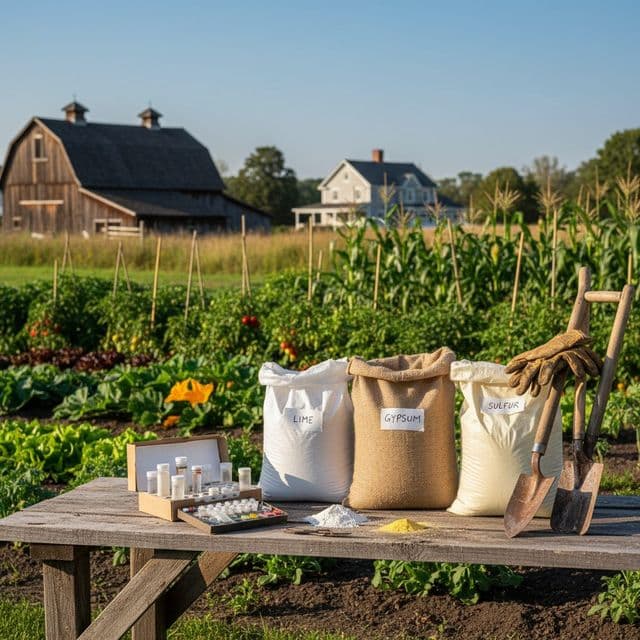
Soil pH & Structure: Gypsum, Lime, Sulfur for Zone 6 Yields
Master soil pH adjustment for better yields in USDA Zone 6. Learn how gypsum, lime, and sulfur improve soil structure and pH based on soil test results.
Tag
98 articles in this tag on agripure. — page 3 of 5
Master soil pH adjustment for better yields in USDA Zone 6. Learn how gypsum, lime, and sulfur improve soil structure and pH based on soil test results.
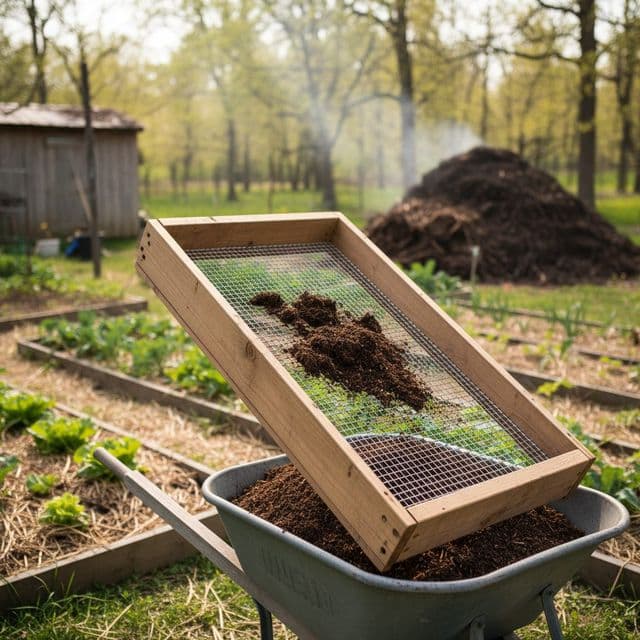
Learn how to build a DIY compost sifter to refine finished compost for better soil texture, water retention, and nutrient availability in your garden. Essential for seed starting & top-dressing.
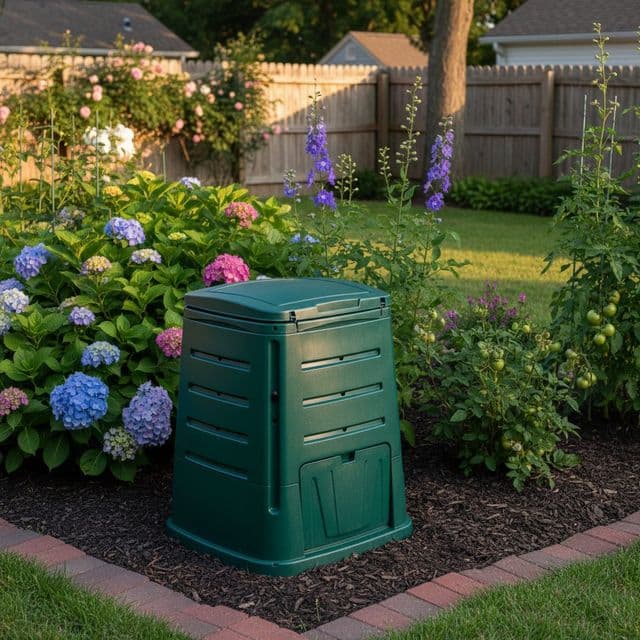
Learn how to prevent rats, raccoons, and flies from invading your compost pile. Discover effective strategies for compost pest control, including bin construction, material management, and site sel…
Learn how shredding autumn leaves with a mower or shredder transforms garden waste into nutrient-rich soil. Reduce volume, improve soil structure, and boost fertility in your USDA zone 6 garden.
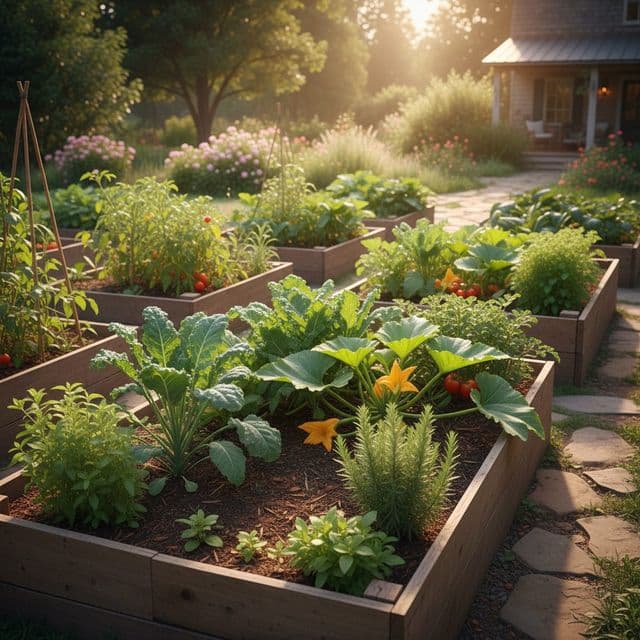
Learn to make leaf mold from fallen leaves. This free, fungal-dominated soil conditioner improves soil structure & water retention, reducing irrigation needs for your garden.
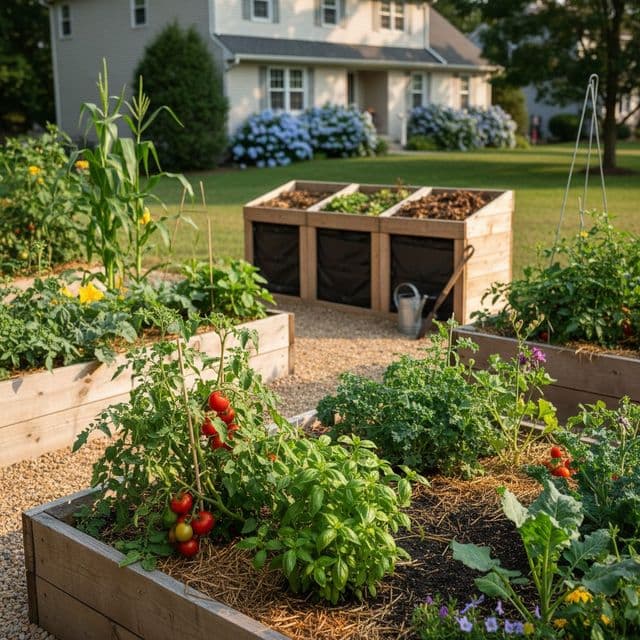
Learn to make DIY biochar at home using TLUD and cone-kiln methods. Improve soil structure, water retention, and crop yields in your garden, especially in USDA Zone 6.
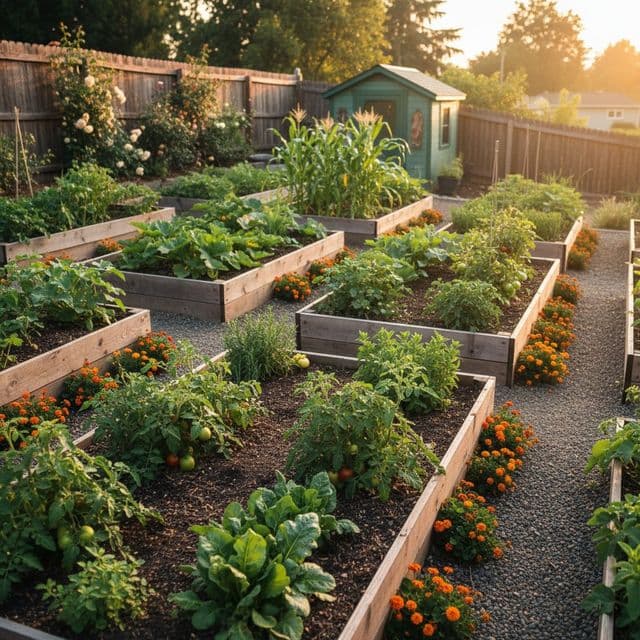
Learn to make DIY biochar from yard and wood waste. Enhance soil water retention, boost fertility, and reduce waste with this sustainable homesteading practice.
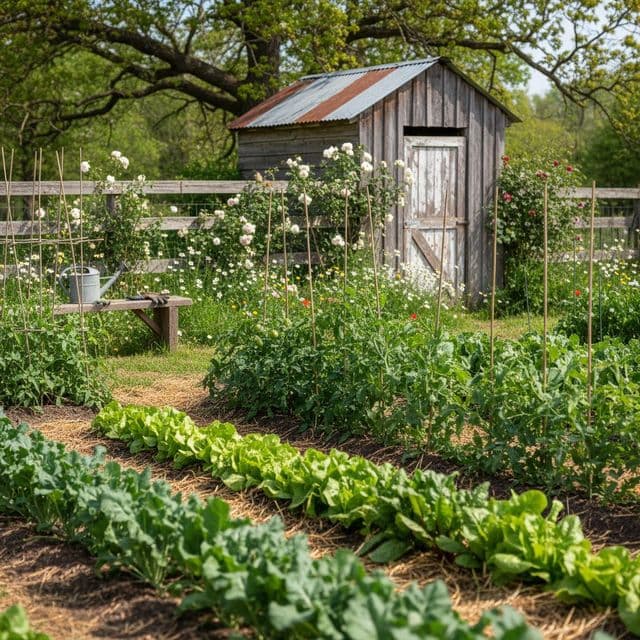
Learn to make DIY fish emulsion and seaweed feeds for superior garden soil fertility. Boost plant growth, health, and yields with natural, cost-effective organic fertilizers.
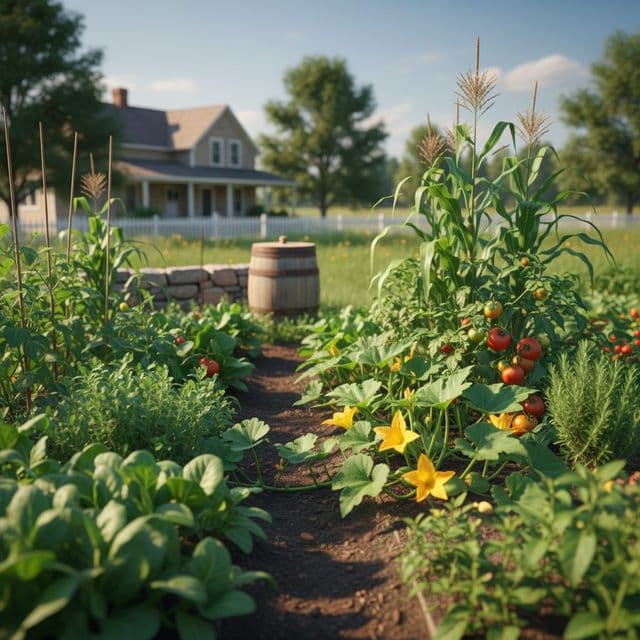
Learn how fermented nettle and weed feeds can boost garden nitrogen by up to 20%, reduce fertilizer costs by 15%, and improve soil health. DIY liquid fertilizer.
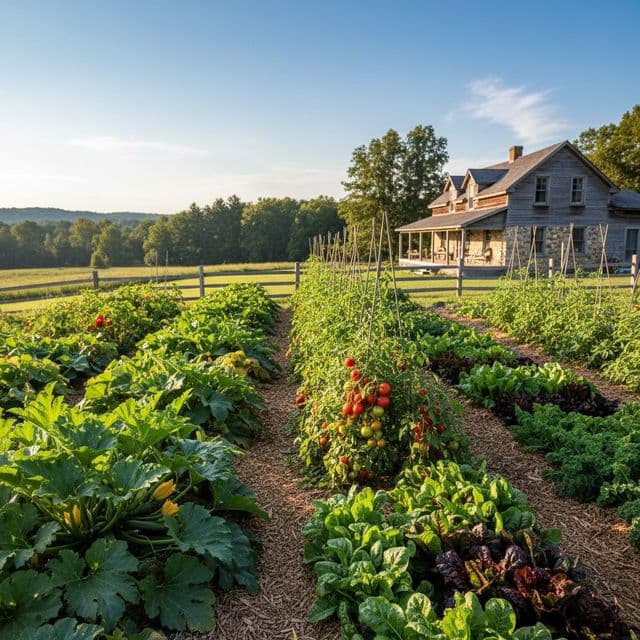
Learn how to make effective kitchen scrap liquid feeds from banana peels & eggshells to boost zucchini growth in your USDA zone 6 garden. Reduce waste & improve soil.
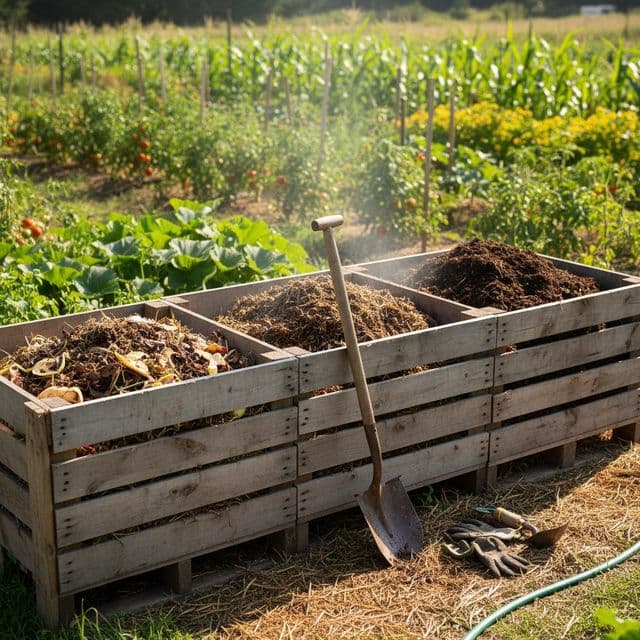
Build an efficient 3-bin pallet composting system to transform organic waste into nutrient-rich soil. Learn to source safe pallets, construct your bins, and boost garden yields by 10-20%.
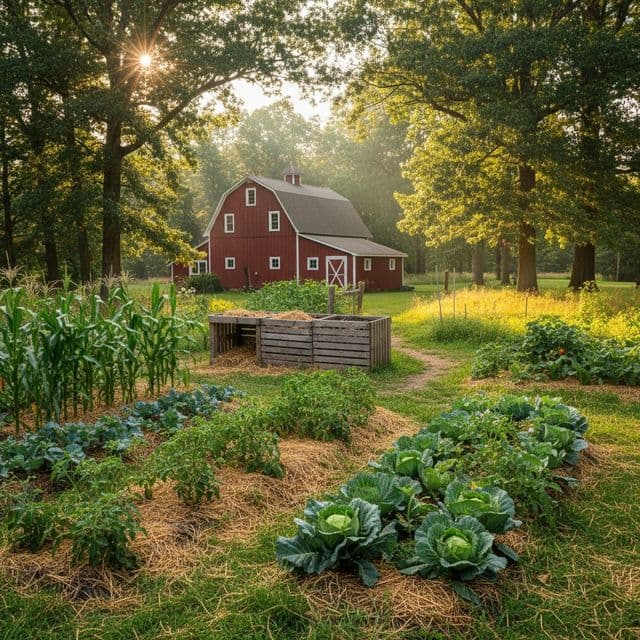
Compare DIY vs. store-bought compost bins for your garden. Learn about optimal 30:1 C:N ratios, moisture, and aeration for efficient composting. Find the best compost bin for your needs.
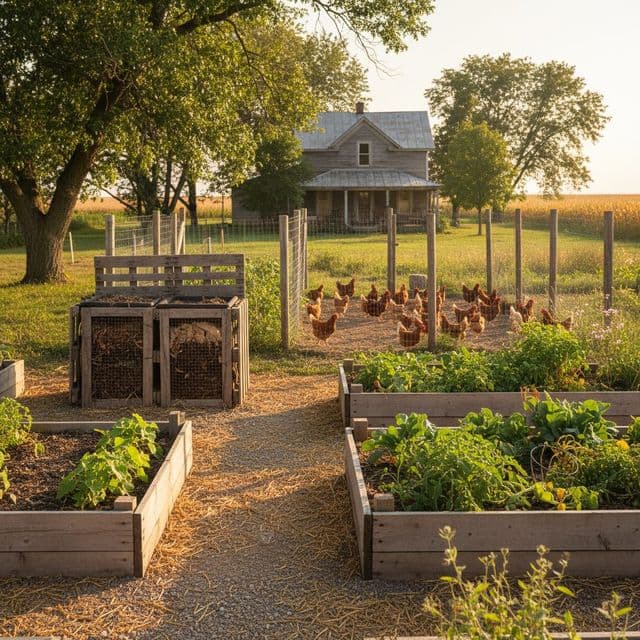
Learn to make homemade bokashi bran and save up to 75% on soil amendments. This DIY guide helps gardeners enrich soil, reduce food waste, and improve plant health.
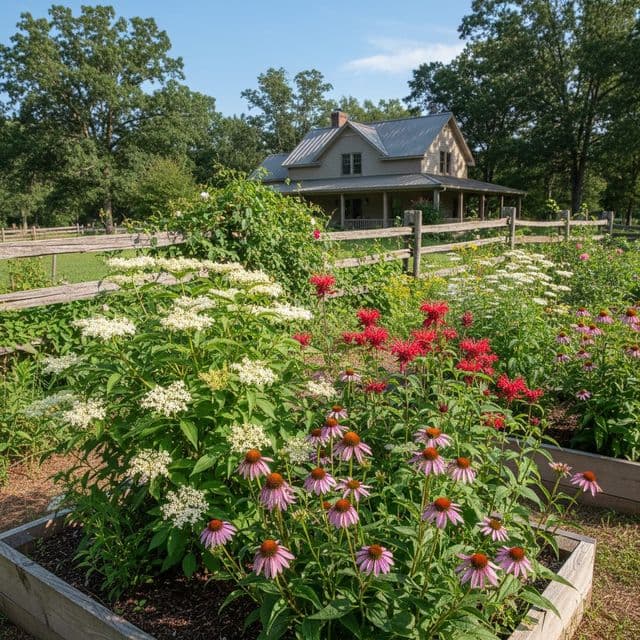
Discover how growing US-native medicinal plants like Echinacea & Elderberry supports local biodiversity and provides accessible herbal remedies for your home apothecary. Learn to cultivate these re…
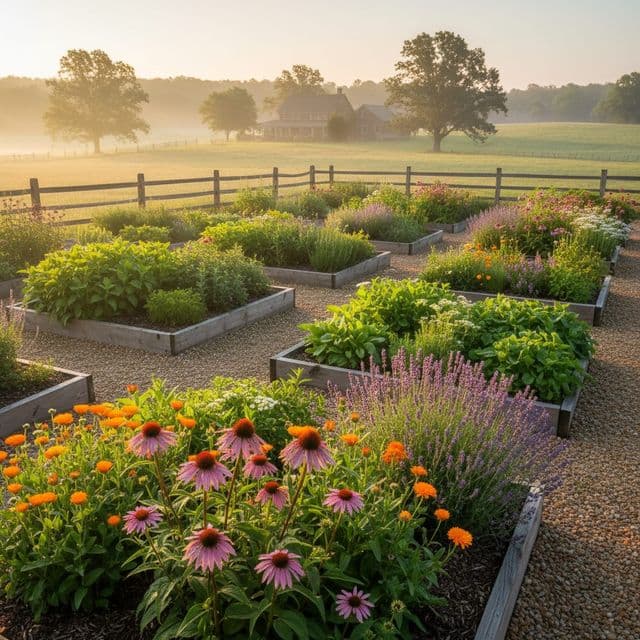
Master crafting potent herbal tinctures for your home apothecary. Learn precise extraction ratios, choose the right menstruum, and ensure long shelf life with proper storage.
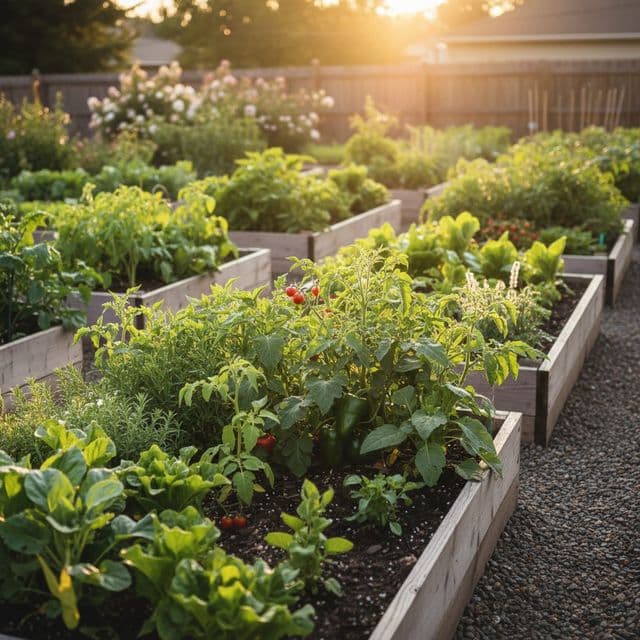
Craft natural herbal salves and balms from your USDA Zone 6 garden. Turn medicinal herbs like calendula into effective, additive-free remedies for skin health, saving money.
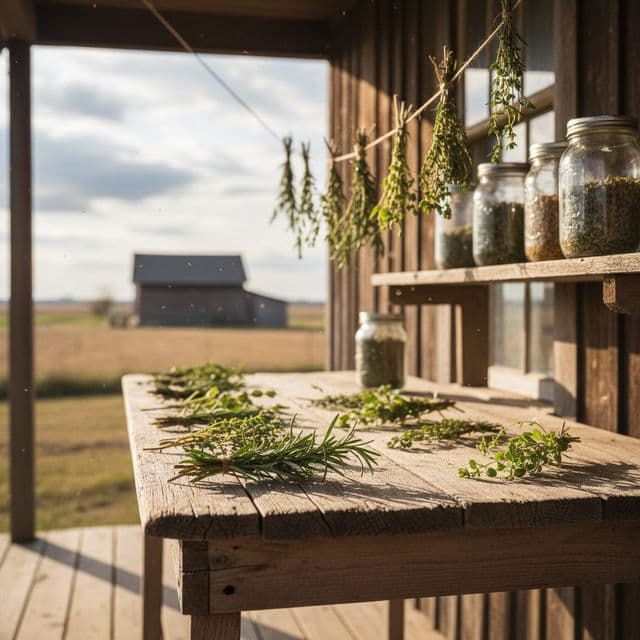
Learn how to dry garden herbs and aromatics for peak flavor & potency. Discover optimal harvesting, air drying, and dehydrator techniques to preserve your harvest and save money.
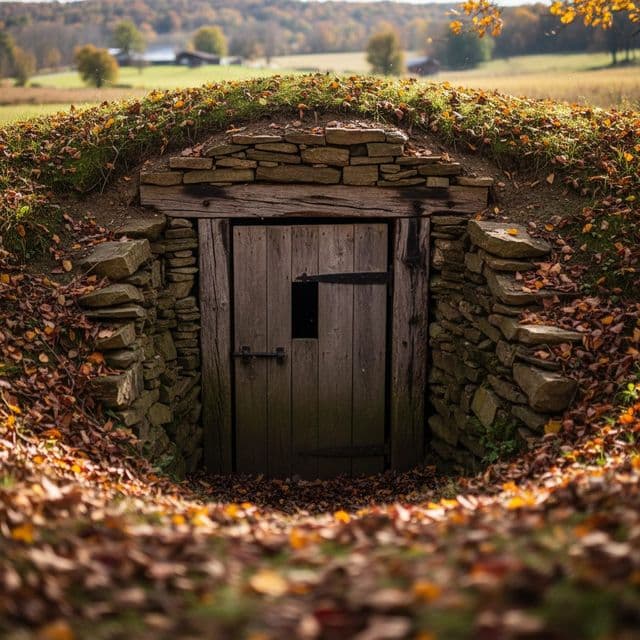
Master root cellar storage to preserve your harvest for up to 10 months in USDA Zone 6. Learn no-power techniques for ideal temperature, humidity, and ventilation to keep produce fresh.
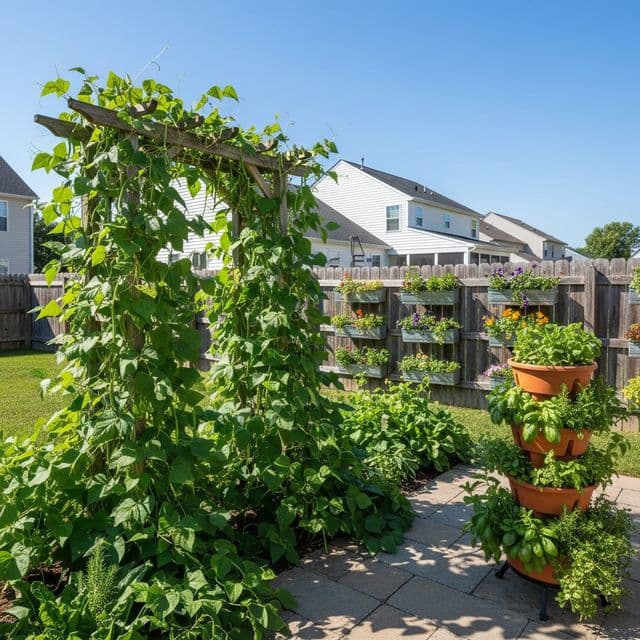
Maximize your backyard harvest with vertical vegetable gardening! Learn how to increase yields by 30% in USDA Zone 6, save space, and deter pests using trellises, towers, and wall planters.
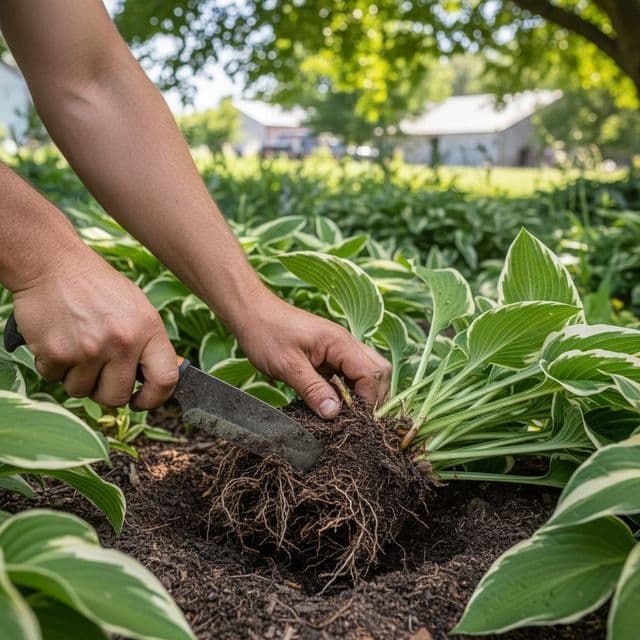
Learn how to multiply your garden stock for free by dividing perennials. Boost vigor, blooms, and save money. Essential tips for USDA Zone 6 gardeners on timing and techniques.
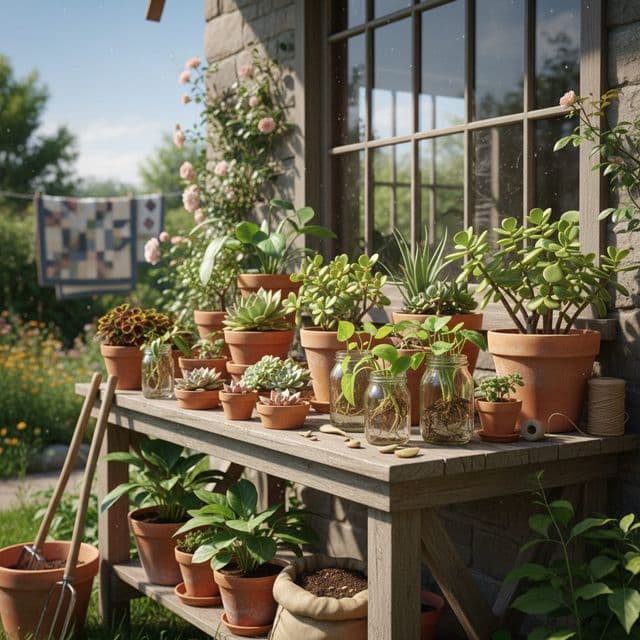
Learn how to save money and expand your collection through houseplant propagation. Master cuttings, division, and seed starting for succulents and houseplants, potentially saving hundreds annually.
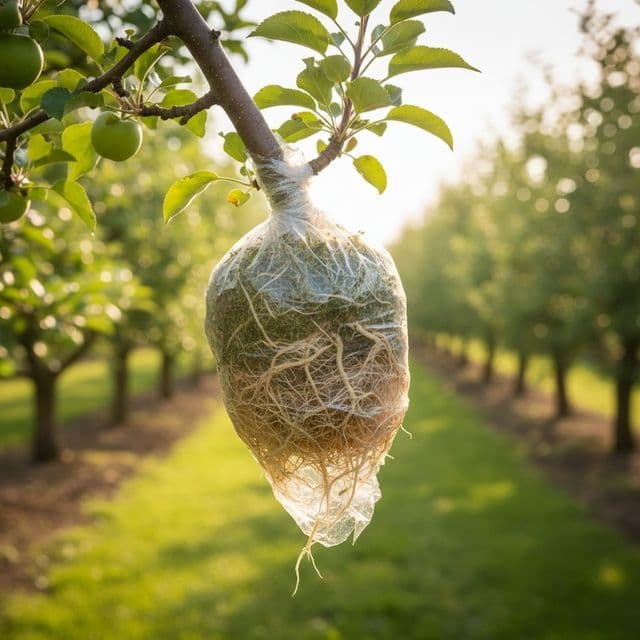
Learn how to propagate woody plants like fruit trees using air layering. Achieve high success rates by following our step-by-step guide for optimal root development.
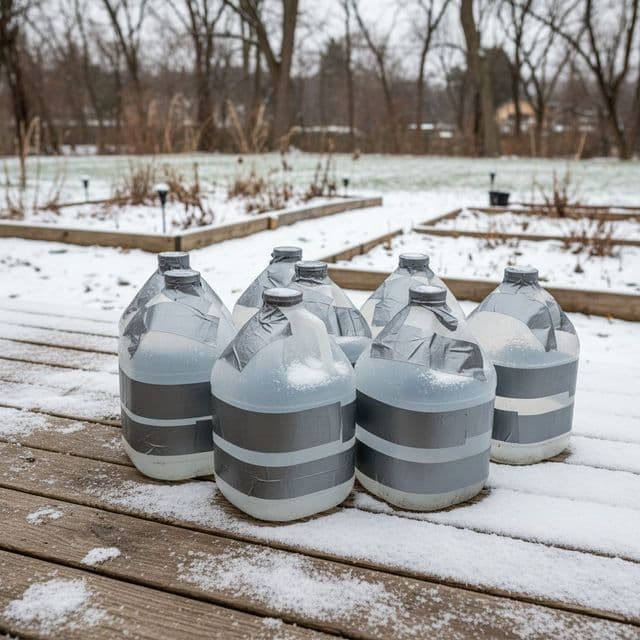
Master winter sowing to start seeds up to 8 weeks earlier in USDA Zone 6. Create mini-greenhouses from milk jugs for hardy seedlings, saving money on grow lights.
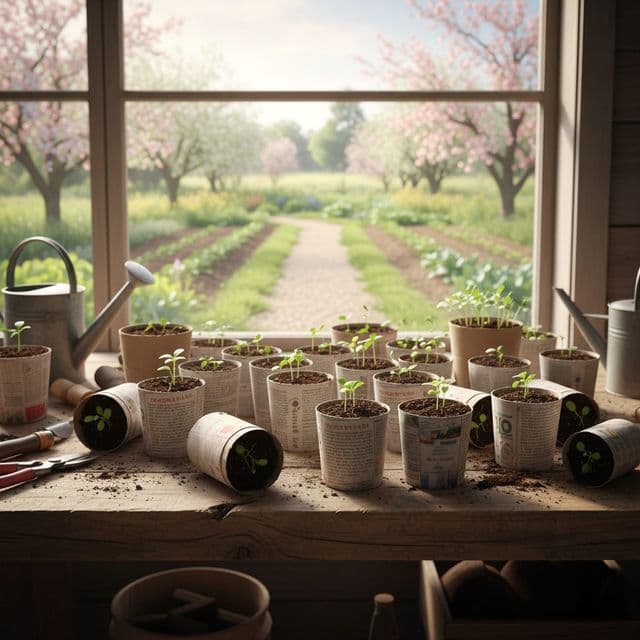
Learn to make your own seed starting mix and pots for under $10. Save money, reduce waste, and grow healthier seedlings with DIY methods for any USDA zone.