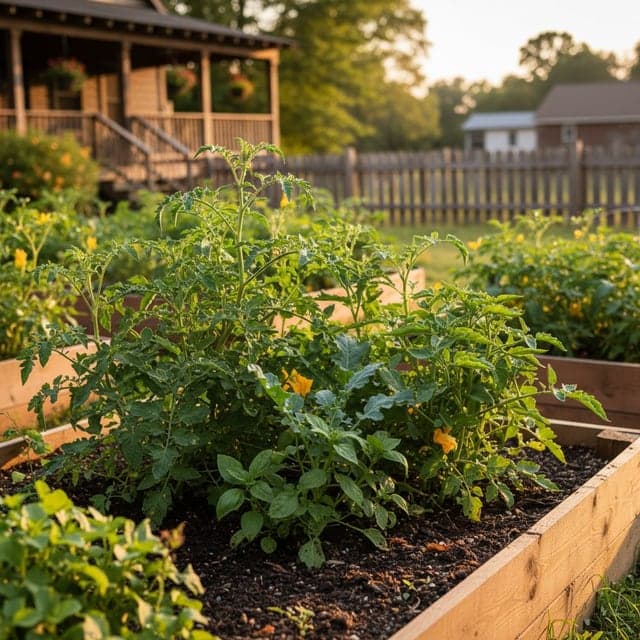
Low-Tech Container Watering for Arid Regions
Low-tech container watering methods, including olla pots and DIY wicks, that reduce evaporation and keep container plants hydrated during absences in arid regions.
Tag
206 articles in this tag on agripure. — page 5 of 9
Low-tech container watering methods, including olla pots and DIY wicks, that reduce evaporation and keep container plants hydrated during absences in arid regions.
Learn to build an efficient 5-gallon self-watering planter for your garden. Save 30-50% water, reduce watering frequency, and grow healthier plants in small spaces. DIY guide.
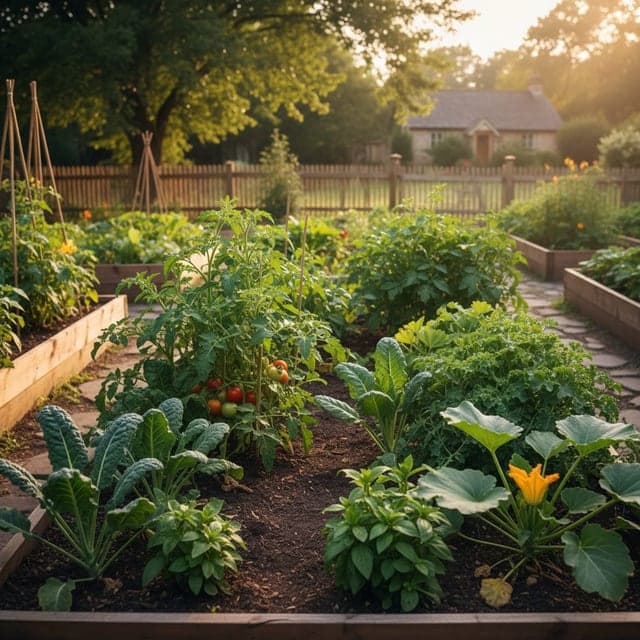
Learn to craft custom potting mixes for your container garden. Save money, improve plant health, and tailor drainage/nutrients for thriving plants in USDA Zone 7 and beyond.
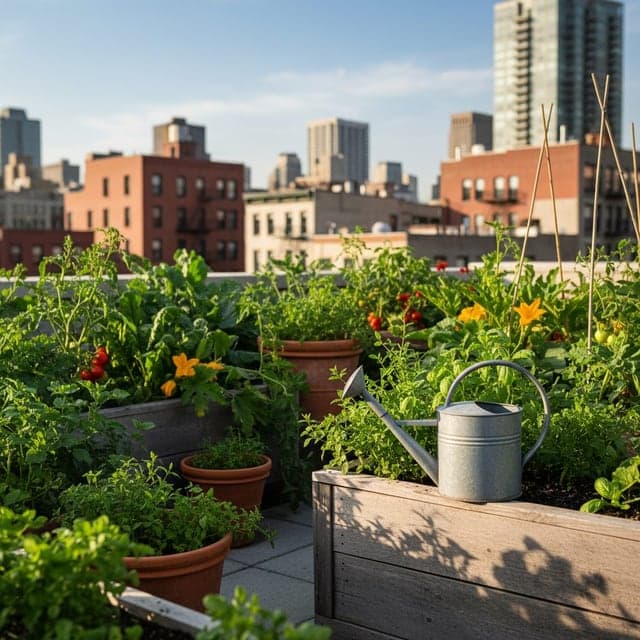
Navigate HOA and lease rules for patio gardens. Learn how to get approval, use container & vertical gardening, and grow food compliantly in small spaces.
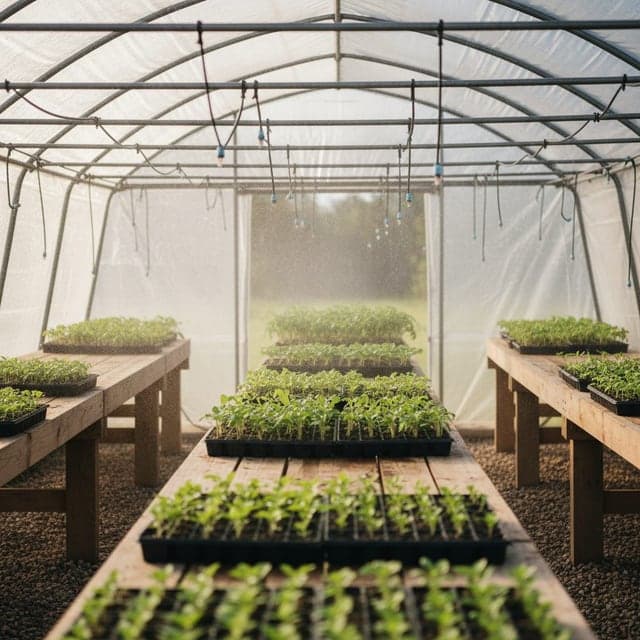
Scale your plant propagation with budget-friendly DIY benches, a simple hoop house, and an effective mist bed. Extend your growing season and boost success rates for seeds & cuttings in USDA Zone 6.
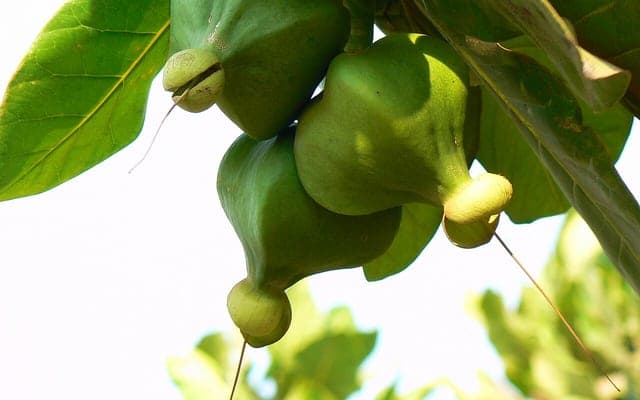
Clone true-to-type figs, pomegranates, mulberries, citrus, and subtropical fruit trees on the parent branch with clean cambium scraping, wrung-out sphagnum moss, aluminum-foil solar shielding, and…
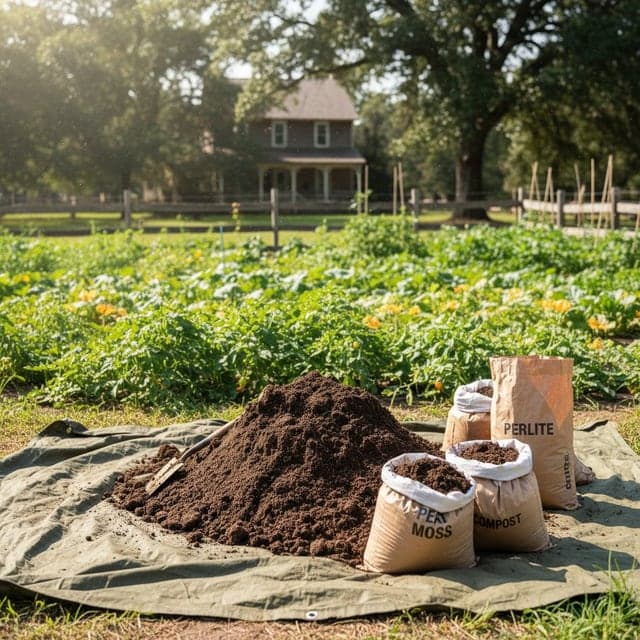
How to mix custom seed-starting and potting mixes with peat or coco coir, perlite, and compost for controlled drainage and seedling nutrition.
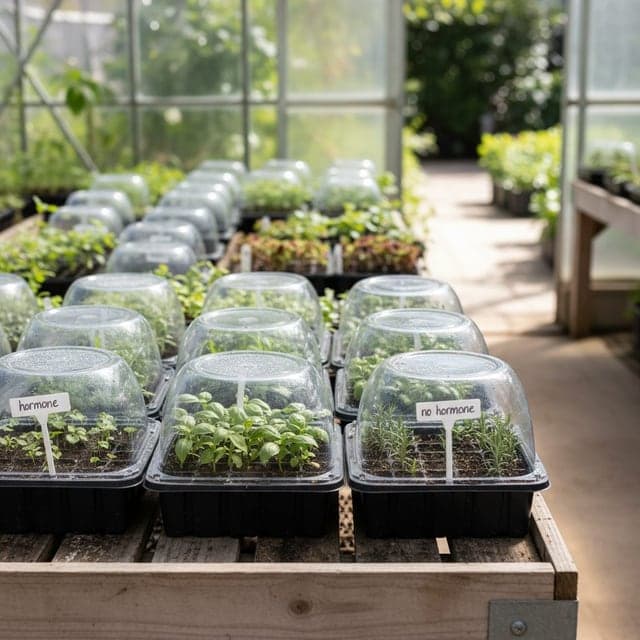
Match rooting hormone concentrations (0 to 8,000 ppm IBA and NAA) to softwood, semi-hardwood, and hardwood cuttings, compare talc powder vs. 5-second alcohol quick-dips vs. gels, stop cross-jar pat…
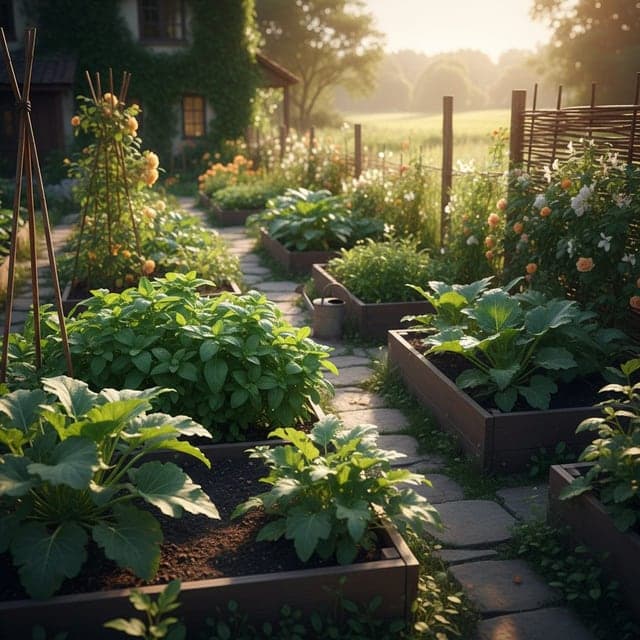
Compare DIY natural rooting hormones with commercial options. Learn how to boost plant propagation success rates for various species in your garden or nursery.
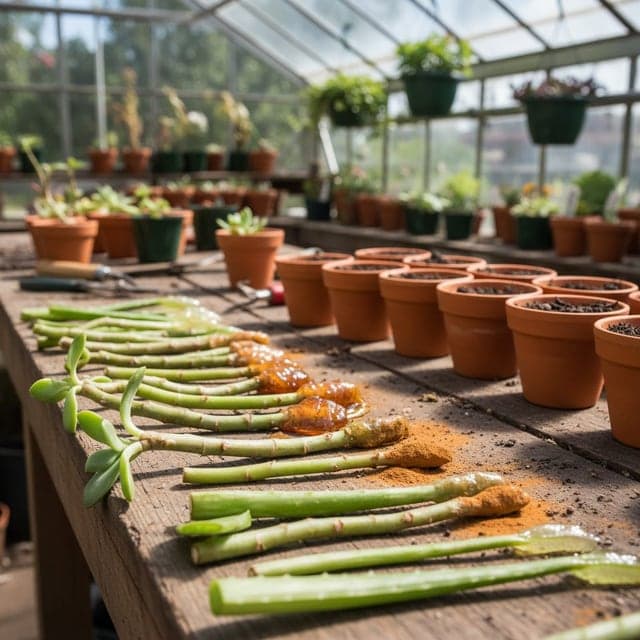
Scientific evidence behind honey, aloe vera, and cinnamon as DIY rooting aids for plant propagation, and how these natural alternatives perform for US growers.
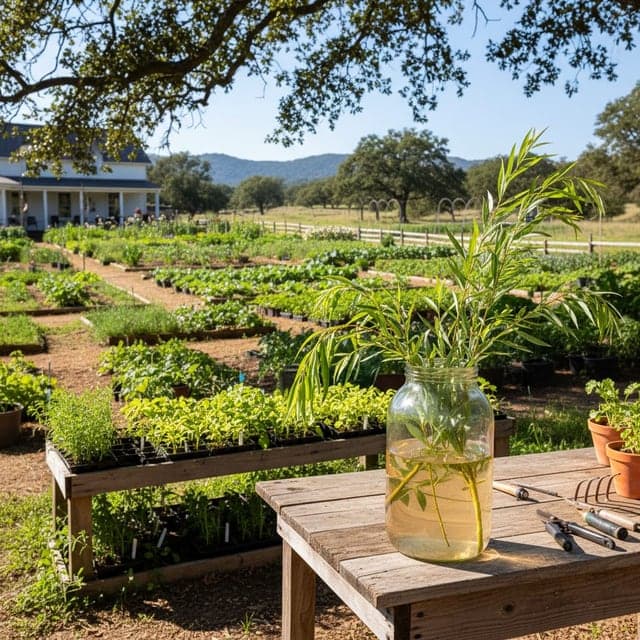
Brew willow water from pencil-thick green Salix shoots to extract natural IBA auxin and salicylic acid, compare results against 1,000–3,000 ppm commercial IBA gels, prevent 4–7 day bacterial slime,…
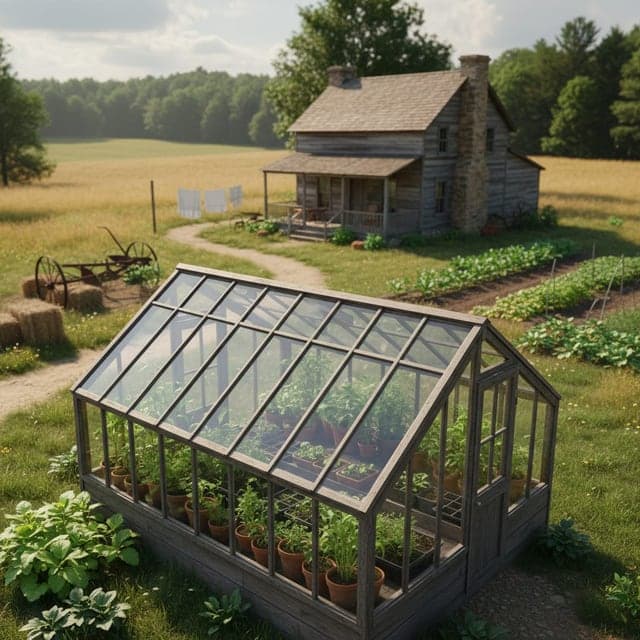
Build a reliable DIY humidity dome or intermittent mist bench for US plant cuttings: 0.3–0.4 kPa VPD targets, thermostat bottom heat, species exceptions, Botrytis sanitation, and a 14-day hardening…

How to build a budget grow-light shelf to prevent leggy seedlings and produce sturdy plant starts, with lighting and shelving options for USDA Zone 6.
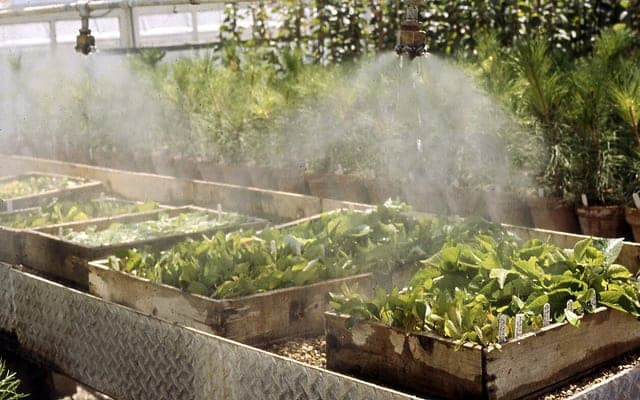
Build a safe, high-yield backyard mist propagation bench anywhere in the US: 2–6 sec leaf-cooling bursts, 70–75°F bottom heat, ASSE 1011 backflow protection, Class A GFCI power, Botrytis hygiene, a…
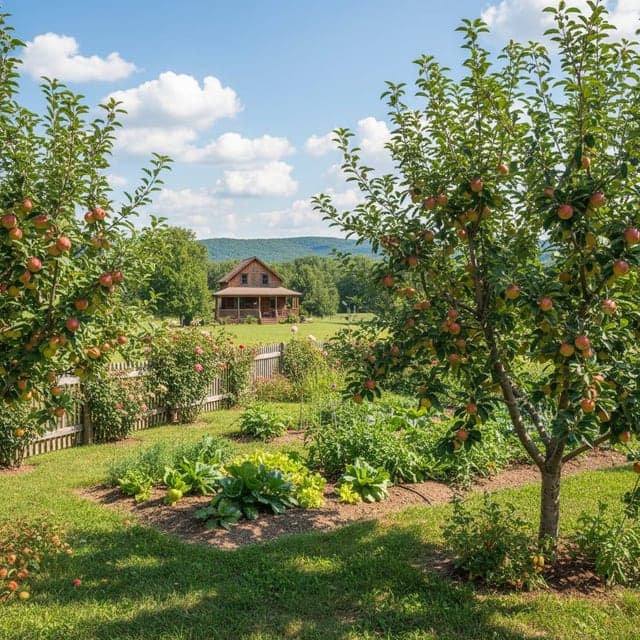
A comparison of natural rooting aids, such as willow water and honey, with commercial hormones for propagating fruit tree cuttings in USDA zone 6.
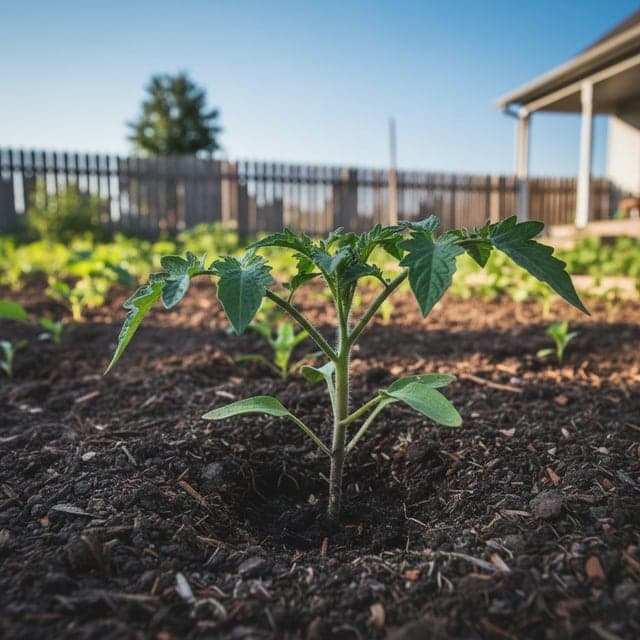
Learn how to prevent and fix transplant shock in tomato and cucurbit seedlings. This guide covers hardening off, proper planting, watering, and care for vigorous growth in USDA Zone 7 gardens.
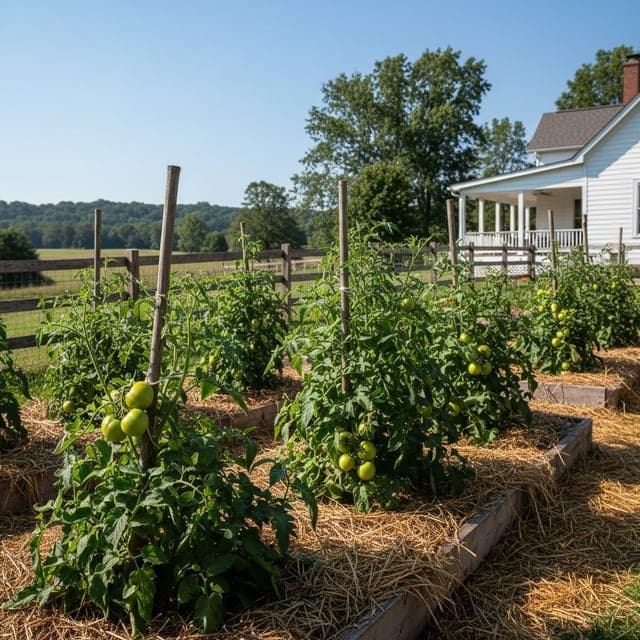
Discover why your tomatoes aren’t ripening, especially in warmer US regions like USDA Zone 6. Learn how night temperatures affect lycopene production and get practical fixes for successful tomato r…
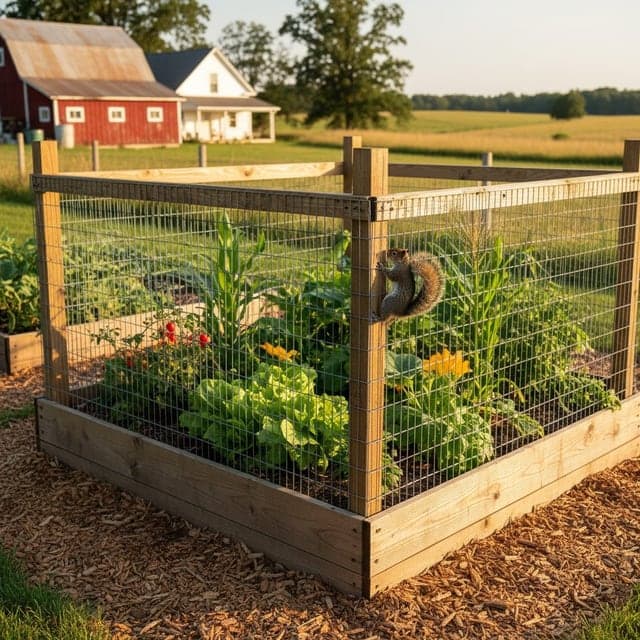
Learn effective, organic methods for deterring squirrels and chipmunks from your raised beds and bird feeders in USDA Zone 6. Protect your garden with physical barriers, repellents, and smart place…
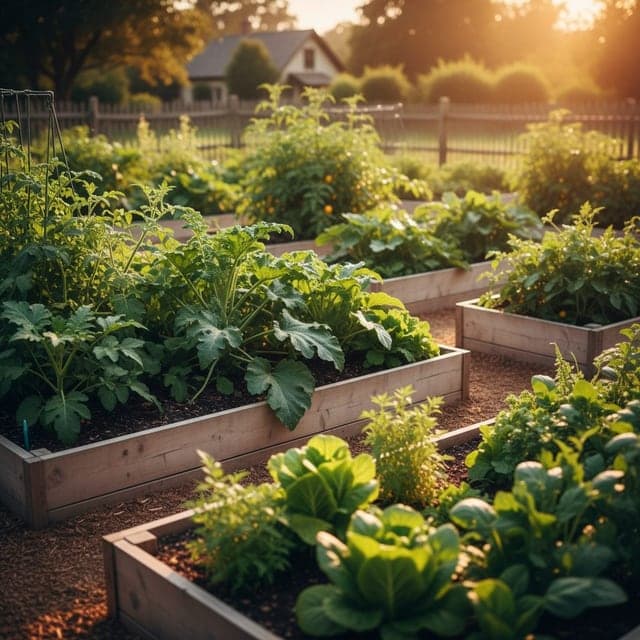
Protect your vegetable garden from rabbits with effective, buried fencing. Learn about materials, installation, and techniques for rabbit proof fencing to secure your harvest.
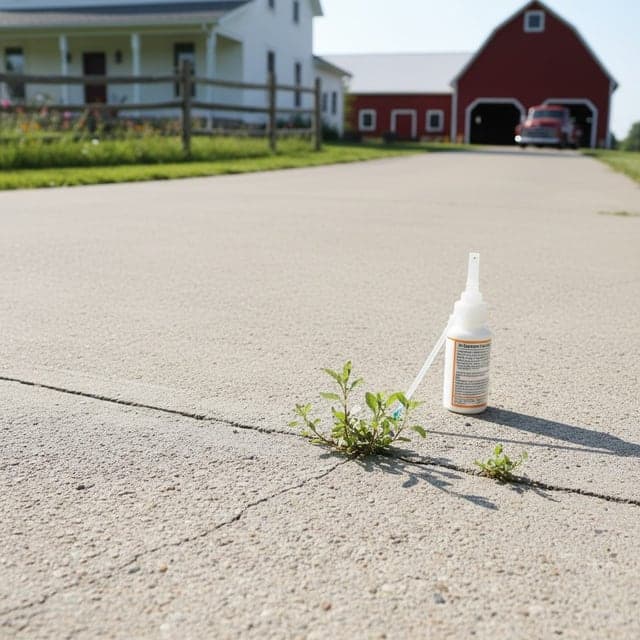
Explore safe, chemical-free thermal weed control for driveways & patios in USDA Zone 6. Learn flame weeding & boiling water techniques to manage dandelions, crabgrass, and spurge.
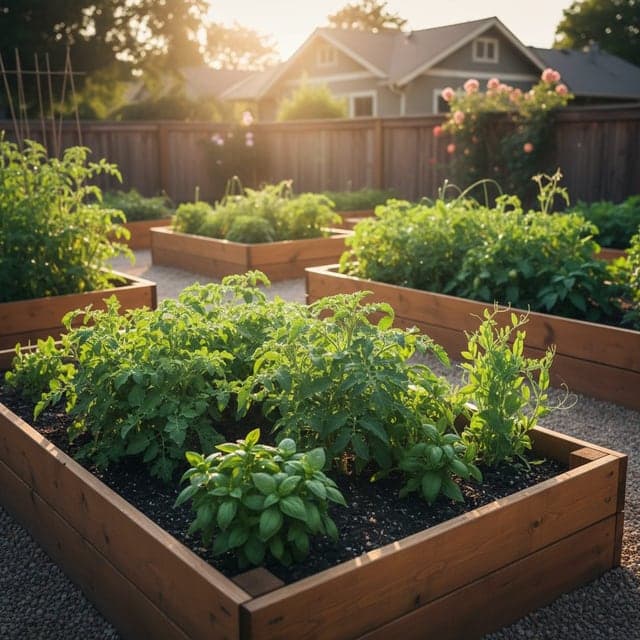
Protect new transplants from cutworms in USDA Zone 6. Learn effective cutworm control methods: identification, scouting, physical collars, and organic soil management for a thriving garden.
Learn how to effectively use food-grade diatomaceous earth for organic pest control in your USDA zone 6 garden. Target slugs, aphids, and ants safely with proper application.
Learn essential methods for preventing plant disease spread in your orchard or garden. Sterilize tools with bleach, alcohol, or heat to protect plants and investment. Reduce disease incidence by 80%.
Effectively manage corn earworm in organic sweet corn using food-grade mineral oil. Learn precise timing, application, and dosage for 70-90% control in USDA Zone 6. This organic corn earworm contro…