Key takeaways
- Maintain a hot compost pile, aiming for 130-160°F, to deter pests and break down food scraps quickly.
- Bury food waste at least 8-12 inches deep within the pile, covering it with brown materials like leaves or wood chips.
- Construct a secure compost bin using hardware cloth with quarter-inch mesh or solid materials to prevent animal entry.
- Balance carbon and nitrogen materials at a 25:1 to 30:1 ratio to ensure efficient decomposition and reduce odors.
- Consider vermicomposting for kitchen scraps, as it is a contained system less attractive to larger pests.
- Site your compost pile at least 50 feet from your home and any animal enclosures to minimize attraction.
Quick answer: To deter pests like rats, raccoons, and flies from your compost pile, maintain a hot pile (130-160°F), bury food waste 8-12 inches deep, use secure bins with quarter-inch mesh, and balance carbon-nitrogen ratios. Site your pile at least 50 feet from structures and consider vermicomposting for kitchen scraps.
In 2010, there were at least 979 compost piles documented in the US, ranging from backyard bins to large-scale operations [2]. For many growers, composting kitchen scraps and yard waste is a fundamental practice for building healthy soil, especially in regions like the Pacific Northwest, where acidic soils often benefit from organic matter. However, a poorly managed compost pile can quickly become a buffet for unwanted visitors like rats, raccoons, and flies. These pests aren’t just a nuisance; they can spread diseases, create unsanitary conditions, and undermine the effort you put into creating nutrient-rich soil.
The good news is that deterring these creatures doesn’t require harsh chemicals or complicated traps. Instead, it involves understanding their motivations, primarily food and shelter, and implementing practical strategies that make your compost pile less appealing. By focusing on proper pile construction, material management, and site selection, you can maintain an active, productive compost system that enriches your garden without attracting a parade of furry or winged guests. A properly managed pile can reduce household organic waste by up to 30% annually.
Identifying and understanding common compost pests
Your compost pile, while a source of soil amendments, can also be an attractive nuisance if not managed correctly. In many parts of the US, from the humid Southeast to the arid Southwest, gardeners frequently encounter a trio of common pests: rats, raccoons, and flies. Rats, particularly Norway rats (Rattus norvegicus) and roof rats (Rattus rattus), are highly adaptable rodents that can squeeze through openings as small as half an inch. They are attracted to food scraps, especially meat, dairy, and cooked foods, which provide a high-energy diet. Raccoons (Procyon lotor), prevalent across North America, are opportunistic omnivores known for their dexterity and intelligence. They can easily open unsecured lids and will dig into piles to access buried food waste. Flies, including common house flies (Musca domestica) and fruit flies (Drosophila melanogaster), are drawn to decaying organic matter and moisture, especially in warm climates like Florida or southern California. A single female house fly can lay up to 500 eggs in her lifetime, leading to rapid infestations if conditions are right. Understanding their habits is the first step in effective deterrence.
rats: digging and gnawing threats
Rats are notorious for their ability to burrow and chew through various materials, including plastic bins and even thin wood. A study in 2010 noted that rats can be a significant issue in urban and suburban composting, where food waste is readily available [1]. They seek both food and shelter, often nesting within or near a warm, food-rich compost pile. To deter them, eliminating exposed food scraps is paramount. Any kitchen waste, such as vegetable peels, fruit cores, and coffee grounds, should be buried at least 8-12 inches deep within the pile, covered by a thick layer of brown materials like leaves or wood chips. This practice helps prevent odors from attracting pests and makes the food inaccessible. For gardeners in USDA zone 7, where winters are mild, rats can remain active year-round, making consistent management important, especially with a population density that can reach 50 rats per acre in some urban areas.
- Bury food scraps 8-12 inches deep.
- Cover new additions with 6-12 inches of brown materials.
- Avoid adding meat, dairy, or oily foods to open piles.
- Maintain a minimum pile temperature of 130°F.
- Use hardware cloth with quarter-inch mesh for bin construction.
Building barriers and selecting the right site
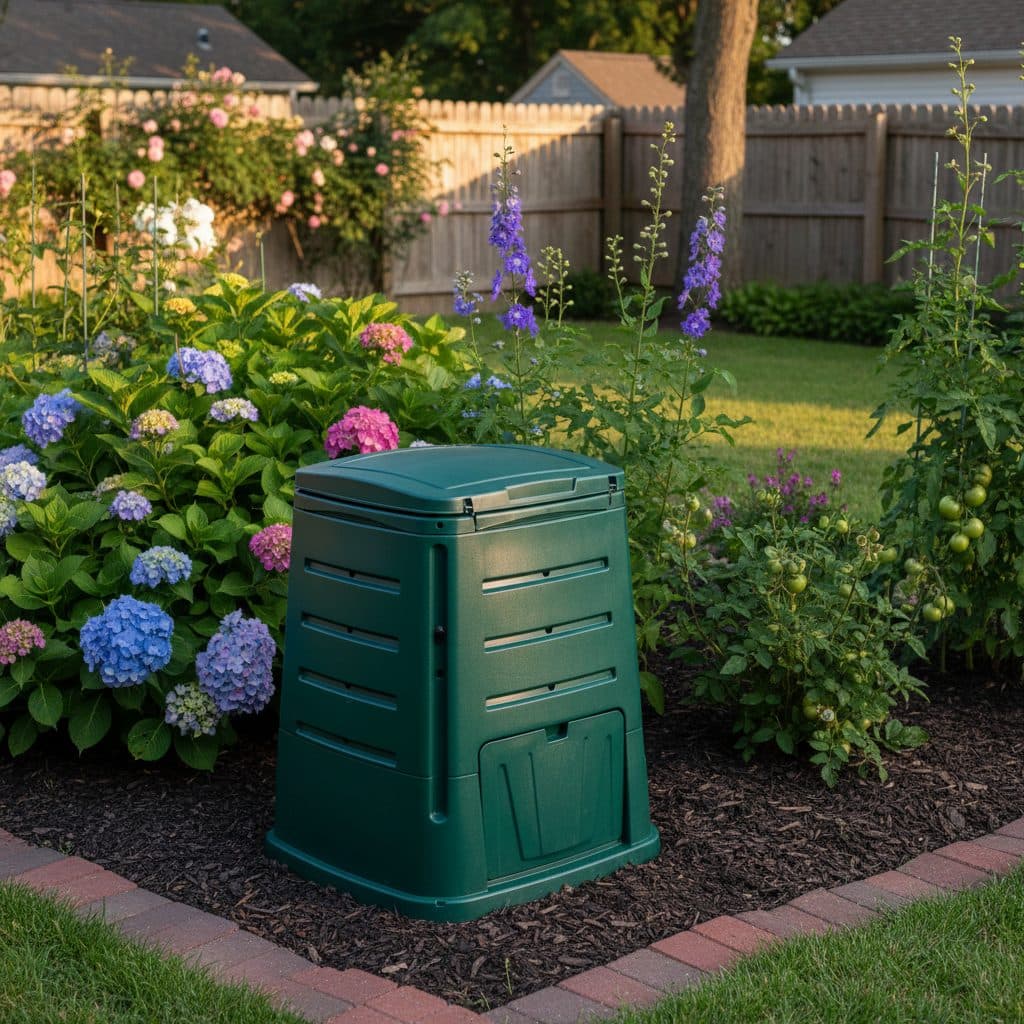
The physical structure of your compost system and its location are critical factors in preventing pest access. An open pile, while effective for yard waste, is an open invitation for rats and raccoons when food scraps are included. In regions like the Midwest, where wildlife is abundant, a secure bin is often a necessity. Commercial compost bins made from recycled plastic often have tight-fitting lids, but many are not truly rodent-proof. Rats can chew through thin plastic, and raccoons can often pry open latches. A better solution involves constructing a bin from hardware cloth with a quarter-inch mesh, which is too small for even young rats to pass through. This material should extend at least 12 inches below ground level to prevent burrowing, a common tactic for rats in areas like California’s Central Valley. For larger operations, a three-bin system can help manage different stages of decomposition, keeping fresh food waste contained in one section, reducing pest access by up to 90%.
secure bin construction
When building or selecting a compost bin, prioritize materials that pests cannot easily penetrate or bypass. A bin constructed from sturdy wood, reinforced with quarter-inch hardware cloth on all sides and the bottom, offers good protection. The lid should be heavy or have secure latches that raccoons cannot manipulate. For example, a bin measuring 3 x 3 x 3 feet provides sufficient volume for hot composting and is a manageable size for most backyard growers. Placing your compost pile at least 50 feet away from your home, chicken coop, or other animal enclosures can significantly reduce the likelihood of pests migrating indoors [\https://agripure.org/articles/chicken-coop-guide]. In USDA zone 8, where temperatures rarely drop below 10°F, pests can be active year-round, making a robust setup essential. This distance also helps mitigate potential odors for up to 75% of residential properties.
- Use quarter-inch hardware cloth for bin construction.
- Extend bin walls 12 inches below ground to deter burrowing.
- Ensure lids are heavy and securely latched to prevent raccoon access.
- Site compost at least 50 feet from buildings and animal housing.
- Avoid placing piles near dense shrubbery or woodpiles that offer pest shelter.
Managing the compost process for pest deterrence
An actively managed compost pile is inherently less attractive to pests. The key lies in maintaining optimal conditions for microbial decomposition, which generates heat and rapidly breaks down organic materials. A hot compost pile, reaching internal temperatures between 130-160°F, will effectively kill weed seeds, pathogens, and insect larvae, including fly eggs. This temperature range is achievable when the carbon-nitrogen ratio is balanced, typically between 25:1 and 30:1 [3]. Too much nitrogen (green materials) can lead to ammonia odors, while too much carbon (brown materials) slows decomposition. In a study from 2011, improper C:N ratios were linked to nitrogen loss [5]. Regular turning, at least once a week for active piles, helps aerate the pile, distribute moisture, and maintain these high temperatures, especially important in humid climates like the Southeast where anaerobic conditions can develop quickly, reducing decomposition rates by up to 40%.
balancing carbon and nitrogen
Achieving the right carbon-nitrogen balance is fundamental to hot composting. “Greens” like fresh grass clippings, food scraps, and coffee grounds are rich in nitrogen, while “browns” such as dry leaves, wood chips, and shredded paper provide carbon. A good rule of thumb is to add two to three parts brown materials for every one part green material by volume. For example, if you add 1 gallon of kitchen scraps, follow it with 2-3 gallons of shredded leaves. This balance helps prevent strong odors that attract flies and larger animals. Consistent moisture levels, similar to a wrung-out sponge (40-60% moisture content), are also crucial for microbial activity. Too dry, and decomposition slows; too wet, and the pile can become anaerobic and smelly. You can check moisture with a simple soil moisture meter [\https://agripure.org/shop/soil-moisture-meter-plant-watering-test-soil-humidity-monitor-detector-hygrometer-flower-testing-home-gardening-measuring-tool]. Maintaining these conditions can reduce fly populations by over 80%.
- Aim for a carbon-nitrogen ratio of 25:1 to 30:1.
- Turn the compost pile at least once a week to aerate.
- Maintain moisture levels at 40-60%, like a damp sponge.
- Bury all fresh food scraps deeply within the pile.
- Avoid adding meat, dairy, or greasy foods to open or cool piles.
Dealing with existing infestations and alternative methods
Even with the best preventative measures, sometimes pests find their way into a compost pile. If you discover rats, raccoons, or a significant fly population, immediate action is necessary to regain control. For flies, the primary solution is to bury all fresh food scraps deeply, at least 8 inches, and ensure the pile is actively heating. Adding more brown materials like wood chips or shredded cardboard can help absorb excess moisture and cover odors. Turning the pile vigorously can also interrupt fly breeding cycles. For rats and raccoons, if they’ve already established a presence, you’ll need to make the pile completely inaccessible. This might involve temporarily stopping the addition of food scraps, or relocating the pile to a more secure, enclosed structure. In some cases, especially with persistent rat problems, trapping might be necessary, using humane snap traps placed outside the bin, away from pets and children. A single rat can consume up to 1 ounce of food daily, making swift action important.
vermicomposting and biochar benefits
For gardeners concerned about large pests, vermicomposting offers an excellent alternative for kitchen scraps. A worm bin, typically kept indoors or in a garage in a stable temperature range of 60-75°F, uses red wiggler worms (Eisenia fetida) to break down food waste into nutrient-rich castings. These systems are enclosed, making them unattractive and inaccessible to rats and raccoons. They can process up to one pound of food waste per square foot of bin surface area per week. Another valuable tool for soil fertility is biochar. While not directly a pest deterrent for compost, incorporating biochar into your finished compost or directly into garden beds improves soil structure, water retention, and nutrient availability [6]. This can lead to healthier plants that are more resilient to pests and diseases, reducing the need for other pest interventions by up to 25%. For more details on soil health, consider exploring resources like https://agripure.org/articles/plants-for-clay-soil.
- Bury all food scraps immediately and deeply to deter flies.
- Add dry brown materials to absorb moisture and reduce odors.
- Consider vermicomposting for kitchen scraps to avoid attracting larger pests.
- Use humane traps for persistent rat problems, placed safely away from pets.
- Regularly monitor your compost for signs of pest activity, such as droppings or digging.
Composting Methods: Pest Attraction and Management
Method | Pest Attraction Level | Key Management Strategy |
|---|---|---|
Open Pile (Yard Waste Only) | Low | Avoid food scraps; turn regularly. |
Open Pile (with Food Scraps) | High | Not recommended; will attract pests. |
Enclosed Bin (Plastic/Wood) | Medium | Secure lid, bury food, reinforce with hardware cloth. |
Hardware Cloth Bin | Low-Medium | Bury food, extend mesh below ground, secure lid. |
Vermicomposting Bin | Very Low | Keep indoors, maintain temperature, use specific worm food. |
Optimal Temperature: A compost pile maintained between 130-160°F will kill most weed seeds, pathogens, and insect larvae within 3 days.
Rat Entry: Rats can squeeze through openings as small as 0.5 inches, requiring quarter-inch mesh for effective exclusion.
C:N Ratio: An ideal carbon-to-nitrogen ratio of 25:1 to 30:1 promotes rapid decomposition and reduces pest attraction by minimizing odors.
Frequently asked questions
What kind of food scraps should I avoid adding to my compost pile to deter pests?
To deter rats, raccoons, and other scavengers, avoid adding meat, bones, dairy products, oily foods, and cooked leftovers to your compost pile. These items decompose slowly, can take 2-3 times longer than vegetable scraps, produce strong odors, and are highly attractive to pests, especially in a cool pile.
How deep should I bury food scraps in my compost pile?
When adding food scraps, bury them at least 8-12 inches deep within the active compost pile. Cover them thoroughly with a layer of brown materials like dry leaves or wood chips to prevent odors from escaping and to make the food inaccessible to surface-foraging pests.
Can biochar help deter pests in my compost?
While biochar does not directly deter pests from your compost pile, it significantly improves soil health and nutrient retention. Biochar can improve water retention by up to 30% in sandy soils. Incorporating biochar into your finished compost or garden beds can lead to more robust plants, which are naturally more resistant to pest damage, thus reducing overall pest pressure in your garden.
What is the ideal temperature for a compost pile to deter pests?
An ideal compost pile should reach internal temperatures between 130-160°F (55-70°C). This high heat effectively breaks down organic matter, kills weed seeds, pathogens, and insect larvae, including fly eggs, making the pile much less attractive and hospitable to pests within 3 days of reaching this temperature.
How often should I turn my compost pile to keep pests away?
For an active, hot compost pile, turning it at least once a week is beneficial. Regular turning aerates the pile, distributes moisture, helps maintain high temperatures, and interrupts any potential pest nesting or breeding activities, reducing pest presence by up to 70%.
Are there specific compost bin designs that are more pest-proof?
Yes, bins constructed from quarter-inch hardware cloth are highly effective. The mesh size prevents rats from entering, and if extended 12 inches below ground, it deters burrowing. Secure, heavy lids with latches are also crucial to keep raccoons and other larger animals out, offering up to 95% pest exclusion.
References
- Perspective (2010). Perspective.
- 979 compost pile [n] [US] (2010). [979 compost pile [n] \US].
- A Comparison of Static Pile and Turned Windrow Methods for Poultry Litter Compost Production (2000). A Comparison of Static Pile and Turned Windrow Methods for Poultry Litter Compost Production.
- Compost Sampling for Nutrient and Quality Parameters: Variability of Sampler, Timing and Pile Depth (2012). Compost Sampling for Nutrient and Quality Parameters: Variability of Sampler, Timing and Pile Depth.
- Estimation of nitrogen loss from small compost static pile and upland soil applied compost and by ammonia measurement (2011). Estimation of nitrogen loss from small compost static pile and upland soil applied compost and by ammonia measurement.
- USDA Natural Resources Conservation Service (2024). USDA Natural Resources Conservation Service.