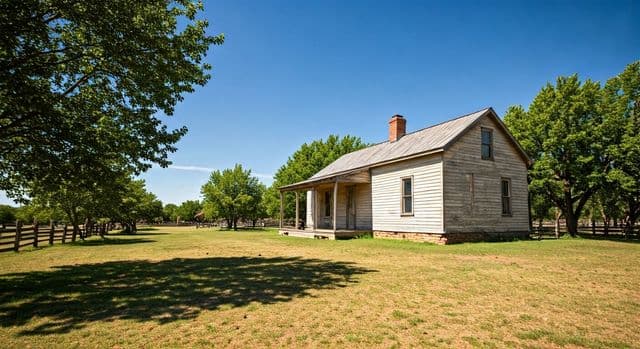
Cooking Poke Sallet Safely: Foraging & Preparing Pokeweed
Learn to cook poke sallet safely with this guide to identifying, harvesting, and preparing young pokeweed. Discover this 200-year-old Southern foraging tradition.
Tag
52 articles in this tag on agripure. — page 2 of 3
Learn to cook poke sallet safely with this guide to identifying, harvesting, and preparing young pokeweed. Discover this 200-year-old Southern foraging tradition.
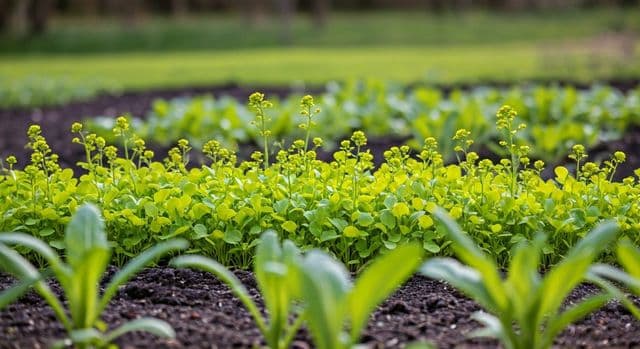
Discover how to safely forage wild mustards and cress across USDA Zones 4-9 for early spring greens. Learn identification, responsible harvesting, and culinary uses.
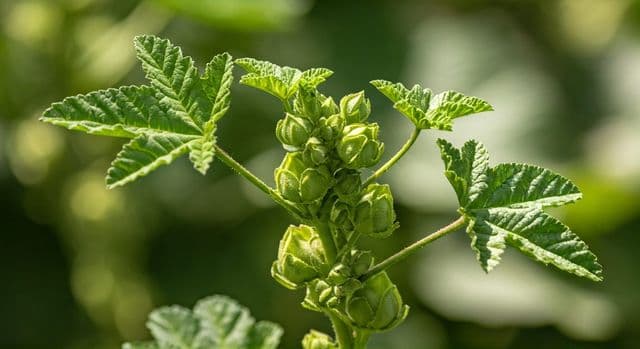
Discover common mallow & marshmallow’s edible leaves, seeds, and roots. Learn identification, harvesting, and preparation for US growers in USDA zones 3-9. Improve your homestead’s food security.
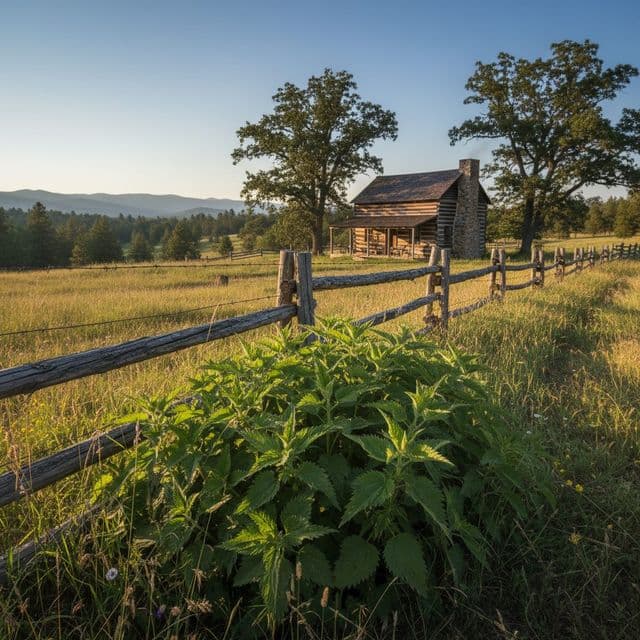
Discover how to safely forage stinging nettle (Urtica dioica) in US zones 3-9. Learn to identify, harvest, and prepare this versatile wild edible for delicious soups, pestos, and teas.
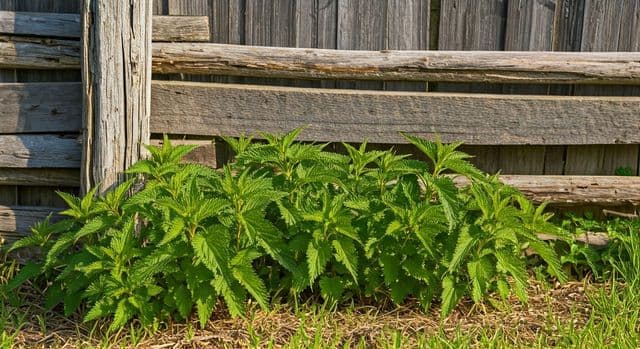
Learn to safely identify, harvest, and neutralize stinging nettle in USDA zones 3-10, including its nutritional value and culinary uses.
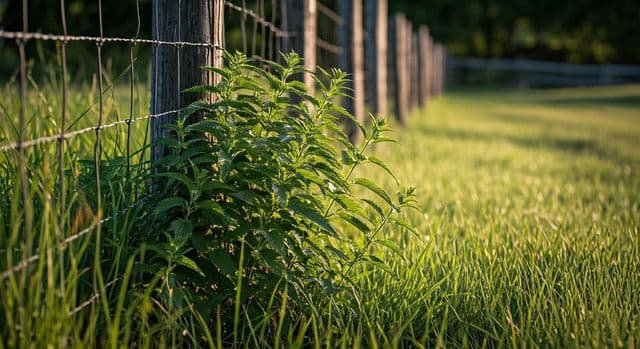
Learn to identify stinging nettle vs. wood nettle in US woodlands. This guide covers main differences, habitats, and how to safely forage these nutritious plants. Master nettle identification.
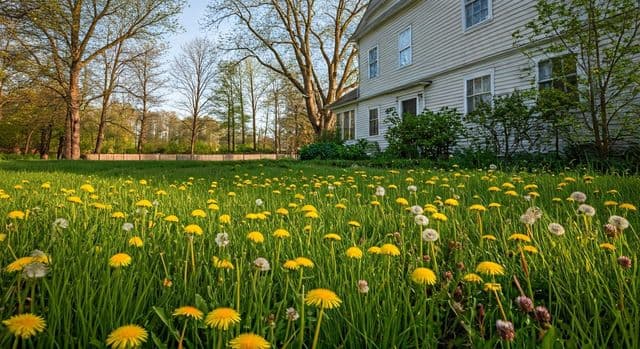
Learn to safely forage your lawn in USDA Zone 6. Identify edible plants, avoid chemical & pet waste contaminants, and prepare wild greens for a healthy, homegrown diet.
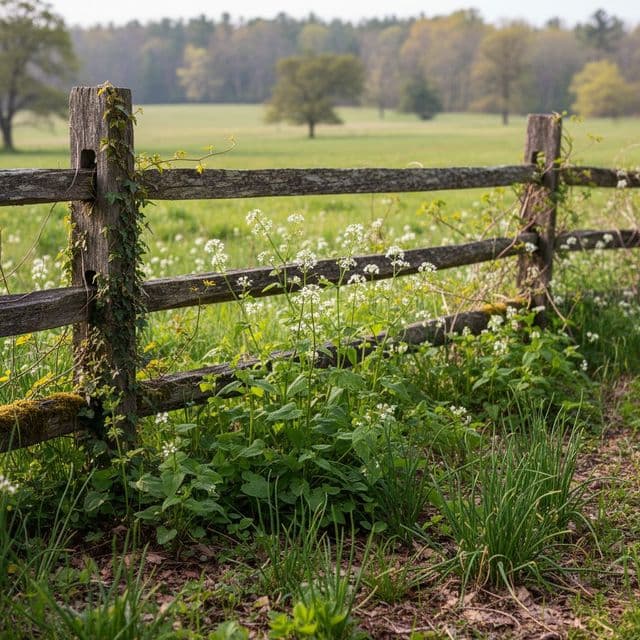
Learn to identify and forage invasive garlic mustard and field garlic across US woodlands and fields. Discover how eating these plants helps manage their spread and provides a sustainable food source.
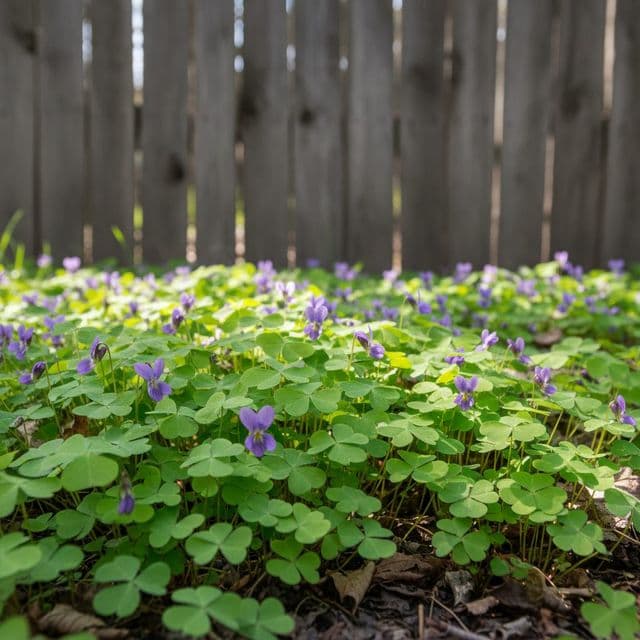
Safely forage wood sorrel and wild violets across US USDA zones 3-9. Learn to identify, harvest, and enjoy these nutritious wild edibles, adding unique flavors to your diet sustainably.
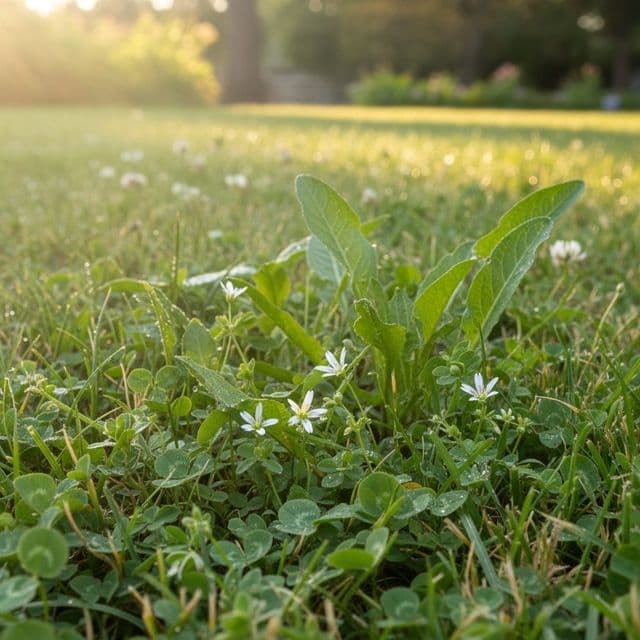
How to identify, forage, and prepare chickweed, plantain, and clover, three common edible lawn weeds across the US.
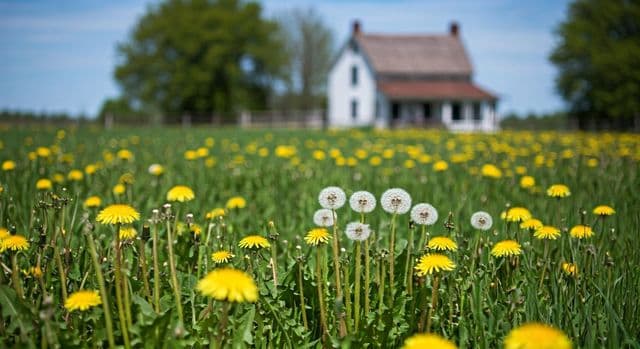
Learn how to identify, harvest, and prepare dandelions from root to flower. This guide covers dandelion foraging in USDA Zone 6, offering tips for greens, roots, and flowers.
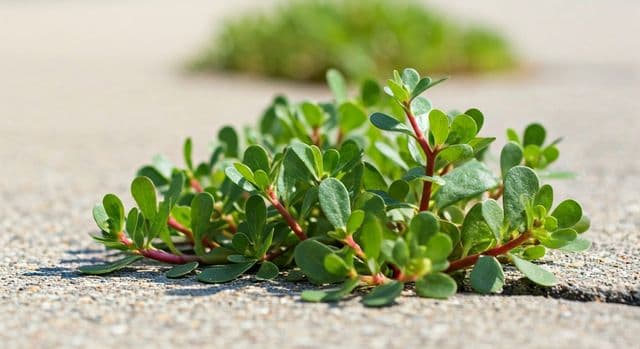
Discover purslane, a common edible weed packed with omega-3s. Learn to identify, forage, and cultivate this nutritious plant for health benefits across US USDA zones 3-10.
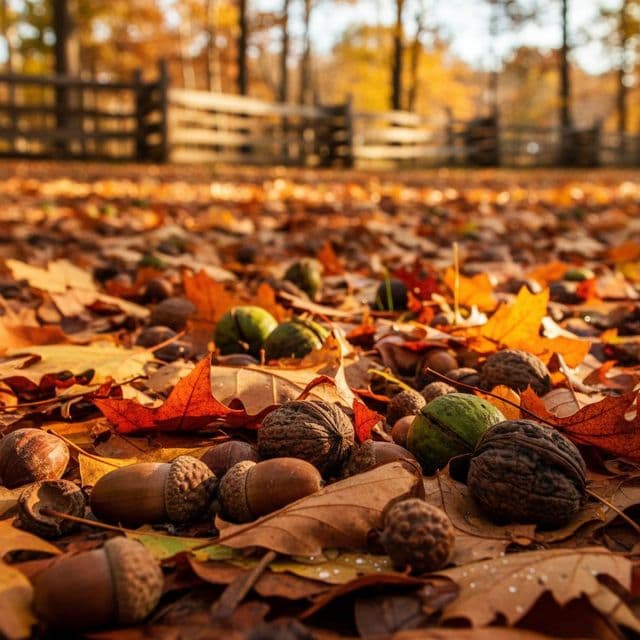
Master fall mast season. Learn optimal timing for acorn, hickory, black walnut, and chestnut harvests across US USDA zones. Maximize your wild edible yield.
Discover the narrow, overlapping window for spring ephemeral foraging. Learn to identify and sustainably harvest ramps, fiddleheads, and morels in US USDA zones 4-7.
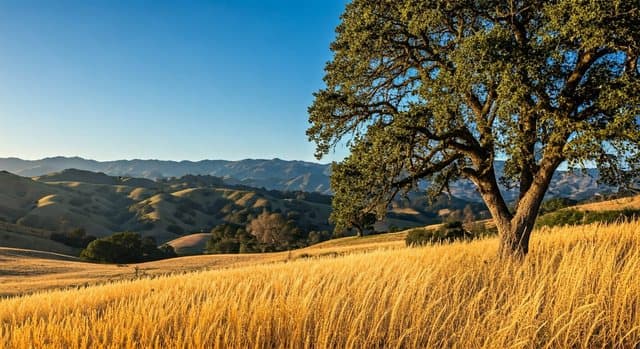
Discover year-round California foraging in its Mediterranean climate. Learn to identify and ethically harvest diverse wild edibles like miner’s lettuce, elderflower, and acorns in USDA zones 9 & 10.
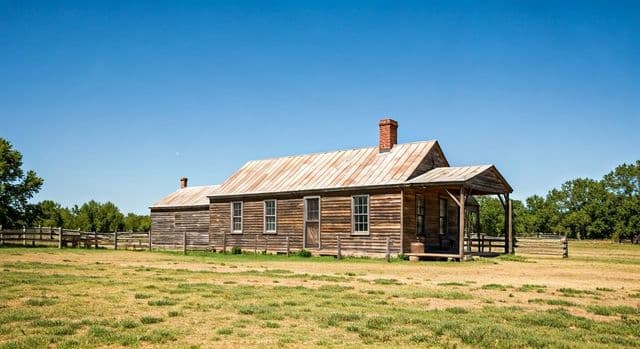
Discover seasonal wild edibles in the Southwest. Learn to identify and harvest mesquite pods, prickly pear, and pinyon nuts across USDA zones 7-10 with this Southwest foraging guide.
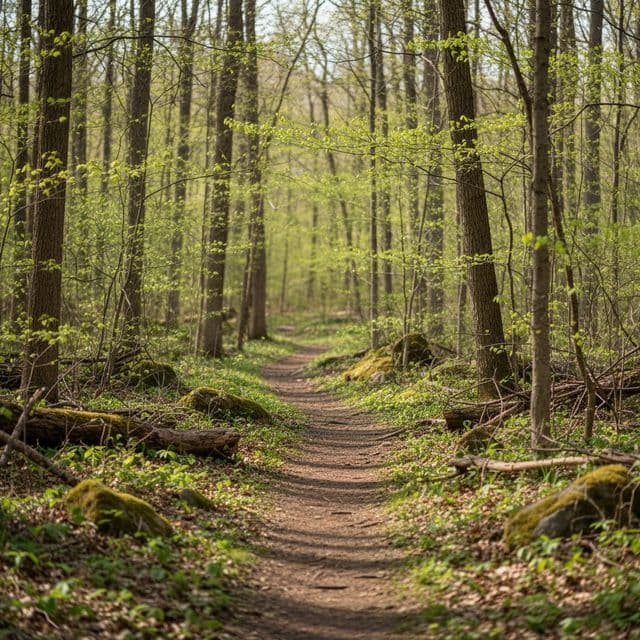
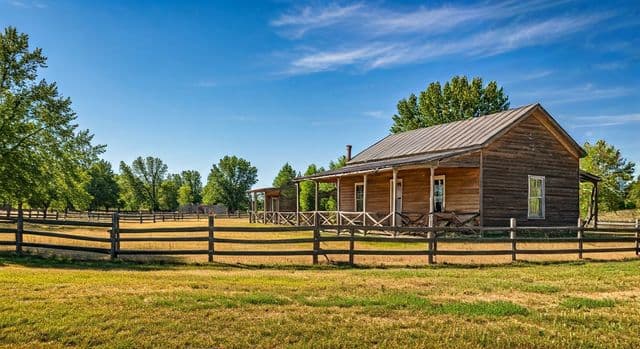
Discover the best times for Midwest foraging. Our calendar guides you through harvesting morels, wild greens, plums, and black walnuts across USDA zones 4-7. Learn identification & sustainable prac…
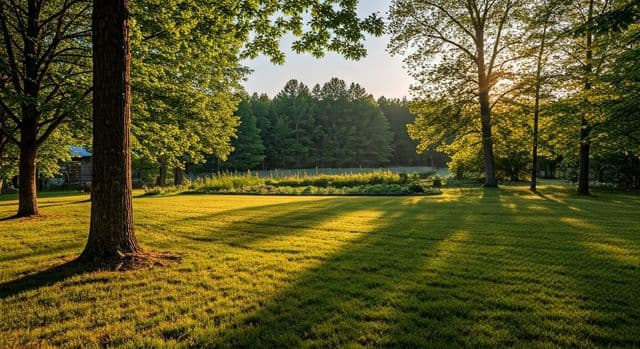
Explore the Southeast foraging calendar. Discover seasonal wild edibles like poke sallet, chanterelles, pawpaws, and muscadines across USDA zones 4-10. Learn safe identification and harvesting.
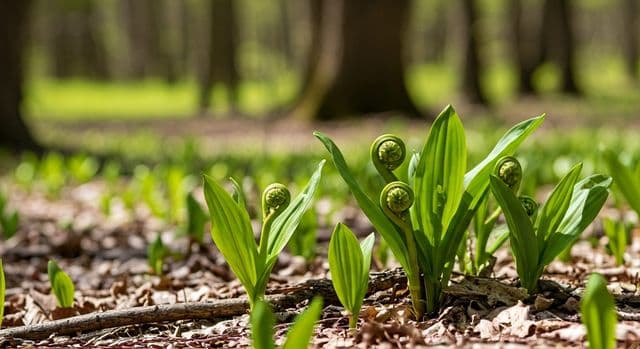
Discover the Northeast foraging calendar, month-by-month. Learn when and where to find ramps, fiddleheads, morels, berries, and nuts in New England and NY. Forage safely & sustainably.
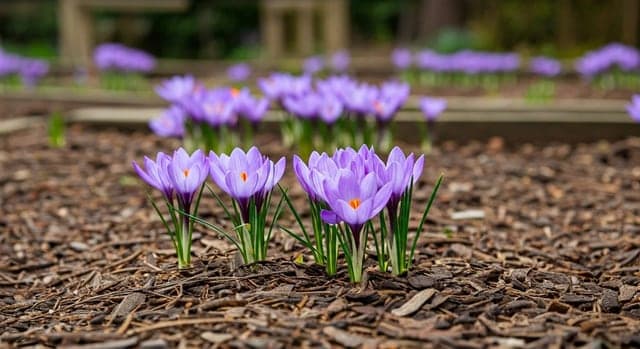
Plant sterile triploid Crocus sativus corms across US climates: >=8–10 g Year-1 grading, 4–6 inch depth, <=0.25–0.5 inch dry summer dormancy bake, 1/2 inch vole hardware cloth, and ISO 3632 drying.
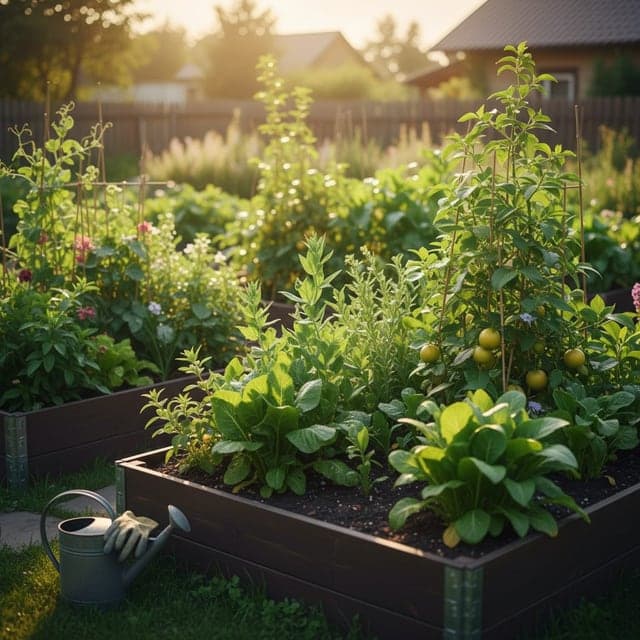
Identify 10 edible US wild fruits and their lethal lookalikes, debunk deadly berry color myths, check NPS 36 CFR 2.1 vs. USFS foraging laws, and harvest safely across all five regions.
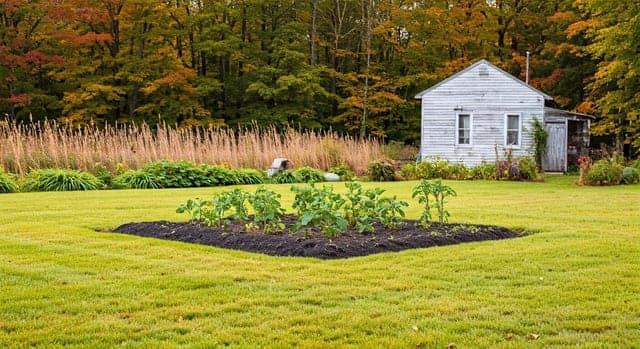
Why the military Universal Edibility Test (FM 21-76) is scientifically unsafe and potentially fatal for civilian foraging—plus the 5-Gate Positive Botanical ID Protocol, NPS 36 CFR § 2.1 laws, clea…
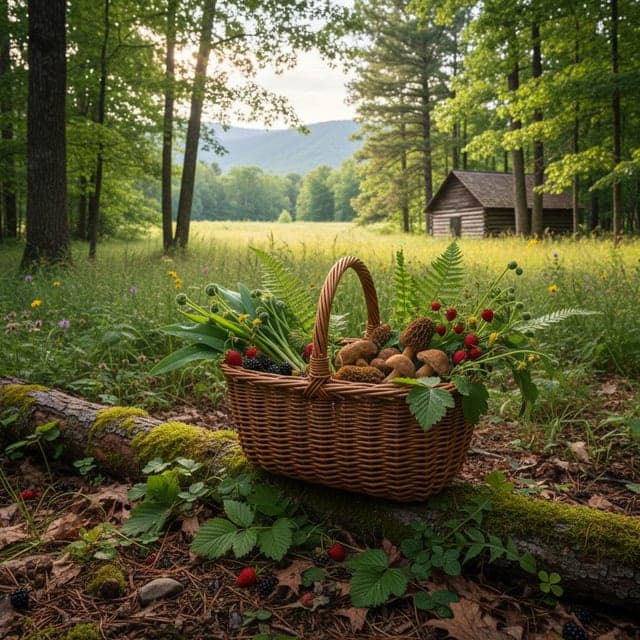
Forage US wild edibles by phenology triggers across four bio-regions, backed by P0 deadly lookalike toxicology protocols, cooking rules, public land permits, and soil-contamination buffers.
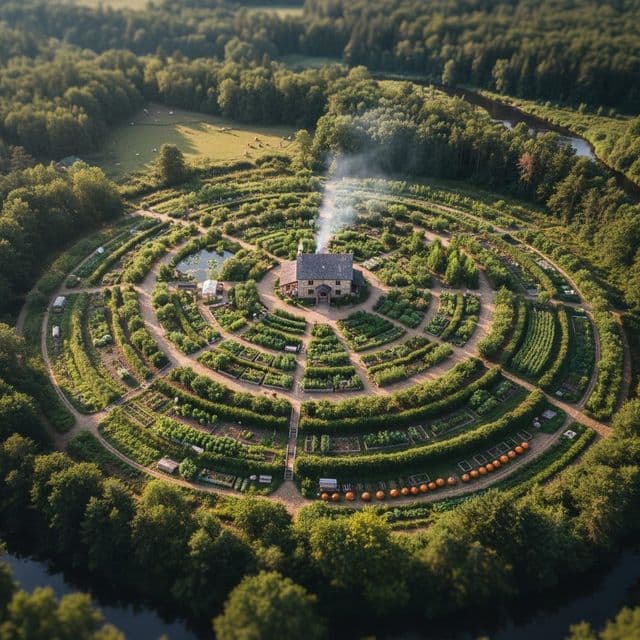
Permaculture zones organize your land by frequency of use, placing high-maintenance elements close to the home to save daily labor and boost productivity.