Key takeaways
- Safely identify and harvest stinging nettle (Urtica dioica) in USDA zones 3 through 9 during its prime spring growth.
- Blanching nettle for 30 seconds in boiling water effectively removes its sting, making it safe for culinary use.
- Fresh nettle can be incorporated into a variety of dishes, including nutrient-dense soups and pestos, offering a spinach-like flavor.
- Drying nettle leaves allows for long-term storage and creates a versatile powder suitable for teas, smoothies, and seasoning.
- Always wear thick gloves and use shears when foraging nettle to prevent skin irritation from its stinging hairs.
- Nettle is a widely available wild edible across many US states, from the Pacific Northwest to the Mid-Atlantic, providing significant nutritional value.
Quick answer: To safely forage stinging nettle, wear thick gloves and use shears to cut young shoots in USDA zones 3-9 during spring. Blanching for 30 seconds removes its sting, making it safe for culinary uses like soups, pestos, or drying into powder.
Across the United States, from the damp, shaded forests of the Pacific Northwest to the rich riverbanks of the Midwest, stinging nettle (Urtica dioica) thrives. This resilient plant, often overlooked or avoided due to its characteristic sting, is a powerhouse of nutrients and a versatile ingredient for any adventurous cook. In early spring, typically from March to May in many US regions, young nettle shoots emerge, offering a prime foraging opportunity before the plant matures and becomes tougher [3]. With a little knowledge and proper handling, you can transform this wild edible into delicious and healthful meals.
My experience as a grower in USDA zone 6 has taught me that nettle is not just a weed; it’s a useful resource. It grows vigorously, sometimes reaching 3 to 6 feet tall, and can be found in disturbed soils, along fences, and near water sources [6]. This article will guide you through safely identifying, harvesting, and preparing nettle for your kitchen, covering everything from comforting soups and pestos to soothing teas and convenient dried powder. We’ll ground our advice in practical, real-world numbers and regional considerations.
Foraging and preparing nettle safely
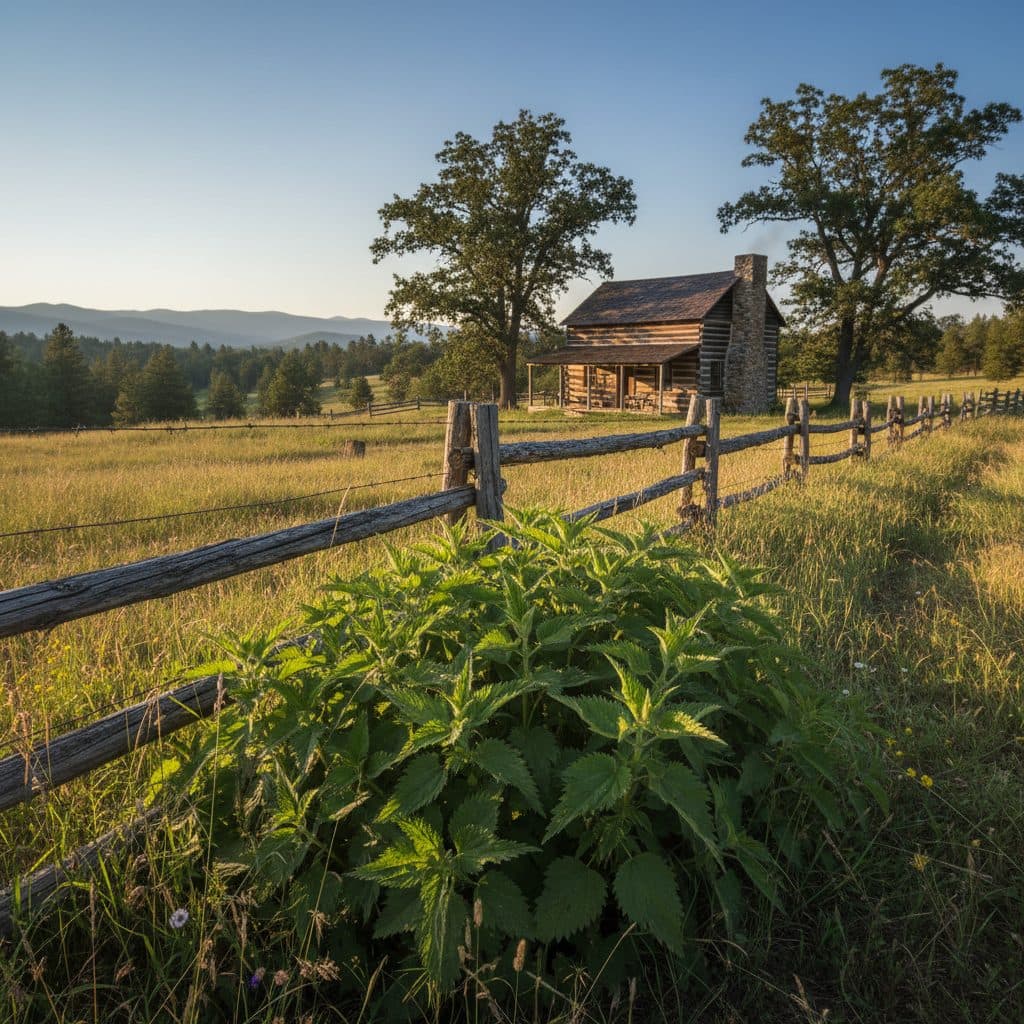
Before you even think about cooking with nettle, safe foraging is paramount. Stinging nettle, specifically Urtica dioica, is identifiable by its serrated, heart-shaped leaves and roundish stems, covered in fine stinging hairs. These hairs contain chemicals like histamine and acetylcholine, which cause a temporary but irritating rash upon contact [4]. You’ll find it growing abundantly across USDA zones 3 through 9, often in moist, nitrogen-rich soils, and it can form dense patches several feet wide [3]. Always wear thick, sturdy gloves, leather or heavy rubber are best, and long sleeves when harvesting. Use sharp shears or a knife to cut the top 4 to 6 inches of the plant, focusing on young, tender leaves before it flowers, usually by late spring in areas like upstate New York or central Oregon.
Once harvested, the sting is easily neutralized through heat. Blanching is the quickest method: simply immerse the nettle in boiling water for a short period, then immediately transfer it to an ice bath to stop the cooking process and preserve its green color. This brief exposure to heat breaks down the stinging compounds, rendering the nettle completely safe to handle and eat [4]. After blanching, squeeze out excess water, and your nettle is ready for use in any recipe, much like spinach or kale. A typical harvest might yield several pounds of fresh nettle from a good-sized patch, providing ample material for multiple dishes. For more general foraging tips, consider exploring Foraging for beginners: identifying common wild edibles safely.
Essential foraging gear for nettle
- Thick gloves: Protects hands from stinging hairs, important for safe handling.
- Long-sleeved shirt and pants: Prevents skin contact with plant material during harvest.
- Sharp shears or knife: Allows for clean cuts and efficient harvesting of tender tops.
- Foraging basket or cloth bag: Provides breathable storage for fresh nettle, preventing crushing.
- First aid cream (optional): For minor stings, though proper gear usually prevents them.
Nettle soup: a warming meal
Once you’ve safely blanched your nettle, a hearty soup is one of the most comforting ways to enjoy its earthy, slightly peppery flavor. Nettle soup is a staple in many cultures and a fantastic way to incorporate wild edibles into your diet. For a basic recipe, you’ll need about 2 cups of blanched, chopped nettle, one medium onion, 2 cloves of garlic, 4 cups of vegetable or chicken broth, and 1 tablespoon of olive oil. In a large pot, sauté the chopped onion in olive oil over medium heat for 5 minutes until softened. Add the minced garlic and cook for another one minute until fragrant, being careful not to burn it.
Next, add the blanched and chopped nettle to the pot, stirring it in with the onions and garlic. Pour in the 4 cups of broth and bring the mixture to a simmer. Let it cook gently for 10 to 15 minutes, allowing the flavors to meld. For a creamy texture, you can use an immersion blender to purée the soup directly in the pot until smooth. Alternatively, transfer it carefully to a regular blender, blending in batches if necessary. Season with salt and black pepper to taste. This recipe typically serves several people and can be prepared relatively quickly, making it a quick and nutritious weeknight meal. It’s a great way to use a fresh spring harvest from states like Pennsylvania or Washington.
Key ingredients for a basic nettle soup
- Blanched nettle: Two cups, chopped, provides the primary flavor and nutrients.
- Onion: One medium, diced, forms the aromatic base of the soup.
- Garlic: Two cloves, minced, adds depth of flavor to the broth.
- Broth: Four cups, vegetable or chicken, creates the liquid base.
- Olive oil: One tablespoon, for sautéing aromatics.
- Salt and pepper: To taste, essential for seasoning.
Nettle pesto
Beyond soup, nettle makes a flavorful pesto, offering a unique twist on the classic basil version. Nettle pesto is rich in vitamins and minerals, and its slightly earthy, green taste pairs wonderfully with pasta, roasted vegetables, or as a spread on crusty bread. To make a batch of pesto, you’ll need blanched nettle, toasted nuts (pine nuts or walnuts work well), grated Parmesan cheese, garlic, and olive oil. Toasting nuts for 5 minutes in a dry skillet over medium heat improves their flavor.
Combine the blanched nettle, toasted nuts, Parmesan cheese, and garlic in a food processor. Pulse a few times until roughly chopped. With the food processor running, slowly drizzle in the 1/2 cup of olive oil until the mixture forms a smooth, thick paste. Season with salt and pepper to your preference. This pesto can be stored in an airtight container in the refrigerator for a short period, or frozen in ice cube trays for longer storage. Each batch uses approximately 8 ounces of fresh nettle before blanching, making it an efficient use of a substantial harvest. This recipe is particularly popular in areas where nettle grows prolifically, such as the Appalachian region or the Pacific Northwest, where it’s often paired with wild game or foraged mushrooms.
Essential ingredients for nettle pesto
- Blanched nettle: Two cups, provides the distinct green flavor and color.
- Toasted nuts: Half cup (pine nuts, walnuts, or almonds), adds richness and texture.
- Parmesan cheese: Half cup, grated, contributes savory, salty notes.
- Garlic cloves: Two, minced, for a pungent aromatic kick.
- Olive oil: Half cup, extra virgin, emulsifies the pesto and adds fruity notes.
- Salt and pepper: To taste, for balanced seasoning.
Nettle tea and dried nettle powder
Beyond fresh cooking, nettle offers excellent options for long-term storage and use, particularly as a tea or dried powder. Nettle tea has been consumed for centuries, valued for its mild, earthy flavor and potential health benefits. To make fresh nettle tea, simply steep 1 tablespoon of blanched, chopped nettle in 8 ounces of hot water for 5 to 10 minutes. Strain and enjoy. For dried nettle tea, use 1 teaspoon of dried leaves per 8 ounces of water. This simple preparation is popular in many US households, particularly during the colder months.
Creating dried nettle powder is a straightforward process that extends nettle’s usability significantly. After blanching, spread the nettle leaves in a single layer on a dehydrator tray or a clean screen. Dehydrate at a low temperature (around 100°F to 115°F) until completely dry and brittle. You can also air-dry nettle in a well-ventilated area, away from direct sunlight, which might take 3 to 7 days depending on humidity. Once dry, the leaves will crumble easily. Grind them into a fine powder using a spice grinder or a clean coffee grinder. Store the powder in an airtight container in a cool, dark place for long-term use. One pound of fresh nettle typically yields about 1.5 to 2 ounces of dried powder, representing a significant volume reduction [2]. This powder can be added to smoothies, sprinkled on savory dishes, or even used in baking, adding a nutritional boost to your meals from states like Colorado or Vermont.
Versatile uses for dried nettle powder
- Nutrient-rich smoothies: Add 1 to 2 teaspoons for an invisible boost.
- Seasoning blend: Mix with herbs and spices for savory dishes like roasted vegetables.
- Herbal tea infusions: Steep 1 teaspoon in hot water for a soothing beverage.
- Homemade pasta or bread: Incorporate 1 tablespoon per cup of flour for added color and nutrition.
- Capsules: For those seeking a concentrated supplement, 500 mg capsules are common.
Fresh vs. Dried Nettle: Culinary Applications
Feature | Fresh Nettle | Dried Nettle |
|---|---|---|
Preparation | Blanch for 30 seconds | No blanching needed (if dried post-blanch) |
Flavor Profile | Earthy, spinach-like, slightly peppery | Milder, grassy, concentrated |
Primary Uses | Soups, pestos, sautéed greens, quiches | Teas, powders, seasoning, smoothies |
Shelf Life | Up to 3 days (refrigerated) | Up to 1 year (airtight container) |
Nutrient Density | High, with fresh enzymes | Concentrated, some heat-sensitive nutrients reduced |
Nettle’s Protein Power: Stinging nettle can contain approximately 20% protein by dry weight, making it a significant plant-based protein source for foragers [2].
Widespread Growth: Urtica dioica is found across a broad range of USDA zones, from 3 to 9, thriving in diverse US climates and soil conditions [3].
References
- Urtica urens (2022).
- Nettle, Daniel (2020).
- Stinging Nettle (2023).
- Nettle, Daniel (2017).
- Synergistic Behaviors Hypothesis (Nettle) (2020).
- USDA Natural Resources Conservation Service (2024).