Safe Herbal Infusions: Reduce Botulism Risk at Home
Learn how to make safe herbal infusions at home. Understand botulism risks in oils, vinegars, and honeys, and discover essential preservation techniques for your pantry.
Tag
641 articles in this tag on agripure. — page 5 of 27
Learn how to make safe herbal infusions at home. Understand botulism risks in oils, vinegars, and honeys, and discover essential preservation techniques for your pantry.
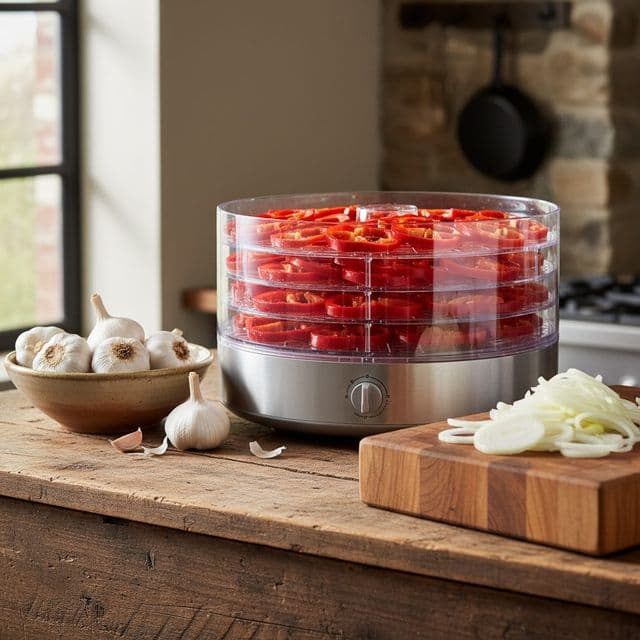
Learn to dry, store, and grind homemade spices like paprika, garlic, and onion powder from your garden. This guide helps US growers achieve high-quality, shelf-stable ingredients.
What to plant in September in Canada, organized by plant hardiness zone bands from the cold Prairies to mild coastal British Columbia.
October planting in the United States depends entirely on your regional USDA hardiness zone and the timing of your first autumn frost.
What to plant in October in Canada, covering garlic, cold-hardy perennials, winter salad greens, and key autumn soil preparation tasks across all hardiness zones.
What to plant in November in Canada, covering regional hardiness zones, winter sowing, late garlic planting, and key soil protection jobs.
What to plant in May across the United States, structured by USDA hardiness zone bands to account for local frost dates and regional climate variations.
In March, Canadian planting activities depend entirely on your local hardiness zone, ranging from indoor seed sowing in cold northern zones to direct outdoor planting in coastal British Columbia.
What to plant in December across the United States, detailed by USDA hardiness zones from northern indoor sowing to southern cool-season direct seeding.
April planting in the United States requires matching your crops to your specific USDA zone. Learn what to sow indoors, transplant, and direct-sow from Zone 3 to Zone 10.
Cultivating salt-tolerant halophytes in Gulf gardens allows growers to establish resilient green cover despite highly saline soils and brackish irrigation water.
Grow date palms in the Gulf home garden with proper offshoot planting, deep infrequent irrigation, manual pollination, and red palm weevil protection.
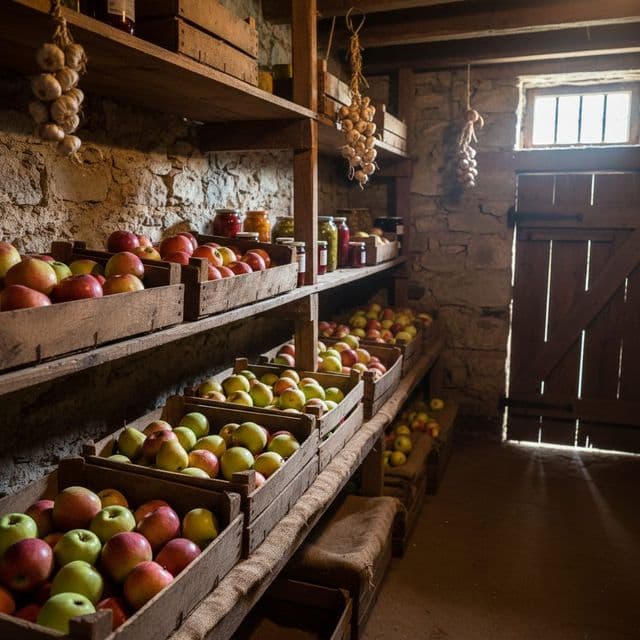
Master long-term fruit storage for apples & pears in USDA zones 5-7. Learn optimal temperatures, humidity, and variety selection to keep your harvest fresh for months, reducing waste.
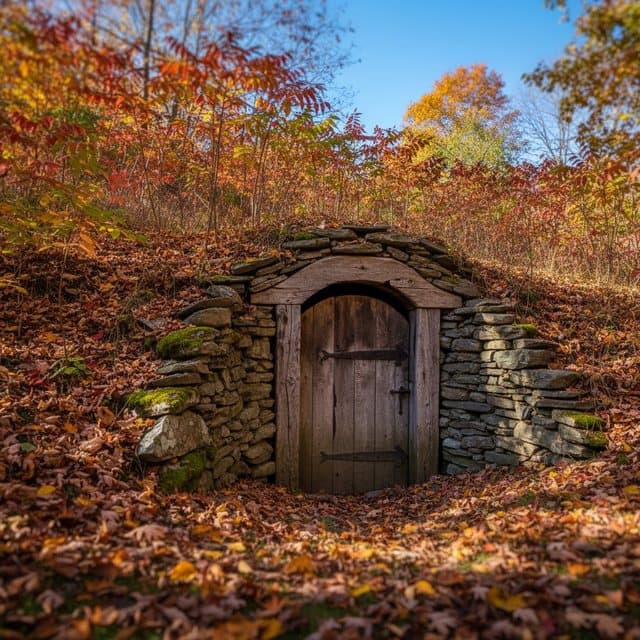
Learn how to build a root cellar in USDA Zone 6 to extend your harvest. Discover options from simple buried trash cans to dedicated structures, ensuring fresh produce for months.
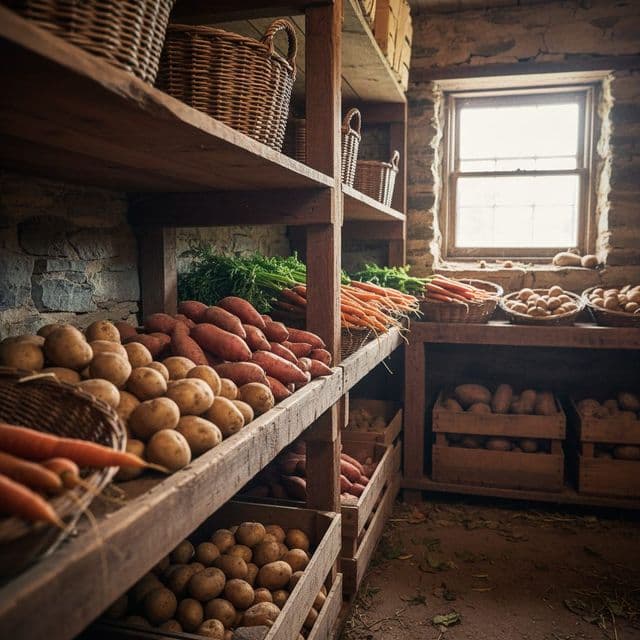
Master root crop storage techniques to extend your harvest up to 8 months. Learn ideal conditions for potatoes, sweet potatoes, and carrots, plus root cellar and sand storage methods.
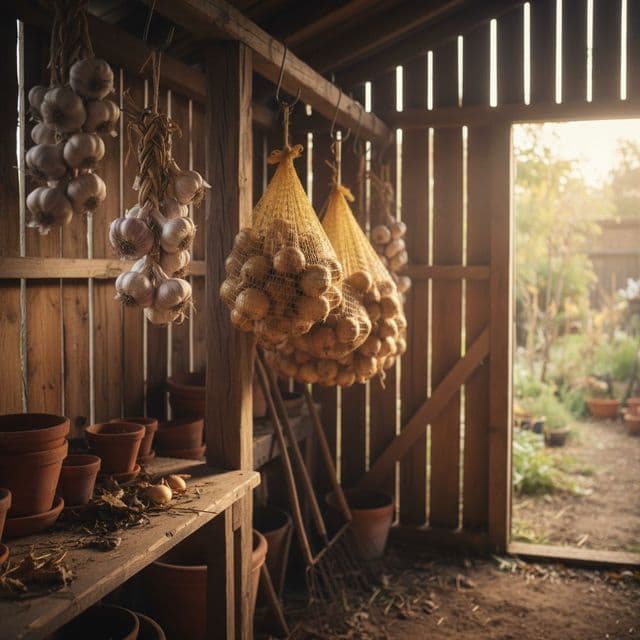
Learn how proper curing alliums, like onions and garlic, can drastically reduce spoilage and extend their shelf life for months. Master ideal conditions for long-term storage.
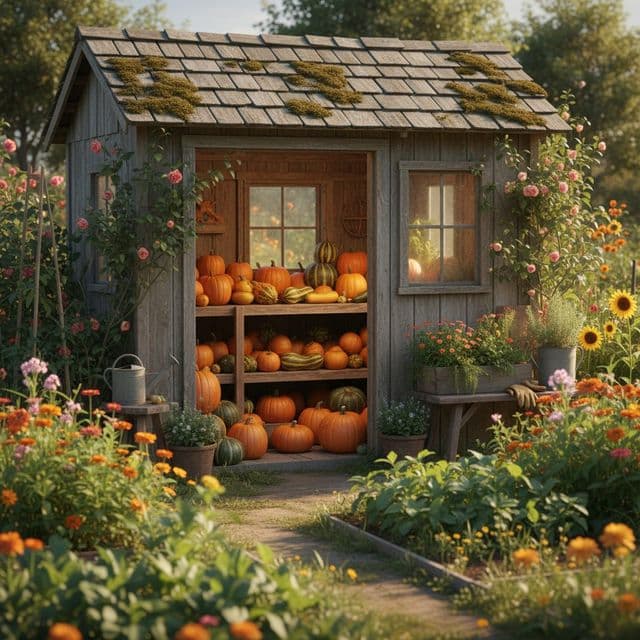
Learn how to cure winter squash for extended storage. Discover optimal temperatures (80-85°F) and humidity (80-85%) to harden skins, improve flavor, and prevent spoilage for months.
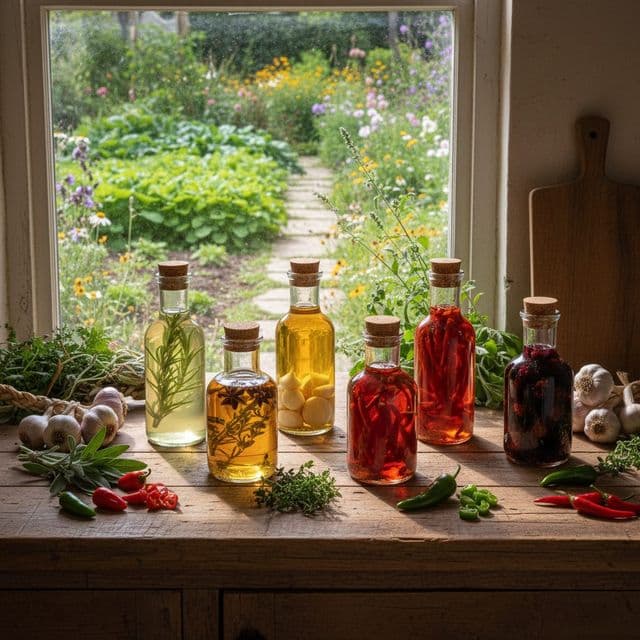
Learn how to make infused vinegars to preserve garden herbs, garlic, and chilies for up to 18 months. Extend your harvest and add flavor to dishes with this simple homesteading technique.
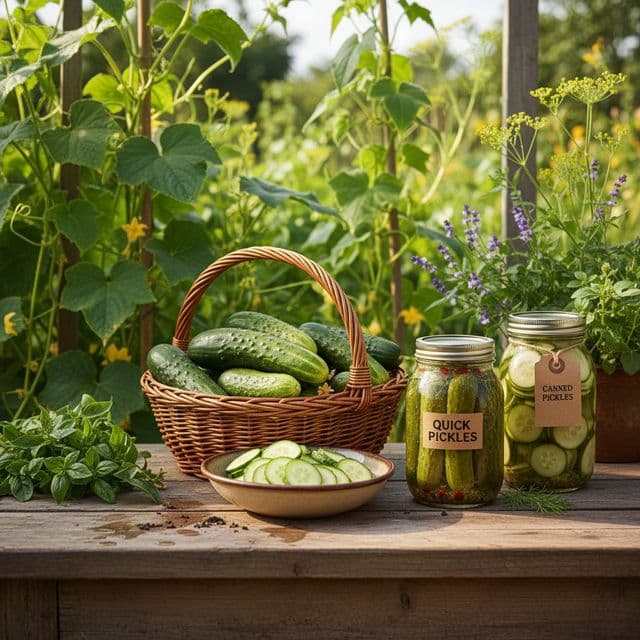
Learn safe pickling methods for your cucumber harvest. Compare quick refrigerator pickles vs. shelf-stable canning for 50 lbs in USDA Zone 5, for food safety and long-term storage.
How to tell a safe ferment from a spoiled one. Read pH levels, distinguish harmless kahm yeast from dangerous mold, and identify spoilage signs on your Zone 6 homestead.
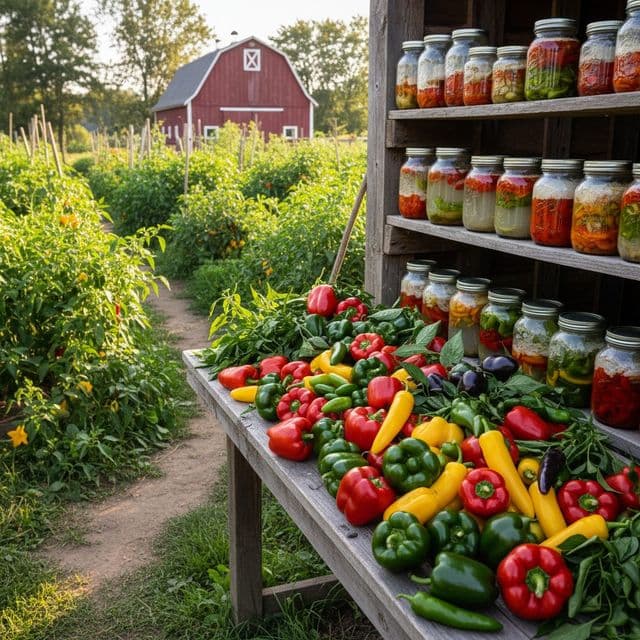
How to make shelf-stable fermented hot sauce from excess garden peppers in USDA Zone 7, covering salt ratios, pH thresholds, and bottling methods.
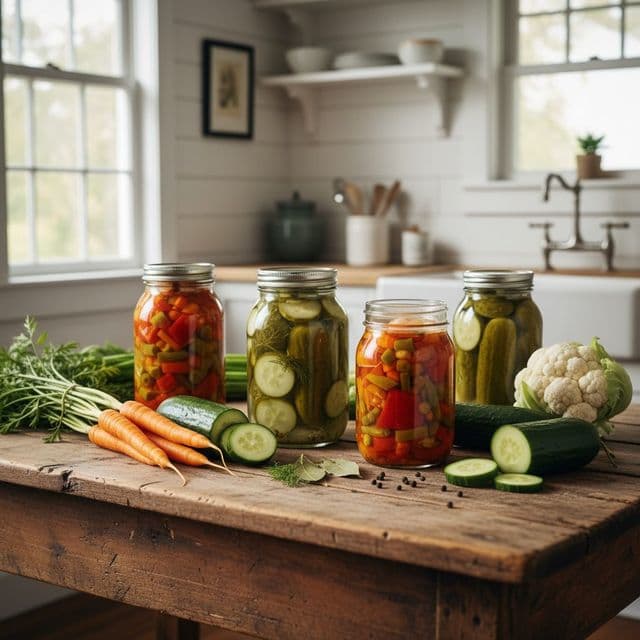
Learn to make delicious fermented dill pickles and giardiniera. This guide covers salt brine, temperature, and storage to preserve your harvest for 6-12 months.
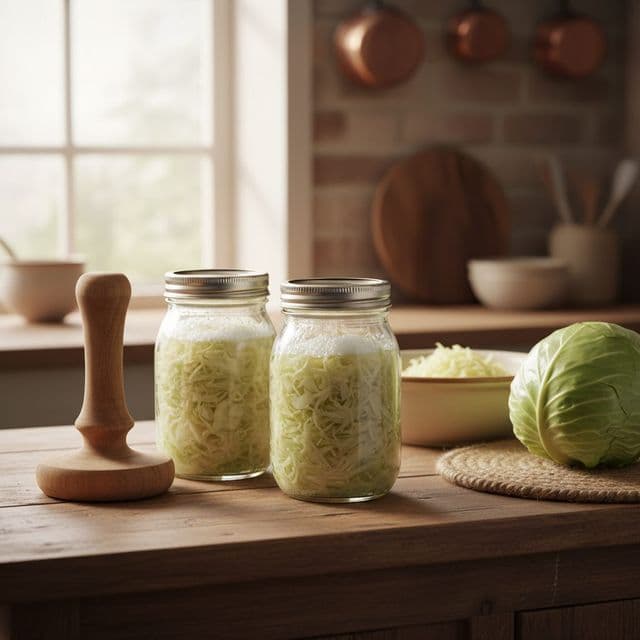
Learn to ferment cabbage in Mason jars for up to 12 months. This guide covers safe methods, health benefits, and step-by-step instructions for preserving your harvest without electricity.
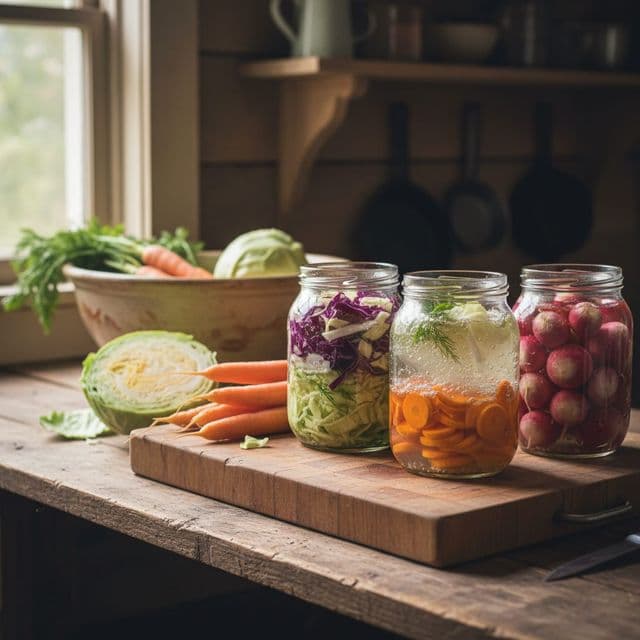
Master lacto-fermentation with a 2-3% brine for safe, delicious preserves. Learn precise salt ratios, ideal temperatures, and essential tips for successful food preservation.