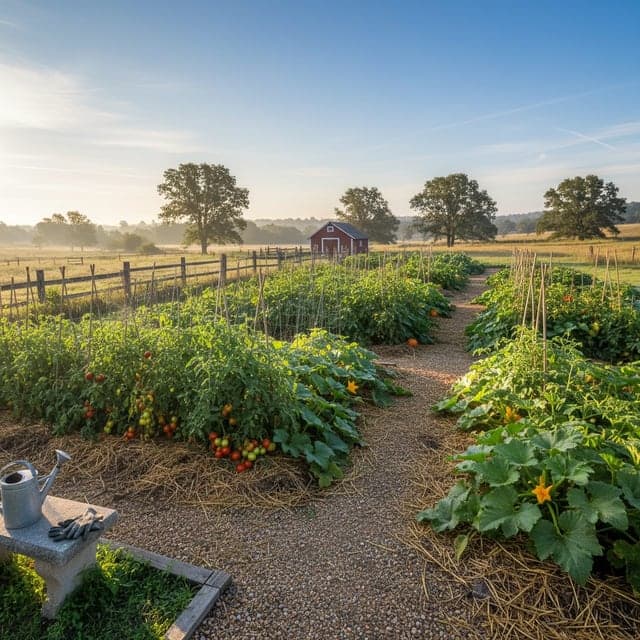
Boost Tomato & Cucurbit Yields: Water Diagnostics
Master diagnosing water issues in tomatoes & cucurbits to prevent wilting, blossom end rot, and increase yields by 20-30% in USDA Zone 6. Learn soil moisture checks & watering needs.
Tag
860 articles in this tag on agripure. — page 35 of 36
Master diagnosing water issues in tomatoes & cucurbits to prevent wilting, blossom end rot, and increase yields by 20-30% in USDA Zone 6. Learn soil moisture checks & watering needs.
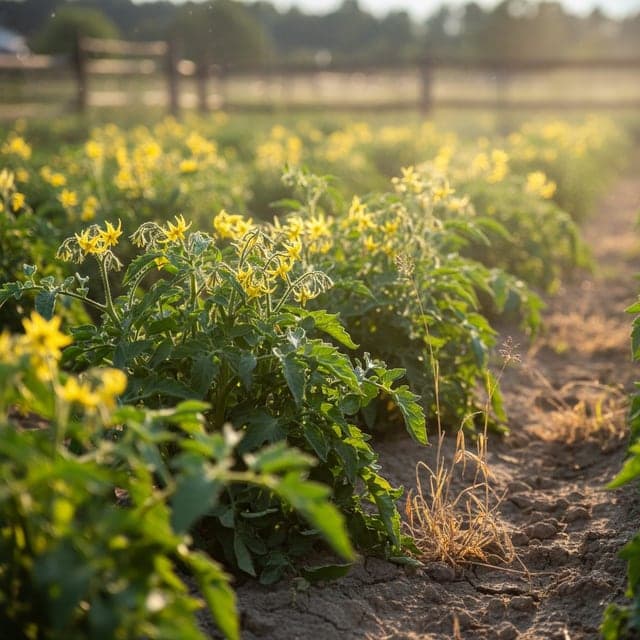
Discover why tomatoes & cucurbits fail to set fruit above 90°F. Learn how heat stress impacts pollen, pollinators, and what cultural practices can save your harvest.
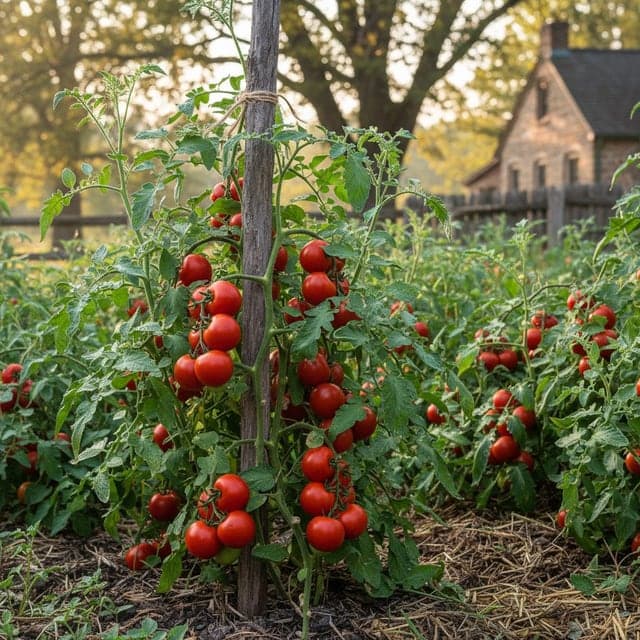
How to protect tomato crops from blights, wilts, and leaf spots using organic cultural methods, resistant varieties, and preventative sprays.
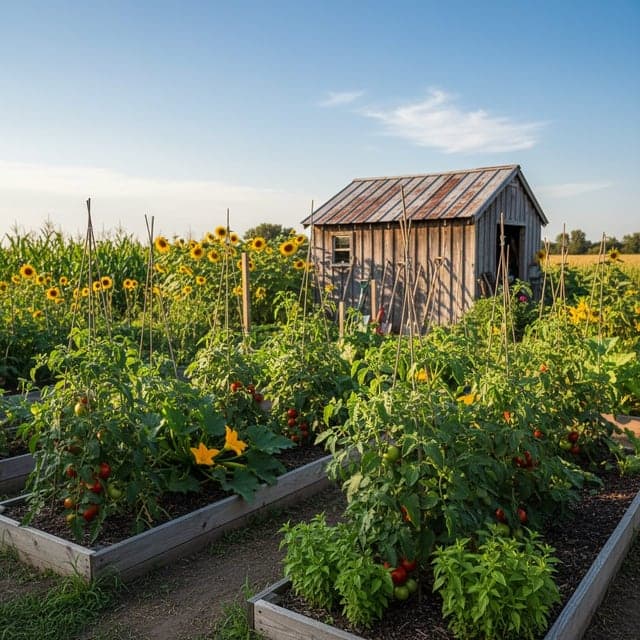
Identify and solve common tomato plant problems from seedling to harvest. Learn diagnostics for pests, diseases, and nutrient issues to maximize yields in USDA Zone 6.
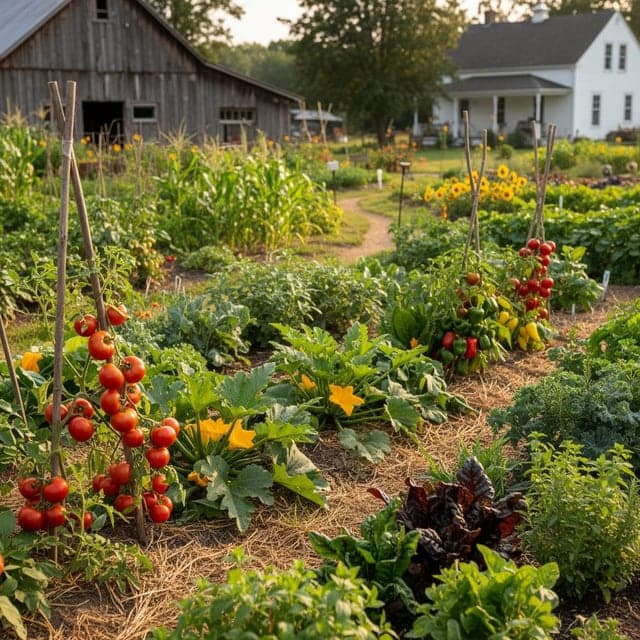
Extension-grade comparison of Bacillus thuringiensis (Btk/Bta/Bti/Btt), Beauveria bassiana, Bacillus amyloliquefaciens, Trichoderma harzianum, and entomopathogenic nematodes—plus butterfly, bee, an…
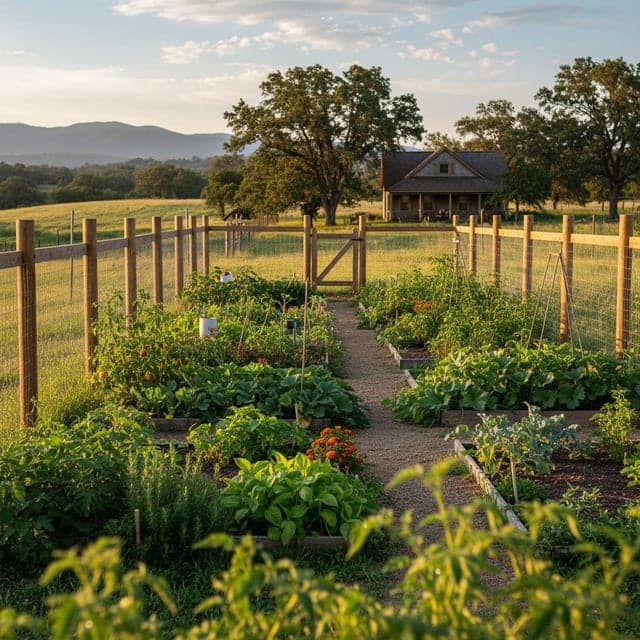
Protect your USDA Zone 6 garden from deer, rabbits, and voles with organic pest control methods. Learn about IPM, physical barriers, repellents, and habitat modification for effective, humane manag…
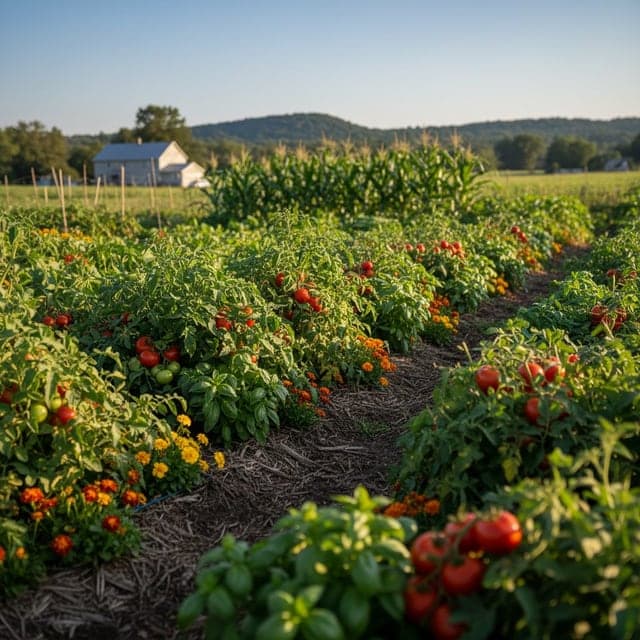
How plant pairings, companion planting, and trap cropping reduce garden pests by up to 30% in US gardens using organic methods.
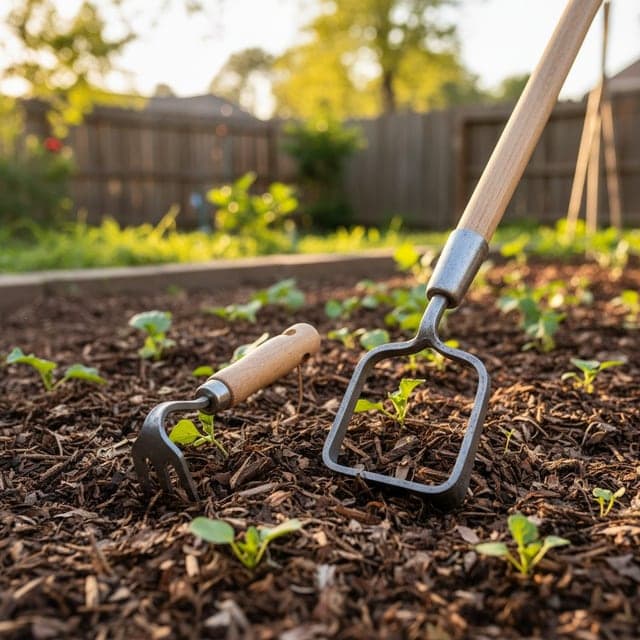
Learn effective organic weed management techniques for US gardens, paths, and lawns. Discover glyphosate-free strategies for prevention, mechanical removal, and targeted treatments.
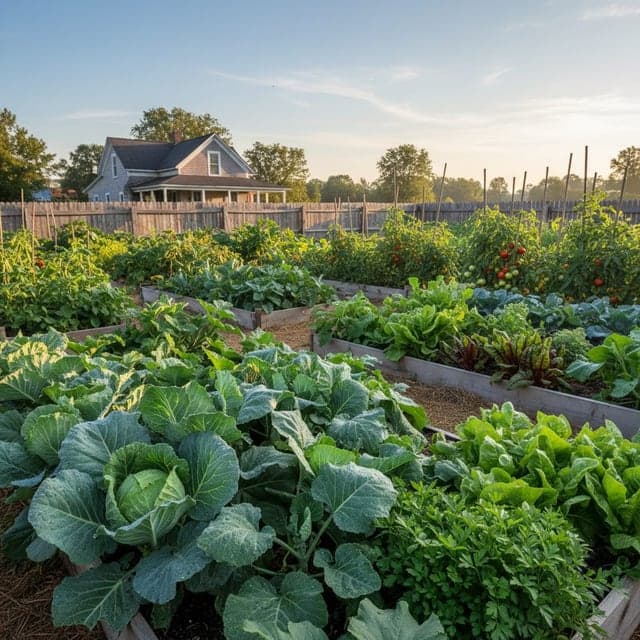
Learn effective, chemical-free strategies for organic pest control of slugs, snails, and ants in USDA Zone 6. Protect your garden with IPM methods.
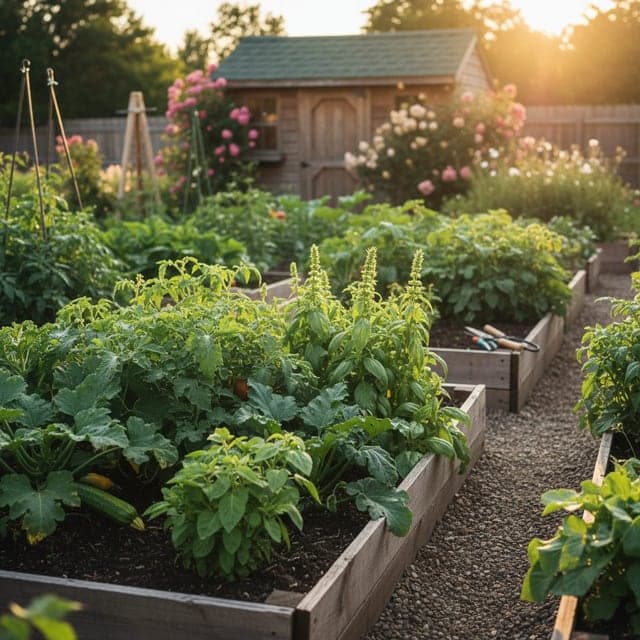
Learn organic plant disease control for your US garden. This symptom-to-cause guide helps diagnose and treat issues like tomato blight in USDA zone 6 with sustainable methods.
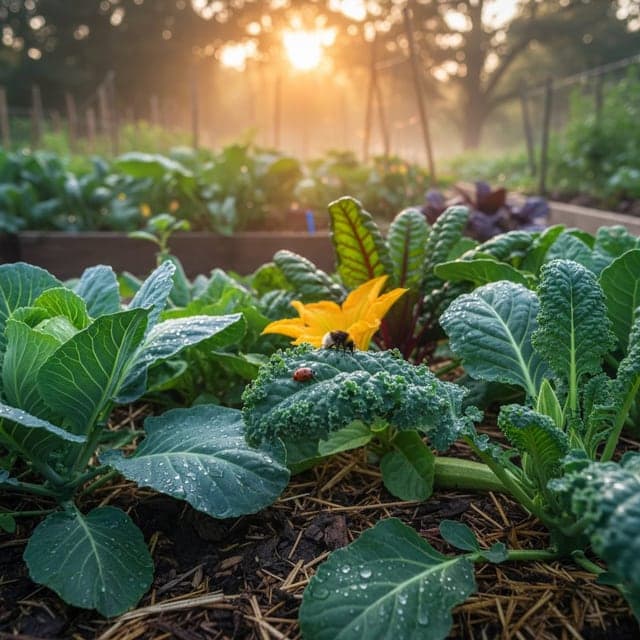
Master organic pest control for hornworms and squash bugs in your USDA Zone 6 vegetable garden. Learn IPM strategies, prevention, and natural treatments for common garden pests.
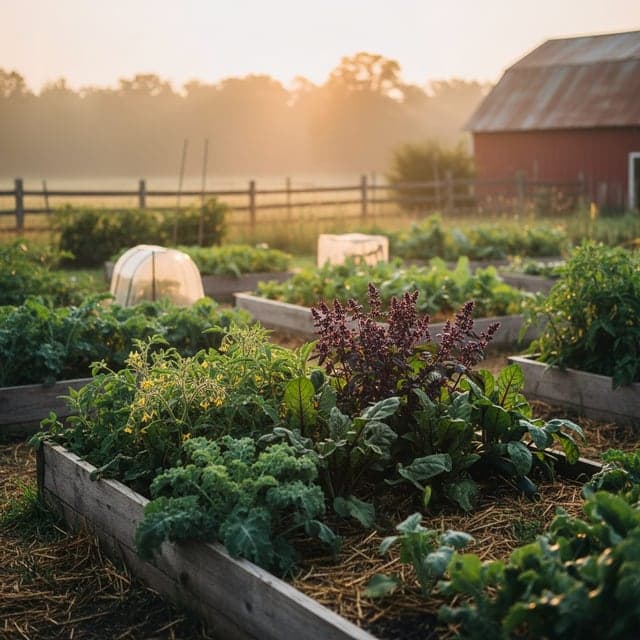
Master organic pest control for soft-bodied pests like aphids, whiteflies, and spider mites. Learn IPM strategies, natural remedies, and how to foster beneficial insects for a thriving garden.
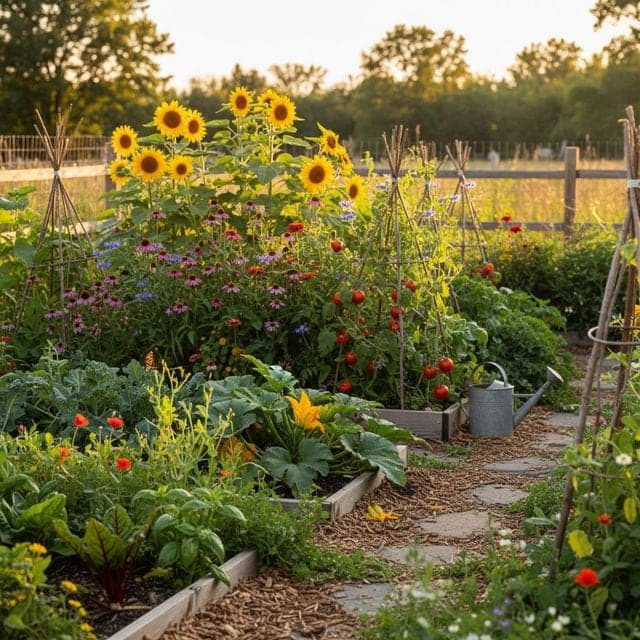
How beneficial insects provide natural pest control, reducing garden pests by up to 75%. Learn to attract and identify predatory and parasitoid species for an organic garden.
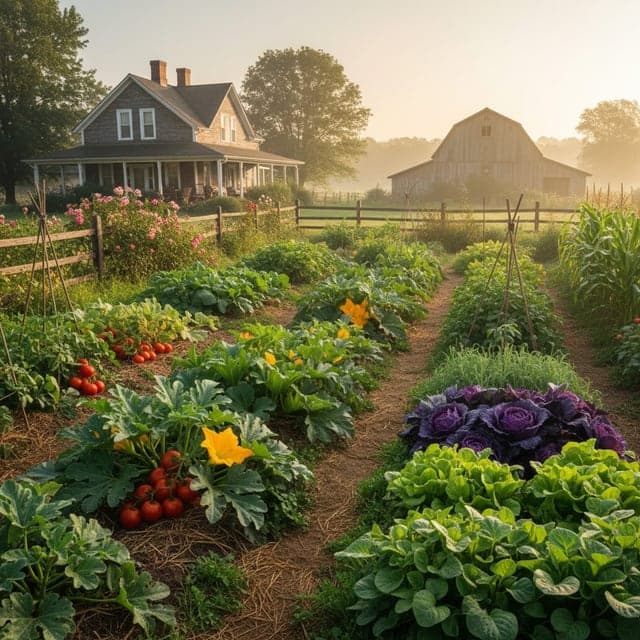
Learn Integrated Pest Management (IPM) for home gardens. Reduce pesticide use by combining prevention, monitoring, and biological controls for a healthier, thriving garden.
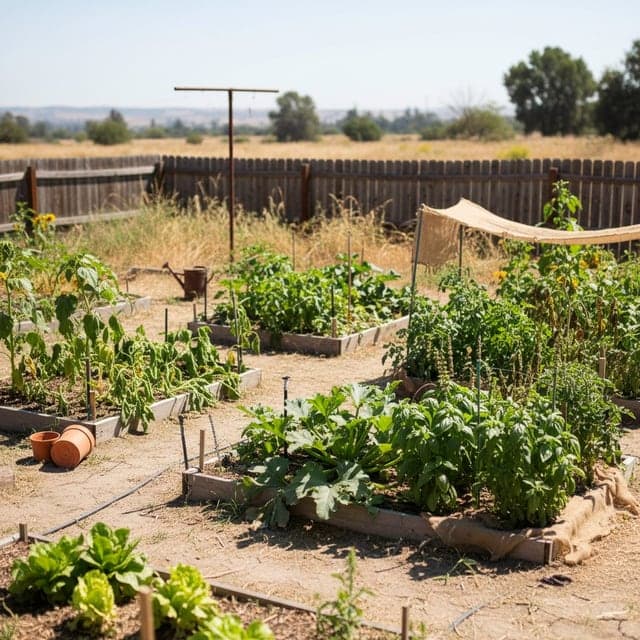
Learn how to adapt your summer fertilizer strategy for extreme heat and drought. Maintain healthy tomato yields in USDA zones 6-9 by optimizing soil health, nutrient uptake, and watering.
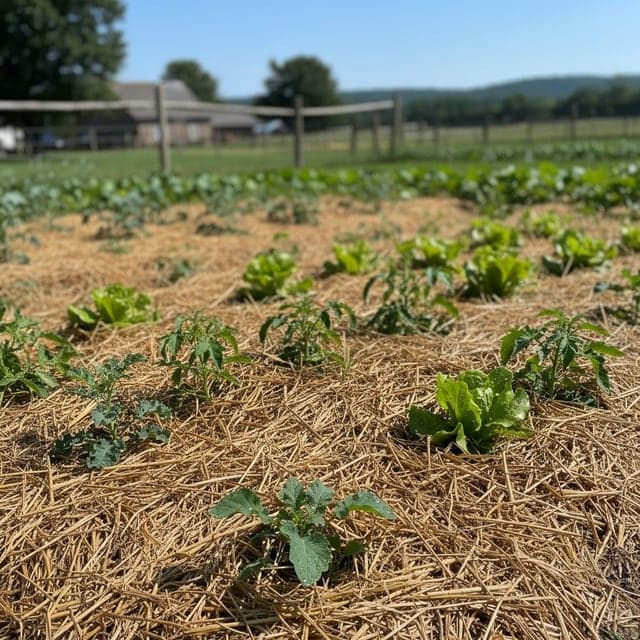
Cut bare-soil evaporation by 25–70% across US climates using arborist wood chips, clean straw, shredded leaf mold, living covers, or volcanic scoria. Learn 2–4 inch depth calibration, hydraulic con…
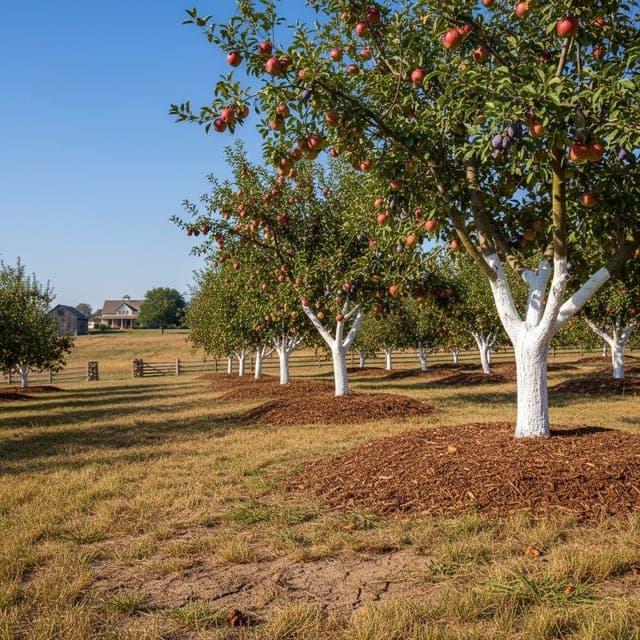
Protect US backyard and orchard fruit trees during heat domes: stop 125–140°F southwest bark necrosis and fruit sunburn with 30–40% Aluminet shade cloth, 1:1 flat white latex paint, Surround WP kao…

Learn to xeriscape your food garden for resilience in USDA Zone 7. Reduce water use by 50-75% with smart planning, soil improvement, and drought-tolerant edibles.
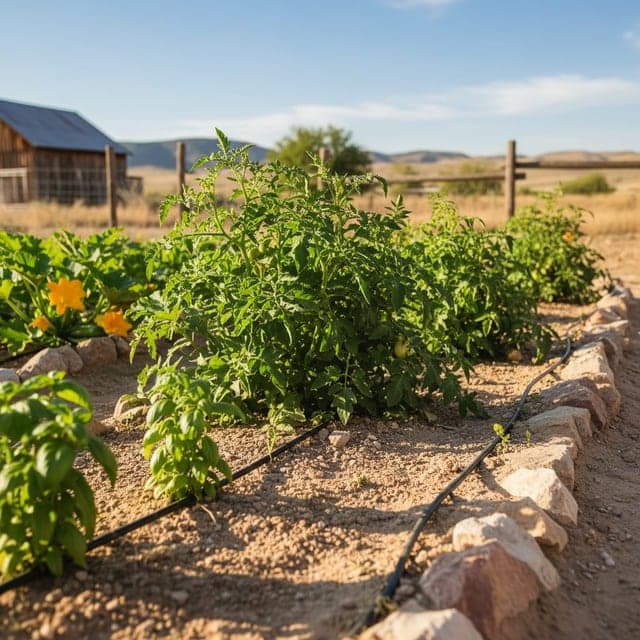
Strategies for soil improvement, water management, and drought-tolerant crops to manage sandy, light, or rocky soils in US gardens.
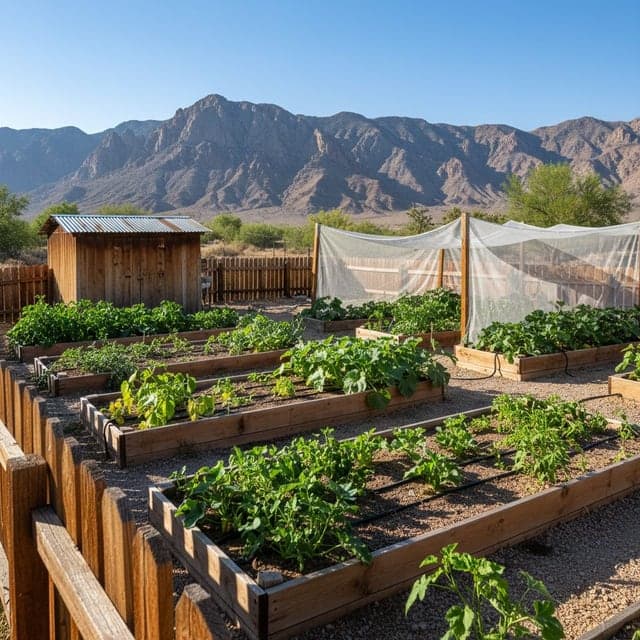
How to grow vegetables in USDA Zone 8 desert and arid climates using heat-tolerant varieties, drip irrigation, and organic soil amendments.
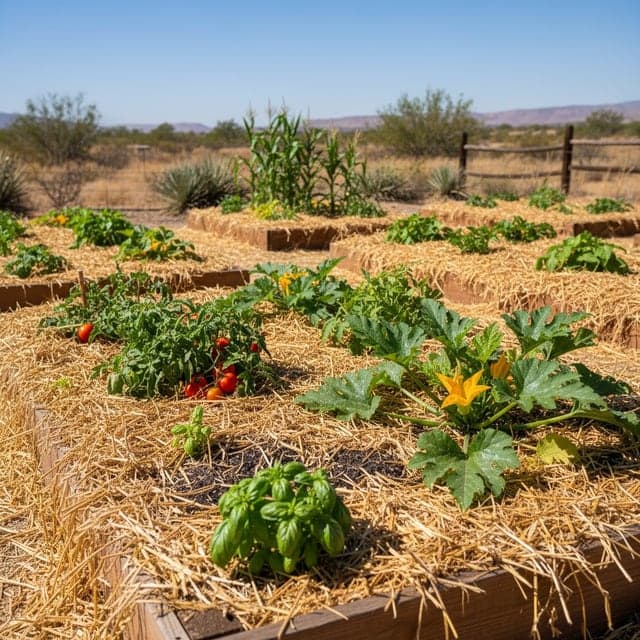
Discover how to grow resilient, heat-tolerant crops like sweet potatoes and okra in hot US summers, even with temperatures over 100°F. Learn strategies for drought and poor soil.
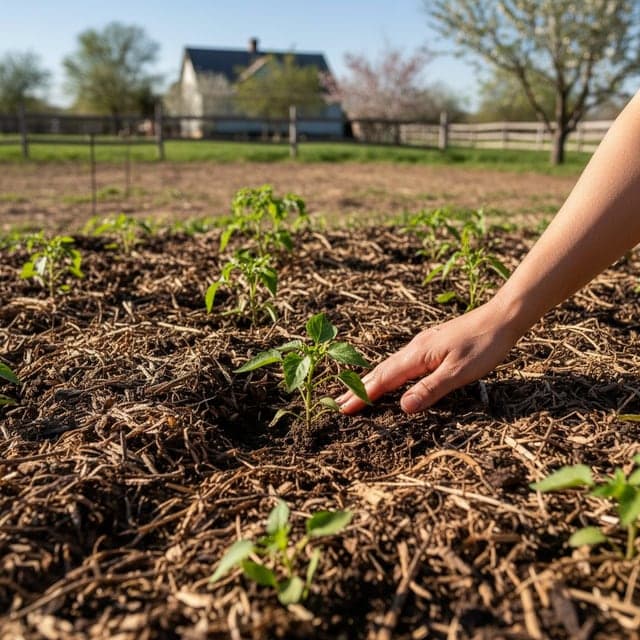
Master watering seedlings & transplants in extreme US heat. Learn deep watering, soil moisture monitoring, and using organic matter & mulch to ensure plant survival and strong growth.
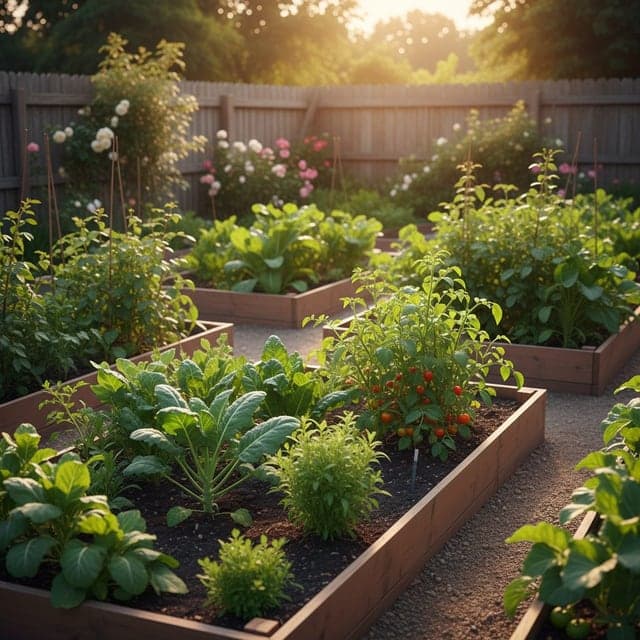
Rescue wilting plants in USDA Zone 7 gardens with moisture management, shading, and soil health practices to handle heat stress and build drought resilience.
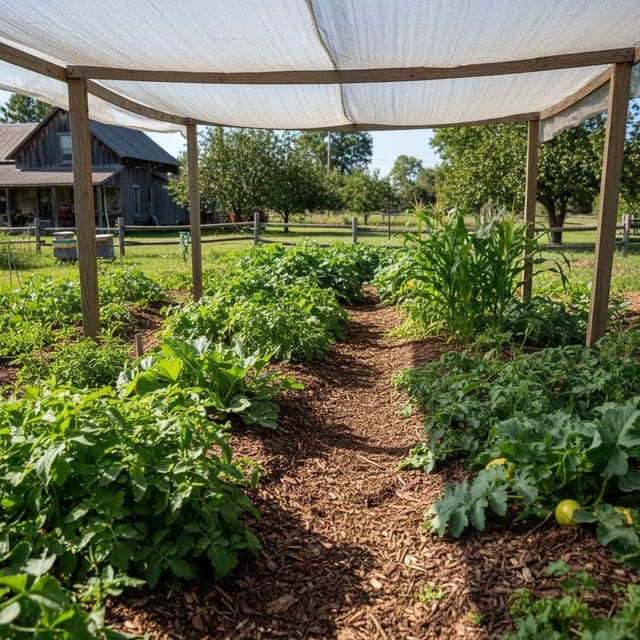
Prepare a USDA Zone 6 vegetable garden for extreme heat and drought with strategies for soil health, water efficiency, and heat-tolerant plant selection.