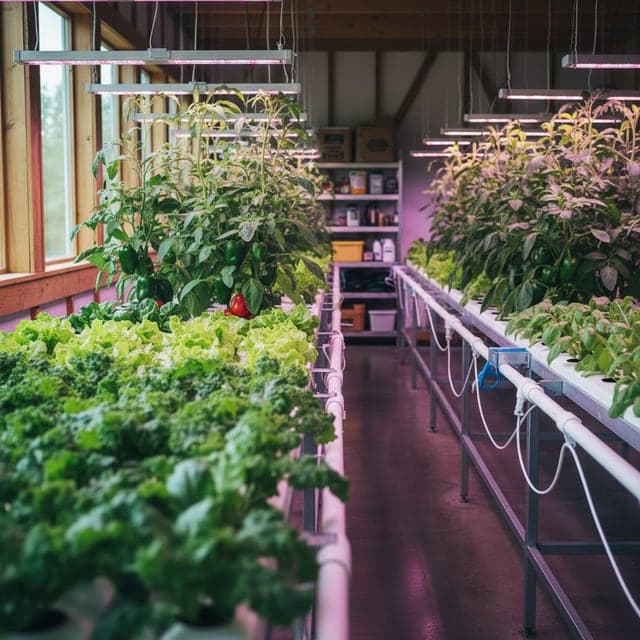
Optimize nutrient schedules for hydroponic tomato yields
Nutrient schedules for fruiting crops in controlled environments: how to adjust NPK ratios, pH, and EC for vegetative and bloom stages to support tomato yields.
Tag
860 articles in this tag on agripure. — page 6 of 36
Nutrient schedules for fruiting crops in controlled environments: how to adjust NPK ratios, pH, and EC for vegetative and bloom stages to support tomato yields.
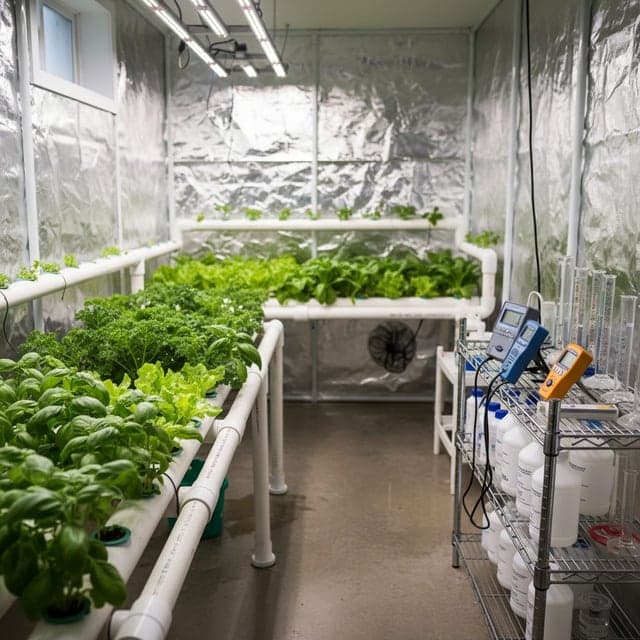
Learn to diagnose and fix hydroponic nutrient lockout, a common issue preventing plants from absorbing nutrients. Identify symptoms, test your system, and prevent yield loss.
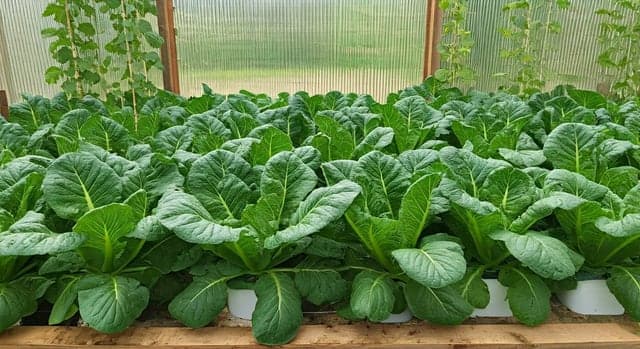
Learn to identify and correct common nutrient deficiencies like N, P, K, Ca, and Fe in hydroponic plants. Optimize pH, EC, and temperature for healthier crops.
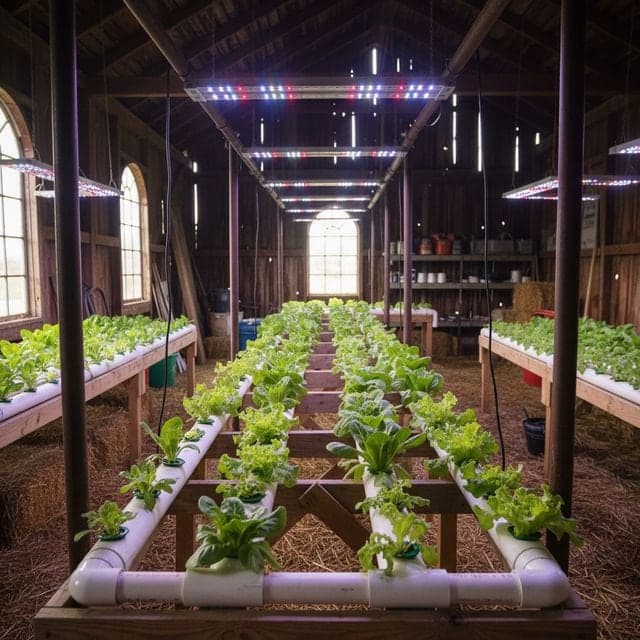
Master hydroponic pH for optimal plant growth. Learn to maintain the ideal 5.5-6.5 range, prevent nutrient lockout, and ensure safety with pH adjusters for thriving crops.

Learn to mix your own DIY hydroponic nutrients from raw salts. Save on costs, gain precise control over plant nutrition, and potentially increase yields for healthier crops.
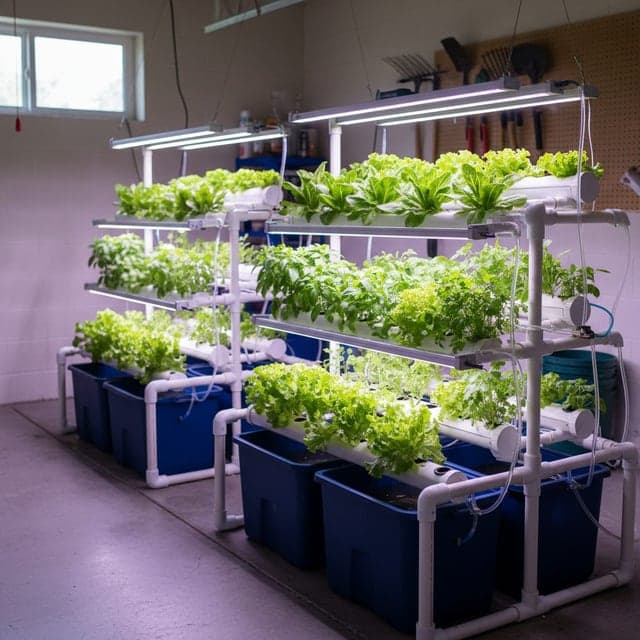
Learn how precise hydroponic nutrients, pH, and EC management can boost plant growth by 20-30%, save water, and optimize growing operations.

Master outdoor Dutch bucket hydroponics for tomatoes & cucumbers in hot climates. Achieve up to 30% higher yields & save 70-90% water with this efficient system.
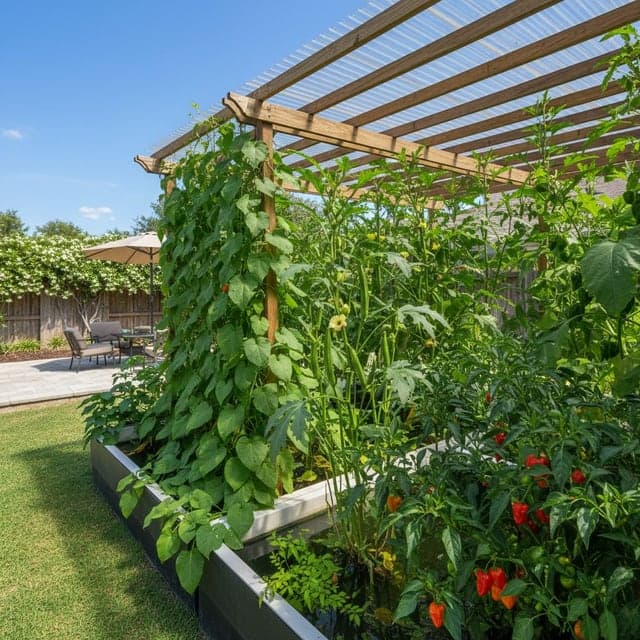
Discover how to grow heat-tolerant hydroponic crops like Malabar spinach, okra, and peppers in the US Sunbelt. Learn critical tips for managing nutrient solution temperatures and maximizing yields…

Master hydroponic nutrient solution cooling for optimal plant growth. Learn budget-friendly methods like frozen bottles or invest in chillers to maintain 65-72°F for healthy roots.

Learn how to grow fresh greens year-round using indoor hydroponics or aquaponics in small apartments. Discover efficient systems, essential components, and tips for a continuous harvest.

Learn expert strategies to prevent tip burn and bitterness in indoor lettuce. Optimize humidity, nutrients, and temperature to boost your hydroponic lettuce yields by up to 20%.

Compare whole-head and cut-and-come-again harvesting for hydroponic lettuce. Learn how each method impacts yield, labor, and plant life, optimizing your grow for maximum output.
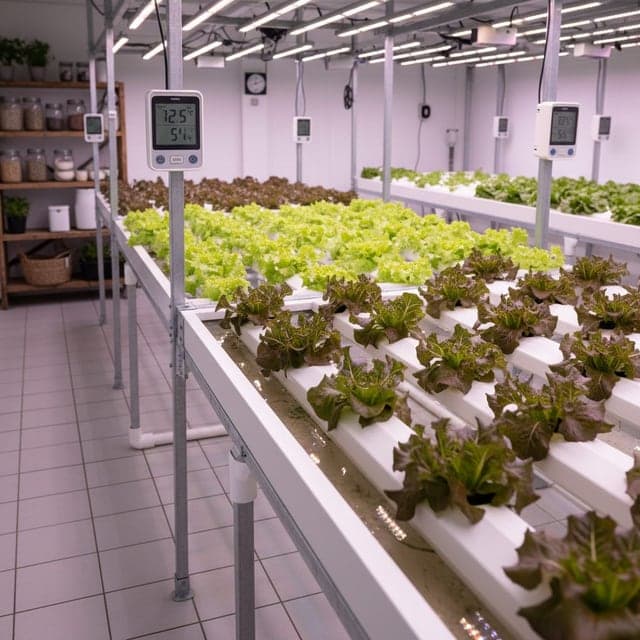
Master hydroponic lettuce temperature and humidity to prevent bolting. Learn ideal ranges (65-75°F, 60-70% RH) for crisp, flavorful greens and optimal growth.
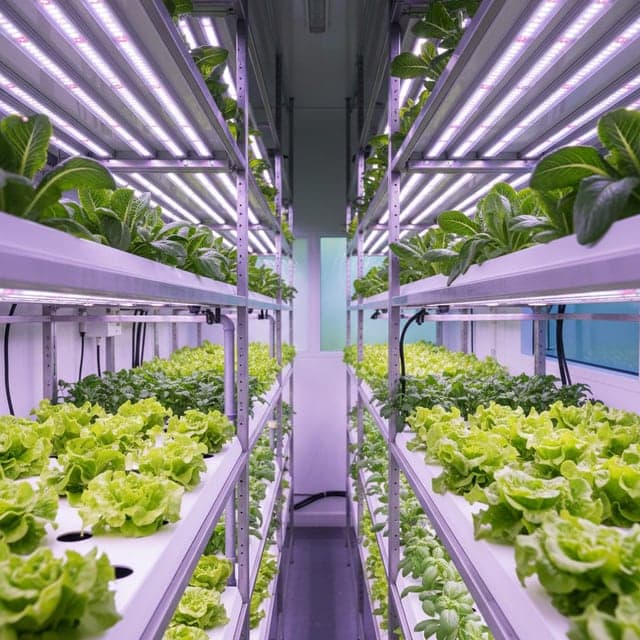
Optimize grow lights for leafy greens by managing PPFD, light spectrum, and daily light integral (DLI) to support steady yields in hydroponic setups.

Discover the best lettuce and green varieties for indoor hydroponics. Learn how buttercrunch, romaine, and arugula thrive in controlled environments for year-round harvests.
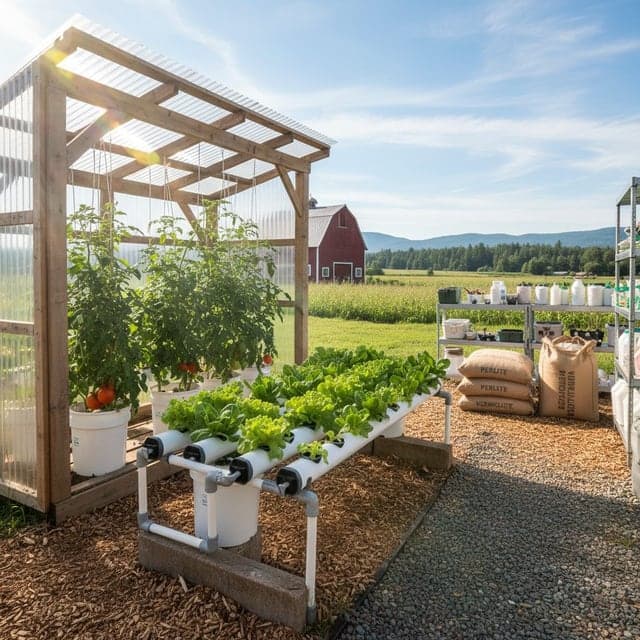
Engineer reliable perlite and vermiculite hydroponic substrates across US systems: air-filled porosity, CEC meq/100g chemistry, Bato bucket and net-pot ratios, NIOSH N95 pre-wetting safety, EPA Lib…
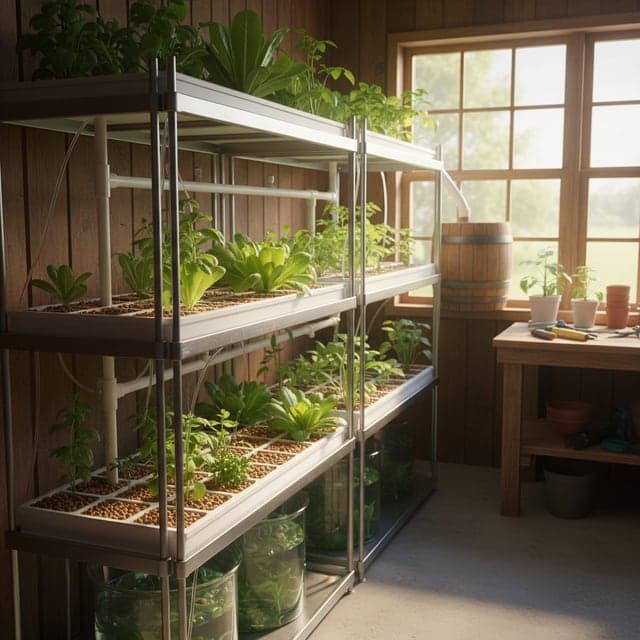
Prepare and manage LECA expanded clay pebbles for US hydroponics and semi-hydroponics: outdoor clay-dust rinsing, 24–48 hour pH soak, 1/3 reservoir fill geometry, EC and ppm targets, white salt flu…

Start vigorous hydroponic seedlings in rockwool cubes without overwatering: pH 5.3–5.5 conditioning, no-squeeze drainage, 50% weight-loss watering, dry-fiber PPE, and safe transplanting.
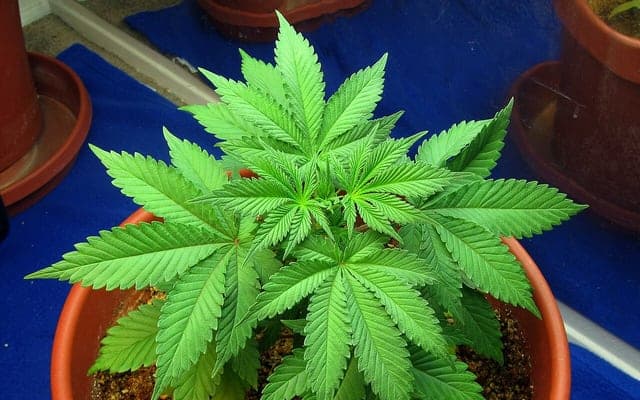
Prepare, buffer, and reuse coco coir in US hydroponic systems without calcium lockout: rinse-first EC targets, Cal-Mag CEC soak math, 10–20% runoff fertigation, and safe 3-cycle sanitation.

Transform your small balcony into a productive garden with NFT hydroponics. Learn how to grow strawberries and herbs, increasing yields by 20-50% with efficient, soil-free systems.
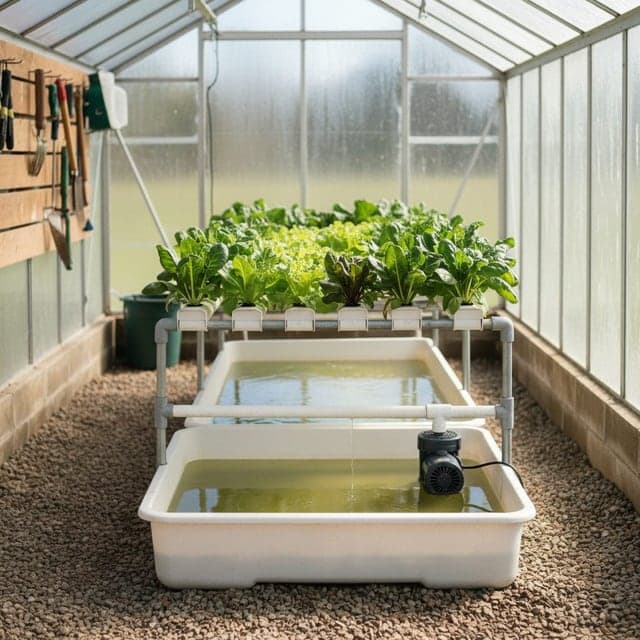
Master NFT pump maintenance to prevent failures, dry-out, and crop loss. Learn proactive strategies, monitoring, and design tips for reliable hydroponic systems and higher yields.
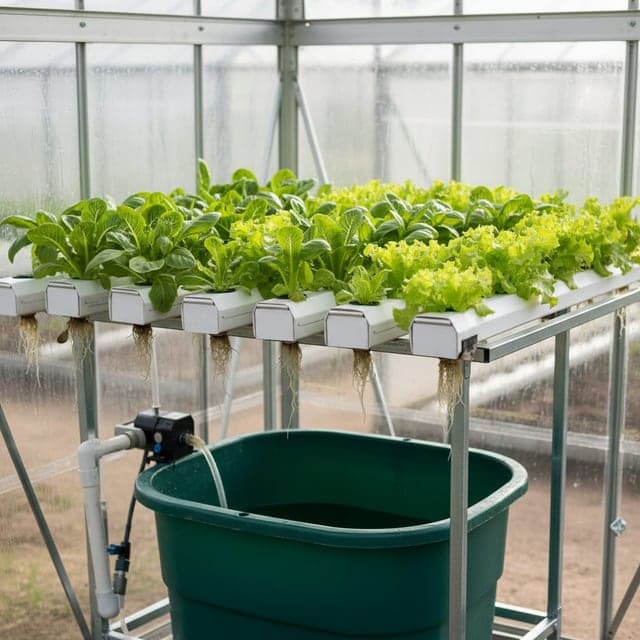
Optimize your NFT hydroponics system in USDA Zone 7. Learn to select the right pump, reservoir size, and channel slope for efficient, faster lettuce growth and higher yields.
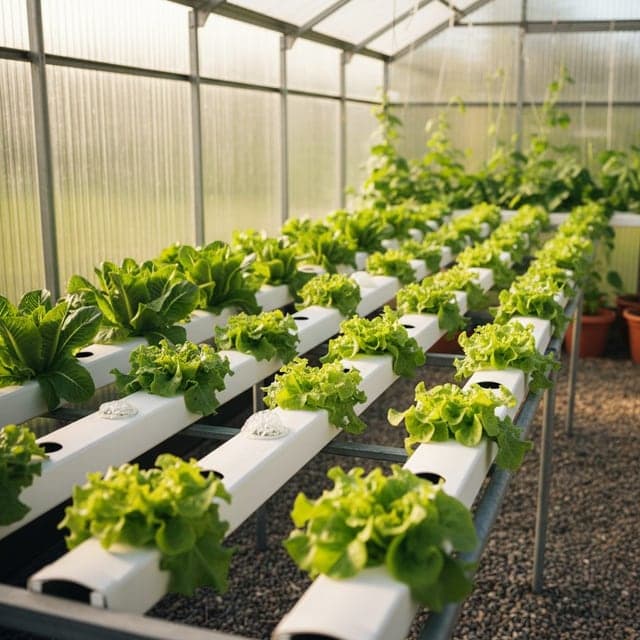
A DIY PVC NFT system for lettuce and leafy greens reduces water use by 70-90% compared to soil, offers faster growth, and suits USDA Zone 6 homesteads.
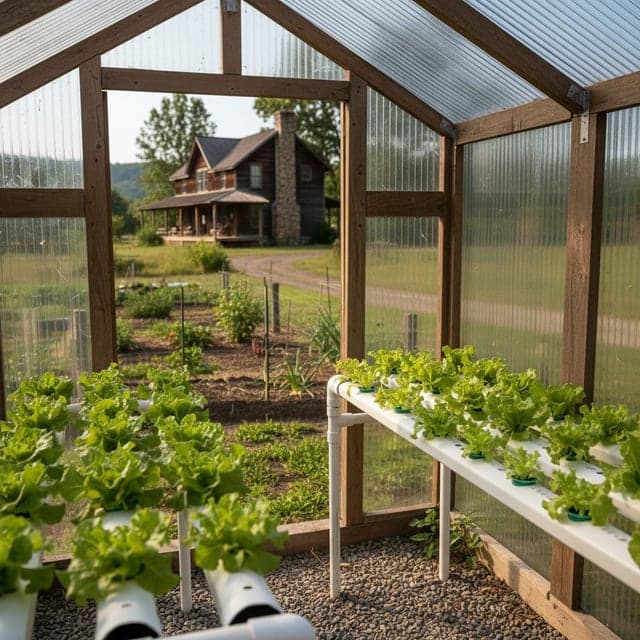
Learn how NFT hydroponics works to maximize plant growth and conserve water in US climates. Discover optimal nutrient film depth, flow rates, channel slope, and pH for healthy plants.