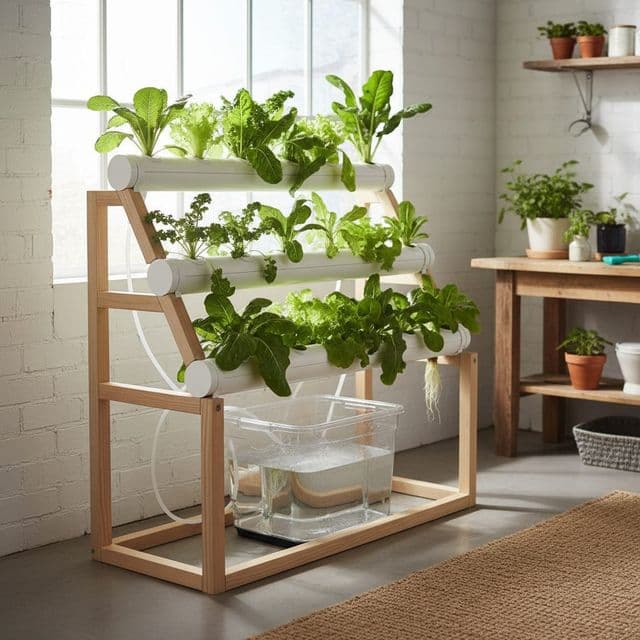
Nutrient Film Technique (NFT): Build Home Hydroponics for Lettuce
Learn to build and run a Nutrient Film Technique (NFT) hydroponic system at home. Achieve 20% faster lettuce growth and save up to 90% water with this efficient recirculating method.
Tag
641 articles in this tag on agripure. — page 2 of 27
Learn to build and run a Nutrient Film Technique (NFT) hydroponic system at home. Achieve 20% faster lettuce growth and save up to 90% water with this efficient recirculating method.
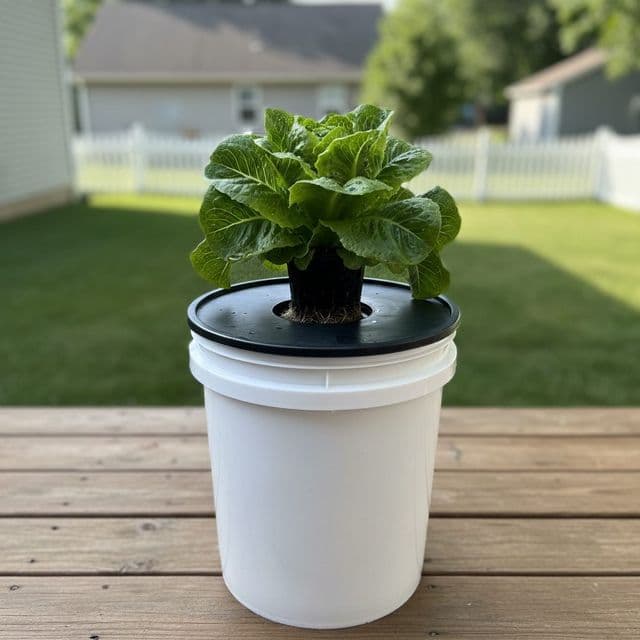
Discover the simple Kratky hydroponics method to grow fresh lettuce in a 5-gallon bucket. This passive, low-cost system uses 90% less water, perfect for beginners in USDA Zone 7.
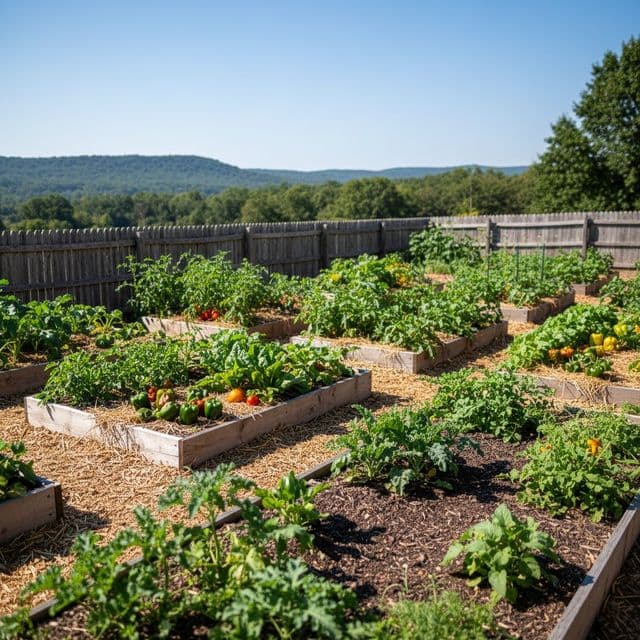
Unlock your garden’s potential with organic soil amendments. Learn how to interpret soil tests, adjust pH, and apply amendments effectively for thriving home gardens in USDA Zone 6.
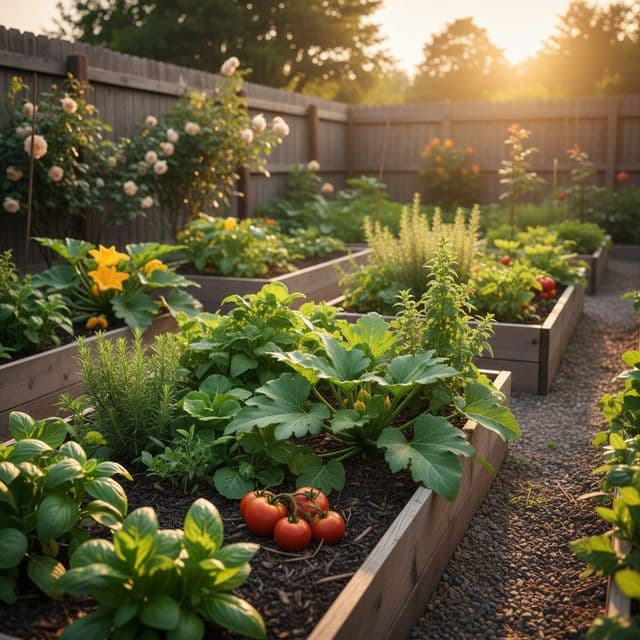
Learn how to adjust soil pH for acid-loving plants like blueberries in USDA Zone 6. Discover soil testing methods, effective amendments like elemental sulfur, and tips for optimal plant health.
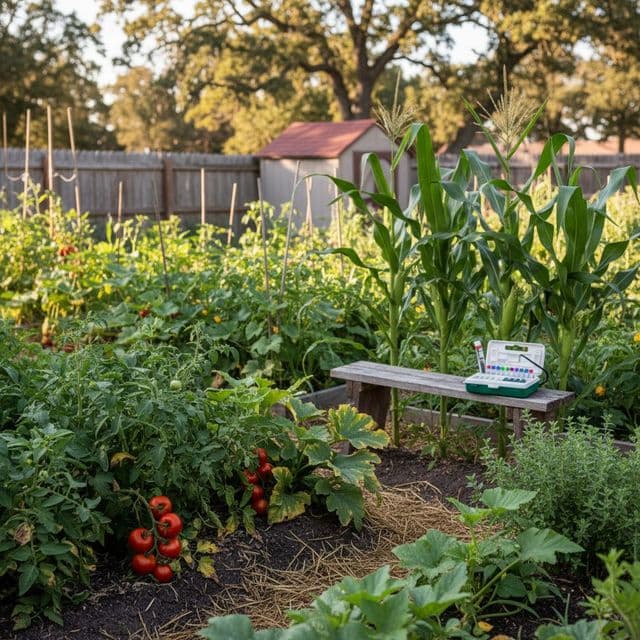
Learn to identify common plant nutrient deficiencies in your Midwest garden by observing leaf symptoms. Get natural fixes, understand soil pH, and ensure a thriving harvest.
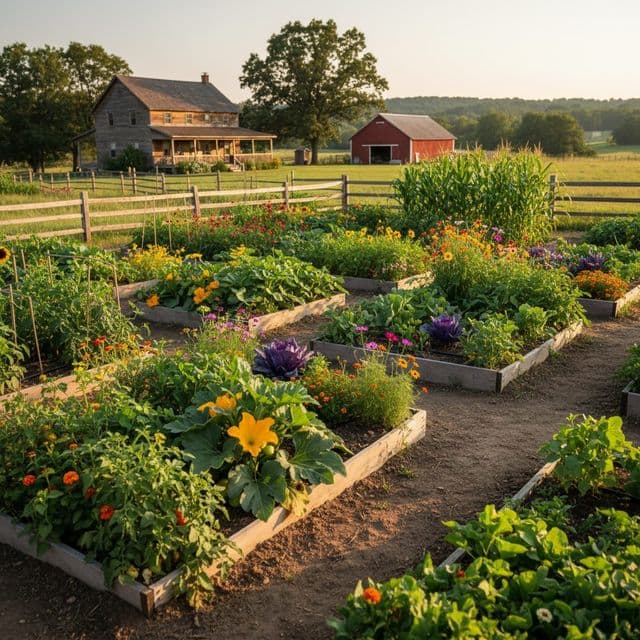
How to fix three common US garden soils (heavy clay, droughty sand, and compacted lawn beds): diagnostic steps, organic amendments, and aeration techniques.
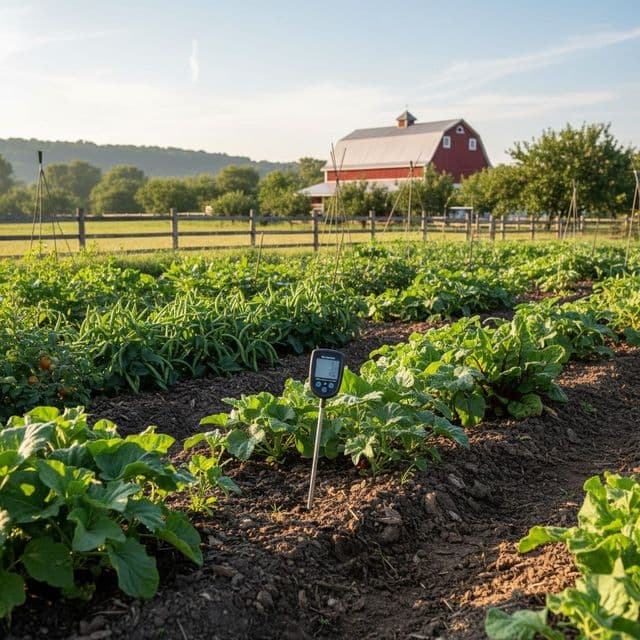
How to collect soil samples, select a testing lab, and interpret pH, NPK, and micronutrient reports for a USDA Zone 6 garden.
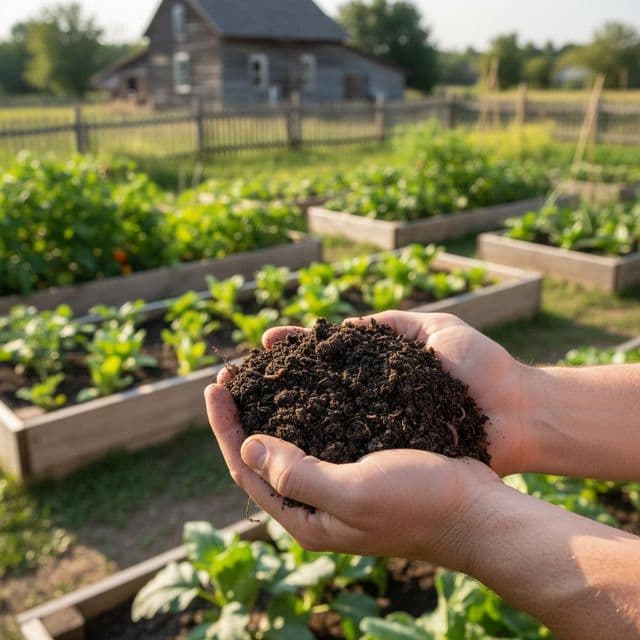
Learn DIY garden soil testing for texture, pH, and drainage, then match your amendments to what the tests actually show. Essential for Zone 6.
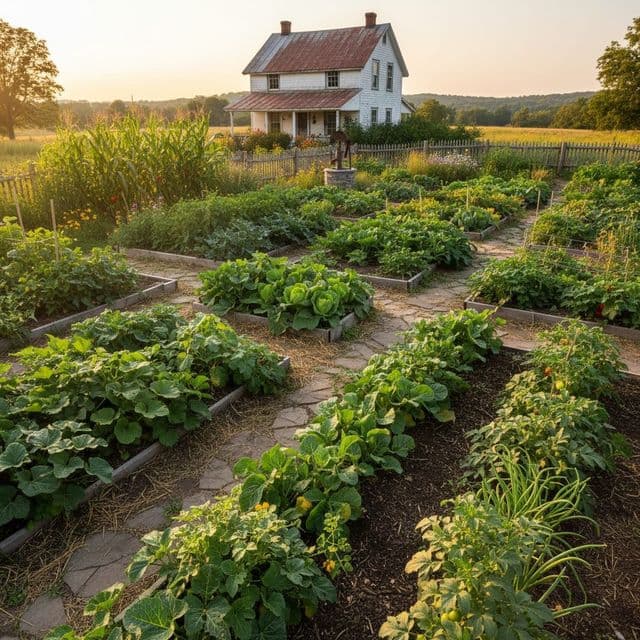
Learn the optimal soil pH for vegetable gardens, how to test soil accurately, and apply amendments like lime or sulfur for thriving plants. Get expert tips.
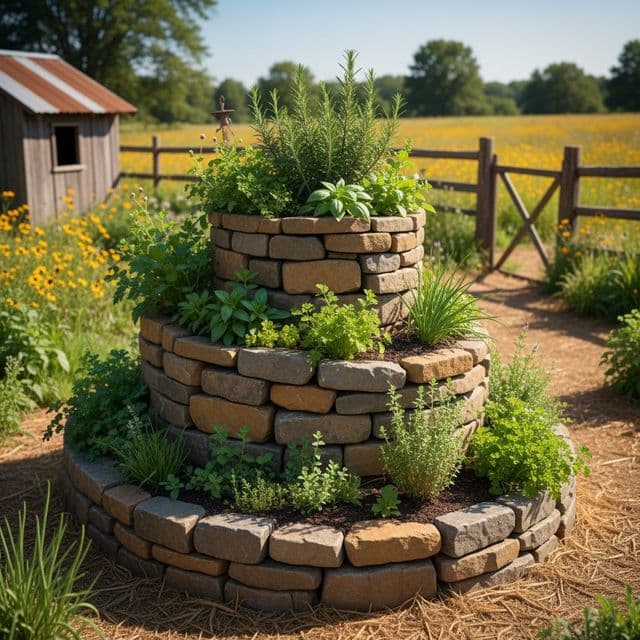
Learn to build an herb spiral, a permaculture design creating diverse microclimates for herbs in small spaces. Maximize sun, water, and yield in your USDA Zone 6 garden.
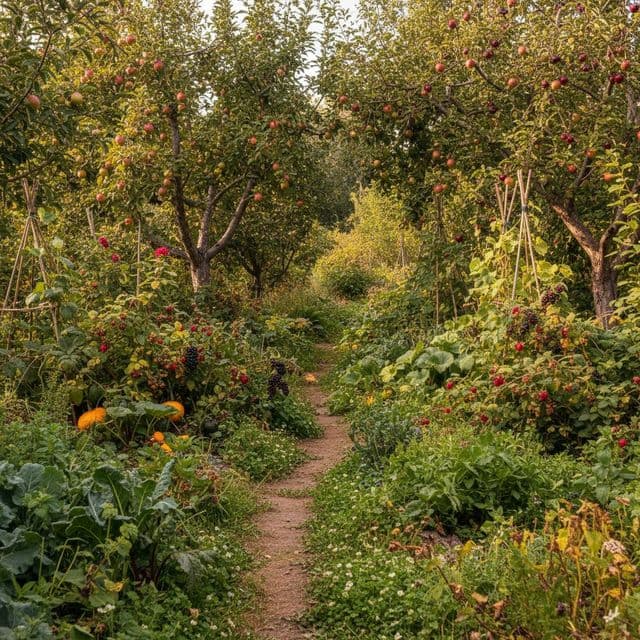
Learn how to start a food forest in your US backyard. This guide covers 7-layer permaculture design, site assessment, and plant selection for USDA zones 3-9 to create a resilient, bountiful ecosystem.
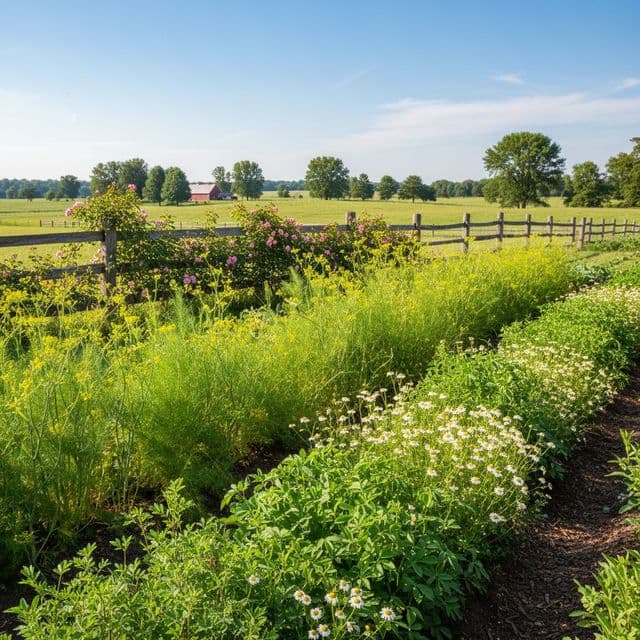
Learn to grow chamomile, fennel, and fenugreek across US USDA Zones 4-10. This guide covers soil, sunlight, watering, spacing, and harvesting for a bountiful annual herb garden.
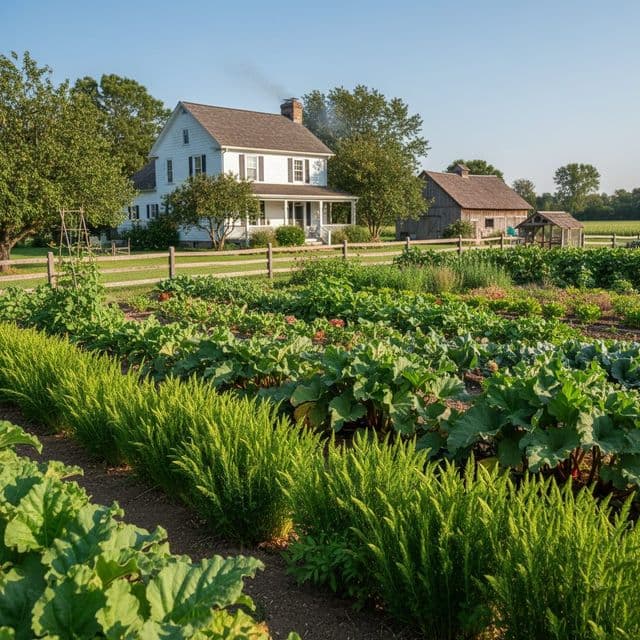
How to cultivate perennial vegetables for a low-maintenance garden, covering site prep, soil health, and top picks for long-term yields in USDA Zone 6 and beyond.
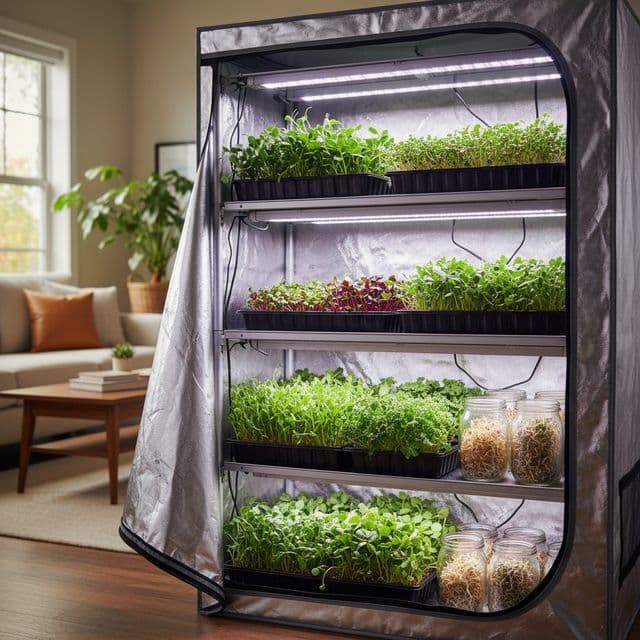
Learn how to grow nutrient-dense microgreens and sprouts indoors year-round, regardless of your US climate. This guide covers setup, cultivation, and harvest for fresh produce.
How to grow fast herbs and quick crops like okra, arugula, dill, parsley, and chives, with harvests in under 60 days across USDA zones 3-10.
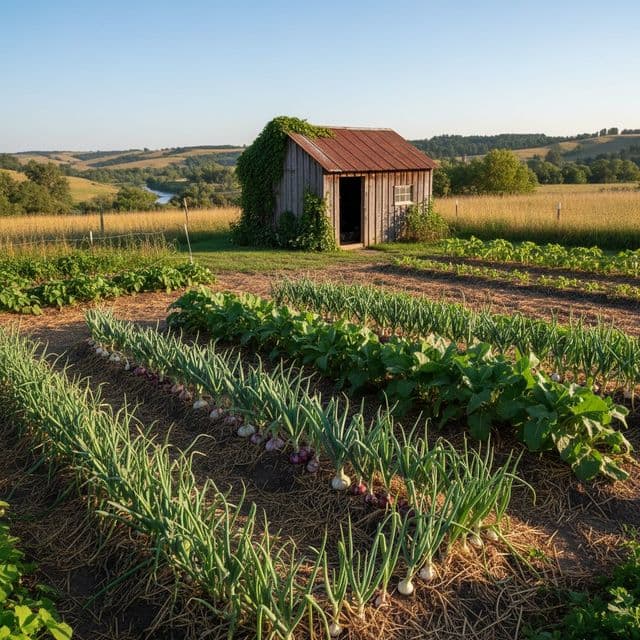
How to grow alliums like onions, garlic, and leeks across US Zones 3-9: planting, care, soil preparation, and harvest timing for home gardens.
Master how to grow cole crops like cabbage, broccoli, and cauliflower. Learn optimal soil, water, and pest management for a successful harvest in your US garden.
Master growing basil in USDA Zone 7. Learn expert tips to prevent bolting, choose slow-bolting varieties, and prune effectively for a continuous, flavorful harvest all season.
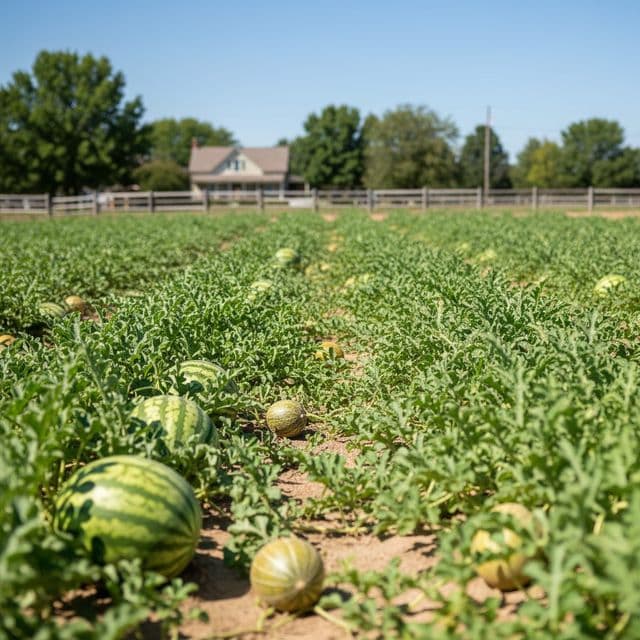
Master growing watermelon and muskmelon in US Zones 7-10. Learn heat management, soil prep, watering, and pest control for a bountiful harvest of sweet, juicy melons.
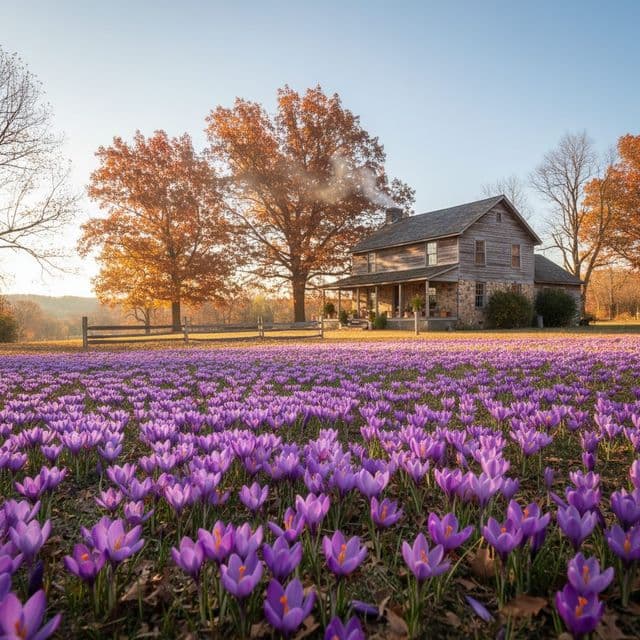
How to grow saffron from corms in USDA zones 6 to 9, covering planting, soil requirements, care, and harvesting for this specialty crop.
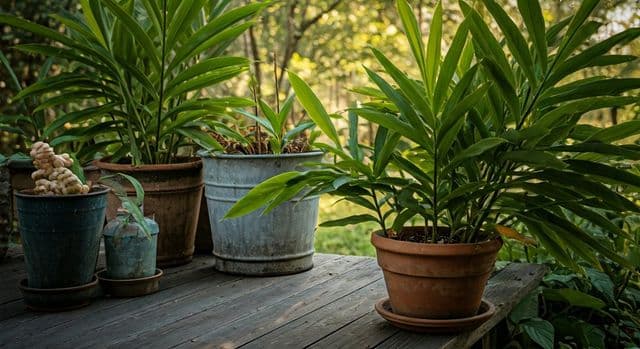
Learn how to successfully grow ginger in US gardens and containers, even in cooler climates. Get tips on planting, soil, and harvesting for high yields of fresh ginger root.
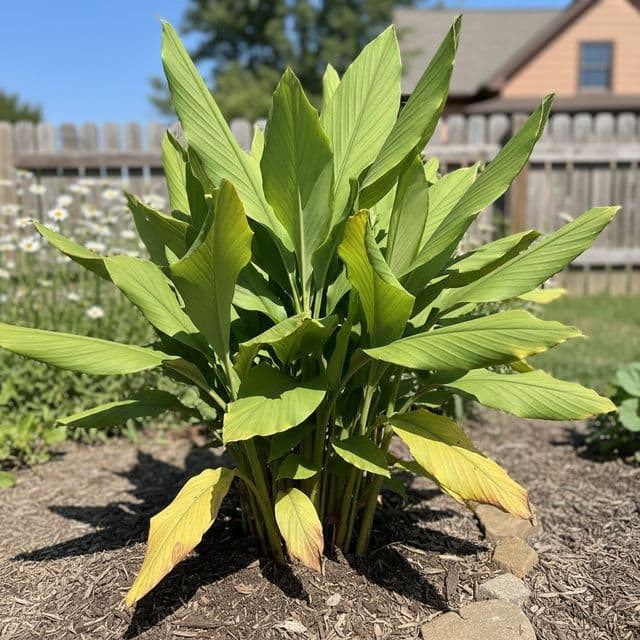
Learn how to grow turmeric in the US, from planting rhizomes to curing powder. This guide covers soil, climate, care, and harvest for successful turmeric cultivation.
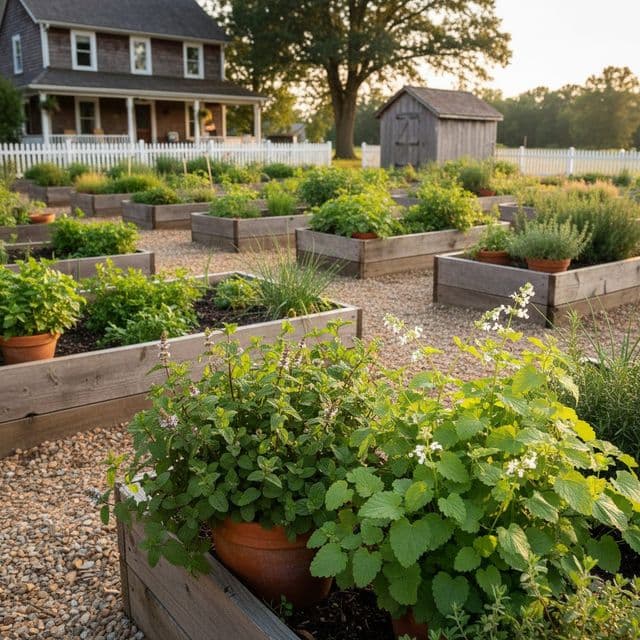
Prevent mint and lemon balm from taking over your US garden. Learn effective strategies for managing mint and lemon balm spread, including containers, root barriers, and strategic placement.
Learn to grow valerian and passionflower for natural sleep support in USDA zones 4-9. This guide covers planting, care, harvesting, and drying for your home apothecary.