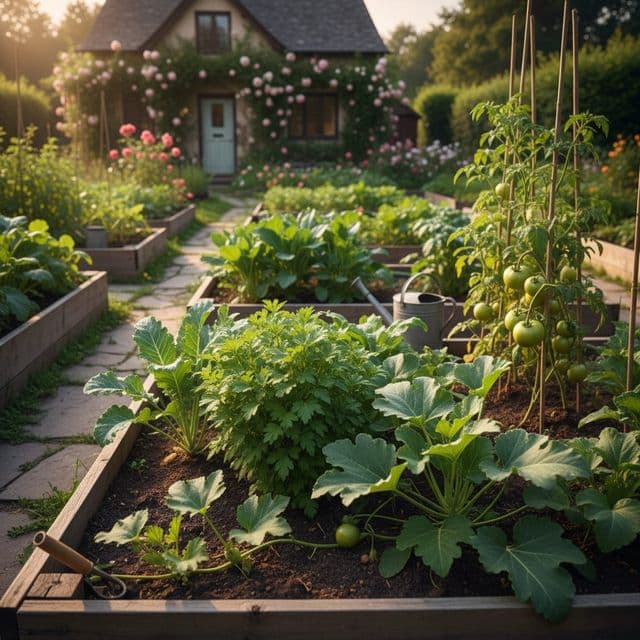
Selecting Native Plants for Chronically Wet Areas Across US
Discover native trees & shrubs for chronically wet spots across US regions. Improve drainage, reduce runoff, and support wildlife with water-tolerant species.
Tag
366 articles in this tag on agripure. — page 11 of 16
Discover native trees & shrubs for chronically wet spots across US regions. Improve drainage, reduce runoff, and support wildlife with water-tolerant species.
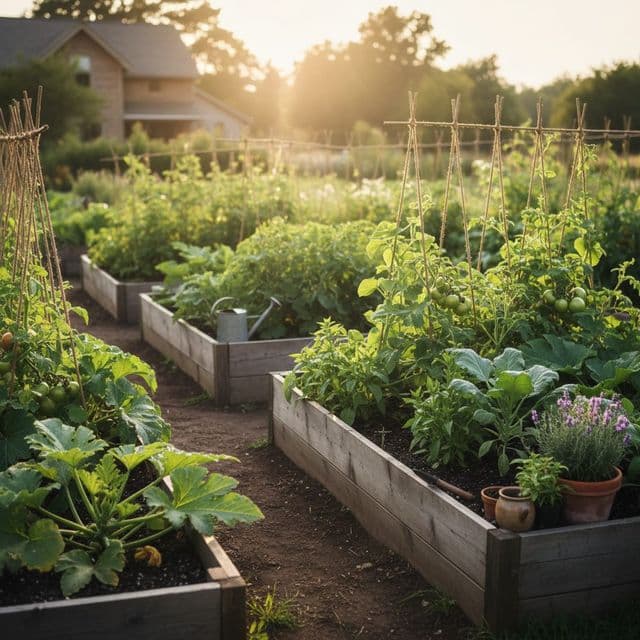
Discover how to grow wet-tolerant crops like elderberry, blueberry, and mint in USDA Zone 6. Learn passive irrigation techniques such as ollas, wicking beds, and swales to thrive in moist conditions.
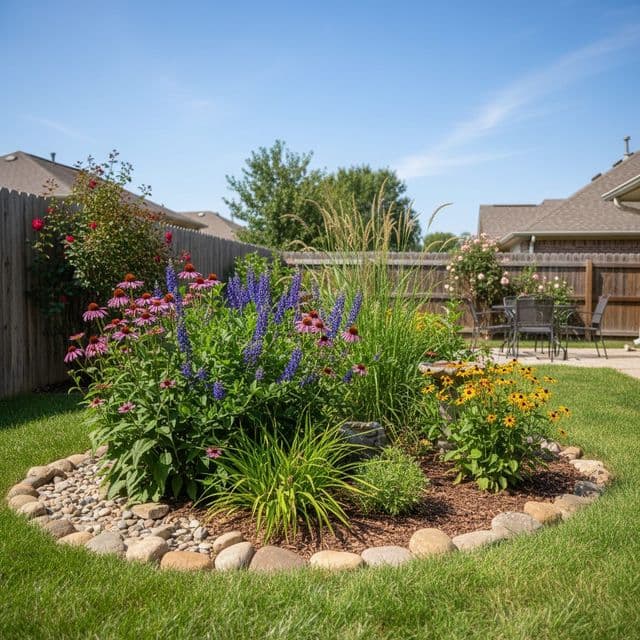
Discover how US cities offer rain garden rebates and stormwater credits. Learn to save 10-50% on utility bills with green infrastructure like rain gardens, ollas, and wicking beds. Maximize savings…
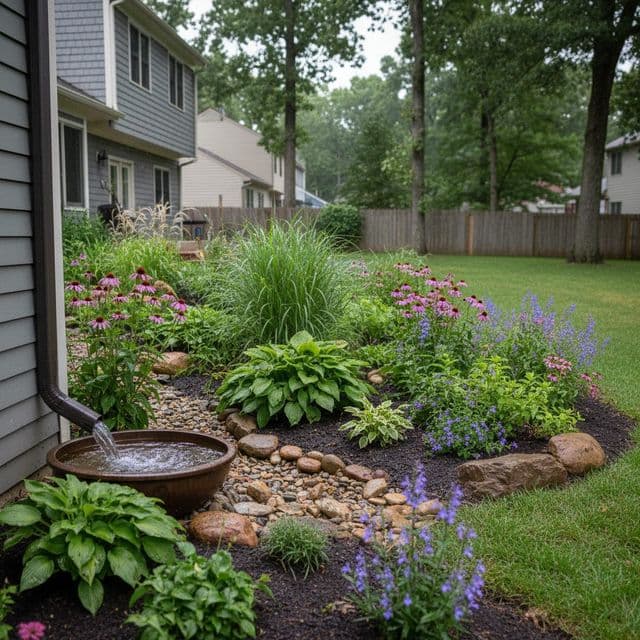
Design farm runoff solutions for properties in USDA Zone 6. Rain gardens, dry creek beds, and bioswales capture, slow, and infiltrate stormwater to protect soil and water quality.
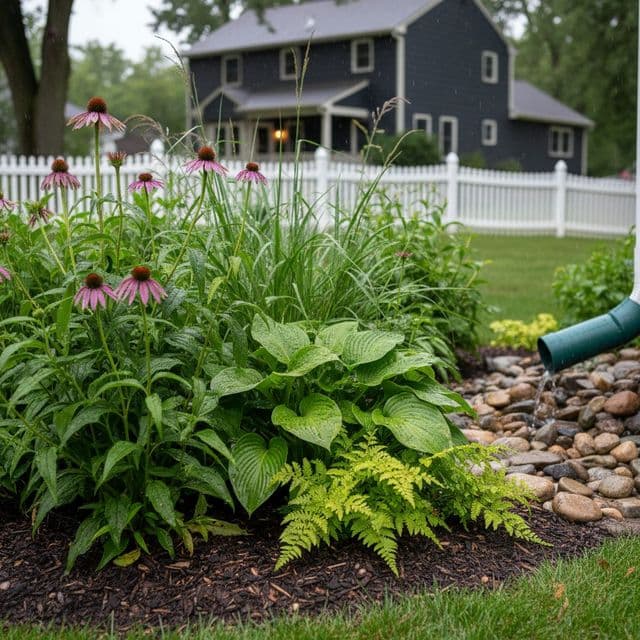
Discover how native rain gardens reduce stormwater runoff by 30-50% and conserve water using native plants & passive irrigation like ollas & wicking beds. Learn design tips for US cities.
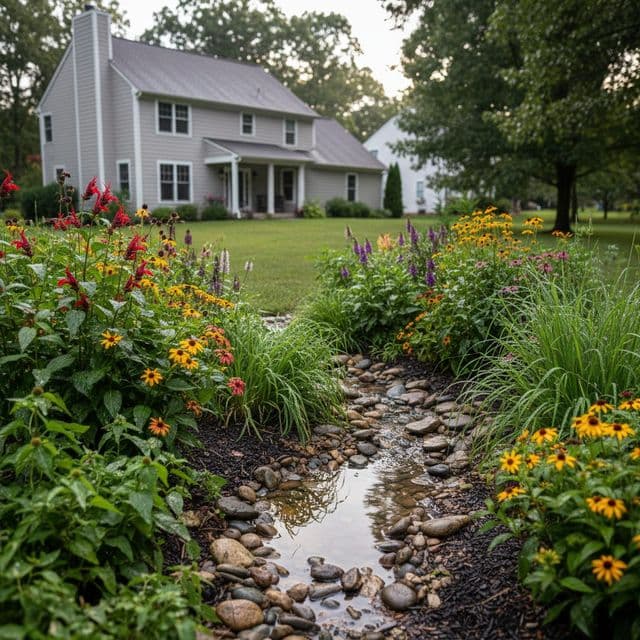
Learn effective rain garden design principles to reduce stormwater runoff by up to 30%. Learn basin depth, soil composition, and sizing guidelines for your property.
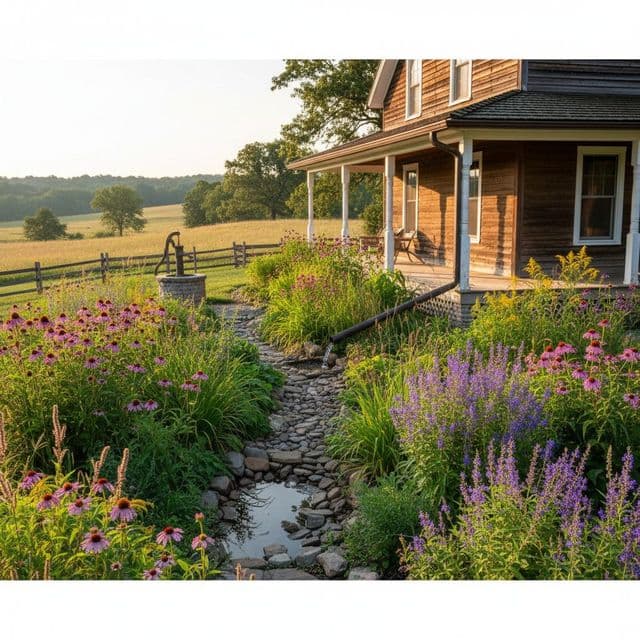
Learn to site and size a rain garden for your home. Reduce stormwater runoff by 30% or more, protect waterways, and recharge groundwater with effective rain garden sizing.
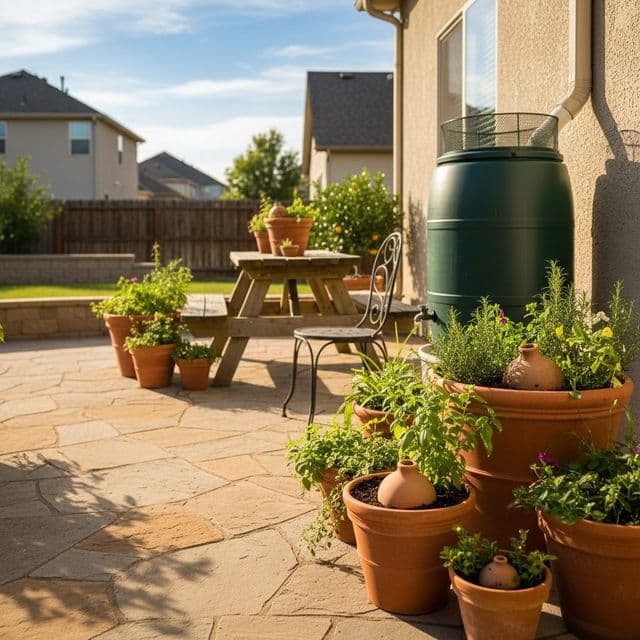
Discover how much water container tomatoes need in Arizona’s 100°F heat. Learn about ollas, wicking beds, and rainwater harvesting to cut water use by 30-70% with smart irrigation methods.
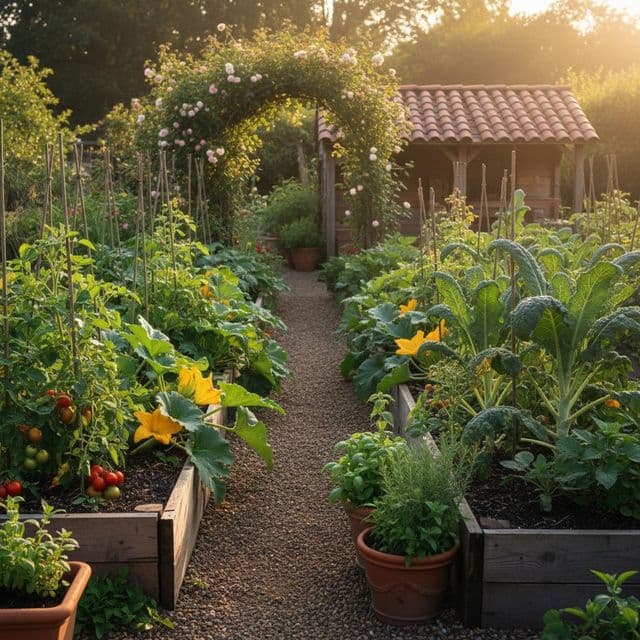
Learn effective strategies to slow water loss in your USDA zone 7 garden. Discover how grouping pots, mulching, and strategic shade can keep plants healthy, even when you’re away.
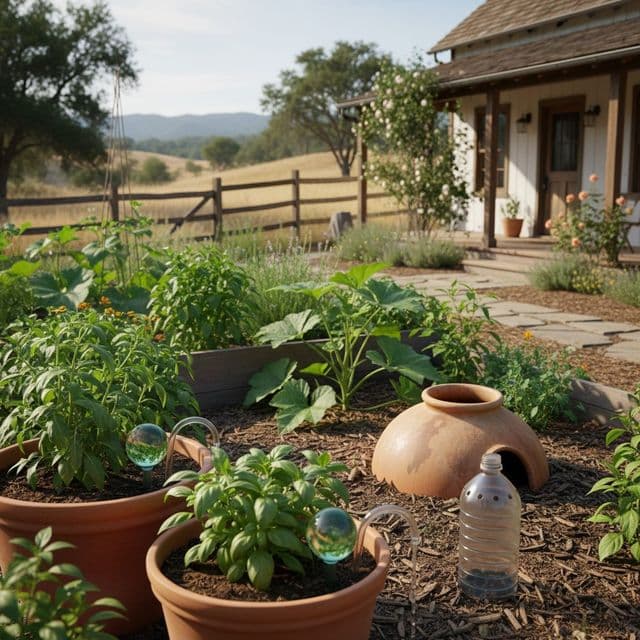
Explore passive irrigation methods like ollas, wicking beds, and DIY drip systems to save water in your garden. Reduce water use by up to 50% and build water resilience for US growers.
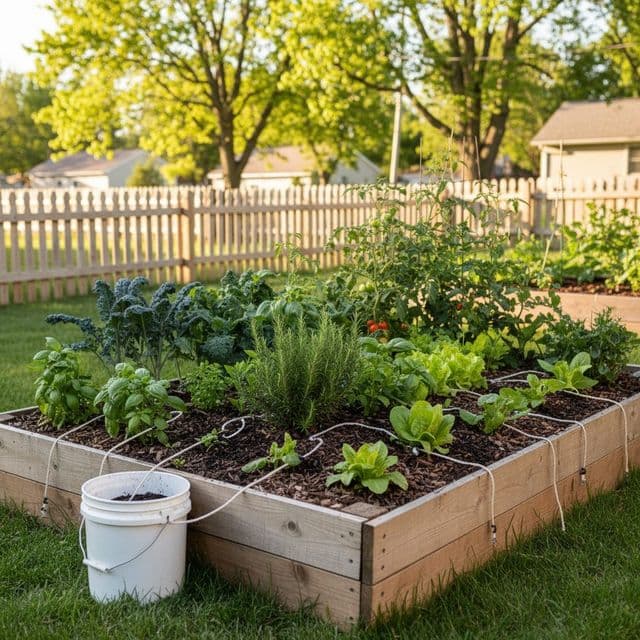
Learn how passive irrigation systems like wicking beds, ollas, and wicking ropes keep your garden hydrated for up to 7 days. Conserve water and reduce evaporation by 50-70%.
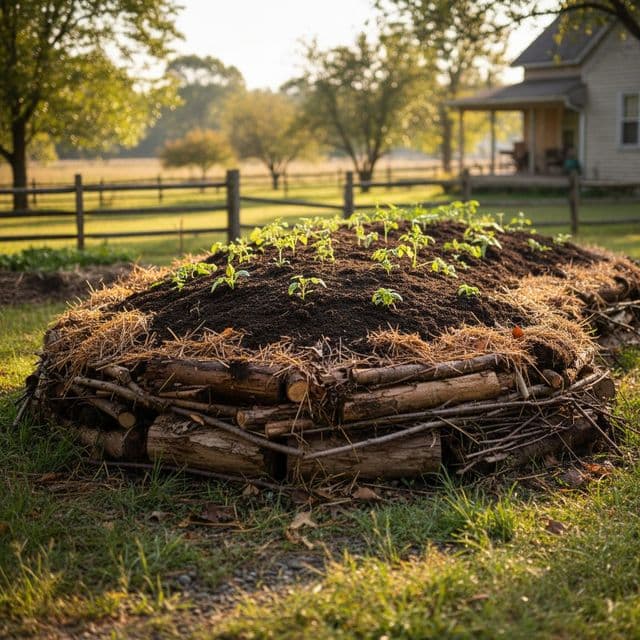
Combat first-year hugel bed nitrogen tie-up for thriving crops. Learn strategies like wood pre-treatment, high-nitrogen amendments, and cover crops to ensure robust plant growth.
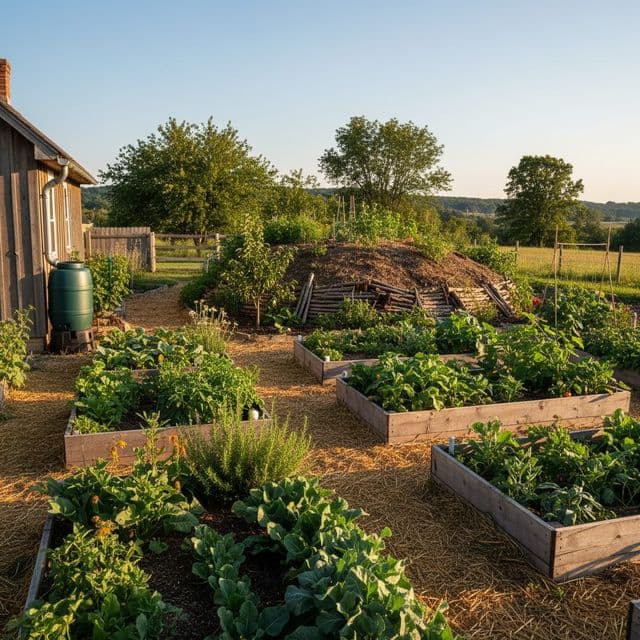
Compare Hugelkultur, raised beds, and in-ground gardens for yields, longevity, and water use in USDA Zone 6. Optimize gardening water use with passive irrigation.
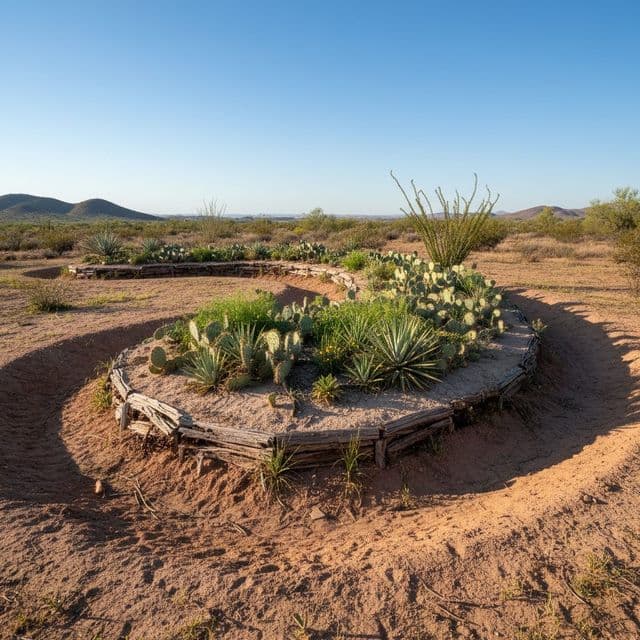
Master hugelkultur in the arid Southwest. Learn wood selection, termite prevention, and passive irrigation to conserve water and build soil for thriving gardens in dry climates.
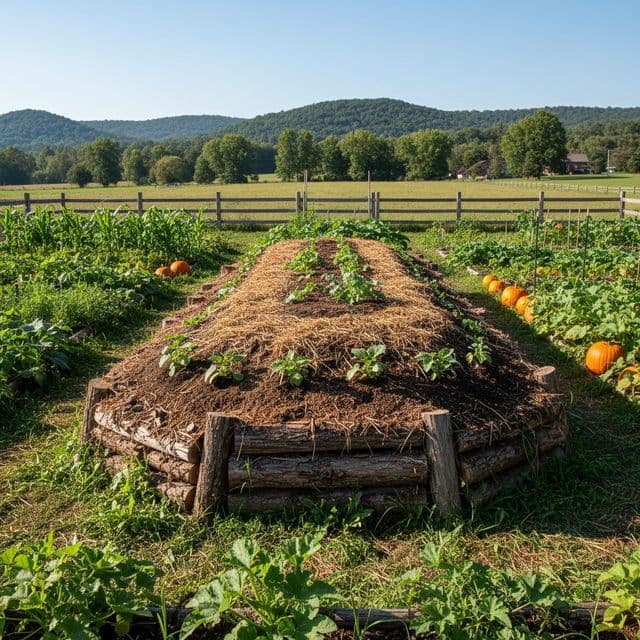
Optimize your hugelkultur beds for maximum water retention in USDA zones 5-8. Learn which woods to use and avoid for long-term success and reduced irrigation needs.
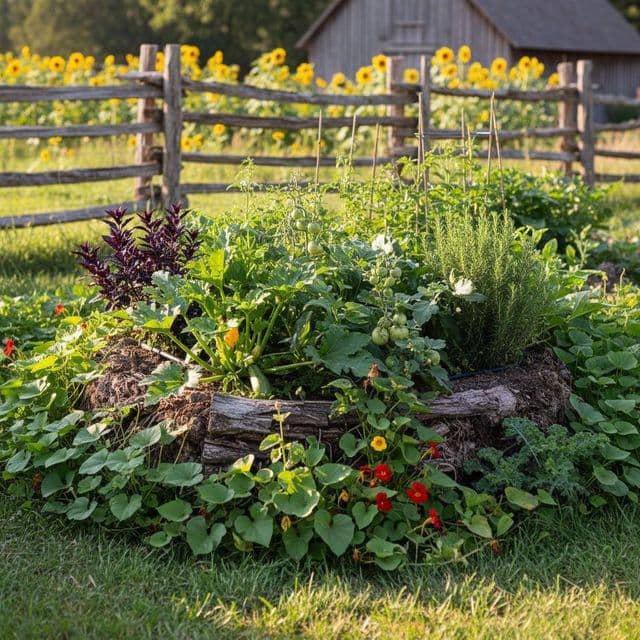
Discover how hugelkultur mounds reduce garden irrigation by up to 50%, build soil fertility for decades, and extend growing seasons. Learn to build water-efficient, self-sustaining garden beds.
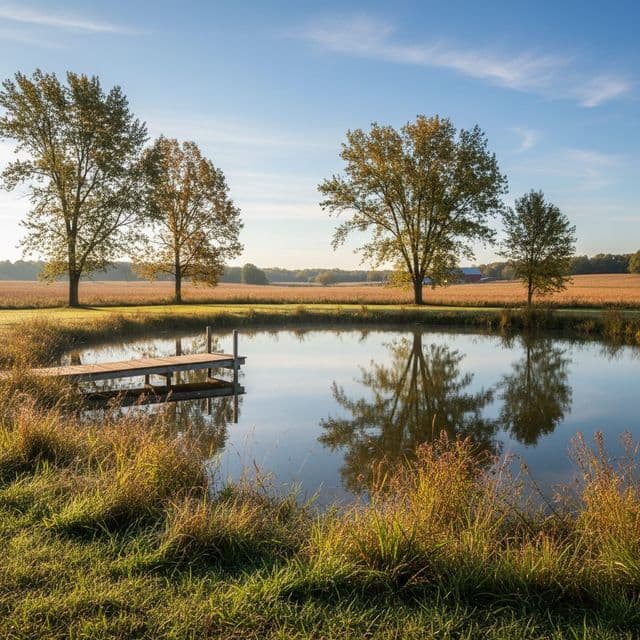
Understanding pond water chemistry helps maintain suitable irrigation water. Learn ideal pH, ammonia, and nitrite levels to prevent plant stress, optimize nutrient uptake, and improve crop yields.
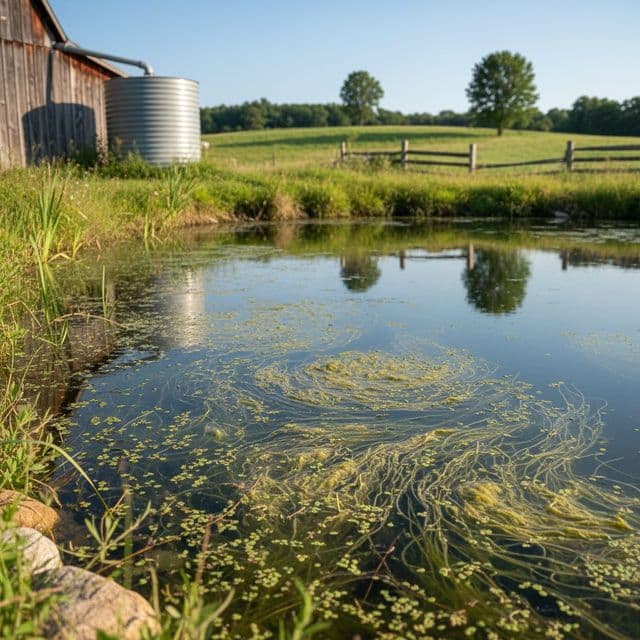
Learn to identify and manage string algae, single-celled algae, and duckweed in your homestead water systems. Reduce water loss and maintain clean, productive water for your plants.
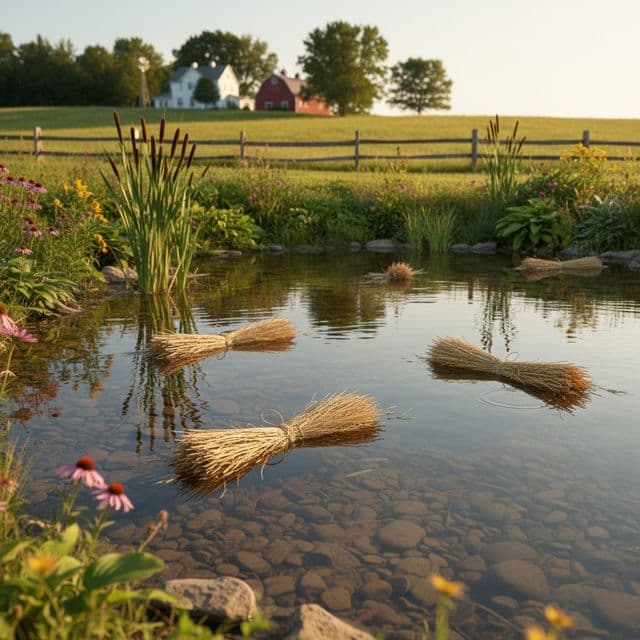
Discover natural algae control methods for ponds and water features in US climates. Learn how barley straw, shade plants, and beneficial bacteria reduce algae without chemicals.
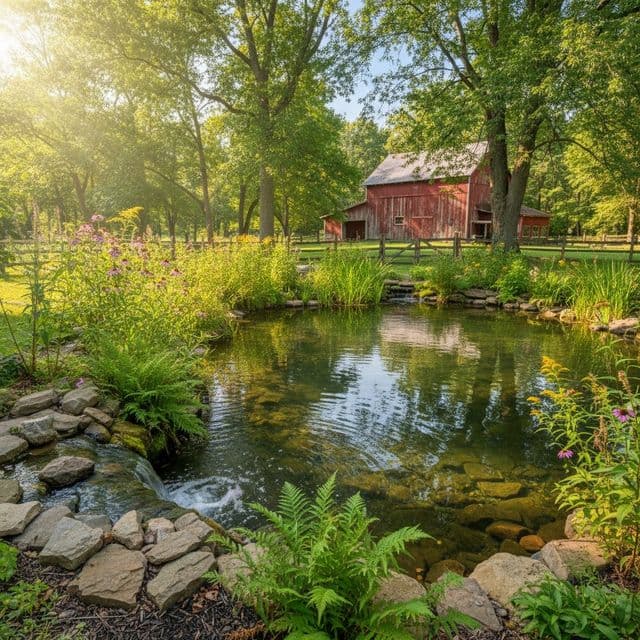
Learn how to manage green pond algae in US backyard ponds. Balance nutrients, sunlight, and use smart design & water harvesting for clear water in USDA Zone 6. Prevent blooms naturally.
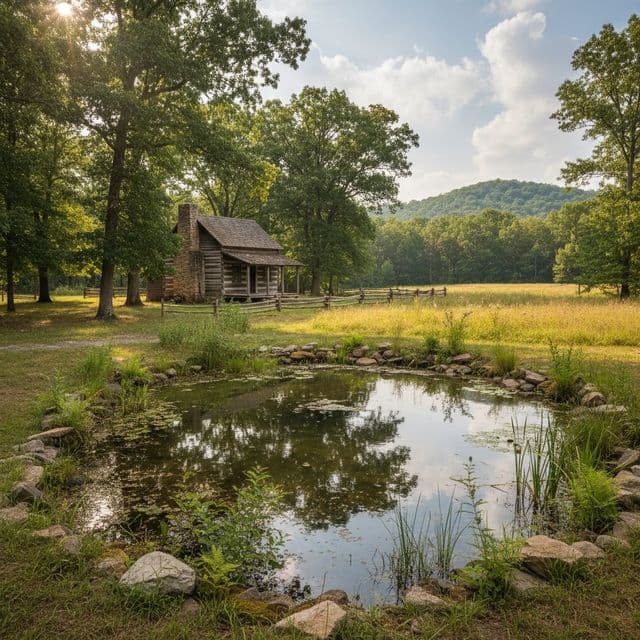
Build and maintain a self-sustaining, off-grid pond in USDA Zone 6 using passive aeration, native plants, and rainwater harvesting for an electricity-free ecosystem.
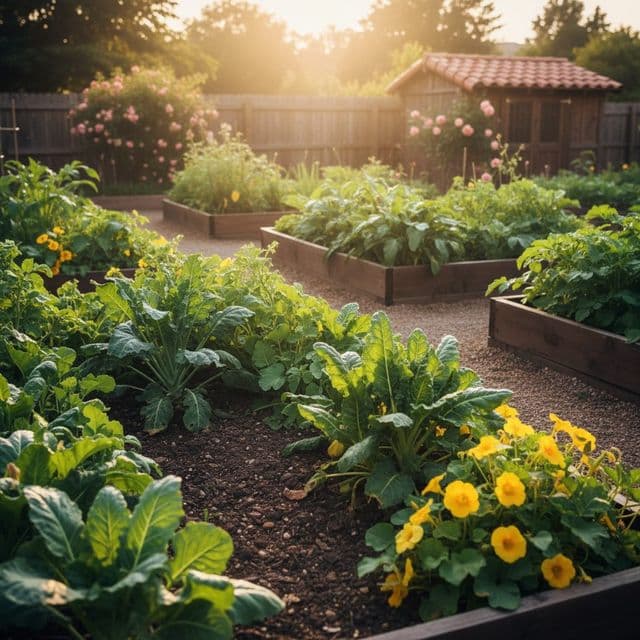
How native pond plants, combined with water harvesting, increase wildlife biodiversity by 25-50% in US ponds, with plant selection and water management tips across regions.
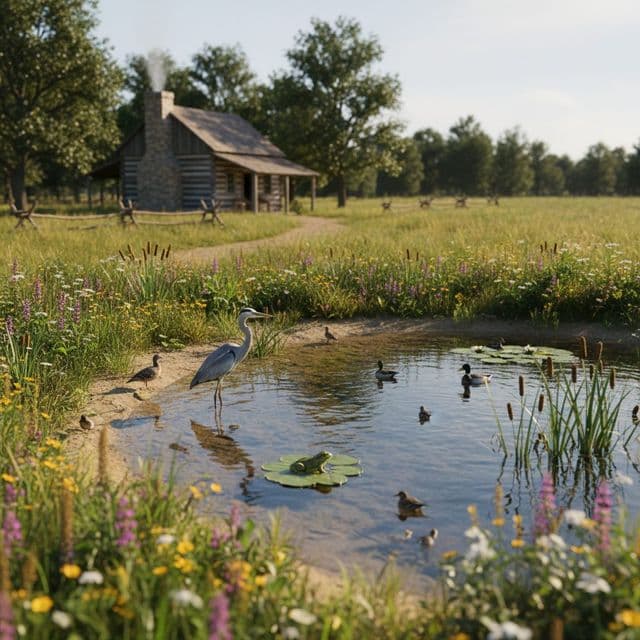
Design wildlife water features with shelves & beach edges to attract diverse species. Learn how rainwater harvesting, ollas, and swales create sustainable, water-wise habitats for your homestead.
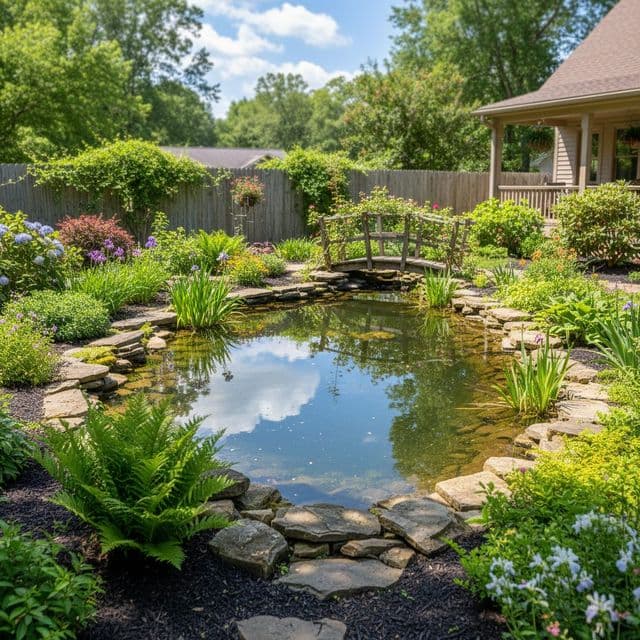
Explore EPDM, preformed, and natural clay pond bottom materials for your homestead in USDA Zone 7. Learn about durability, cost, and installation for water harvesting ponds.