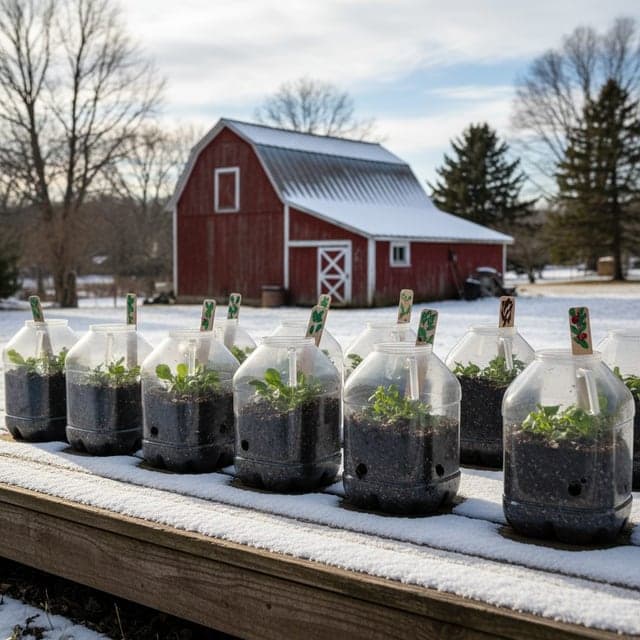
Winter Sowing: Extend Growing Season & Save Costs
Learn how winter sowing extends your growing season by up to 30 days, reduces costs by eliminating grow lights, and produces stronger, naturally hardened-off plants for your garden.
Tag
491 articles in this tag on agripure. — page 10 of 21
Learn how winter sowing extends your growing season by up to 30 days, reduces costs by eliminating grow lights, and produces stronger, naturally hardened-off plants for your garden.
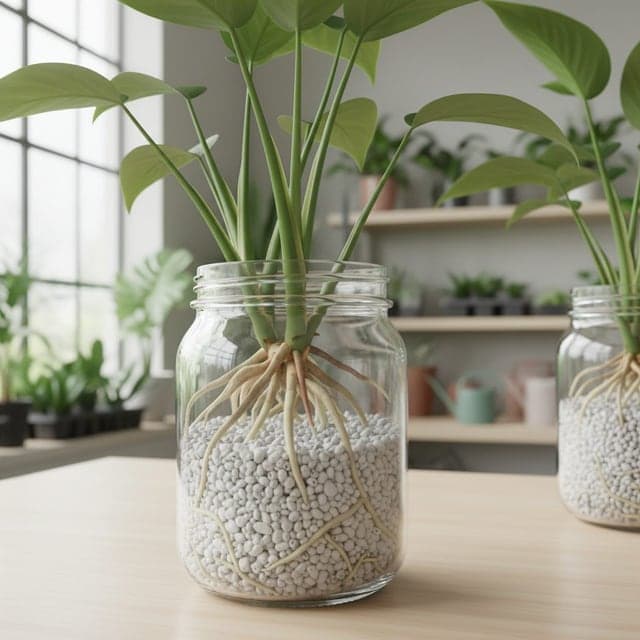
Compare coarse perlite, water rooting, and sterile soilless mix for propagating plant cuttings. Includes air-filled porosity data, the 1-inch subirrigated perlite cup setup, bottom-heat targets, wo…
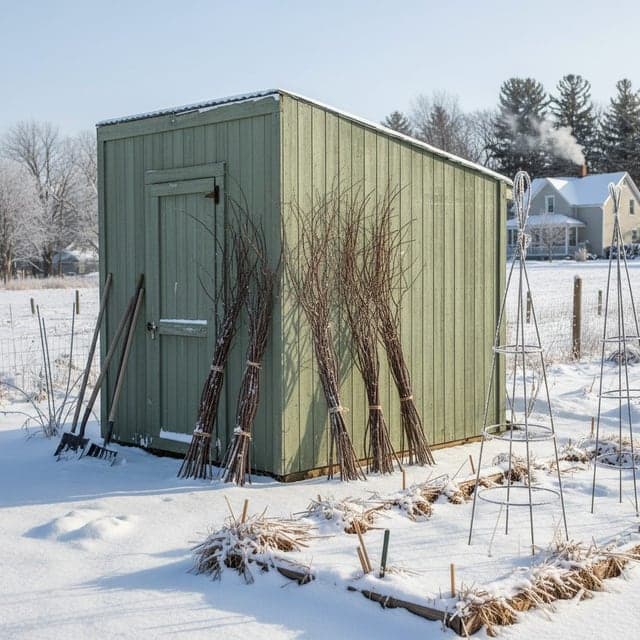
Learn to root fig, mulberry, currant, and grape hardwood cuttings in USDA zones 5-9. Achieve high success rates, save money, and expand your garden with this guide.
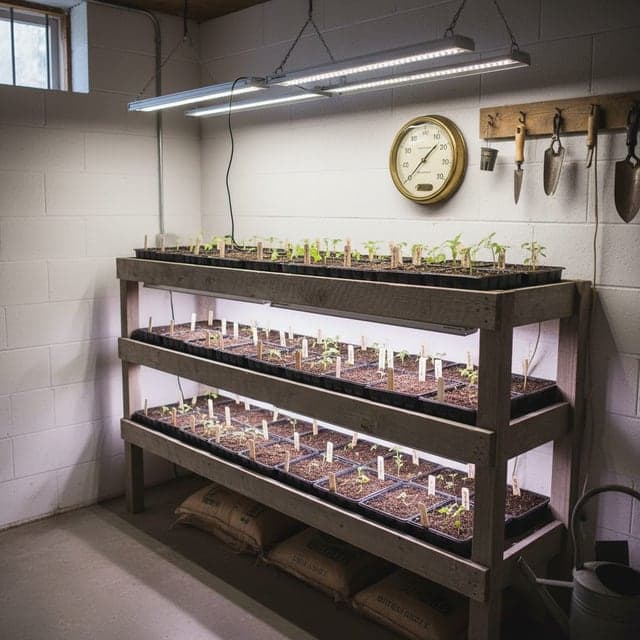
Master seed starting timing across US regions. Learn how cold basements in Maine differ from warm patios in Florida for successful germination and plant growth.
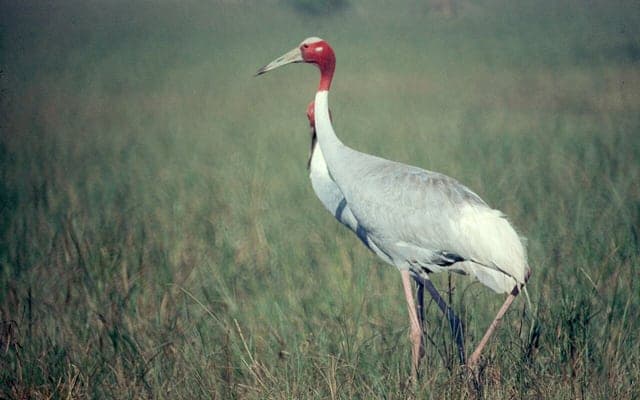
Learn effective strategies to protect your backyard berries in USDA Zone 6 from common pests like birds, spotted wing drosophila (SWD), and Japanese beetles. Implement netting, sanitation, and IPM…
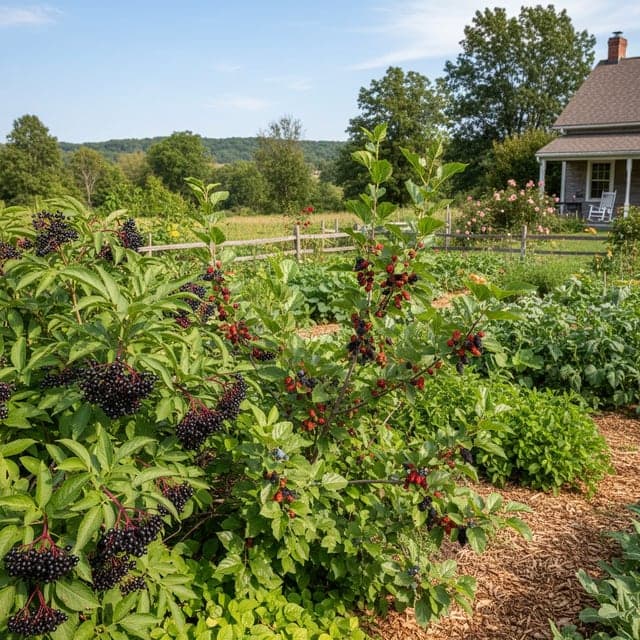
Plant a low-input US native berry guild across Zones 2–9: reconcile American elderberry cyanogenic safety and home-canning rules, separate native Red Mulberry (Morus rubra) from invasive White Mulb…
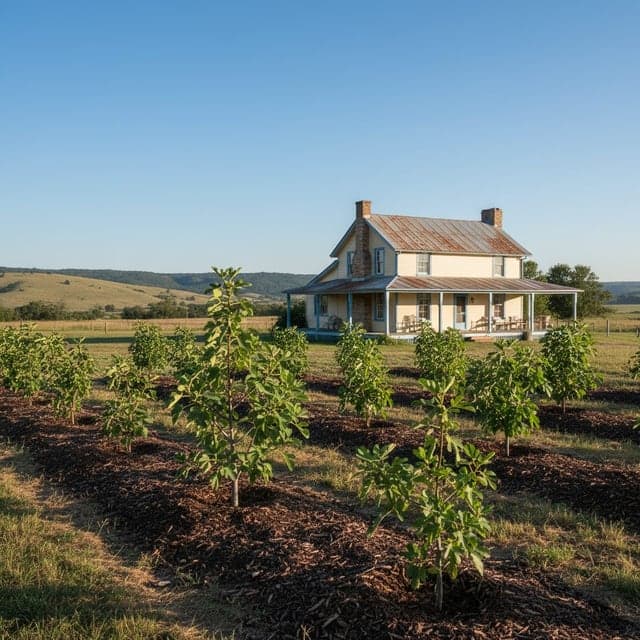
Pair cold-hardy figs ('Chicago Hardy', 'Ronde de Bordeaux', 'Marseilles Black VS') with Russian pomegranates ('Salavatski', 'Kazake', 'Sverkhranniy') in USDA Zones 6a–7b. Master south brick-wall si…
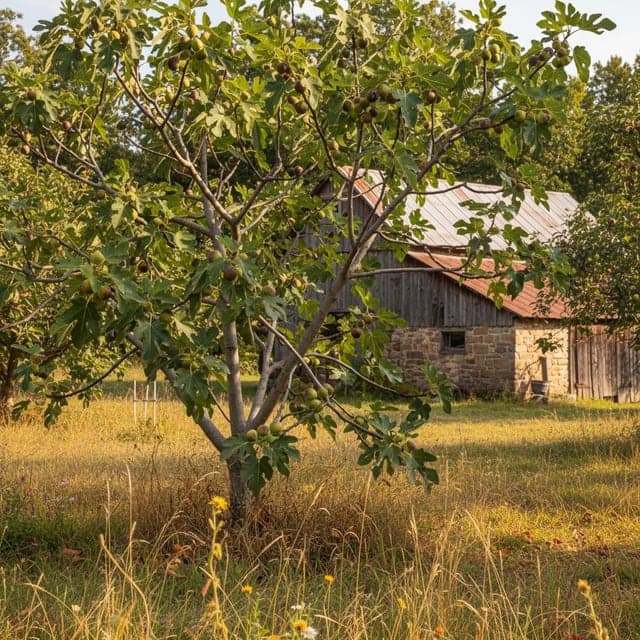
Prevent fig fruit drop in USDA Zone 7. Learn common causes like inconsistent watering, nutrient imbalances, and pests. Discover solutions for a bountiful fig harvest.
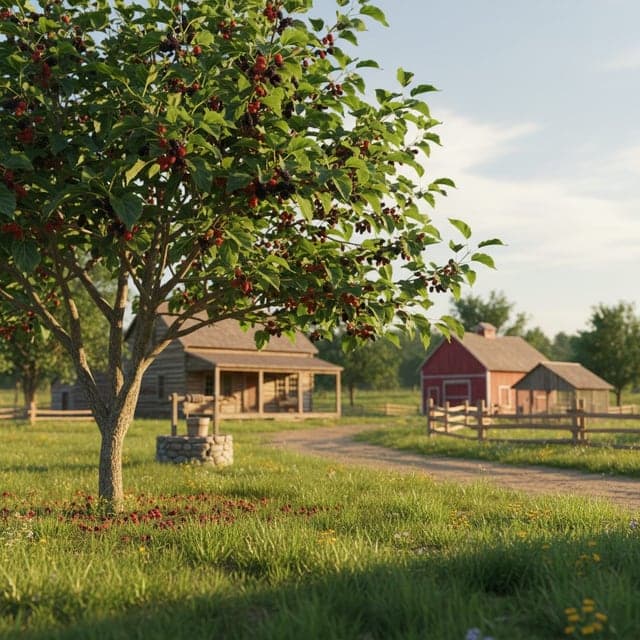
Keep mulberry trees at a pickable 6–8 ft for multiple summer crops across US USDA Zones 4–10 using safe low-invasion hybrids, sap-timed pruning, >=20–30 ft root setbacks, and latex/unripe berry saf…
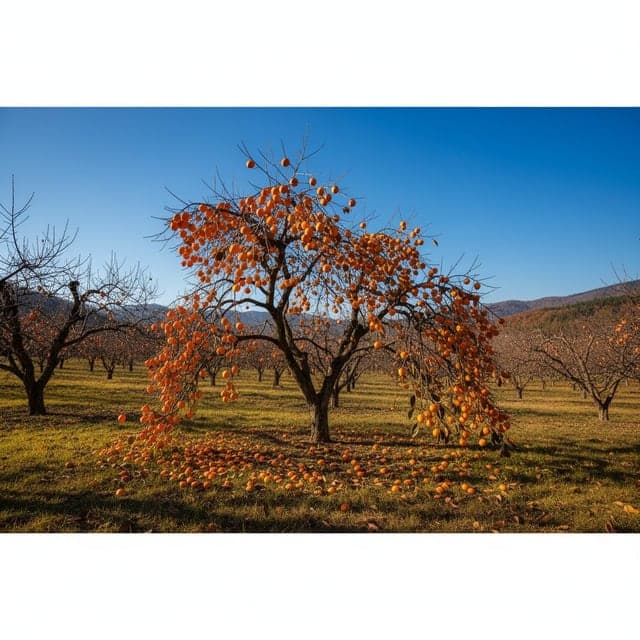
Grow American (Diospyros virginiana, Zones 4–9) and Asian (D. kaki, Zones 7–10) persimmons: PCNA, PVNA, and PCA classes, rootstocks, nitrogen restraint, bletting, CO2/ethanol de-astringency, and di…
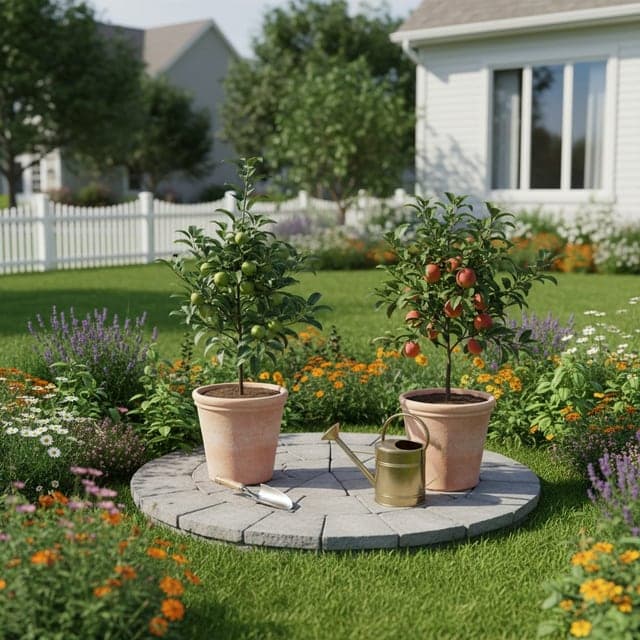
Grow fresh fruit in small spaces. Discover dwarf and columnar fruit trees perfect for patios & urban gardens in USDA Zones 5-9. Learn selection, care, & pruning.
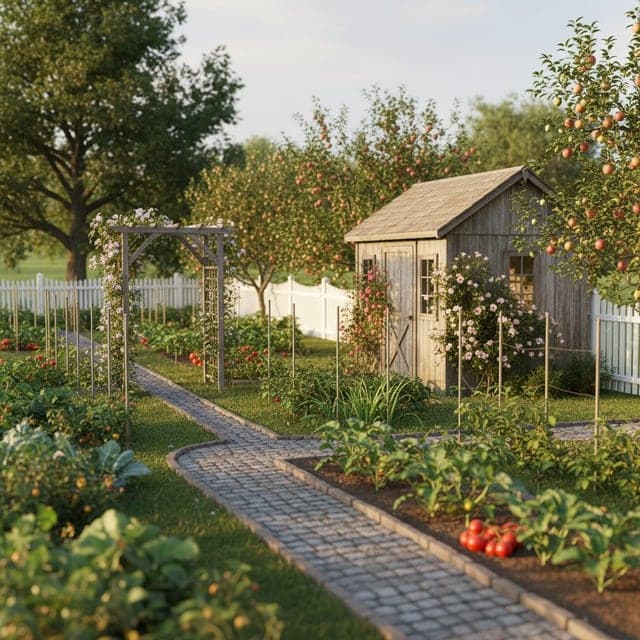
How to grow high-density hedgerow fruit trees on a 0.25-acre suburban lot in USDA Zone 7, covering spacing, rootstocks, and annual pruning.
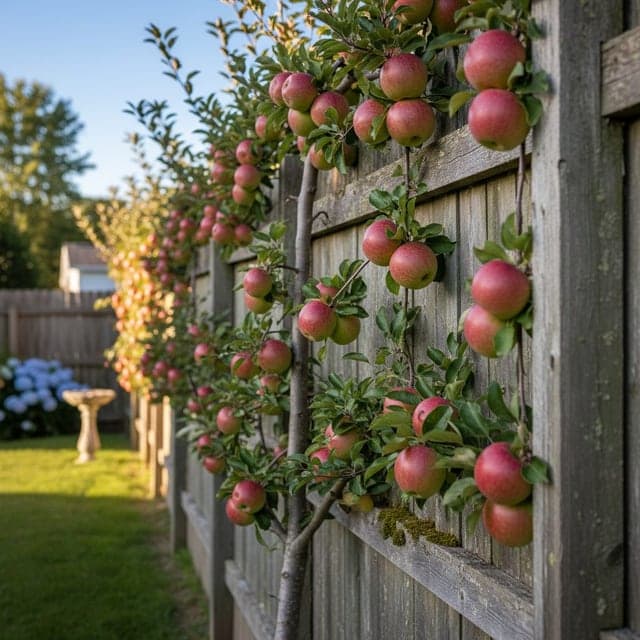
Learn how to espalier apples and pears to maximize fruit yield in small gardens. This guide covers selection, planting, and pruning for productive espalier fruit trees.
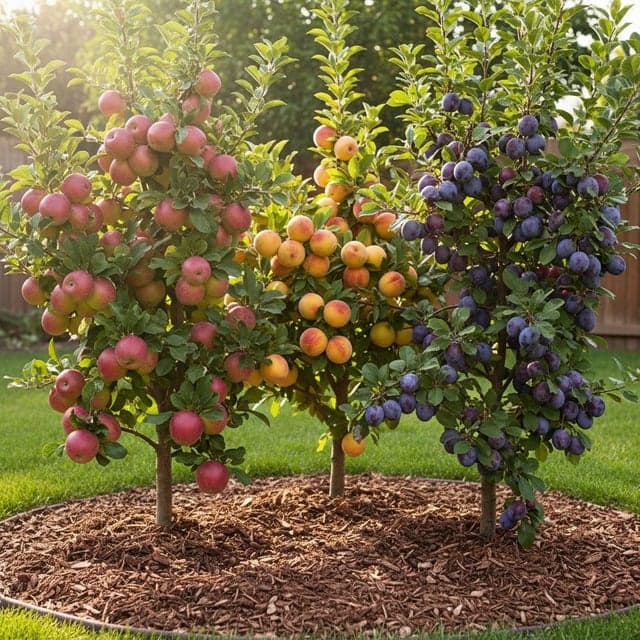
Planting 2-4 fruit trees in one hole extends the harvest by weeks and saves space in small backyards.

Master Backyard Orchard Culture to grow diverse, productive fruit trees in small spaces. Learn summer pruning techniques to keep trees 6-8 ft tall for continuous harvest in USDA Zone 7.
Diagnose and fix fruit tree grafting failures across US home orchards: cambium alignment, scion polarity, delayed incompatibility, 32–36°F ethylene-free scion storage, callus temperatures, and fire…
Master scionwood collection for successful fruit tree grafting. Learn when & how to select, store, & prepare dormant wood to expand your orchard & preserve heirloom varieties.
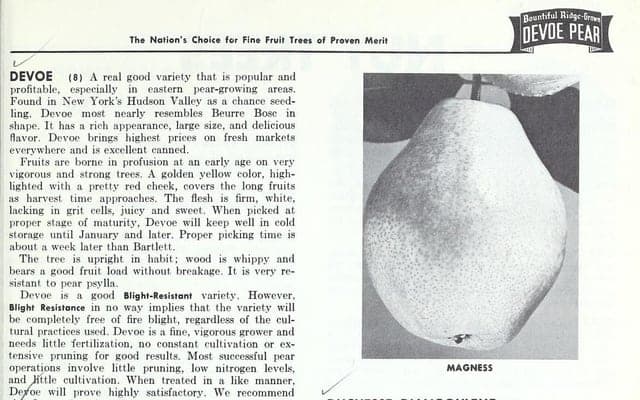
Unlock your orchard’s potential. Learn how choosing the right fruit tree rootstock impacts size, disease resistance, and yield. Master grafting for a thriving home garden.
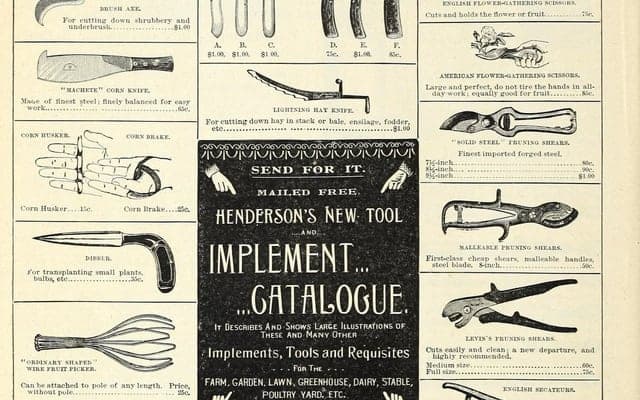
Cleft grafting top-works established fruit trees to improve fruit quality and yields, utilizing existing mature root systems across USDA zones 5 through 8.
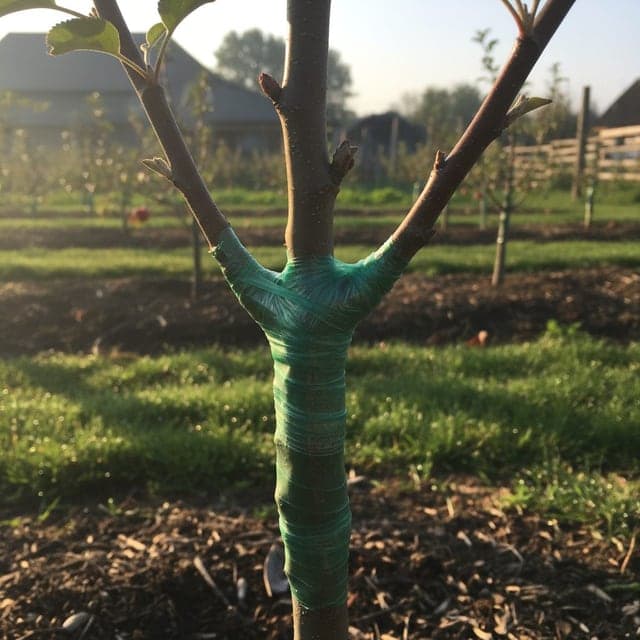
Master whip-and-tongue grafting for apples and pears. Achieve high success rates with this step-by-step guide for home growers, covering tools, scionwood, and precise cuts.
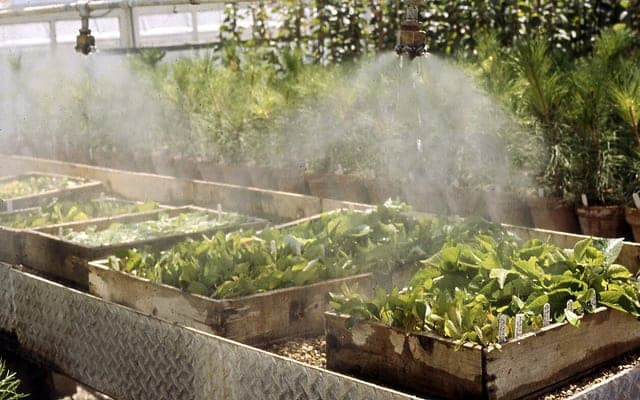
Build a safe, high-yield backyard mist propagation bench anywhere in the US: 2–6 sec leaf-cooling bursts, 70–75°F bottom heat, ASSE 1011 backflow protection, Class A GFCI power, Botrytis hygiene, a…
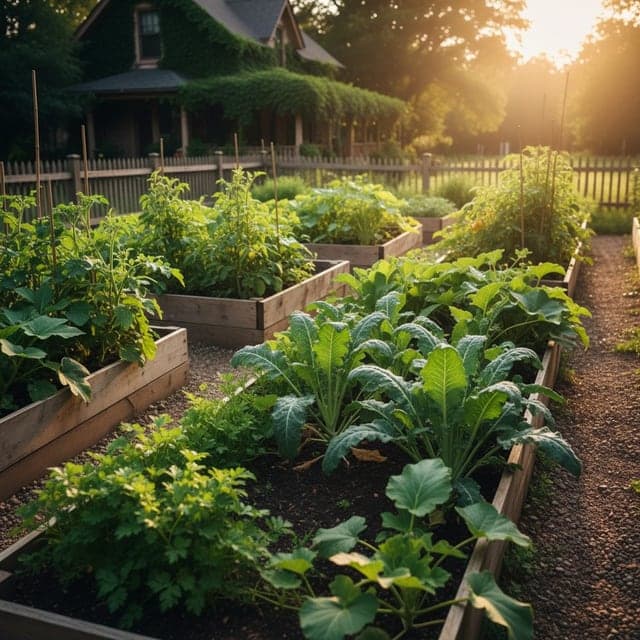
Learn to propagate elderberry, currants, and gooseberries from cuttings. Save money, ensure genetic fidelity, and expand your orchard in USDA zones 3-9 with this guide.
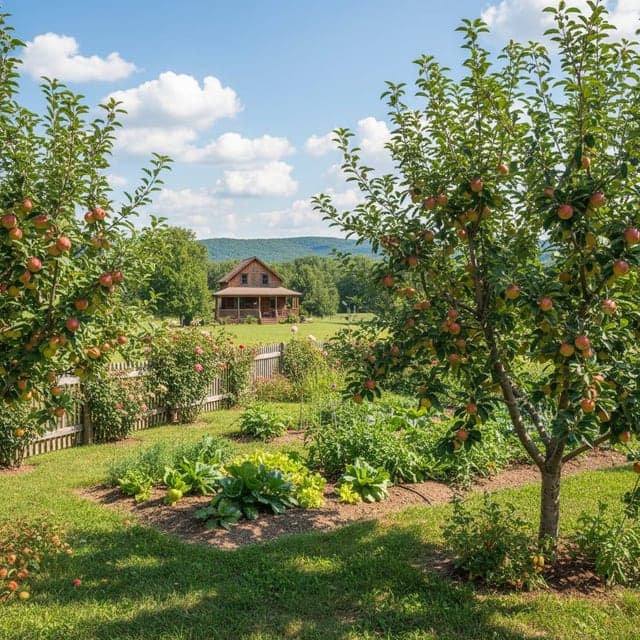
A comparison of natural rooting aids, such as willow water and honey, with commercial hormones for propagating fruit tree cuttings in USDA zone 6.
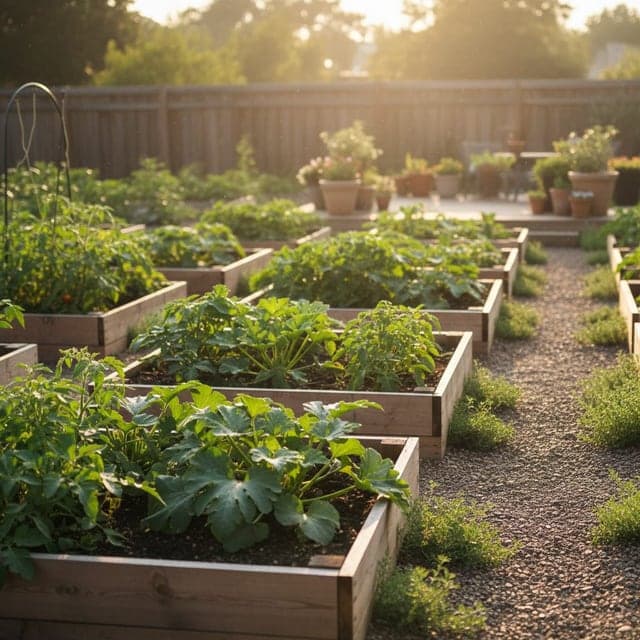
Learn fruit tree propagation in USDA Zone 6, covering timing and techniques for softwood vs. hardwood cuttings, including rooting hormone use and aftercare for high success rates.