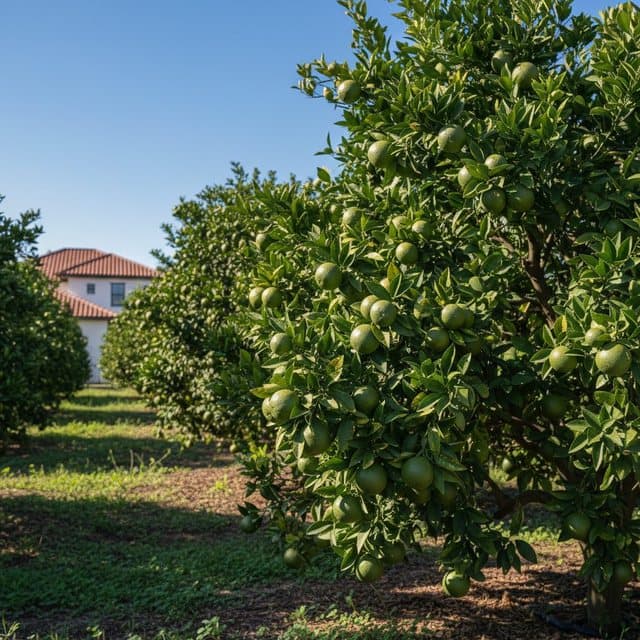
Florida Citrus Diseases: Greasy Spot, Canker, HLB for Home Growers
Learn to identify, report, and manage common citrus diseases in Florida like greasy spot, canker, and HLB. Protect your home citrus trees and prevent spread.
Tag
458 articles in this tag on agripure. — page 8 of 20
Learn to identify, report, and manage common citrus diseases in Florida like greasy spot, canker, and HLB. Protect your home citrus trees and prevent spread.
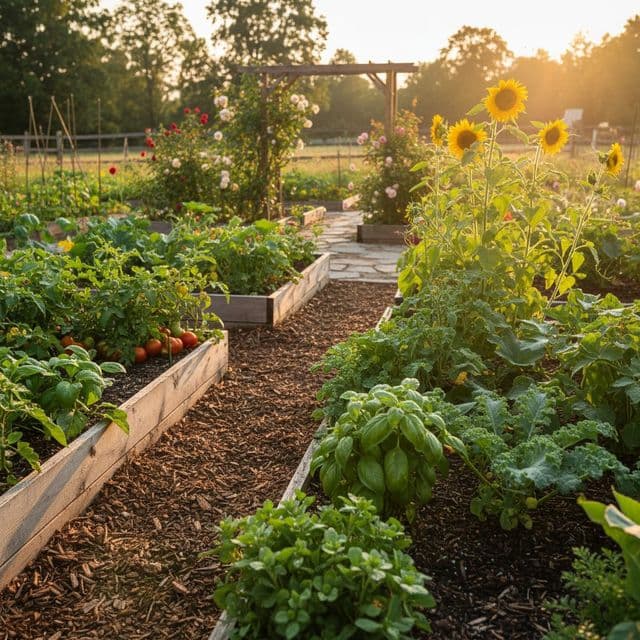
Improve citrus fruit quality in USDA Zones 8-10. Learn how consistent watering, nutrient balance, and soil pH management prevent thick peels and dry pulp for juicy harvests.
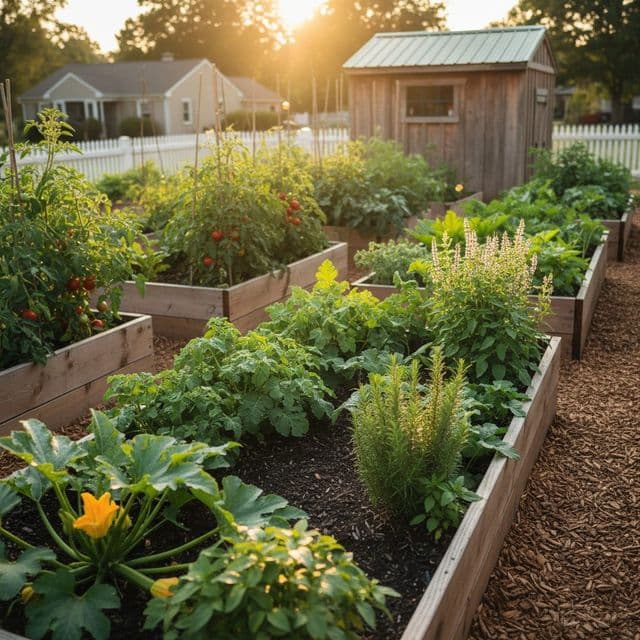
Prevent citrus fruit splitting and June drop in USDA Zone 9. Learn how consistent water, proper nutrients, and environmental management improve citrus yields and tree health.
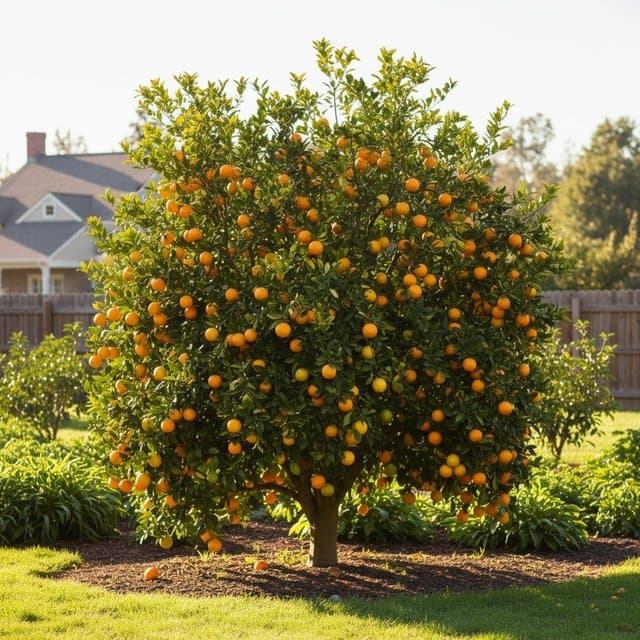
Diagnose yellow citrus leaves in your US orchard. Learn to identify nutrient deficiencies (nitrogen, iron, magnesium) and overwatering issues with practical solutions for healthy trees.
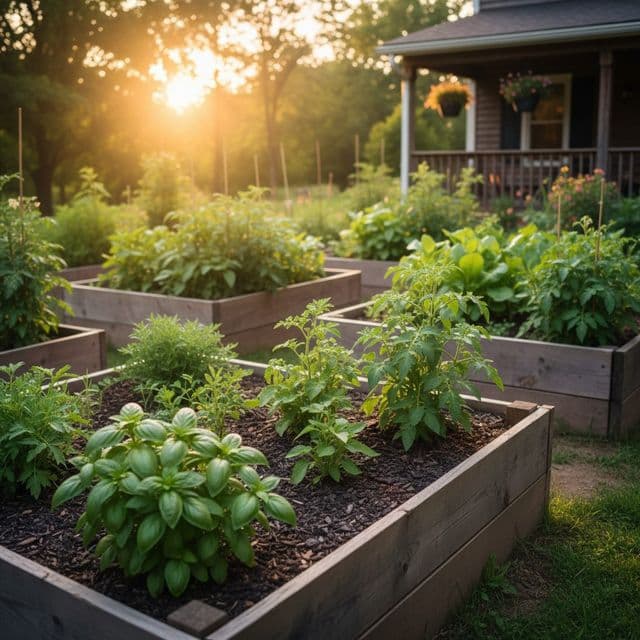
Master growing Southwest fruit trees despite 115°F heat, alkaline soil, and critical chill hours. Learn variety selection, soil amendments, and irrigation for a thriving orchard.
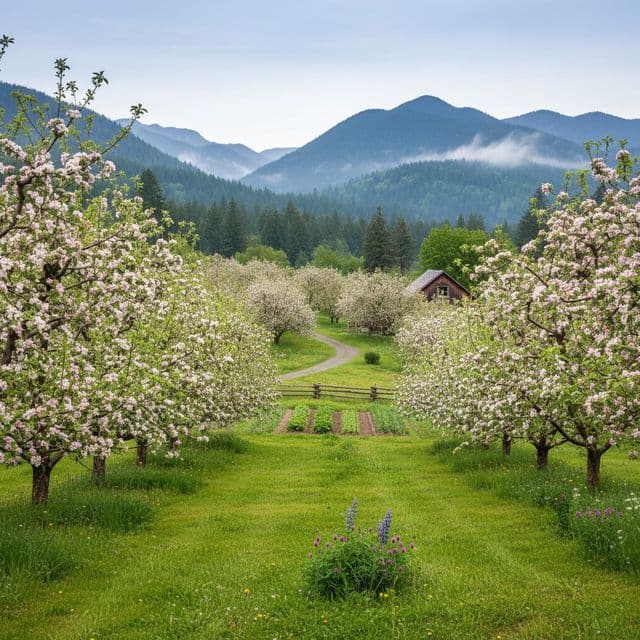
Discover top fruit tree varieties for the Pacific Northwest’s unique climate. Learn about disease-resistant options, rootstock selection, and care tips for healthy PNW fruit trees.
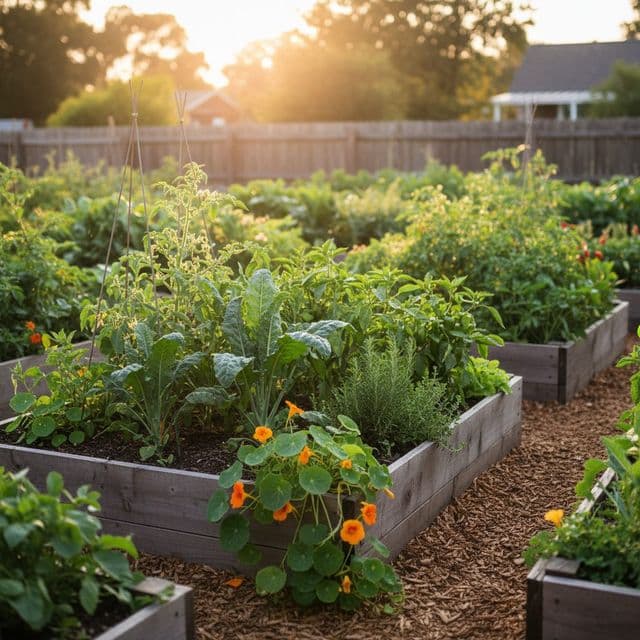
Discover why low-chill fruit varieties fail in the Midwest & Northeast. Learn about late frost risk, chill hours, and selecting cold-hardy trees for reliable harvests in USDA zones 4-7.
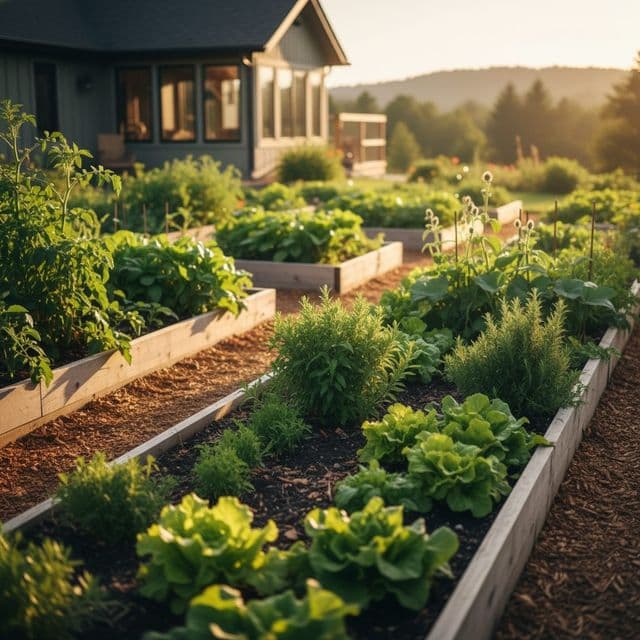
Discover how high-chill fruit trees like apples, pears, and cherries thrive with specific winter cold requirements. Learn about chill hours, ideal varieties for northern climates, and essential car…
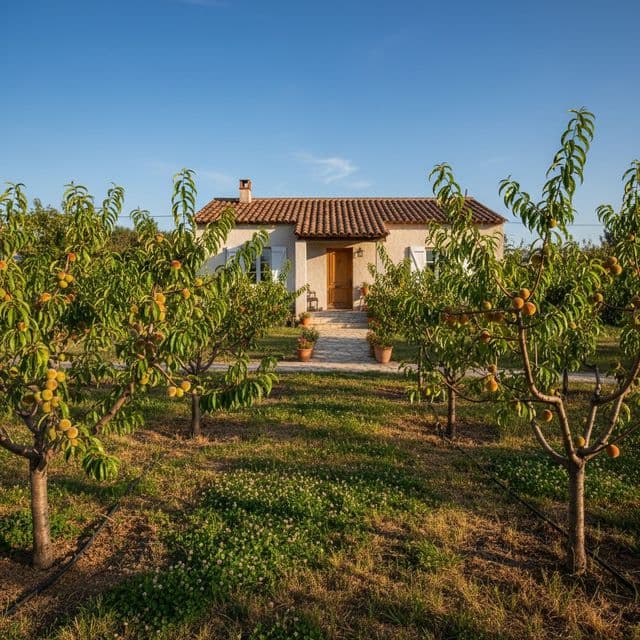
Learn to grow low-chill peaches and nectarines in USDA zones 8-10. This guide covers cultivar selection, chill hours, site prep, planting, and care for a bountiful harvest in warmer climates.
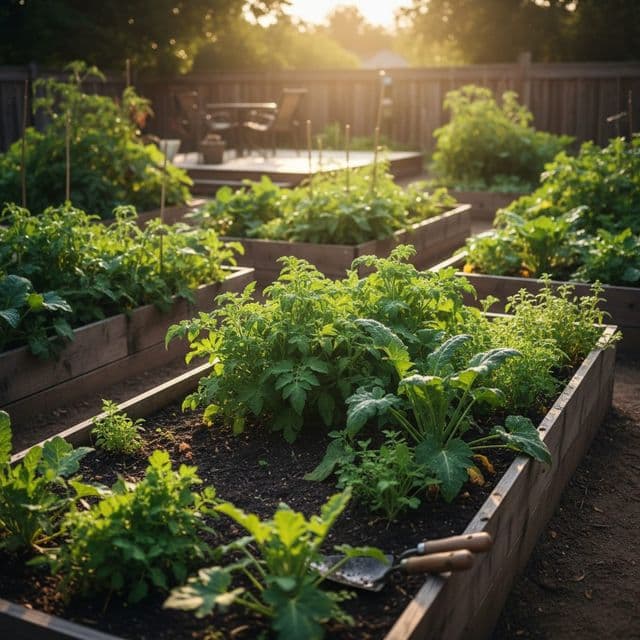
Low-chill apple varieties like Anna and Dorsett Golden produce reliable harvests in warm climates like the American South and coastal California with under 400 chill hours. Site selection, watering…
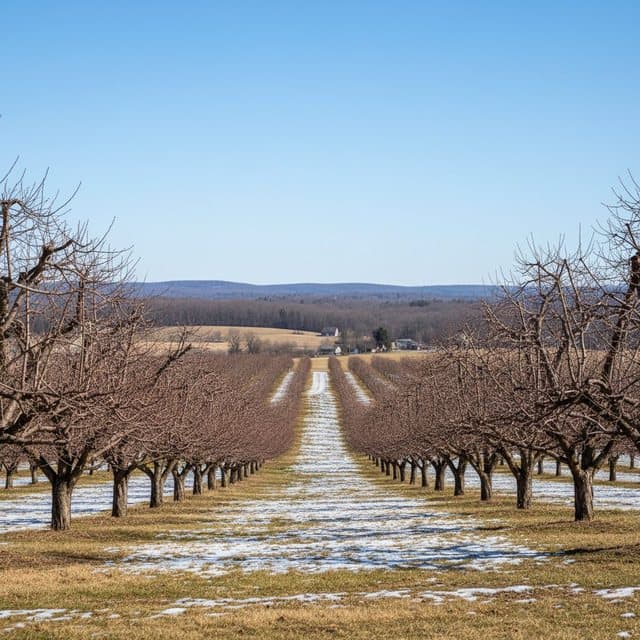
Unlock bountiful fruit harvests by understanding fruit tree chill hours. Learn how to calculate chill hours, choose the right varieties for your USDA zone, and ensure optimal production.
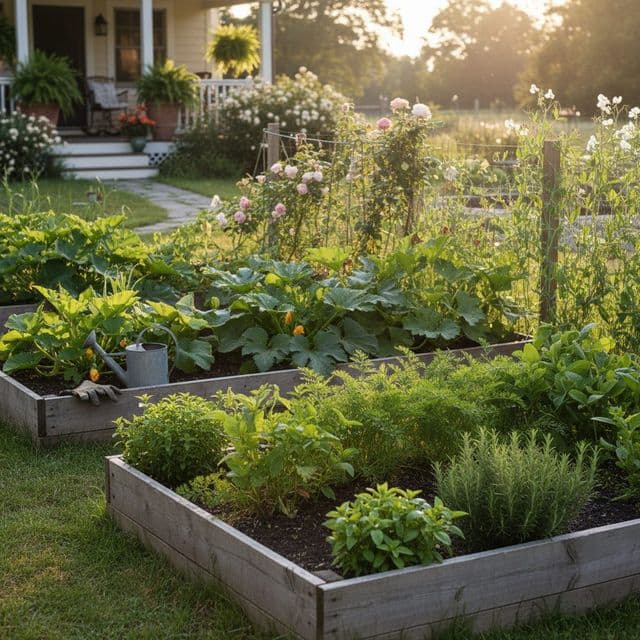
Learn how to renovate an overgrown apple tree over three dormant seasons in USDA Zone 6. This guide covers pruning, pest management, and care for fruit production.
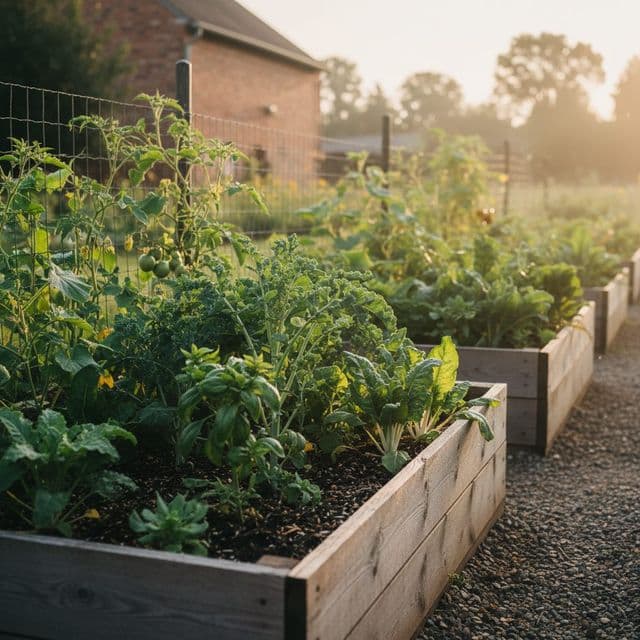
Learn how improper pruning delays fruit on young apple trees. Avoid common mistakes, understand timing, and consider rootstock to ensure early, abundant harvests in USDA Zone 6.
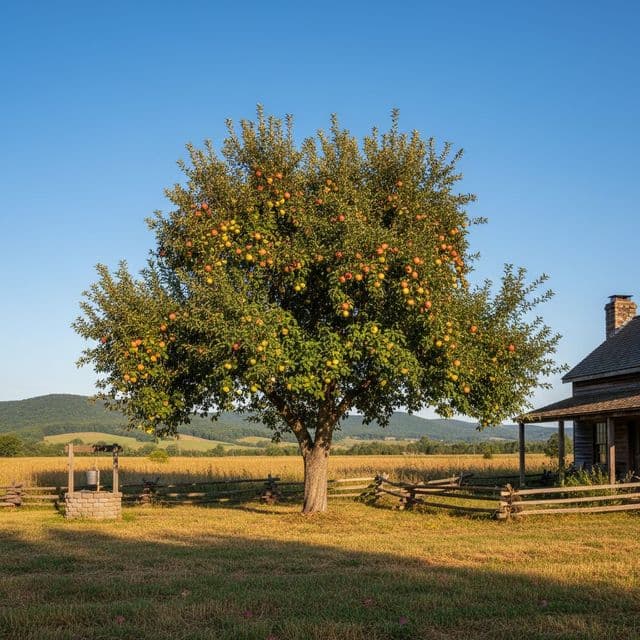
Learn to build a strong apple tree framework for decades of abundant fruit. Master scaffold selection, training, and pruning techniques for long-term health and productivity in USDA Zone 6.
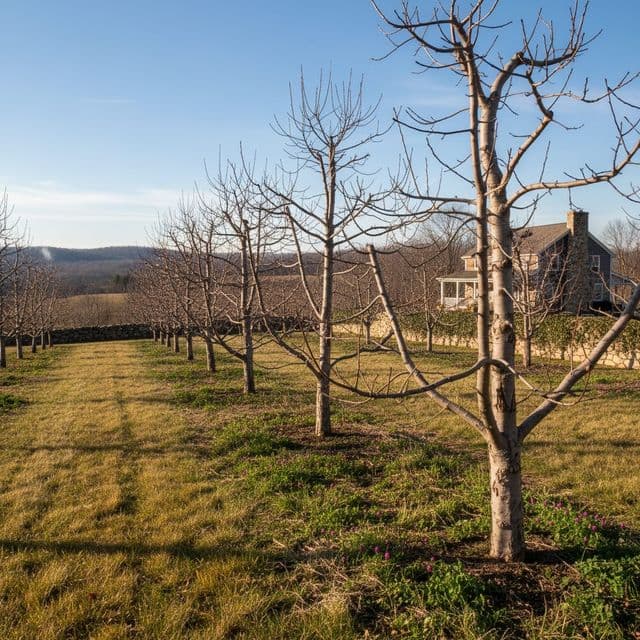
How dormant and summer pruning in USDA Zone 6 can boost yields, improve fruit quality, and manage tree size effectively.
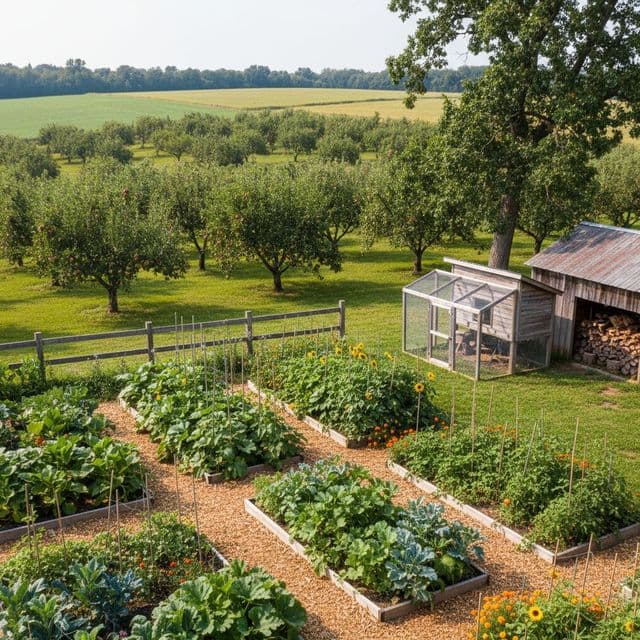
Master apple and pear tree training for abundant harvests in USDA zones 5-8. Learn central-leader & tall-spindle systems, rootstock selection, and pruning techniques.
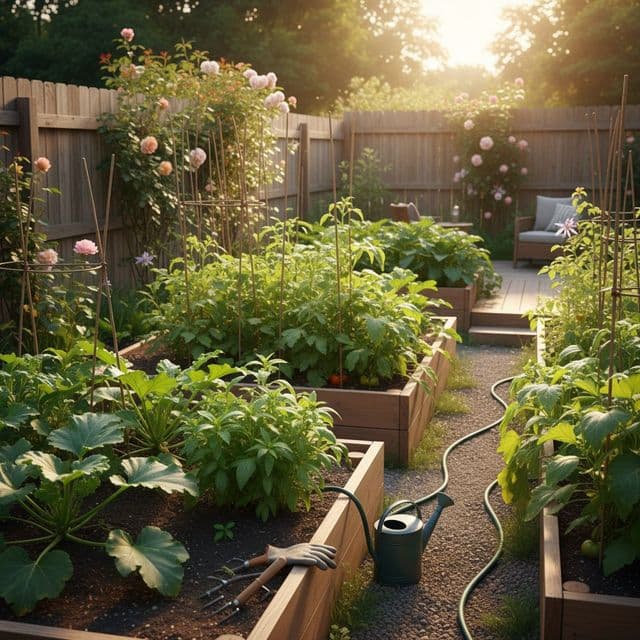
Optimize fruit tree planting success by understanding fall vs. spring timing across USDA zones. Learn how soil temperature, bare-root trees, and regional climates impact root establishment and surv…
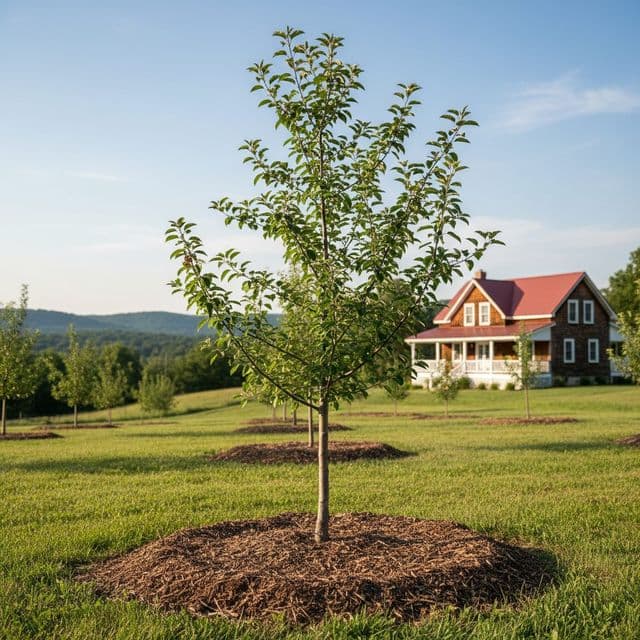
Learn when and how to properly stake new fruit trees in USDA Zone 6. Avoid common mistakes that weaken trees and ensure strong growth. Get expert tips for your orchard.
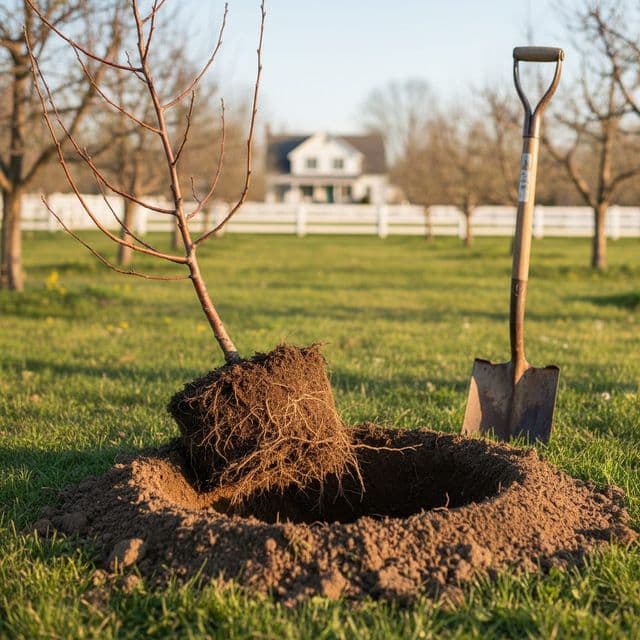
Learn to plant bare-root fruit trees in USDA Zone 6 with this 10-step guide, covering benefits, site selection, proper hole size, and aftercare for a home orchard.
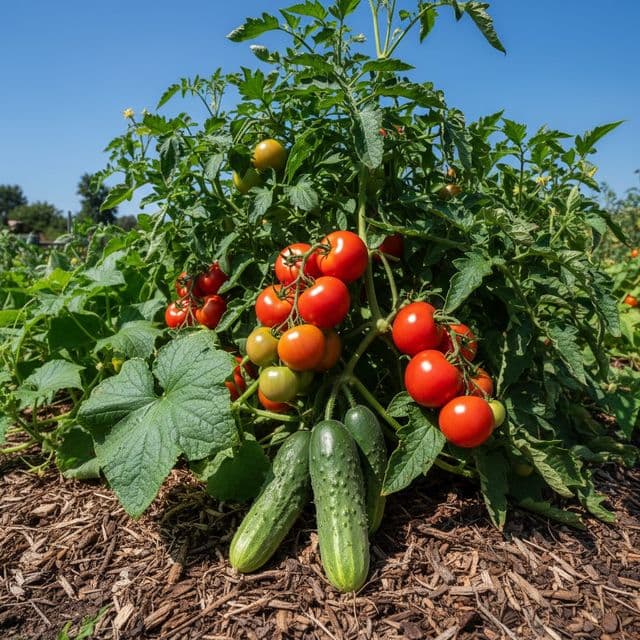
Improve tomato and cucurbit flavor in USDA Zone 7. Learn how soil health, calcium, and balanced watering affect fruit quality, Brix levels, and blossom end rot.
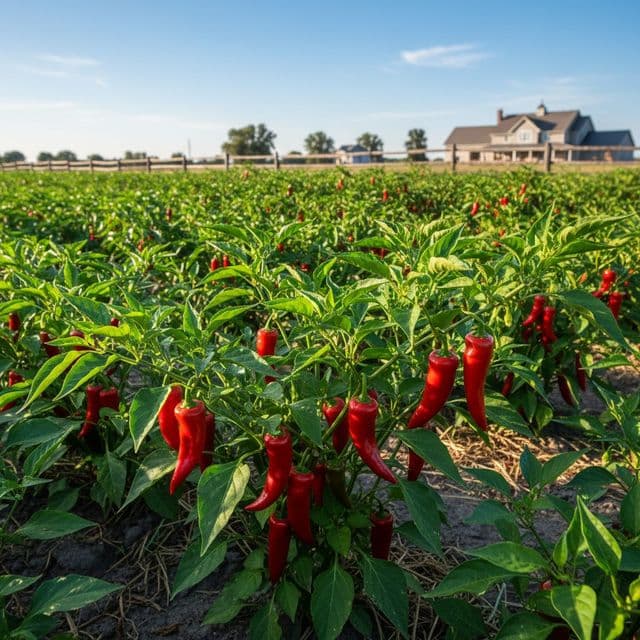
Discover how temperatures above 85°F increase chili pepper capsaicin levels in the US Sun Belt. Learn strategies for managing pepper heat, from cultivar selection to irrigation.
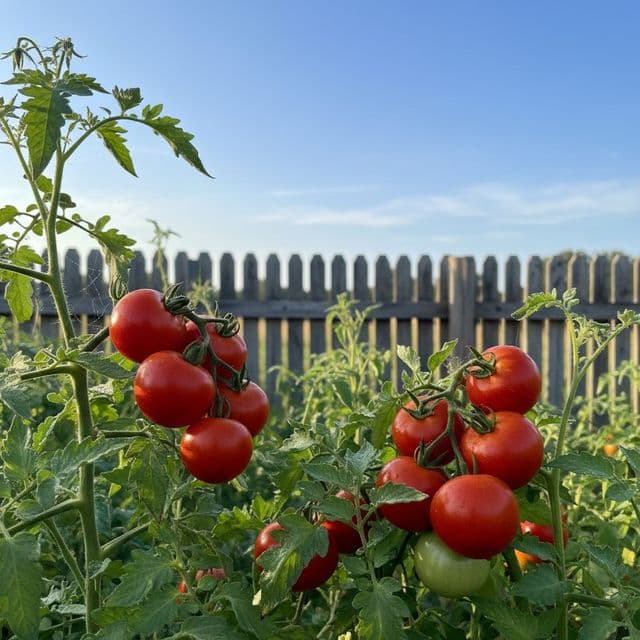
Concentrate tomato flavor in your USDA Zone 6 garden. Learn watering schedules, pruning methods, and variety selection for better taste.
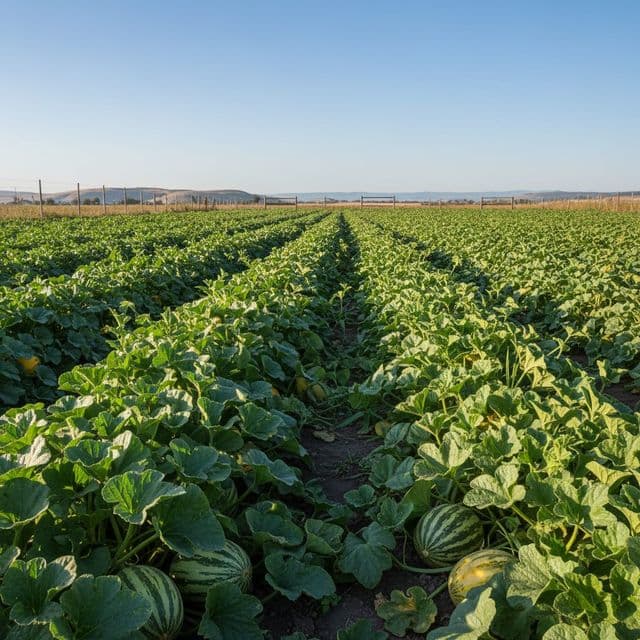
Master melon ripeness for watermelons, cantaloupes, and honeydews. Learn visual, tactile, and olfactory cues to harvest perfectly ripe fruit every time.
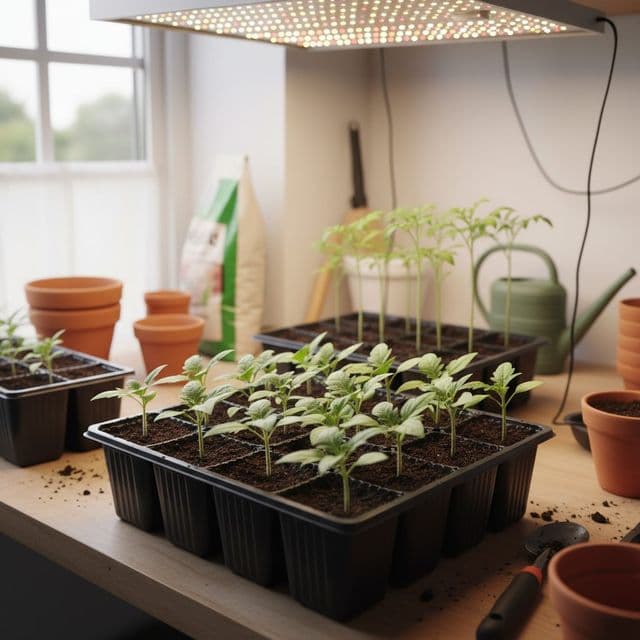
Learn to prevent leggy tomato seedlings in USDA Zone 6. Discover optimal light, temperature, and care to grow strong, healthy starts for a bountiful harvest.