Key takeaways
- Ginger thrives in warm, humid conditions, requiring 8-10 months of growth at temperatures between 70-80°F, making container growing essential for USDA zones 4-7.
- Select large containers, at least 15 gallons or 18 inches in diameter, with good drainage to accommodate ginger’s spreading rhizomes.
- A well-draining, nutrient-rich potting mix with a pH between 6.0 and 7.0 matters, often a blend of compost, coir, and perlite in equal parts.
- Start ginger rhizomes indoors in late winter or early spring, planting 1 inch deep in warm soil (around 65°F) for 6-8 weeks before outdoor placement.
- Provide consistent indoor conditions with 6-8 hours of bright, indirect light and 50-60% humidity, protecting plants from temperatures below 50°F.
- Harvest ginger 8-10 months after planting, once the plants have come back indoors and the leaves begin to yellow and die back — usually in November or December.
Quick answer: To grow ginger in cold climates (USDA Zones 4-7), cultivate it in large containers indoors for 8-10 months, providing consistent temperatures between 70-80°F, high humidity, and bright, indirect light. Use a well-draining, nutrient-rich potting mix and ensure adequate drainage.
For many growers across the northern United States, from USDA zone 4 in northern Minnesota to zone 7 along the mid-Atlantic coast, the idea of cultivating tropical spices like ginger might seem out of reach. Traditional ginger (Zingiber officinale) thrives in warm, humid climates, typically requiring a long growing season of 8-10 months with consistent temperatures between 70-80°F. These conditions are rarely found naturally in regions experiencing cold winters and shorter summers, where outdoor growing seasons might only last four to five months.
However, with a strategic approach to container gardening and indoor finishing, cold-climate growers can successfully produce their own ginger. This guide will walk you through the specifics of selecting appropriate pots, formulating an ideal potting mix, starting rhizomes indoors, and providing the necessary care to bring a harvest to fruition, even if you live in a region that sees winter temperatures drop below 0°F, as is common in parts of USDA zone 4.
Understanding ginger’s needs in colder climates
Ginger is a tropical plant, native to regions with year-round warmth and high humidity. Its growth cycle demands a sustained period of warm temperatures, ideally between 70-80°F, for at least eight to ten months to develop substantial rhizomes. In USDA zones 4-7, where winter temperatures can plummet to -30°F and summer growing seasons are often limited to 120-150 days, outdoor cultivation from start to finish is simply not feasible. The plant will not tolerate frost, and even temperatures consistently below 50°F can stunt its growth significantly. Therefore, the strategy for cold-climate growers focuses on extending the growing season indoors, providing a controlled environment for the majority of the plant’s life cycle. This involves starting the plants early in the spring, moving them outdoors during the warmest summer months, and then bringing them back inside well before the first autumn frost, which can occur as early as September in USDA zone 4 regions like North Dakota.
key environmental factors for ginger growth
Successful ginger cultivation in colder regions hinges on replicating its preferred climate. This includes maintaining the right temperature range, light, and humidity. A mature ginger plant can reach heights of 3-4 feet, producing lush green foliage and requiring considerable space and resources. Understanding these foundational needs is the first step toward a successful harvest, especially when dealing with the challenges of a short growing season and fluctuating outdoor temperatures, which can vary by more than 30°F in a single day in some cold climate zones. For more details on ginger’s general characteristics, you can consult our ginger plant profile.
- consistent warm temperatures, ideally 70-80°F
- high humidity, around 50-60%
- bright, indirect sunlight for 6-8 hours daily
- well-draining, nutrient-rich soil
- a long growing season of 8-10 months
Selecting the right containers and potting mix
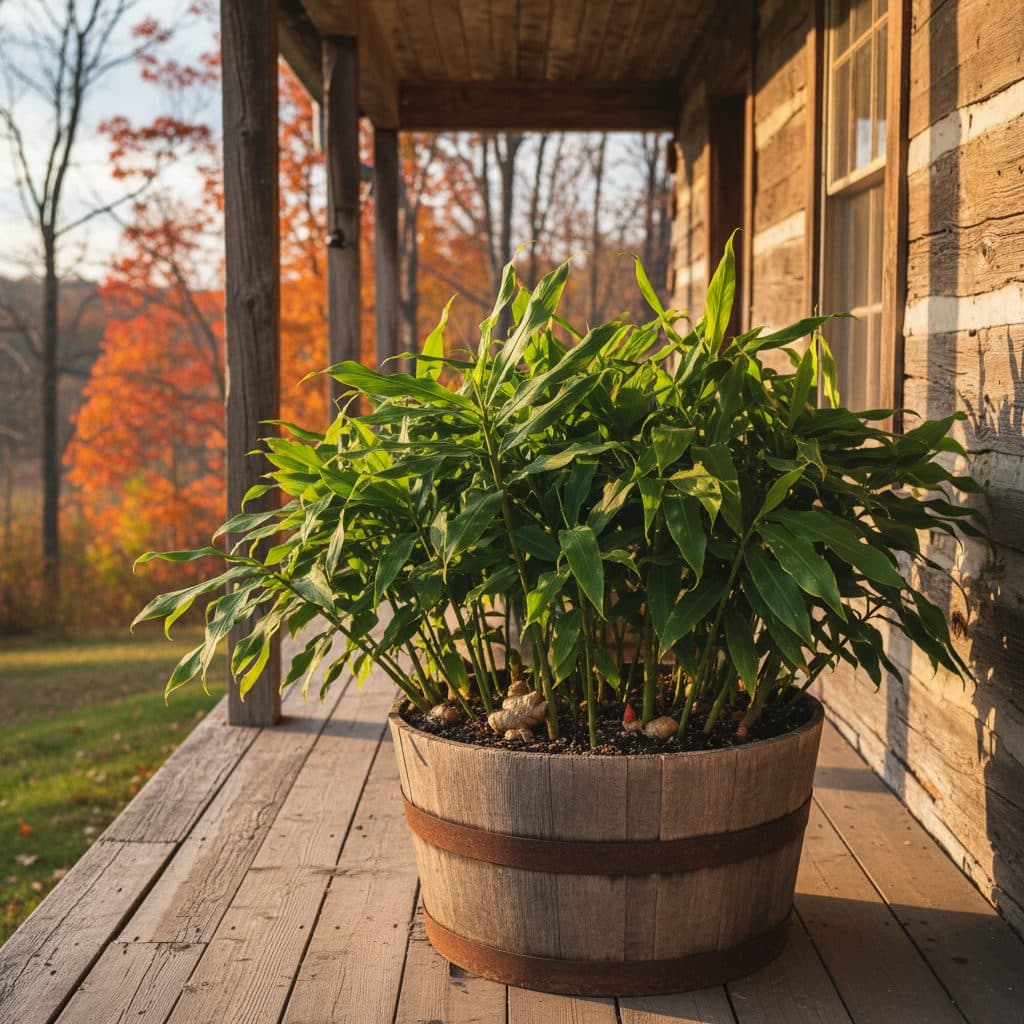
Choosing the correct container is paramount for container-grown ginger, especially since the plant’s rhizomes spread horizontally. A wide, shallow pot is generally more suitable than a deep, narrow one. For a single large plant or several smaller pieces, a container with at least an 18-inch diameter and 12 inches in depth is recommended. Many growers find that a 15-gallon fabric grow bag works exceptionally well, as it provides ample space for rhizome expansion and promotes good air circulation around the roots, preventing waterlogging. Ensure any container you select has adequate drainage holes to prevent root rot, a common issue with ginger if the soil remains too wet. Without proper drainage, water can accumulate, leading to fungal diseases and poor growth, especially in indoor environments where evaporation rates are lower than outdoors.
crafting the ideal potting mix
The potting mix is another critical component for successful container ginger. It needs to be well-draining yet moisture-retentive, and rich in organic matter. A slightly acidic to neutral pH, between 6.0 and 7.0, is ideal for nutrient uptake. A good general-purpose potting mix often benefits from amendments. For instance, a common blend might include one part compost, one part coco coir (or peat moss), and one part perlite or coarse sand. The compost provides essential nutrients and beneficial microbes, while the coco coir helps retain moisture without becoming waterlogged. Perlite or coarse sand ensures excellent drainage and aeration, which are vital for healthy rhizome development. Avoid heavy garden soil, which can compact in containers and restrict growth, especially in colder regions where soil temperatures can be slow to rise in spring.
- one part high-quality compost for nutrients
- one part coco coir or peat moss for moisture retention
- one part perlite or coarse sand for drainage and aeration
- a handful of balanced organic fertilizer (e.g., 5-5-5)
- ensure pH is between 6.0 and 7.0
Starting ginger indoors and transplanting
Given the short outdoor growing seasons in USDA zones 4-7, starting ginger indoors is a non-negotiable step. Begin this process in late winter or early spring, typically around March or April, about 6-8 weeks before the last expected frost date. You’ll need fresh, plump ginger rhizomes, ideally from an organic source to avoid growth inhibitors often sprayed on commercial ginger. Look for pieces that are 2-3 inches long with at least one or two visible ‘eyes’ or growth buds. If the rhizome is large, you can cut it into smaller pieces, ensuring each piece has an eye. Allow cut pieces to cure for a day or two in a dry, warm place to form a protective callus, which helps prevent rot when planted. Plant these pieces about 1 inch deep in small pots (4-6 inches in diameter) filled with your prepared potting mix. Keep the soil consistently moist and maintain a soil temperature of at least 65°F, using a heating mat if necessary, for optimal sprouting.
timing the outdoor move and indoor return
Once the danger of frost has completely passed and nighttime temperatures consistently remain above 50°F, usually in late May or early June in zone 5, your ginger plants can be moved outdoors. Gradually harden off the seedlings over a week or two by exposing them to increasing periods of outdoor conditions. Place the containers where they get direct morning sun with shade from midday onward—hot afternoon sun can scorch the leaves. As fall approaches, typically in September or early October in zones 6-7, monitor weather forecasts closely. When nighttime temperatures are predicted to drop below 50°F, it’s time to bring your ginger plants back indoors. A reflective indoor grow tent can provide an excellent environment for this transition, offering controlled light and humidity for continued growth.
- select plump, organic rhizomes with visible ‘eyes’
- cut into 2-3 inch pieces, allowing cuts to callus for 1-2 days
- plant 1 inch deep in small pots (4-6 inch diameter)
- maintain soil temperature around 65°F for sprouting
- harden off plants for 1-2 weeks before moving outdoors
Indoor care and finishing the harvest
Once ginger plants are brought indoors for the colder months, providing the right environment matters for their continued growth and rhizome development. They require bright, indirect light for 6-8 hours daily. If natural light is insufficient, especially during short winter days in zones 4-6, supplemental grow lights are highly beneficial. LED grow lights, providing a full spectrum, can ensure adequate light intensity without excessive heat. Maintain indoor temperatures between 70-80°F, mimicking their tropical origin. Humidity is also important; aim for 50-60%. This can be achieved by misting the foliage regularly, placing the pots on pebble trays filled with water, or using a small room humidifier. Ensure good air circulation to prevent fungal issues, but avoid cold drafts, which can stress the plants. Consistent watering is necessary, keeping the soil moist but not waterlogged. Reduce watering slightly as the plant approaches maturity and the leaves begin to yellow, usually 8-10 months after planting.
harvesting your homegrown ginger
Ginger is typically ready for harvest 8-10 months after planting, when the leaves begin to yellow and die back naturally. This usually occurs in late fall or early winter, well after the plants have been moved indoors in cold climates. To harvest, carefully tip the entire plant out of its container. Gently shake off excess soil to expose the network of rhizomes. You can harvest the larger, mature pieces of ginger, leaving some smaller, younger rhizomes attached to the plant to replant for the next season. Look for rhizomes that are firm and plump, typically 2-4 inches long, with a strong ginger aroma. After harvesting, wash the rhizomes thoroughly and allow them to air dry for a few days in a cool, dry place before storing. This curing process helps prevent spoilage. Freshly harvested ginger can be stored in a paper bag in the refrigerator for several weeks or frozen for longer preservation. Growing other tropicals like ashwagandha also requires careful indoor management in cold zones; learn more at how to grow ashwagandha.
- provide 6-8 hours of bright, indirect light daily
- maintain indoor temperatures between 70-80°F
- ensure 50-60% humidity through misting or pebble trays
- water consistently to keep soil moist, not soggy
- reduce watering as leaves yellow, signaling maturity
Pot size matters: For optimal rhizome development, use containers at least 18 inches in diameter and 12 inches deep, such as a 15-gallon fabric grow bag, to allow for horizontal spread.
Early start is key: In USDA zones 4-7, start ginger rhizomes indoors 6-8 weeks before the last frost, typically in March or April, to extend the growing season to the required 8-10 months.
Frequently asked questions
Can ginger survive winter outdoors in USDA zone 6?
No, ginger is a tropical plant and will not survive freezing temperatures. In USDA zone 6, where winter lows can reach -10°F, ginger must be brought indoors or harvested before the first frost, typically in late October or early November.
How much light does container ginger need indoors?
Indoor container ginger requires at least 6-8 hours of bright, indirect light daily. If natural light is insufficient, especially during shorter winter days, supplemental LED grow lights can provide the necessary intensity for healthy growth.
What is the best type of pot for growing ginger?
The best pots for ginger are wide and shallow, allowing its rhizomes to spread horizontally. Containers with an 18-inch diameter and 12 inches depth, such as 15-gallon fabric grow bags, are ideal, which drains well and helps prevent root rot.
When should I harvest my container-grown ginger?
Harvest ginger 8-10 months after planting, typically in late fall or early winter, after the plant’s leaves begin to yellow and die back. This usually occurs after the plants have been moved indoors in colder climates, around November or December.
Can I replant harvested ginger pieces?
Yes, you can save some of the smaller, younger rhizomes from your harvest to replant for the next growing season. Ensure these pieces have at least one or two visible ‘eyes’ and are allowed to cure for 1-2 days before planting.
References
- USDA Natural Resources Conservation Service (2024). USDA Natural Resources Conservation Service.