Key takeaways
- Galangal and fingerroot thrive in warm, humid conditions, best suited for USDA zones 8 to 11 outdoors or controlled environments.
- They require well-draining, fertile soil with a pH between 6.0 and 7.0, and at least six hours of direct sunlight daily.
- Propagation is primarily from rhizome pieces, each 2 to 3 inches long with one or two ‘eyes’, planted 2 to 4 inches deep.
- Consistent moisture matters, about 1 to 2 inches of water per week, especially during active growth.
- Harvest typically occurs 10 to 12 months after planting, when leaves begin to yellow and die back.
- Both plants benefit from a 2 to 4 inch layer of organic mulch to conserve moisture and suppress weeds.
Quick answer: Galangal and fingerroot thrive in warm, humid conditions, requiring well-draining, fertile soil (pH 6.0-7.0), at least six hours of direct sunlight, and consistent moisture. Propagate from rhizome pieces in late spring after frost.
In the warm, humid climates of USDA zones 8 to 11, particularly across the Gulf Coast states and parts of California, growers are increasingly looking beyond common garden staples. Two ginger-family relatives, galangal (Alpinia galanga) and fingerroot (Boesenbergia rotunda), offer unique culinary and medicinal potential, but their tropical origins mean specific cultivation strategies are necessary for success in the United States. While ginger (Zingiber officinale) is more widely recognized, these cousins present distinct flavors and growth habits that can enrich a diverse home garden or small farm operation.
Successful cultivation hinges on replicating their native tropical environments, which often means providing consistent warmth, high humidity, and rich, well-draining soil. This guide will walk through the practical steps for growing these less common, but highly rewarding, spices, drawing on experiences from US growers who have adapted their methods to local conditions, often achieving yields comparable to more traditional crops within a 10 to 12 month growing cycle.
Understanding galangal and fingerroot
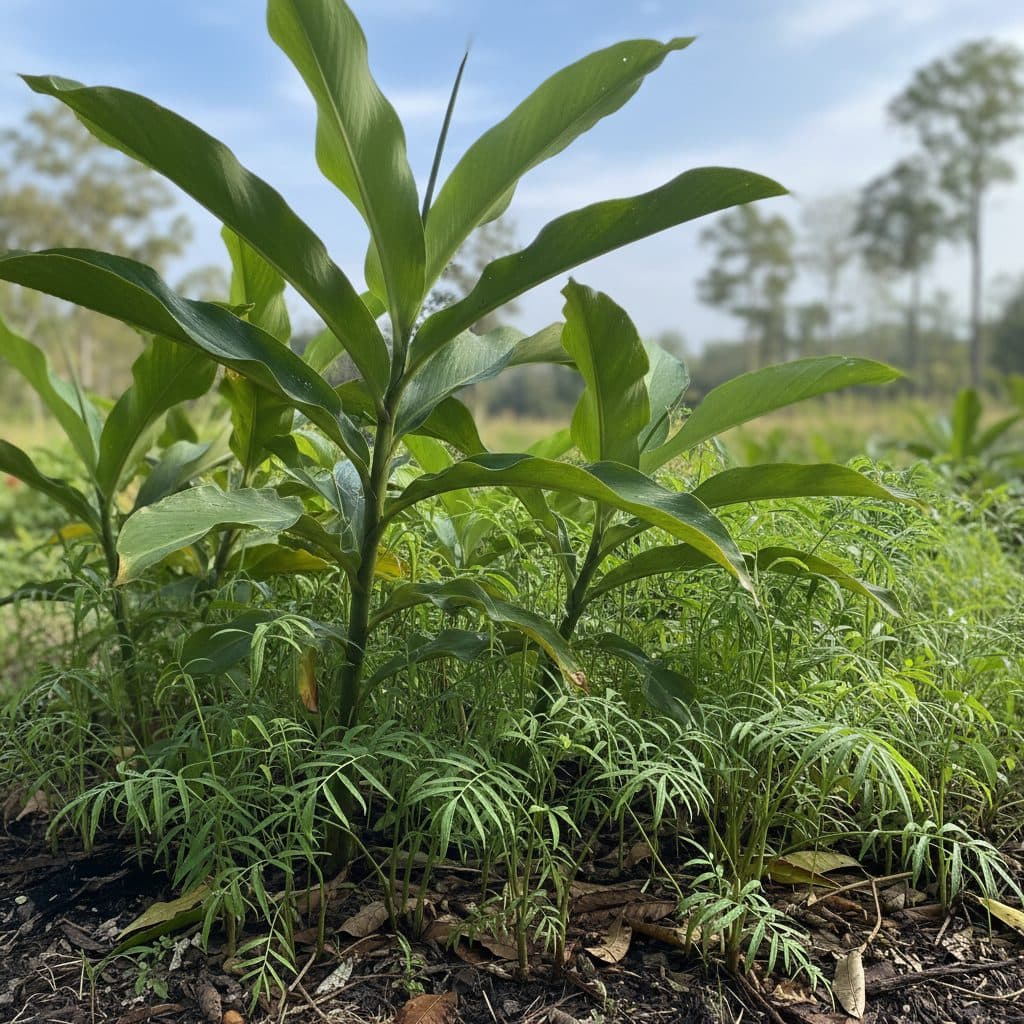
Galangal, specifically greater galangal (Alpinia galanga), is a perennial herb native to Southeast Asia, growing up to 5 to 6 feet tall in ideal conditions. Its rhizomes, the underground stems, are highly aromatic with a pungent, citrusy, and piney flavor, distinct from common ginger. Fingerroot, or Chinese ginger (Boesenbergia rotunda), is a smaller plant, typically reaching 1 to 2 feet in height, with finger-like rhizomes that offer a milder, more aromatic taste, often described as a blend of ginger, turmeric, and citrus. Both plants are members of the Zingiberaceae family and want warm, frost-free conditions. They are dependable outdoor perennials in USDA zones 9b to 11. In zone 8 and the colder end of zone 9 they are marginal at best: grow them in containers that come under cover for winter, or lift the rhizomes before the first frost and store them frost-free.
why grow these ginger relatives?
Beyond their culinary uses in Thai, Indonesian, and Malaysian cuisines, these plants offer the satisfaction of growing unique crops not readily available in many US markets. For instance, fresh galangal can be difficult to source outside of major metropolitan areas, and fingerroot is even rarer. Growing your own ensures a fresh supply, often at a fraction of the cost of imported, dried, or frozen alternatives. A single established plant can produce 1 to 2 pounds of rhizomes in a 10-month growing season, providing a substantial harvest for home use or local sales. Their large, attractive foliage also adds an ornamental element to the garden, especially in subtropical landscapes.
- Galangal (Alpinia galanga) reaches 5 to 6 feet tall.
- Fingerroot (Boesenbergia rotunda) grows 1 to 2 feet tall.
- Both are suited for USDA zones 8 to 11.
- A single plant can yield 1 to 2 pounds of rhizomes.
- Harvest typically occurs 10 to 12 months after planting.
Site selection and soil preparation
Choosing the right location is paramount for these tropical plants. Both galangal and fingerroot require a site that receives at least six hours of direct sunlight daily, although in regions with intense summer heat, like parts of Florida or Texas, 30% to 50% afternoon shade can prevent leaf scorch. They need consistently warm temperatures, ideally between 70°F and 85°F, and protection from strong winds that can damage their broad leaves. For soil, the primary requirement is excellent drainage to prevent rhizome rot, a common issue. A loamy soil texture with high organic matter content, ideally 3% to 5%, is optimal, for both moisture retention and aeration. The ideal soil pH range is slightly acidic to neutral, between 6.0 and 7.0, which is common in many fertile US agricultural soils [1].
preparing your garden bed
Before planting, prepare your garden bed by digging down at least 12 inches and incorporating a significant amount of organic material, such as compost or well-rotted manure, at a rate of 2 to 3 inches per square foot. This improves soil structure, fertility, and drainage. In areas with heavy clay soils, consider building raised beds 8 to 12 inches high, filled with a custom blend of compost, sand, and topsoil to ensure proper drainage. For growers in colder climates, a reflective indoor grow tent can provide the controlled environment needed to start rhizomes or grow plants through winter, maintaining temperatures above 60°F. Applying cover crops in the off-season also builds soil structure and returns nutrients to the bed.
- Select a site with 6+ hours of direct sunlight.
- Ensure soil temperatures are consistently 65°F or higher.
- Aim for a soil pH between 6.0 and 7.0.
- Incorporate 2 to 3 inches of organic matter.
- Consider raised beds 8 to 12 inches high for heavy soils.
Propagation and planting techniques
Galangal and fingerroot are primarily propagated from rhizome pieces, similar to common ginger. The best time to plant is in late spring or early summer, after all danger of frost has passed and soil temperatures are consistently above 65°F. Source healthy, firm rhizomes from a reputable supplier, and make sure they are free of disease or soft spots. Each planting piece should be 2 to 3 inches long and contain at least one ‘eye’ or bud, which is where new shoots will emerge. If your rhizomes are large, you can cut them into smaller sections, allowing the cut surfaces to callus over for one to two days in a dry, shaded area to prevent rot, a step worth taking on every cut piece.
planting your rhizomes
Plant the rhizome pieces 2 to 4 inches deep, with the ‘eye’ facing upwards, and space them 10 to 12 inches apart in rows that are 18 to 24 inches apart. For container growing, use large pots at least 15 to 20 gallons in volume, planting one to two rhizome pieces per container. After planting, water thoroughly to settle the soil around the rhizomes. Consistent moisture is vital during the initial sprouting phase, which can take anywhere from three to six weeks. Maintain soil moisture at about 60% to 70% field capacity, avoiding both waterlogging and complete drying out. In regions like central California, where spring can be dry, supplemental irrigation is often necessary to achieve this moisture level.
- Plant in late spring or early summer.
- Use 2 to 3 inch rhizome pieces with at least one ‘eye’.
- Plant 2 to 4 inches deep.
- Space plants 10 to 12 inches apart.
- Water thoroughly after planting to settle the soil.
Ongoing care and maintenance
Once established, galangal and fingerroot require consistent care to produce a good harvest. Watering is critical; these plants need 1 to 2 inches of water per week, especially during their active growing season from late spring through fall. This can be delivered through rainfall or supplemental irrigation. For example, in a 100 square foot bed, this equates to 60 to 120 gallons of water weekly [2]. Overwatering can lead to rhizome rot, while underwatering stresses the plant and reduces yield. A 2 to 4 inch layer of organic mulch, such as straw or shredded leaves, around the base of the plants helps conserve soil moisture, suppress weeds, and regulate soil temperature [3].
feeding and pest management
Fertilize every 4 to 6 weeks during the growing season with a balanced organic fertilizer, such as a 5-5-5 NPK, applied at a rate of 1 tablespoon per square foot. Alternatively, a liquid fish emulsion or compost tea can be applied every two weeks. As the plants mature, you can switch to a fertilizer higher in potassium to encourage rhizome development, such as a 3-5-8 NPK. Pests are generally not a major problem, but watch for spider mites, especially in dry conditions, and mealybugs. A strong spray of water can dislodge many pests, and neem oil can be used for more persistent infestations. Diseases like fungal leaf spots can occur in very humid conditions; ensure good air circulation by spacing plants appropriately and avoid overhead watering late in the day. In areas like coastal Georgia, where humidity is consistently high, this attention to detail makes a real difference to disease pressure.
- Provide 1 to 2 inches of water per week.
- Apply 2 to 4 inches of organic mulch.
- Fertilize every 4 to 6 weeks with a balanced organic fertilizer.
- Use a 5-5-5 NPK or similar at 1 tablespoon per square foot.
- Monitor for spider mites and mealybugs, especially in dry periods.
Harvesting and storage
The optimal time to harvest galangal and fingerroot rhizomes is typically 10 to 12 months after planting, when the plant’s energy has been directed into rhizome development and the leaves begin to yellow and die back. This usually occurs in late fall or early winter in subtropical regions like southern California. Harvesting too early will result in smaller, less flavorful rhizomes, while waiting too long can make them woody. To harvest, carefully dig around the base of the plant with a garden fork, being mindful not to damage the rhizomes. Gently lift the entire clump from the soil. You can then separate the mature rhizomes from the younger ones and any remaining plant material. A healthy clump can yield 1 to 3 pounds of usable rhizomes.
cleaning and storing your harvest
After harvesting, brush off excess soil. For immediate use, wash and peel the rhizomes as needed. For longer storage, do not wash them until just before use. Fresh, unpeeled rhizomes can be stored in a cool, dry place, like a pantry, for up to two weeks. For extended storage, place them in a paper bag or loosely wrapped in a damp cloth in the refrigerator’s crisper drawer, where they can last for 3 to 4 weeks. For even longer preservation, galangal and fingerroot can be frozen whole or sliced, lasting for 6 to 8 months. They can also be dried and ground into powder, though it costs a good deal of their fresh aroma and flavor. In humid climates, ensure good air circulation if drying to prevent mold growth, which can occur rapidly if humidity exceeds 70%.
- Harvest 10 to 12 months after planting.
- Look for yellowing leaves as a sign of maturity.
- Carefully dig up rhizomes to avoid damage.
- Store unwashed rhizomes in a cool, dry place for 2 weeks.
- Refrigerate for 3 to 4 weeks or freeze for 6 to 8 months.
Comparison of Galangal and Fingerroot Growing Characteristics
Characteristic | Galangal (Alpinia galanga) | Fingerroot (Boesenbergia rotunda) |
|---|---|---|
Mature Height | 5 to 6 ft | 1 to 2 ft |
Rhizome Appearance | Pale yellow to reddish-brown, fibrous | Yellowish-brown, finger-like, less fibrous |
Flavor Profile | Pungent, citrusy, piney, peppery | Milder, aromatic, ginger-turmeric-citrus blend |
USDA Zone Suitability | 8-11 (outdoors) | 8-11 (outdoors) |
Harvest Time | 10-12 months | 10-12 months |
Sunlight Needs | 6+ hours direct sun (afternoon shade in hot climates) | 6+ hours direct sun (afternoon shade in hot climates) |
Ideal pH: Galangal and fingerroot thrive in slightly acidic to neutral soil, with a pH range of 6.0 to 7.0.
Water Needs: During peak growing season, these plants require 1 to 2 inches of water per week - about 60 to 120 gallons per 100 square feet each week, or roughly 1,200 to 2,400 gallons over a 20-week season.
Frequently asked questions
Can galangal survive a US winter?
Galangal overwinters reliably in the ground only in zones 9b to 11. In zone 8, where lows can reach 10-15°F, heavy mulch alone is not dependable - lift the rhizomes before the first hard frost and store them frost-free, or grow the plant in a container that can come indoors. In colder zones, they must be dug up or grown in containers indoors to survive.
How much sun do these plants need?
Both galangal and fingerroot prefer at least six hours of direct sunlight daily for optimal growth, but in regions with intense summer heat, like parts of Arizona, they benefit from 30% to 50% afternoon shade to prevent leaf scorch.
What soil type is best for galangal and fingerroot?
They require rich, well-draining loamy soil with high organic matter, ideally 3% to 5%, to prevent waterlogging and promote healthy rhizome development. A pH between 6.0 and 7.0 also matters.
When is the best time to plant galangal and fingerroot?
The ideal planting time is in late spring or early summer, after all danger of frost has passed and soil temperatures consistently reach 65°F or higher, typically from April to June in appropriate US zones.
How often should I fertilize these plants?
Fertilize every 4 to 6 weeks during the growing season with a balanced organic fertilizer, such as a 5-5-5 NPK, at a rate of 1 tablespoon per square foot, or use a liquid feed every two weeks.
Can I grow galangal and fingerroot in containers?
Yes, both can be grown successfully in large containers, at least 15 to 20 gallons in volume, and make sure they have adequate drainage holes. Containers allow them to be moved indoors when temperatures drop below 40°F.
References
- USDA Natural Resources Conservation Service (2024). USDA Natural Resources Conservation Service.
- EPA — Soak Up the Rain (2024). EPA — Soak Up the Rain.
- SARE — Sustainable Agriculture Research & Education (2023). SARE — Sustainable Agriculture Research & Education.
- ATTRA / NCAT Sustainable Agriculture (2023). ATTRA / NCAT Sustainable Agriculture.
- USDA National Agroforestry Center (2023). USDA National Agroforestry Center.