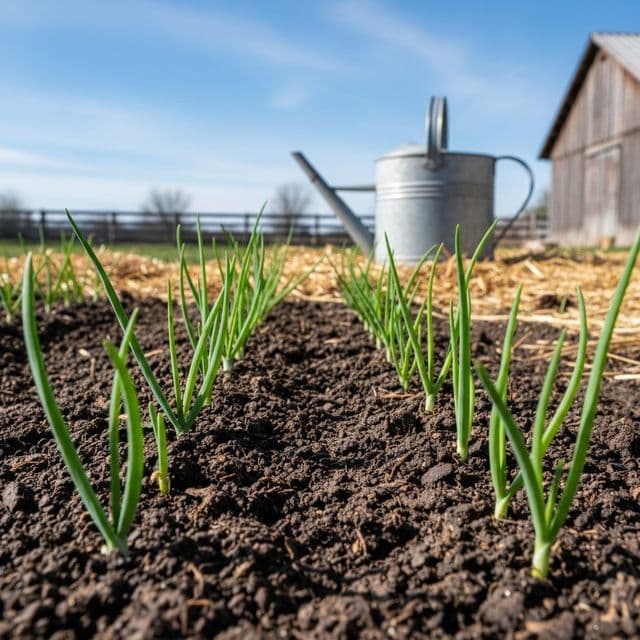
Grow Onions: 300 Bushels/Acre in USDA Zone 5
Master growing onions for high yields. Learn to choose between seeds, sets, or transplants for optimal harvest. Achieve 300-400 bushels/acre in USDA Zone 5 with our guide.
Tag
66 articles in this tag on agripure. — page 1 of 3
Master growing onions for high yields. Learn to choose between seeds, sets, or transplants for optimal harvest. Achieve 300-400 bushels/acre in USDA Zone 5 with our guide.
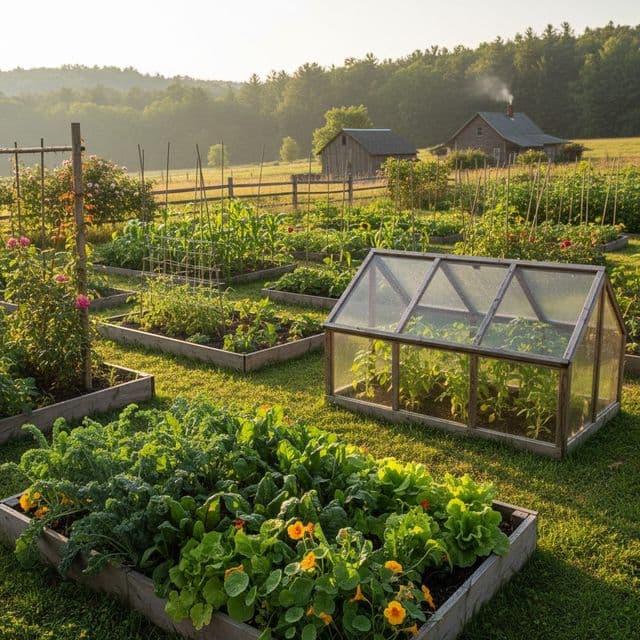
How to start brassica seeds indoors for an earlier harvest in USDA Zones 3-7, covering setup, lighting, temperature, and hardening off.
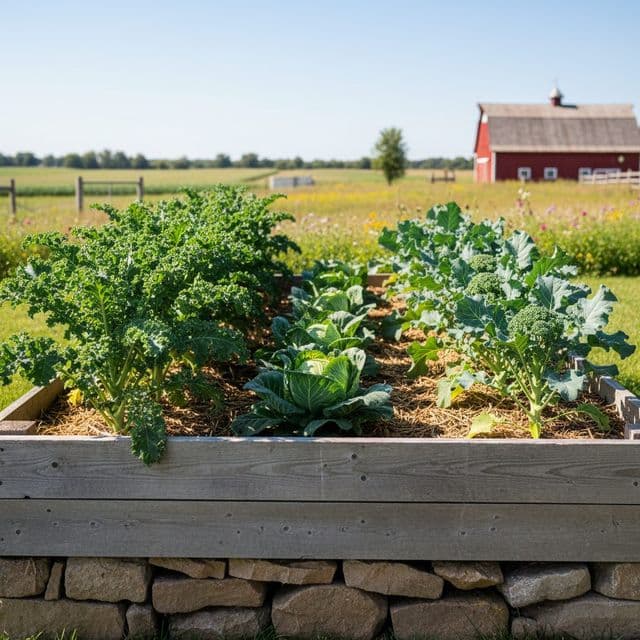
Master brassica planting in USDA zones for cool-season success. Learn optimal spring & fall timing, soil temps, and frost protection for broccoli, cabbage, and kale.
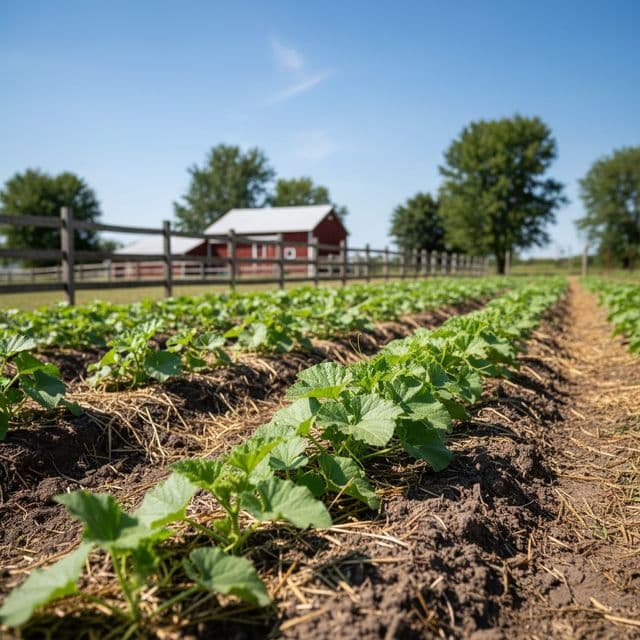
Master growing melons! Learn when to start seeds indoors or direct sow based on frost dates & soil temps. Get tips for optimal germination, soil prep, and a bountiful 90-day harvest.
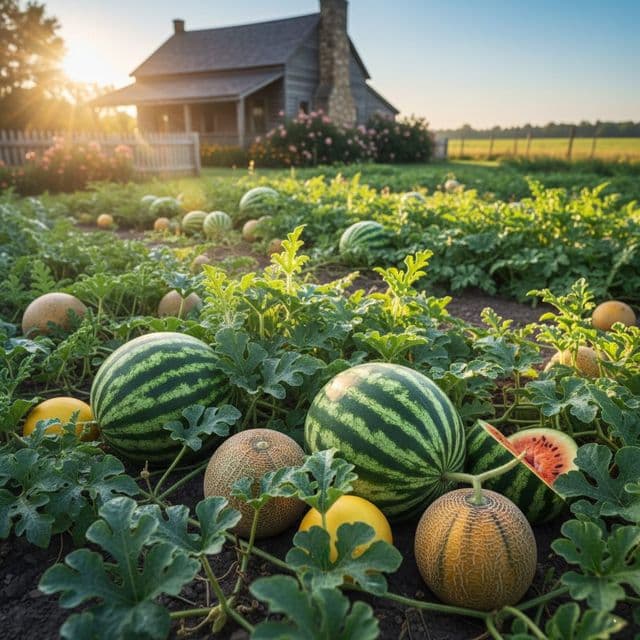
Master growing short-season melons in USDA zones 4-6 of the Northeast & Midwest. Learn variety selection, indoor starting, soil temps, & season extension for a sweet harvest.
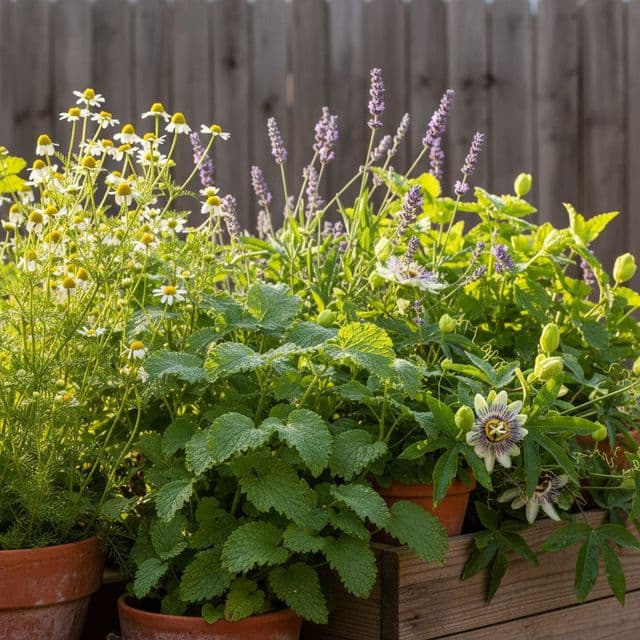
Cultivate a home apothecary garden in USDA Zone 6. Learn to grow chamomile, lemon balm, lavender, and passionflower for a calming sleep tea blend. Harvest & dry for year-round wellness.
What to plant in March across the United States, organized by USDA hardiness zones from northern cold frames to southern warm-season transplanting.
In March, Canadian planting activities depend entirely on your local hardiness zone, ranging from indoor seed sowing in cold northern zones to direct outdoor planting in coastal British Columbia.
What to plant in January in the US, organized by USDA hardiness zones. Learn what to sow indoors, direct-sow outdoors under cover, and essential winter garden maintenance.
What to plant in January in Canada, organized by regional plant hardiness zones from the frozen Prairies to the mild British Columbia coast.
Planting in February in the US depends on your USDA zone, spanning indoor seed starting in zones 3 to 6 to active outdoor transplanting in zones 7 to 10.
What to plant in February in Canada, organized by regional hardiness zones from indoor seed starting in the interior to early outdoor sowing on the coast.
August is the critical transition month for starting fall and winter crops across US climate zones, from quick-growing northern greens to southern second-season transplants.
April planting in the United States requires matching your crops to your specific USDA zone. Learn what to sow indoors, transplant, and direct-sow from Zone 3 to Zone 10.
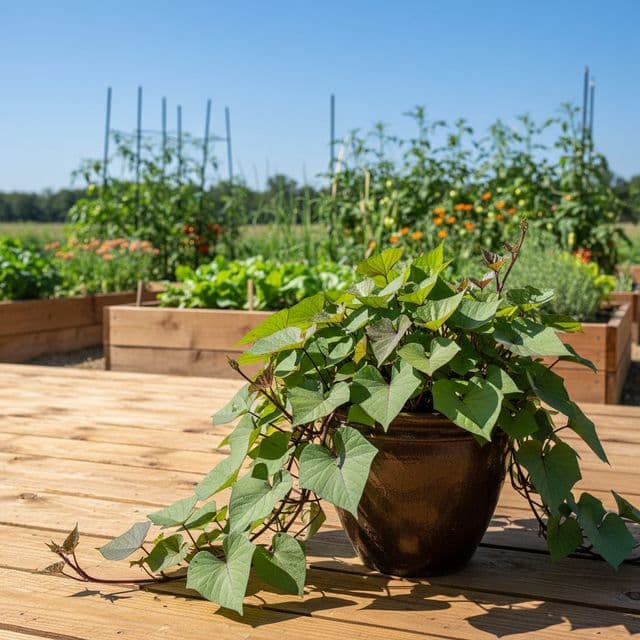
Learn to grow sweet potatoes in containers, even in short-season USDA Zones 4 & 5. Discover varieties, container sizes, and care tips for a successful harvest on your patio or balcony.
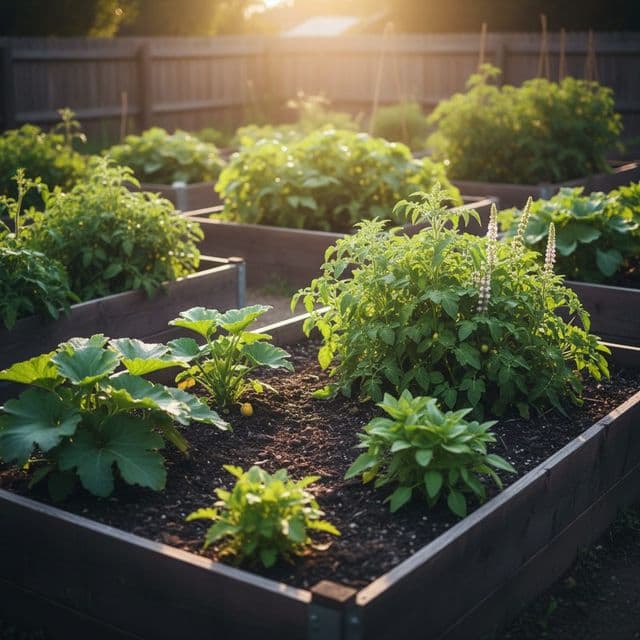
Master your garden with effective seed library organization. Learn to categorize seeds by sowing date, use USDA zones & frost dates, and implement succession planting for a bountiful harvest.
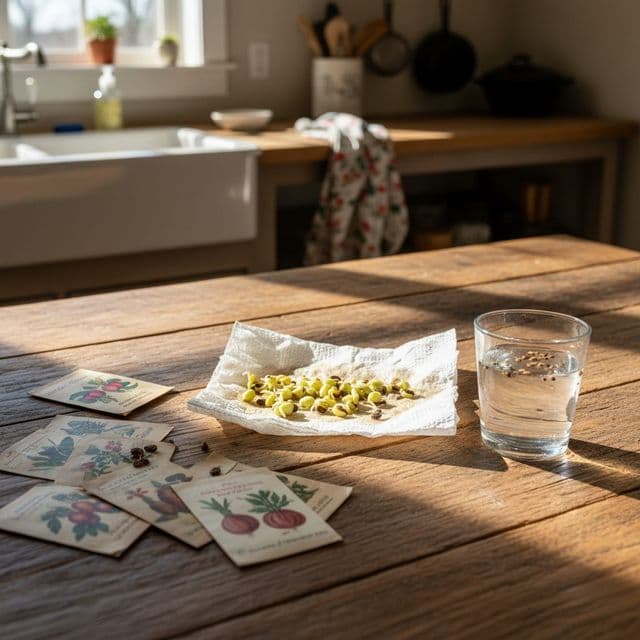
Learn how to perform a simple paper towel seed germination test to assess old seed viability. Ensure a successful harvest by testing your seeds before planting.
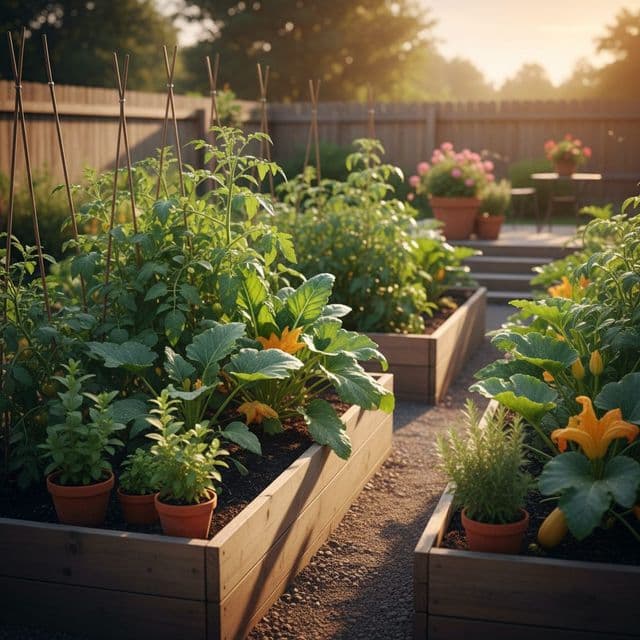
Maximize garden yields by understanding vegetable seed viability. Learn optimal storage conditions (cool, dry, dark), how to test germination, and integrate with crop rotation for success.
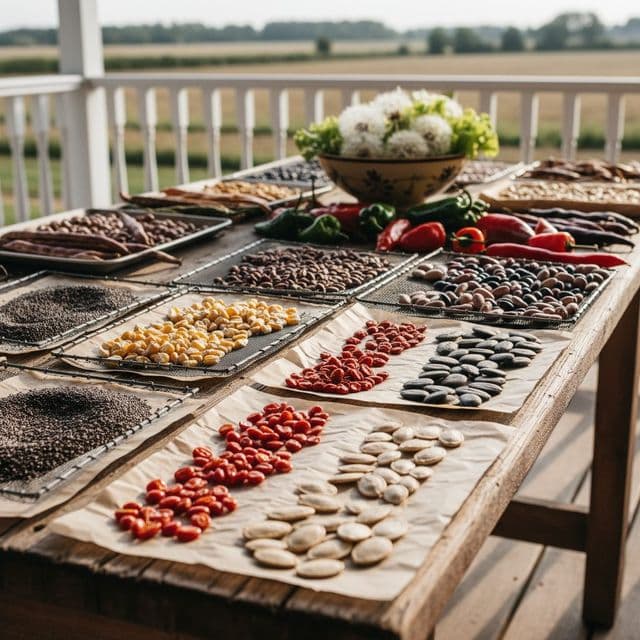
How to save seeds from tomatoes, beans, peppers, and lettuce, covering fermentation, drying, and storage techniques for US homesteaders.
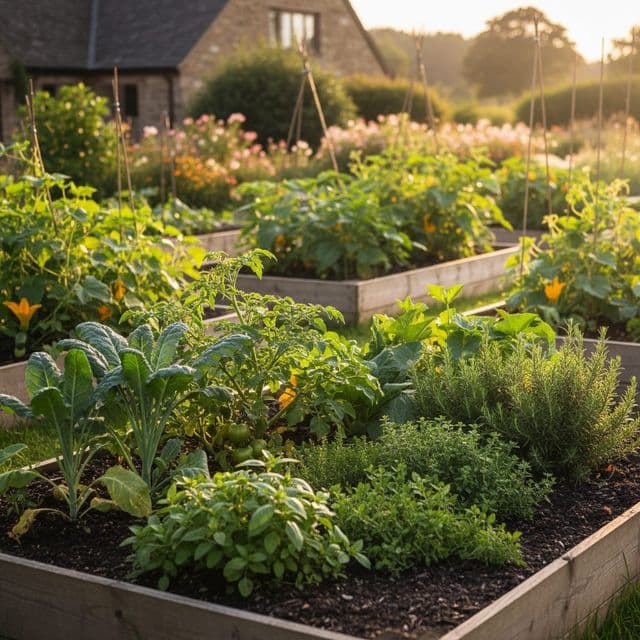
Learn how to properly harden off transplants to prevent shock and boost survival rates by 25-40%. Master this critical step for successful gardening in USDA Zone 6 and beyond.
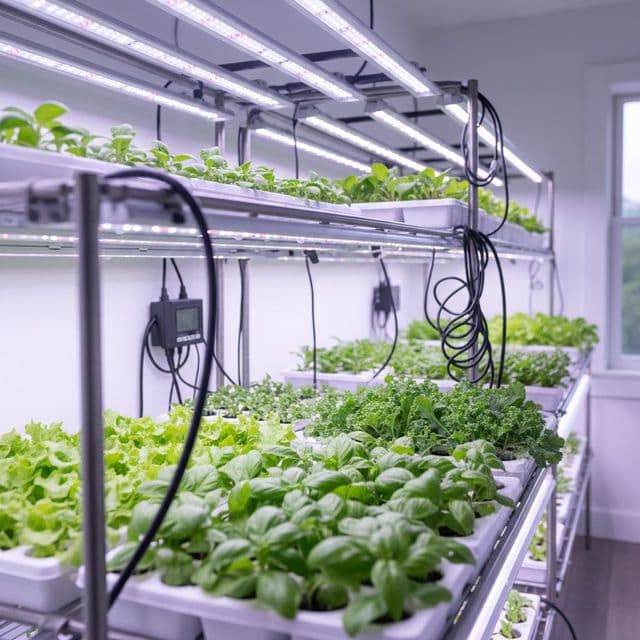
Prevent and fix leggy, crowded, or damped-off seedlings. This guide offers practical strategies for USDA Zone 6 growers to ensure strong, healthy plants from seed.
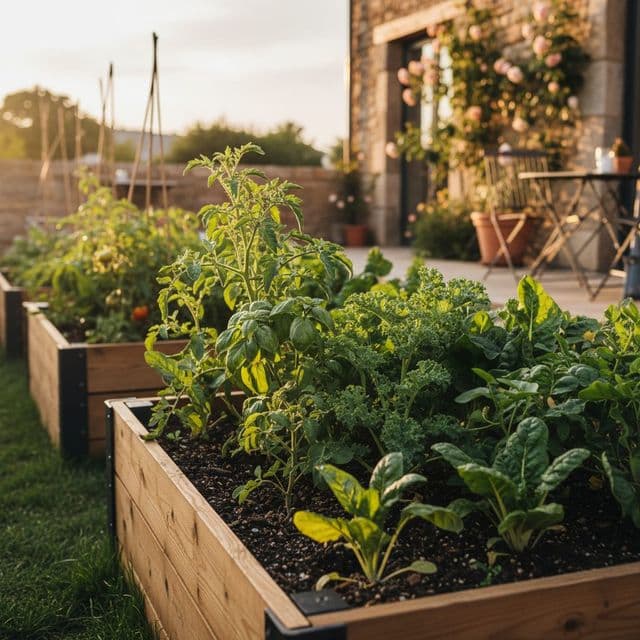
Maximize garden yields by choosing direct sow vs transplant. Learn which method suits root vegetables, warm-season crops, and your USDA Zone for a more bountiful harvest.
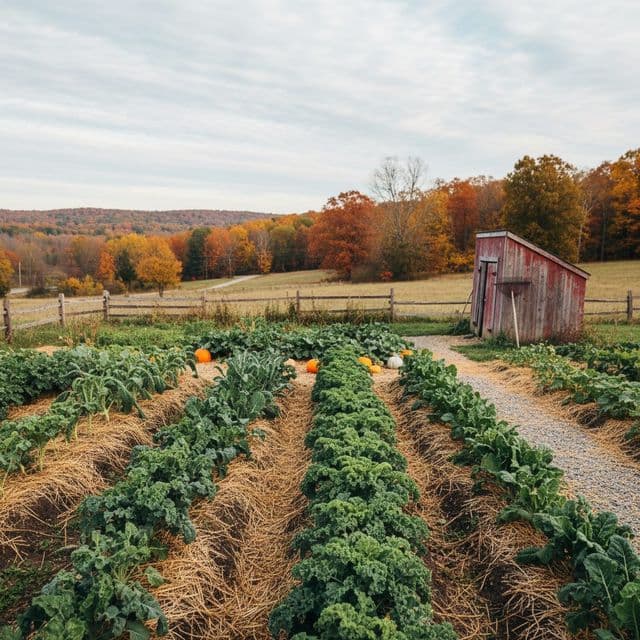
Master fall planting by calculating dates backward from your first frost. Learn to select cold-hardy crops, improve soil health, and extend your harvest in USDA Zone 6 and beyond.
Master continuous harvest with a USDA zone planting calendar. Learn succession planting, crop rotation, and season extension for year-round garden productivity in any US region.