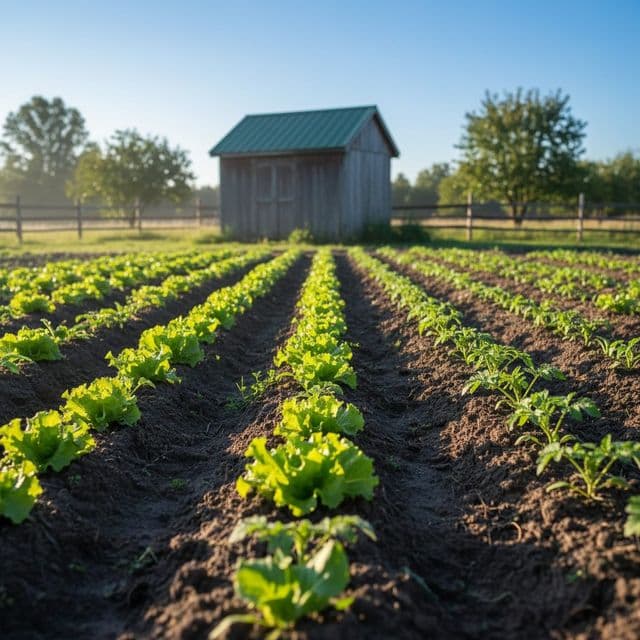
Plan Your Garden: Frost Dates, USDA Zones & Planting Calendar
Master your USDA zone planting calendar by understanding frost dates & days to maturity. Learn to calculate optimal planting times for succession planting & crop rotation.
Tag
66 articles in this tag on agripure. — page 2 of 3
Master your USDA zone planting calendar by understanding frost dates & days to maturity. Learn to calculate optimal planting times for succession planting & crop rotation.
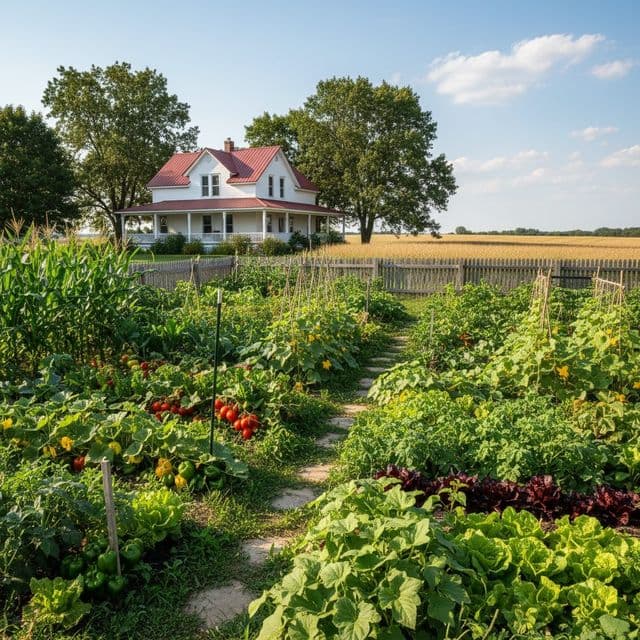
Master year-round planting in USDA Zones 5-6. This guide covers sowing, crop rotation, and succession planting for Midwest, Mid-Atlantic, and Mountain West gardens. Maximize yields.
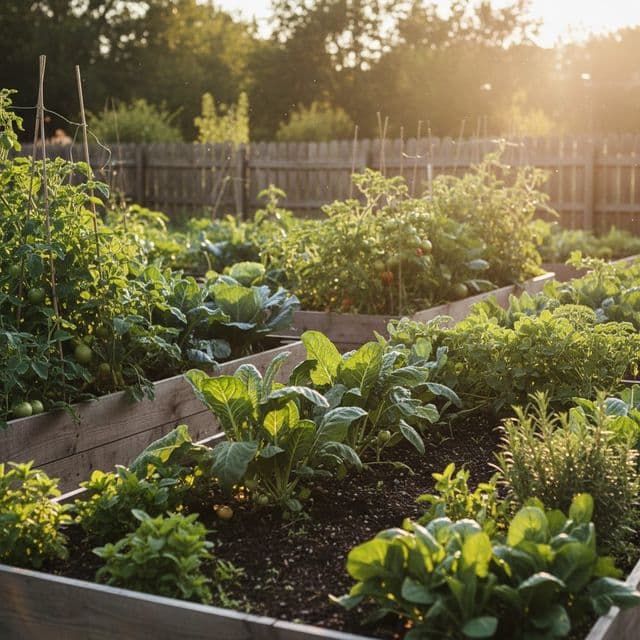
Master Zone 3-4 gardening with strategies for short seasons. Learn crop rotation, succession planting, indoor seed starting, and season extension to maximize your harvest.
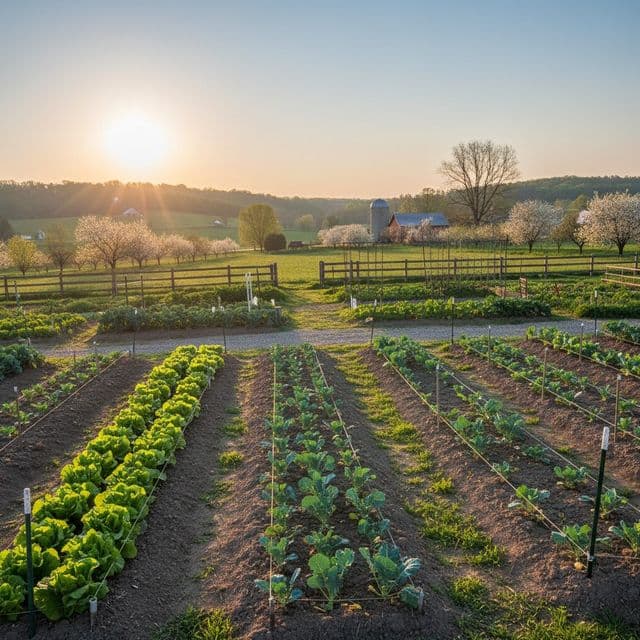
Find your average last and first frost dates to calculate growing season length in USDA Zone 6. Plan crop rotation and succession planting around your frost-free window.
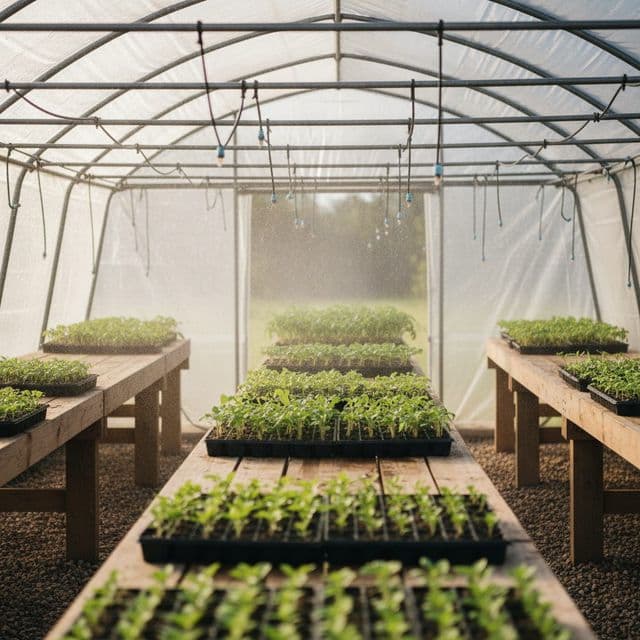
Scale your plant propagation with budget-friendly DIY benches, a simple hoop house, and an effective mist bed. Extend your growing season and boost success rates for seeds & cuttings in USDA Zone 6.
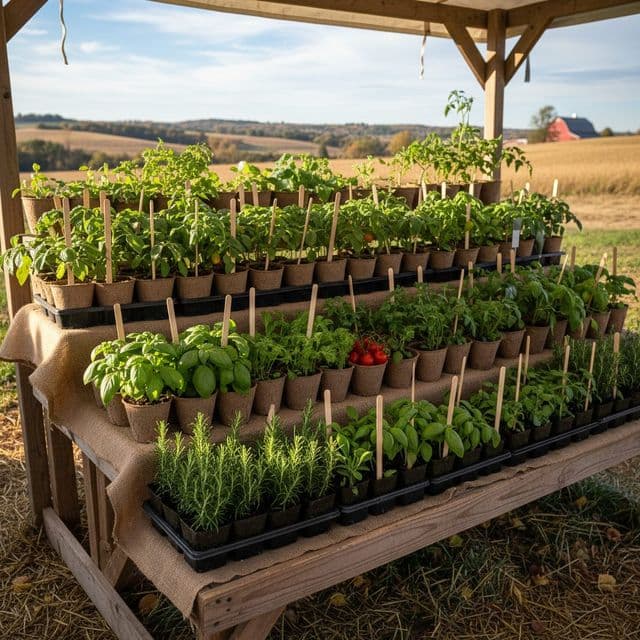
How to organize spring plant sales in USDA Zone 6, including pricing methods, container sizes, and seed starting schedules.
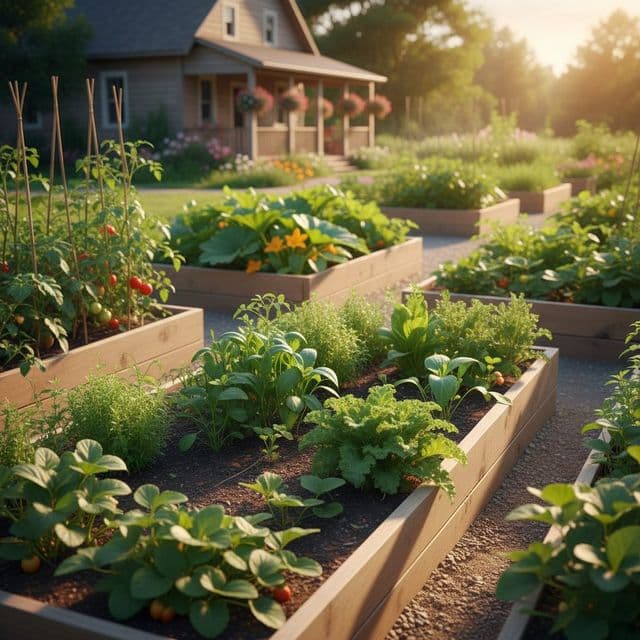
Discover how to propagate high-margin plants in the US for significant profit. Learn cost-effective methods, market research, and sales strategies for small growers.
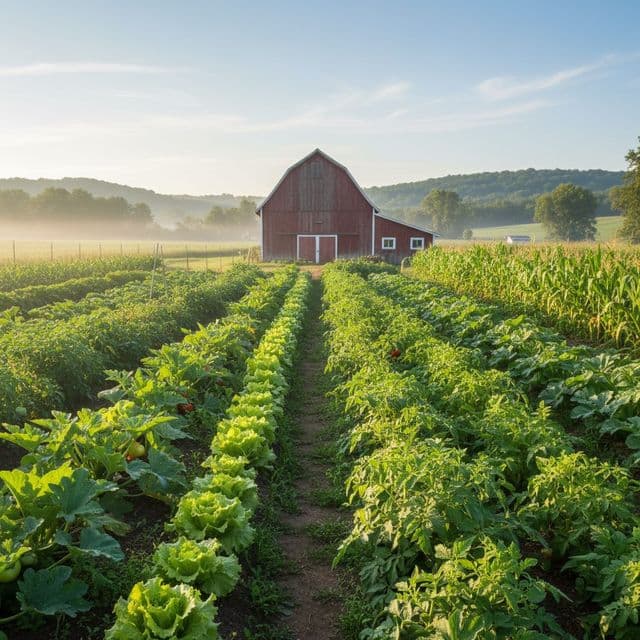
Master optimizing planting times for spring and fall across USDA zones. Learn how precise timing, soil prep, and microclimates boost yields for homesteaders.
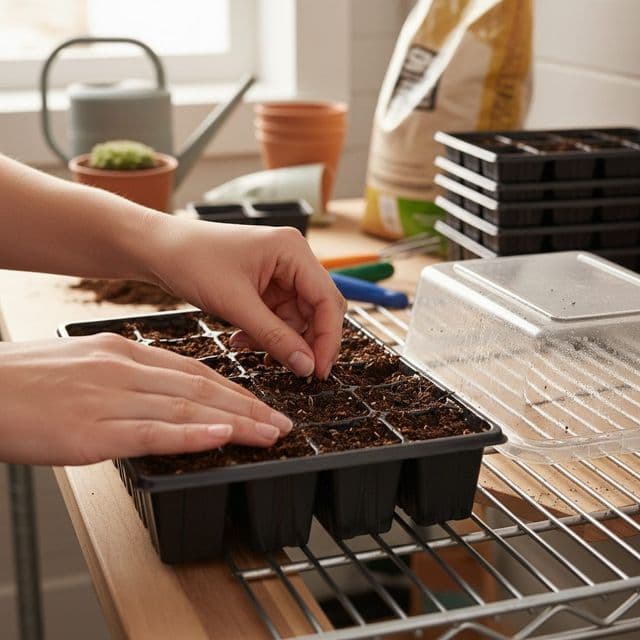
Unlock successful seed germination by understanding light requirements. Learn which garden seeds need light or darkness to sprout, improving rates by up to 100%.
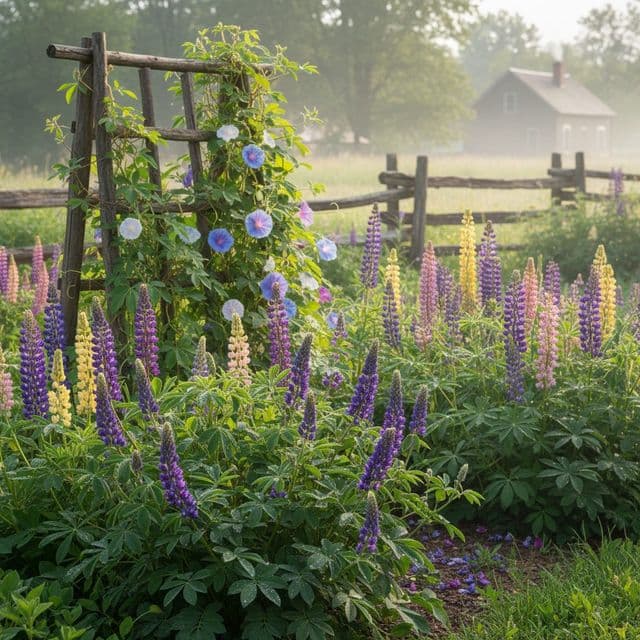
Learn how scarifying seeds like lupine, morning glory, and baptisia can dramatically boost germination rates from 20% to 90%. Discover mechanical and hot water methods for success.
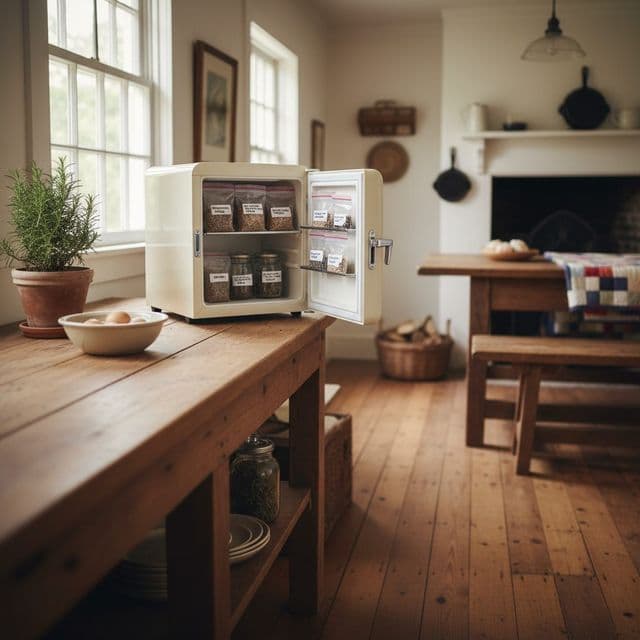
Learn how cold-moist stratification mimics winter to significantly boost germination rates for native perennials like milkweed & coneflower. Get practical steps for success in USDA zones 3-9.
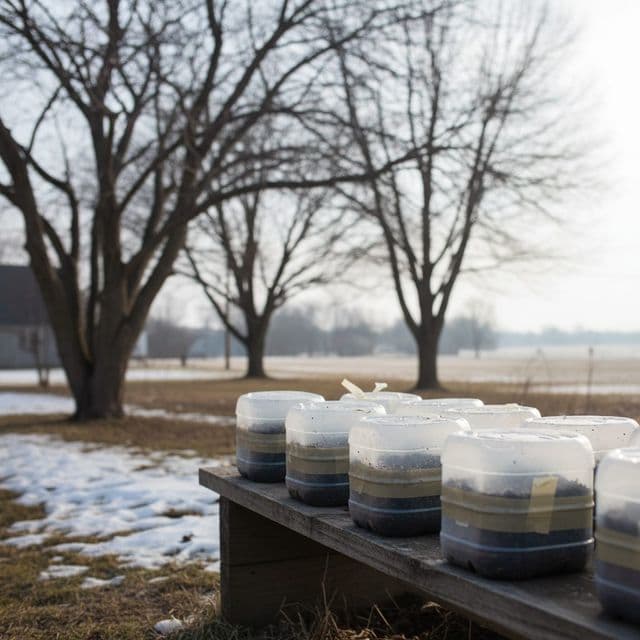
Master winter sowing with essential tips for optimal moisture and temperature. Prevent ‘cooking’ or ‘drowning’ seeds to boost germination rates by 20-30% for a successful spring garden.
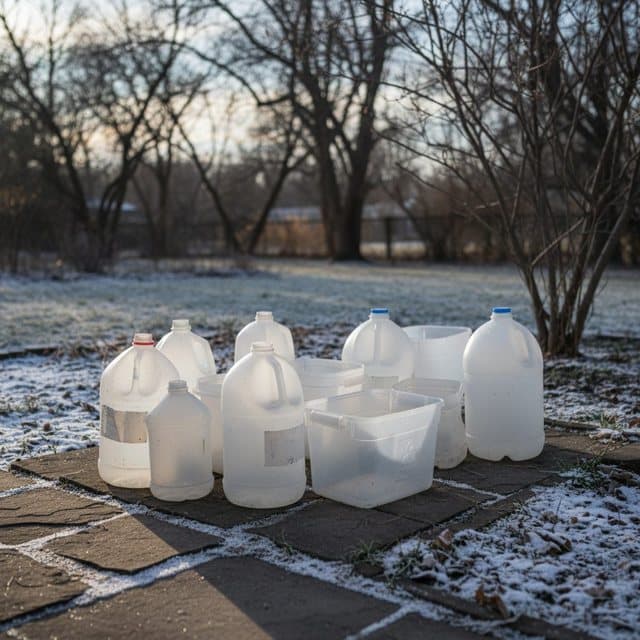
Month-by-month winter sowing schedule across USDA zones, covering seed timing, container preparation, and seedling care without indoor grow lights.
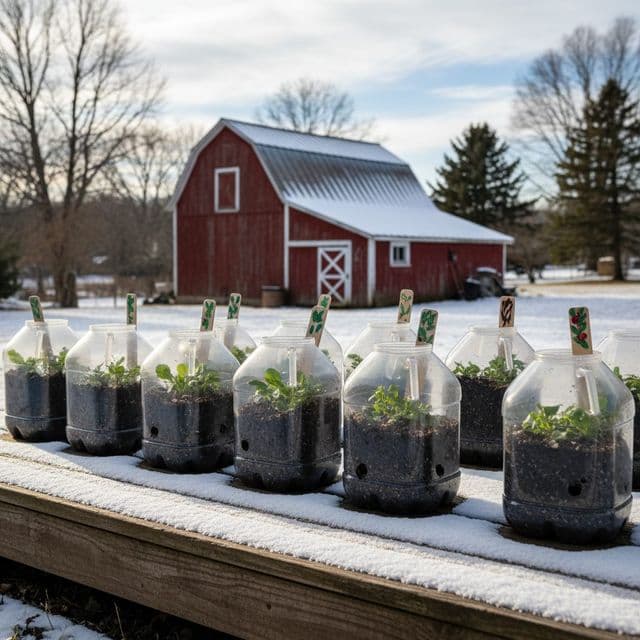
Learn how winter sowing extends your growing season by up to 30 days, reduces costs by eliminating grow lights, and produces stronger, naturally hardened-off plants for your garden.
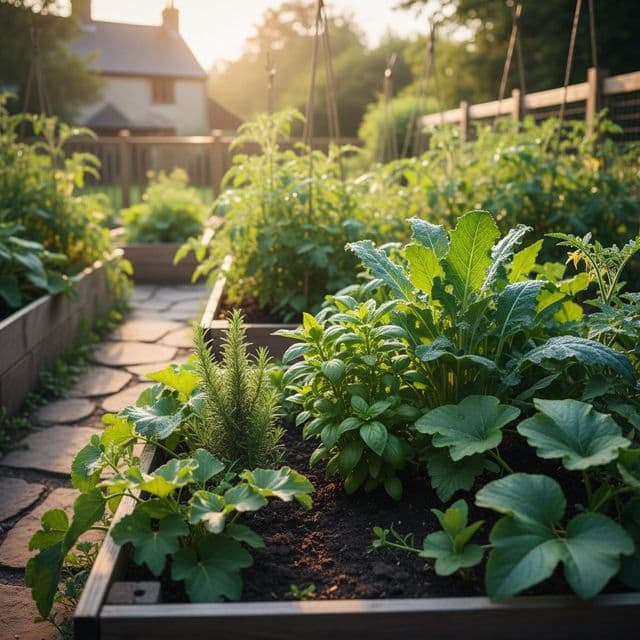
Learn how to use milk jugs for winter sowing, protecting seedlings in cold climates (USDA zones 3-7) down to 0°F. Get stronger plants & save indoor space.
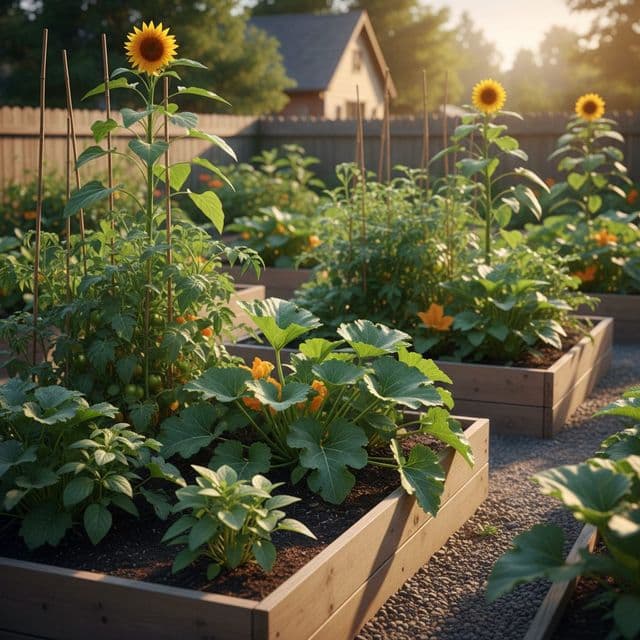
Learn how to upcycle common plastic containers for winter sowing. Achieve 80-90% germination rates, save money, and grow hardier seedlings in USDA Zone 4 and beyond.
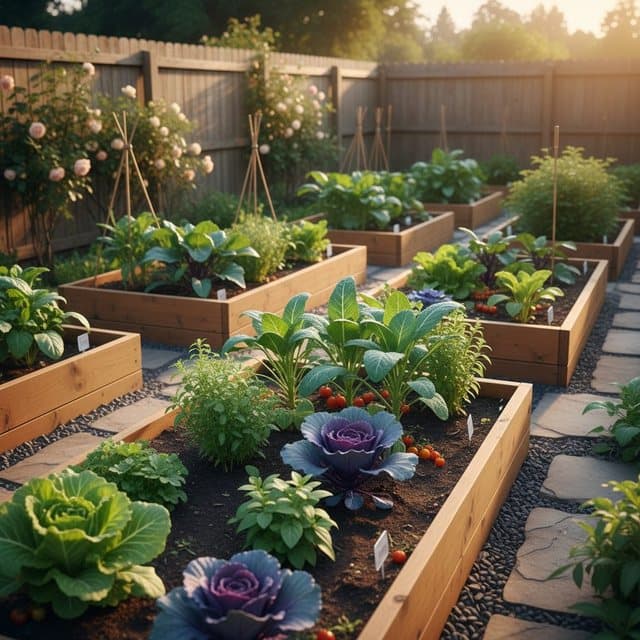
Compare coco coir, peat moss, and compost as growing mediums. Learn their pH, water retention, and sustainability to choose the best base for your garden, especially in USDA Zone 6.
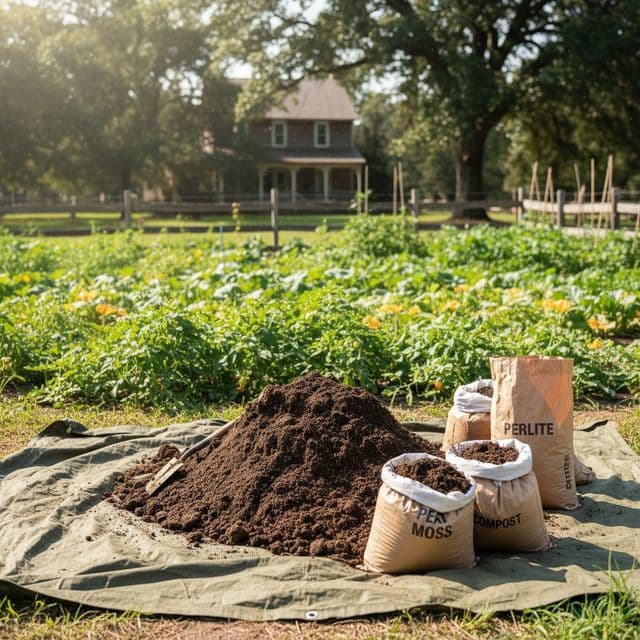
How to mix custom seed-starting and potting mixes with peat or coco coir, perlite, and compost for controlled drainage and seedling nutrition.
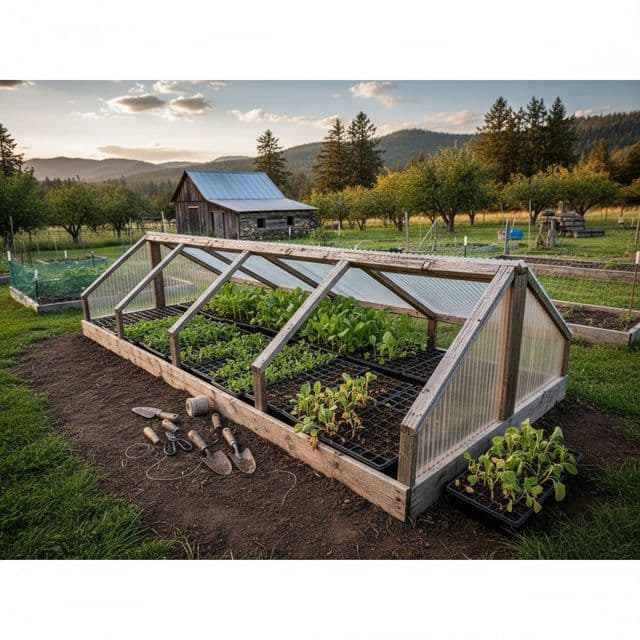
How to save collapsing seedlings by identifying early signs of distress, correcting watering and light issues, and transplanting viable plants before rot spreads.
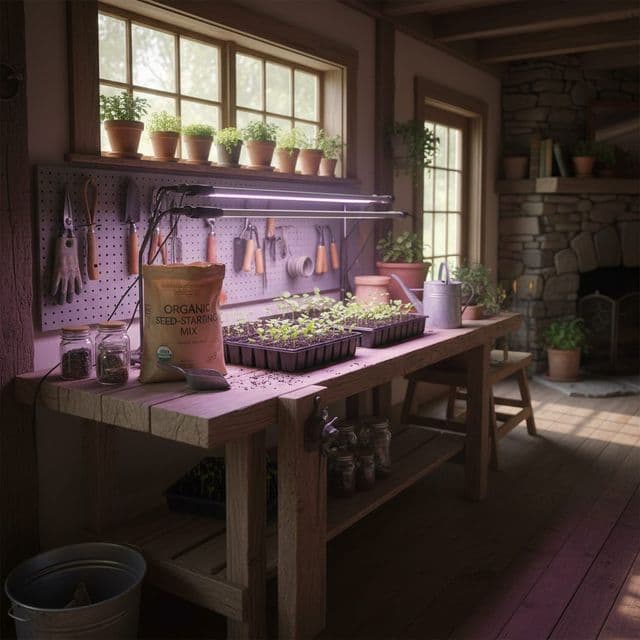
Explore honest tests of cinnamon, chamomile tea, and hydrogen peroxide for seed starting in US gardens. Learn what works, what doesn’t, and how to safely boost germination and prevent disease.
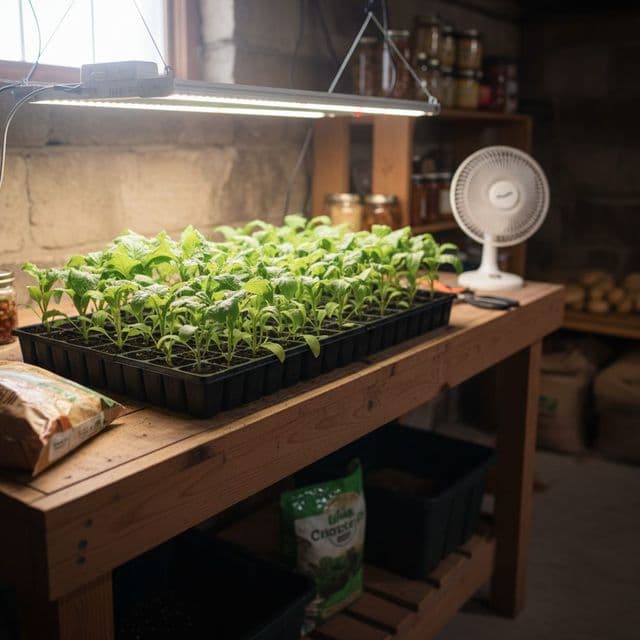
How to manage airflow, light, and bottom watering for indoor seedlings, preventing damping-off and maintaining dry crowns before transplanting.
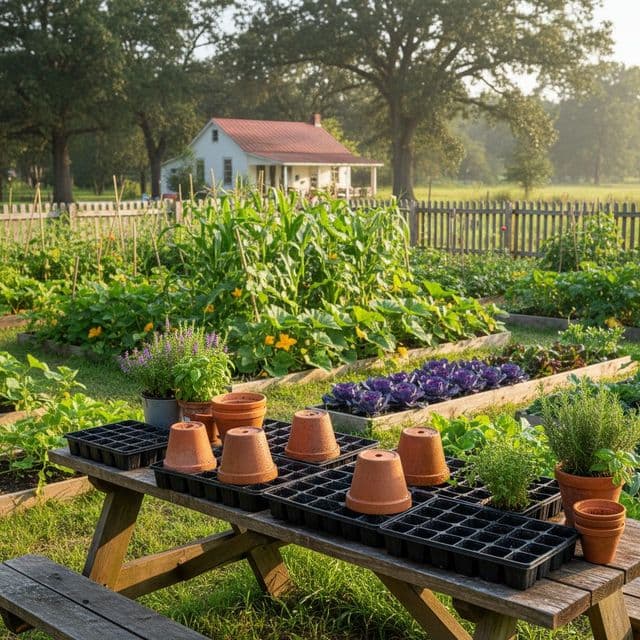
Learn how sterilizing seed trays and pots can prevent up to 75% of seedling diseases like damping-off. Improve germination rates by 20-30% with simple methods.
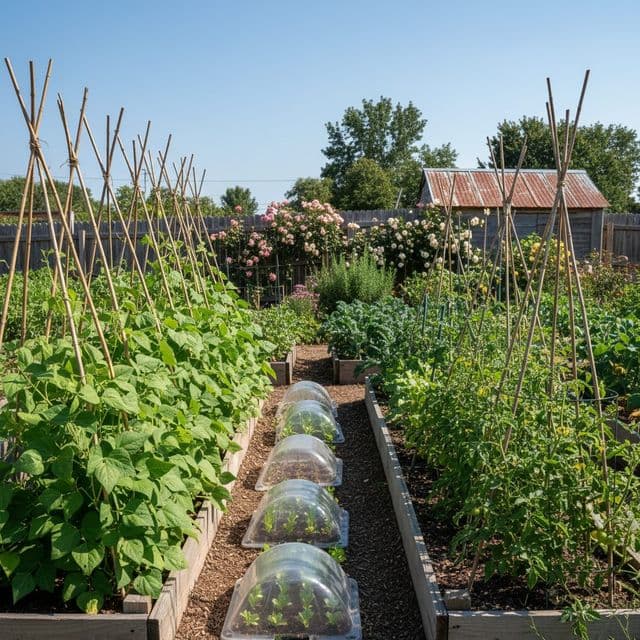
A USDA Zone 5 planting schedule: indoor seed starting dates, last/first frost timelines (May to October), and cool vs warm season vegetables.
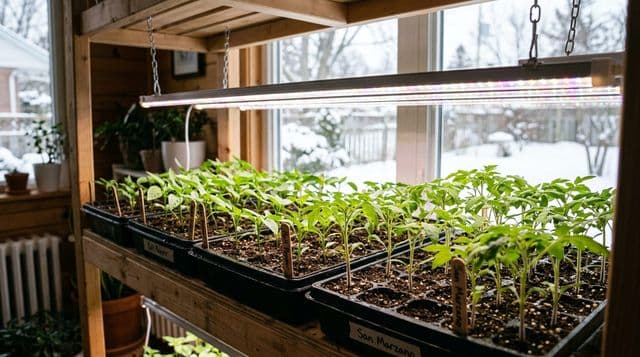
When to start seeds indoors across Canada, with a crop-by-crop calendar, frost calculations, lighting requirements, and hardening off schedule.