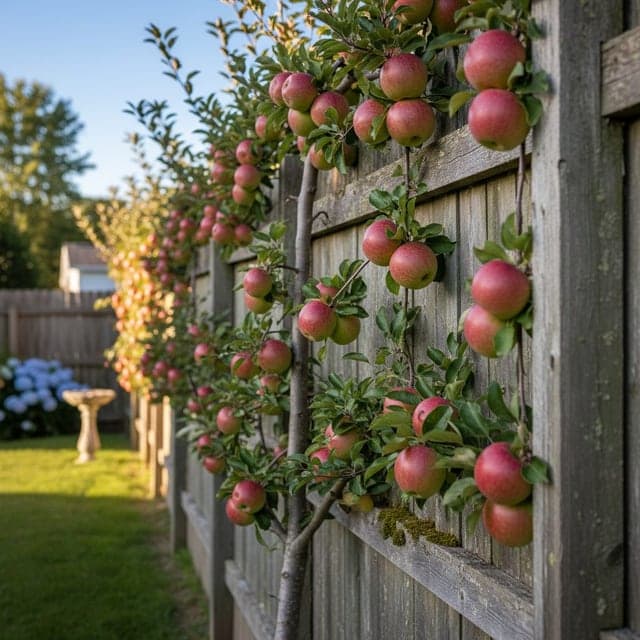
Espalier apples & pears: boost fruit yield in small spaces
Learn how to espalier apples and pears to maximize fruit yield in small gardens. This guide covers selection, planting, and pruning for productive espalier fruit trees.
Tag
554 articles in this tag on agripure. — page 12 of 24
Learn how to espalier apples and pears to maximize fruit yield in small gardens. This guide covers selection, planting, and pruning for productive espalier fruit trees.
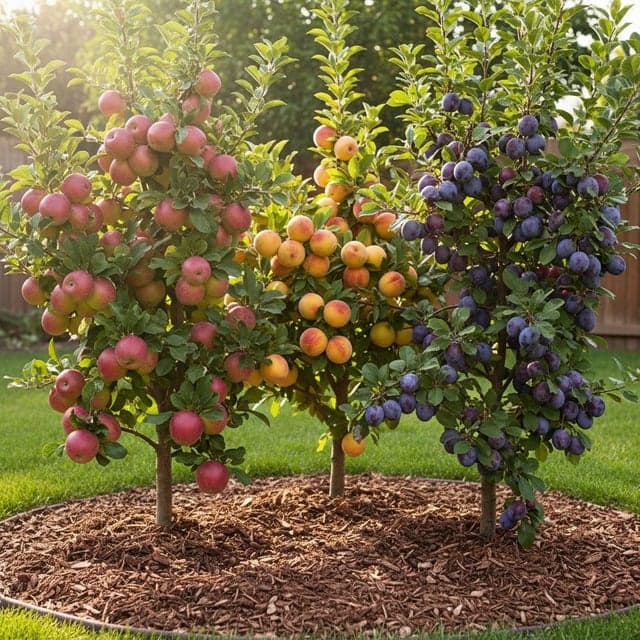
Planting 2-4 fruit trees in one hole extends the harvest by weeks and saves space in small backyards.
Diagnose and fix fruit tree grafting failures across US home orchards: cambium alignment, scion polarity, delayed incompatibility, 32–36°F ethylene-free scion storage, callus temperatures, and fire…
Master scionwood collection for successful fruit tree grafting. Learn when & how to select, store, & prepare dormant wood to expand your orchard & preserve heirloom varieties.
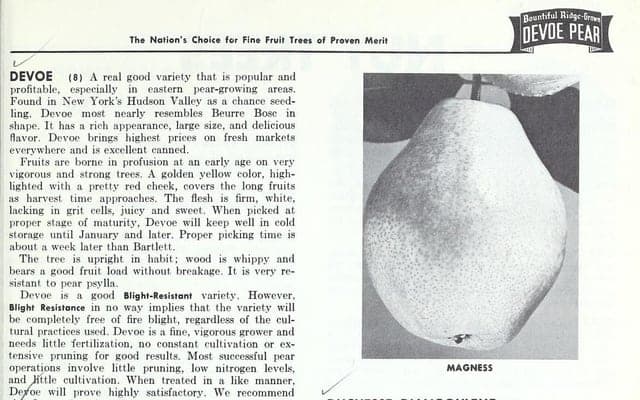
Unlock your orchard’s potential. Learn how choosing the right fruit tree rootstock impacts size, disease resistance, and yield. Master grafting for a thriving home garden.
Cleft grafting top-works established fruit trees to improve fruit quality and yields, utilizing existing mature root systems across USDA zones 5 through 8.
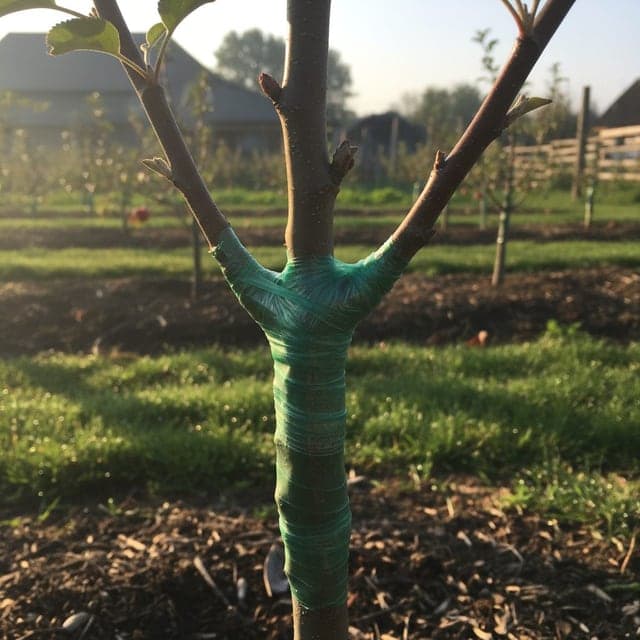
Master whip-and-tongue grafting for apples and pears. Achieve high success rates with this step-by-step guide for home growers, covering tools, scionwood, and precise cuts.
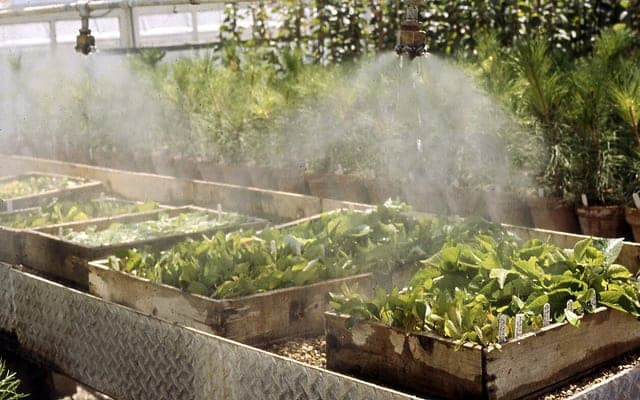
Build a safe, high-yield backyard mist propagation bench anywhere in the US: 2–6 sec leaf-cooling bursts, 70–75°F bottom heat, ASSE 1011 backflow protection, Class A GFCI power, Botrytis hygiene, a…
Fruit tree grafting ensures consistent quality, disease resistance, and predictable harvests in US orchards. Learn how this horticultural technique supports reliable fruit production.
Learn to propagate elderberry, currants, and gooseberries from cuttings. Save money, ensure genetic fidelity, and expand your orchard in USDA zones 3-9 with this guide.
A comparison of natural rooting aids, such as willow water and honey, with commercial hormones for propagating fruit tree cuttings in USDA zone 6.
Achieve 80% fruit quality in your backyard orchard with this no-spray IPM calendar. Learn cultural controls, monitoring, and physical barriers for USDA Zone 6 fruit trees.

Effectively control apple maggots in your home orchard with red-sphere traps. Learn when to deploy, how to use them, and reduce fruit damage by 70% or more without broad-spectrum pesticides.
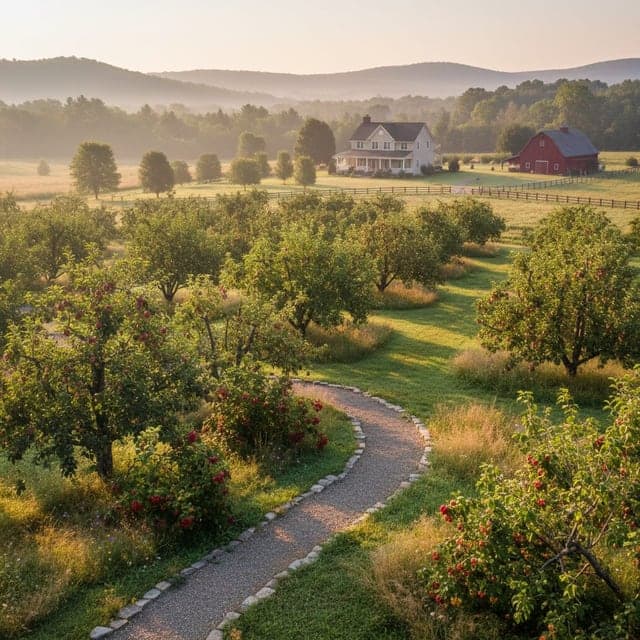
Protect your cherries, berries, and figs from spotted-wing drosophila (SWD). Learn effective SWD control strategies for home growers, including monitoring, netting, and sanitation.
Rank true Zone 7a–8b citrus freeze tolerance empirically from Flying Dragon (-15°F) and Ichang papeda (0–5°F) to Yuzu, Arctic Frost, and Satsumas—debunk Meyer lemon outdoors in Zone 7, build bare-e…
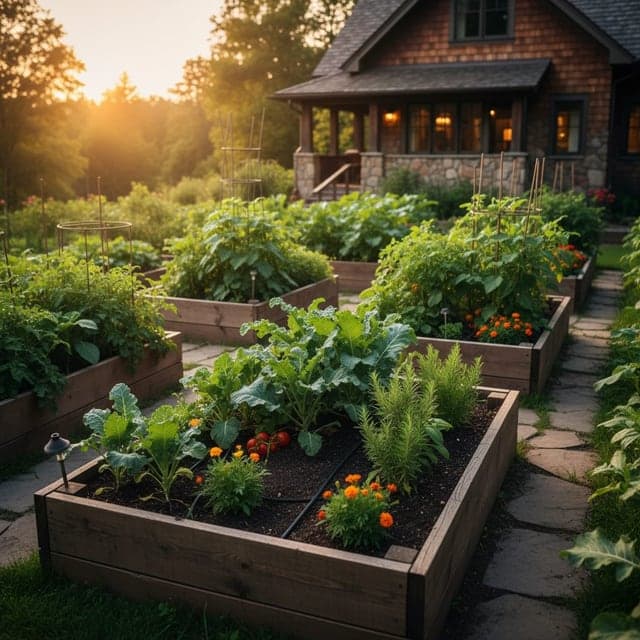
Learn to grow citrus indoors, including Meyer lemons & Bearss limes, even in USDA Zone 6. Master container care, light, humidity & overwintering for fresh fruit.
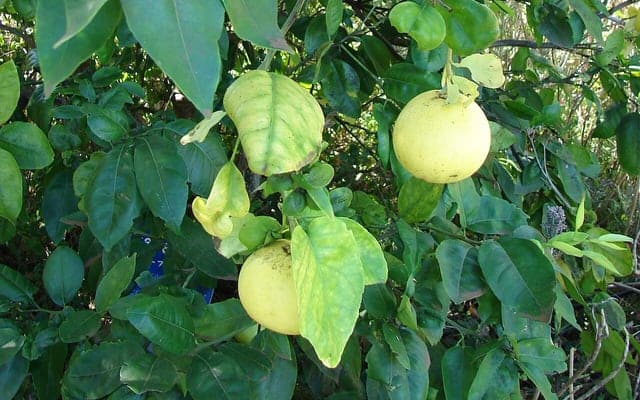
Learn to identify, report, and manage common citrus diseases in Florida like greasy spot, canker, and HLB. Protect your home citrus trees and prevent spread.
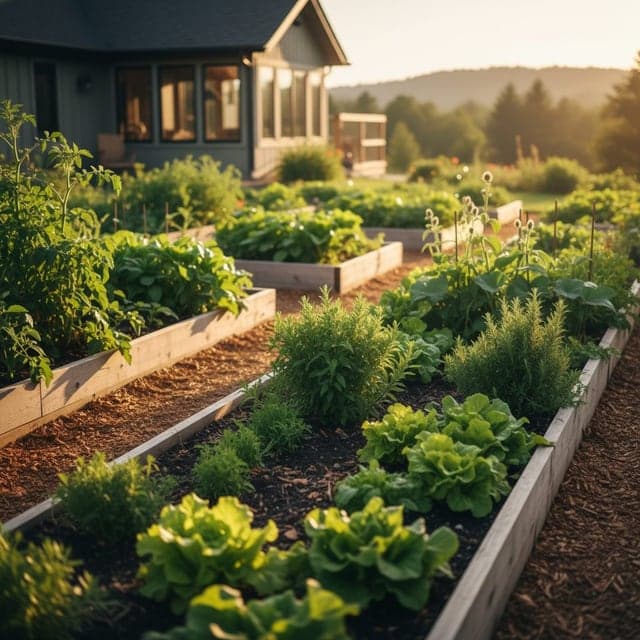
Discover how high-chill fruit trees like apples, pears, and cherries thrive with specific winter cold requirements. Learn about chill hours, ideal varieties for northern climates, and essential car…
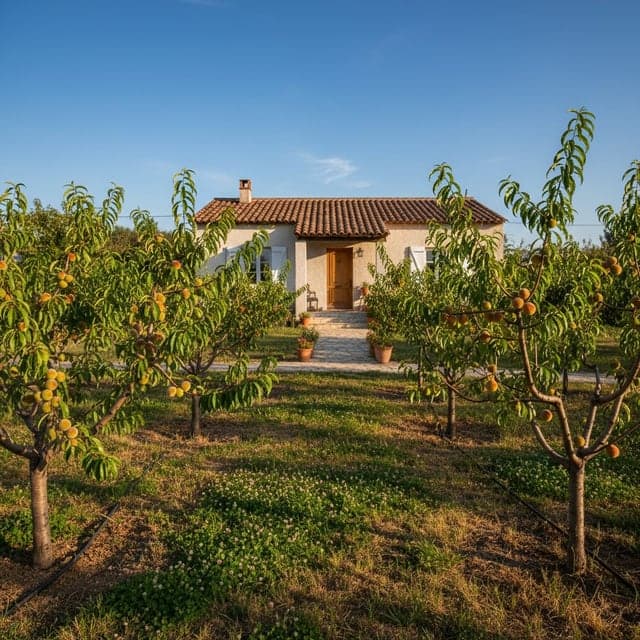
Learn to grow low-chill peaches and nectarines in USDA zones 8-10. This guide covers cultivar selection, chill hours, site prep, planting, and care for a bountiful harvest in warmer climates.
Grow crisp apples across coastal and inland Southern California: UC Davis Dynamic Model chill portions during Santa Ana winters, Anna and Dorsett Golden pollination pairs, M.111 vs. Geneva rootstoc…

Unlock bountiful fruit harvests by understanding fruit tree chill hours. Learn how to calculate chill hours, choose the right varieties for your USDA zone, and ensure optimal production.
Learn how to renovate an overgrown apple tree over three dormant seasons in USDA Zone 6. This guide covers pruning, pest management, and care for fruit production.
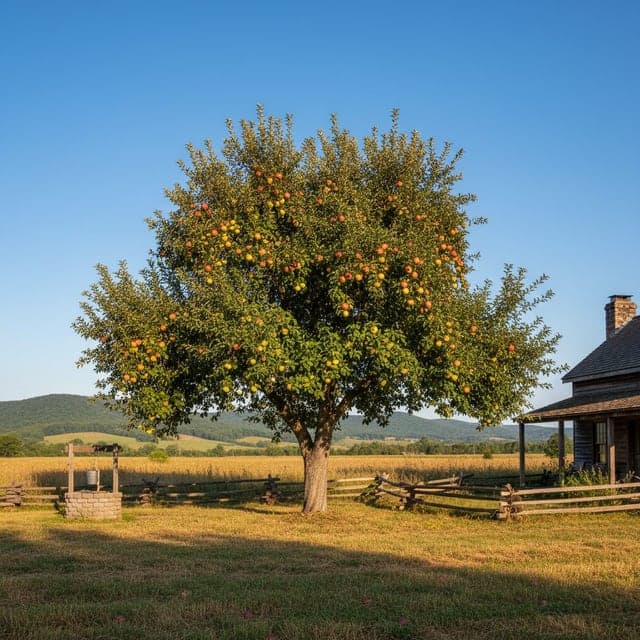
Build a split-resistant fruit tree scaffold framework: central leader vs. open vase training, 45–60 degree crotch angles, spreaders, dormant vs. summer cuts, and fire blight sanitation.
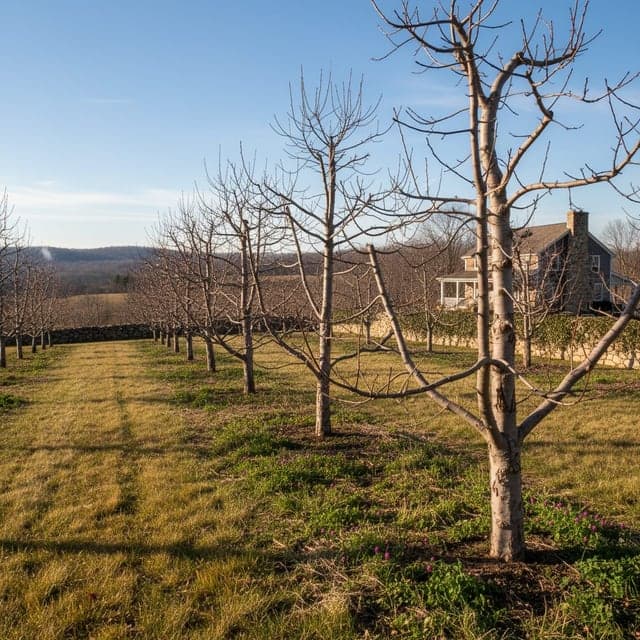
How dormant and summer pruning in USDA Zone 6 can boost yields, improve fruit quality, and manage tree size effectively.