
Organic Japanese Beetle Control: Traps, Milky Spore, Hand-Picking
Japanese beetles cause significant damage in USDA zones 5-8. Learn effective organic Japanese beetle control methods: hand-picking, milky spore, and strategic traps.
Tag
479 articles in this tag on agripure. — page 11 of 20
Japanese beetles cause significant damage in USDA zones 5-8. Learn effective organic Japanese beetle control methods: hand-picking, milky spore, and strategic traps.
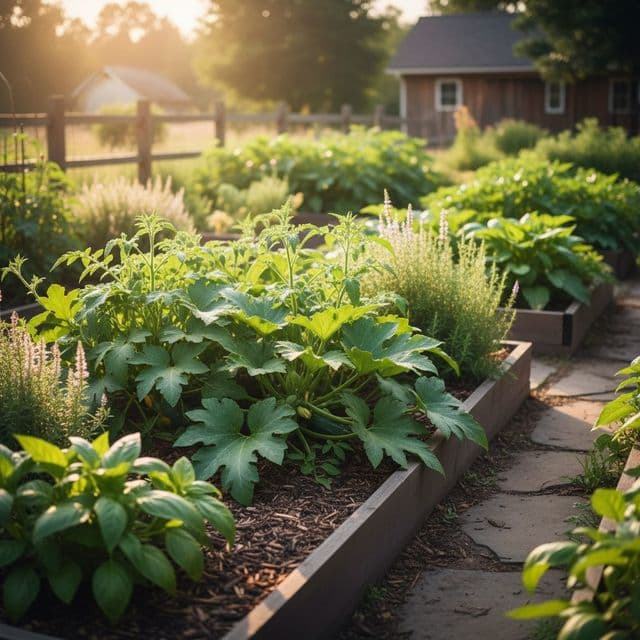
Effectively manage corn earworm in organic sweet corn using food-grade mineral oil. Learn precise timing, application, and dosage for 70-90% control in USDA Zone 6. This organic corn earworm contro…
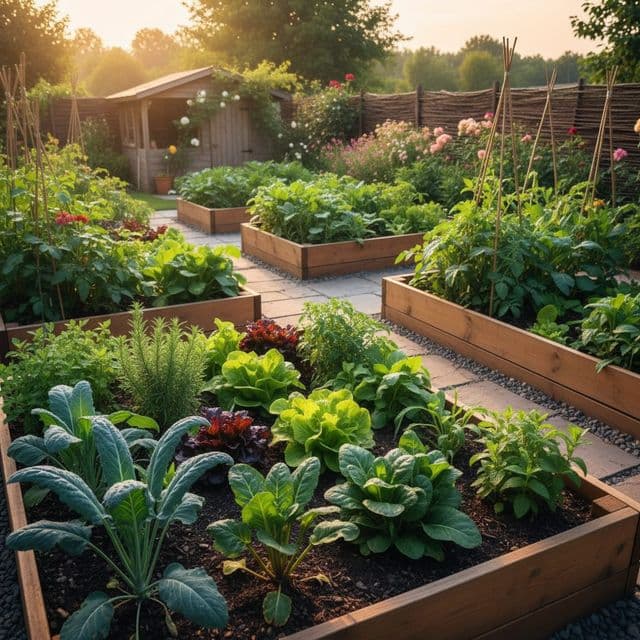
Effectively manage flea beetles on brassicas and eggplant in USDA Zone 6. Learn organic flea beetle control strategies like row covers, trap crops, and crop rotation for healthy yields.

Learn effective organic strategies for Colorado potato beetle control in USDA Zone 5. Discover hand-picking, crop rotation, neem oil, and beneficial insects to reduce crop damage.
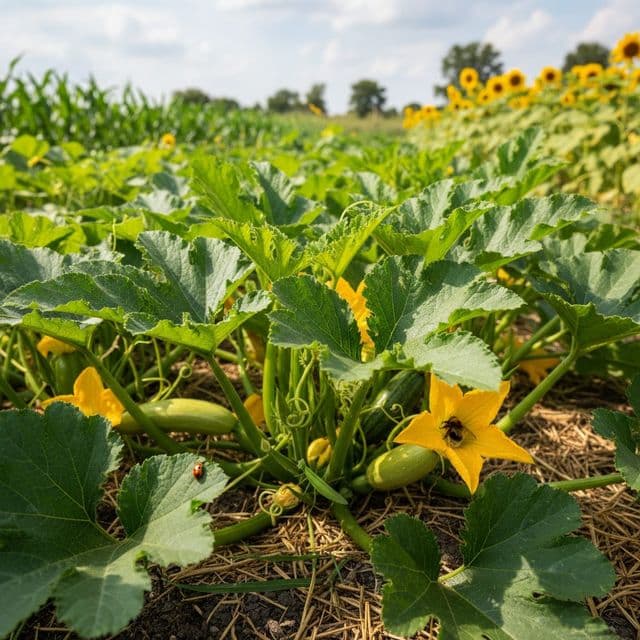
Learn organic squash pest control for squash bugs and borers in the Midwest & Southeast. Protect cucurbit yields with IPM strategies, trap crops, and timely interventions.
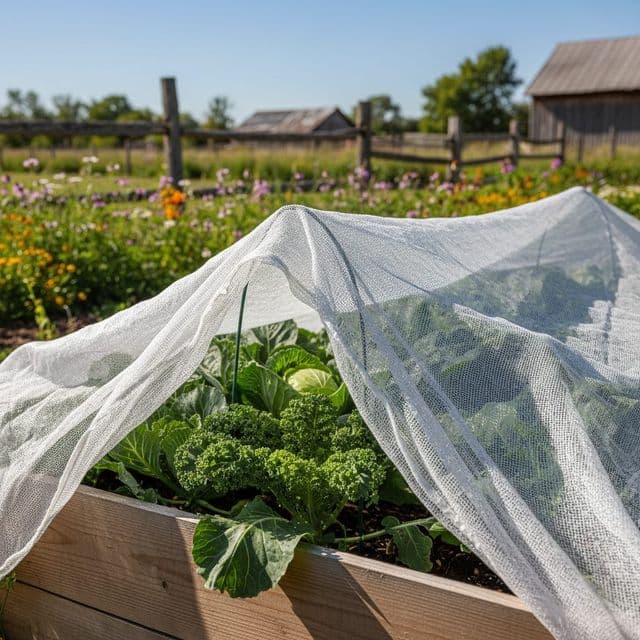
Protect your brassicas from cabbage worms & loopers. Learn organic IPM strategies: Bt, row covers, and sanitation. Reduce damage by 80% for a healthier harvest.

Effectively manage tomato and tobacco hornworms in your US garden. Learn about hand-picking, Bacillus thuringiensis (Bt), and parasitic wasps for sustainable pest control, reducing damage by over 90%.
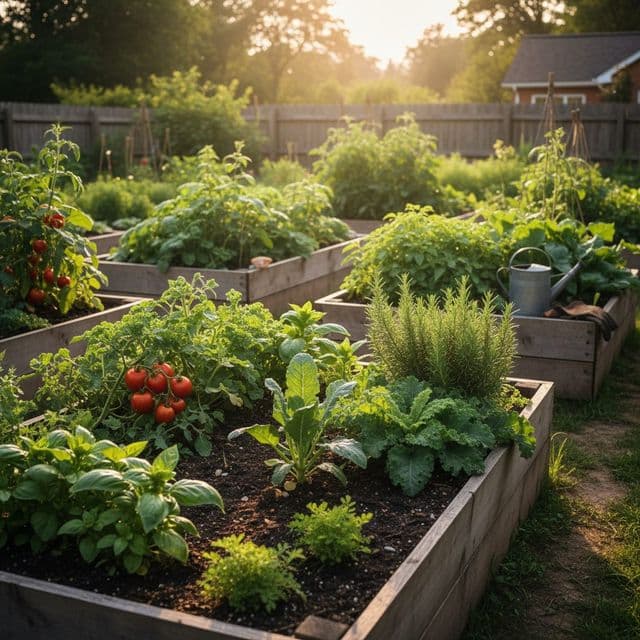
Learn organic pest control for peppers using reflective mulches, water blasts, and sticky traps. Reduce aphids, whiteflies, and thrips to boost yields in USDA Zone 8.
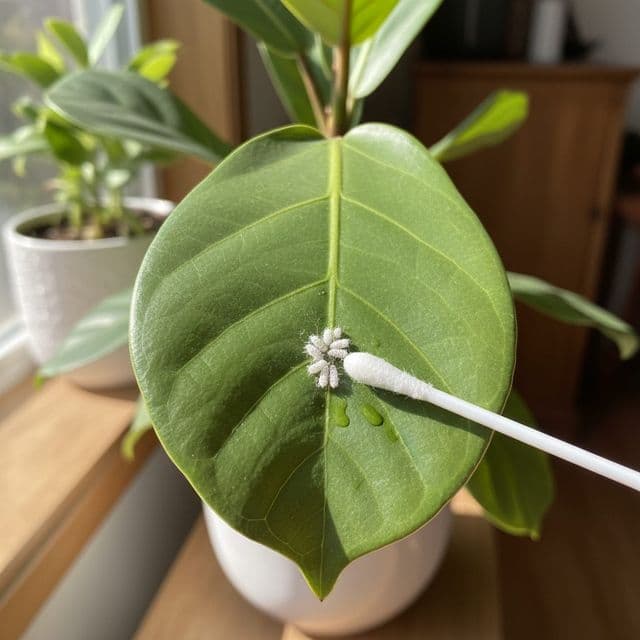
Learn effective mealybug control for citrus and houseplants using rubbing alcohol and horticultural oils. This guide covers application, precautions, and tips for USDA zone 8.

Combat spider mites in hot, dry climates with organic IPM strategies. Learn early detection, natural predators, and preventative measures for effective spider mite control in USDA zones 7-10.

Master organic aphid control for tomatoes, peppers, kale, and roses. Learn prevention, beneficial insects, and safe treatments to protect your garden from these common pests.
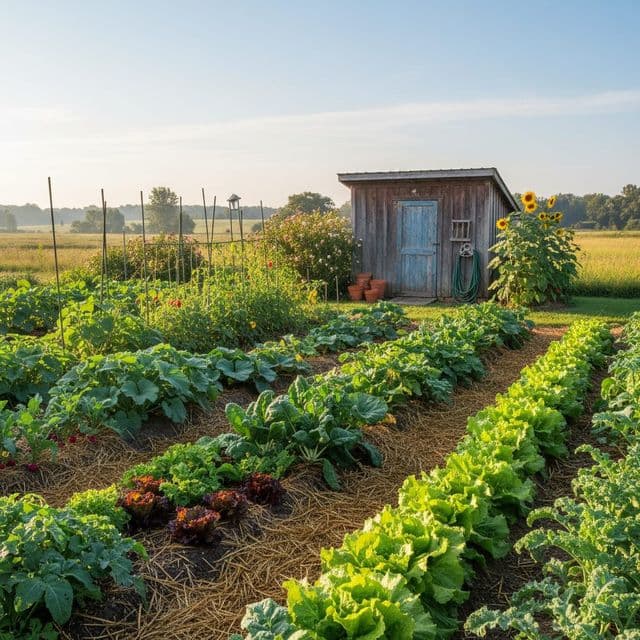
How to use neem and horticultural oils for pest control, covering mode of action, application timing, and plant safety across garden beds.
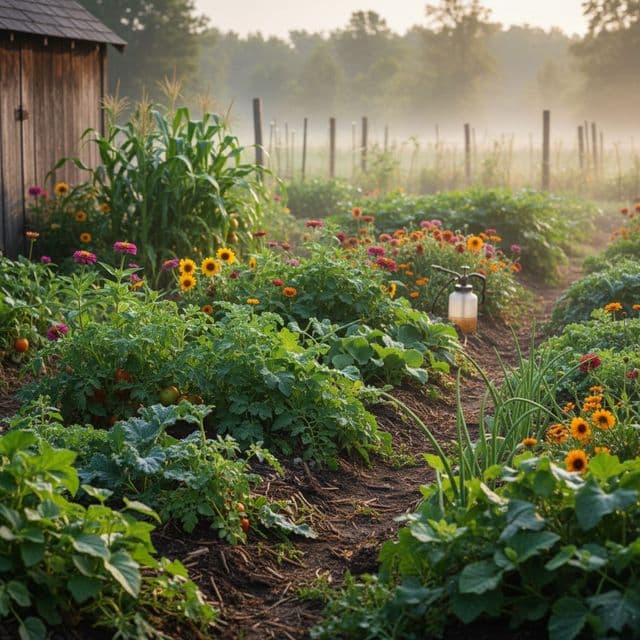
Learn to use insecticidal soap effectively for aphid control on roses and other plants. Discover proper dilution, application, and how it works to protect your garden organically.

Learn how to attract beneficial insects by USDA zone to naturally control pests. This guide details timing plantings of insectary crops like dill & cilantro for effective, sustainable pest management.
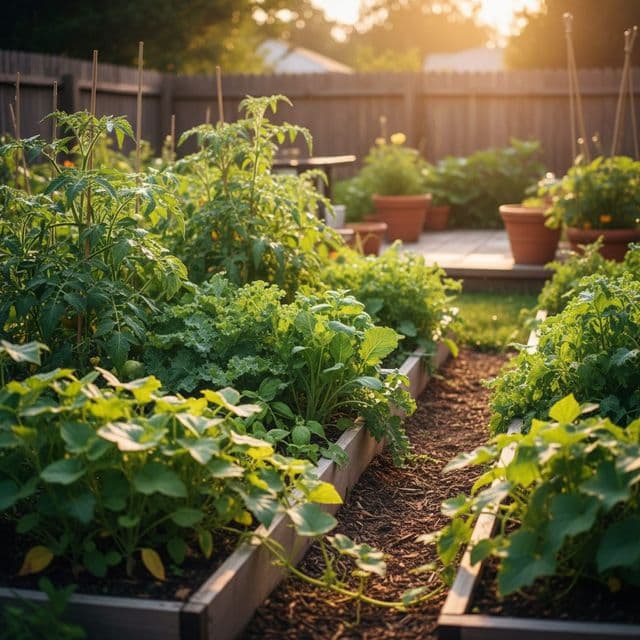
Attract praying mantids, ground beetles, and assassin bugs to your garden. Learn how these beneficial garden insects reduce pests by 30% or more with habitat creation.

Learn how to attract beneficial insects to your USDA Zone 6 homestead using beetle banks & bug hotels. Reduce pest pressure by 30% & cut pesticide use by 50%.

Learn how to effectively use beneficial insects for pest control in USDA Zone 6. Discover why habitat is essential for retaining ladybugs, lacewings, and mites long-term.
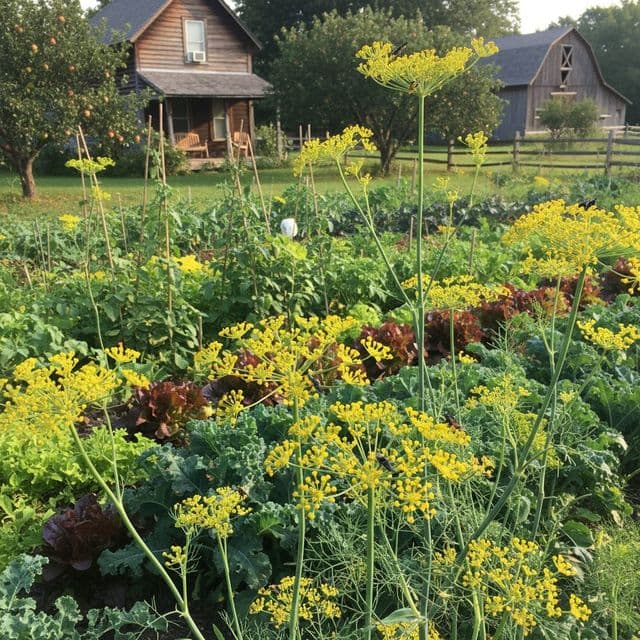
Learn how to attract native predatory wasps to your US garden. Discover their role in organic pest control, what plants to grow, and how to create habitats to reduce pest pressure naturally.

Learn to identify beneficial insect larvae like ladybugs, lacewings, and hoverflies. Protect these natural predators to reduce garden pests, save crops, and minimize pesticide use in your homestead.
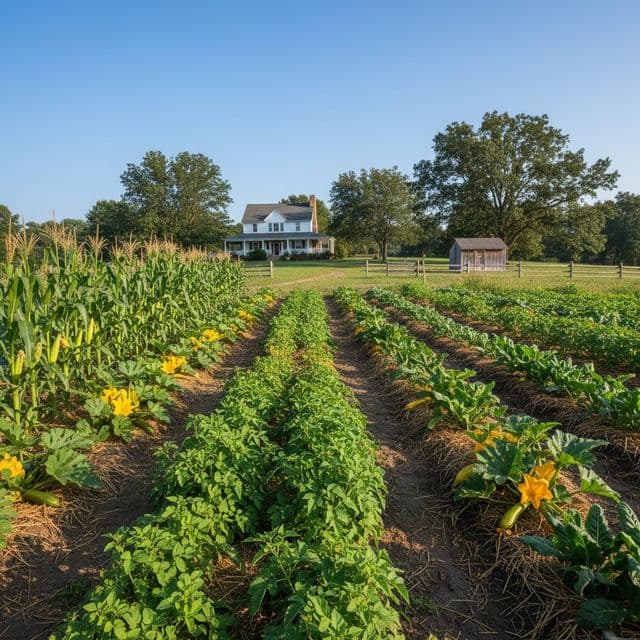
Understand US organic pesticide labels, OMRI certification, and IPM principles for effective pest control. Learn how to choose safe products and boost beneficial insects on your farm or garden.
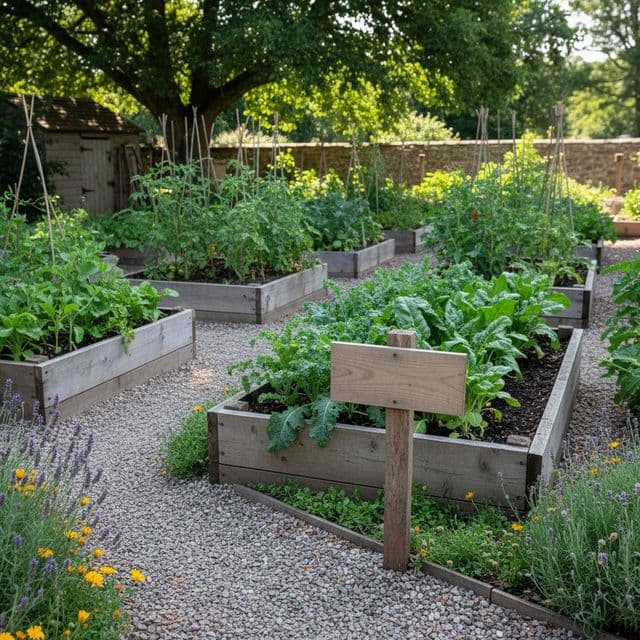
Master organic pest control with effective IPM record-keeping. Learn how tracking garden data improves decision-making, reduces pest damage by 15-25%, and ensures a healthier, more productive garde…
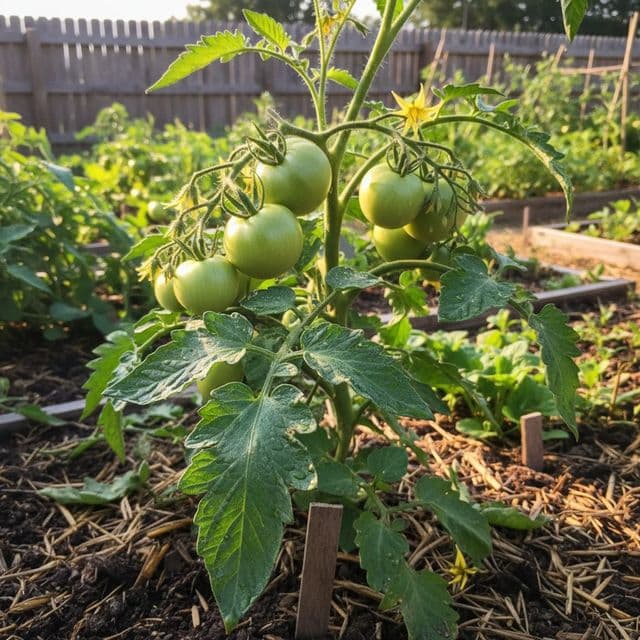
Learn how to set pest action thresholds for aphids on tomatoes in USDA zone 6. Understand economic injury levels, scouting methods, and factors influencing treatment decisions for effective, respon…
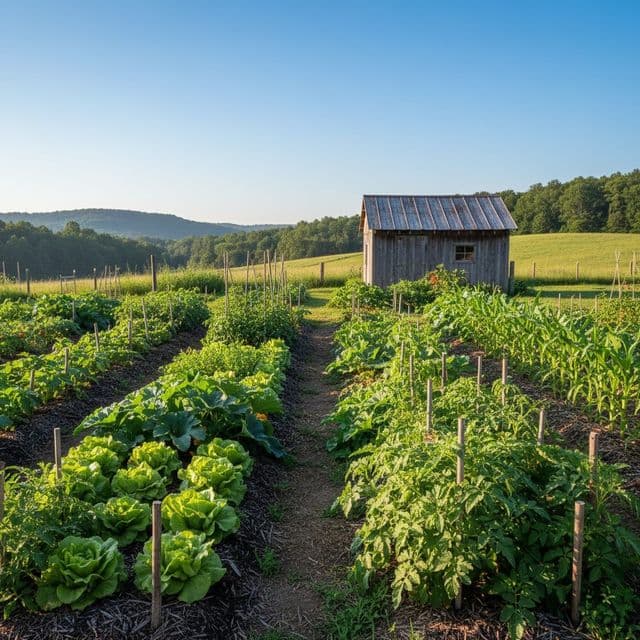
Protect your USDA Zone 6 garden with a weekly pest scouting checklist. Learn to identify common pests early, reduce crop loss, and minimize pesticide use with IPM strategies.
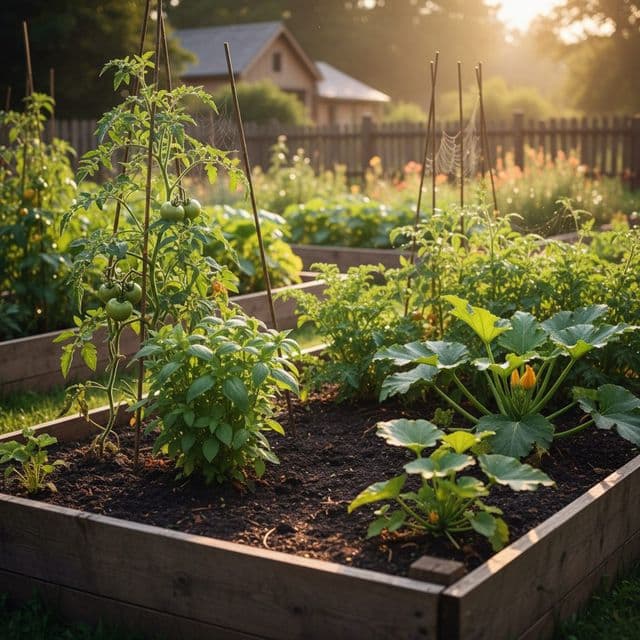
The 5 levels of Integrated Pest Management (IPM) for organic pest control in USDA Zone 6: prevent crop loss, reduce chemical use, and save costs with a systematic approach.