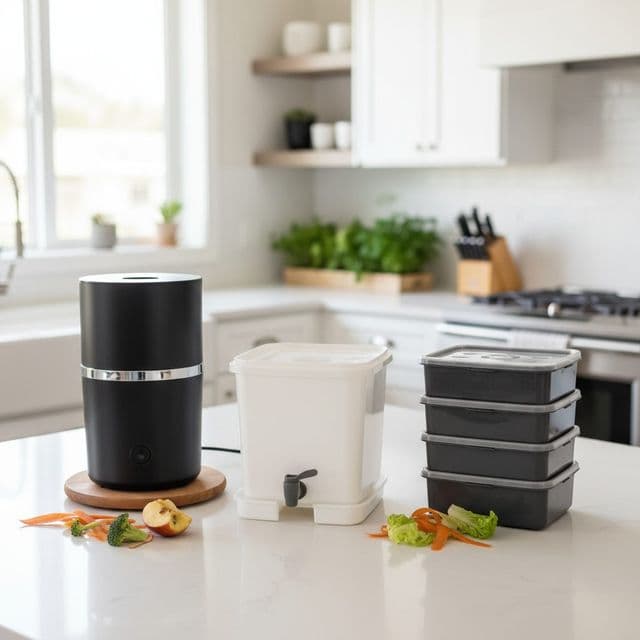
Indoor composting: bokashi, vermicomposting & electric systems
Indoor composting systems like bokashi, vermicomposting, and electric composters reduce household waste. Compare methods to choose the best option for your home.
Tag
479 articles in this tag on agripure. — page 16 of 20
Indoor composting systems like bokashi, vermicomposting, and electric composters reduce household waste. Compare methods to choose the best option for your home.
Learn how renters can compost food scraps on balconies or countertops in US cities. Discover vermicomposting, biochar, and tips for fertile container gardens.
How to make homemade bokashi bran and save up to 75% on soil amendments, enriching garden soil and fermenting kitchen scraps anaerobically.
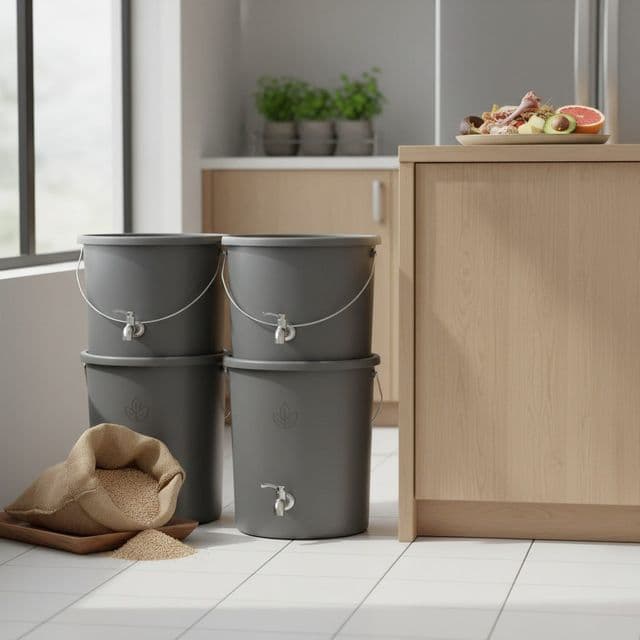
Learn Bokashi composting for US growers. Ferment all kitchen scraps, including meat & dairy, indoors. Reduce waste, create nutrient-rich soil, and avoid odors & pests.
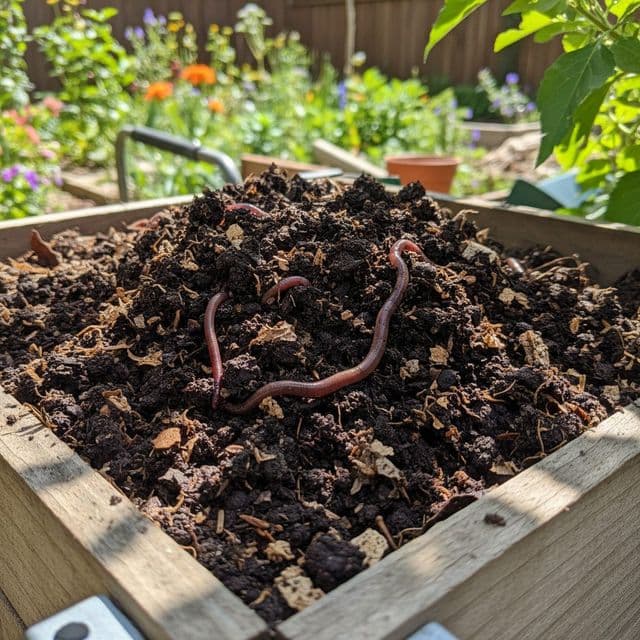
Learn four effective methods for harvesting worm castings from your backyard bin. Boost soil health, nutrient availability, and garden yields by up to 20% with nutrient-rich vermicompost.
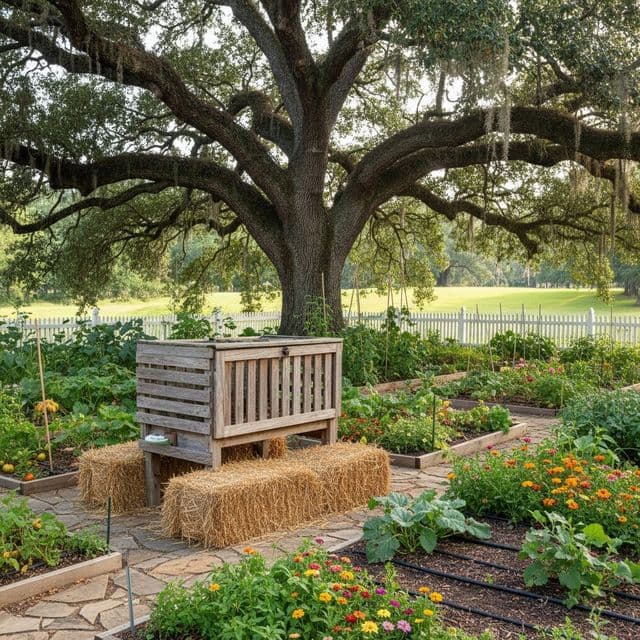
Learn essential strategies for worm bin cooling in Southern US zones 8-10 during summer. Protect red wigglers from extreme heat with placement, moisture, insulation, and biochar tips.
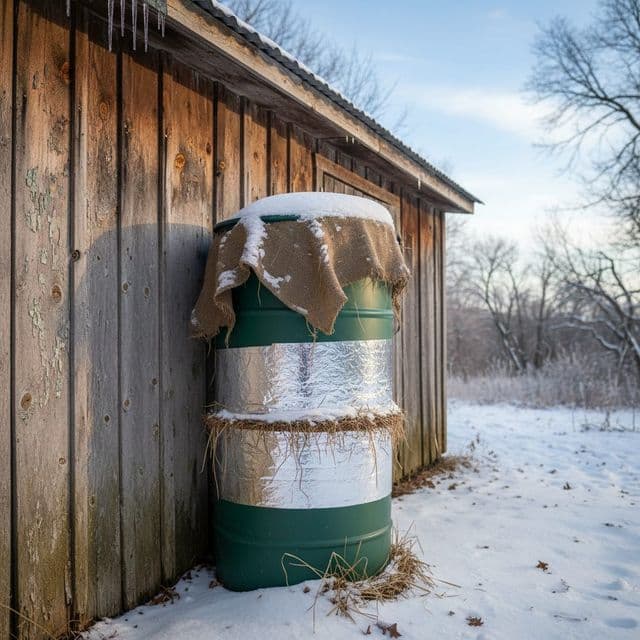
Learn how to keep your outdoor worm bin thriving through a USDA Zone 3 winter. Discover insulation techniques, feeding adjustments, and location tips for successful cold-weather vermicomposting.
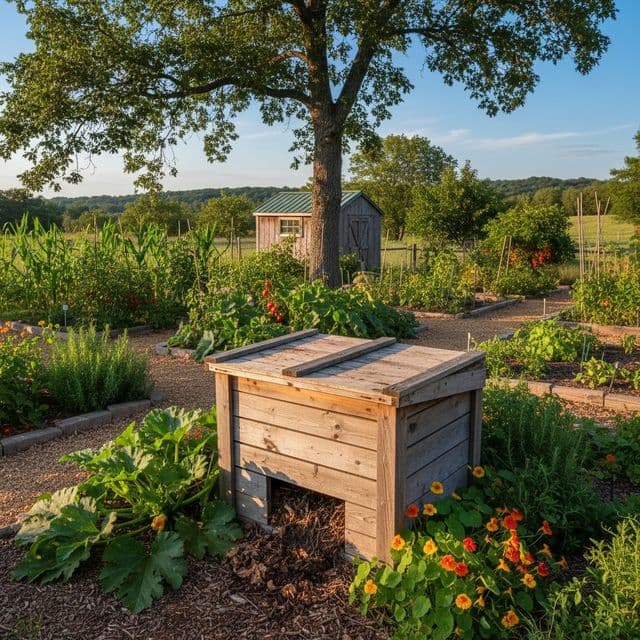
Learn how to effectively feed composting worms with our comprehensive guide. Discover ideal foods, what to avoid, and tips for nutrient-rich vermicompost to boost your garden yields.
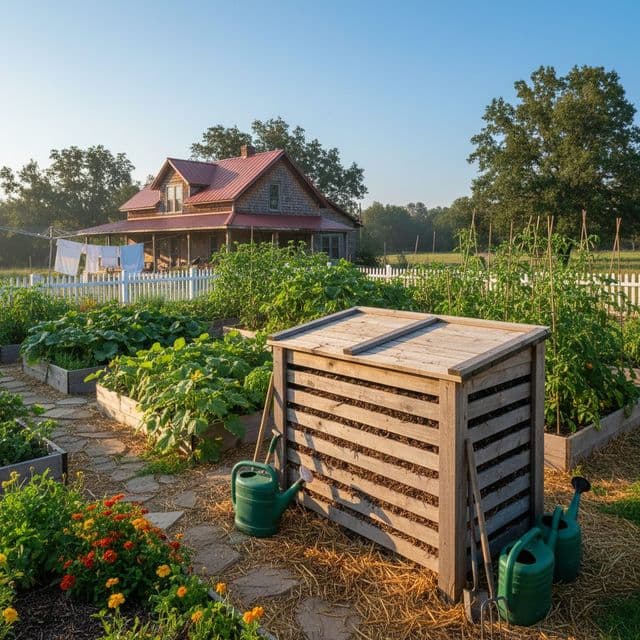
Tackle common worm bin problems like fruit flies, odors, and mold in USDA Zone 6. Learn practical solutions for moisture, feeding, and aeration to keep your vermicompost thriving.
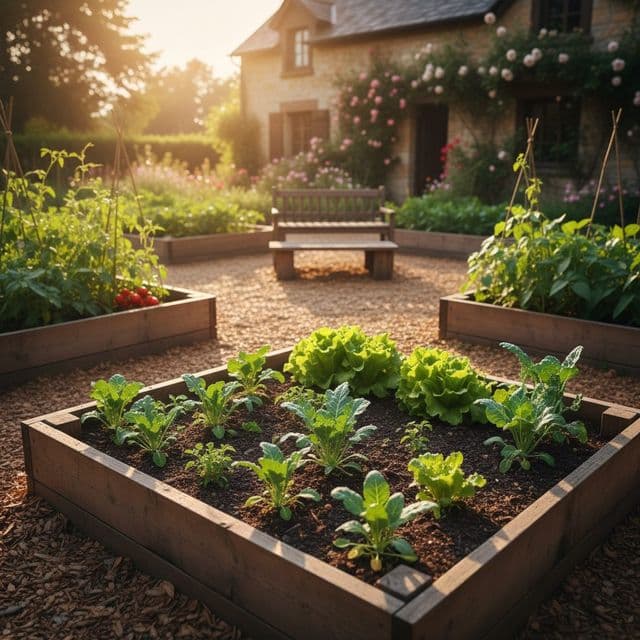
How to choose composting worms for your climate, comparing red wigglers, European nightcrawlers, and African nightcrawlers across temperature ranges from 45°F to 85°F.
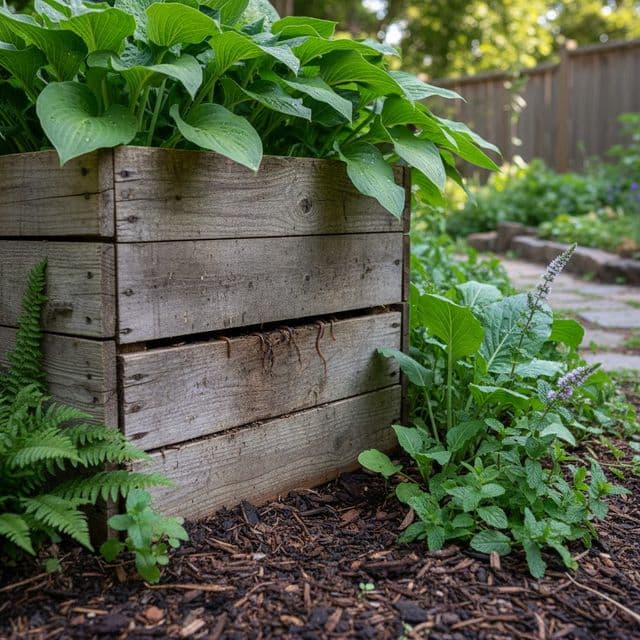
Learn how vermicomposting in US homes can transform kitchen scraps into nutrient-rich soil. This guide covers setting up a worm bin, feeding red wigglers, and harvesting castings to reduce food was…
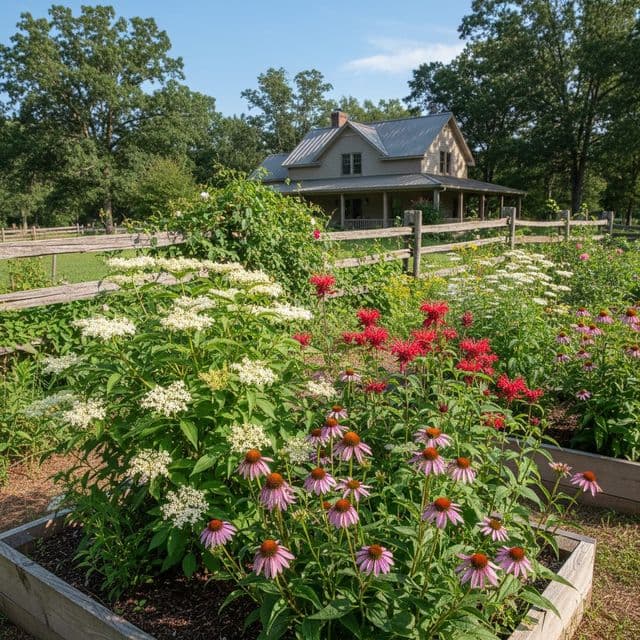
US-native medicinal plants like Echinacea and Elderberry support local biodiversity and provide herbal remedies for a home apothecary. These species are resilient and straightforward to cultivate.
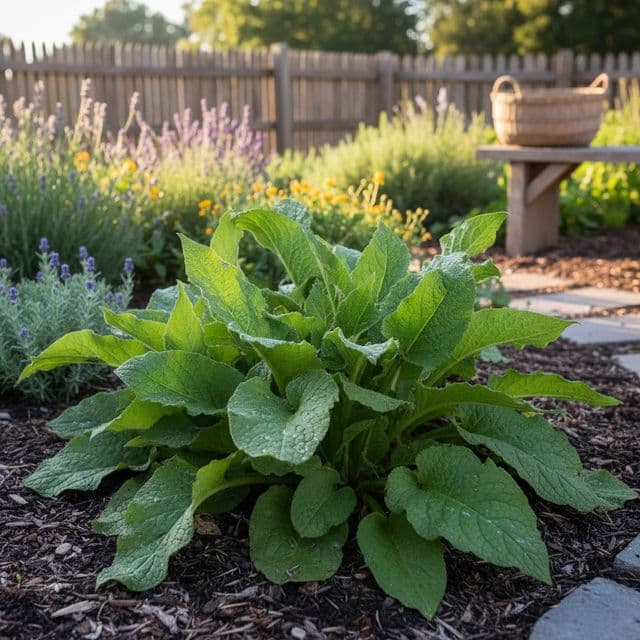
Learn to grow comfrey (Symphytum officinale) for medicinal use in USDA zones 3-9. Discover cultivation, harvesting, and safe external applications for your home apothecary.
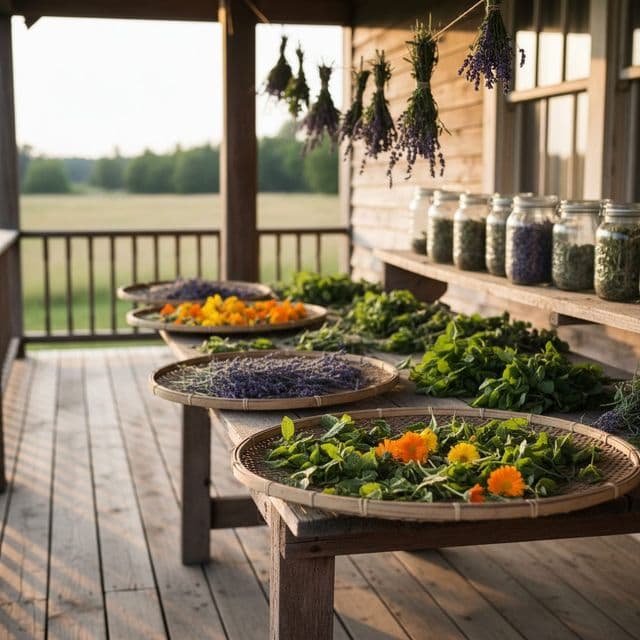
Learn essential techniques for harvesting, drying, and storing medicinal herbs to maximize potency. Our guide covers optimal timing, methods, and storage tips for effective medicinal herb preservat…

Cultivating a medicinal herb garden provides ingredients for immune-boosting and calming teas. Twelve herbs thrive across USDA zones 4-9, with straightforward methods for growing, drying, and blend…
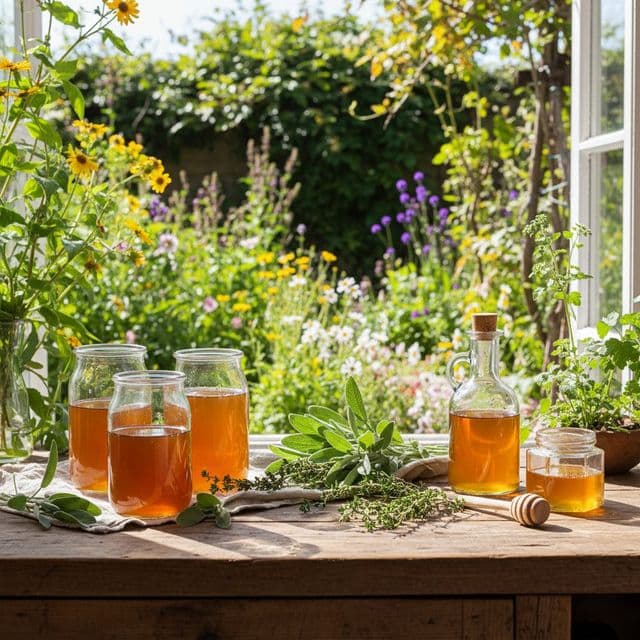
Learn to craft potent vinegar-and-honey herbal remedies like oxymels and fire cider at home. Discover recipes, storage tips, and how to save 25%+ on wellness products from your garden.
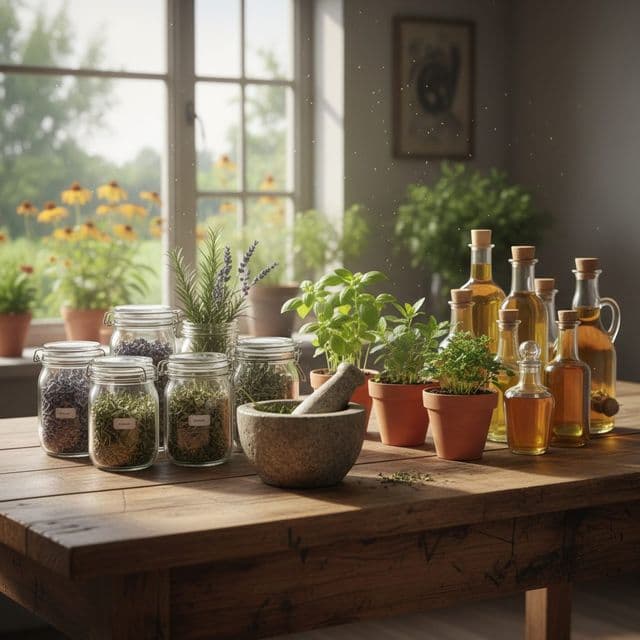
Discover how to cultivate a medicinal herb garden in USDA Zone 6 for effective home remedies. Learn to make infused honeys, oils, and syrups for wellness.
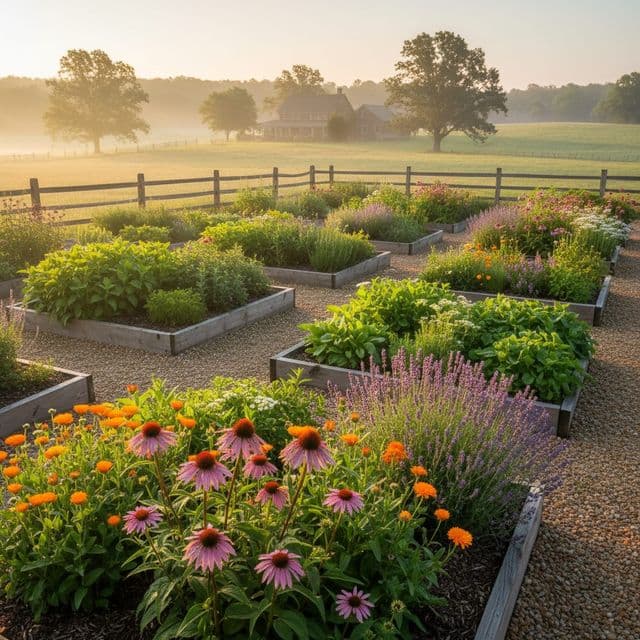
Master crafting potent herbal tinctures for your home apothecary. Learn precise extraction ratios, choose the right menstruum, and ensure long shelf life with proper storage.
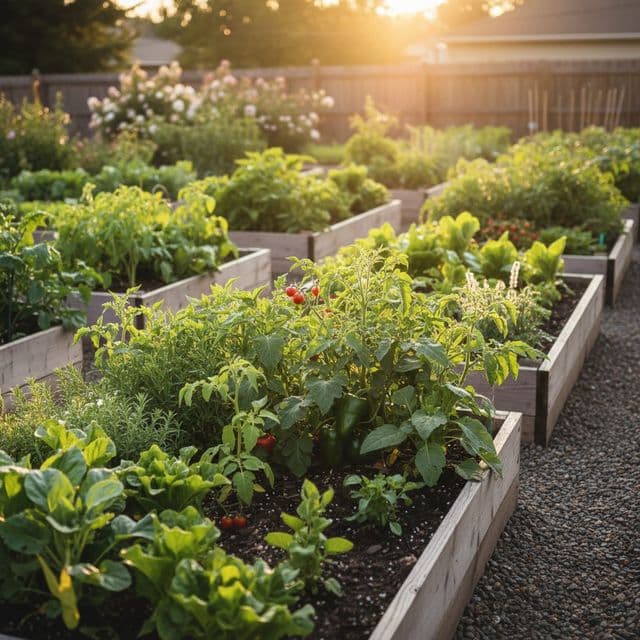
Making herbal salves and balms from a USDA Zone 6 garden turns medicinal plants like calendula into additive-free skin remedies, reducing reliance on commercial products.
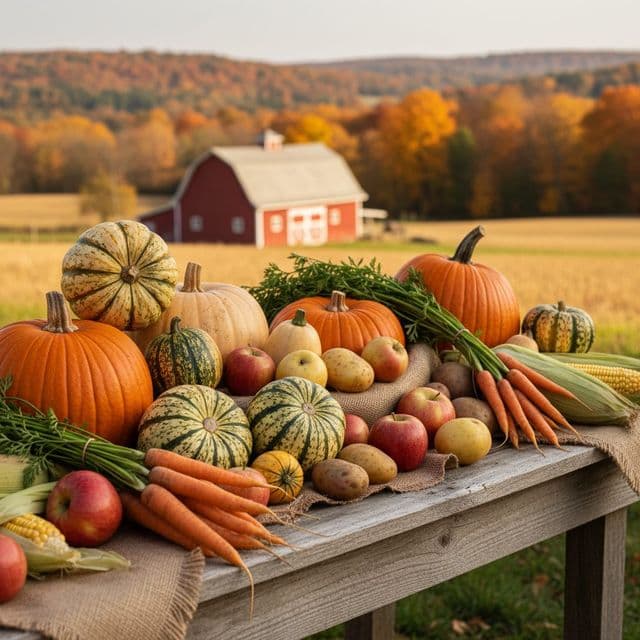
Techniques for handling garden gluts in USDA Zone 6, including fermenting, dehydrating, curing, and root cellar storage to extend the harvest and prevent waste.
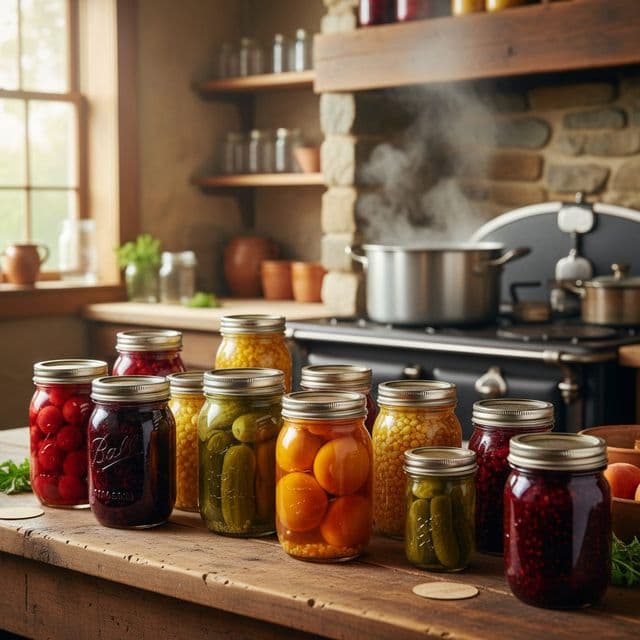
Master safe canning practices for water-bath and pressure canning. Learn essential tips to preserve fruits, vegetables, and meats, avoiding botulism and common mistakes.
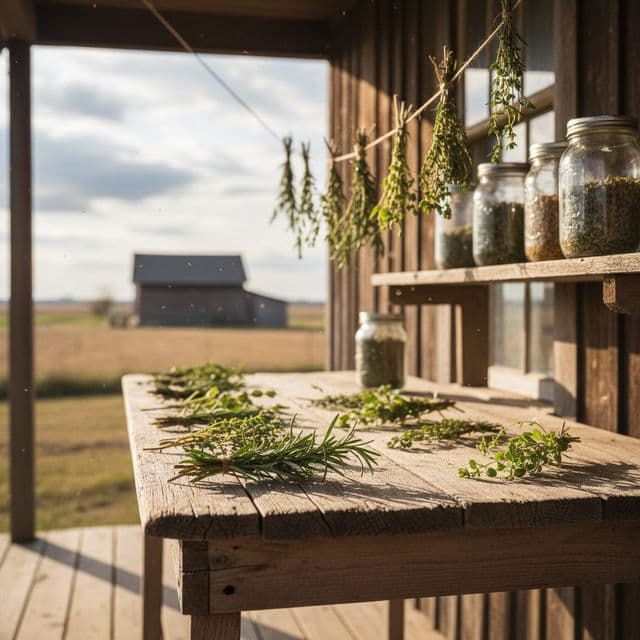
Learn how to dry garden herbs and aromatics for peak flavor & potency. Discover optimal harvesting, air drying, and dehydrator techniques to preserve your harvest and save money.
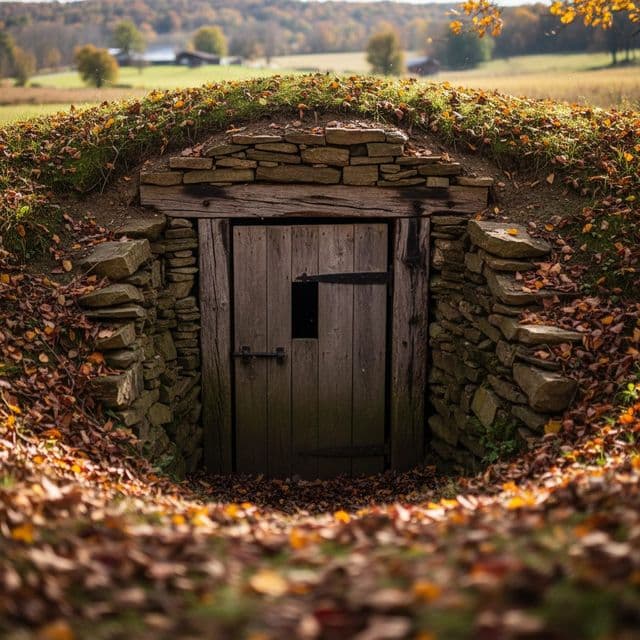
Store harvested crops for up to 10 months in USDA Zone 6 using no-power root cellaring techniques that regulate temperature, humidity, and ventilation.
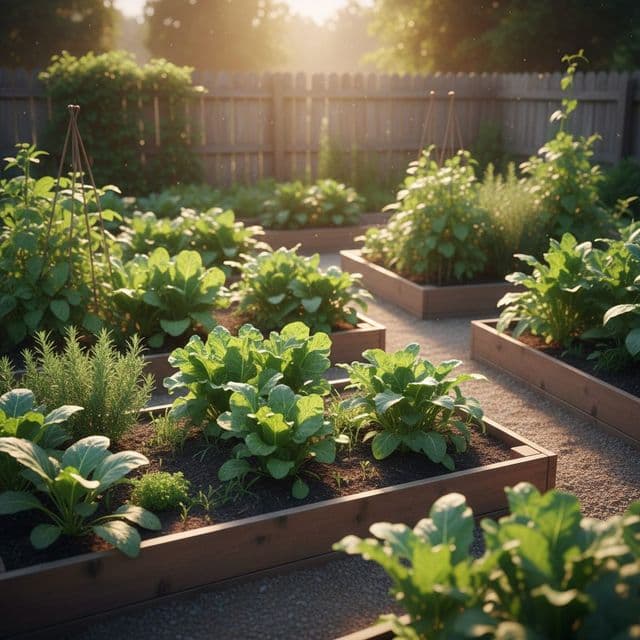
Make homemade vinegar, kombucha, and pickles to preserve food at home and save money on groceries. Methods and recipes for reliable fermentation.