Key takeaways
- Overwatering is a common issue, often wasting 50% or more of applied water and harming plant health.
- Understanding your soil type (sandy, loamy, or clay) determines appropriate watering frequency and volume.
- Signs of overwatering include yellowing leaves, stunted growth, wilting despite wet soil, and root rot.
- Utilize tools like soil moisture meters and rain gauges to accurately assess water needs and application.
- Implement efficient irrigation methods such as drip systems, which can be 90% efficient, and apply water deeply but infrequently.
- Select drought-tolerant plants appropriate for your USDA zone to reduce overall water requirements by 30-50%.
Quick answer: To avoid overwatering and ‘right-size’ irrigation, understand your soil type, use efficient methods like drip systems, and monitor soil moisture. This ensures plants receive optimal water, preventing waste and promoting health.
In many regions across the United States, from the dry plains of Kansas (USDA zone 6a) to the humid summers of Georgia (USDA zone 8a), gardeners often face a shared challenge: how much water is enough, and how much is too much? The concept of right-sizing (aligning resources with actual needs) applies directly to garden irrigation. Applying this principle ensures plants receive the moisture they need without overwatering, which is important during periods of heat and drought.
Overwatering is a more common problem than many realize, often leading to wasted resources and unhealthy plants. Estimates suggest that home gardeners can waste 50% or more of their applied water through inefficient practices, impacting both their water bill and their garden’s resilience. This article will guide you through identifying the signs of overwatering, understanding your soil’s unique water-holding capacity, and implementing strategies to ‘right-size’ your irrigation for healthier plants and a more sustainable garden, even if you live in a region experiencing 100°F summer temperatures.
What ‘right-sizing’ means for your garden’s water needs
The term ‘right-sizing’ often appears in discussions about organizational efficiency or political structures, focusing on aligning resources with actual needs to improve performance. In gardening, ‘right-sizing’ irrigation means providing your plants with the precise amount of water they require, considering their species, growth stage, soil type, and local climate conditions. It focuses on matching water volume to plant uptake. For example, a young tomato plant in USDA zone 6 might need one inch of water per week, while a mature, established shrub in the same zone might thrive on half that, especially if mulched deeply. The goal is to avoid both underwatering, which causes stress, and overwatering, which can be equally (if not more) damaging.
Understanding the principle of resource alignment
Applying the principle of ‘right-sizing’ to your garden’s water regimen involves a careful assessment of multiple factors. According to the USDA Natural Resources Conservation Service [6], understanding your soil’s characteristics is paramount. A sandy loam in Florida (USDA zone 9b) will drain much faster than a heavy clay soil in Ohio (USDA zone 6a), requiring different watering frequencies. The specific needs of a plant (whether a drought-tolerant succulent or a water-loving hosta) dictate its individual water requirements. This thoughtful approach can reduce water consumption by 20-30% in many home gardens. The concept, as explored in various contexts, emphasizes that effective ‘right-sizing’ considers specific environmental and territorial factors [3], a principle directly applicable to localized garden conditions.
- Assess plant species’ specific water requirements.
- Analyze your soil type and its water retention capabilities.
- Monitor local weather patterns, including rainfall and temperature.
- Adjust watering schedules based on plant growth stages.
- Consider the garden’s microclimates, such as shaded or sunny areas.
The hidden dangers of overwatering
While the immediate thought for struggling plants often turns to thirst, overwatering can be a silent killer in the garden, particularly in regions with heavy rainfall or poor drainage. Excess water deprives plant roots of essential oxygen, effectively suffocating them. This leads to a cascade of problems, including root rot, fungal diseases, and nutrient deficiencies. In a garden bed with clay soil, common in parts of the Midwest, water can sit for extended periods, creating anaerobic conditions within 24-48 hours. This problem is exacerbated when temperatures are consistently above 80°F, as root activity increases, demanding more oxygen.
Identifying the subtle signs of too much water
Recognizing the signs of overwatering can be tricky because many symptoms, such as wilting and yellowing leaves, can also indicate underwatering. However, there are key distinctions. Overwatered plants often wilt even when the soil is visibly wet to a depth of 2-3 inches, indicating root damage. Leaves might turn yellow or brown, starting from the lower foliage, and feel soft or mushy. Stunted growth, despite adequate fertilization, is another common indicator. For instance, a pepper plant in a raised bed in USDA zone 7 that receives two inches of water daily might show these symptoms within a week. You might also notice a musty odor from the soil, a sign of anaerobic decomposition. The USDA Natural Resources Conservation Service [6] emphasizes that proper drainage is critical, noting that poor drainage can reduce crop yields by 15-25%.
- Yellowing leaves, especially lower ones, that feel soft.
- Wilting plants even when soil is saturated.
- Stunted growth or lack of new development.
- Fungal growth on soil surface or plant stems.
- A distinct, unpleasant odor from the soil.
Tools and techniques for accurate water management
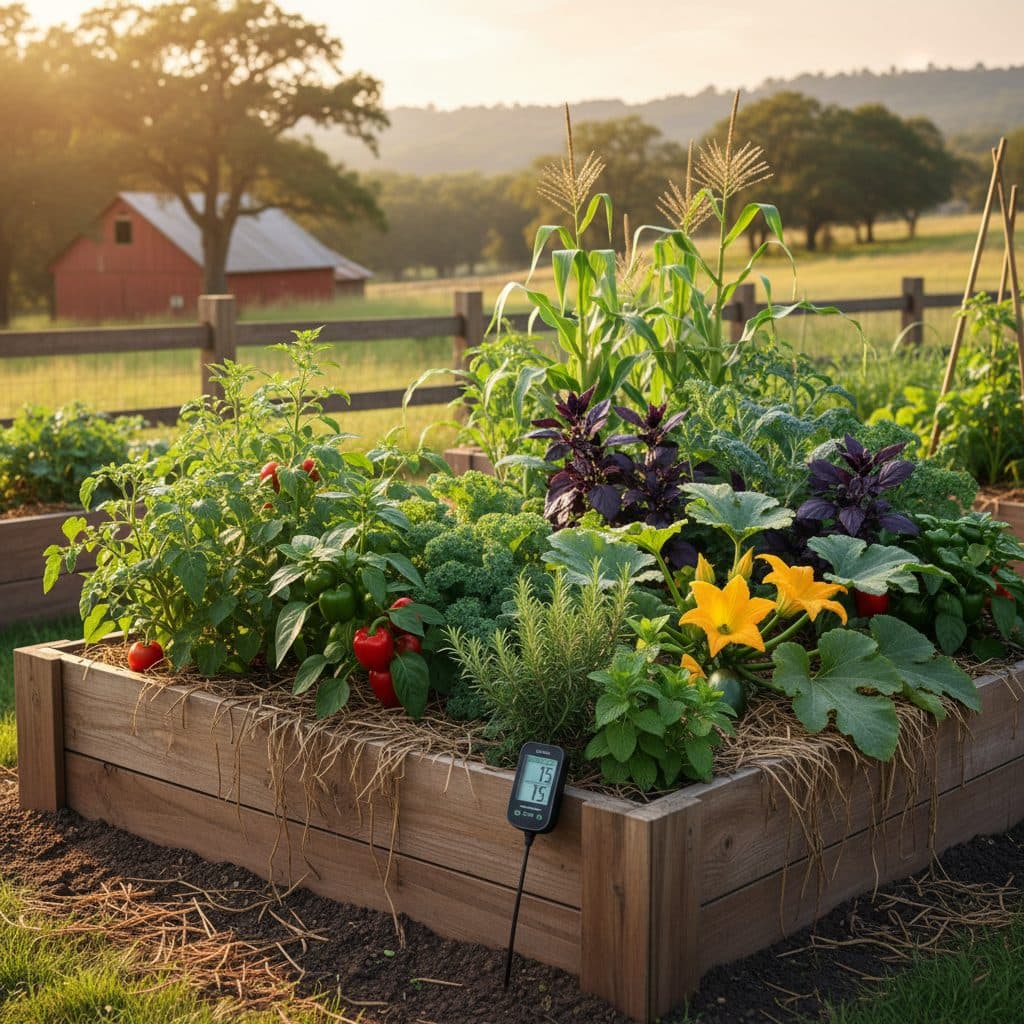
Guessing your garden’s water needs is a recipe for inefficiency and plant stress. Fortunately, several tools and techniques can help you ‘right-size’ your irrigation with precision. One of the simplest yet most effective tools is your finger. Stick it into the soil about 2-3 inches deep; if it feels dry, it’s likely time to water. However, for more accurate readings, especially in larger beds or with sensitive plants, a soil moisture meter can be invaluable. These devices can provide a numerical reading, helping you understand the moisture content at various depths, potentially reducing water usage by 20-30% in a typical season.
Implementing smart watering practices
Beyond simple observation, integrating smart watering practices can significantly improve your garden’s health and water efficiency. Drip irrigation systems, for example, deliver water directly to the plant’s root zone, minimizing evaporation and runoff. The USDA Natural Resources Conservation Service [6] reports that drip systems can achieve 90% efficiency, compared to 50-70% for traditional sprinklers. Mulching your beds with 2-4 inches of organic material, such as wood chips or straw, can reduce evaporation by up to 30%, keeping soil moisture consistent and suppressing weeds. For gardens with heavy clay soil, amending with 15-20% organic matter can improve drainage and aeration, as discussed in our article on plants for clay soil. Even a simple rain gauge can help you track natural precipitation, preventing unnecessary supplemental watering after a 0.5-inch rain event.
- Use a soil moisture meter for precise readings at 2-6 inch depths.
- Install a drip irrigation system for targeted, efficient watering.
- Apply 2-4 inches of organic mulch to reduce evaporation by 30%.
- Utilize a rain gauge to track natural precipitation.
- Water deeply and infrequently, aiming for one inch of water per week for most established plants.
Building resilience: choosing the right plants and improving soil
A truly ‘right-sized’ irrigation strategy extends beyond just how you water; it also encompasses what you plant and where. Selecting plants that are naturally adapted to your local climate and soil conditions significantly reduces their reliance on supplemental irrigation. For instance, in the hot, dry summers of Arizona (USDA zone 9a), opting for native cacti, agaves, or desert marigolds means less watering than trying to grow temperate annuals. Many drought-tolerant species, once established, can thrive on less than 0.5 inches of water per week, even during periods when temperatures consistently reach 100°F. Our guide on drought-tolerant plants offers specific recommendations by USDA zone.
Improving soil structure for water retention
The foundation of efficient irrigation is healthy soil. Soil structure plays a critical role in how water is absorbed, retained, and made available to plant roots. Compacted or poor soil, common in new construction areas, can lead to significant runoff and poor water penetration, wasting up to 40% of applied water. Incorporating 10-20% organic matter, such as compost or aged manure, can dramatically improve soil structure. This boosts the soil’s water-holding capacity, especially in sandy soils which might otherwise lose 70% of their moisture quickly, and improves drainage in heavy clay soils. For instance, adding 2-3 inches of compost to the top six inches of a garden bed can increase its water retention by 15-20% over a single season, according to USDA data [6]. This creates a more resilient garden that can better withstand periods of drought and heat.
- Choose native or drought-tolerant plants suited for your USDA zone.
- Incorporate 10-20% organic matter into your soil annually.
- Avoid over-tilling, which can destroy soil structure.
- Utilize cover crops to improve soil health and moisture retention.
- Consider raised beds for better drainage in areas with heavy clay.
Seasonal adjustments and long-term planning
Effective ‘right-sizing’ of irrigation isn’t a one-time task; it’s an ongoing process that adapts to the changing seasons and the long-term needs of your garden. In spring, as plants emerge and temperatures rise from 50°F to 70°F, water needs gradually increase. During peak summer heat, especially in regions like the Central Valley of California (USDA zone 9b) where temperatures can exceed 105°F for days, plants may require 20-30% more water than in milder periods. Conversely, as autumn approaches and temperatures drop, water requirements decrease significantly, often by 50% or more. Failing to adjust can lead to overwatering in cooler months, promoting fungal issues.
Planning for a climate-resilient future
Looking ahead, gardeners in the US are increasingly facing more extreme weather patterns, including prolonged droughts and intense heat waves. Long-term irrigation planning involves adjusting for seasonal shifts and making strategic choices that build resilience. This includes investing in permanent, efficient irrigation systems like subsurface drip lines, which can last 10-15 years, and designing garden beds to group plants with similar water needs together, a practice known as hydrozoning. For example, planting a low-water herb garden (requiring 0.5 inches/week) separately from a thirsty vegetable patch (needing 1.5 inches/week) can optimize water delivery and reduce overall consumption by 10-15%. The USDA Natural Resources Conservation Service [6] emphasizes the importance of these long-term strategies for sustainable gardening, particularly in areas prone to water restrictions.
- Adjust watering frequency and volume based on seasonal temperature changes.
- Group plants with similar water needs into hydrozones to optimize delivery.
- Consider installing permanent, efficient irrigation systems like drip lines.
- Collect rainwater in barrels for supplemental irrigation, saving up to 50 gallons per rain event.
- Regularly check and maintain irrigation systems for leaks, which can waste hundreds of gallons annually.
Common Soil Types and Water Management
Soil Type | Water Retention | Drainage Rate | Recommended Action |
|---|---|---|---|
Sandy Soil | Low (holds 10-20% water) | Fast (drains in hours) | Water more frequently, add 20-30% organic matter. |
Loamy Soil | Medium (holds 30-40% water) | Moderate (drains in 1-2 days) | Ideal, monitor moisture, add 10% organic matter annually. |
Clay Soil | High (holds 40-50% water) | Slow (drains in days) | Water less frequently, improve drainage with 15-20% organic matter. |
Water Waste: Overwatering in home gardens can lead to 50% or more of applied water being wasted annually, impacting both resources and plant health.
Drip System Efficiency: Drip irrigation systems are highly efficient, delivering water directly to roots with up to 90% effectiveness, significantly reducing evaporation and runoff.
Frequently asked questions
How can I tell if my wilting plant is overwatered or underwatered?
Check the soil moisture 2-3 inches deep. If the soil is wet and the plant is wilting, it’s likely overwatered due to root damage. If the soil is dry, it’s underwatered. Overwatered leaves often turn yellow and feel soft, while underwatered leaves might be crispy or brittle, and wilting usually improves within 30 minutes of watering.
What is the best time of day to water my garden beds?
The best time to water is early morning, between 6 AM and 9 AM. This allows the water to penetrate the soil before the sun’s heat causes significant evaporation, which can reduce water effectiveness by 10-20% during midday. Watering in the evening can leave foliage wet overnight, increasing the risk of fungal diseases.
Can overwatering lead to plant diseases?
Yes, absolutely. Overwatering creates anaerobic conditions in the soil, which are ideal for the development of root rot pathogens like Phytophthora. It also increases humidity around the plant, promoting foliar fungal diseases like powdery mildew and blight, potentially reducing yields by 25% or more.
How often should I use a soil moisture meter?
For new gardeners or in changing weather conditions, use a soil moisture meter daily or every other day for the first few weeks to establish a baseline. Once you understand your garden’s rhythm, checking 2-3 times per week should be sufficient, especially if you have sensitive plants or live in USDA zone 8 or higher with high temperatures.
Is it possible to recover an overwatered plant?
Yes, it is often possible to recover an overwatered plant, especially if caught early. Stop watering immediately and allow the soil to dry out significantly, potentially for several days. Ensure good air circulation around the plant. If the plant is in a container, gently remove it and check for root rot; prune any mushy, dark roots with clean shears, and repot with fresh, well-draining soil. This can save up to 70% of affected plants.
References
- Right‐Sizing Over the Jordan: The Politics of Down‐Sizing Borders (2001). Right‐Sizing Over the Jordan: The Politics of Down‐Sizing Borders.
- The Elements of Right‐Sizing and Right‐Peopling the State (2001). The Elements of Right‐Sizing and Right‐Peopling the State.
- ‘Right‐Sizing’ Or ‘Right‐Shaping’? Politics, Ethnicity, and Territory in Plural States (2001). ‘Right‐Sizing’ Or ‘Right‐Shaping’? Politics, Ethnicity, and Territory in Plural States.
- Conclusion: Right‐Sizing and the Alignment of States and Collective Identities (2001). Conclusion: Right‐Sizing and the Alignment of States and Collective Identities.
- Thresholds of Opportunity and Barriers to Change in the Right‐Sizing of States (2001). Thresholds of Opportunity and Barriers to Change in the Right‐Sizing of States.
- USDA Natural Resources Conservation Service (2024). USDA Natural Resources Conservation Service.