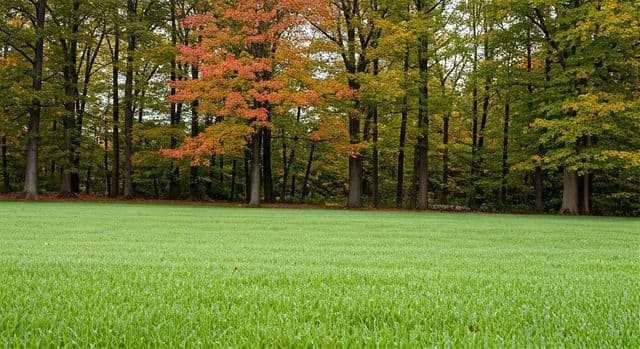
Cool-Season Lawn Care: Year-Round Guide for USDA Zones 3-7
Master cool-season lawn care in USDA zones 3-7 with this year-round guide. Learn seasonal tips for fertilization, mowing, watering, and weed control for a healthy turf.
Tag
29 articles in this tag on agripure. — page 1 of 2
Master cool-season lawn care in USDA zones 3-7 with this year-round guide. Learn seasonal tips for fertilization, mowing, watering, and weed control for a healthy turf.
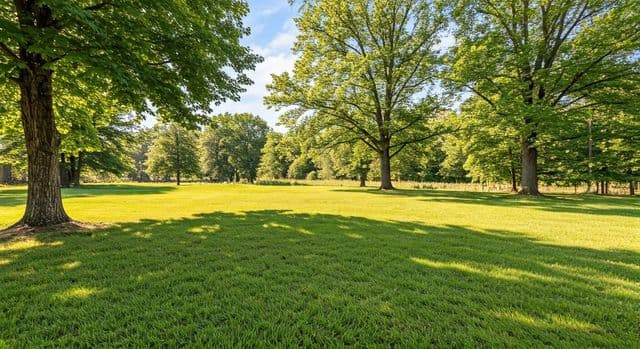
Navigate USDA Zone 6’s challenging climate. Discover the best grass options: tall fescue, Zoysia, and Bermudagrass, balancing heat tolerance with winter hardiness for a resilient lawn.
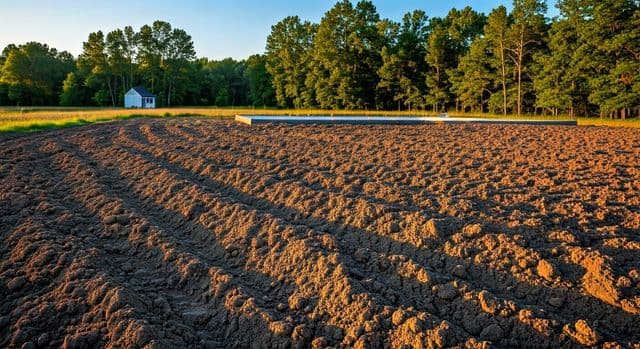
Prepare and grade soil in the US for new lawn establishment. Test pH, amend soil, clear site debris, and establish proper grade for seeding or sodding.
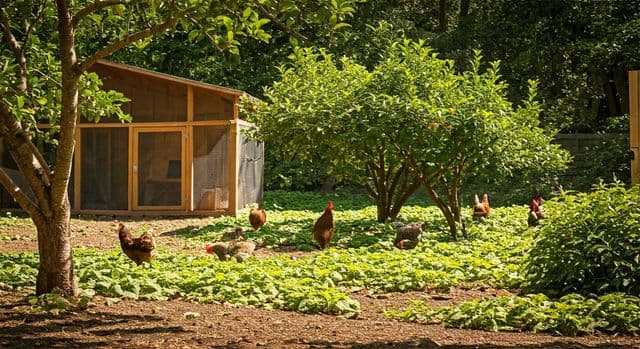
Discover how integrating hens into your food forest boosts pest control, soil fertility, and weed management. Learn design tips for a thriving, resilient homestead system.
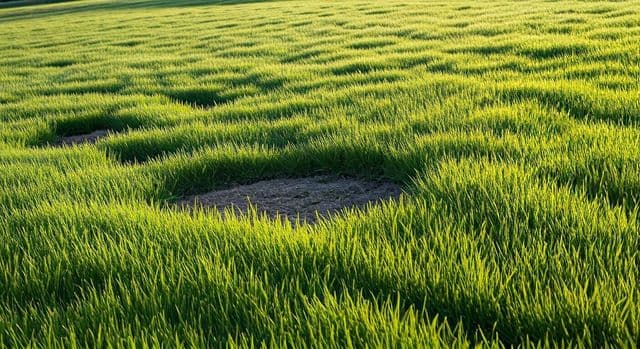
How to repair bare spots and thinning turf, covering diagnosis, soil preparation, seeding rates, and watering schedules.
Master seasonal lawn care for bermudagrass & fescue in USDA zones 6-8. Learn optimal timing for fertilizing, aerating, and dethatching to ensure a healthy lawn.
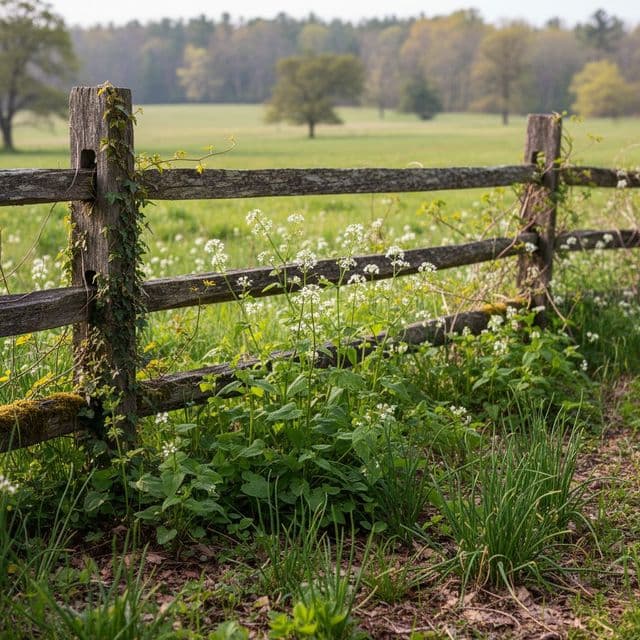
Learn to identify and forage invasive garlic mustard and field garlic across US woodlands and fields. Discover how eating these plants helps manage their spread and provides a sustainable food source.
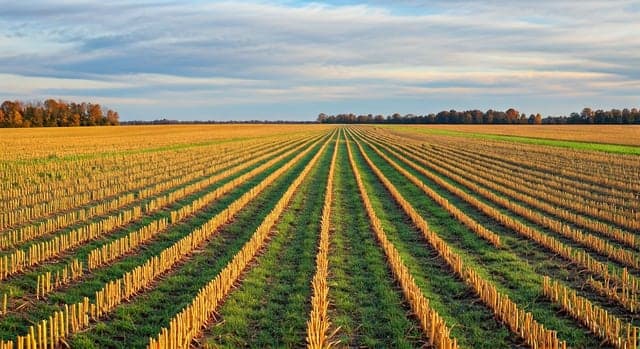
Stabilize eroding slopes and bare topsoil fast across US climates: contour seeding, crimped straw and erosion blankets, cereal rye C:N and Feekes 10.5.1 crimping rules, daikon radish P-runoff pairi…
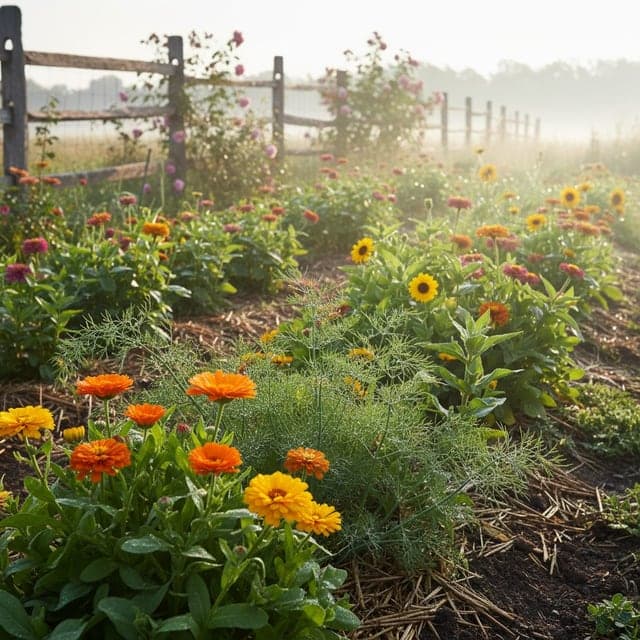
Learn effective strategies to manage volunteer plants and self-seeders in USDA Zone 6. Discover how deadheading, mulching, and selective weeding can reduce garden maintenance.
Native vines provide quick coverage across USDA zones 5-9 without the ecological damage caused by invasive species like kudzu, English ivy, and non-native wisteria.
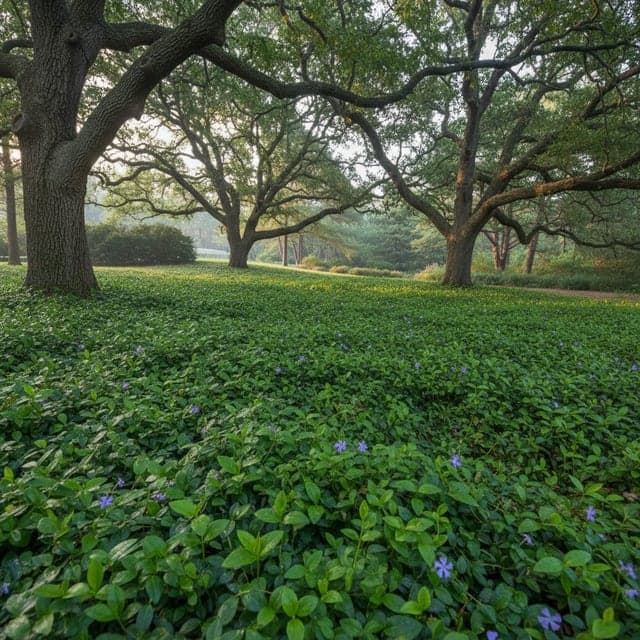
Discover how evergreen groundcovers can reduce weeding by up to 70% in your homestead garden. Learn plant selection, establishment, and benefits for year-round weed suppression across USDA zones.
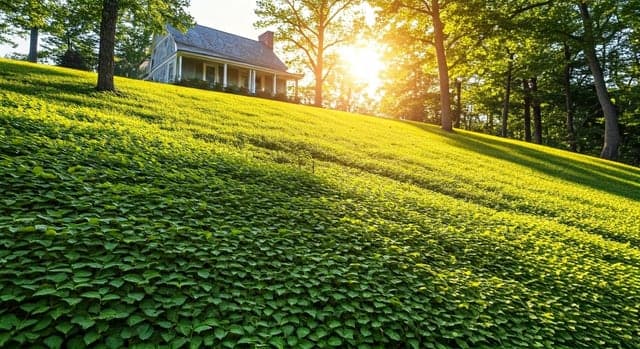
How fast-spreading groundcovers can reduce runoff by 30% and prevent erosion on slopes across US regions, including plant selection and establishment methods.
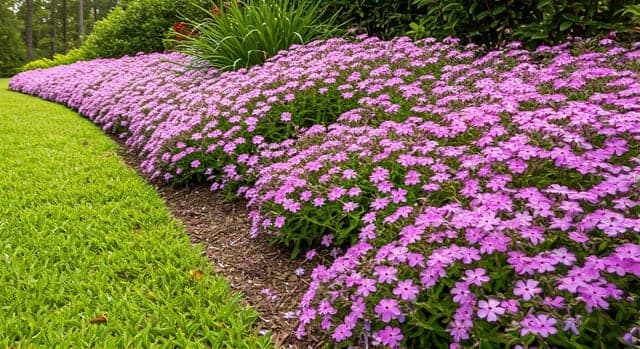
Discover the best weed-smothering groundcovers for challenging clay soil in the Southeast US. Reduce weeding with plants like Creeping Phlox, Sedum, and Liriope, improving soil health.

Compare microclover ('Pirouette', 'Pipolina'), Dutch white clover, strawberry clover, and creeping thyme for US gardens and orchards. Learn how Rhizobium nitrogen really transfers via chop-and-drop…
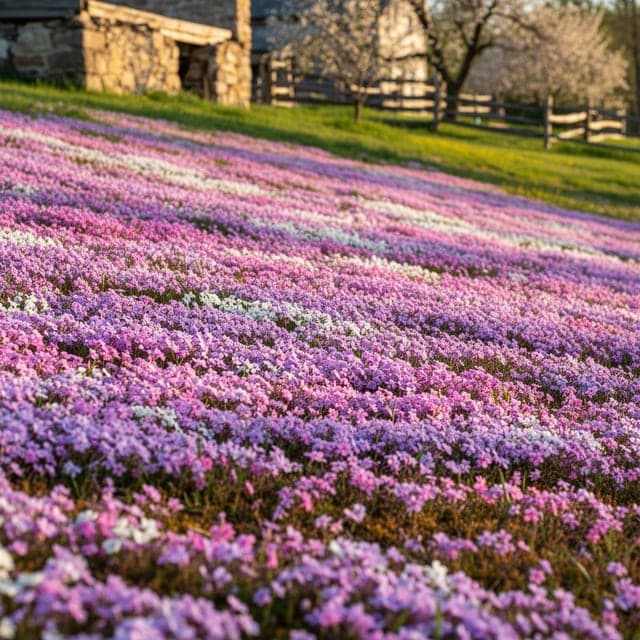
Discover how native groundcovers reduce weeds significantly in Northeast, Southeast, Midwest, and Pacific Northwest US regions. Save labor & boost yields with these low-maintenance plants.
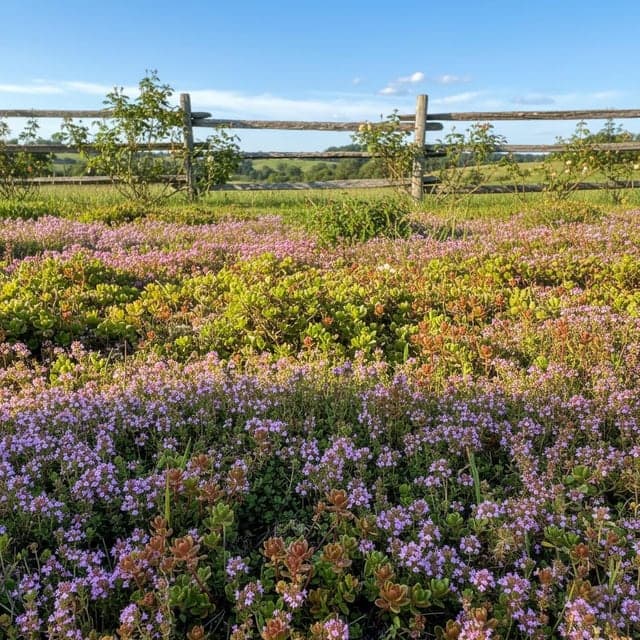
Discover how effective groundcovers can reduce weed growth by up to 90% in US gardens. Learn to select the best weed-smothering groundcovers for sun or shade, minimizing maintenance.
Separate vigorous US native and controlled groundcovers—wild strawberry, Carex sedges, bearberry, creeping thyme, and yarrow—from banned invasives like crown vetch, goutweed, vinca, English ivy, le…
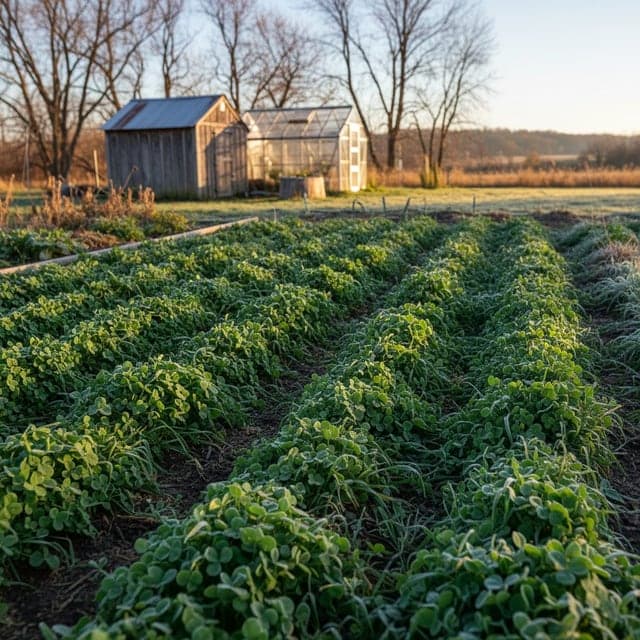
Discover how cover crops improve soil health, fix nitrogen, and boost yields in US gardens. Learn to choose and manage cover crops for a resilient, productive ecosystem.
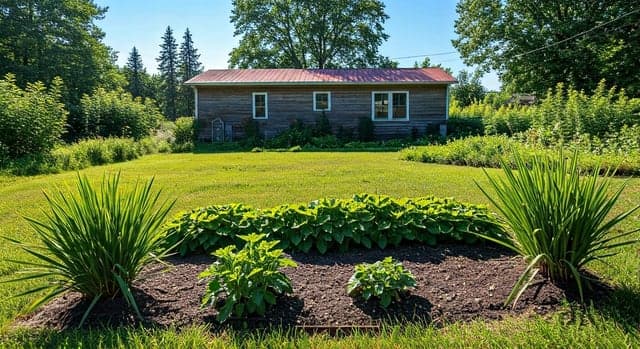
Discover how common US weeds act as bio-indicators of soil health problems like compaction, pH, and nutrient imbalances. Learn to interpret weed soil indicators for a healthier garden.

Engineer multi-species cover crop mixes for US soil health: 20–30:1 C:N ratio balancing, 30–50% monoculture seeding-rate reductions, winterkill vs. overwintering crimp or tarp timing, livestock tox…
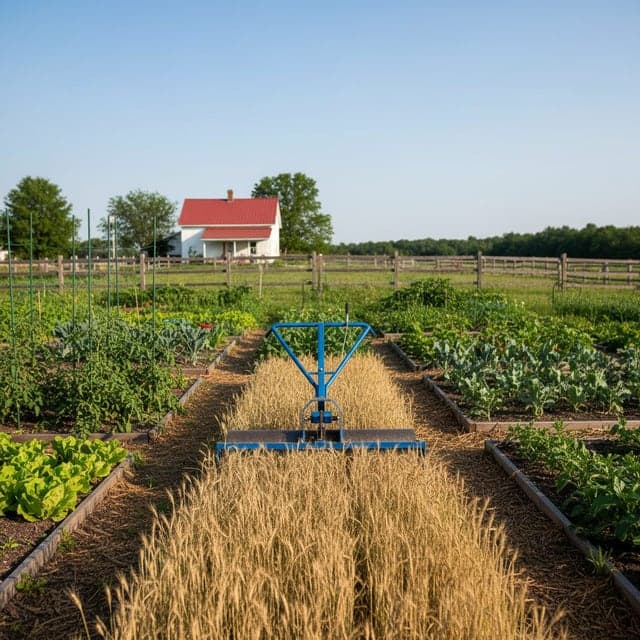
No-till cover crop termination methods including roller-crimping, tarping, and chop-and-drop to increase soil organic matter and improve soil health for US growers.
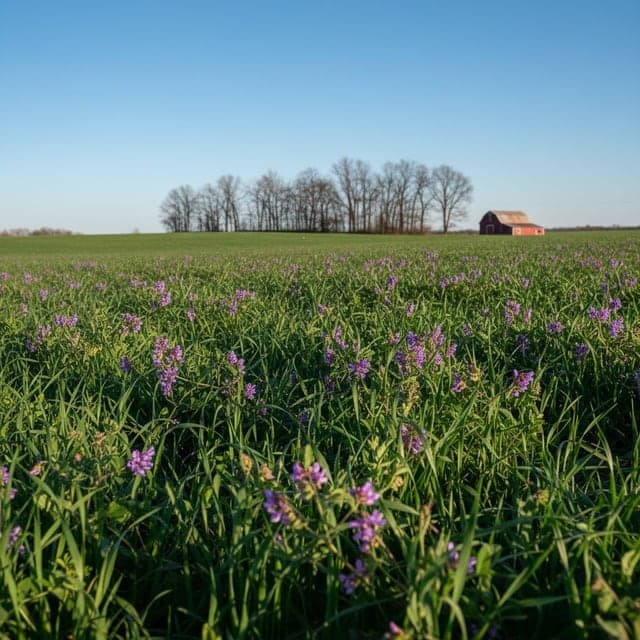
Winter cover crops for USDA zones 3-7 including rye, vetch, and clover. How these cold-hardy plants build soil, fix nitrogen, and suppress weeds in permaculture systems.

Match US cover crops to USDA Zones 3–10 with regional sowing cutoffs, winterkill vs. overwintering hardiness, 2–3 week rye allelopathy waits, buckwheat seed-set limits, and field safety gates.
Compare the best mulch materials for US no-dig gardens across USDA Zones 3–10: C:N ratios, depths, cubic-yard math, clopyralid bioassays, and regional trade-offs.