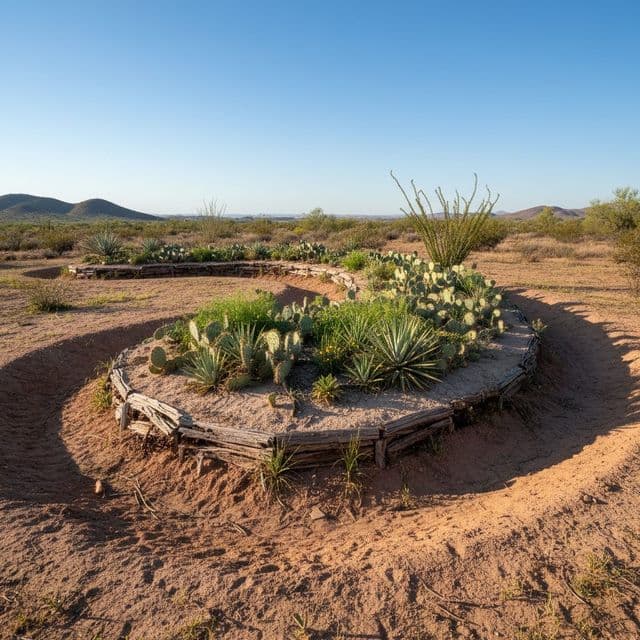
Hugelkultur in Arid Southwest: Water Conservation & Termite Mgmt
Master hugelkultur in the arid Southwest. Learn wood selection, termite prevention, and passive irrigation to conserve water and build soil for thriving gardens in dry climates.
Topic
Regional homesteading explores how climate, soil type, annual rainfall, and local land-use rules shape the practical decisions on any property. Articles help readers translate general homesteading advice into strategies that fit their specific conditions — so the same goal of greater self-reliance takes a different, well-reasoned form depending on where you are.
41 articles in this topic on agripure. — page 2 of 2
Master hugelkultur in the arid Southwest. Learn wood selection, termite prevention, and passive irrigation to conserve water and build soil for thriving gardens in dry climates.
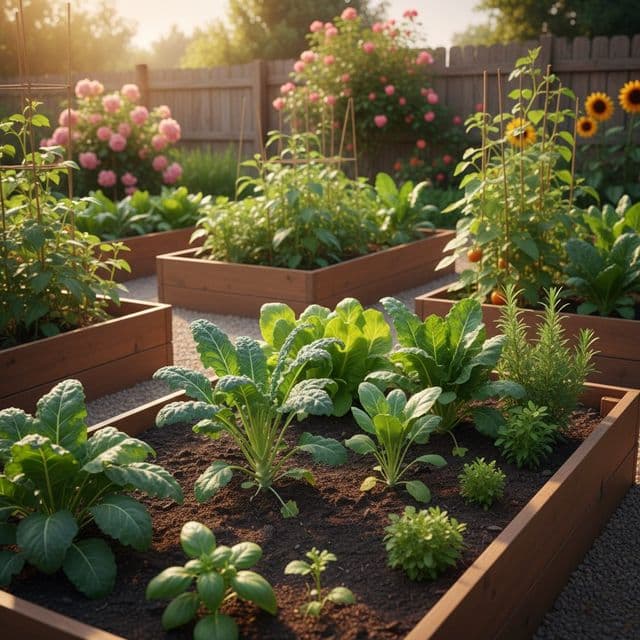
Learn backyard pond sizing for arid regions. Calculate volume, select liners & pumps, and integrate passive irrigation. Maximize water resilience and support wildlife in the American West.
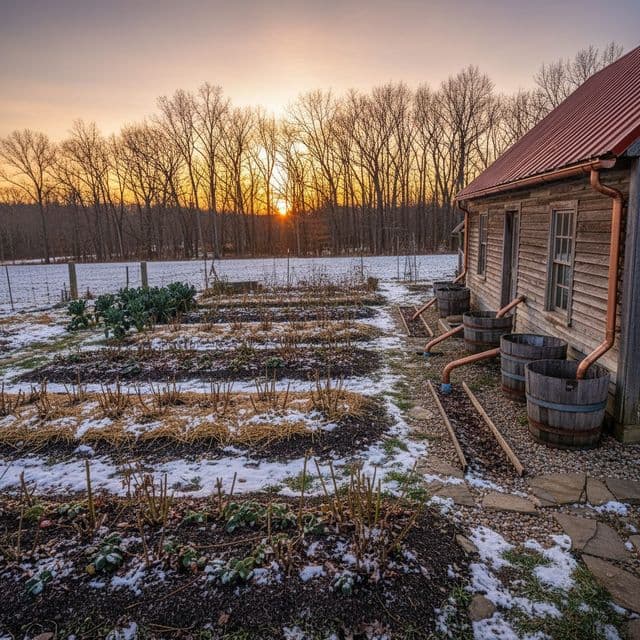
Learn essential steps for cold-climate rainwater storage. Prevent freeze damage to barrels & systems in USDA Zone 5 by draining and protecting components before winter.
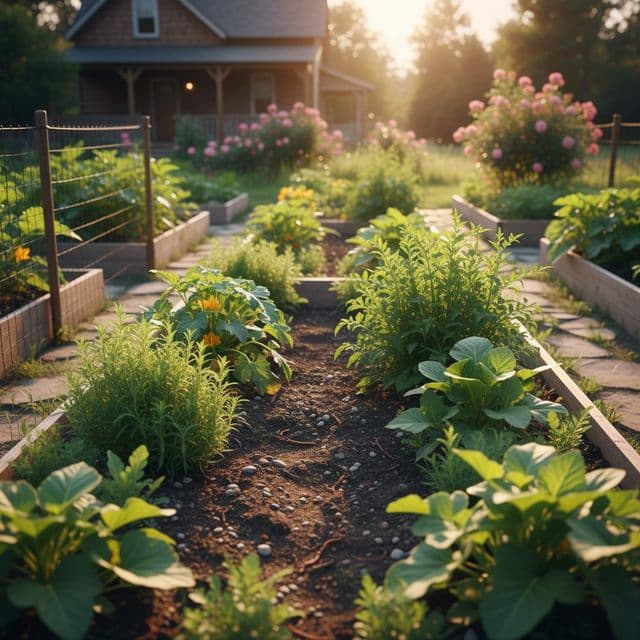
Understand US rainwater harvesting laws, including specific rules for Colorado, Utah, and Nevada. Learn about volume limits, permits, and efficient passive irrigation techniques like ollas to conse…
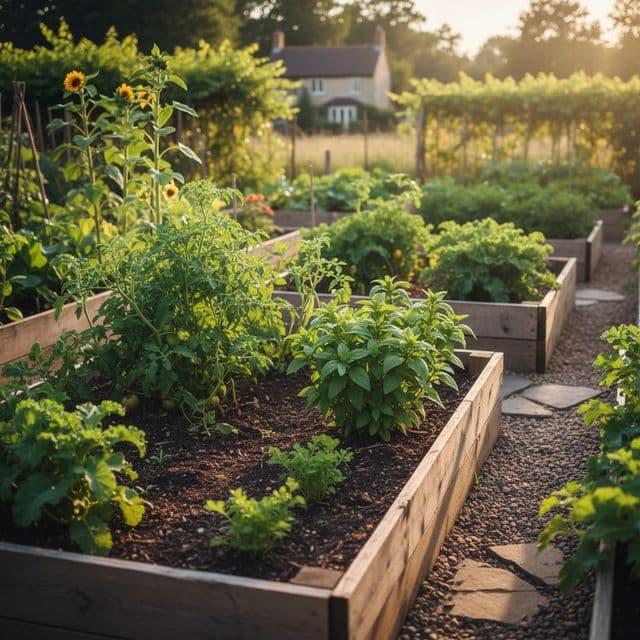
Transform sandy soil in coastal Florida. Learn DIY strategies using compost, vermicompost, and biochar to boost water retention, nutrient levels, and plant health. Essential for homesteaders.
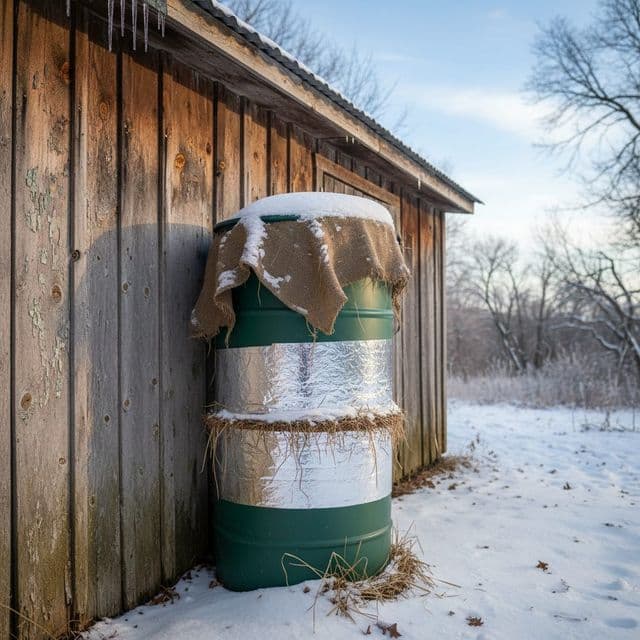
Learn how to keep your outdoor worm bin thriving through a USDA Zone 3 winter. Discover insulation techniques, feeding adjustments, and location tips for successful cold-weather vermicomposting.
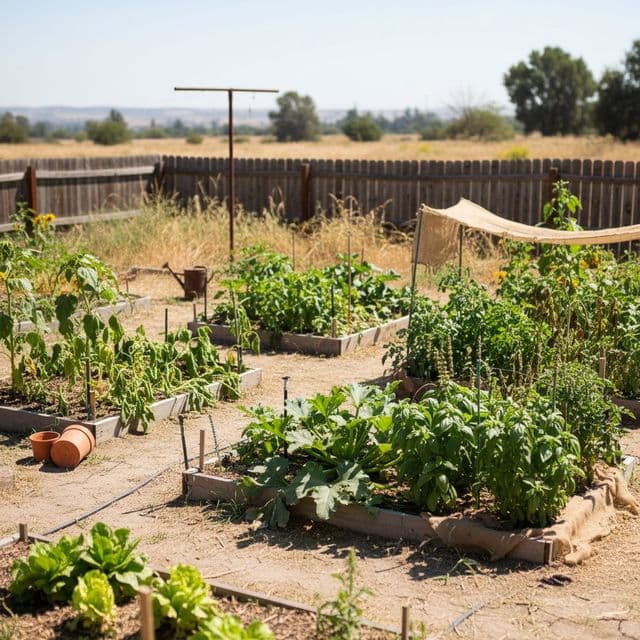
Learn how to adapt your summer fertilizer strategy for extreme heat and drought. Maintain healthy tomato yields in USDA zones 6-9 by optimizing soil health, nutrient uptake, and watering.
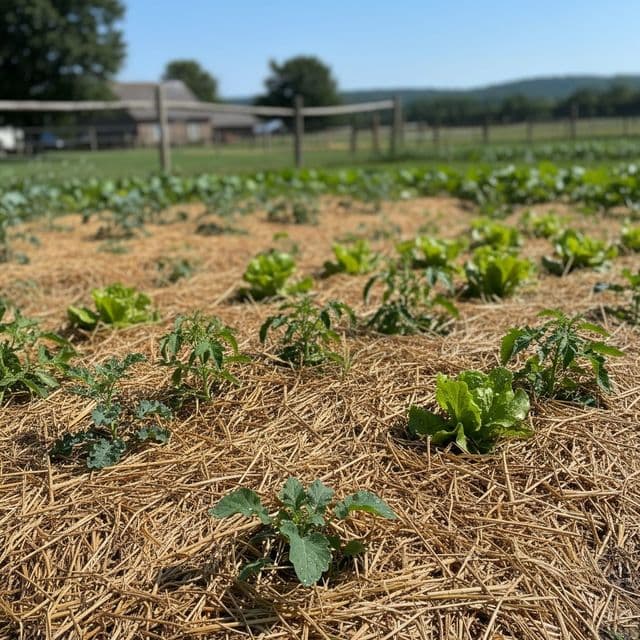
Discover effective mulching strategies to conserve soil moisture in the arid US Southwest. Learn how organic and inorganic mulches reduce evaporation, suppress weeds, and regulate soil temperature…
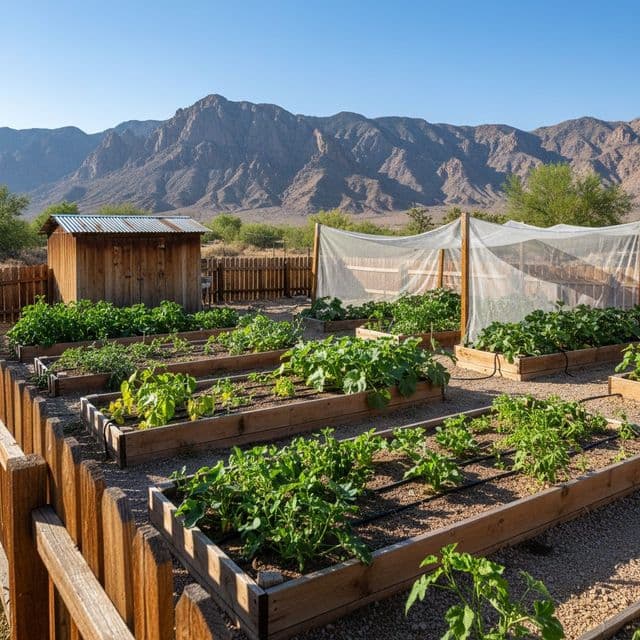
Master desert gardening in USDA Zone 8. Learn to grow resilient vegetables in arid climates with heat-tolerant varieties, water-wise irrigation, and soil building techniques.
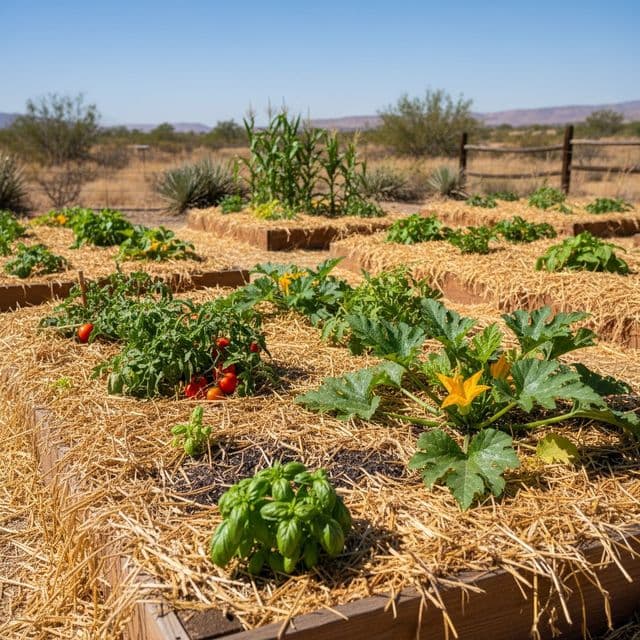
Discover how to grow resilient, heat-tolerant crops like sweet potatoes and okra in hot US summers, even with temperatures over 100°F. Learn strategies for drought and poor soil.
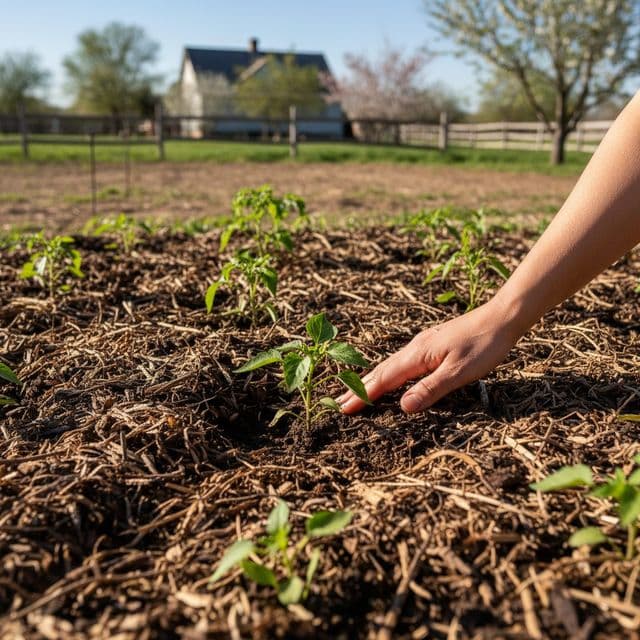
Master watering seedlings & transplants in extreme US heat. Learn deep watering, soil moisture monitoring, and using organic matter & mulch to ensure plant survival and robust growth.
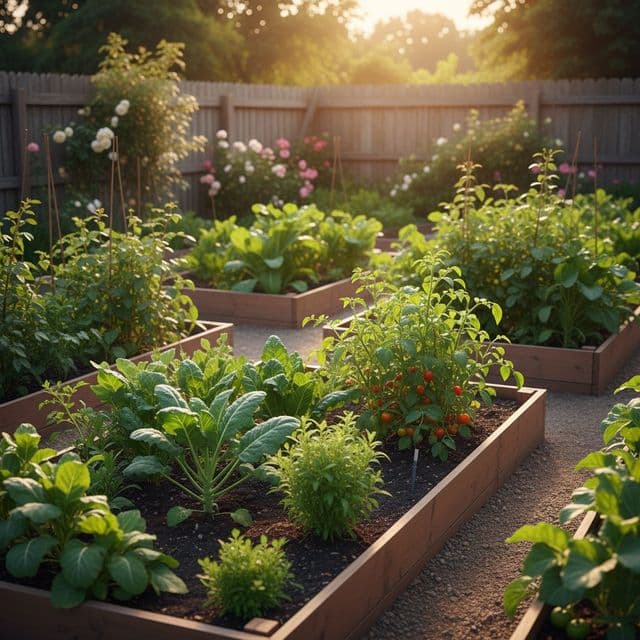
Learn to rescue wilting plants in USDA zone 7 gardens. Discover proactive moisture management, shading, and soil health tips to combat heat stress and build drought resilience.
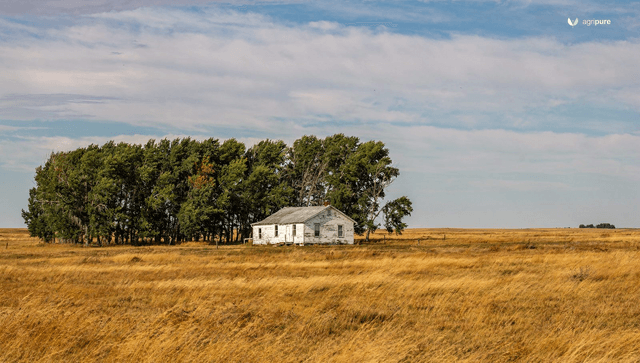
The Great Plains test a homestead with wind, drought, and extremes. Here is what the Dust Bowl taught, why shelterbelts matter, and how to homestead the prairie.
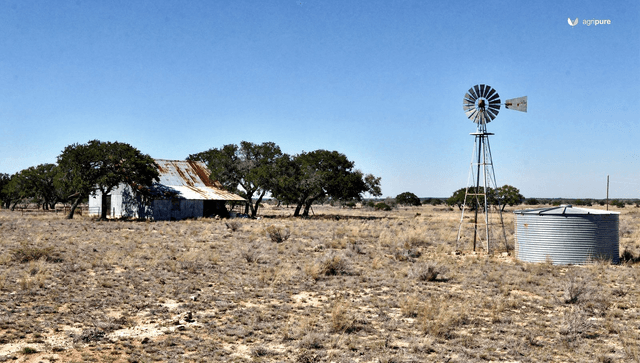
Texas rewards homesteaders with no income tax, legal rainwater, and ag exemptions, but its climates and rules vary widely. Here is what to know before you buy.
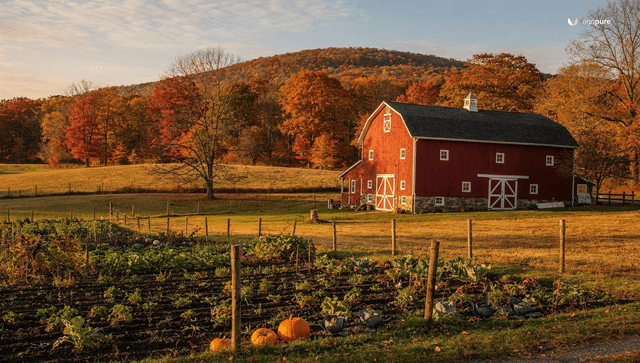
Pennsylvania offers fertile soil, a real four-season climate, and rural land that is friendly to homesteaders. Here is where to look, what grows, and the septic rules.
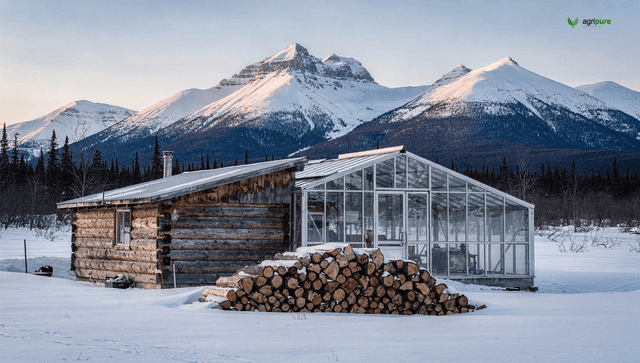
Alaska homesteading means a 105-day season, 20-hour summer days, and -60F winters. Here is how to grow, build, and prepare for the last frontier.
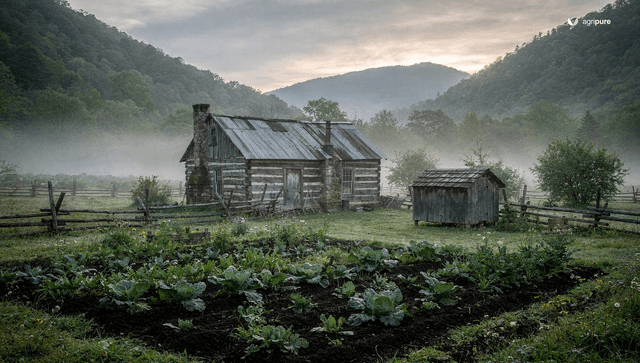
Appalachian homesteading is America’s oldest self-reliance tradition: heirloom crops, the canning calendar, foraging, and hard-won mountain skills. Here is the heart of it.