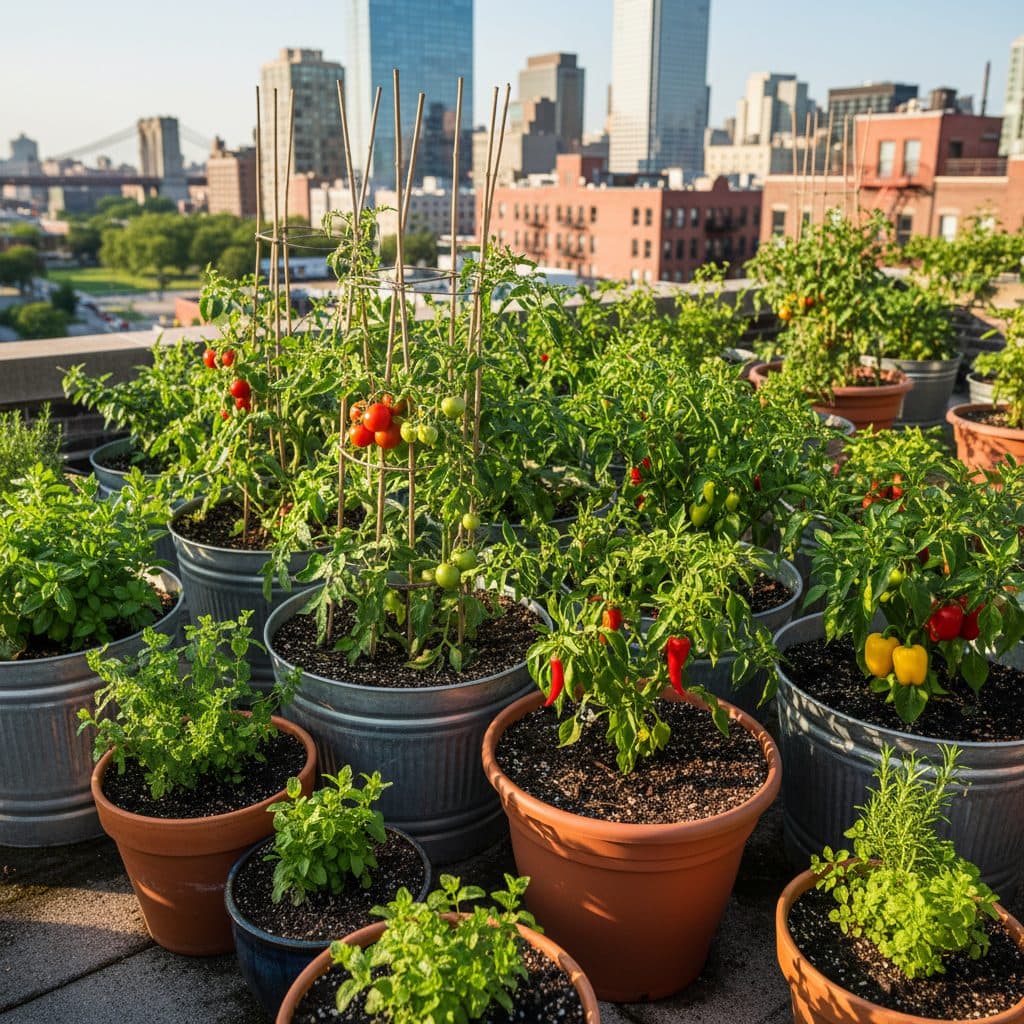
Key takeaways
- Garden soil compacts in containers, leading to poor drainage and root rot, unlike its performance in open garden beds.
- A proper potting blend requires excellent drainage, aeration, moisture retention, and nutrient-holding capacity.
- Key ingredients for a fast-draining mix include peat moss or coco coir, perlite or vermiculite, and compost.
- Mixing your own potting blend allows for customization to specific plant needs and can be more cost-effective for large projects.
- Regular monitoring of soil moisture, often with a meter, is crucial for container plants, which dry out faster than in-ground plants.
- Container plants need consistent fertilization because nutrients leach out more quickly from potting mixes.
Quick answer: Garden soil compacts in containers, leading to poor drainage, root rot, and reduced oxygen for roots, which can significantly decrease plant yields. A proper potting blend provides excellent drainage, aeration, moisture retention, and nutrient-holding capacity.
Many new growers in places like coastal California or the humid Southeast make a common mistake: using garden soil in their containers. While it seems logical to use what’s readily available, garden soil is formulated for in-ground beds, not the confined environment of a pot. This oversight can quickly lead to plant stress, disease, and noticeably reduced yields for plants like tomatoes or peppers.
The fundamental differences between garden soil and a purpose-built potting blend are critical for success in container, balcony, rooftop, and vertical gardening. Understanding these differences and learning how to mix a fast-draining, aerated, and nutrient-rich medium is the first step toward a thriving container garden, even when growing in a small space like a 100 sq ft balcony in New York City.
The silent killer: why garden soil fails in containers
Garden soil, even the best topsoil from your backyard, is designed for an expansive, open environment where gravity and biological activity continually work to maintain structure and drainage. When confined to a container, this dynamic changes drastically. A primary issue is compaction, which occurs rapidly in pots. The fine particles in garden soil, especially those with a high clay content common in many parts of the Midwest, settle and pack tightly, reducing the crucial air pockets roots need to breathe. Compaction sharply reduces pore space compared with a well-aerated potting mix.
poor drainage and root rot
Compaction directly leads to poor drainage. Water cannot move freely through the dense soil, resulting in waterlogging. Roots, deprived of oxygen, begin to rot, a condition that can kill a plant within days, especially in warm climates like Florida where fungal diseases thrive in wet conditions. Furthermore, garden soil often introduces unwanted elements such as weed seeds, pests, and pathogens. A 2017 survey documented container plants acting as a pathway for garden weeds and adventive species to spread. This adds unnecessary competition for nutrients and water, further stressing your plants. Finally, garden soil’s nutrient profile is typically insufficient for the demanding needs of container plants, which require a more concentrated and readily available nutrient supply.
- Reduced oxygen for roots due to compaction.
- Increased risk of root rot from waterlogging.
- Introduction of weed seeds, requiring more weeding.
- Potential for soil-borne pests and diseases.
- Inadequate nutrient availability for sustained growth.
The ideal potting blend: structure for success
A successful container potting blend must achieve a delicate balance of properties that garden soil simply cannot provide within a confined space. The primary goals are excellent drainage, ample aeration, sufficient moisture retention, and a stable structure that resists compaction. For instance, a 10-gallon container in a hot, dry climate like Arizona might need watering daily, while the same plant in an in-ground bed might only need water every three to four days. This difference means the mix needs to hold water but also release excess quickly.
key characteristics of a superior mix
Proper aeration is critical for root health, allowing oxygen to reach the roots for respiration. Without it, roots cannot absorb water and nutrients effectively. A good potting mix provides between 20% and 30% air space, allowing roots to thrive. Simultaneously, the mix must retain enough moisture to prevent rapid drying, especially for plants like peppers or eggplants that require consistent soil moisture. This balance prevents both water stress and root rot. Furthermore, the mix needs a decent nutrient-holding capacity to support plant growth throughout the season, as nutrients in containers tend to leach out more quickly than in garden beds. Finally, a good mix should be lightweight for easy movement of containers, especially on balconies or rooftops, where weight limits are a real constraint — confirm the rated load for your structure with your landlord, building manager, or a structural engineer before loading it.
- Provides 20-30% air space for root respiration.
- Drains quickly to prevent waterlogging.
- Retains sufficient moisture for plant hydration.
- Offers good nutrient-holding capacity.
- Is lightweight for easy container handling.
Essential ingredients for your custom blend
Crafting your own fast-draining potting blend allows you to tailor the mix to specific plant needs and save money compared to buying pre-made bags, especially for large projects involving dozens of 5-gallon containers. The foundation of most good mixes is a material that offers both moisture retention and some aeration, such as peat moss or coco coir. Peat moss, often harvested from bogs, can hold up to 20 times its weight in water, while coco coir, a sustainable alternative, can hold up to 9 times its weight. Both are excellent choices for the base of your mix.
aeration and drainage components
To ensure adequate drainage and aeration, you’ll need to incorporate coarse, inert materials. Perlite is a lightweight, volcanic rock that creates air pockets and improves drainage, often comprising 25% to 35% of a good mix. Vermiculite, another mineral, also improves aeration but has the added benefit of holding more water and nutrients than perlite. For woody plants or those needing even better drainage, pine bark fines (small pieces of aged pine bark, typically 1/4 to 1/2 in in size) are excellent, providing long-lasting structure and aeration. Finally, adding a high-quality compost or worm castings (around 10% to 20% by volume) introduces beneficial microbes and a slow release of essential nutrients that determinate tomatoes and other heavy feeders need for consistent growth. You can use a lightweight garden hand trowel for mixing these components thoroughly.
- Peat moss or coco coir (50-60%) for moisture retention.
- Perlite or vermiculite (25-35%) for aeration and drainage.
- Pine bark fines (10-20%) for long-term structure, especially for perennials.
- Compost or worm castings (10-20%) for nutrients and beneficial microbes.
- Optional: Dolomitic lime (1-2 tablespoons per 5 gallons) to adjust pH if using peat moss.
Mixing your blend and container care essentials
Once you have your ingredients, the mixing process is straightforward. Find a large, clean surface like a tarp or a dedicated mixing tub. Start by adding your base material, then the aeration components, and finally the compost. Wear gloves and a mask to avoid inhaling dust, especially from perlite. Use a wooden-handle garden fork or your hands to thoroughly combine everything until the mix is uniform. This ensures even distribution of all components, which is critical for consistent plant growth across all your containers, whether they are 1-gallon herb pots or 20-gallon grow bags for potatoes.
watering and feeding for container success
After planting, proper watering is paramount. Container plants dry out much faster than garden beds, sometimes requiring water daily in hot, sunny conditions, especially for thirsty vegetables like cucumbers or squash. Always check the moisture level before watering; stick your finger about 2 in into the soil. If it feels dry, it’s time to water. A soil moisture meter can provide a more accurate reading, preventing both over and under-watering. When you water, do so slowly and deeply until water drains from the bottom of the pot. This ensures the entire root ball is moistened, not just the top layer. Because nutrients leach out more quickly from potting mixes, a consistent fertilization schedule is essential. Start with a slow-release granular fertilizer mixed into the potting blend, and supplement with a liquid feed every two to three weeks, especially for heavy feeders like tomatoes or corn. For more general advice, consult our vegetable gardening for beginners: your questions answered article.
- Mix ingredients thoroughly on a clean surface.
- Wear gloves and a mask for protection.
- Check soil moisture daily, especially in warm weather.
- Water slowly and deeply until drainage occurs.
- Fertilize regularly with slow-release and liquid feeds.
Beyond the basics: advanced considerations for specific plants
While a general fast-draining potting blend works for most vegetables, some plants benefit from slight modifications. For example, root crops like carrots or potatoes in 15-gallon grow bags thrive in a mix with a higher proportion of coco coir and a bit more compost, providing a softer medium for root expansion and sustained nutrient release. Conversely, succulents or herbs like rosemary, which prefer drier conditions and are native to arid regions, will appreciate an even higher percentage of perlite or coarse sand – up to 40% – to ensure extremely fast drainage and prevent any standing moisture around their roots.
optimizing for long-term growth and specific needs
For perennial container plants, such as blueberries in USDA zone 5 or small citrus trees in USDA zone 9, incorporating a higher percentage of pine bark fines (up to 30%) can provide long-term structural stability that resists decomposition for several years. This reduces the frequency of repotting and soil replenishment. For acid-loving plants like blueberries, you might also need to adjust the pH of your mix to between 4.5 and 5.5, which can be achieved by adding elemental sulfur or using an acidic fertilizer. Always monitor your plants closely; a wilting plant in the afternoon might just be thirsty, but consistent wilting despite regular watering could indicate root issues from poor drainage, requiring immediate action. Remember, even a well-mixed blend will eventually break down, so plan to replenish or replace your potting mix every one to two years for optimal plant health.
- Increase coco coir for root crops like carrots.
- Add more perlite (up to 40%) for succulents and drought-tolerant herbs.
- Use up to 30% pine bark fines for perennial container plants.
- Adjust pH for specific needs, such as blueberries (pH 4.5-5.5).
- Replenish or replace potting mix every 1-2 years for best results.
Garden Soil vs. Potting Mix in Containers
Feature | Garden Soil (in container) | Purpose-Built Potting Mix |
|---|---|---|
Drainage | Poor, leads to waterlogging | Excellent, fast and consistent |
Aeration | Low, due to compaction | High, 20-30% air space |
Weight | Heavy (approx. 75 lbs/cu ft dry) | Lightweight (approx. 25 lbs/cu ft dry) |
Pests/Weeds | High risk of introduction [2] | Low risk of weeds and soil pests |
Nutrient Retention | Variable, can be too dense | Optimized for container feeding |
Root Development | Restricted by density [1] | Unrestricted, healthy growth |
Root Health: Container depth and mix structure both affect how well woody plant roots develop.
Weed Control: Bagged potting mix carries far fewer weed seeds than backyard garden soil, cutting weeding time.
Shop container gardening essentials
Frequently asked questions
Can I reuse old potting mix?
Yes, but with caution. Old potting mix loses its structure, and nutrients are depleted. You should refresh it by adding 25% to 50% new potting mix, compost, and aeration components like perlite to restore its vitality and nutrient content.
How often should I fertilize container plants?
Container plants generally need more frequent fertilization than in-ground plants because nutrients leach out with watering. For most vegetables, apply a balanced liquid fertilizer every two to three weeks, or use a slow-release granular fertilizer that lasts for up to 3-4 months.
What is the best container size for vegetables?
The best container size depends on the plant. Small herbs can thrive in 1-gallon pots, while tomatoes, peppers, and eggplants typically require at least 5-gallon containers. Root crops like potatoes need 10-gallon or larger grow bags for optimal development, often yielding 3-5 pounds per plant.
How do I know if my potting mix is draining well enough?
After watering, check if water drains from the bottom of the pot within 30 seconds to one minute. If water pools on the surface for several minutes or takes more than 5 minutes to drain completely, your mix is likely too dense and needs more aeration components like perlite or pine bark fines.
Can I add sand to my potting mix for drainage?
While sand can improve drainage in garden beds, adding fine sand to a container potting mix can actually worsen compaction and reduce aeration, creating a concrete-like consistency. If you need a gritty component, use coarse sand, grit, or more perlite, which offers better results for container plants.
What pH should my potting mix be?
Most vegetables and herbs thrive in a slightly acidic to neutral pH range, typically between 6.0 and 6.8. Some plants like blueberries prefer a more acidic soil (pH 4.5-5.5), while others like lavender prefer slightly alkaline conditions. You can test your soil pH with a simple kit or meter.
References
- Growth Characteristics of Woody Plants by Soil Depth for Container Garden (2017). Growth Characteristics of Woody Plants by Soil Depth for Container Garden.
- Weeds of Container Plants – A „New“ Path of Dispersal of Garden Weeds and Adventive Species (2017). Weeds of Container Plants – A „New“ Path of Dispersal of Garden Weeds and Adventive Species.
- USDA Natural Resources Conservation Service (2024). USDA Natural Resources Conservation Service.