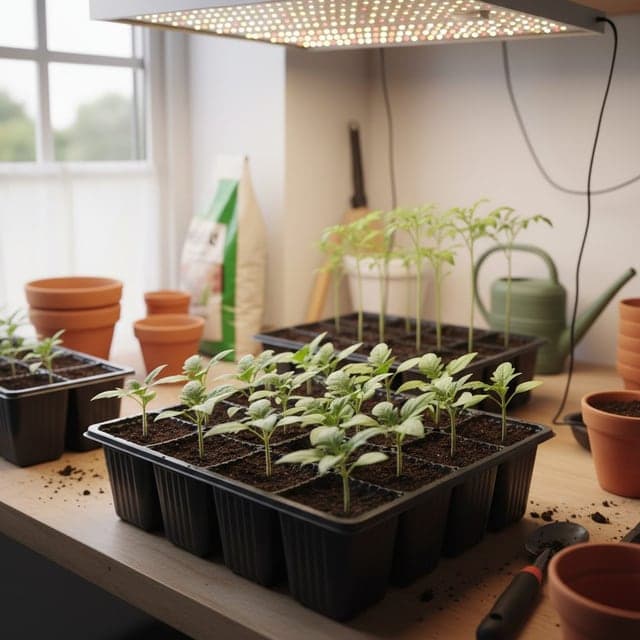
Preventing Leggy Tomato Seedlings
Learn to prevent leggy tomato seedlings in USDA Zone 6. Discover optimal light, temperature, and care to grow strong, healthy starts for a bountiful harvest.
Tag
409 articles in this tag on agripure. — page 12 of 18
Learn to prevent leggy tomato seedlings in USDA Zone 6. Discover optimal light, temperature, and care to grow strong, healthy starts for a bountiful harvest.
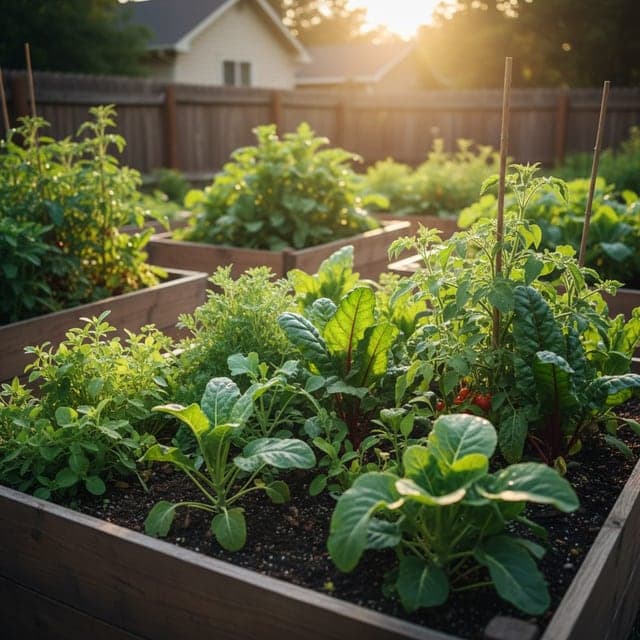
Master organic seedling pest control. Prevent & treat white mold & fungus gnats on tomato seedlings with proven strategies: proper watering, air circulation, and sterile media. Boost survival.
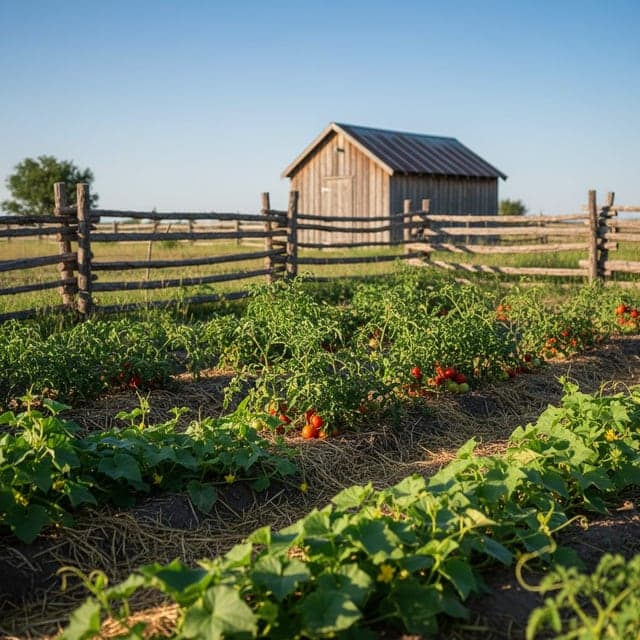
Learn essential techniques to prevent blossom end rot and common plant diseases in tomatoes and cucurbits. Master sterile mixes, airflow, and bottom-watering for healthier plants.
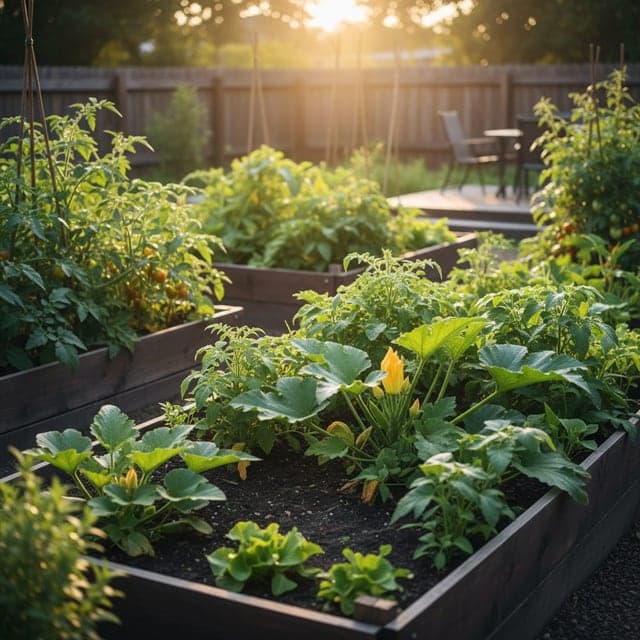
Identify and prevent damping-off in seedlings. Learn symptoms, environmental causes (moisture, temp, pathogens), and strategies to prevent damping-off in your USDA zone 6 garden.
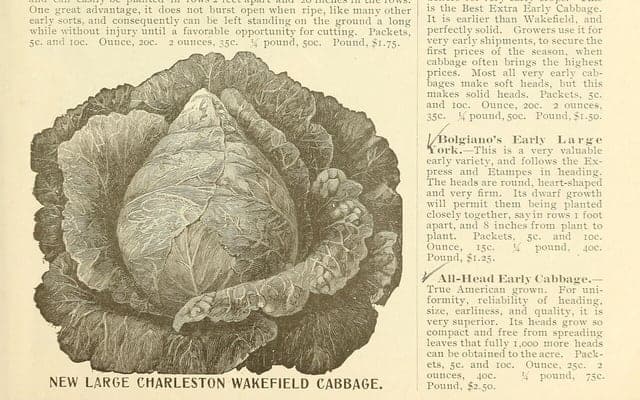
Manage brassica growth stages in USDA Zone 6 for optimal yield. Learn to prevent bolting, head splitting, and grow healthy cabbage with proper care and variety selection.
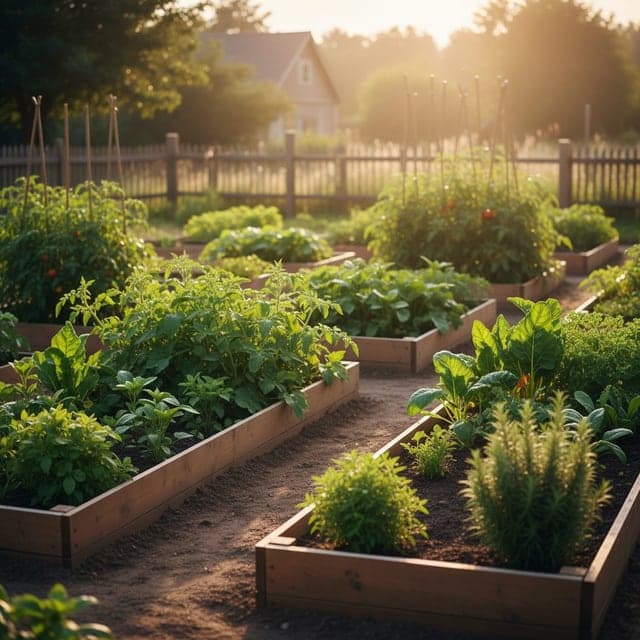
Master growing tomatoes in USDA Zone 6 from seedling to harvest. Learn stage-specific care, watering, pruning, and nutrient tips for a bountiful yield and healthy plants.
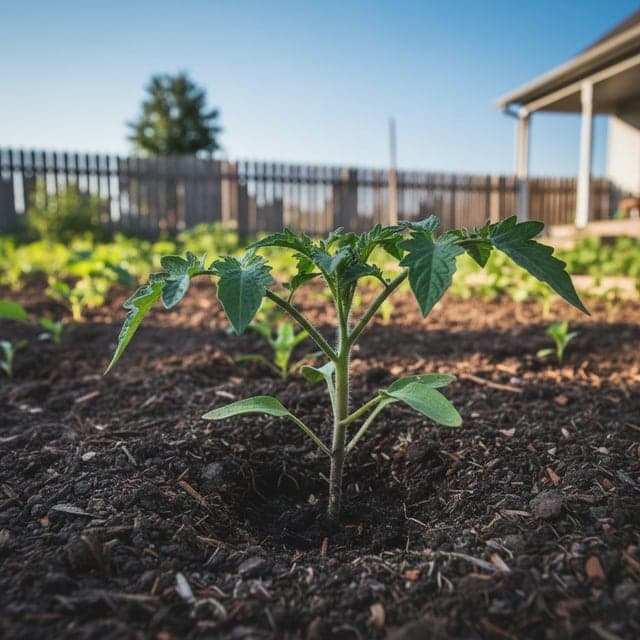
Learn how to prevent and fix transplant shock in tomato and cucurbit seedlings. This guide covers hardening off, proper planting, watering, and care for vigorous growth in USDA Zone 7 gardens.
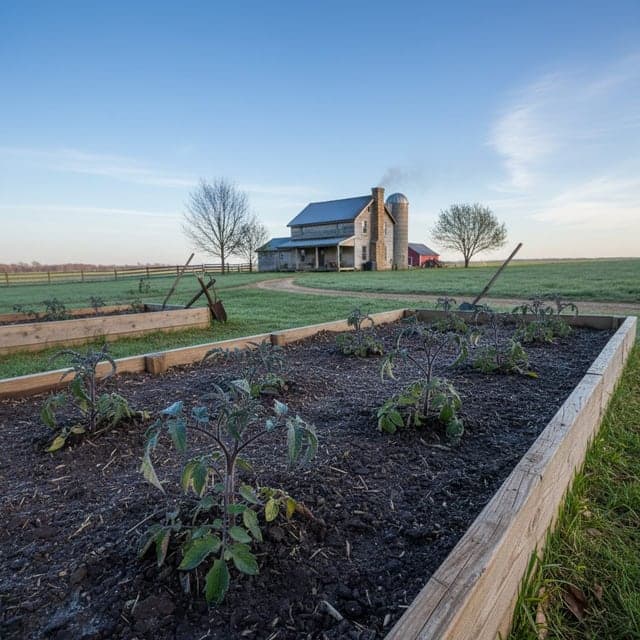
Why cold, wet spring soil in USDA Zone 6 hinders tomato and cucumber fruit set, and how soil temperature and moisture govern nutrient uptake even with ample soil fertility.
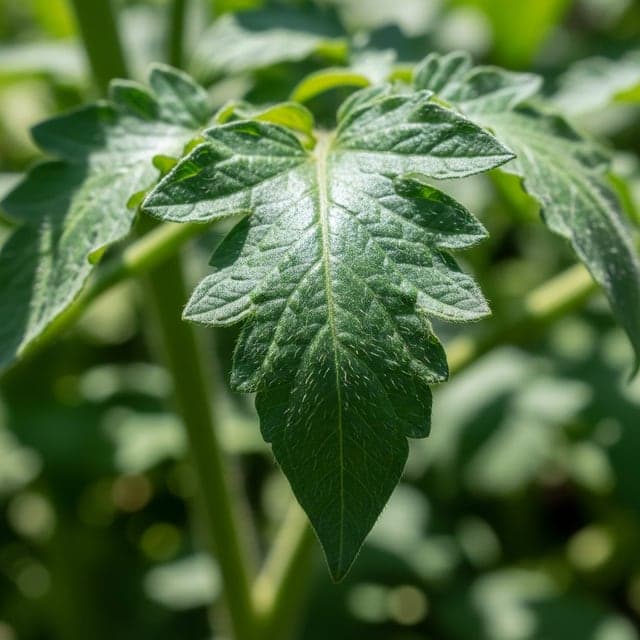
How to diagnose nitrogen, phosphorus, and potassium deficiencies on tomato leaves by identifying symptoms on older versus new growth to prevent crop loss and protect yields.
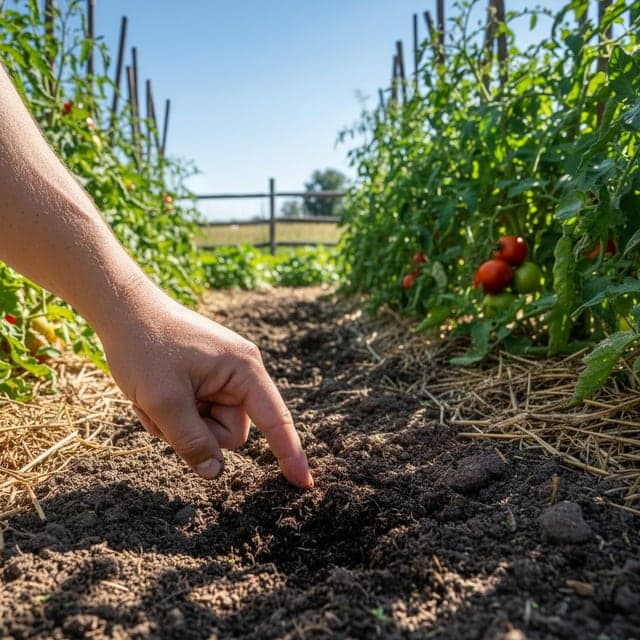
Master soil moisture for tomatoes in USDA Zone 7 using the finger test & affordable meters. Prevent blossom end rot & boost yields with consistent hydration. Learn how.
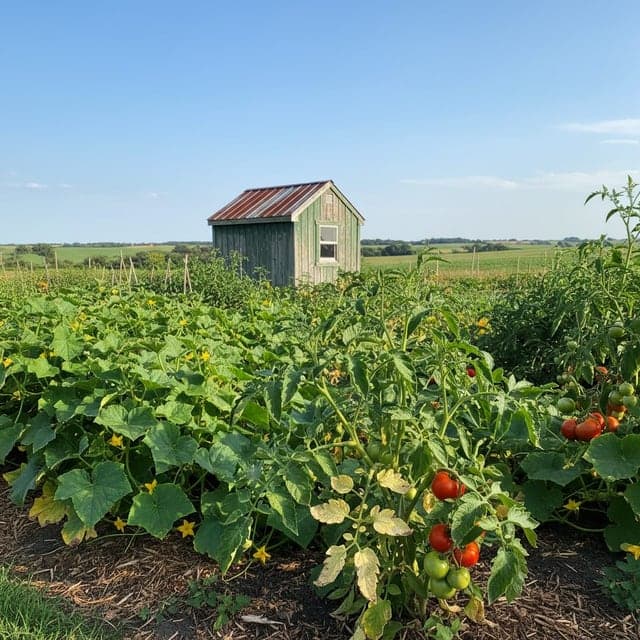
Diagnose yellowing tomato leaves in USDA Zone 7. Learn to differentiate overwatering, underwatering, and nutrient deficiencies for tomatoes & cucurbits to ensure healthy plants and better harvests.
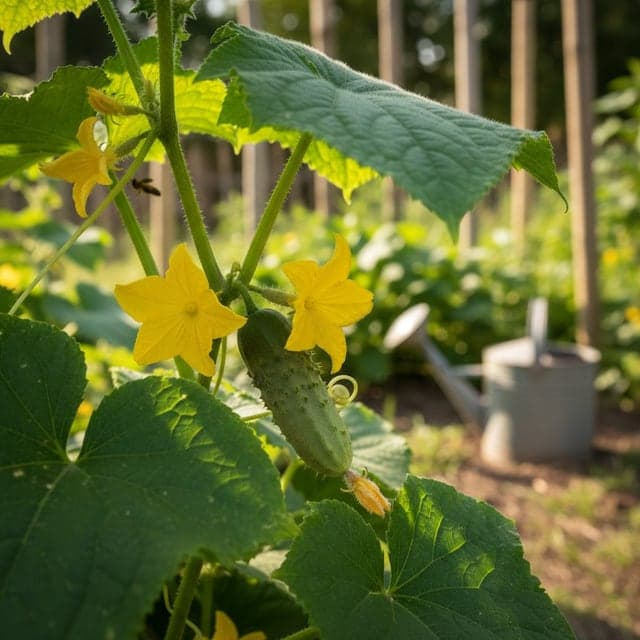
Hand-pollinate cucumbers, cantaloupes, and watermelons accurately: avoid ruining parthenocarpic greenhouse cultivars ('Diva', 'Socrates'), hit the 6–10 AM window before >90–95°F sterility, deliver…
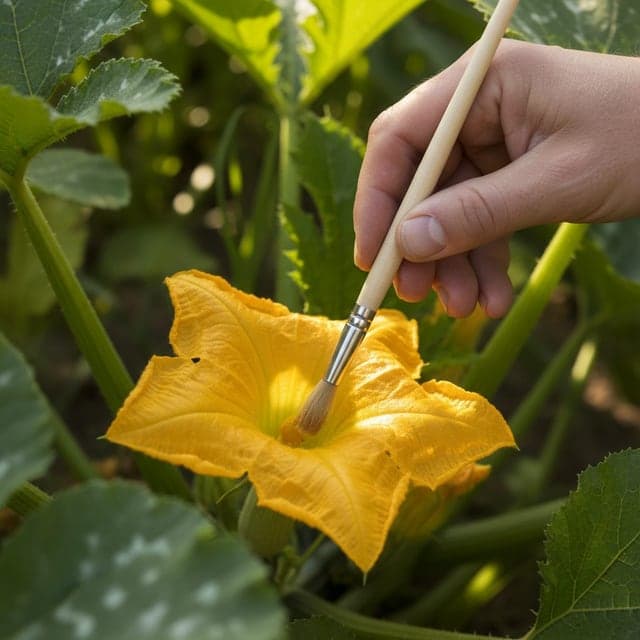
Boost squash, zucchini, and pumpkin yields in USDA zones 5-9. Learn to hand-pollinate cucurbit flowers for better fruit set when pollinators are scarce. Simple steps for a bountiful harvest.
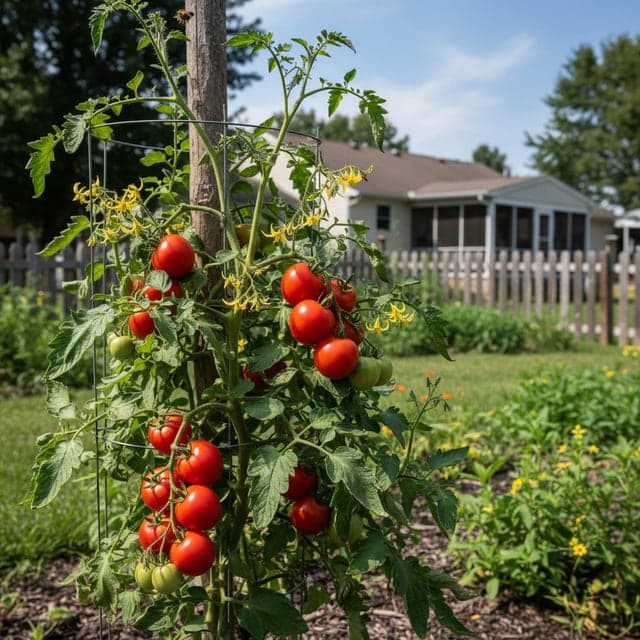
Boost tomato and pepper yields by 15-30% with hand-pollination. Master the electric toothbrush method & optimize conditions for a successful harvest in USDA Zone 6.
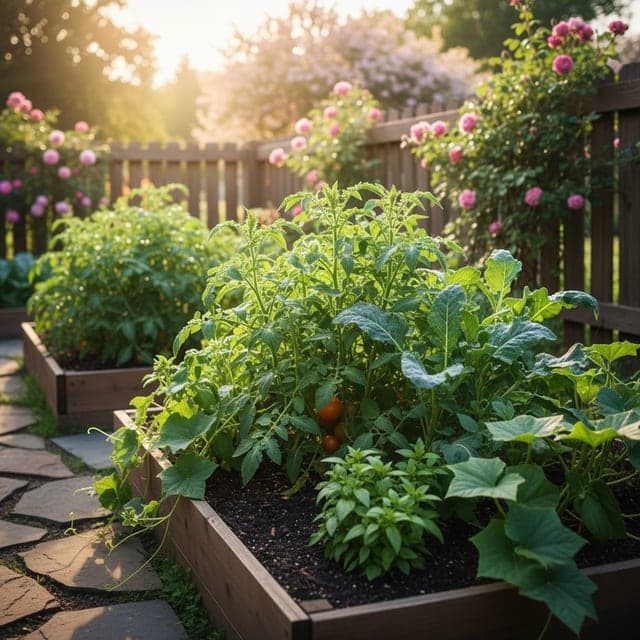
Learn how to prevent tomato cracking and catfacing, common issues reducing yields. Discover strategies like consistent watering, cultivar selection, and cold protection for healthier tomatoes.
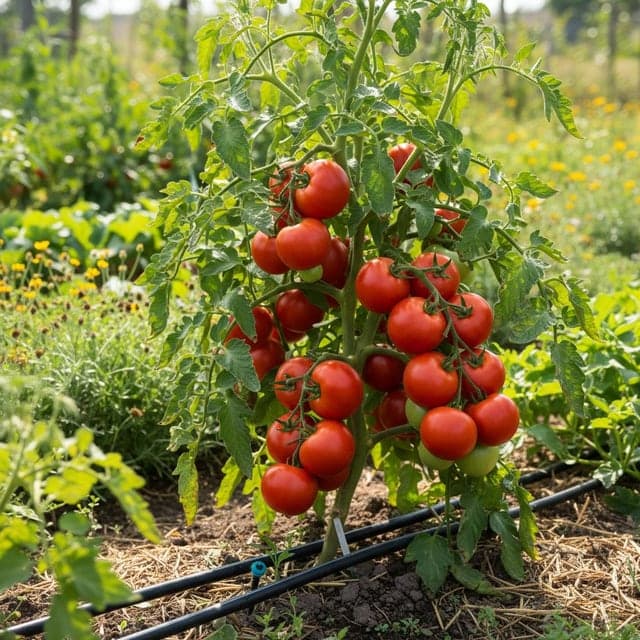
Learn how to prevent blossom-end rot in tomatoes and other fruiting vegetables. Discover the primary cause (inconsistent water) and effective strategies like mulching to boost your harvest.
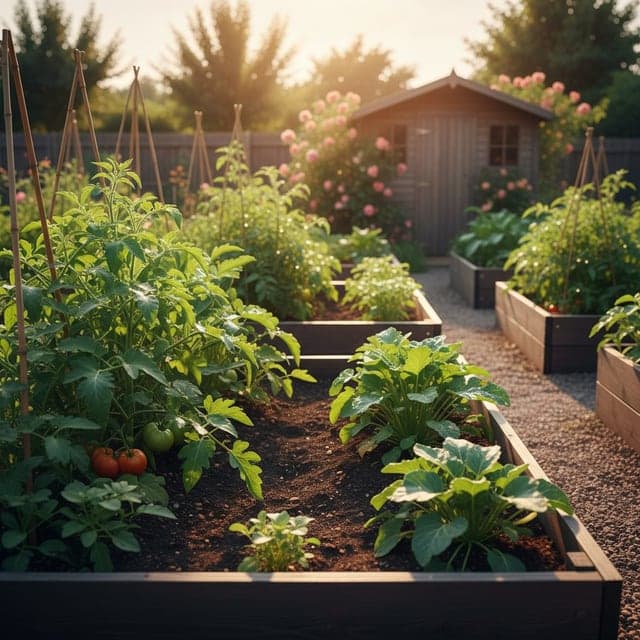
Rodent-proof a backyard garden shed safely: follow the mandatory CDC 1:10 bleach Hantavirus cleanup protocol, seal entry points with 1/4-inch (6 mm) galvanized hardware cloth and locking steel feed…
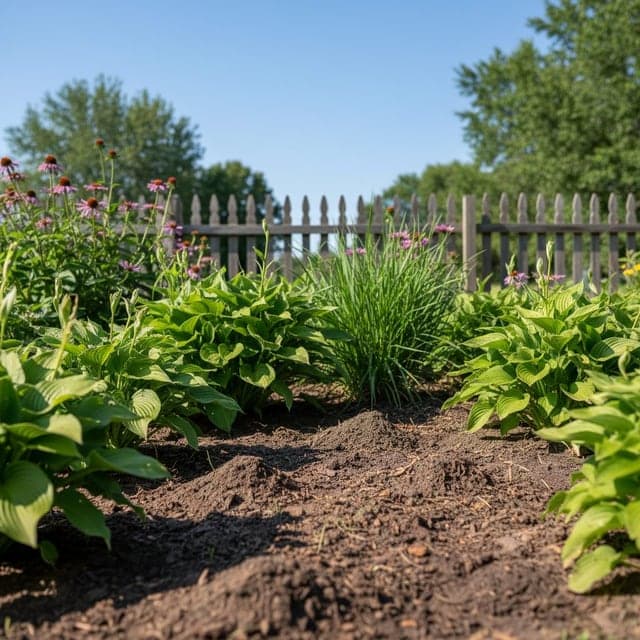
Protect your US garden from voles, moles, and gophers with organic subterranean pest management. Learn to identify pests, use exclusion, trapping, and habitat modification for effective control.
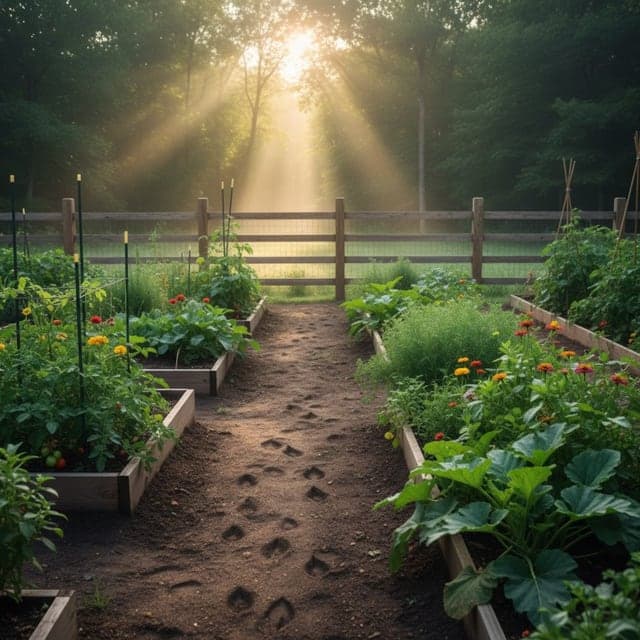
Learn effective strategies for protecting gardens from deer in the US. Discover how 8-foot fences, rotating repellents, and deer-resistant plants can save your crops.
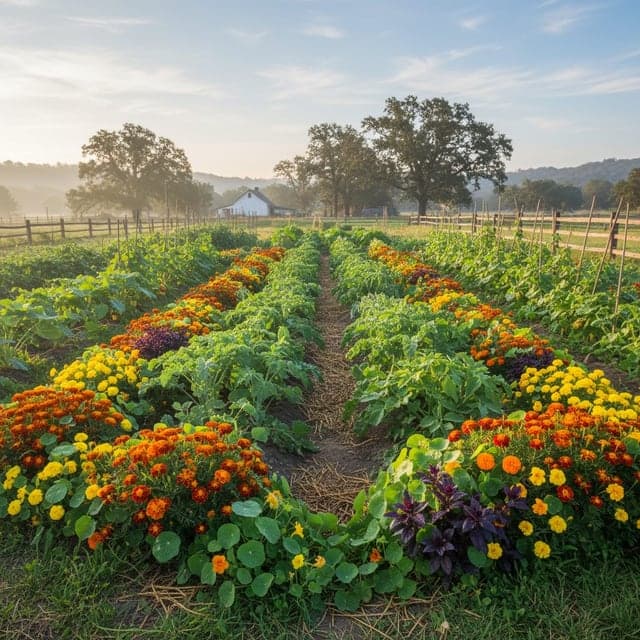
Discover how pest repellent border plants like marigold, basil, and alliums naturally reduce garden pests by 20-50%. Integrate these plants into your IPM strategy for sustainable pest control in US…
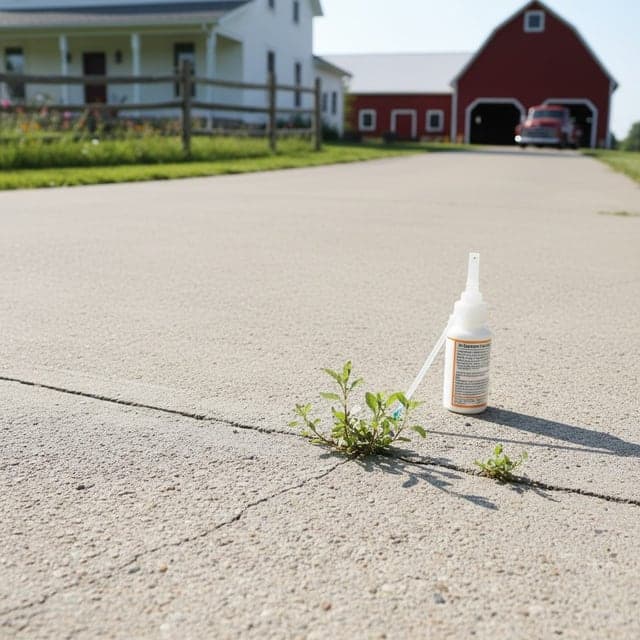
Explore safe, chemical-free thermal weed control for driveways & patios in USDA Zone 6. Learn flame weeding & boiling water techniques to manage dandelions, crabgrass, and spurge.
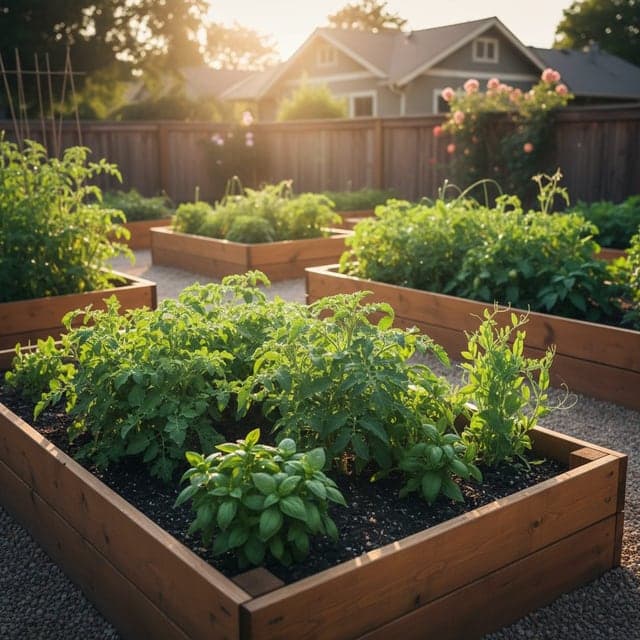
Protect new transplants from cutworms in USDA Zone 6. Learn effective cutworm control methods: identification, scouting, physical collars, and organic soil management for a thriving garden.
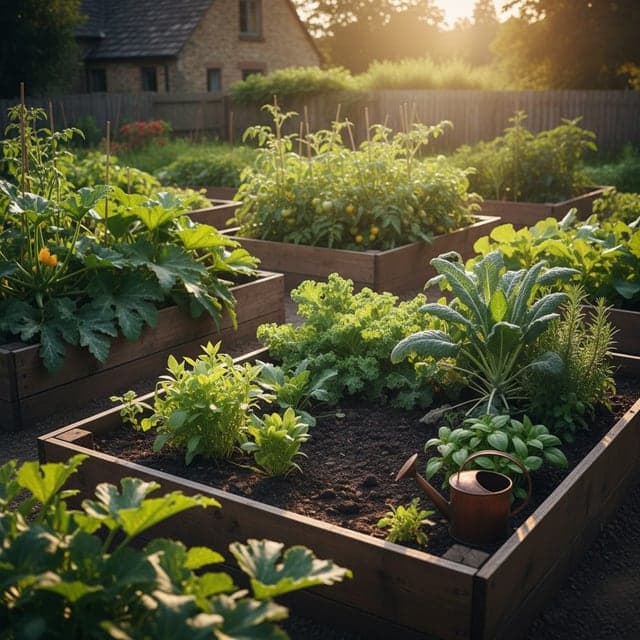
Discover effective low-tech solutions for a healthier garden. Learn how a nighttime pest patrol can control slugs, snails, and cutworms in USDA Zone 6 with simple methods like hand-picking and beer…
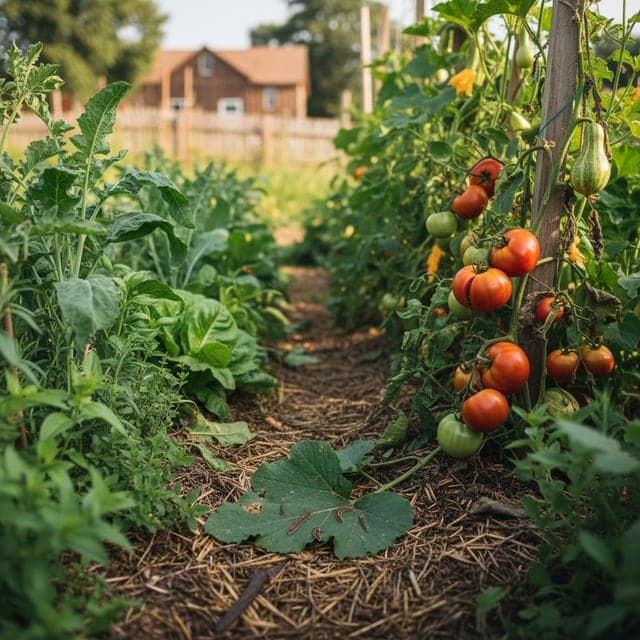
Earwigs, pill bugs, and sowbugs are often beneficial decomposers, but can damage young plants. Learn to identify them, understand their roles, and manage populations organically.