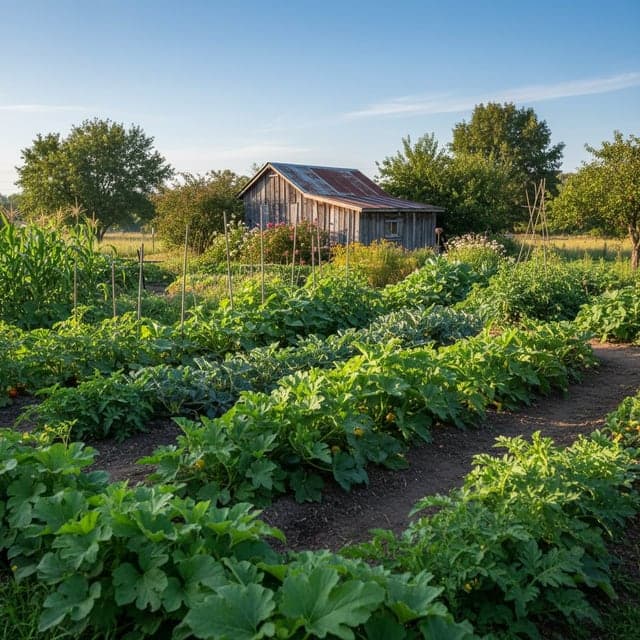
Diatomaceous Earth: Pest Control
Learn how to effectively use food-grade diatomaceous earth for organic pest control in your USDA zone 6 garden. Target slugs, aphids, and ants safely with proper application.
Tag
409 articles in this tag on agripure. — page 13 of 18
Learn how to effectively use food-grade diatomaceous earth for organic pest control in your USDA zone 6 garden. Target slugs, aphids, and ants safely with proper application.
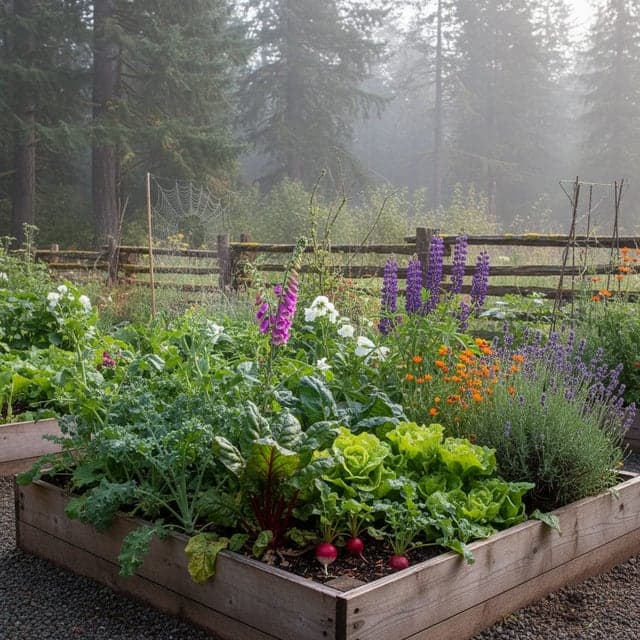
Manage invasive slugs and snails in Pacific Northwest gardens using OSU and WSU extension IPM: native banana slug identification, ferric phosphate vs. metaldehyde pet safety, raised-rim beer traps,…
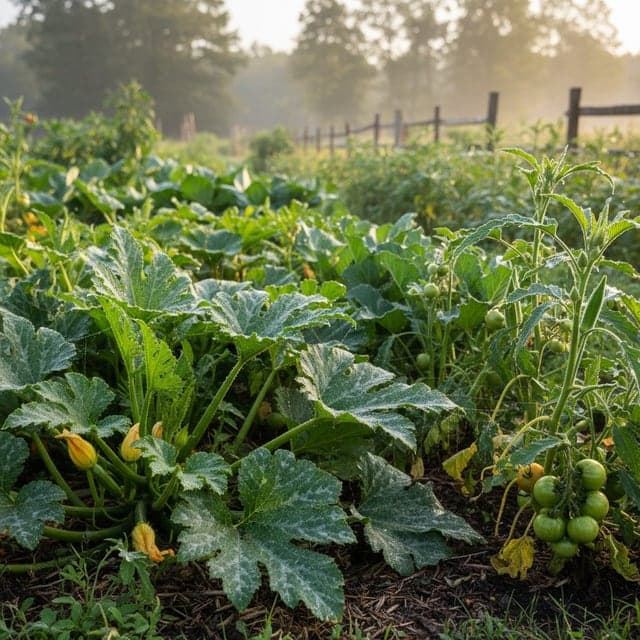
Learn effective plant disease management strategies for homesteaders. Compare challenges in the humid US Southeast (fungal) vs. arid West (root rot) and discover IPM tactics.
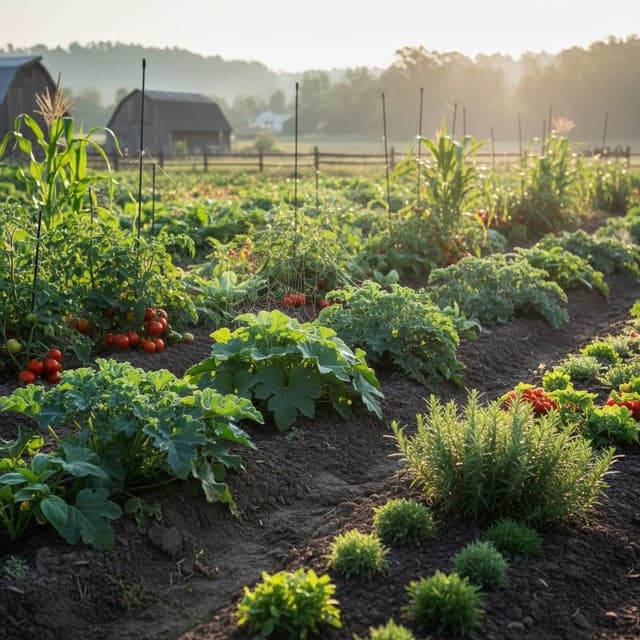
Learn to identify fungal, bacterial, and viral plant diseases in your garden. Proper plant disease identification prevents crop loss and saves money. Essential for organic growers.
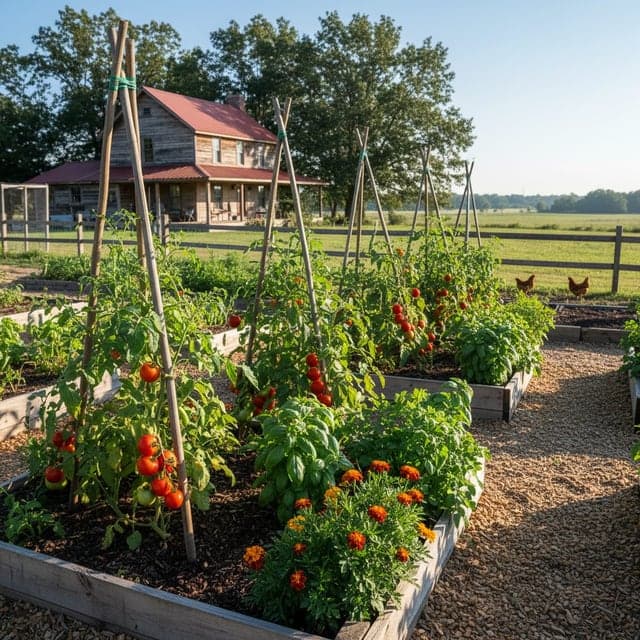
Learn organic tomato disease management for early blight, late blight, and septoria leaf spot in USDA Zone 6. Prevent and treat common fungal issues for a healthy, abundant harvest.
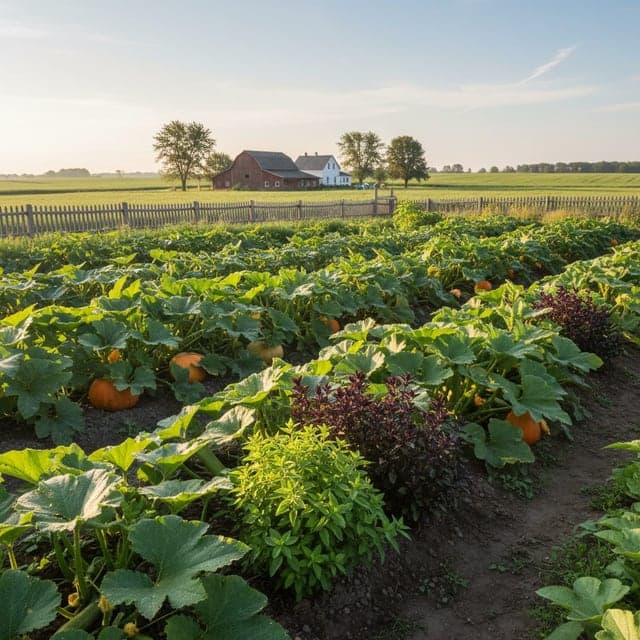
Protect your cucurbits and basil from downy mildew with organic strategies. Learn identification, cultural practices, and treatments for US gardens to reduce crop loss.
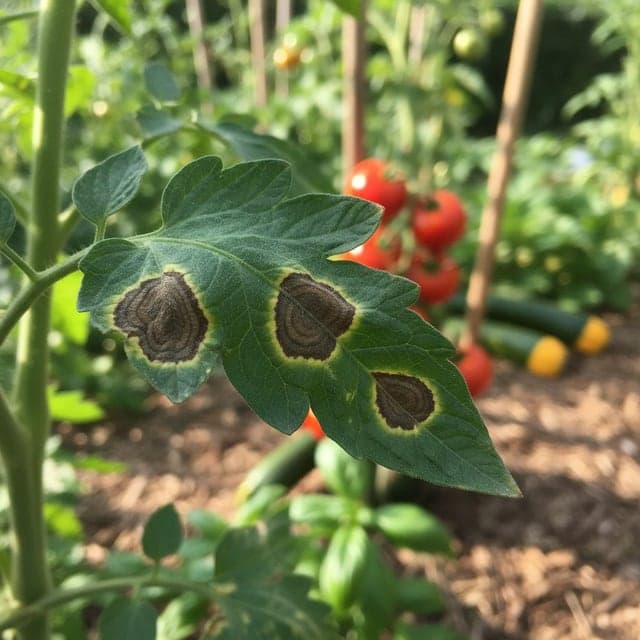
Learn plant symptom diagnosis for common issues in USDA zone 6. This guide covers organic management strategies for spots, wilts, and molds to ensure a healthy harvest.

Japanese beetles cause significant damage in USDA zones 5-8. Learn effective organic Japanese beetle control methods: hand-picking, milky spore, and strategic traps.
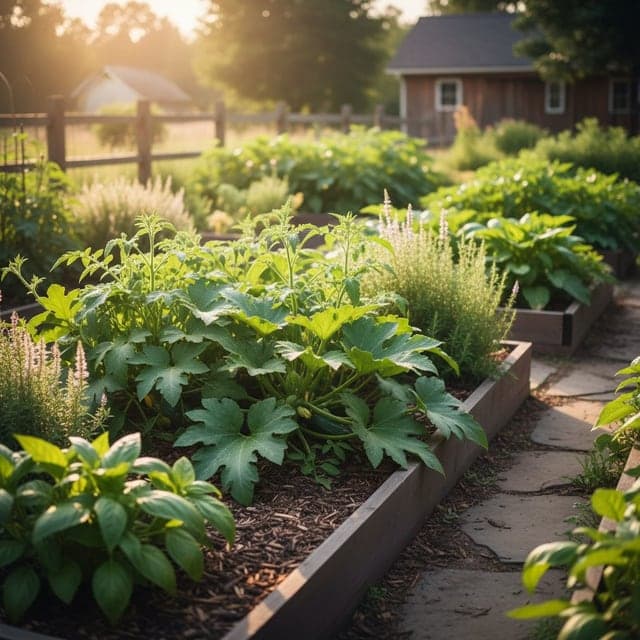
Effectively manage corn earworm in organic sweet corn using food-grade mineral oil. Learn precise timing, application, and dosage for 70-90% control in USDA Zone 6. This organic corn earworm contro…
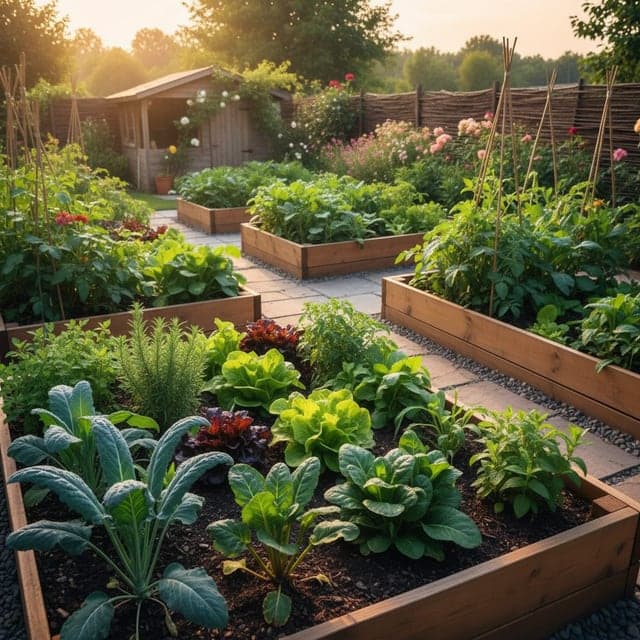
Effectively manage flea beetles on brassicas and eggplant in USDA Zone 6. Learn organic flea beetle control strategies like row covers, trap crops, and crop rotation for healthy yields.
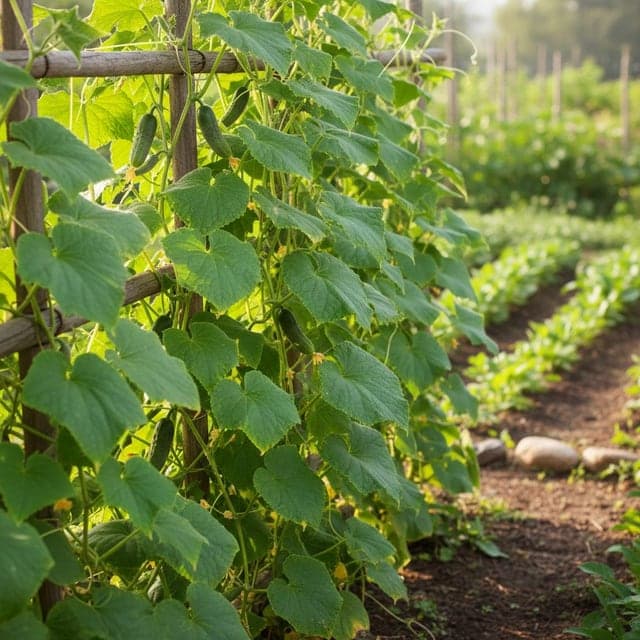
Learn organic strategies to prevent bacterial wilt in cucumbers by managing cucumber beetles. Discover IPM techniques, cultural practices, and organic controls for healthy cucurbit crops.
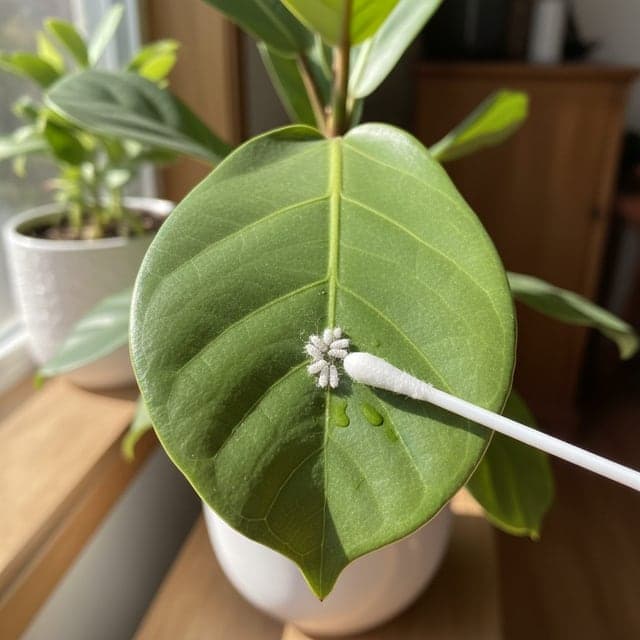
Learn effective mealybug control for citrus and houseplants using rubbing alcohol and horticultural oils. This guide covers application, precautions, and tips for USDA zone 8.
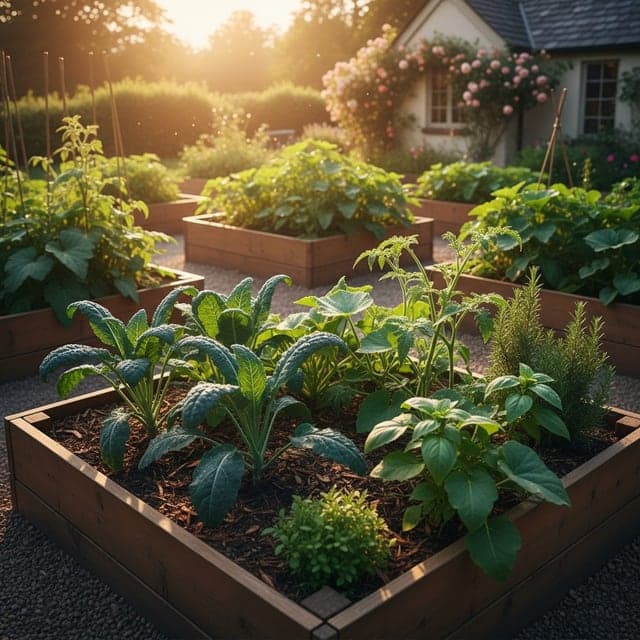
Master organic whitefly control in your greenhouse or garden. Learn effective strategies: early detection, beneficial insects, botanical sprays, and cultural practices to reduce infestations by ove…
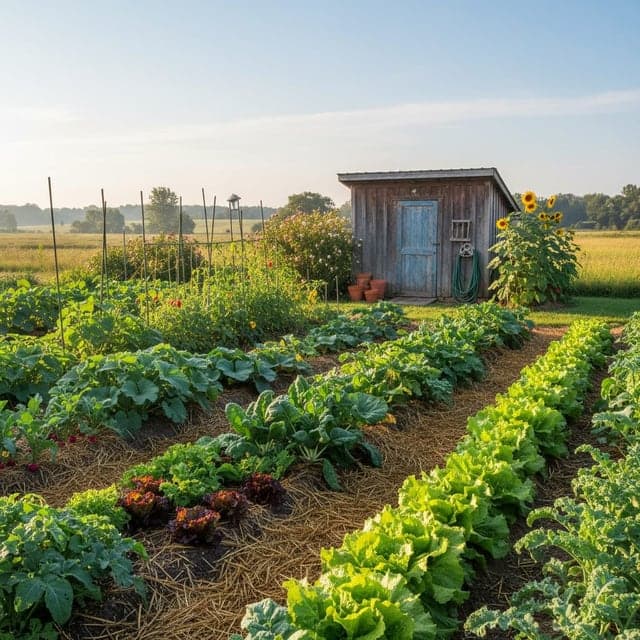
How to use neem and horticultural oils for pest control, covering mode of action, application timing, and plant safety across garden beds.
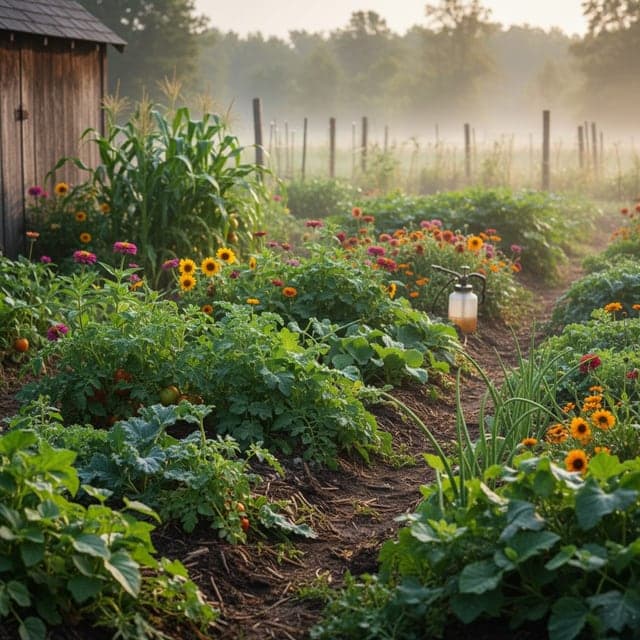
Learn to use insecticidal soap effectively for aphid control on roses and other plants. Discover proper dilution, application, and how it works to protect your garden organically.
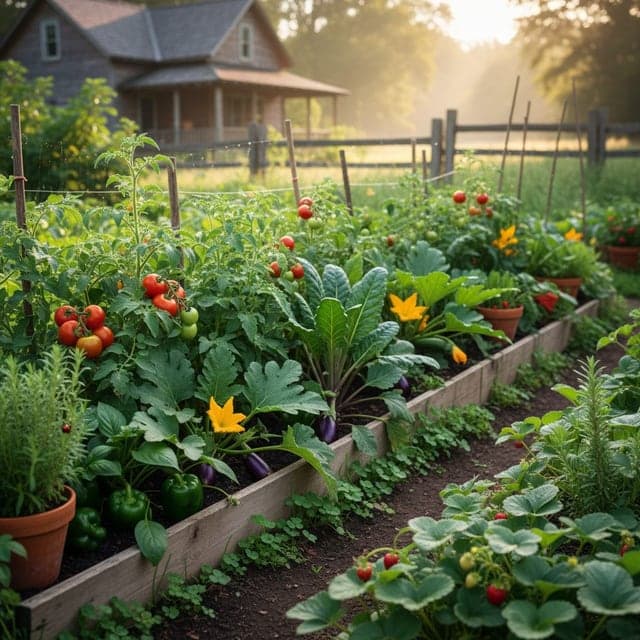
Learn to identify beneficial insect larvae like ladybugs, lacewings, and hoverflies. Protect these natural predators to reduce garden pests, save crops, and minimize pesticide use in your homestead.
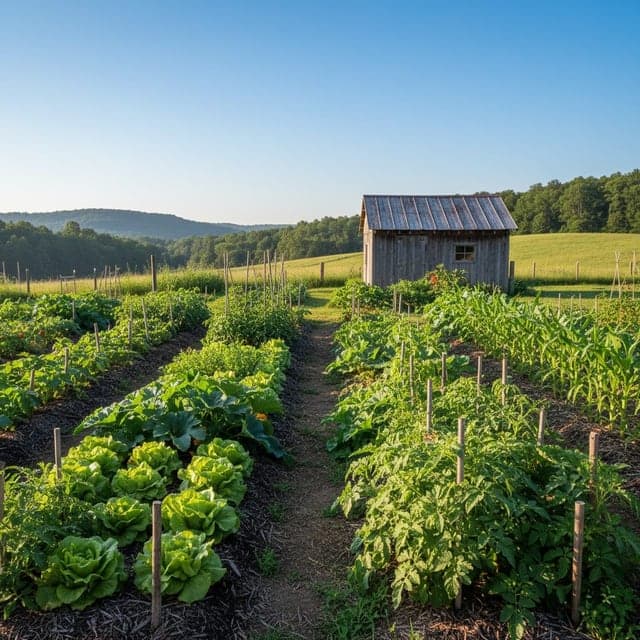
Protect your USDA Zone 6 garden with a weekly pest scouting checklist. Learn to identify common pests early, reduce crop loss, and minimize pesticide use with IPM strategies.
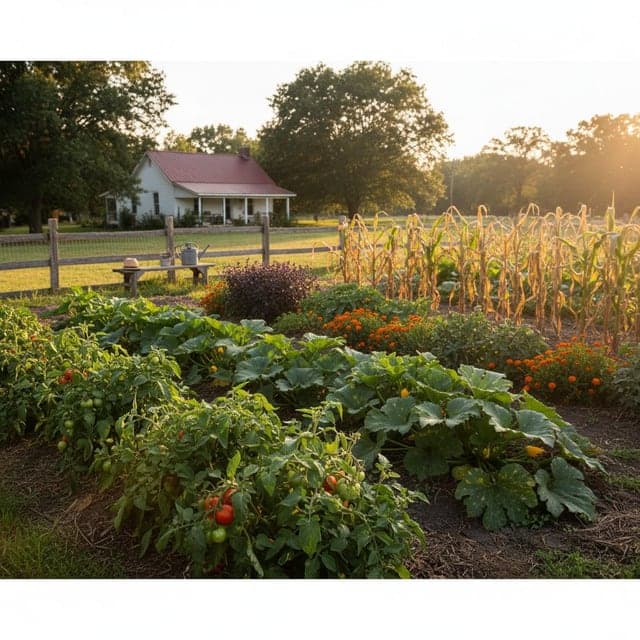
Identify & treat transplant shock & heat stress in US gardens. Learn symptoms, prevention, and data-backed solutions to build plant resilience against high temperatures and environmental changes.
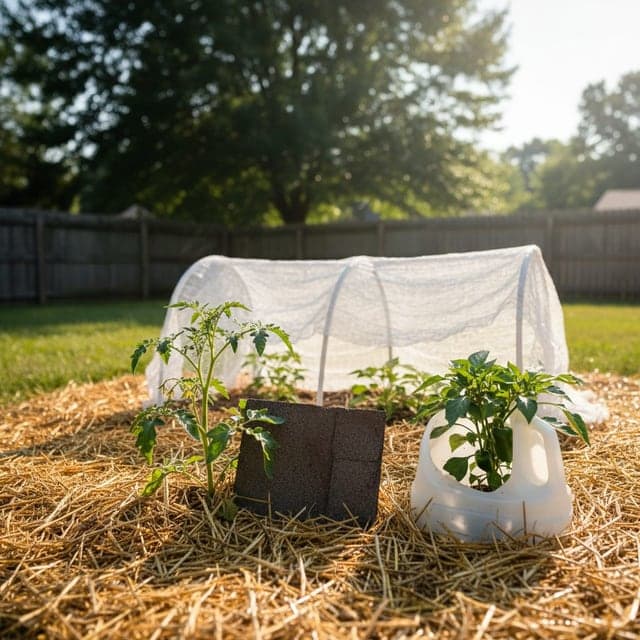
Learn how to protect young transplants from extreme heat in USDA Zone 7 gardens. Discover DIY and purpose-built temporary shade solutions to boost survival rates.
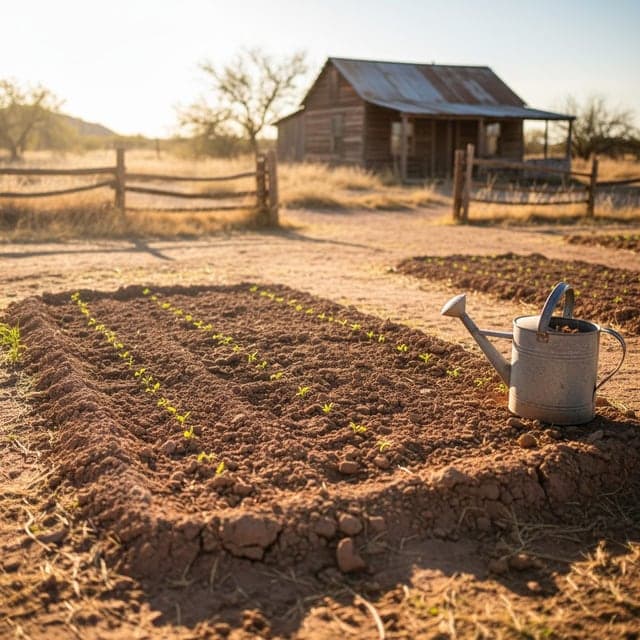
Ensure your new garden transplants thrive in summer heat. Learn data-backed strategies for watering new transplants, managing soil moisture, and reducing stress in challenging climates like Texas.
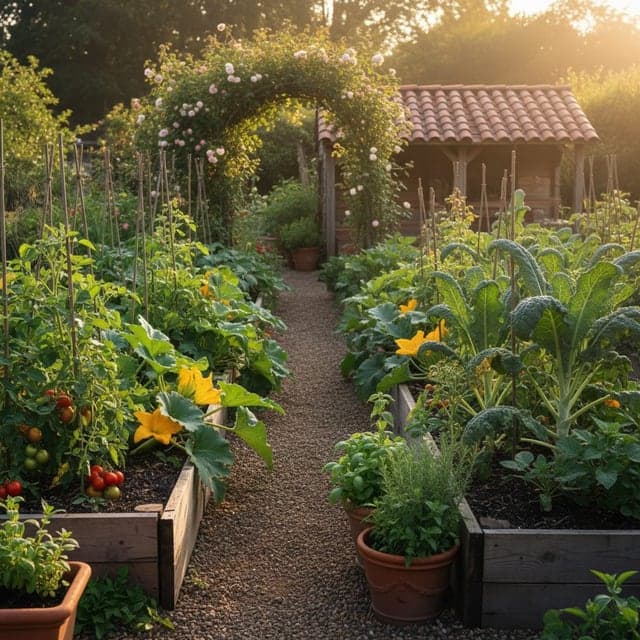
Learn effective strategies to slow water loss in your USDA zone 7 garden. Discover how grouping pots, mulching, and strategic shade can keep plants healthy, even when you’re away.
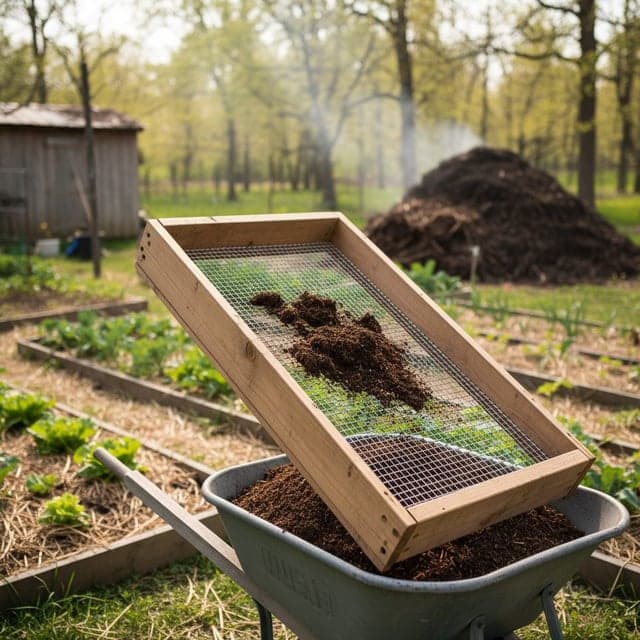
Learn how to build a DIY compost sifter to refine finished compost for better soil texture, water retention, and nutrient availability in your garden. Essential for seed starting & top-dressing.
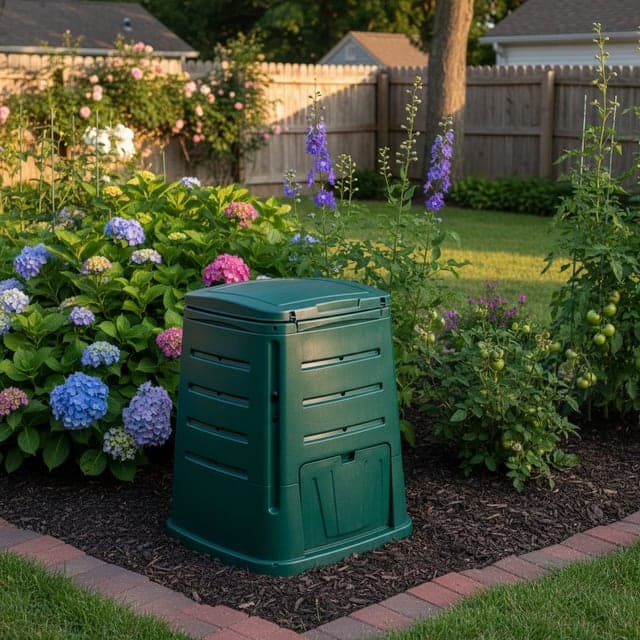
Learn how to prevent rats, raccoons, and flies from invading your compost pile. Discover effective strategies for compost pest control, including bin construction, material management, and site sel…
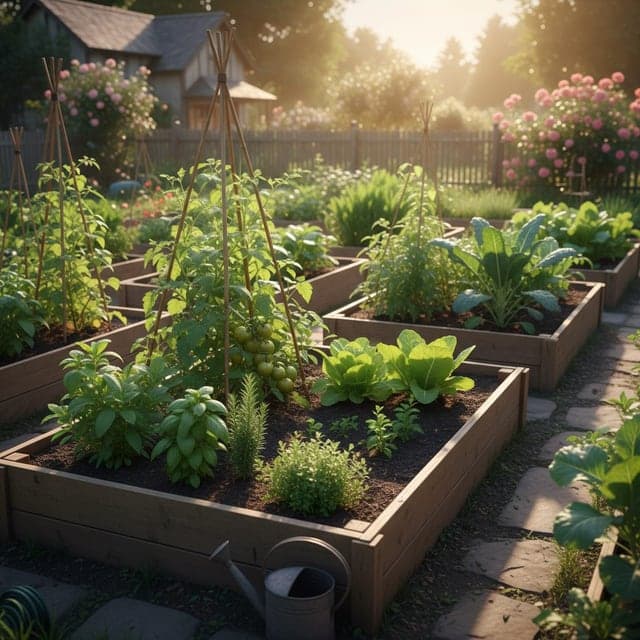
Troubleshoot why your compost pile isn’t heating up or breaking down in USDA Zone 6. Learn to balance C:N, moisture, and aeration to restart decomposition and create rich soil.