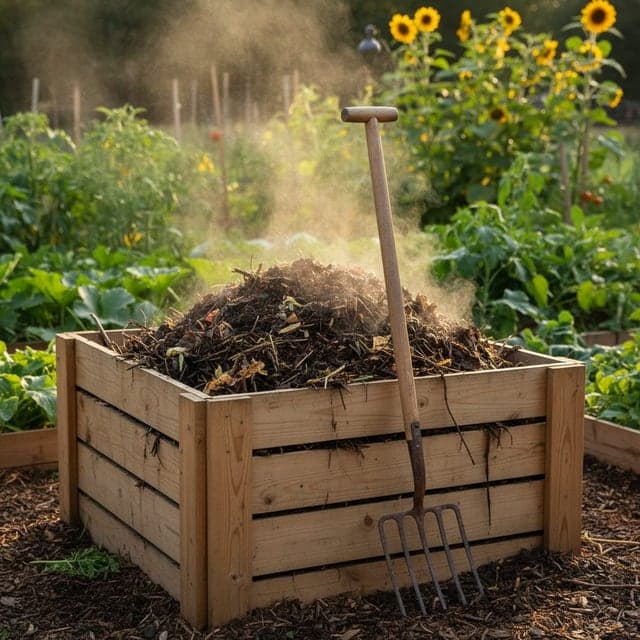
Fix smelly compost: ammonia, rotten eggs & C:N ratio
Why compost smells like ammonia or rotten eggs, and how to balance C:N ratios, improve aeration, and manage moisture for odor-free decomposition.
Tag
409 articles in this tag on agripure. — page 14 of 18
Why compost smells like ammonia or rotten eggs, and how to balance C:N ratios, improve aeration, and manage moisture for odor-free decomposition.
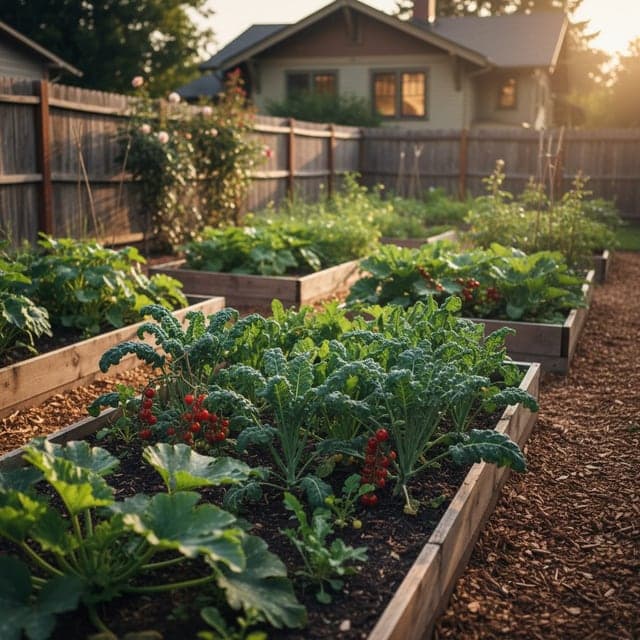
Learn to recognize and avoid persistent herbicides like aminopyralid and clopyralid in compost and manure. Protect your garden from contamination that can last for years.
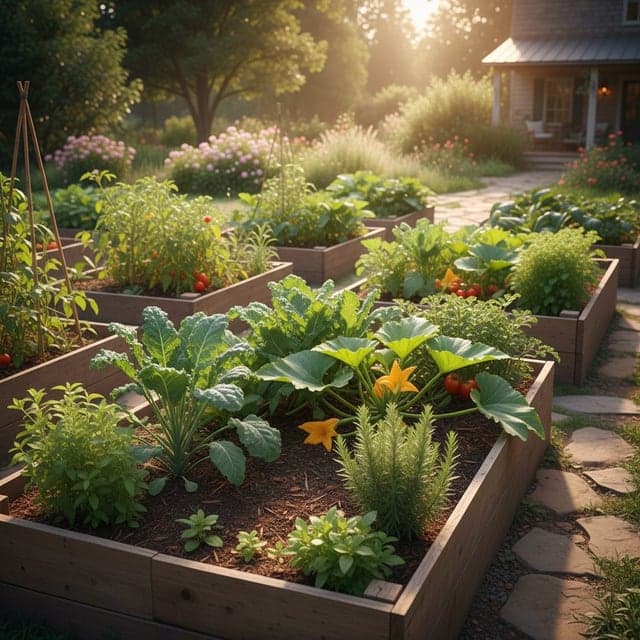
Learn to make leaf mold from fallen leaves. This free, fungal-dominated soil conditioner improves soil structure & water retention, reducing irrigation needs for your garden.
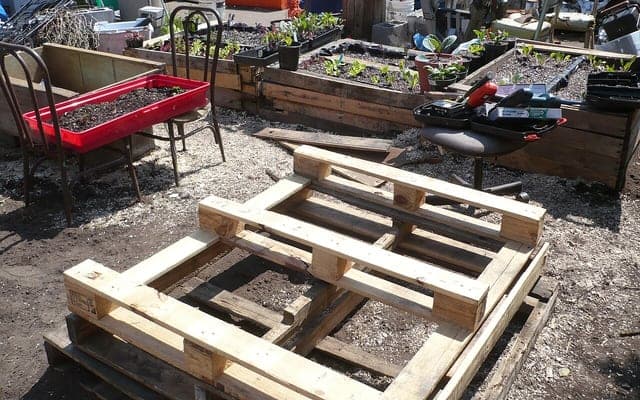
Build a rodent-proof 3-bin pallet compost system for $0 to $95 using IPPC ISPM-15 HT pallets, 3×3×3 ft thermal bays, 1/4-in hardware cloth aprons, removable front slats, and a Bin 1–2–3 turn schedule.
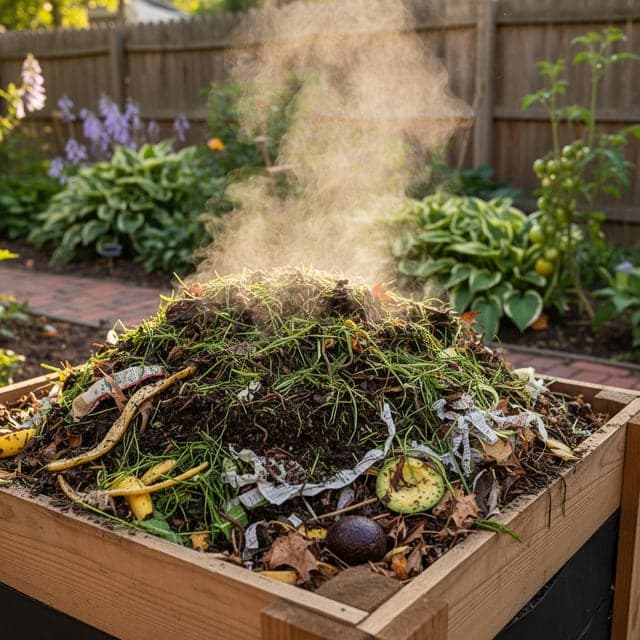
Learn how to balance the carbon-to-nitrogen (C:N) ratio in your compost pile for efficient decomposition. Discover ideal ratios for browns & greens to create nutrient-rich soil.
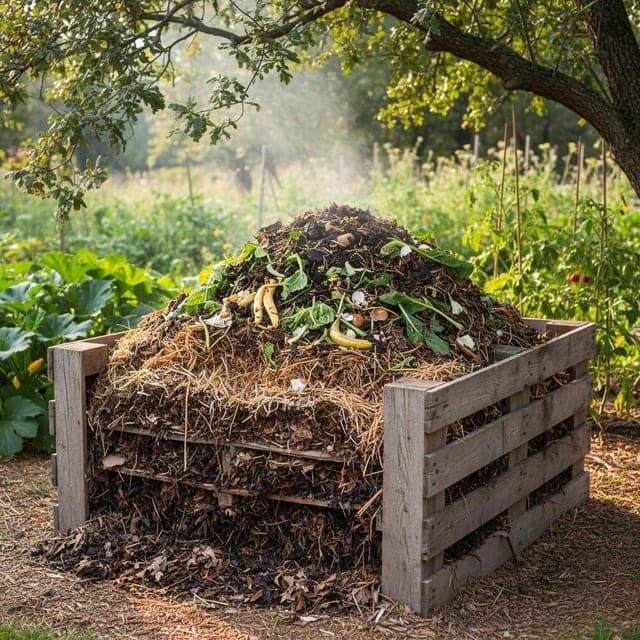
Discover cold composting, a low-effort method to create nutrient-rich soil. Learn how passive composting works, its benefits, and how to set up your pile for success in USDA zones 4-10.
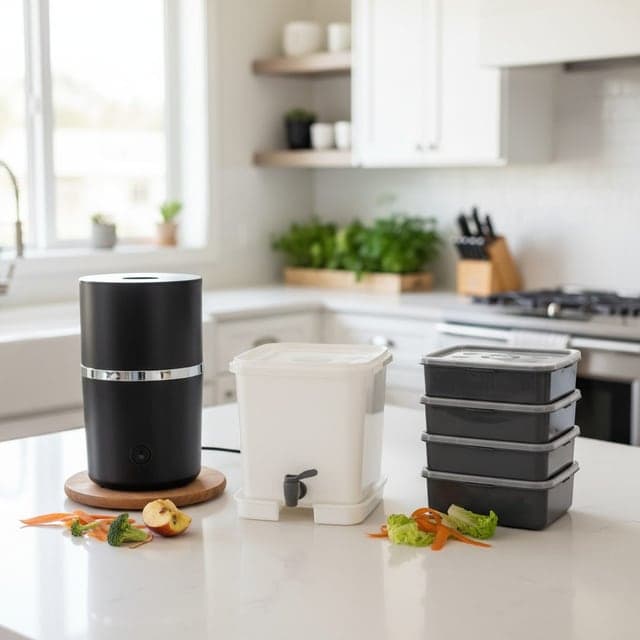
Indoor composting systems like bokashi, vermicomposting, and electric composters reduce household waste. Compare methods to choose the best option for your home.

Learn how renters can compost food scraps on balconies or countertops in US cities. Discover vermicomposting, biochar, and tips for fertile container gardens.
Learn Bokashi composting for US growers. Ferment all kitchen scraps, including meat & dairy, indoors. Reduce waste, create nutrient-rich soil, and avoid odors & pests.
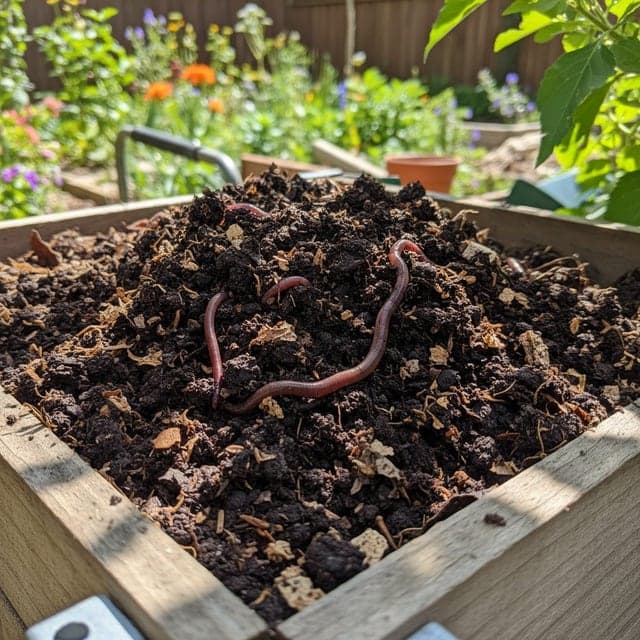
Learn four effective methods for harvesting worm castings from your backyard bin. Boost soil health, nutrient availability, and garden yields by up to 20% with nutrient-rich vermicompost.
Science-backed feeding chart for red wigglers (Eisenia fetida): 0.25–0.5 lb daily scrap ramps, 60–75% wrung-sponge moisture, pH 6.0–7.5 eggshell buffering, d-limonene and protein poisoning mechanis…
Tackle common worm bin problems like fruit flies, odors, and mold in USDA Zone 6. Learn practical solutions for moisture, feeding, and aeration to keep your vermicompost thriving.
How to choose composting worms for your climate, comparing red wigglers, European nightcrawlers, and African nightcrawlers across temperature ranges from 45°F to 85°F.
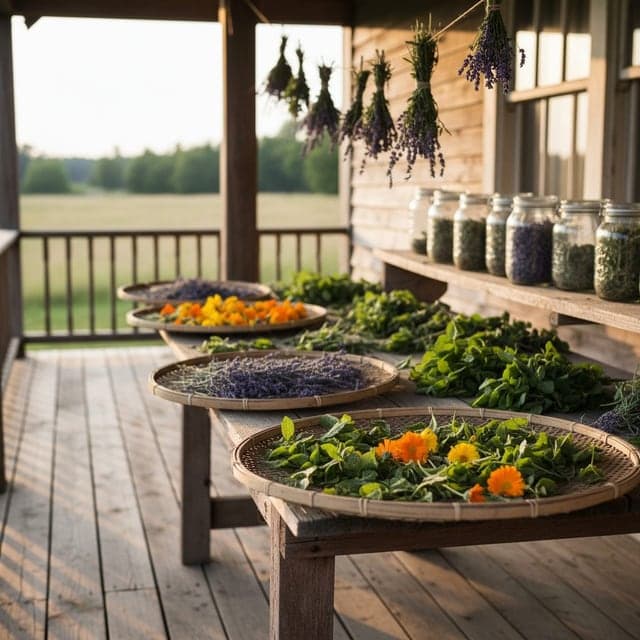
Learn essential techniques for harvesting, drying, and storing medicinal herbs to maximize potency. Our guide covers optimal timing, methods, and storage tips for effective medicinal herb preservat…
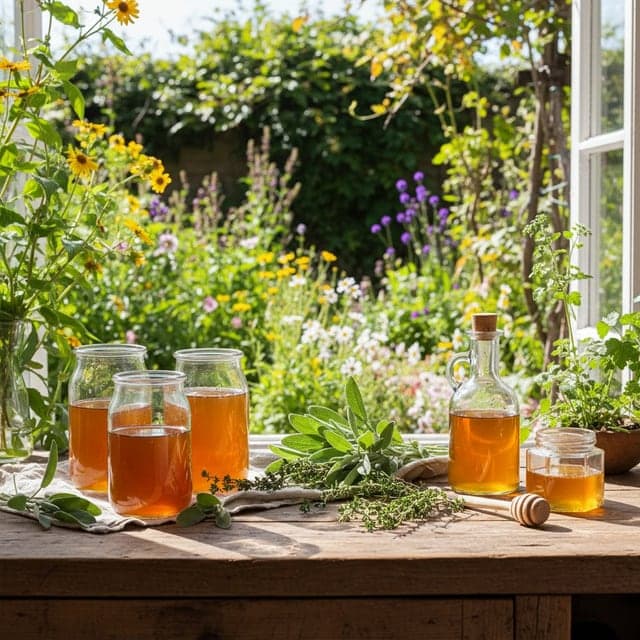
Learn to craft potent vinegar-and-honey herbal remedies like oxymels and fire cider at home. Discover recipes, storage tips, and how to save 25%+ on wellness products from your garden.
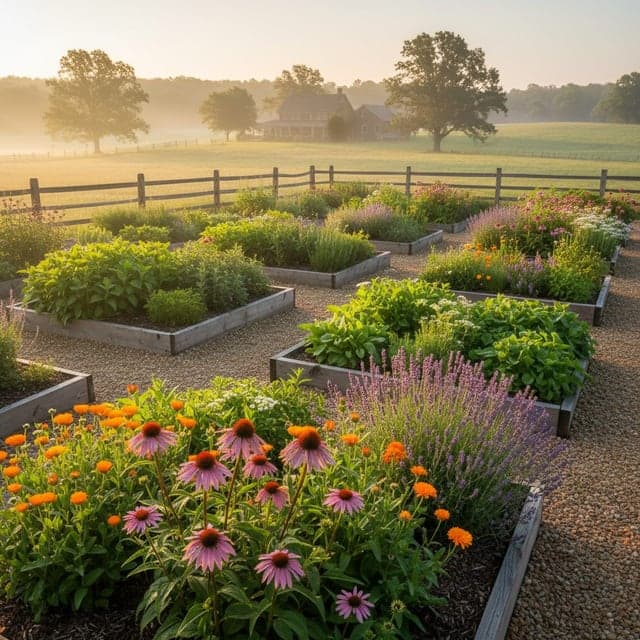
Formulate shelf-stable herbal tinctures using exact 1:2 fresh and 1:5 dried w:v ratios, fresh-herb moisture-dilution math above the 25% final ABV floor, solvent polarity matching, and 3-to-5-year a…
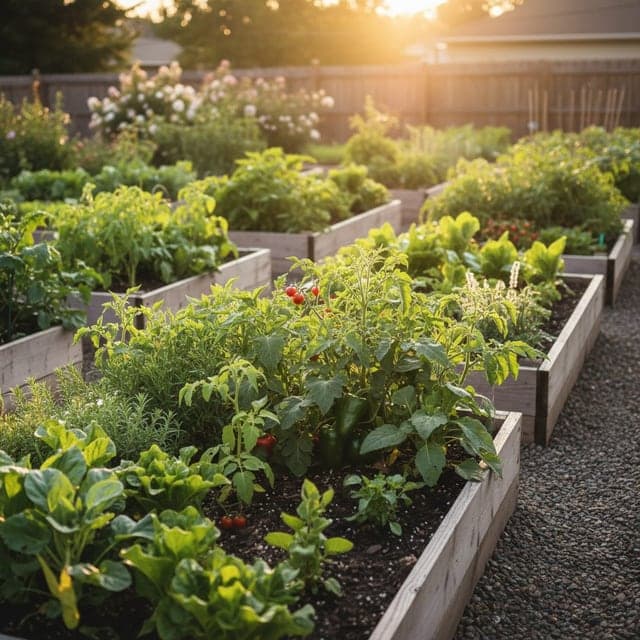
Making herbal salves and balms from a USDA Zone 6 garden turns medicinal plants like calendula into additive-free skin remedies, reducing reliance on commercial products.
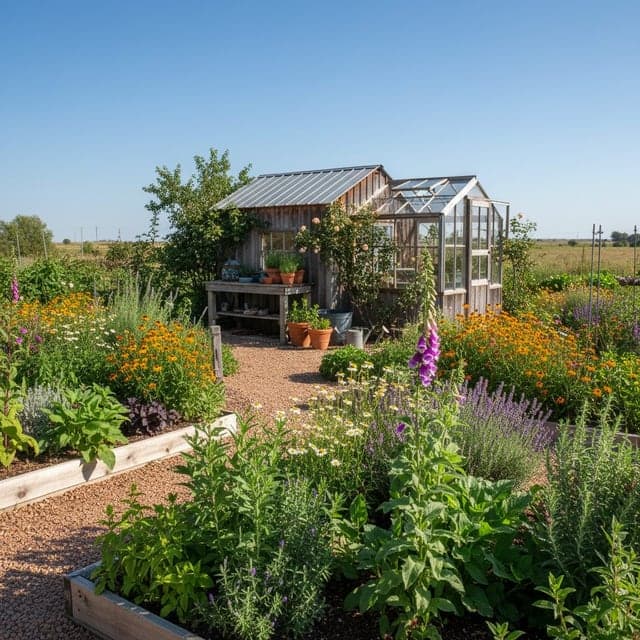
Cultivate a thriving medicinal herb garden in your backyard. Learn how to select, plant, and preserve 15+ useful species across USDA zones 4-9 for a home apothecary.
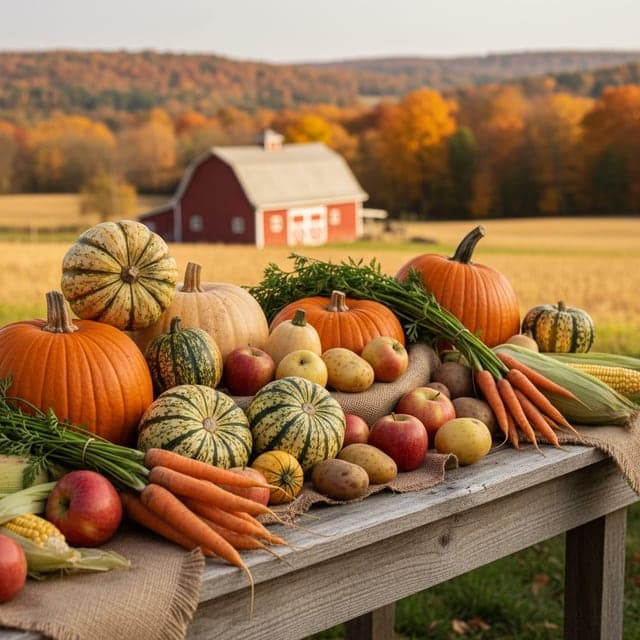
Techniques for handling garden gluts in USDA Zone 6, including fermenting, dehydrating, curing, and root cellar storage to extend the harvest and prevent waste.
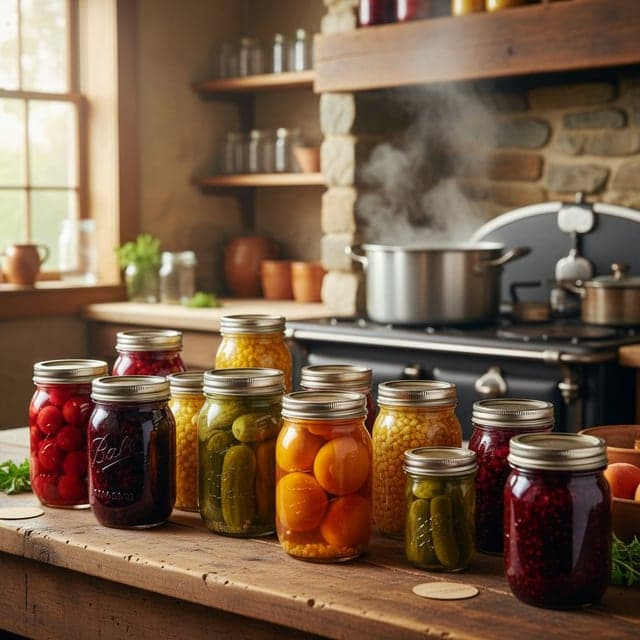
Master safe canning practices for water-bath and pressure canning. Learn essential tips to preserve fruits, vegetables, and meats, avoiding botulism and common mistakes.
Make homemade vinegar, kombucha, and pickles to preserve food at home and save money on groceries. Methods and recipes for reliable fermentation.
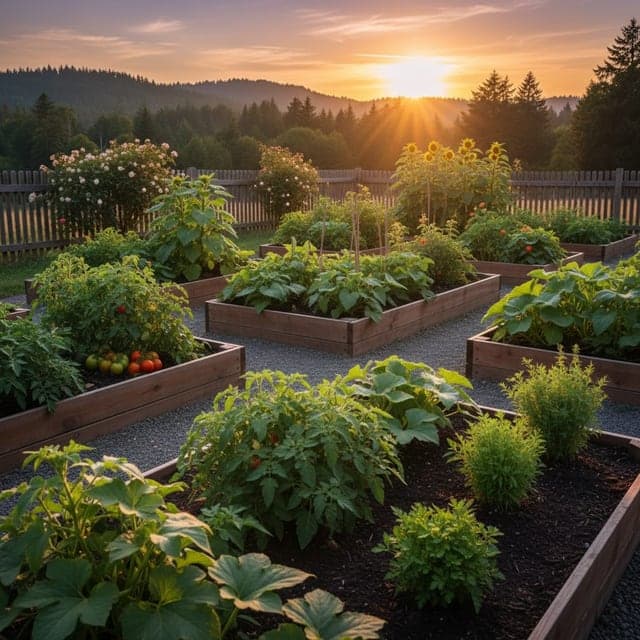
Learn to dehydrate your garden harvest for long-term storage and concentrated flavor. This guide covers temps, prep, and drying tomatoes, peppers, and herbs in USDA Zone 6.
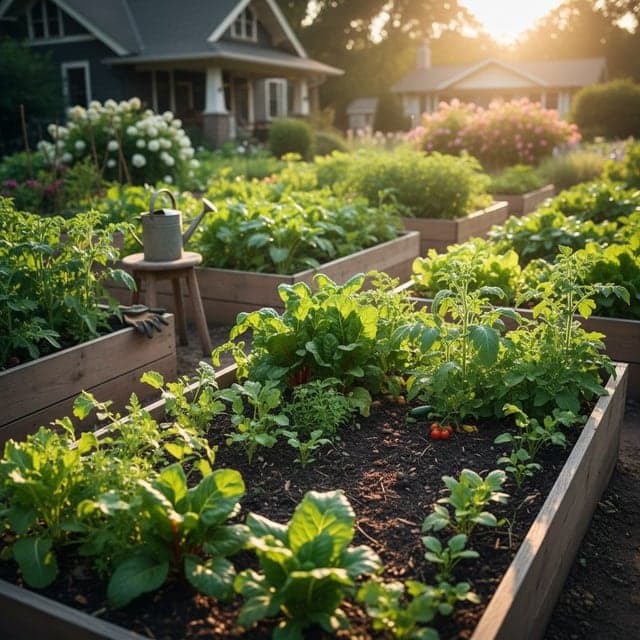
Survive Northern US winters in USDA Zones 3–6 with container root-lethality math (15–25°F vs. -20°F shoots), 4 overwintering tracks, terracotta freeze-spall protection, ≥40°F thaw watering, 1/4-inc…
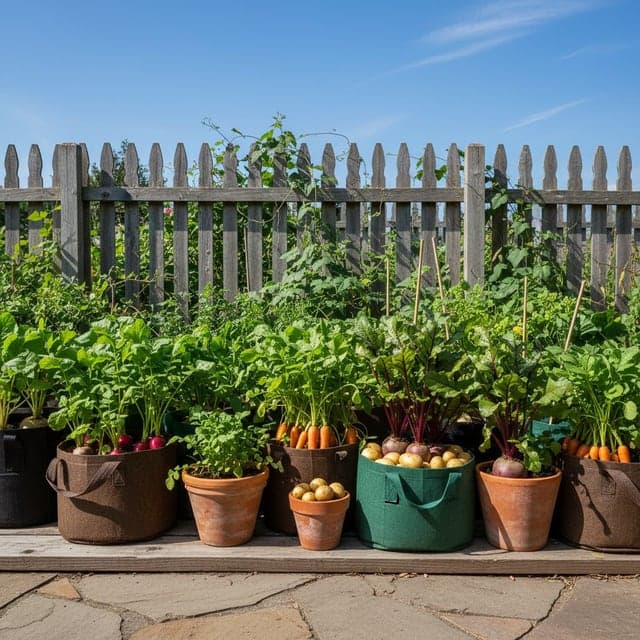
Grow carrots and other root vegetables in containers with the right soil mix, depth, and watering schedule for balconies or patios.