Key takeaways
- Thoroughly water new transplants immediately after planting, providing 1-2 gallons per plant to settle soil and roots.
- Check soil moisture daily for the first two weeks, aiming for consistently damp soil 4-6 inches deep, not waterlogged.
- Adjust watering frequency based on local conditions; 90°F temperatures and windy days may require daily watering, while cooler periods allow for less frequent irrigation.
- Apply 2-4 inches of organic mulch around transplants to conserve soil moisture, reduce soil temperature by 10-15°F, and suppress weeds.
- Provide temporary shade for heat-sensitive plants during peak afternoon sun, especially when temperatures exceed 95°F, to reduce water stress.
- Focus on deep, infrequent watering as plants establish, encouraging roots to grow downward rather than staying near the surface.
Quick answer: To water new transplants in 90°F Texas summers, provide 1-3 gallons per plant immediately after planting, ensuring deep penetration. For the first two weeks, check soil moisture daily and water as needed to maintain consistent dampness, often daily in high heat, and apply 2-4 inches of mulch.
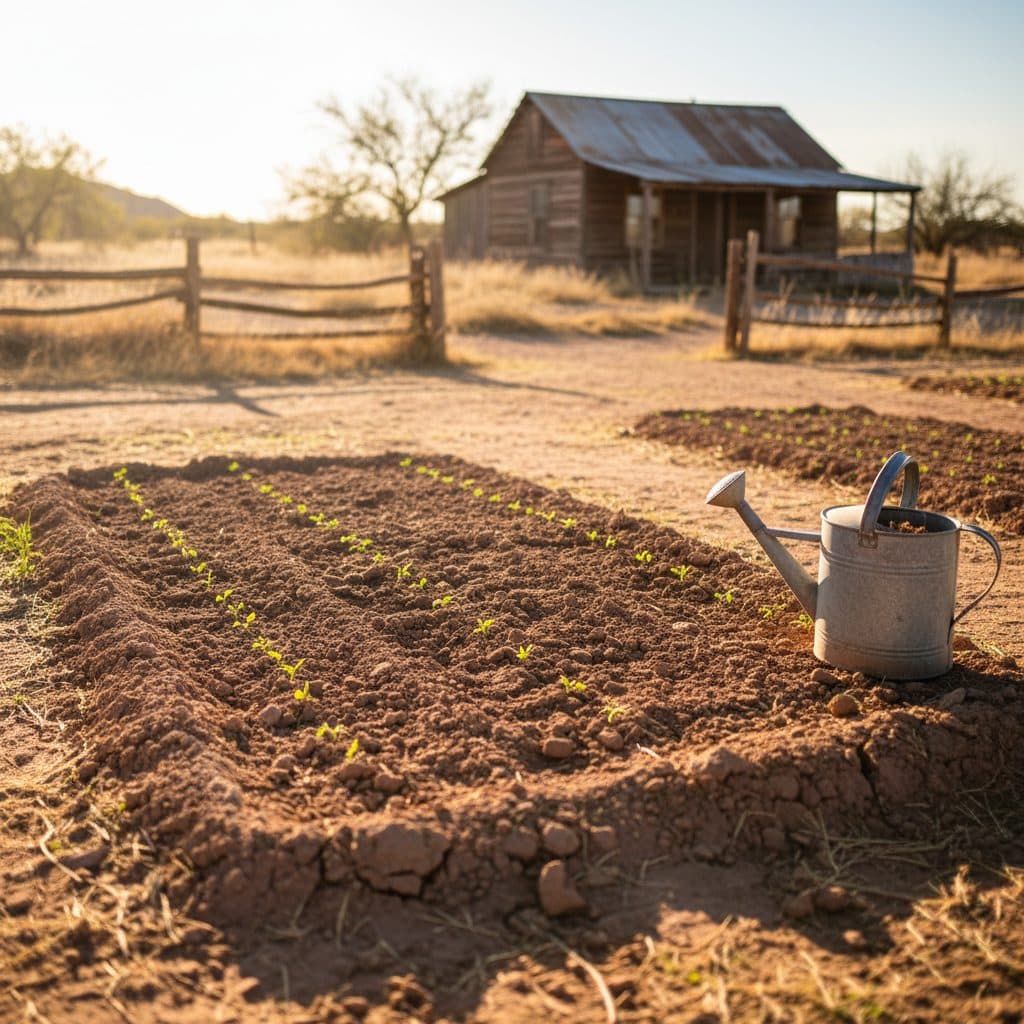
When summer temperatures soar past 90°F in regions like the Central Valley of California or the humid plains of Oklahoma, transplanting new plants can feel like a gamble. Young plants, fresh from a nursery pot, face immense stress as their root systems adapt to new soil and fluctuating moisture levels. The first two weeks are particularly critical, determining whether a transplant thrives or wilts under the intense sun.
Many growers in USDA zones 7-9 report losing up to 30% of new transplants during their initial establishment period if watering is inconsistent. Understanding the specific needs of these vulnerable plants, especially when daily high temperatures average 85°F to 100°F, matters for success. This guide provides practical, data-backed strategies for watering your new additions, ensuring they get the best possible start even in challenging summer conditions.
The immediate aftermath: critical first 48 hours
The moment a plant leaves its nursery container and enters your garden soil, it experiences transplant shock. Its root system, accustomed to a confined space, must now extend into an entirely new environment. To minimize this stress, immediate and thorough watering is non-negotiable. Before even placing the plant, pre-water the planting hole to ensure the surrounding soil is already moist. After placing the plant and backfilling with soil, create a small watering basin or berm around the plant’s base, about 6-8 inches in diameter. Then, water deeply, providing at least 1 gallon of water per plant for smaller annuals like marigolds or basil, and up to 2-3 gallons for larger perennials or shrubs such as young roses or blueberry bushes [3]. This initial drench settles the soil around the root ball, eliminating air pockets that can dry out delicate feeder roots and prevent proper water absorption. For those looking to understand the fundamental needs of their land, including water availability, consider resources like buying land for homesteading.
saturating the root zone
Ensure the water penetrates at least 6-8 inches into the soil profile. For a typical 6-inch diameter planting hole, this might mean a slow, steady pour over 5-10 minutes, allowing the water to soak in rather than run off. In sandy soils common in Florida or parts of the Southwest, water may drain quickly, requiring a second application 30-60 minutes later to ensure the root zone remains saturated. Conversely, heavy clay soils, like those found in parts of the Ohio River Valley, will absorb water more slowly, so a gentle, prolonged application is better to prevent runoff and ensure even distribution. The goal is to create a uniformly moist, but not waterlogged, environment for the roots, helping them quickly establish contact with the new soil. After the first watering, check the soil surface for any depressions or gaps that may have formed as the soil settled, and gently fill them with more soil to maintain an even surface around the plant.
- Water immediately after planting.
- Provide 1-3 gallons per plant, depending on size.
- Ensure water penetrates 6-8 inches deep.
- Recheck moisture after 1-2 hours in sandy soils.
- Avoid creating standing water or runoff.
Daily watering rhythms: days 3-7
After the initial saturation, the next few days establish the plant’s rhythm. During summer heat, especially when daytime temperatures consistently exceed 85°F, daily watering is often necessary for young transplants. However, ‘daily’ doesn’t always mean the same amount. The key is to maintain consistent soil moisture without overwatering, which can lead to root rot. Use the finger test: push your finger 2-3 inches into the soil near the plant. Alternatively, a simple moisture meter can provide a more precise reading. For most annual vegetables in USDA zones 6-9, this might mean 0.5-1 gallon per plant each morning, applied slowly at the base to ensure it reaches the root zone. Watering in the early morning (before 9 AM) minimizes evaporation by up to 30% compared to midday watering, allowing more water to reach the roots [2].
reading the plant and the soil
Observe your plants closely for signs of stress. Slight wilting in the late afternoon, especially on days reaching 95°F or higher, can be a normal response as plants conserve moisture. However, wilting that persists into the morning indicates insufficient water and requires immediate attention. Consider the soil type; sandy loams in parts of Georgia may need more frequent, smaller applications (e.g., 0.5 gallons twice daily) than the heavier silty clays of the Ohio River Valley, which might hold moisture for 24-36 hours. Aim for a soil moisture level that feels like a wrung-out sponge, consistently moist down to at least 4-6 inches. Overwatering can be just as detrimental as underwatering, depriving roots of oxygen and encouraging fungal diseases. Yellowing leaves, especially lower ones, can often be a sign of overwatering, particularly if the soil feels saturated.
- Perform the finger test daily, checking 2-3 inches deep.
- Water when soil feels dry at that depth.
- Provide 0.5-1 gallon per plant for daily needs.
- Observe plant wilting patterns; morning wilt indicates stress.
- Adjust for soil type: sandy soils need more frequent, smaller amounts.
Adapting to conditions: days 8-14
As your transplants enter their second week, their root systems should be starting to expand, but they remain highly vulnerable. This is a period of transition where you can begin to encourage deeper root growth by slightly increasing the volume of water per session and potentially extending the time between waterings. Instead of daily small drinks, aim for thorough soakings every 1-2 days, depending on the weather and soil type. For instance, a tomato plant in USDA zone 8 might receive 1.5 gallons every other day if temperatures are consistently above 90°F, while a cooler week (75°F) might allow for watering every three days. The goal is to train roots to seek moisture deeper in the soil profile, making the plant more resilient to future dry spells. A deep watering, providing 2 gallons per plant, can penetrate 10-12 inches into a loamy soil.
managing heat and wind stress
Summer heat, especially when combined with dry winds, can rapidly deplete soil moisture and stress young plants. Wind can increase evapotranspiration rates by 20-30% on a hot day, pulling moisture from leaves and soil at an accelerated pace [1]. Consider creating temporary windbreaks using burlap, shade cloth, or even strategically placed straw bales for particularly exposed areas. For regions like Texas, understanding local climate and water resources is paramount, as detailed in homesteading in Texas. For plants like young peppers or eggplant, a 30% shade cloth can reduce leaf temperatures by several degrees, significantly lowering their water demand during peak afternoon sun (1 PM to 4 PM) [5]. Remember that plants in containers, even large 15-gallon ones, will dry out much faster than those in the ground, often requiring daily or even twice-daily checks and watering in extreme heat above 95°F. Monitoring weather forecasts for heatwaves or strong winds can help you proactively adjust your watering schedule.
- Transition to deeper, less frequent watering.
- Aim for 1.5-2 gallons every 1-3 days, based on conditions.
- Monitor weather for extreme heat (95°F+) or wind.
- Provide temporary windbreaks or 30% shade cloth.
- Container plants require more frequent checks, sometimes twice daily.
Beyond the hose: supporting transplant success
While direct watering is paramount, several other strategies can significantly boost your transplants’ chances of survival and growth during their first two weeks. Mulching is perhaps the most effective. Applying a 2-4 inch layer of organic mulch — such as straw, wood chips, shredded leaves, or pine needles — around the base of the plant helps retain soil moisture, reduces evaporation by up to 50%, and moderates soil temperature [4]. This can keep soil 10-15°F cooler on a hot day, protecting tender roots from scorching heat and reducing the frequency of watering by 20-35%. Ensure the mulch does not directly touch the plant stem, leaving a 1-inch gap to prevent rot and pest issues. Light-colored mulches like straw can reflect more heat, keeping the soil even cooler.
building soil health and microclimates
Long-term success for heat and drought resilience begins with healthy soil. Incorporating 2-4 inches of compost or other organic matter into your garden beds before planting can increase the soil’s water-holding capacity by 20-30% [1]. This improved structure allows soil to absorb more water and release it slowly to plant roots, making them less reliant on frequent surface watering. Strategically placed taller plants or temporary shade structures can also create beneficial microclimates. For example, planting heat-sensitive lettuce in the partial shade of a young corn stalk can reduce its water needs by 15% during a 90°F afternoon. When planning for long-term resilience, exploring drought tolerant shrubs can provide structural elements that also conserve water. Even a temporary shade structure made from old bedsheets can drop ambient temperatures around young plants by 5-10°F, reducing water loss through transpiration during the hottest parts of the day.
- Apply 2-4 inches of organic mulch to conserve moisture.
- Mulch can reduce soil temperature by 10-15°F.
- Incorporate 2-4 inches of compost to improve water retention.
- Use temporary shade cloth for sensitive plants.
- Consider planting taller crops to shade smaller ones.
Mulch Benefits: A 3-inch layer of organic mulch can reduce soil moisture evaporation by up to 50% and lower soil temperatures by 10-15°F on hot summer days [4].
Soil Organic Matter: Increasing soil organic matter by just 1% can increase the soil’s water-holding capacity by 20,000 gallons per acre, significantly benefiting plant resilience in USDA zones 6-9 [1].
Frequently asked questions
How much water is too much for new transplants?
Overwatering occurs when soil remains saturated for extended periods, depriving roots of oxygen and leading to root rot. While initial watering should be deep, subsequent watering should allow the top 1-2 inches of soil to dry slightly. For most plants, consistently soggy soil for more than 24 hours after watering can be detrimental, especially when temperatures are above 80°F.
Can I water my transplants in the middle of a hot day?
Generally, it’s best to water in the early morning (before 9 AM) or late evening (after 6 PM) to minimize evaporation. However, if a transplant shows severe wilting in the middle of a 100°F day, a quick, targeted application of 0.5 gallons of water directly to the root zone can provide temporary relief and prevent irreversible damage. Avoid overhead watering during peak sun to prevent leaf scorch.
What if my soil drains too quickly in summer heat?
Rapid drainage, common in sandy soils found in coastal areas or the Southwest, means water doesn’t stay in the root zone long enough. To improve this, amend your soil with 3-4 inches of organic matter, like compost, before planting. This can increase water retention by 20-30% [1]. Also, consider creating a small soil berm or watering basin around the plant to hold water over the root area longer during irrigation.
How can I tell if my plant is wilting from lack of water or too much water?
Both underwatering and overwatering can cause wilting. The key difference is soil moisture. If the soil 2-3 inches deep feels dry, the plant likely needs water. If the soil is consistently soggy and the plant is wilting, it’s likely overwatered and suffering from root rot. In the latter case, reduce watering immediately and improve drainage if possible. A healthy plant will usually recover from slight wilting after a proper watering within 1-2 hours.
Should I fertilize new transplants during their first two weeks?
It’s generally not recommended to fertilize new transplants during their first two weeks, especially in summer heat. Their primary focus is root establishment, and fertilizers, particularly those high in nitrogen, can burn tender new roots or encourage lush top growth at the expense of root development. If you must, use a very diluted liquid starter fertilizer (e.g., 1/4 strength) with a balanced NPK ratio like 5-10-5, applied at a rate of 0.25 gallons per plant, but only after 7-10 days if the plant appears to be settling in well.
References
- USDA Natural Resources Conservation Service (2024). USDA Natural Resources Conservation Service.
- EPA — Soak Up the Rain (2024). EPA — Soak Up the Rain.
- SARE — Sustainable Agriculture Research & Education (2023). SARE — Sustainable Agriculture Research & Education.
- ATTRA / NCAT Sustainable Agriculture (2023). ATTRA / NCAT Sustainable Agriculture.
- USDA National Agroforestry Center (2023). USDA National Agroforestry Center.