
Cold-Climate Rainwater Storage: Draining & Protecting Barrels
Learn essential steps for cold-climate rainwater storage. Prevent freeze damage to barrels & systems in USDA Zone 5 by draining and protecting components before winter.
Tag
206 articles in this tag on agripure. — page 7 of 9
Learn essential steps for cold-climate rainwater storage. Prevent freeze damage to barrels & systems in USDA Zone 5 by draining and protecting components before winter.
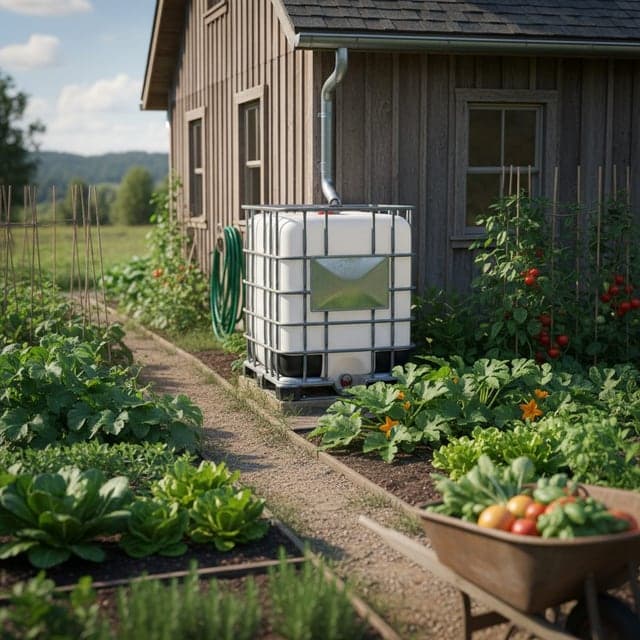
Engineer a safe 275 or 330 gallon IBC tote rainwater harvesting system: verify virgin 21 CFR 177.1520 #2 HDPE, build a 2,430–2,900 lb gravel-CMU pad, size 16–18 mesh screens and first-flush diverte…
Understand US rainwater harvesting laws, including specific rules for Colorado, Utah, and Nevada. Learn about volume limits, permits, and efficient passive irrigation techniques like ollas to conse…
Learn to build a first-flush diverter to keep your harvested rainwater clean. Prevent debris, pollutants, and algae from entering storage tanks to ensure healthier plants and efficient irrigation.
Learn how to size rain barrels for your garden. Calculate potential water harvest from your roof, account for efficiency, and integrate passive irrigation methods like ollas and wicking beds.
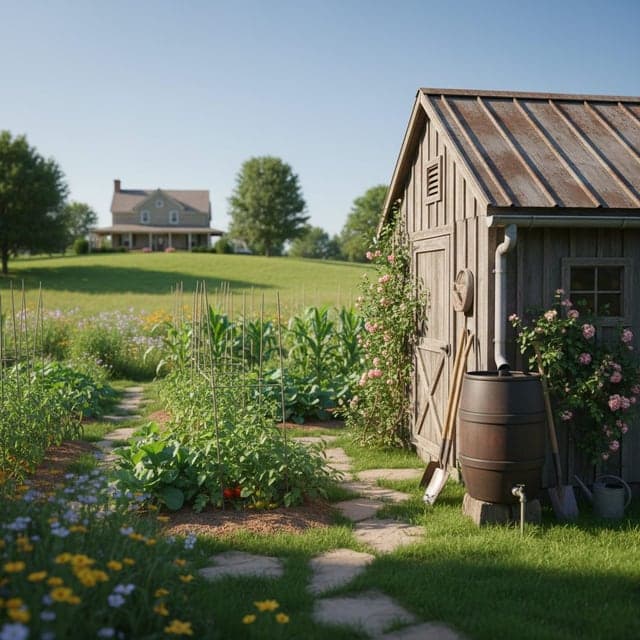
Build leak-free mason jar and cut wine bottle wicking planters for houseplants: 3–4 mm synthetic paracord (not rotting cotton), >=40–50% aeration substrates or LECA to stop Pythium root rot, plant…
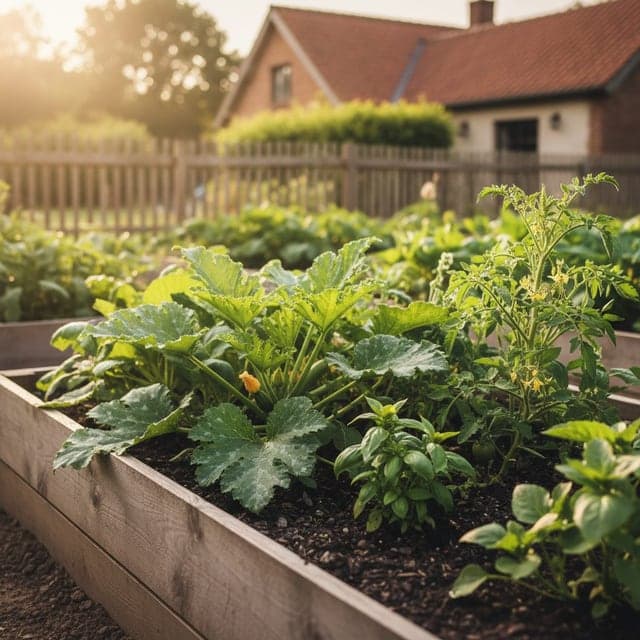
Learn how to build efficient wicking beds using stock tanks or IBC totes. Reduce garden water consumption by 50% or more, especially in USDA Zone 7, and promote healthier plant growth.
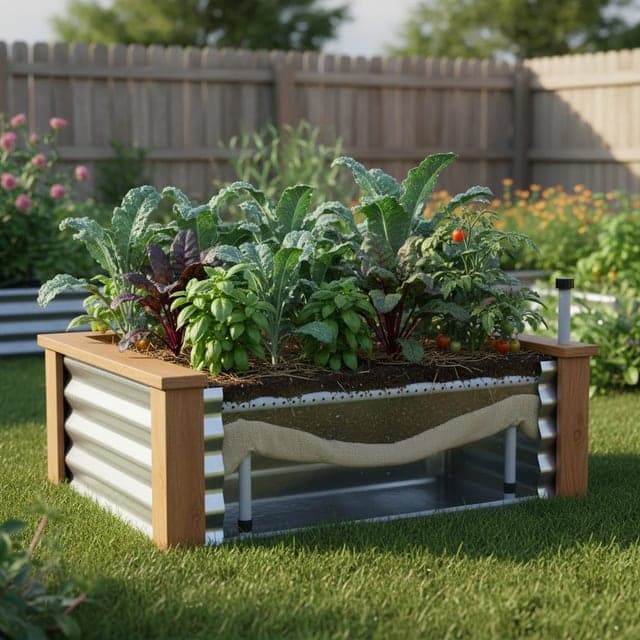
How wicking beds reduce water consumption by 50% or more in arid USDA zones 8-10, covering system components, reservoir construction, and soil layering.
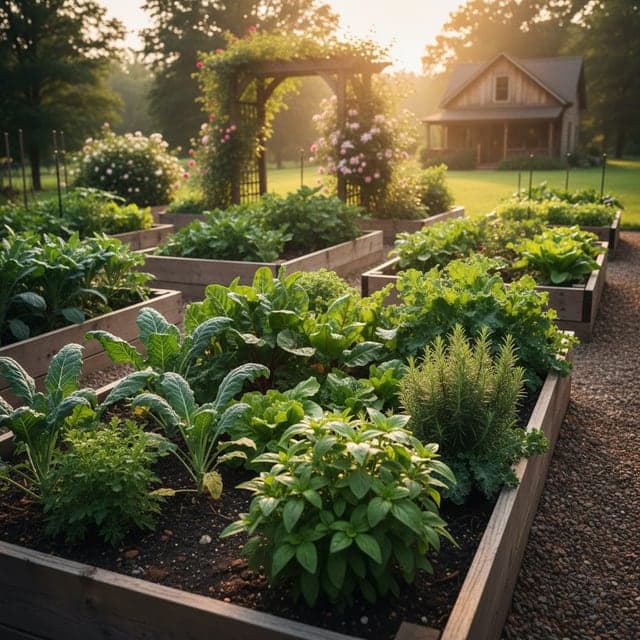
Learn to build DIY ollas for passive irrigation. Save up to 70% water in your garden, especially in arid regions like Arizona. Easy, affordable, and promotes healthier plants.
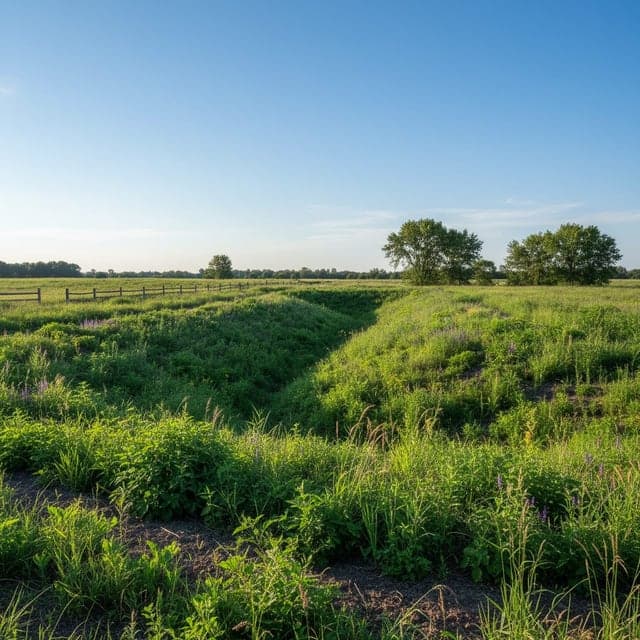
Design and maintain swales to prevent mosquito breeding with proper slopes, spillways, soil amendments, and plant selections.
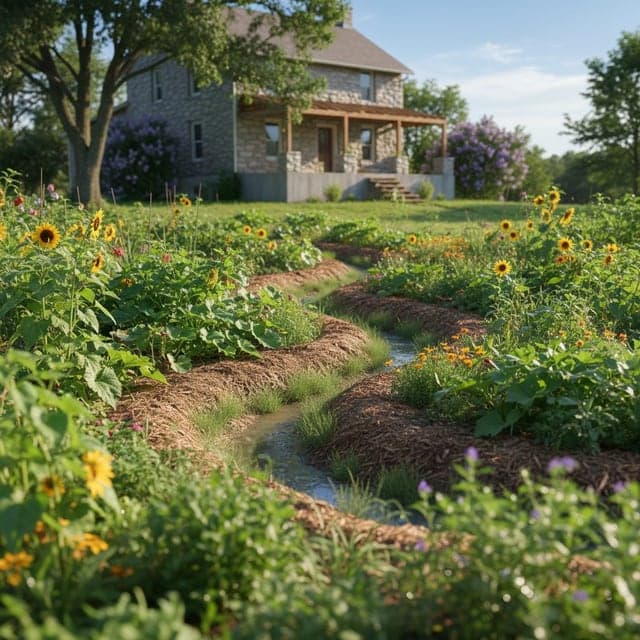
Plan a backyard swale without flooding your basement, hitting buried utilities, or triggering fines: Call 811 locates, 10–25+ ft foundation clearances, 25–50 ft septic and well buffers, >15–20% lan…

Master homestead water management with swales, berms, and French drains. Learn how these passive earthworks improve soil moisture, reduce runoff, and improve drainage for your USDA Zone 7 property.
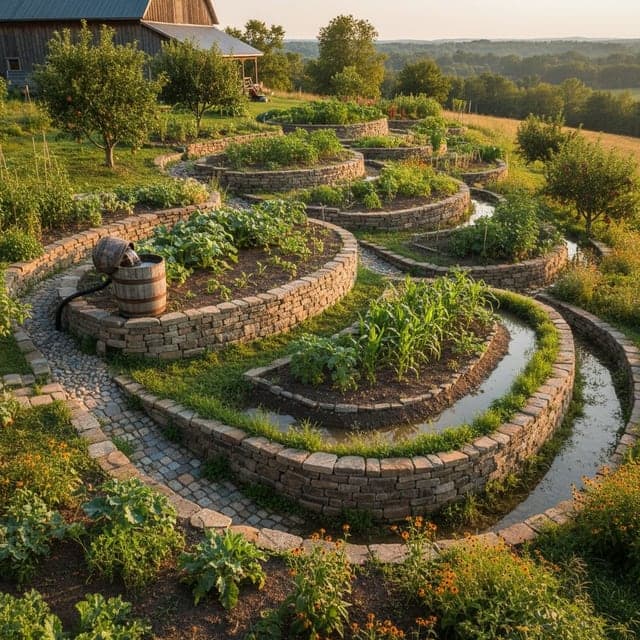
Learn to find contour with an A-frame or laser level. Build water harvesting earthworks like swales & wicking beds to reduce irrigation, prevent erosion, and save water. Essential for homesteaders.
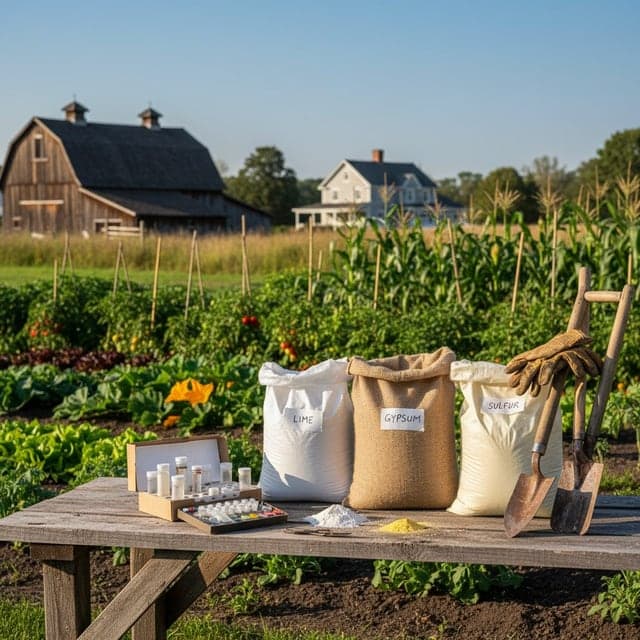
How gypsum, lime, and sulfur improve soil structure and pH based on soil test results in USDA Zone 6.
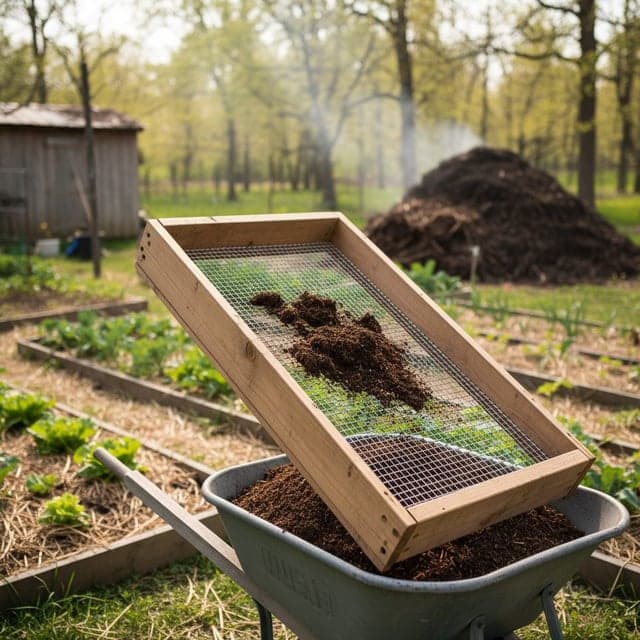
Learn how to build a DIY compost sifter to refine finished compost for better soil texture, water retention, and nutrient availability in your garden. Essential for seed starting & top-dressing.
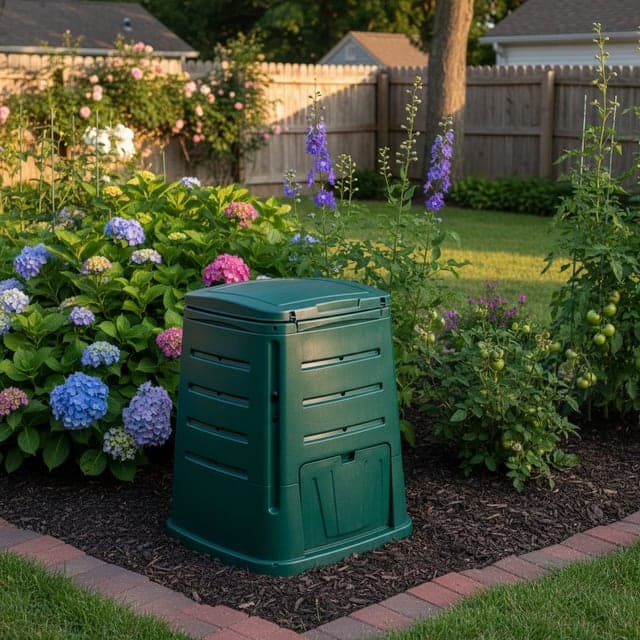
Learn how to prevent rats, raccoons, and flies from invading your compost pile. Discover effective strategies for compost pest control, including bin construction, material management, and site sel…
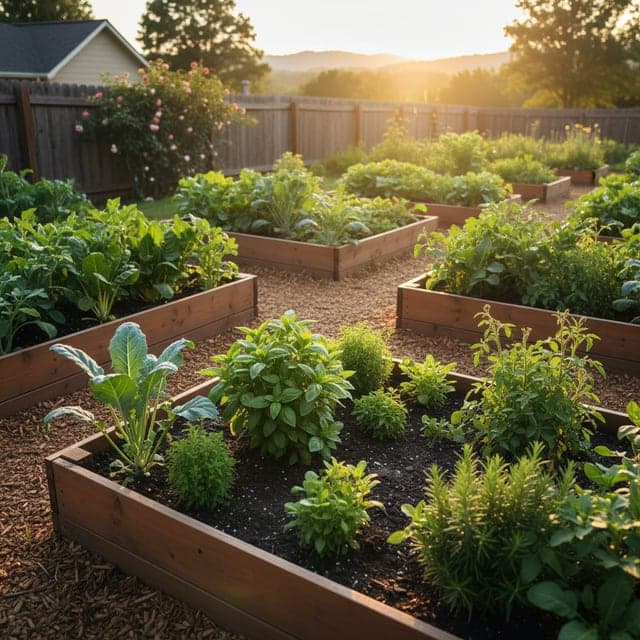
Turn fallen autumn leaves into free garden soil fertility across the US using a mulching lawn mower or dedicated leaf shredder: 4:1–16:1 volume reduction, turf mulching, 30:1 hot compost, fungal le…
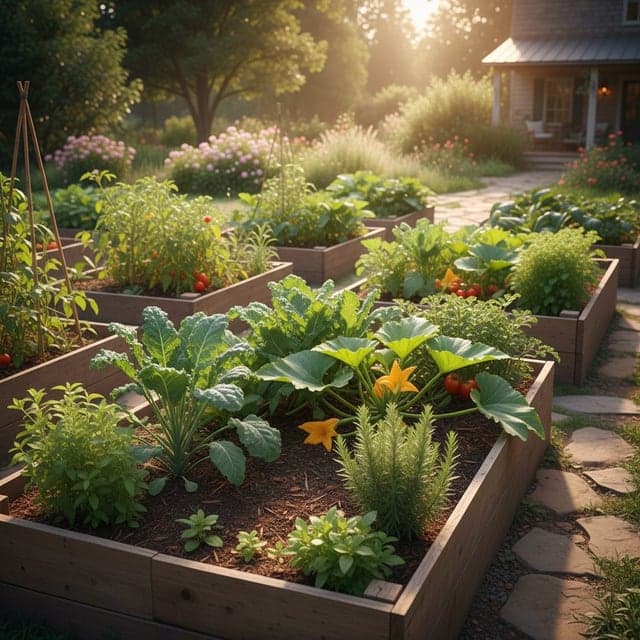
Learn to make leaf mold from fallen leaves. This free, fungal-dominated soil conditioner improves soil structure & water retention, reducing irrigation needs for your garden.
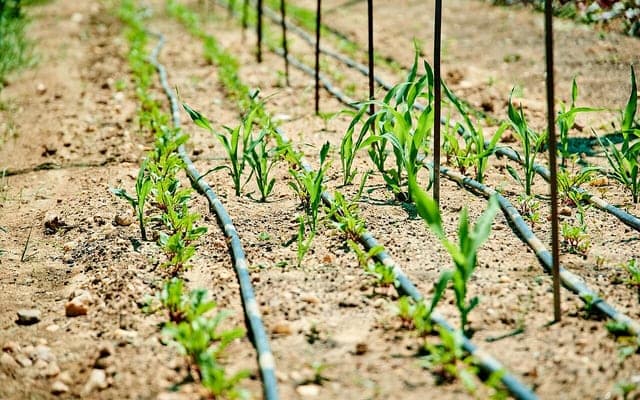
Make clean backyard biochar using TLUD gasifiers and 50–65° flame-cap cone kilns: 450–650°C pyrolysis, strict fire and CCA/dioxin fuel bans, bottom-up water quenching, and mandatory Year-1 nutrient…
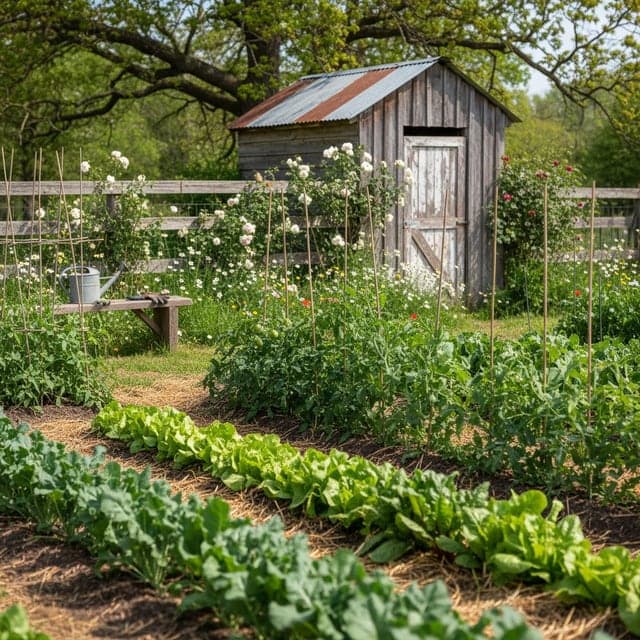
Make DIY fish emulsion and seaweed feeds for garden soil fertility, providing nitrogen, micronutrients, and growth hormones using homemade organic fertilizers.
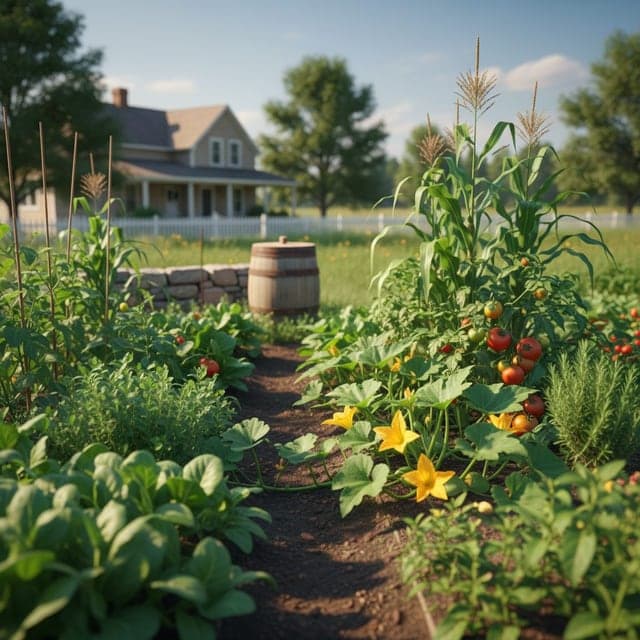
Fermented nettle and weed feeds can increase garden nitrogen by up to 20%, reduce fertilizer costs by 15%, and improve soil health. DIY liquid fertilizer.
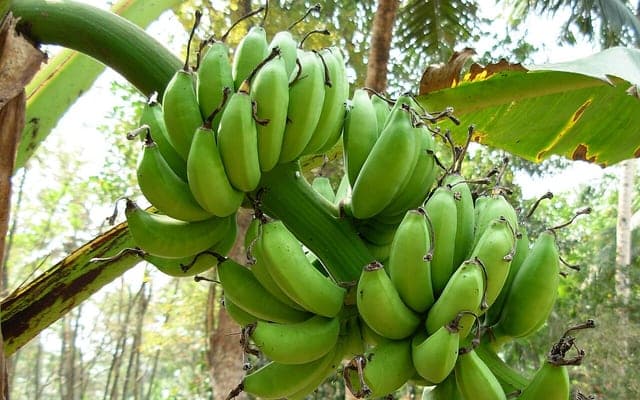
Learn how to make effective kitchen scrap liquid feeds from banana peels & eggshells to boost zucchini growth in your USDA zone 6 garden. Reduce waste & improve soil.
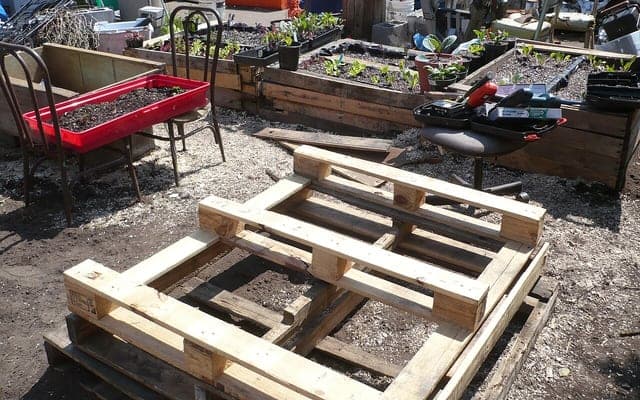
Build a rodent-proof 3-bin pallet compost system for $0 to $95 using IPPC ISPM-15 HT pallets, 3×3×3 ft thermal bays, 1/4-in hardware cloth aprons, removable front slats, and a Bin 1–2–3 turn schedule.
Compare DIY vs. store-bought compost bins for your garden. Learn about optimal 30:1 C:N ratios, moisture, and aeration for efficient composting. Find the best compost bin for your needs.