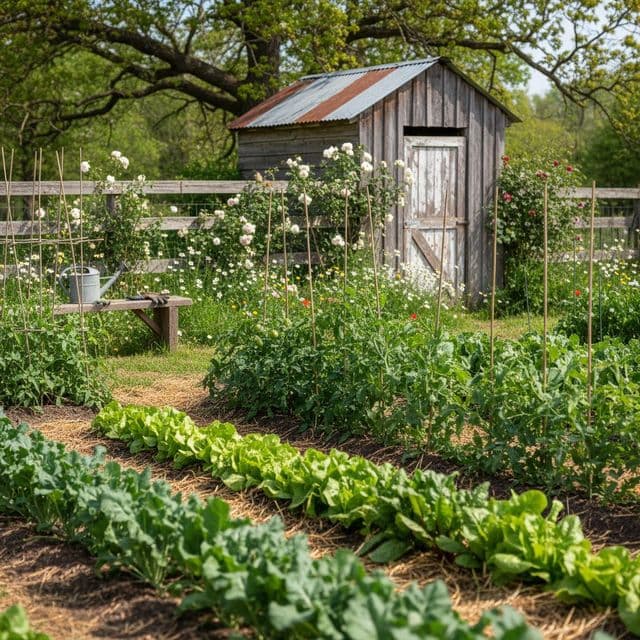
DIY fish emulsion & seaweed for garden soil fertility
Make DIY fish emulsion and seaweed feeds for garden soil fertility, providing nitrogen, micronutrients, and growth hormones using homemade organic fertilizers.
Tag
161 articles in this tag on agripure. — page 6 of 7
Make DIY fish emulsion and seaweed feeds for garden soil fertility, providing nitrogen, micronutrients, and growth hormones using homemade organic fertilizers.
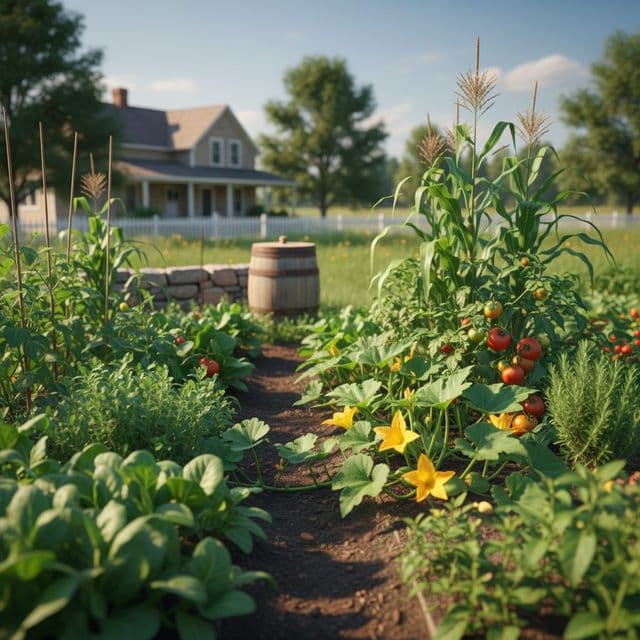
Fermented nettle and weed feeds can increase garden nitrogen by up to 20%, reduce fertilizer costs by 15%, and improve soil health. DIY liquid fertilizer.
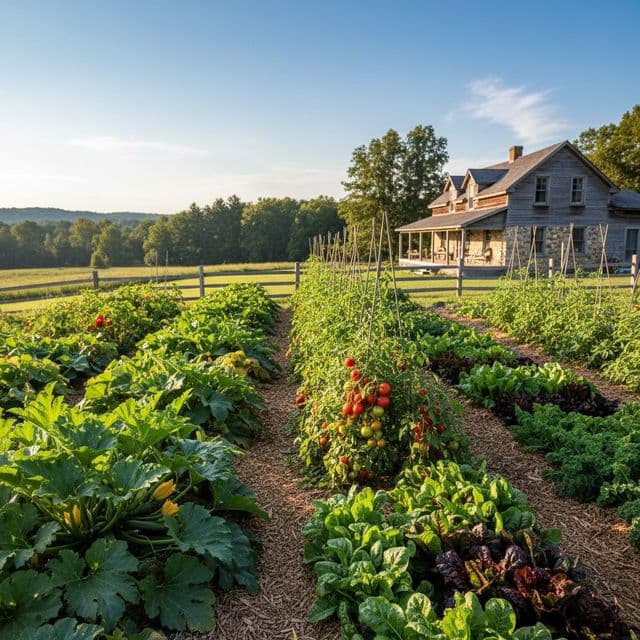
Learn how to make effective kitchen scrap liquid feeds from banana peels & eggshells to boost zucchini growth in your USDA zone 6 garden. Reduce waste & improve soil.
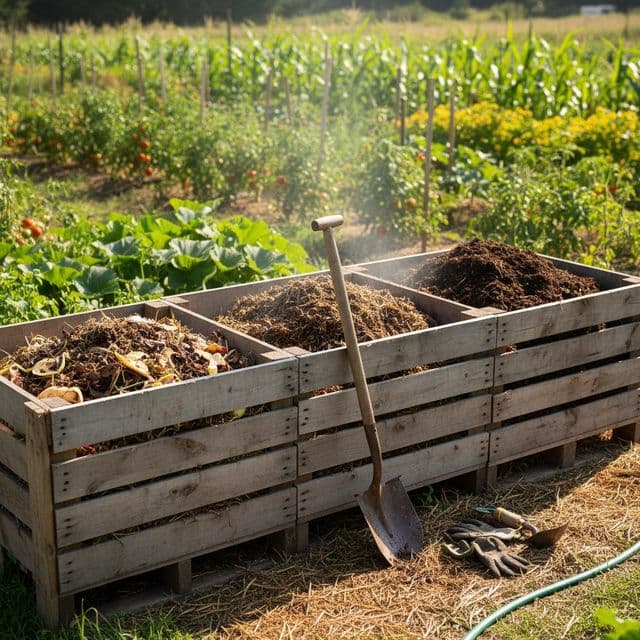
A 3-bin pallet composting system converts organic waste into finished compost, sourcing heat-treated pallets to boost garden yields by 10-20%.
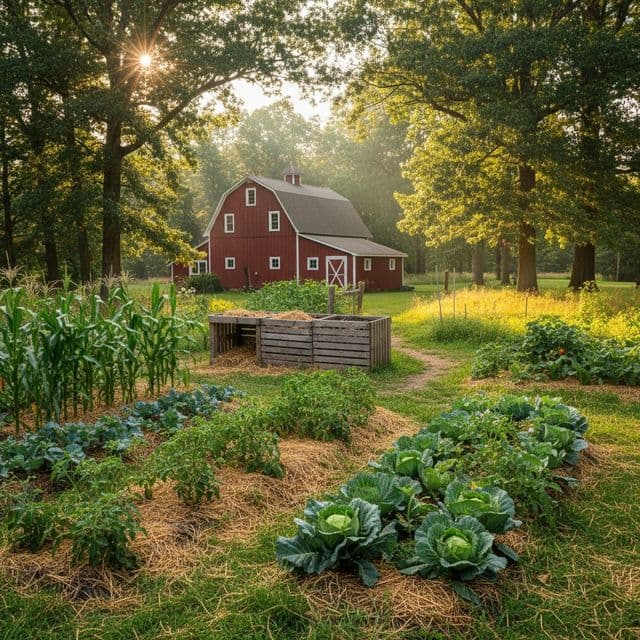
Compare DIY vs. store-bought compost bins for your garden. Learn about optimal 30:1 C:N ratios, moisture, and aeration for efficient composting. Find the best compost bin for your needs.
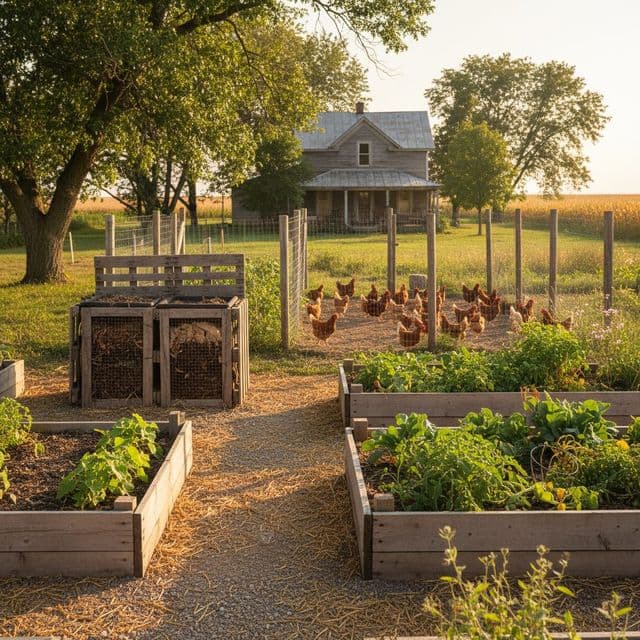
How to make homemade bokashi bran and save up to 75% on soil amendments, enriching garden soil and fermenting kitchen scraps anaerobically.
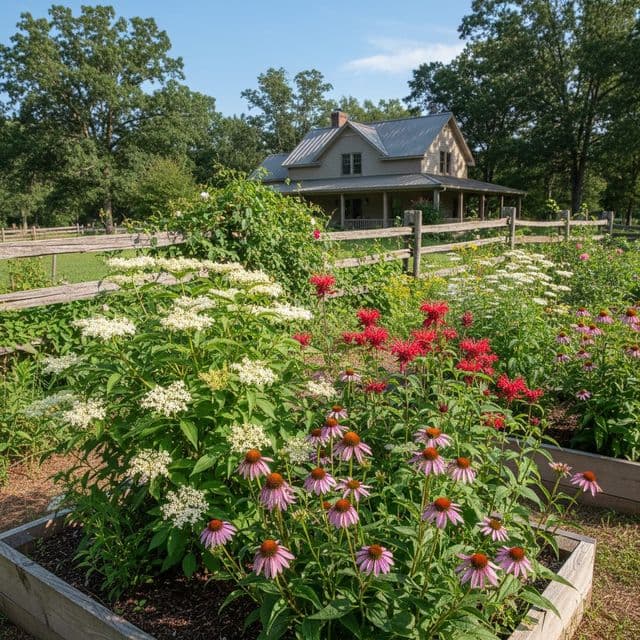
US-native medicinal plants like Echinacea and Elderberry support local biodiversity and provide herbal remedies for a home apothecary. These species are resilient and straightforward to cultivate.
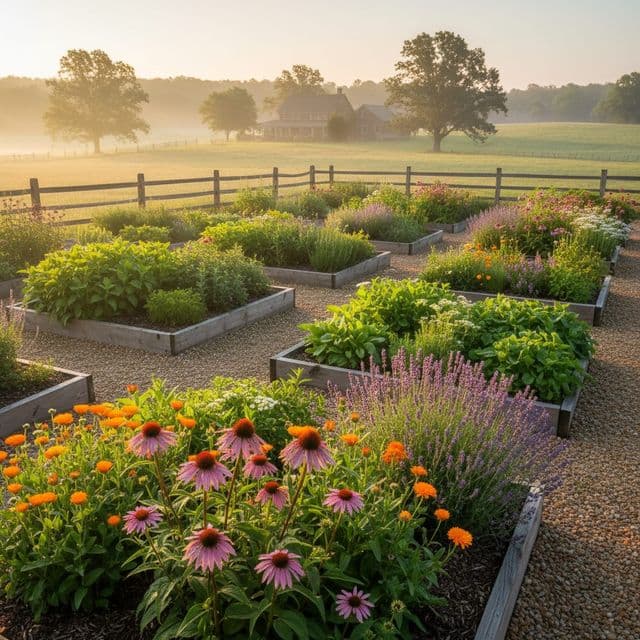
Master crafting potent herbal tinctures for your home apothecary. Learn precise extraction ratios, choose the right menstruum, and ensure long shelf life with proper storage.
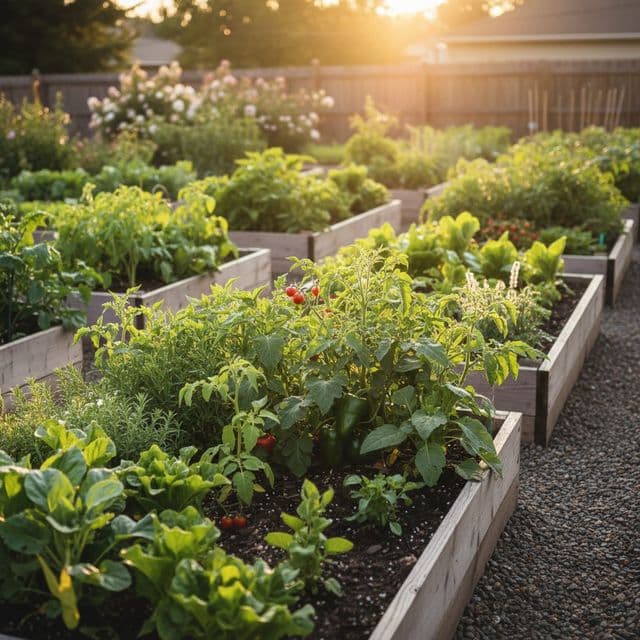
Making herbal salves and balms from a USDA Zone 6 garden turns medicinal plants like calendula into additive-free skin remedies, reducing reliance on commercial products.
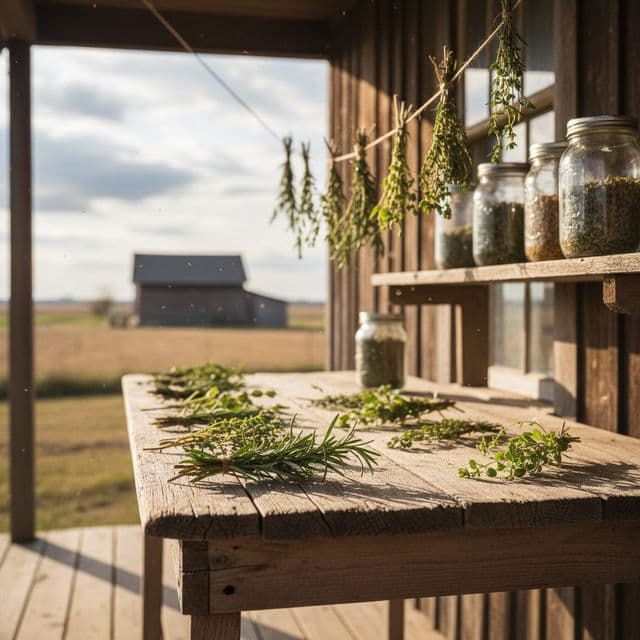
Learn how to dry garden herbs and aromatics for peak flavor & potency. Discover optimal harvesting, air drying, and dehydrator techniques to preserve your harvest and save money.
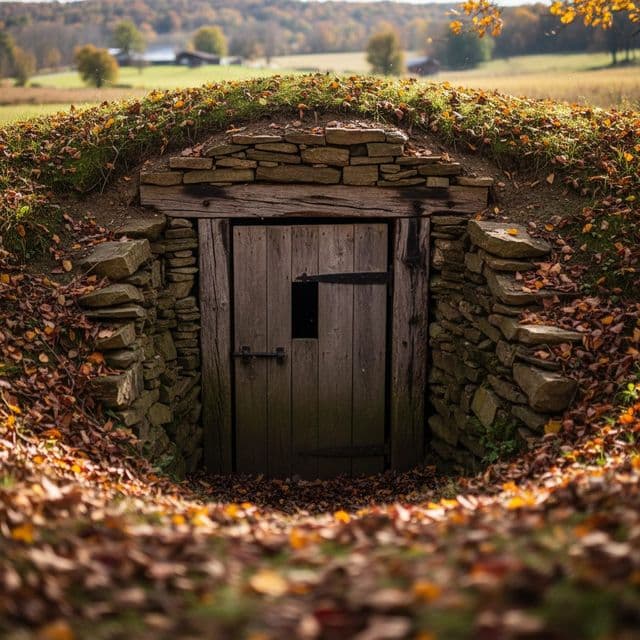
Store harvested crops for up to 10 months in USDA Zone 6 using no-power root cellaring techniques that regulate temperature, humidity, and ventilation.
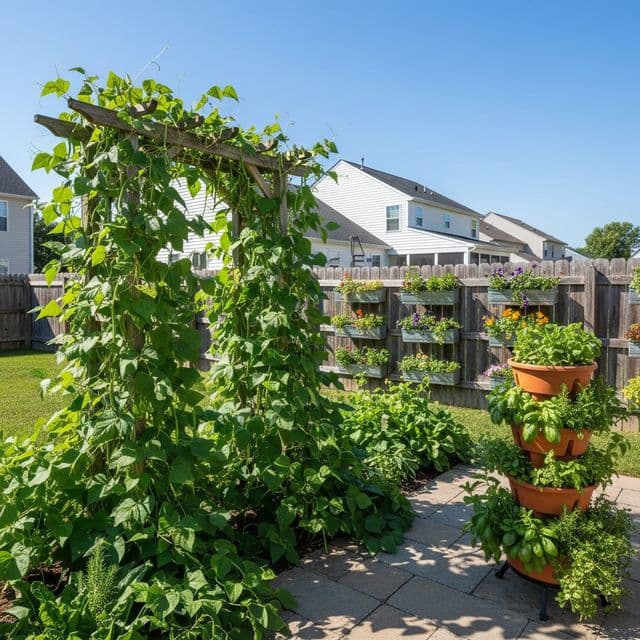
Maximize your backyard harvest with vertical vegetable gardening! Learn how to increase yields by 30% in USDA Zone 6, save space, and deter pests using trellises, towers, and wall planters.
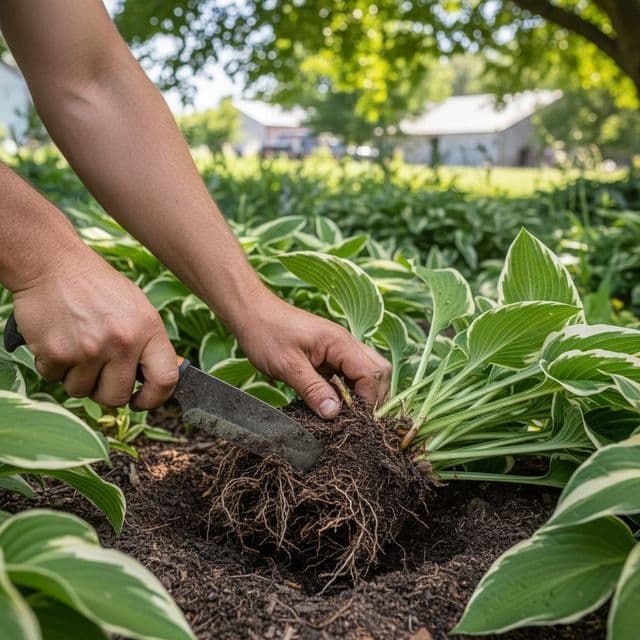
Learn how to multiply your garden stock for free by dividing perennials. Boost vigor, blooms, and save money. Essential tips for USDA Zone 6 gardeners on timing and techniques.
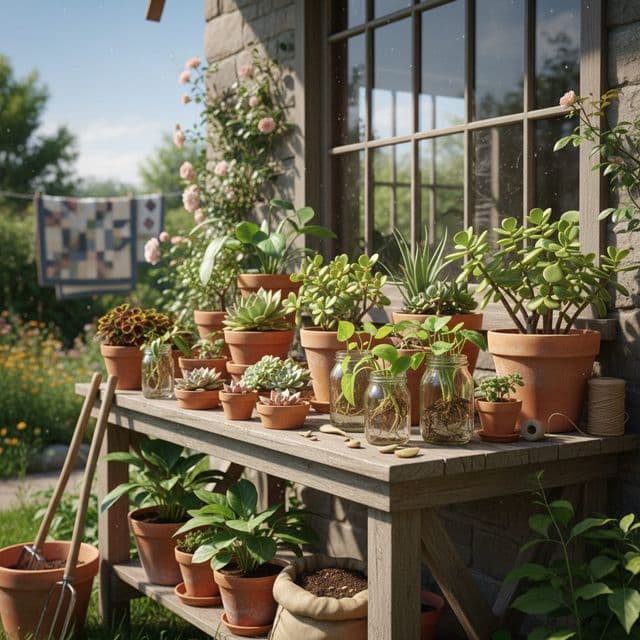
Houseplant and succulent propagation methods including stem cuttings, leaf propagation, division, and seed starting to expand an indoor plant collection.
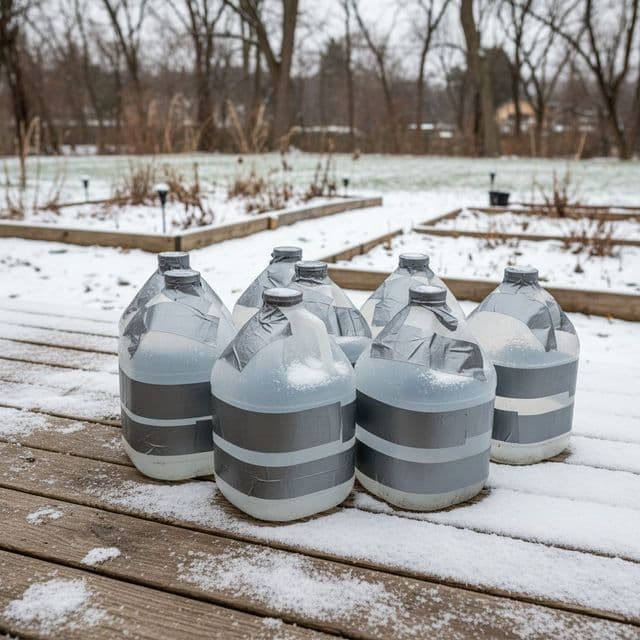
Master winter sowing to start seeds up to 8 weeks earlier in USDA Zone 6. Create mini-greenhouses from milk jugs for hardy seedlings, saving money on grow lights.
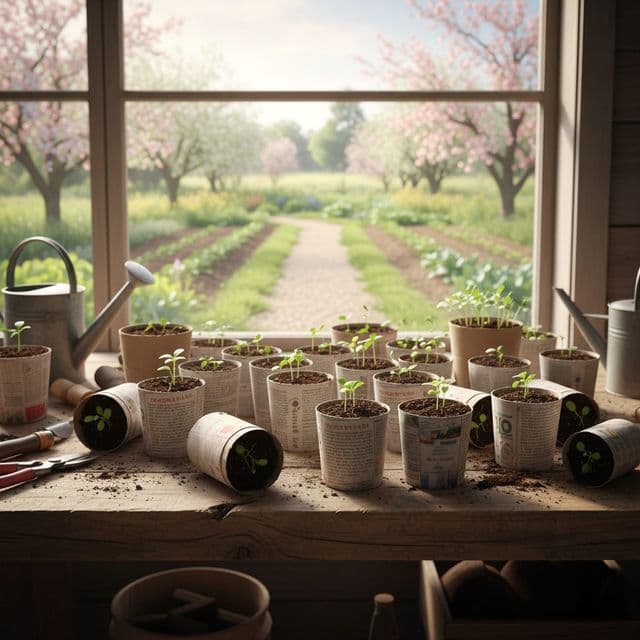
Making your own seed starting mix and pots costs under $10. DIY methods reduce costs, cut waste, and support seedling health in any USDA zone.
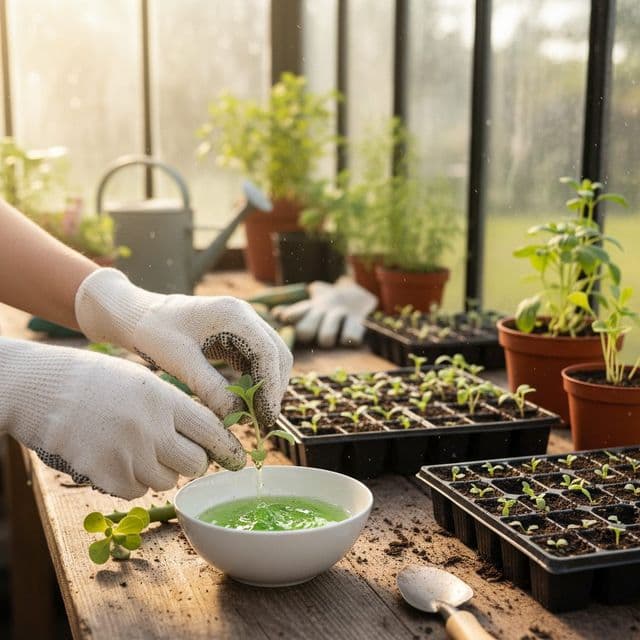
Natural rooting hormones like willow water, honey, and aloe vera can increase plant cutting success rates by 20-35%. Practical methods for effective propagation.
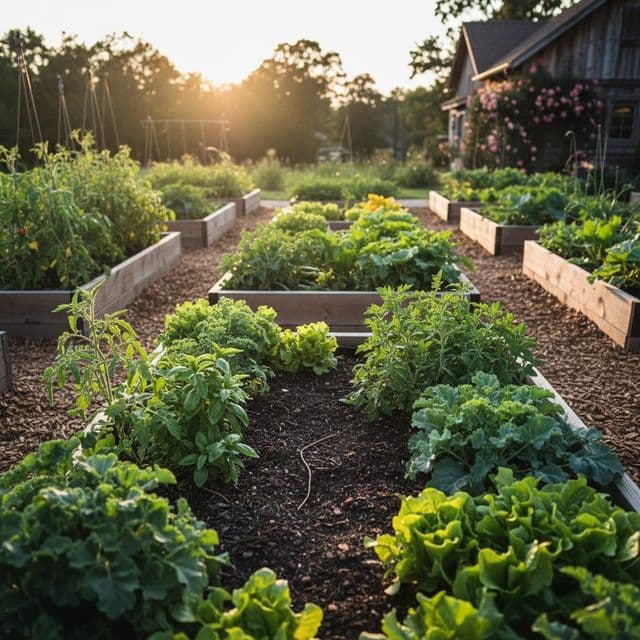
Learn how to propagate plants from cuttings using proper tools, rooting hormones, and environmental controls to achieve high success rates and save on nursery costs.
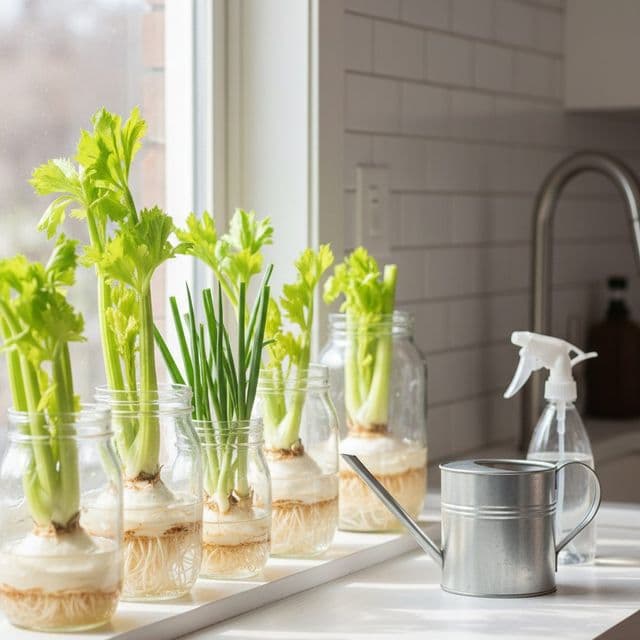
Learn how to regrow common vegetables and herbs from kitchen scraps. Reduce food waste by 30%, save money, and enjoy fresh produce with this simple homesteading guide.
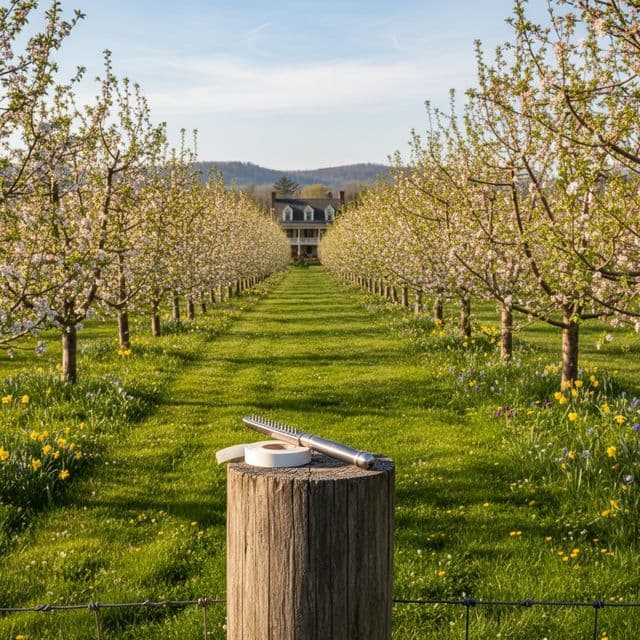
Learn whip-and-tongue, cleft, and bud grafting fruit trees at home. Master techniques for success in USDA Zone 6, ensuring strong unions & healthy orchards.
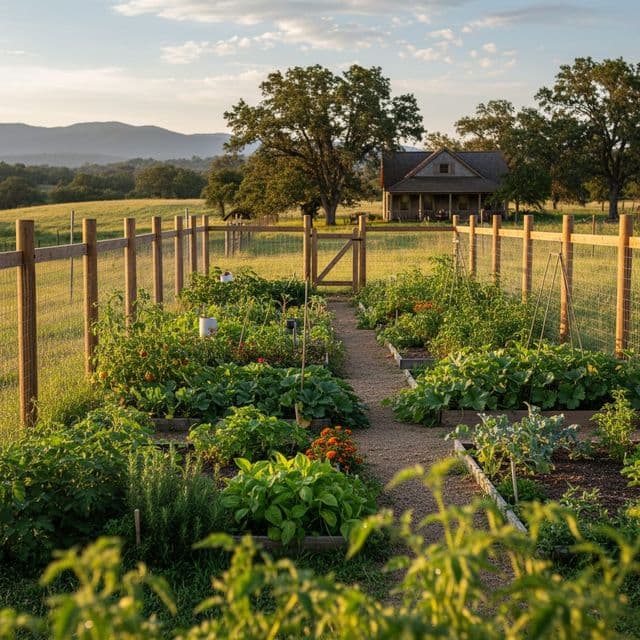
Protect your USDA Zone 6 garden from deer, rabbits, and voles with organic pest control methods. Learn about IPM, physical barriers, repellents, and habitat modification for effective, humane manag…
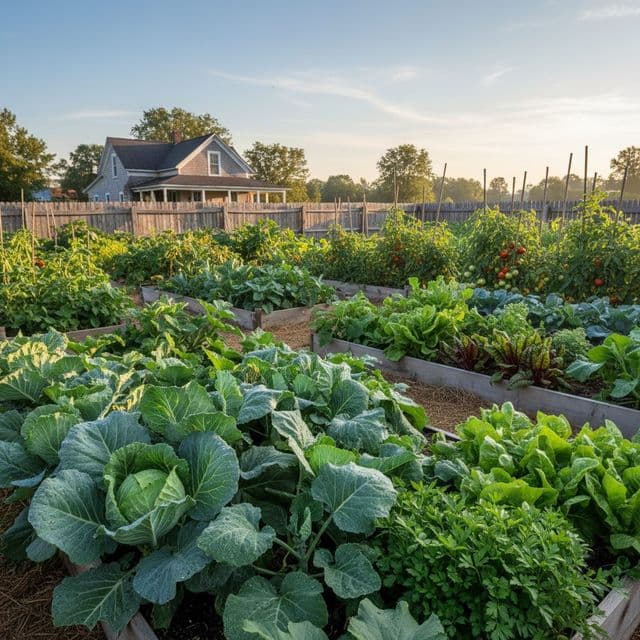
Learn effective, chemical-free strategies for organic pest control of slugs, snails, and ants in USDA Zone 6. Protect your garden with IPM methods.
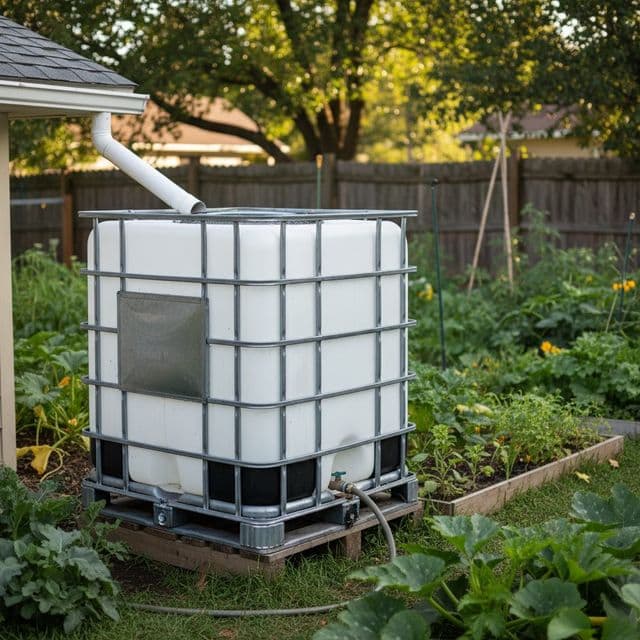
Learn to set up an effective rainwater harvesting system for your homestead. Reduce municipal water use, lower bills, and provide plants with natural, chlorine-free water. Essential for resilience.
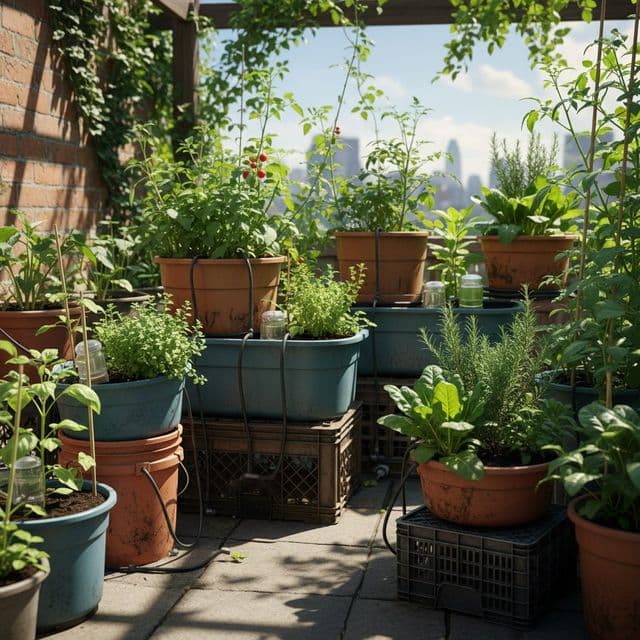
Learn to build DIY self-watering containers like wicking beds & ollas. Cut water use by 30-50% for urban gardens in any USDA zone, promoting sustainable growing.