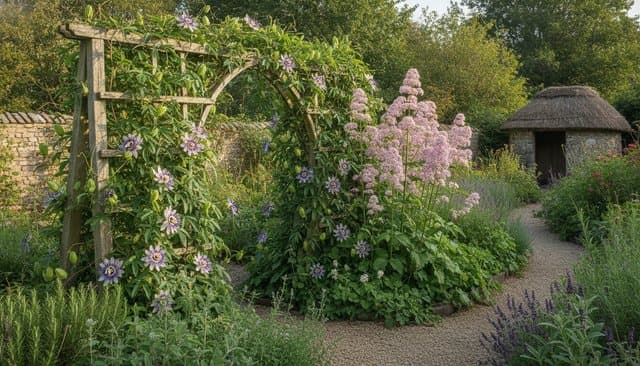
Grow Valerian & Passionflower for Sleep in USDA Zones 4-9
Learn to grow valerian and passionflower for natural sleep support in USDA zones 4-9. This guide covers planting, care, harvesting, and drying for your home apothecary.
Tag
860 articles in this tag on agripure. — page 13 of 36
Learn to grow valerian and passionflower for natural sleep support in USDA zones 4-9. This guide covers planting, care, harvesting, and drying for your home apothecary.
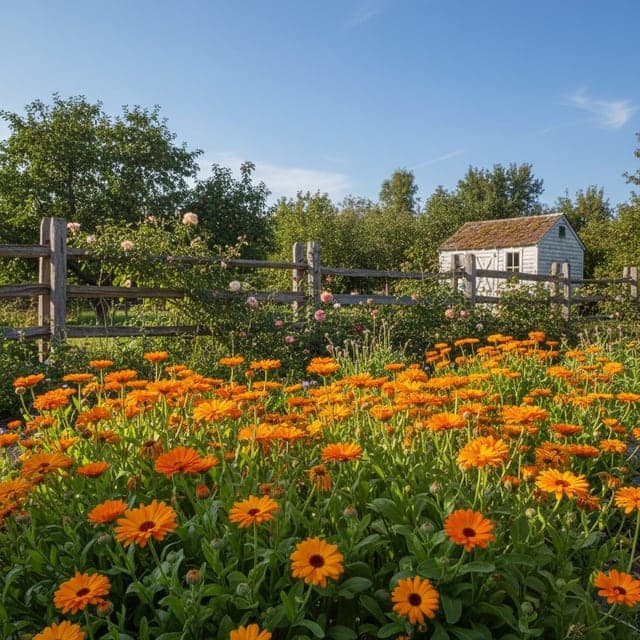
How to grow calendula, the adaptable ‘pot marigold,’ for a home apothecary, covering planting tips, soil needs, and how to harvest this medicinal skin-soothing flower.

Grow true Aloe barbadensis miller indoors or in USDA Zones 9–11 using heavy terracotta, 50% pumice or coarse perlite mix, soak-and-dry watering, 3–7 day pup callusing, 15–30 minute upright aloin dr…
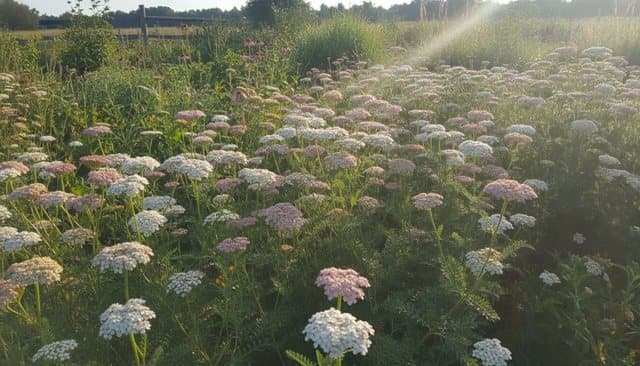
How to grow and use yarrow (Achillea millefolium) in USDA zones 3-9, covering cultivation, harvesting, and home apothecary preparations.
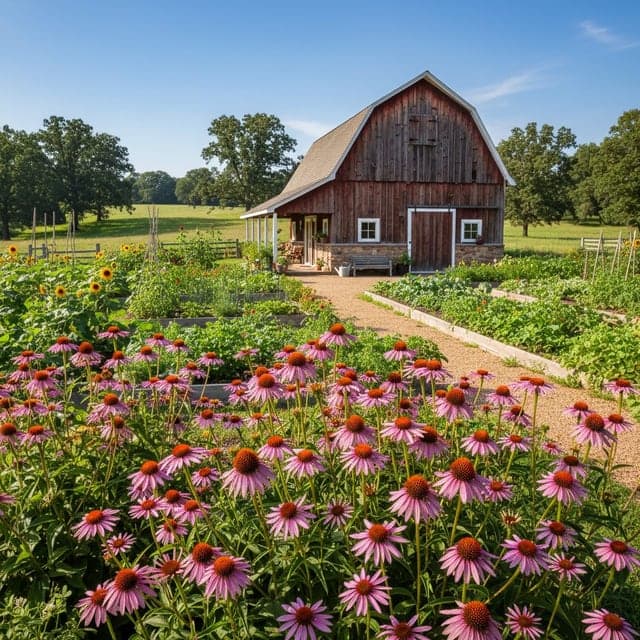
Discover the dual benefits of growing echinacea (purple coneflower) in USDA Zones 4-9. Support your immune system & attract 20+ pollinator species with this resilient medicinal herb.
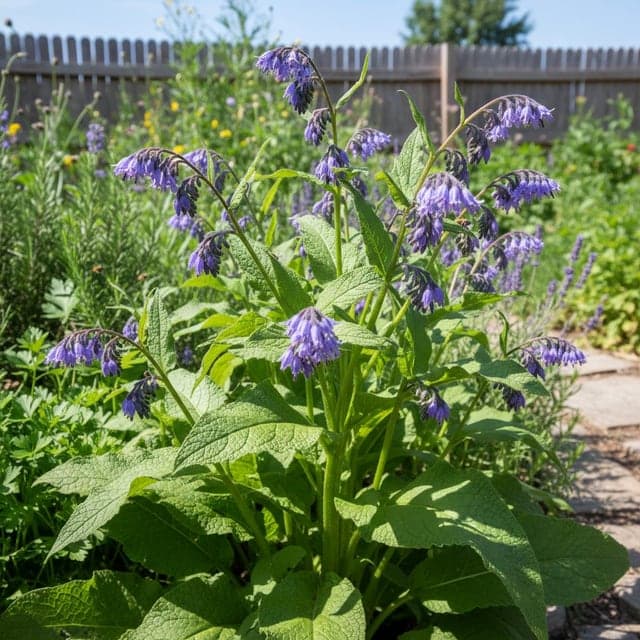
How to propagate comfrey from root cuttings to turn a single mature plant into new crowns for mulch and topical preparations.
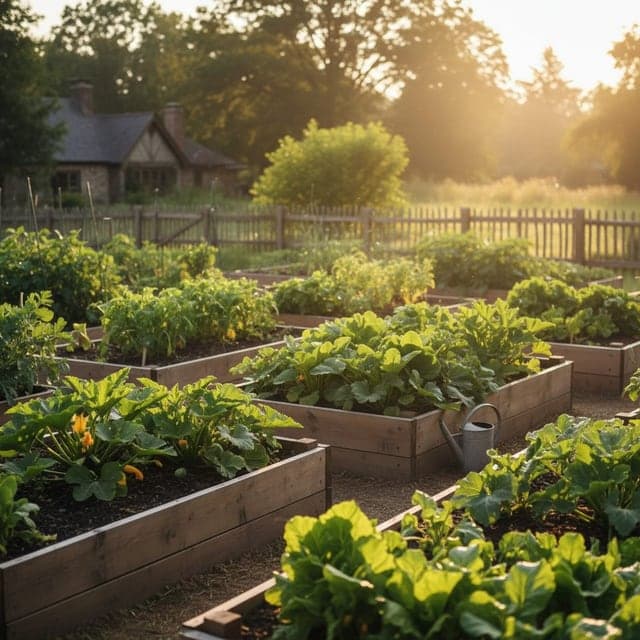
Understand comfrey pyrrolizidine alkaloid liver toxicity (VOD), the 2001 FDA market removal advisory, strict intact-skin topical limits, kitchen steep rules, 'Bocking 14' containment, and foxglove ID.
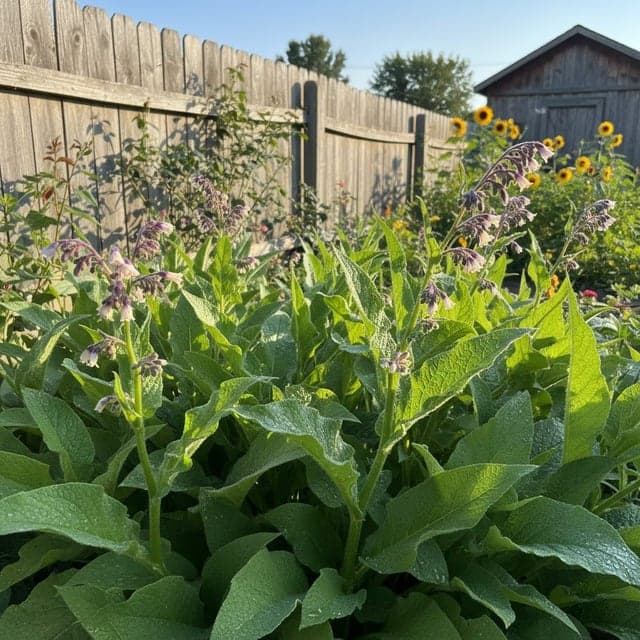
Unlock soil health with Comfrey, a sterile hybrid (Bocking 14) for USDA zones 4-9. Its deep roots mine nutrients, making it a powerful compost activator and water-saving mulch.
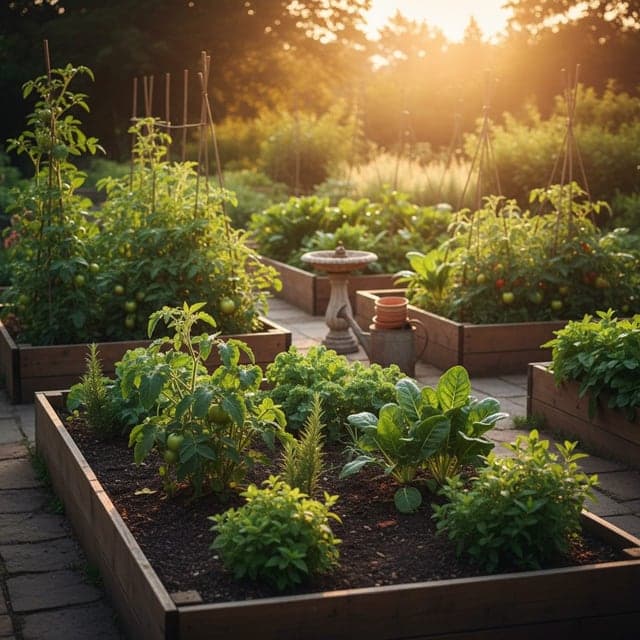
How to grow sterile Russian comfrey (Symphytum × uplandicum 'Bocking 14') without root takeover: never-till placement, 24-inch barriers, full-season eradication, potassium tea math, and FDA/NIH liv…
Learn to harvest and dry medicinal roots like echinacea, valerian, dandelion, and burdock in USDA Zone 6. Maximize potency, ensure proper storage, and build your home apothecary.
Dry calendula, echinacea, chamomile, and elderflower without mold or color fade: 95–105°F dark dehydrators vs. <50% RH ambient screens, thick-capitulum core checks to <10% moisture (<=0.60 a_w), sa…
Learn the best methods for drying medicinal herbs in USDA Zone 6. Discover air-drying, dehydrators, and oven techniques to preserve potency for your home apothecary.
Capture peak essential oils, floral resins, and root reserves by matching harvest phenology, diurnal temperature windows, compound-class drying ceilings, and clinical safety rules to every medicina…
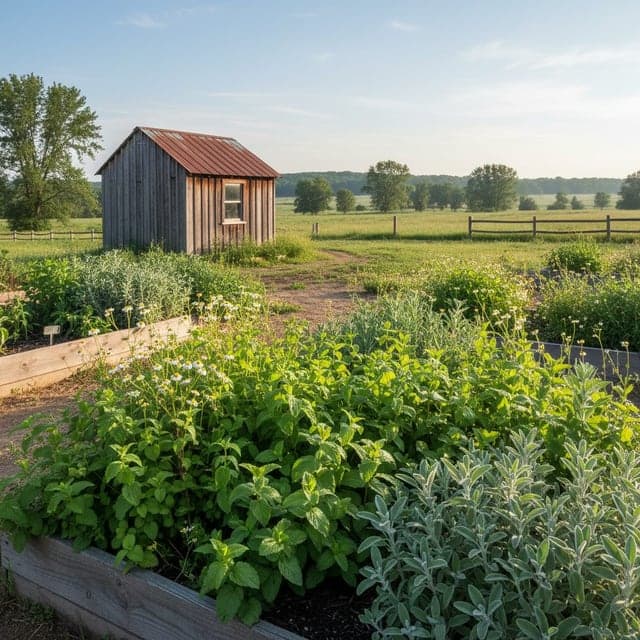
Learn to harvest, dry, and blend your own homemade loose-leaf tea. This guide covers herb selection for USDA zones 3-11, optimal harvesting, and drying techniques for fresh, custom blends.
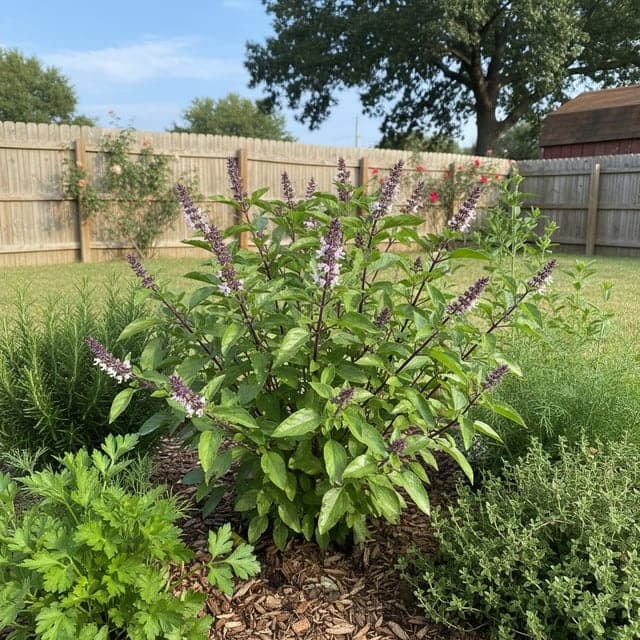
Learn to grow tulsi (holy basil) in your US garden, from seed to harvest. Discover how to dry and blend this adaptogenic herb for a daily wellness tea. Get practical tips for all climates.
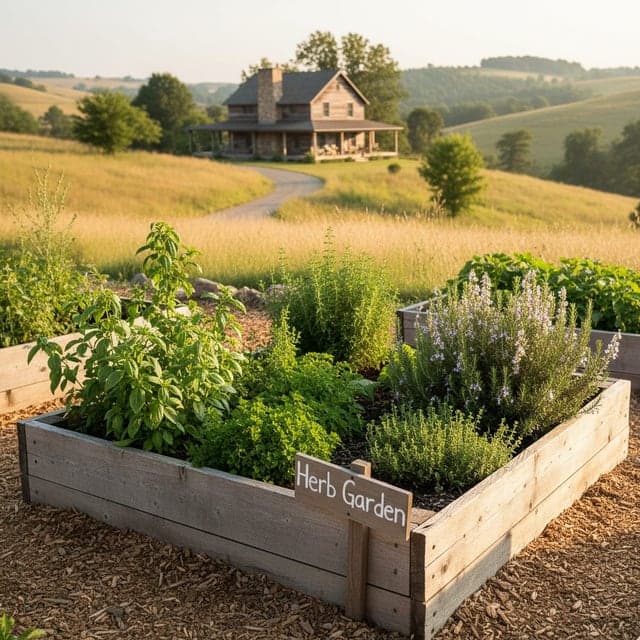
How to grow peppermint, fennel, ginger, and chamomile in USDA Zone 6 for a homemade digestive tea blend.
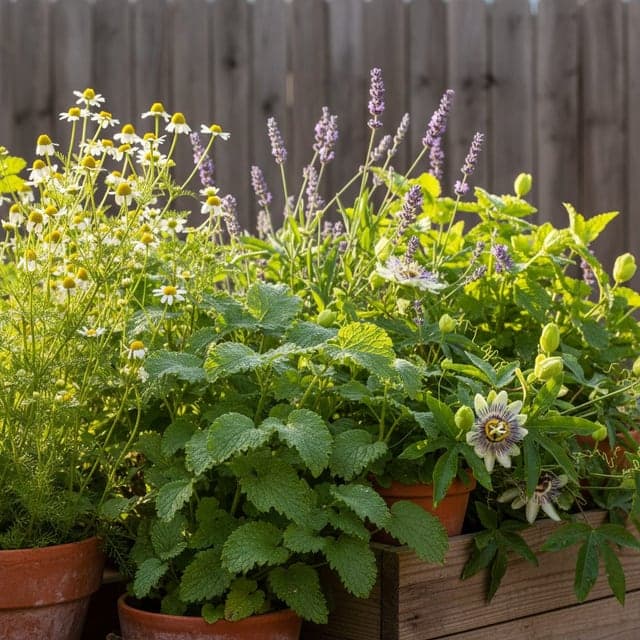
Cultivate a home apothecary garden in USDA Zone 6. Learn to grow chamomile, lemon balm, lavender, and passionflower for a calming sleep tea blend. Harvest & dry for year-round wellness.
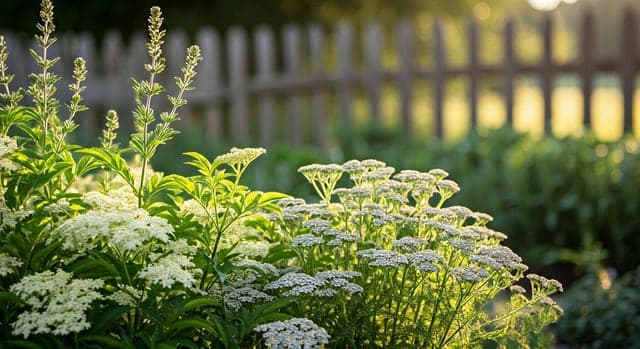
Learn to grow elderflower, yarrow, and peppermint in your USDA zone 6 medicinal herb garden. Discover cultivation, harvesting, and drying tips to craft a potent cold-and-flu tea.
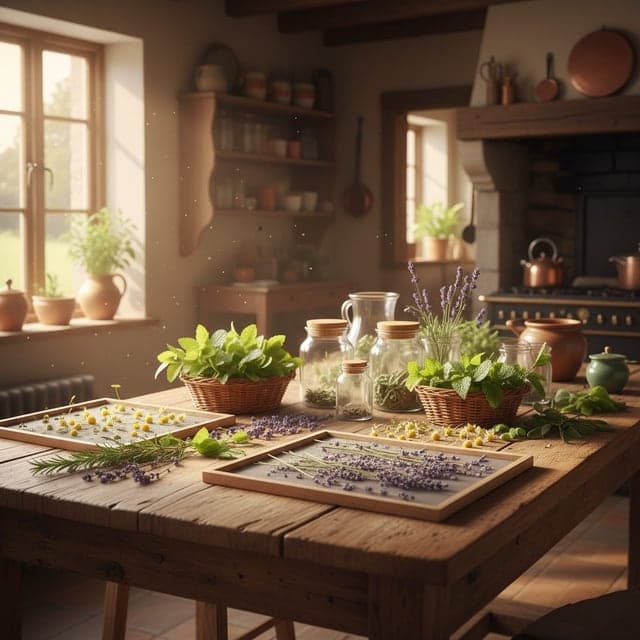
Learn to formulate balanced herbal tea blends with a 3-part approach. Discover base, supporting, and accent herb ratios for gardeners in USDA Zone 6. Maximize potency and flavor.
Formulate shelf-stable herbal oxymels and fruit shrubs without spoilage or botulism risk: CDC zero-honey under 12 months rule, >=5% vinegar acidity, pH <= 4.0 verification, dried 1:5 vs. fresh herb…
Make spicy fire cider safely with horseradish, garlic, ginger, and cayenne: 5% commercial ACV ratios, pH <= 4.6 botulism margins, mandatory post-strain refrigeration, infant honey warnings, and a s…
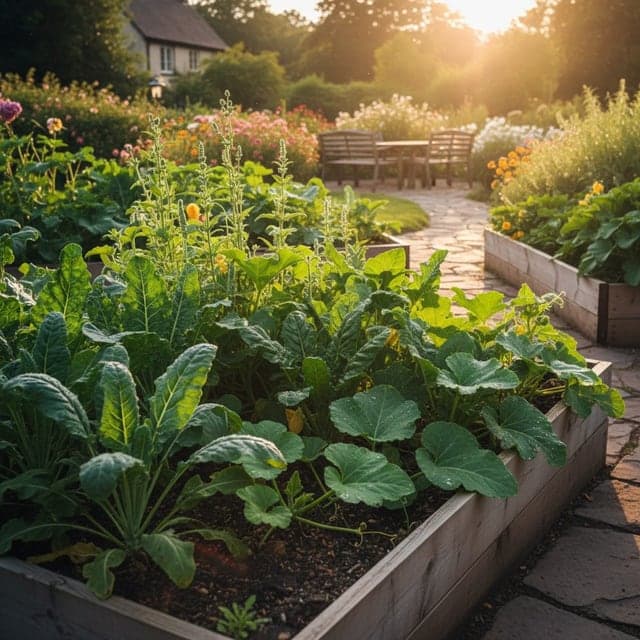
Tested 1-quart fire cider recipe using 5% apple cider vinegar (pH 2.8–3.5), UMN Extension safety ratios, no-horseradish swaps, dosage, and honest evidence.
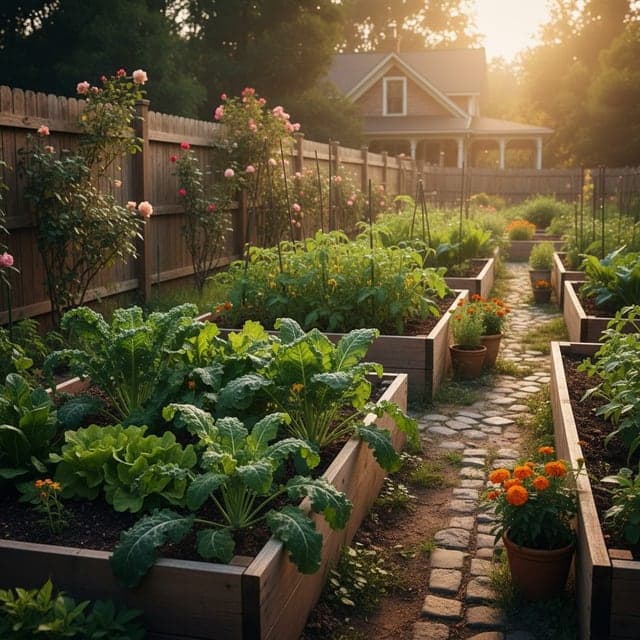
Make and store herb-infused honey without fermentation blowouts or botulism risk: bone-dry Track A pantry infusions (1–2 years) vs. Track B refrigerated fresh-herb and pH-verified oxymel recipes.
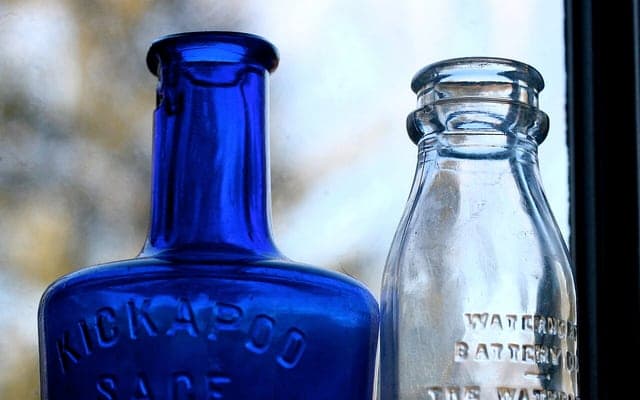
Cultivate a medicinal herb garden in USDA Zone 6, focusing on chamomile and lemon balm. Prepare safe, effective alcohol-free herbal remedies for your family. Save up to 75%.