Key takeaways
- Infused honeys offer a natural way to incorporate herbs into daily life. Honeys made with fully dried herbs keep at room temperature; ones made with fresh leaves or fresh ginger belong in the refrigerator and should be used within a few weeks.
- Lemon balm honey can support relaxation and digestion; about 1 cup of loosely packed fresh leaves per 8 fluid ounces of honey gives a good infusion.
- Sage honey provides potential antioxidant benefits and can be made with fresh leaves, infusing for 2 to 4 weeks.
- Ginger honey is effective for soothing, requiring thinly sliced or grated fresh ginger for a 2 to 3-week infusion period.
- Proper storage in airtight, dark glass jars at room temperature, typically 68°F to 72°F, extends shelf life.
- Monitor infused honeys for signs of spoilage, such as mold, off-smell, or fermentation bubbles, discarding any suspect batches after 6 months.
Quick answer: Herb-infused honeys are made by steeping fresh or dried herbs in raw honey for 2-4 weeks, allowing the honey to extract beneficial compounds and flavors. Store honeys made with fully dried herbs in airtight, dark glass jars at room temperature (68-72°F); refrigerate any infusion made with fresh plant material and use it within a few weeks.
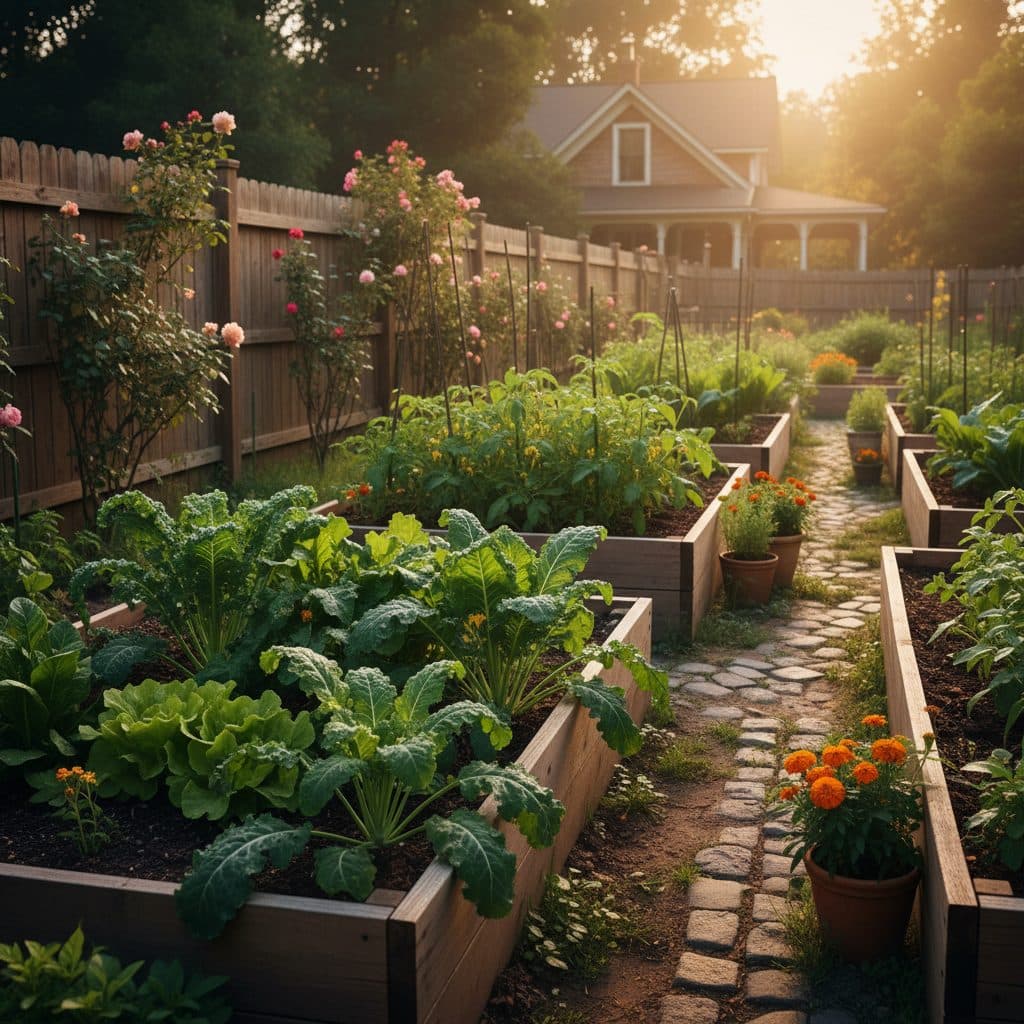
Across the United States, from the humid summers of the Southeast to the dry heat of the Southwest, many home growers are finding new ways to utilize the herbs they cultivate. In home gardens across USDA zone 6, infusing herbs into honey has become a reliable preservation staple. Infusing herbs into honey preserves delicate leaves like lemon balm and sage while creating a shelf-stable preparation.
The process is straightforward, requiring minimal equipment and just a few weeks of patience. Proper infusion ratios and storage conditions determine how long sage, lemon balm, and ginger honeys retain their potency and flavor.
The basics of herb-infused honeys
Making herb-infused honeys is a simple process that extracts herbal properties into honey for home use. A good rule of thumb is to aim for a 30:1 ratio of honey to herb by weight, though this can vary based on the herb’s potency and your desired strength. The infusion process typically takes 2 to 4 weeks, allowing the honey to slowly draw out the beneficial compounds and flavors from the plant material. This method is particularly useful for preserving delicate herbs that might otherwise spoil quickly, extending their usability for up to 1 year when stored correctly. The result is a natural sweetener that can be used in teas, on toast, or as a soothing spoonful during cold season. One hard rule first: never give honey, or anything made with it, to a child under 12 months old, because raw honey can carry Clostridium botulinum spores, which cause infant botulism. For those in regions like the Pacific Northwest, where dampness can affect herb drying, infusions offer a practical alternative.
Choosing your herbs and honey
Using clean, unadulterated ingredients is essential. For herbs, choose pesticide-free, ideally from your own garden or a trusted local grower. Easy-to-grow varieties like lemon balm or sage thrive in many US climates, including USDA zone 6. For honey, raw, unfiltered varieties are often preferred for their natural enzymes. A 16-ounce jar of local clover honey from a farm in upstate New York makes an excellent base. Ensure your honey has a low water content, ideally below 18%, to prevent fermentation during storage. This helps ensure your infused honey remains stable for 6 months or more.
Lemon balm honey for calm and comfort
Lemon balm (Melissa officinalis) is a delightful perennial herb, thriving in USDA zones 4 through 9, known for its gentle, citrusy aroma and calming properties. It is mildly sedating and has been shown to affect thyroid signaling, so check with your doctor if you take thyroid medication or sedatives. It reliably returns each spring in zone 6 gardens. A 2022 review documented lemon balm’s historical use for calming effects dating back over 2000 years [5]. For making infused honey, fresh lemon balm leaves are ideal, harvested in the morning after the dew has dried. You’ll want about 1 cup of loosely packed leaves for every 8 ounces of honey to achieve good potency. This herb is also evaluated for its potential benefits in various health applications [1].
Infusing with lemon balm
To prepare lemon balm honey, gently bruise the fresh leaves to release aromatic oils. Place the leaves into a clean, dry glass jar, then slowly pour raw honey over them, ensuring all plant material is completely submerged. Roughly 1 cup of loosely packed leaves per 8 fluid ounces of honey works well; measure by volume instead of matching herb and honey weight for weight. Seal the jar tightly and let it infuse for 2 to 4 weeks in a cool, dark place, ideally around 70°F. After infusion, strain the honey through a fine-mesh sieve, then transfer to a clean storage jar. For more on growing this versatile plant, visit our guide on Melissa officinalis.
Sage honey for wellness support
Garden sage (Salvia officinalis) is another hardy perennial, thriving in USDA zones 4 through 8. Its earthy, slightly peppery flavor translates beautifully into an infused honey, offering a different profile than the bright notes of lemon balm. Sage is recognized for its antioxidant properties and has been traditionally used for various wellness applications. It also contains thujone, so keep sage honey to culinary amounts rather than daily spoonfuls, and avoid it in pregnancy and while breastfeeding, since sage is a traditional milk-supply suppressant. When harvesting sage for infusion, select mature, healthy leaves, ideally before the plant flowers, to ensure maximum flavor and potency. About 1 cup of fresh leaves is usually sufficient for an 8-ounce jar of honey.
Infusing with garden sage
To prepare sage-infused honey, wash and thoroughly dry your fresh sage leaves — any residual water can introduce unwanted moisture into the honey, potentially leading to spoilage. Roughly chop the leaves to increase their surface area, then pack them loosely into a clean, dry glass jar. Pour raw honey over the chopped sage, making sure the leaves are completely covered. A ratio of 1 cup of chopped sage to 8 fluid ounces of honey works well. Seal the jar and allow it to infuse for 2 to 4 weeks in a cool, dark location, maintaining a temperature around 68°F. As with lemon balm, studies suggest that beneficial compounds can be extracted relatively quickly [2]. After the infusion period, strain the honey to remove the sage leaves, then transfer the infused honey to a clean, airtight container. For detailed growing information, consult our resource on Salvia officinalis.
Warming ginger honey for soothing
While ginger (Zingiber officinale) isn’t typically grown in most home herb gardens across the US, it’s a staple in many home apothecaries, especially for its warming and soothing properties. Look for firm, plump organic ginger root from a grocer or co-op you trust. Ginger honey is particularly popular during colder months, offering comfort for scratchy throats or digestive upset. Maximizing the surface area of the root allows its pungent oils to infuse into the honey. A 1-inch piece of ginger root is usually enough for an 8-ounce jar of honey.
Infusing with fresh ginger
To prepare ginger-infused honey, thoroughly wash and peel a fresh ginger root. You can then thinly slice, grate, or finely dice the ginger. Grating provides the most surface area and therefore the strongest infusion, but can make straining more challenging. Place the prepared ginger into a clean, dry glass jar. Pour raw honey over the ginger, ensuring it’s completely covered by at least 1 inch of honey to prevent oxidation. Seal the jar tightly and let it infuse for 2 to 3 weeks in a cool, dark place, ideally around 70°F. Some growers gently warm the jar in a water bath (keeping the temperature below 115°F) for a few hours daily during the first week to encourage faster infusion, though this is optional. After the infusion period, strain the honey through a fine-mesh sieve, pressing the ginger to extract all the honey, then transfer to a clean, airtight storage container. Because it is made with fresh ginger, keep this one in the refrigerator and use it within a few weeks.
Storing your infused honeys for longevity
The shelf life of your homemade herb-infused honeys largely depends on proper storage conditions. Honey itself is remarkably stable due to its low water activity, typically below 0.6, and low moisture content, ideally below 18%. This inhibits microbial growth, allowing pure honey to last indefinitely. However, introducing fresh plant material adds water, and that is the whole risk: it raises the honey's water activity above the level that keeps microbes dormant, inside a low-acid, oxygen-poor jar. Honey infused with fresh leaves or fresh ginger should be refrigerated and eaten within a few weeks, not kept on a pantry shelf. Only thoroughly dried herbs are suitable for a jar you intend to store at room temperature. Always store infused honeys in clean, airtight, dark glass jars to protect them from light, which can degrade herbal compounds and flavors. Keep the jars in a cool, dark place, such as a pantry or cupboard, where temperatures remain consistent, ideally between 68°F and 72°F. Avoid storing them in direct sunlight or near heat sources, as fluctuating temperatures can accelerate spoilage.
Recognizing spoilage and extending freshness
Even with careful preparation, it’s important to monitor your infused honeys for any signs of spoilage. These can include mold growth on the surface or around the rim, an off-smell that is sour or alcoholic, or the presence of fermentation bubbles, which indicate yeast activity. If you observe any of these signs, it’s best to discard the batch. To extend freshness, ensure your herbs are completely dry if using dried herbs, and that fresh herbs are free from excess moisture before infusing. Some growers choose to warm the honey gently (below 115°F) before adding herbs, which can help drive off any trace moisture, though this can also impact some heat-sensitive compounds. Properly sealed jars stored away from light and heat can help maintain quality for 6 to 12 months, providing a reliable supply for your home apothecary needs throughout the year. Always label your jars with the herb and date of infusion for easy tracking.
Comparison of popular herb-infused honeys
Herb | Primary Benefit | Infusion Time | Recommended Ratio (Herb:Honey) |
|---|---|---|---|
Lemon Balm | Calming, digestive support | 2-4 weeks | 1 cup fresh leaves : 8 fl oz honey |
Garden Sage | Antioxidant, wellness support | 2-4 weeks | 1 cup chopped leaves : 8 fl oz honey |
Ginger Root | Warming, soothing | 2-3 weeks | 1-inch piece : 8 fl oz honey |
Honey moisture: Honey with a water content below 18% is less prone to microbial growth, ensuring a longer shelf life of up to 12 months.
Sage hardiness: Garden sage (Salvia officinalis) is a hardy perennial, thriving in USDA zones 4 through 8 across the US [6].
Frequently asked questions
Can I use dried herbs instead of fresh ones for infusion?
Yes, you can use dried herbs, but they are generally more potent than fresh. Use about half the amount of dried herbs compared to fresh, for instance, 1/2 cup of dried lemon balm for 8 fluid ounces of honey. Ensure dried herbs are completely dry to prevent introducing moisture.
What type of honey is best for infusing?
Raw, unfiltered honey is often preferred for its natural enzymes and beneficial compounds. Local honey is a good choice for flavor and for supporting nearby beekeepers. The popular idea that its pollen eases seasonal allergies has not held up in controlled trials, so buy it for the honey rather than the claim. Any good quality, pure honey with a low water content, ideally under 18%, will work well.
How do I know if my infused honey has gone bad?
Signs of spoilage include visible mold growth on the surface or rim of the jar, an off-smell (sour, alcoholic, or yeasty), or the presence of fermentation bubbles within the honey. If you notice any of these, it’s safest to discard the batch to avoid consuming spoiled product.
Is it safe to heat honey to speed up the infusion process?
Gentle heat can accelerate the infusion, but keep the temperature below 115°F to preserve honey’s beneficial enzymes and the delicate compounds in many herbs. Overheating can degrade both the honey and the herbal properties, so a slow, cool infusion over 2 to 4 weeks is generally recommended for best results.
What’s the best way to strain the herbs from the honey?
After the infusion period, you can strain the honey using a fine-mesh sieve lined with cheesecloth or a nut milk bag. Allow the honey to drip through slowly, which might take several hours due to its viscosity. Gently pressing the herbs can extract more honey, but avoid squeezing too hard if you prefer a very clear product.
Can I infuse other herbs into honey besides sage, lemon balm, and ginger?
Absolutely. Many other herbs can be infused into honey, such as lavender, rosemary, thyme, or mint. Always research the specific herb’s properties, recommended ratios, and any safety considerations before infusing. Start with small batches, perhaps 4 fluid ounces, to experiment with flavors and potencies.
References
- Review on Lemon Balm Herb and its Evaluation (2022). Review on Lemon Balm Herb and its Evaluation.
- Lemon balm and sage herbal teas: Quantity and infusion time on the benefit of the content (2020). Lemon balm and sage herbal teas: Quantity and infusion time on the benefit of the content.
- Antifungal activity of lemon balm and sage essential oils on the growth of ochratoxigenic Penicillium verrucosum (2012). Antifungal activity of lemon balm and sage essential oils on the growth of ochratoxigenic Penicillium verrucosum.
- Balm or Lemon Balm (2022). Balm or Lemon Balm.
- Historical Course of Neuropsychiatric Effects of Lemon Balm (Melissa Officinalis L.) as a Medicinal Herb (2021). Historical Course of Neuropsychiatric Effects of Lemon Balm (Melissa Officinalis L.) as a Medicinal Herb.
- USDA Natural Resources Conservation Service (2024). USDA Natural Resources Conservation Service.