Key takeaways
- Fire cider is a traditional tonic made by infusing 2-4 cups of pungent herbs in apple cider vinegar for 2-4 weeks.
- The base of apple cider vinegar, with a pH of 2.5-3.5, acts as a solvent and preservative, contributing to a shelf life of up to 1 year.
- Key ingredients like garlic, ginger, and horseradish can be grown in home gardens across USDA zones 3-9.
- Customization is easy, allowing for additions like elderberries (1/4 cup per quart) or honey (1/4-1/2 cup post-straining).
- A daily dose of 1-2 tablespoons is common, often diluted, particularly during colder months from October to March.
Quick answer: Fire cider is a traditional immune tonic made by infusing pungent herbs like garlic, ginger, and horseradish in apple cider vinegar for 2-4 weeks. It’s used to support well-being, especially during colder months.
Across the US, from the humid summers of USDA zone 8 in the Southeast to the colder winters of zone 4 in the Midwest, many growers seek ways to support their well-being using garden-grown ingredients. Fire cider, a pungent, warming tonic, has been a staple in home apothecaries for decades, offering a traditional blend of apple cider vinegar and potent herbs.
This guide provides a classic recipe and variations, focusing on ingredients easily cultivated in a medicinal herb garden. We’ll explore how to prepare this tonic, which typically infuses for 2 to 4 weeks, and discuss practical ways to incorporate it into your routine, drawing on the antimicrobial properties of its vinegar base.
What is fire cider?
Fire cider is a folk remedy, a traditional tonic rooted in herbalism, typically made by infusing apple cider vinegar with a variety of pungent and warming herbs. The name and the modern recipe are credited to herbalist Rosemary Gladstar, who was teaching at the California School of Herbal Studies in the late 1970s when she developed it; it spread through the American herbal community from there. The core idea is to extract beneficial compounds from ingredients like garlic, ginger, and horseradish into the vinegar, creating a potent liquid. This infusion process, often lasting 4 weeks or more, results in a zesty, spicy liquid that many find invigorating, especially during colder months when temperatures drop below 40°F in many northern states.
The role of apple cider vinegar
Apple cider vinegar (ACV) forms the base of fire cider, acting as a solvent to extract the active compounds from the herbs. ACV is a fermented product, known for its acidic nature, with a pH typically ranging from 2.5 to 3.5. Research indicates that the acetic acid in vinegar can contribute to the inactivation of various foodborne pathogens, making it an effective medium for preservation. When choosing ACV, look for raw, unfiltered varieties that contain the ‘mother,’ a cloudy cellulose matrix left behind by the acetic acid bacteria that made the vinegar and a reliable sign it is unpasteurized. A gallon of raw ACV costs around $15-20, making it an accessible ingredient for most home apothecaries.
- Traditional use for centuries, particularly in European folk medicine.
- Contains acetic acid, which keeps the strained infusion stable for six months to a year when stored cool and dark.
- Acts as a solvent for herbal constituents, drawing out acid-soluble compounds that plain water leaves behind.
- Provides a tangy flavor profile that complements spicy ingredients.
The classic fire cider recipe
Making fire cider is a straightforward process, requiring minimal specialized equipment beyond a large glass jar and basic kitchen tools. For a standard 1-quart batch, you’ll need about 2 cups of chopped ingredients. Start by gathering fresh, high-quality herbs and roots, ideally from your own garden if you’re in USDA zone 5 or warmer. The preparation time is typically less than 30 minutes, but the infusion period determines how much potency you extract from the ingredients. Ensure all produce is thoroughly washed before chopping to remove any soil or debris, particularly if harvested from outdoor beds after a rain event.
Ingredients and preparation
For a 1-quart batch, you will need: 1/2 cup grated fresh horseradish root, 1/2 cup chopped onion (yellow or red), 1/4 cup grated fresh ginger root, 1/4 cup chopped garlic cloves (about 10-12 cloves), 1/4 cup chopped fresh turmeric root, 1-2 jalapeño peppers (sliced, seeds optional for less heat), and a pinch of cayenne pepper. Grate the horseradish in a well-ventilated room or outdoors — the allyl isothiocyanate it releases is sharply irritating to eyes and airways — and wear gloves when handling the jalapeños so the capsaicin does not end up in your eyes hours later. Place all chopped ingredients into a clean 1-quart glass jar. Pour raw, unfiltered apple cider vinegar over the ingredients until they are completely submerged, leaving about 1 inch of headspace. If using a metal lid, place a piece of parchment paper or plastic wrap between the lid and the jar; vinegar vapor corrodes a bare metal lid over a long steep, and the rust ends up in the tonic. Seal the jar tightly.
- Fresh horseradish provides a pungent kick, often growing well in USDA zones 3-9.
- Garlic offers traditional properties, with 10-12 cloves typically weighing about 1 ounce.
- Ginger and turmeric roots add warmth and color, thriving in warmer climates or containers above 60°F.
- Cayenne pepper boosts the heat, with just a pinch (about 1/8 teaspoon) sufficient for most.
Customizing your fire cider
While the classic recipe provides a solid foundation, fire cider is highly adaptable, allowing growers to tailor it to their preferences and what’s available in their medicinal herb garden. Many ingredients can be grown successfully across a wide range of climates; for instance, garden sage (*Salvia officinalis*) thrives in USDA zones 4-10, offering an earthy, slightly bitter note. Consider adding herbs that grow well in your specific region, using fresh plant material for the best extraction. Experiment with different ratios; a common herbalist rule of thumb is roughly 1 part dried herb to 5 parts menstruum by weight, adjusted by feel for bulky or very dense material.
Herbal additions and variations
Beyond the core ingredients, numerous herbs can enhance your fire cider. For an immune-focused blend, consider adding dried elderberries (1/4 cup per quart) or rose hips (1/4 cup), both rich in compounds. For a more pungent kick, increase the amount of horseradish or add a few sprigs of rosemary, which grows well in USDA zones 7-10. Sweeteners like raw honey (1/4 to 1/2 cup per quart) are often added after straining to balance the intense flavors, particularly if the cider is too sharp. Any batch sweetened with raw honey must not be given to a child under twelve months of age, because raw honey can carry Clostridium botulinum spores. Honey also adds its own traditional properties. Remember to label your jars with the date and ingredients; a batch made in October 2023 will be ready by mid-November.
- Citrus peels (orange, lemon) add a bright flavor; use 1/4 cup zest per quart.
- Dried elderberries or rose hips contribute traditional properties and can be used at 1/4 cup per quart.
- Herbs like thyme or oregano (2-3 sprigs) offer aromatic notes and grow well in many US regions.
- Maple syrup or raw honey (1/4 to 1/2 cup) can be added post-straining to mellow the flavor.
Steeping, straining, and storage
Once your fire cider jar is assembled, the steeping process begins. Place the jar in a cool, dark cupboard, away from direct sunlight, where temperatures remain consistently between 60°F and 75°F. Shake the jar gently every few days for the first 2 weeks to ensure all ingredients remain submerged and to encourage extraction. The ideal steeping time is 2 to 4 weeks, though some herbalists extend this to 6 weeks for maximum potency. Mark the start date clearly on the jar with a permanent marker, perhaps ‘Batch 2024-01-15,’ so you know when it will be ready around February 15th.
Straining and bottling
After the steeping period, it’s time to strain your fire cider. Place a fine-mesh sieve or colander lined with cheesecloth over a large bowl. Pour the entire contents of the jar into the sieve. Allow the liquid to drain naturally for 15-20 minutes, then gather the edges of the cheesecloth and squeeze out every last drop of liquid. You should yield approximately 24-28 fluid ounces of finished fire cider from a 1-quart batch. The strained liquid can then be bottled into clean, sterilized glass bottles. Store the finished fire cider in a cool, dark place or in the refrigerator, where it can maintain its quality for 6 months to 1 year. The leftover solids can be composted, adding organic matter to your garden soil.
- Shake the jar every few days to prevent mold and ensure even extraction, especially during the initial 2 weeks.
- Use at least 2 layers of cheesecloth for straining to ensure no small particles remain in the finished tonic.
- Label bottles clearly with contents and date; for example, ‘Fire Cider – Nov 2024’.
- Consider pressing the solids with a potato masher to extract an additional 1-2 fluid ounces of liquid.
Incorporating fire cider into your routine
Once bottled, fire cider is ready for use. Its pungent, spicy flavor makes it a versatile addition to both your daily routine and culinary creations. Many people take 1 to 2 tablespoons daily, particularly during the colder months from October through March, when temperatures in many northern US states can drop below freezing. You can take it straight, dilute it in a small amount of water or juice, or even incorporate it into salad dressings and marinades. The key is consistency, aiming for regular intake rather than sporadic large doses. For those new to herbal tonics, starting with a smaller dose, perhaps 1 teaspoon, might be advisable to assess individual tolerance.
Growing your own ingredients
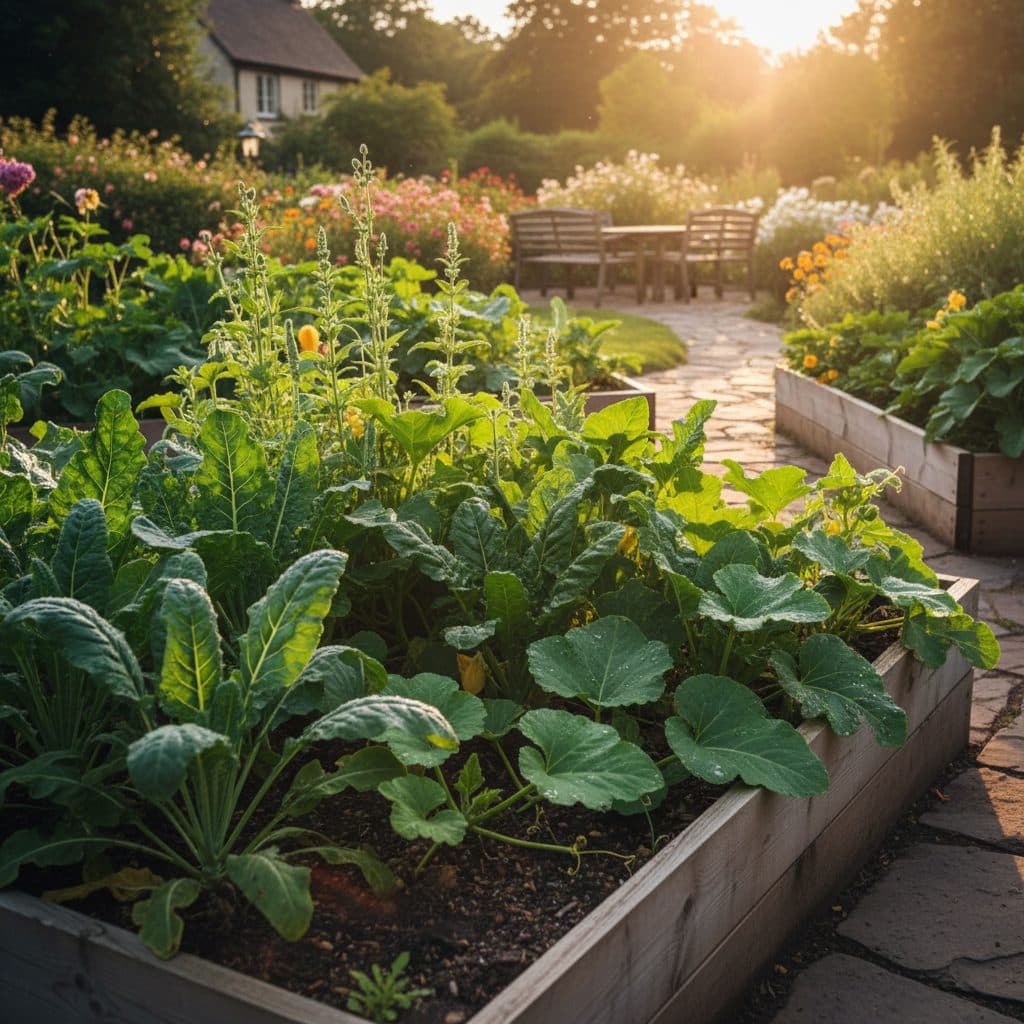
For the most control over quality and freshness, consider growing many of your fire cider ingredients. Garlic (Allium sativum) is a cool-season crop, best planted in the fall in USDA zones 3-8, yielding bulbs the following summer. Horseradish (Armoracia rusticana) is a perennial that thrives in zones 3-9 and produces roots ready to harvest after a year. Give it a bed of its own or a buried container — every root fragment left in the ground regrows, and an established patch is very hard to remove once you want the space back. Ginger (Zingiber officinale) and turmeric (Curcuma longa) are tropical plants, but can be grown in containers in northern climates, brought indoors when temperatures drop below 50°F. A herb garden can supply these ingredients steadily. That cuts your reliance on store-bought produce and keeps fresh material on hand for your next batch of fire cider, which typically uses 2-3 pounds of fresh roots and bulbs per gallon of vinegar.
- Garlic cloves planted 4-6 inches deep in fall can yield mature bulbs by July in USDA zone 6.
- Horseradish roots can be harvested after 1 year of growth and then keep producing for decades.
- Ginger and turmeric require warm soil (above 65°F) and can be grown in 5-gallon containers.
- Many herbs like rosemary and thyme are perennial in USDA zones 7 and above, offering year-round harvests.
Acidity matters: Apple cider vinegar typically has a pH between 2.5 and 3.5, which aids in the extraction of herbal compounds and contributes to preservation for up to 1 year.
Garden yield: A small 4 ft by 4 ft herb bed in USDA zone 6 can produce enough garlic, ginger (in containers), and horseradish for several 1-quart batches of fire cider annually.
Frequently asked questions
How long does fire cider need to steep?
Fire cider typically needs to steep for 2 to 4 weeks to allow the apple cider vinegar to fully extract the beneficial compounds from the herbs. Some herbalists extend this period to 6 weeks for maximum potency.
Can I use dried herbs instead of fresh?
Yes, you can use dried herbs, but you may need to adjust the quantity, often using about half the amount of dried herbs compared to fresh. For example, use 1/4 cup dried ginger instead of 1/2 cup fresh.
How much fire cider should I take daily?
A common dosage is 1 to 2 tablespoons daily, especially during colder months. If you are new to fire cider, start with a smaller amount, such as 1 teaspoon, to see how your body responds.
How long does homemade fire cider last?
When stored in a cool, dark place or refrigerated, homemade fire cider can maintain its quality for 6 months to 1 year. The vinegar acts as a natural preservative, with a pH typically below 3.5.
What can I do with the leftover strained herbs?
The leftover strained herbs can be composted, adding nutrients to your garden soil. Some people also dehydrate them and grind them into a spicy powder for seasoning, using about 1/2 teaspoon per dish.
Is fire cider safe for everyone?
While generally safe for most adults, individuals with certain health conditions or those taking specific medications should consult a healthcare provider. The acidity of fire cider, with a pH around 3.0, might also be a concern for those with acid reflux.
References
- INACTIVATION OF FOODBORNE PATHOGENS DURING CIDER FERMENTATION, IN A CIDER MODEL SYSTEM AND COMMERICAL CIDER (2023). INACTIVATION OF FOODBORNE PATHOGENS DURING CIDER FERMENTATION, IN A CIDER MODEL SYSTEM AND COMMERICAL CIDER.
- CIDER (HARD CIDER) (1999). CIDER (HARD CIDER).
- USDA Natural Resources Conservation Service (2024). USDA Natural Resources Conservation Service.