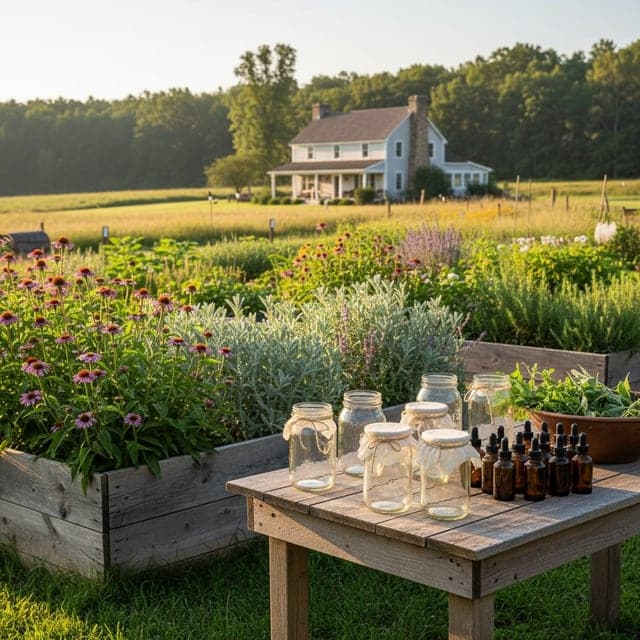
Potent herbal tinctures: garden to apothecary
How to prepare herbal tinctures from garden herbs in USDA Zone 6, covering solvent selection, maceration times, straining, and dropper-dose calculations.
Tag
860 articles in this tag on agripure. — page 14 of 36
How to prepare herbal tinctures from garden herbs in USDA Zone 6, covering solvent selection, maceration times, straining, and dropper-dose calculations.
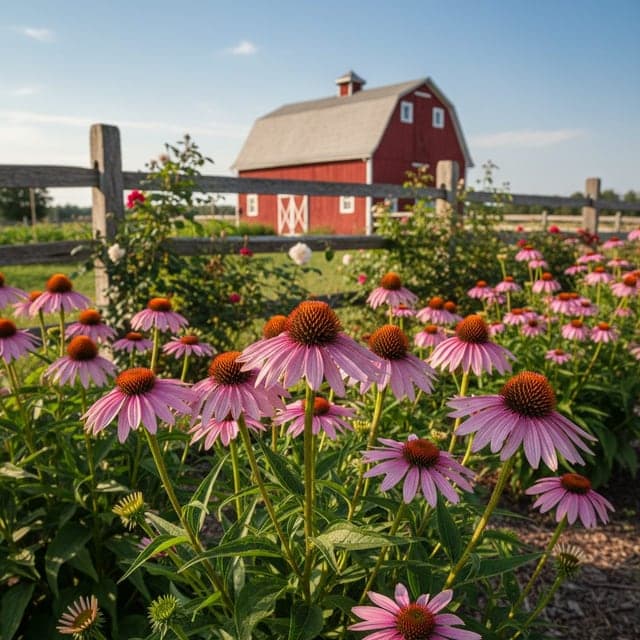
Grow Echinacea purpurea and angustifolia in USDA zones 3–9, harvest dormant 3-year roots, calculate 1:2 fresh vs. 1:5 dried tincture ratios, and follow NIH/NCCIH safety rules.
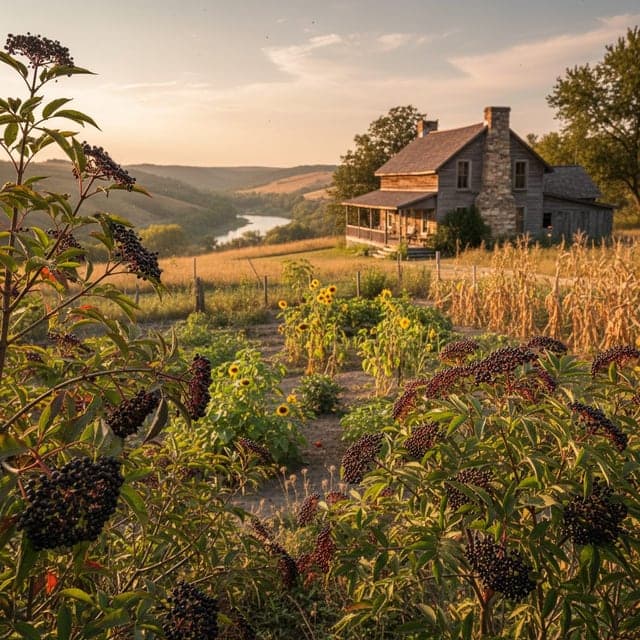
Learn how to make elderberry tincture from US-grown berries. This guide covers harvesting, identification, and a potent elderberry tincture recipe for your home apothecary.
A comparison of folk methods and weight-to-volume measurements for making herbal tinctures from fresh and dried garden herbs.
Learn to craft soothing homemade herbal balms with calendula and lavender from your garden. This guide covers infusing oils, ratios, and growing tips for natural, cost-effective skincare in just 30…
Compare 5 herb oil infusion methods from cold dark maceration to sous-vide and flash blanching, backed by University of Idaho PNW 664 botulism rules, 1:5 herb ratios, and carrier oil stability.
Formulate repeatable herbal balms and salves by weight (g/oz): 1:4 pocket balm, 1:5–1:6 hand salve, 1:7–1:8 winter cream, vegan candelilla/carnauba swaps, freezer-spoon calibration, botulism dry-he…
Master growing calendula (USDA zones 3-9) for medicinal use. Learn to harvest, dry, and infuse flowers to craft your own potent calendula salve for a natural home apothecary.

Learn to design a thriving apothecary garden for your USDA Zone 6 homestead. Maximize medicinal herb yield with sun mapping, soil prep, and companion planting strategies.
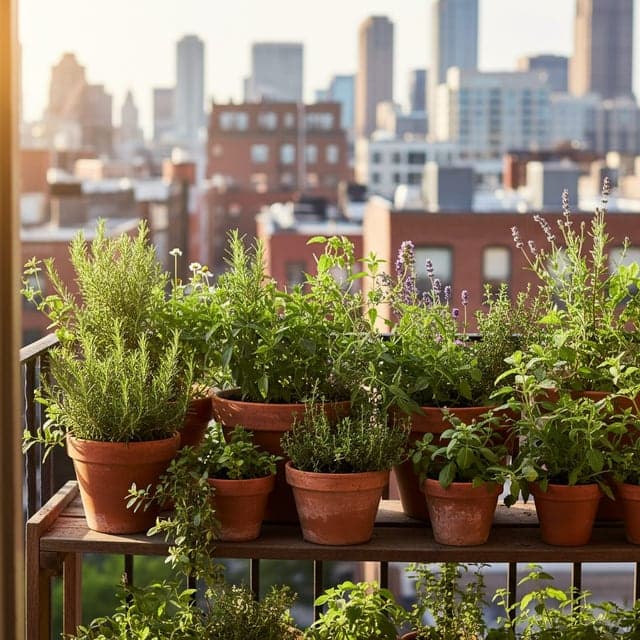
How to grow medicinal herbs in containers on balconies or patios, covering plant selection, potting mixes, light requirements, and seasonal care.
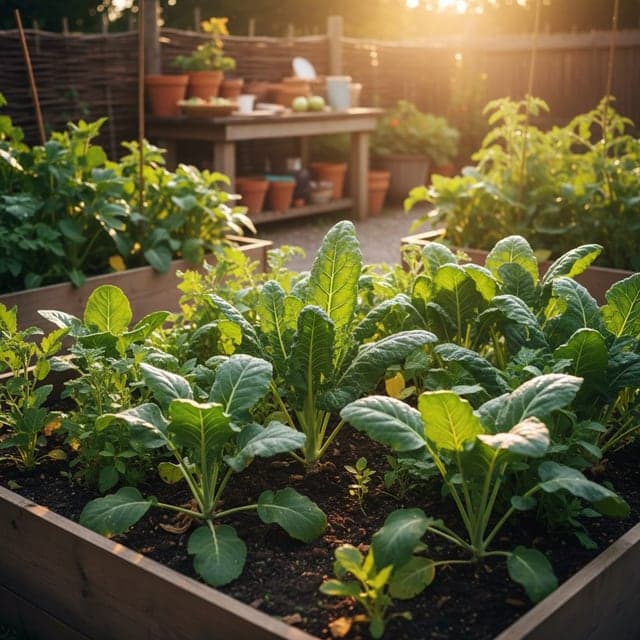
Cultivate a thriving medicinal herb garden in USDA Zones 8-10. Learn expert tips for soil, water, and plant selection in hot climates across the Southeast, Southwest, and Gulf Coast.
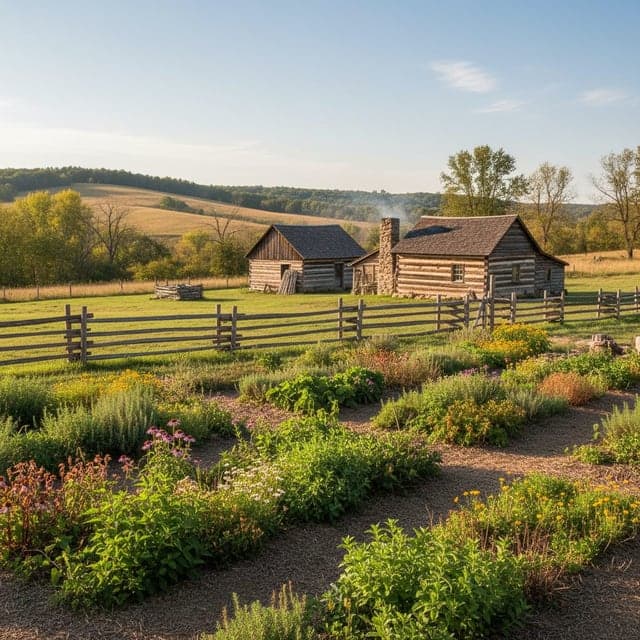
Cultivate a thriving medicinal herb garden in USDA Zones 3-5. Learn plant selection, soil management, and preservation for a home apothecary in cold climates.
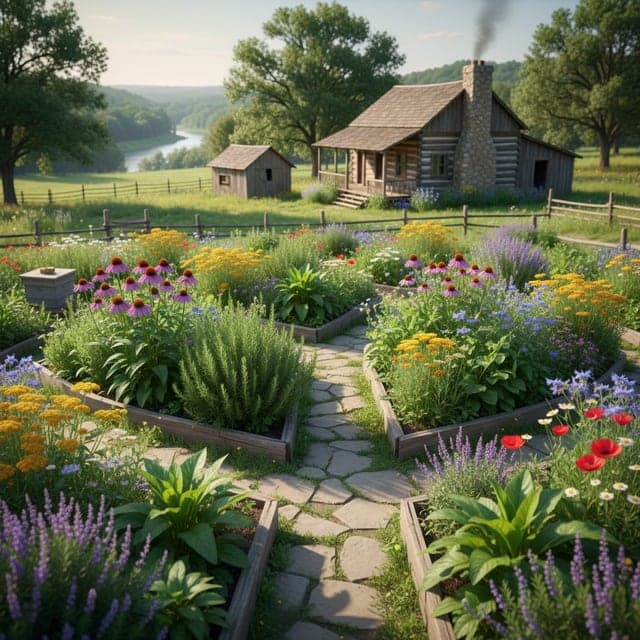
Decide between perennial and annual medicinal herbs for your home apothecary. Learn about their life cycles, cultivation needs, and best choices for USDA zones 3-10 to create a thriving herb garden.
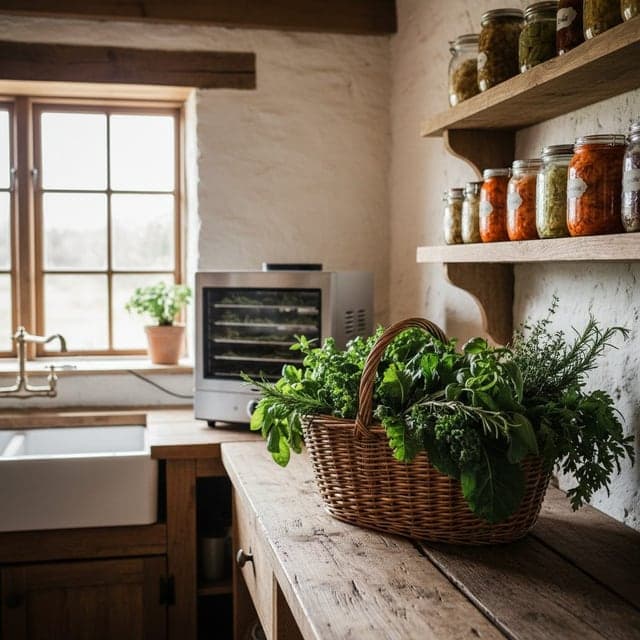
How dehydration, fermentation, and freezing preserve leafy greens and herbs, reducing the 30% food waste typical in home kitchens.
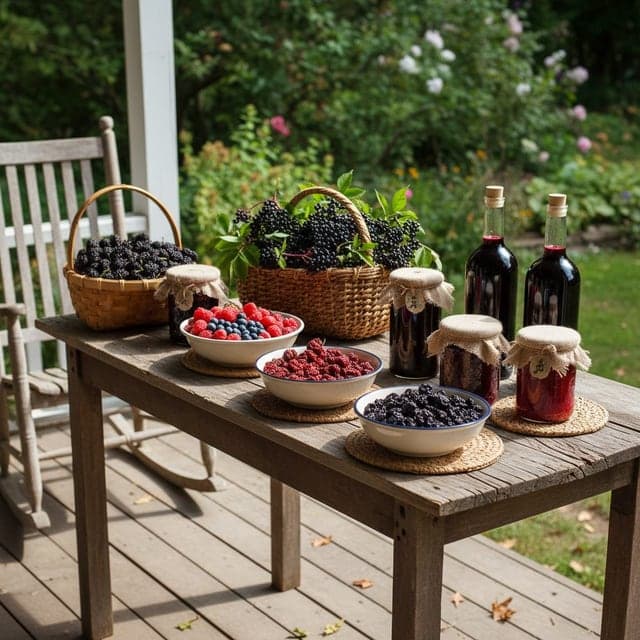
Preserve summer berries without a freezer using USDA/NCHFP boiling-water bath canning with altitude adjustments, 135°F dehydration plus 7-day conditioning, berry fruit leather, and >=5% vinegar shr…
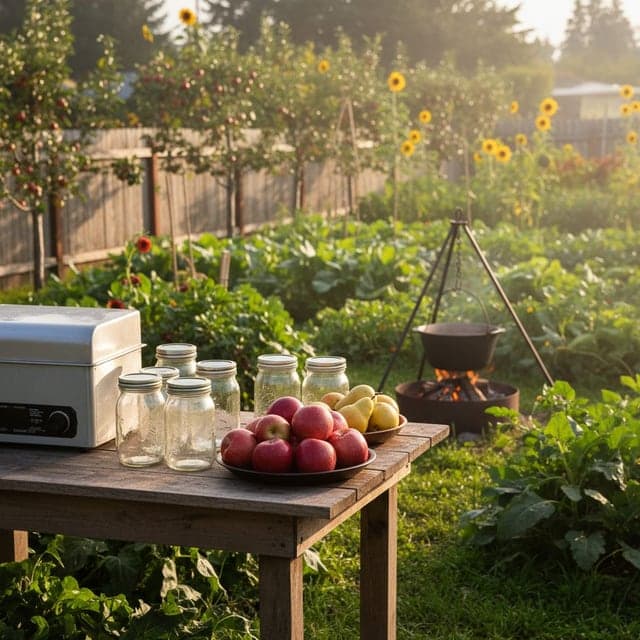
Learn practical methods for preserving apples and pears from abundant harvests in the Pacific Northwest. Extend your fruit’s usability for 6-12 months with dehydrating, canning, and root cellaring.
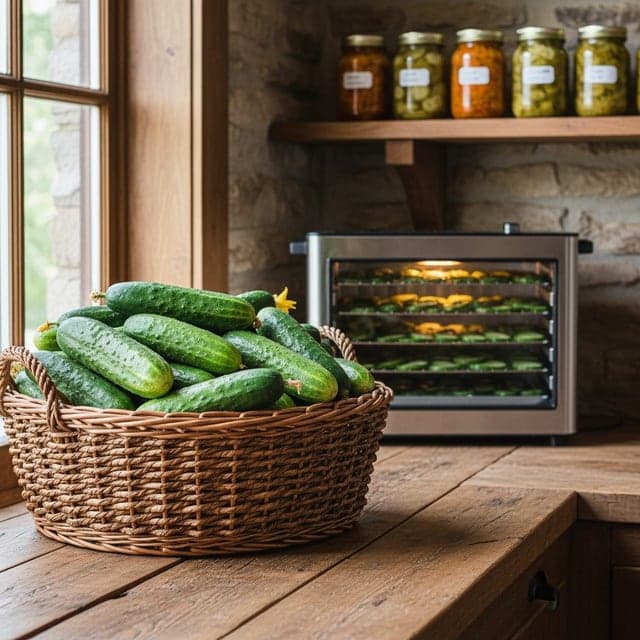
How to preserve a cucumber harvest, from dehydrating chips and powder to fermenting relishes and krauts to prevent waste.
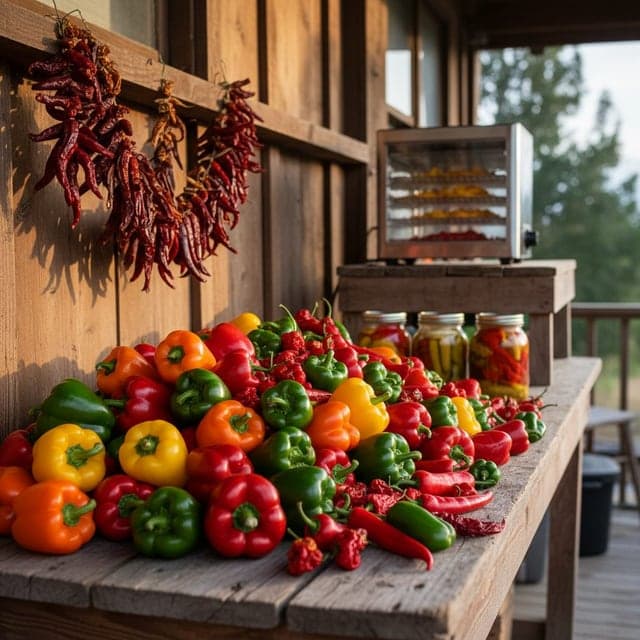
How to preserve your USDA Zone 7 pepper harvest with drying, freezing, fermenting, and pickling techniques to use peppers year-round.
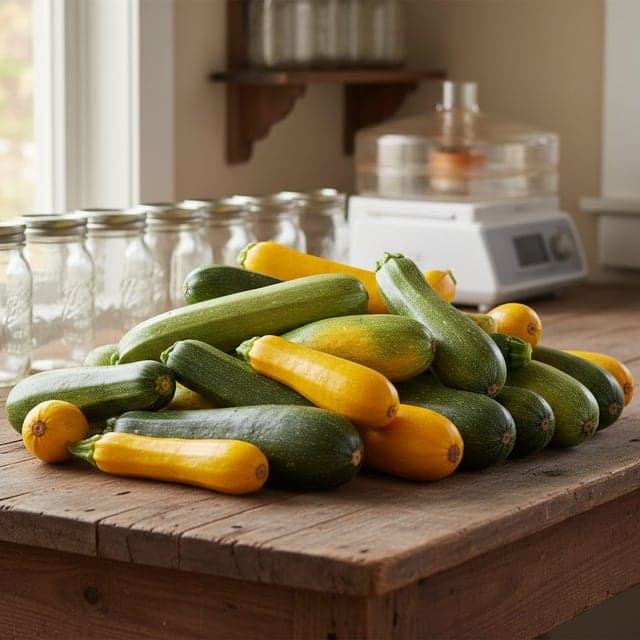
How to preserve a summer squash harvest by dehydrating, fermenting, or freezing for months or up to a year.
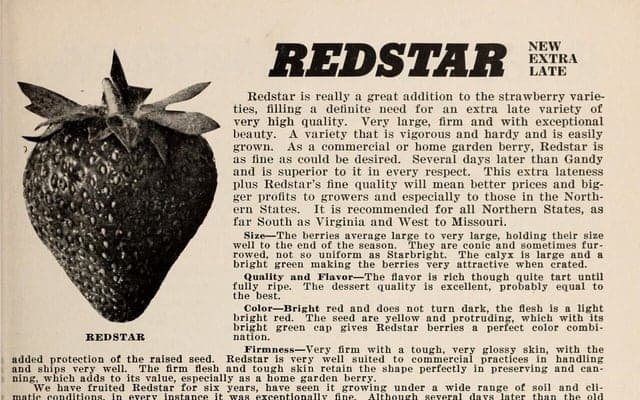
Learn to safely can berry jams and jellies for a year-round supply. This guide covers selecting fruit, essential ingredients, and USDA guidelines for preserves in USDA Zone 5.
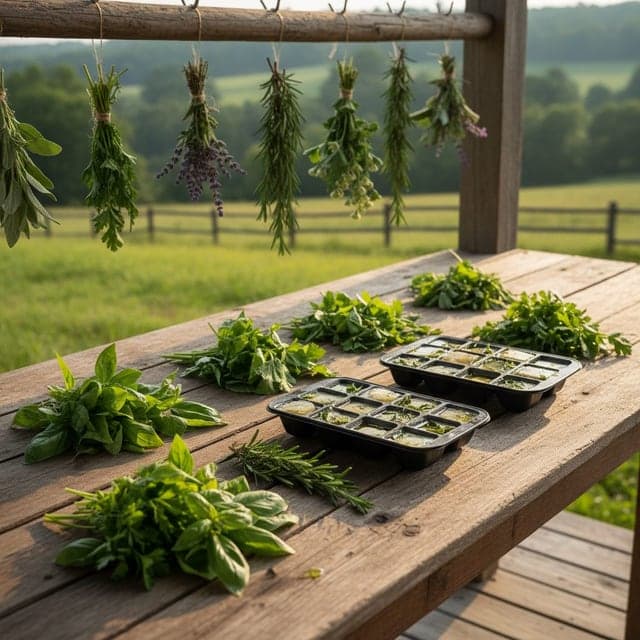
How to preserve basil from a USDA Zone 7 garden, covering freezing in oil or water, making pesto cubes, and drying techniques.
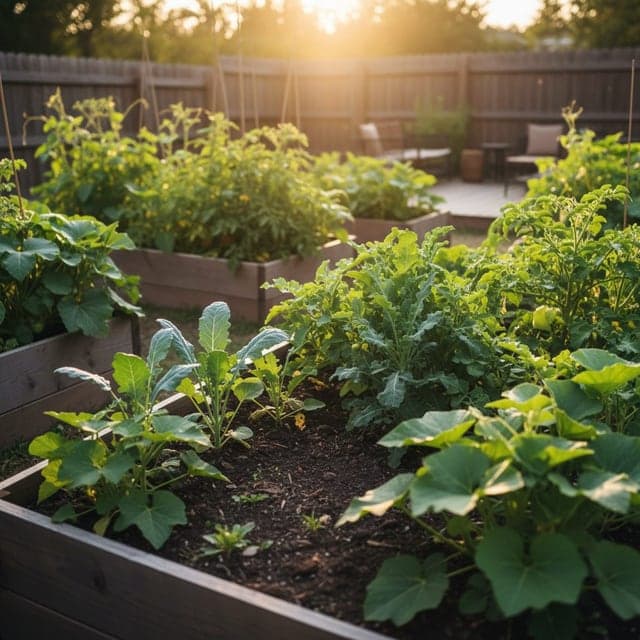
Learn to make potent fire cider and oxymels from your garden. Utilize homegrown ginger, turmeric, and other herbs for natural, cost-effective remedies. Perfect for homesteaders.
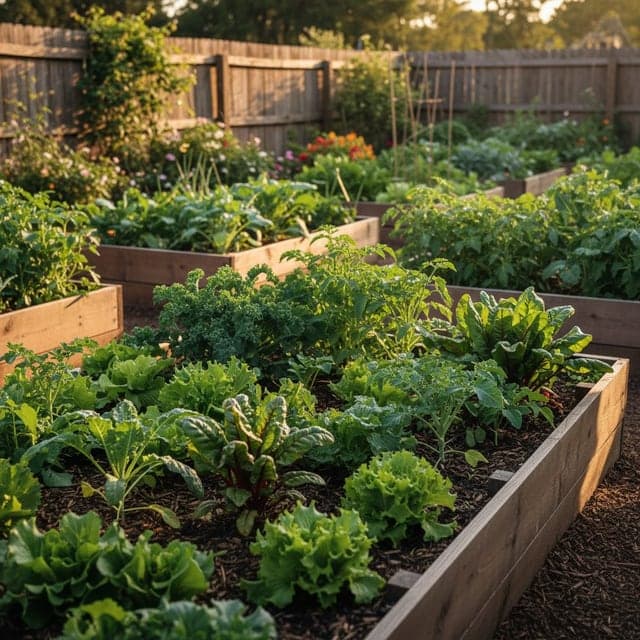
Learn how to make safe herbal infusions at home. Understand botulism risks in oils, vinegars, and honeys, and discover essential preservation techniques for your pantry.
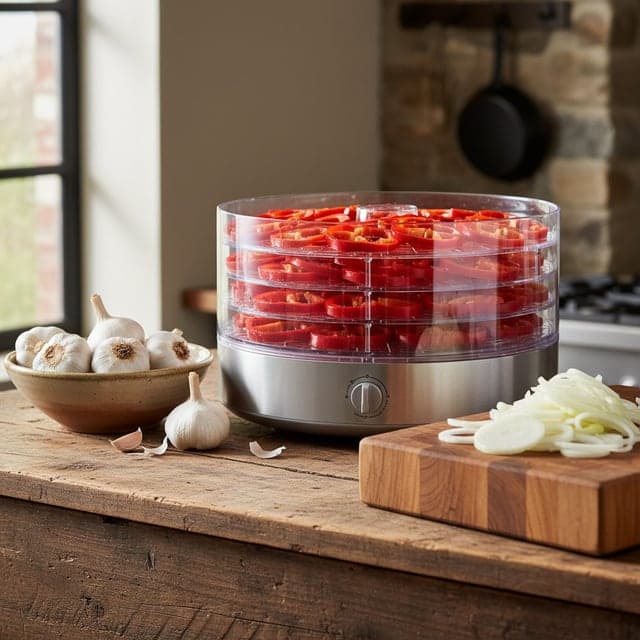
Learn to dry, store, and grind homemade spices like paprika, garlic, and onion powder from your garden. This guide helps US growers achieve high-quality, shelf-stable ingredients.