Key takeaways
- Use a 1:5 ratio of dried herb to menstruum by weight; pack fresh herb loosely and cover it completely.
- Strain oxymels after 2-4 weeks using fine mesh and cheesecloth for best clarity and flavor.
- Store finished oxymels and shrubs in cool, dark places below 70°F for up to 12-18 months.
- Dilute 1-2 tablespoons of oxymel in 4-6 fluid ounces of water for daily use.
- Keep the finished preparation at pH 4.0 or below, measured with test strips or a meter, and refrigerate anything you cannot verify.
- Incorporate shrubs into refreshing beverages by mixing 1-2 tablespoons with 8 fluid ounces of sparkling water.
Quick answer: To extend the shelf life of oxymels and shrubs, store them in sterilized, dark glass bottles in a cool, dark place below 70°F (21°C) at pH 4.0 or below, checked with test strips or a meter. Proper straining and optimal herb-to-menstruum ratios can help these preparations last 12-18 months.
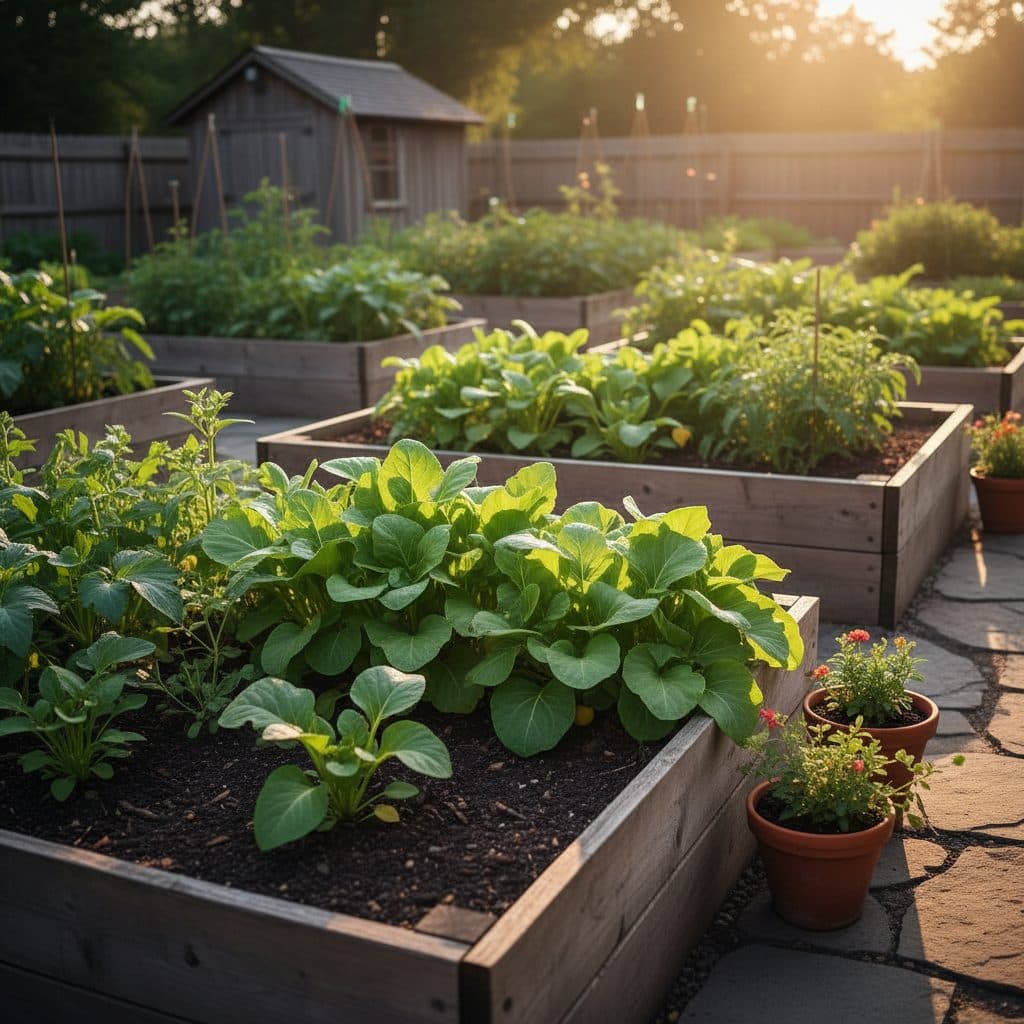
In a small home apothecary in central Pennsylvania, USDA zone 6b, the harvest of garden sage (Salvia officinalis) and mint (Mentha sp.) often yields more than can be used fresh. With an average summer growing season of 150-180 days, gardeners frequently find themselves with an abundance of herbs by late August, far exceeding immediate culinary or fresh tea needs. Preserving these botanical treasures effectively ensures that their beneficial properties remain accessible throughout the colder months, when fresh growth is scarce.
Traditional preparations like oxymels and shrubs offer a practical and flavorful way to extend the life of your herbal bounty for 12 to 18 months. These vinegar- and honey-based infusions extract plant compounds and create shelf-stable, delicious beverage bases. Understanding the nuances of their preparation, from the initial herb-to-menstruum ratios to the final straining and storage techniques, is key to maximizing their potency and ensuring they last well beyond a typical 3-month fresh herb window.
Understanding oxymels: preparation and ratios
Oxymels are ancient preparations, dating back over 2,000 years. They combine honey and vinegar, typically apple cider vinegar (ACV) with 5% acetic acid, to extract medicinal compounds from herbs. For every 1 part of dried herb, a standard approach uses 5 parts of liquid (honey and vinegar combined), a 1:5 ratio by weight for a potent extraction. This method is effective for a wide range of herbs grown in regions like the Pacific Northwest, USDA zone 8.
Creating an effective oxymel involves selecting high-quality herbs, like garden sage (Salvia officinalis) from your own patch in USDA zone 6. A common ratio is 3 parts vinegar to 1 part honey, or sometimes a 1:1 ratio if you prefer a sweeter taste. The herbs steep for 2-4 weeks in a sealed jar, so the menstruum extracts beneficial compounds.
Straining for clarity and longevity
Proper straining matters for separating the plant material from your finished oxymel or shrub, for a clear, stable product. After the initial steeping period, which can range from 2 to 6 weeks depending on the herb’s density and desired potency, the liquid needs to be separated. A 4-week steep for most preparations, like those made with calendula (Calendula officinalis), achieves optimal extraction without excessive bitterness.
For effective straining, a fine-mesh sieve lined with cheesecloth works well, often yielding 80-90% of the liquid. Some herbalists prefer to let the liquid drip slowly overnight, which can take 8-12 hours, to extract every last drop without pressing. This method minimizes sediment, which keeps the finished bottle clearer.
Storing for maximum shelf life
The longevity of your homemade oxymels and shrubs depends significantly on proper storage conditions. Once strained, transfer the liquid to clean, sterilized glass bottles, preferably amber or dark-colored, to protect against light degradation. Using 8-ounce or 16-ounce bottles and capping them tightly helps prevent oxidation. In humid climates like the southeastern US, ensuring bottles are completely dry before filling is critical to prevent mold growth.
Store these preparations in a cool, dark place, such as a pantry or cellar, where temperatures consistently remain below 70°F (21°C). Temperature swings shorten shelf life. Acidity is what keeps these preparations stable, and both honey and plant material pull the pH of the vinegar upward. Check the finished product with test strips or a meter and keep it at pH 4.0 or below; refrigerate anything you cannot verify. Proper labeling with the date of preparation and ingredients is essential for tracking and safety.
Dosing and enjoying your creations
Dosing oxymels and shrubs is generally flexible, depending on individual needs and the potency of your specific preparation. For general wellness support, a common recommendation is 1-2 tablespoons (15-30 mL) diluted in 4-6 fluid ounces of water, 1-3 times daily. This can be adjusted based on the herb used; for instance, a strong ginger oxymel might require only 1 tablespoon. If you’re just starting a herb garden, consider easy-to-grow varieties like mint or lemon balm for your first oxymels — both spread aggressively, mint by runner and lemon balm by seed, so keep them in containers or a bed you can edge.
Shrubs, with their fruit-forward flavors, are often enjoyed as a refreshing beverage base. Mix 1-2 tablespoons with 8 fluid ounces of sparkling water or still water. You can also incorporate them into culinary applications, like salad dressings or marinades, using 3-4 tablespoons for a large bowl of greens or a pound of chicken. Always start with a lower dose and increase gradually, observing your body’s response over several days. Oxymels are honey-based, so never give them to a child under 12 months of age because of the risk of infant botulism, and talk to a pediatrician before giving them to older children.
Oxymel vs. Shrub: Key Differences
Feature | Oxymel | Shrub |
|---|---|---|
Base | Herbs, honey, vinegar | Fruit, sugar, vinegar |
Flavor Profile | Herbal, sweet-sour, medicinal | Fruity, tangy, sweet |
Primary Use | Medicinal tonic, wellness support | Beverage base, culinary ingredient |
Sweetener | Honey (typically 1:3 honey to vinegar ratio) | Sugar (often 1:1 fruit to sugar ratio) |
Shelf Life | 12-18 months (refrigerated after opening) | 6-12 months (refrigerated after opening) |
Optimal pH: keep oxymels and shrubs at pH 4.0 or below, measured with test strips or a meter, and refrigerate anything you cannot verify.
Storage Temperature: Store finished preparations in a cool, dark place where temperatures consistently remain below 70°F (21°C) to prevent degradation.
Frequently asked questions
How long do oxymels and shrubs typically last?
Properly prepared and stored oxymels and shrubs can last for 12 to 18 months. Storing them in a cool, dark place below 70°F (21°C) helps maintain their potency and prevents spoilage, extending their usability well beyond a few months.
What is the ideal straining method for these preparations?
The ideal straining method involves using a fine-mesh sieve lined with 4-8 layers of unbleached cheesecloth. Allowing the liquid to drip slowly, often for 8-12 hours overnight, ensures maximum extraction and minimal sediment, yielding up to 90% of the liquid.
Can I use any type of vinegar for oxymels and shrubs?
While you can experiment, apple cider vinegar with 5% acetic acid is most commonly recommended for oxymels due to its beneficial properties and mild flavor profile. For shrubs, a variety of vinegars like white wine vinegar or balsamic can be used, often in a 1:1 ratio with fruit and sugar.
What are the best storage conditions to maximize shelf life?
The best storage conditions include placing your oxymels and shrubs in dark glass bottles with airtight lids, in a cool, dark pantry or cellar. Temperatures should ideally remain consistently below 70°F (21°C) to preserve their efficacy for up to 18 months.
How much oxymel or shrub should I take daily?
For general wellness, a common dose is 1-2 tablespoons (15-30 mL) of oxymel or shrub, diluted in 4-8 fluid ounces of water, taken 1-3 times daily. Always start with a lower dose, such as 1 teaspoon, and gradually increase to assess your body’s response.
References
- USDA Natural Resources Conservation Service (2024). USDA Natural Resources Conservation Service.