Key takeaways
- Fire cider is a traditional US herbal tonic made by infusing pungent herbs like horseradish, garlic, ginger, and cayenne in apple cider vinegar for 4-6 weeks.
- Many core ingredients thrive in USDA zones 4-9, allowing home growers to cultivate them, with garlic yielding up to 3-inch heads and ginger up to 1 pound per plant.
- The crafting process involves about 30 minutes of active work, ensuring ingredients are covered by at least 1 inch of raw, unfiltered apple cider vinegar.
- Refrigerate the finished tonic and use it within several months; fresh garlic, horseradish and onion are low-acid vegetables that raise the pH of the vinegar they sit in.
- A common dosage is 1/2 to 1 tablespoon daily, taken straight or diluted, for a warming, stimulating effect.
Quick answer: Fire cider is a traditional US herbal tonic made by infusing pungent ingredients like horseradish, garlic, ginger, and cayenne in apple cider vinegar for 4-6 weeks. It’s used for general wellness and provides a warming, stimulating effect.
In the chilly mornings of a New England winter, or the damp air of the Pacific Northwest, many US growers in USDA zones 4-9 turn to warming tonics to support their well-being. One such traditional preparation is fire cider, a potent blend of pungent herbs steeped in apple cider vinegar. This article will guide you through crafting your own spicy fire cider, a home apothecary staple that has been used for generations to provide a warming kick when you need it most.
Making fire cider is a rewarding project that connects you directly to the plants you grow or source locally. With ingredients like horseradish, garlic, ginger, and cayenne pepper, you’re creating a powerful, concentrated extract. The process is straightforward, requiring about 30 minutes of active preparation and then a patient four-week infusion period, culminating in a versatile tonic for your home.
What is fire cider and why make it?
Fire cider is a traditional herbal tonic, essentially a potent infusion of pungent, warming herbs in apple cider vinegar (ACV). Its history stretches back decades in US herbalism, gaining popularity as a home remedy. The core idea is to extract the beneficial compounds from ingredients like horseradish, garlic, ginger, and cayenne into the vinegar. For instance, horseradish (Armoracia rusticana) and garlic (Allium sativum) have a long history of traditional use in remedies for common colds and respiratory complaints. This robust blend is often consumed during colder months, particularly in regions like the Great Lakes states or the Rocky Mountains, where temperatures can drop below 20°F for extended periods.
The preparation is simple: chop the ingredients, combine them in a jar with raw apple cider vinegar, and let it steep for several weeks. This infusion process allows the vinegar to draw out the active compounds. Many home apothecaries across the US, from rural farms in Iowa to urban gardens in California, include fire cider as a staple, valued as a warming, stimulating tonic for general wellness.
The core ingredients and their roles
The strength of fire cider lies in its synergistic blend of ingredients. Each component brings specific properties to the mix. For example, the capsaicin in cayenne peppers (Capsicum annuum) provides a significant warming sensation, while ginger (Zingiber officinale) offers its own distinct pungency.
- warming properties: supports circulation and provides internal warmth to the body.
- pungent flavor: stimulates digestion and mucous membranes, offering a distinct kick.
- traditional use: historically employed for seasonal wellness and as a general tonic.
- nutrient density: contains vitamins and minerals from the raw, fresh ingredients.
- versatility: can be taken straight, diluted, or used in various culinary applications.
Growing your fire cider ingredients at home
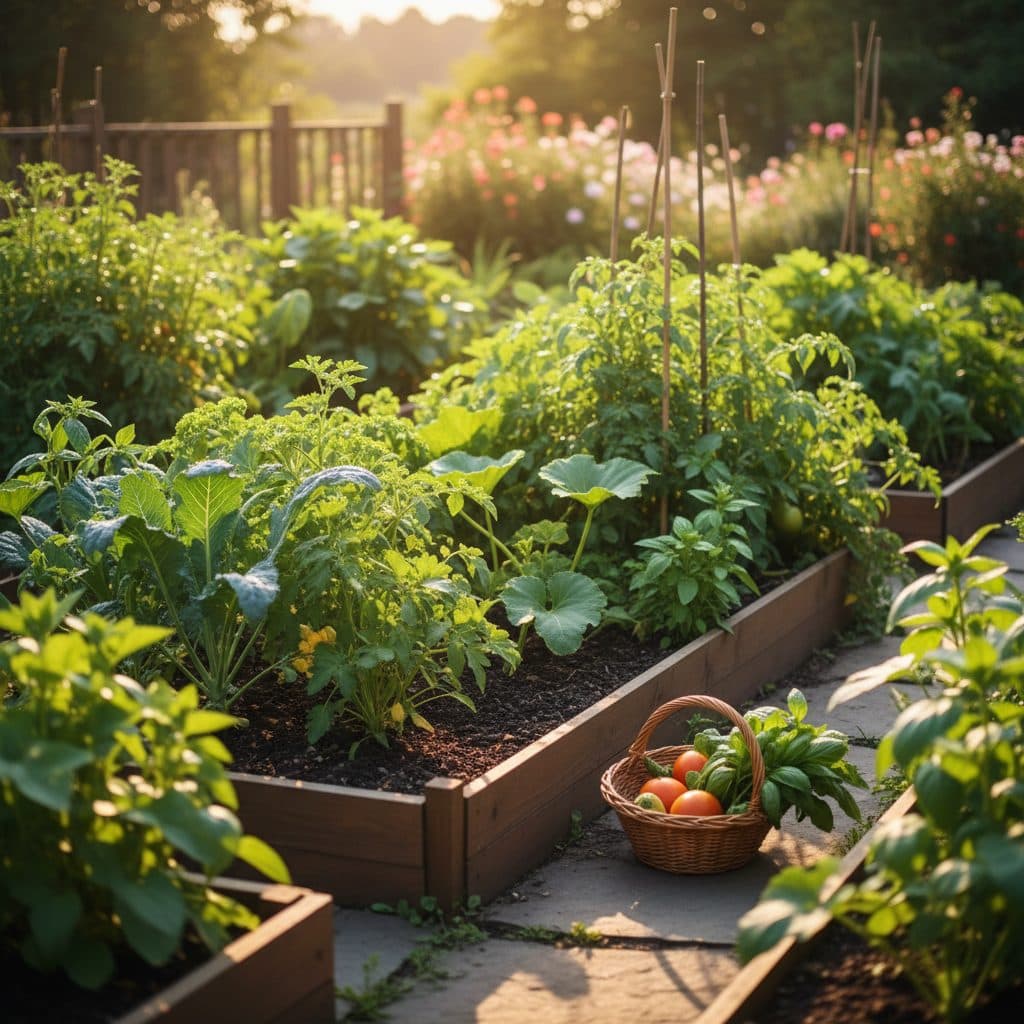
Cultivating your own fire cider ingredients is a rewarding step towards a self-sufficient home apothecary. Garlic and horseradish are hardy through USDA zones 4-9 across much of the US. Ginger is a tender tropical, grown as a container or annual crop outside zones 9-11. Starting a herb garden, even a small one, can significantly reduce your reliance on store-bought produce and ensure you have fresh, potent ingredients. Starting a herb garden can be simpler than you think, with many common herbs requiring minimal specialized care.
Horseradish (Armoracia rusticana) is a robust perennial, easily grown from root cuttings. It spreads aggressively and regrows from any root fragment left behind, and digging the crop guarantees fragments, so plant it in a large container, a sunken bottomless bin, or a bed you are willing to give over to it permanently rather than in a mixed vegetable bed. In colder regions like USDA zone 5, the roots can be harvested after the first hard frost, typically yielding 1-2 pounds per plant. Garlic (Allium sativum), another essential, is best planted in the fall, about 6-8 weeks before the ground freezes. Each clove can produce a full head of garlic, with some varieties yielding up to 3 inches in diameter. You can find more detailed information about growing garlic on Agripure.
Cultivating ginger and cayenne
Ginger (Zingiber officinale) requires a longer growing season and warmer temperatures, so it grows best in containers across most US climates outside USDA zones 9-11. Plant rhizomes in spring after the last frost, in a rich, well-drained potting mix. A single rhizome can produce a substantial clump of fresh ginger over an 8-10 month season under good conditions. You can learn more about growing ginger and its specific needs on Agripure. Cayenne peppers (Capsicum annuum) are heat-loving annuals that thrive in full sun and warm soil. Start seeds indoors 8-10 weeks before the last frost, then transplant outside when temperatures consistently stay above 60°F. A healthy cayenne plant can produce dozens of peppers, often 3-5 inches long, throughout the summer and fall.
- horseradish: plant root cuttings 2-3 inches deep in early spring, harvest after 180-240 days.
- garlic: plant cloves 2 inches deep in fall, harvest when lower leaves turn yellow, usually 8-9 months later.
- ginger: plant rhizomes 1 inch deep in containers, harvest in fall before first frost, around 240-300 days.
- cayenne: sow seeds indoors 8-10 weeks before last frost, transplant outdoors after temperatures reach 60°F.
- soil pH: most ingredients prefer a slightly acidic to neutral soil pH, between 6.0 and 7.0 for optimal growth.
Crafting your spicy fire cider
Once your ingredients are harvested or sourced, the actual crafting of fire cider is a straightforward process that takes about 30 minutes of active work. You’ll need a clean, one-quart glass jar with a non-reactive lid. Many recipes call for roughly equal parts by volume of the primary roots and vegetables, but precise measurements are less critical than ensuring everything is submerged in vinegar. For a typical quart jar, you might use 1/2 cup each of chopped horseradish, garlic, and ginger, along with 1-2 whole cayenne peppers.
The quality of your apple cider vinegar (ACV) is important. Opt for raw, unfiltered ACV with the ‘mother,’ as it contains beneficial bacteria and enzymes. After combining all the solid ingredients in your jar, pour the ACV over them, ensuring they are fully covered by at least 1 inch of liquid. This prevents spoilage and allows for optimal extraction.
The infusion and straining process
Seal the jar with a non-reactive lid – a plastic lid is ideal, or place a piece of parchment paper between a metal lid and the jar to prevent corrosion from the vinegar’s acidity. Store the jar in a cool, dark place, like a pantry or cupboard, for at least four weeks, and up to six weeks for a stronger infusion. During this period, shake the jar daily or every other day to help agitate the ingredients and encourage extraction. After the infusion period, typically 28-42 days, strain the liquid through a fine-mesh sieve or cheesecloth into a clean glass bottle. Press the solids firmly to extract as much liquid as possible, often yielding 24-30 fluid ounces of finished tonic.
- chop ingredients: finely chop or grate 1/2 cup each of horseradish, garlic, and ginger for a 1-quart batch – grate horseradish outdoors or in a well-ventilated space, and wear gloves when handling horseradish and cayenne.
- add cayenne: include 1-2 whole or chopped cayenne peppers for desired heat level.
- fill jar: place all solids into a clean one-quart glass jar, ensuring it’s not overfilled.
- cover with ACV: pour raw, unfiltered apple cider vinegar over ingredients, ensuring at least 1 inch of coverage above the solids.
- infuse: seal and store in a cool, dark place for 4-6 weeks, shaking daily to aid extraction.
- strain: after infusion, strain out solids, pressing firmly to extract all liquid, yielding 24-30 fl oz.
Storing and using your homemade fire cider
Proper storage is key to maintaining the potency and extending the shelf life of your homemade fire cider. Once strained, transfer the liquid tonic into clean, airtight glass bottles. Store these bottles in a cool, dark place, such as a pantry or cellar, away from direct sunlight and heat sources. Refrigerate the finished fire cider. Fresh garlic, horseradish, ginger and onion are low-acid vegetables that release water and buffer the vinegar upward, so the finished tonic is not necessarily as acidic as the vinegar you started with, and refrigeration is the standard guidance for garlic held in vinegar. Refrigerated, it keeps well for several months.
When it comes to usage, fire cider is incredibly versatile. Many people take a small dose, typically 1/2 to 1 tablespoon, daily or as needed, particularly during the colder months or when feeling run down. It can be taken straight, diluted in a glass of water, or mixed with a bit of raw honey to temper the strong flavor. For culinary applications, consider adding a splash to salad dressings, marinades, or even warm broths. The spicy kick from cayenne and ginger can flavor a variety of dishes, much like a hot sauce.
Dosage and considerations
While fire cider is generally considered safe for most adults, it’s potent. Start with a small amount, like 1/2 teaspoon, to assess your tolerance, especially if you are sensitive to spicy foods. Children and pregnant or nursing individuals should consult a healthcare provider before use. The acidity of the vinegar can be strong, so drinking it diluted or with a straw can help protect tooth enamel. Remember, this is a traditional tonic, not a pharmaceutical, and its effects can vary. A well-prepared batch, using 1-2 heads of garlic and 2-4 ounces of ginger, offers a concentrated dose of these beneficial compounds.
- daily tonic: take 1/2 to 1 tablespoon daily, straight or diluted in water for general wellness.
- seasonal support: some people take it more often through the colder months; do not exceed the general one tablespoon daily without talking to a healthcare provider.
- culinary use: add to salad dressings, marinades, soups, or stir-fries for a spicy, flavorful kick.
- shelf life: refrigerate the finished tonic and use it within several months.
comparison of spicy fire cider ingredients
ingredient | primary active compound | typical amount (1-quart batch) |
|---|---|---|
horseradish | sinigrin | 1/2 cup chopped |
garlic | allicin | 1-2 heads (10-15 cloves) |
ginger | gingerols | 1/2 cup chopped (2-4 oz) |
cayenne pepper | capsaicin | 1-2 whole peppers or 1-2 tsp powder |
infusion time: Fire cider requires a minimum infusion period of four weeks, allowing the vinegar to extract beneficial compounds from 1/2 cup of each primary ingredient.
storage duration: refrigerate the finished tonic and use it within several months, since the low-acid vegetables in the jar buffer the acidity of the vinegar upward.
Frequently asked questions
can I use dried herbs for fire cider?
While fresh ingredients are preferred for their higher moisture content and potency, you can use dried herbs. However, use about 1/3 the amount of dried herbs compared to fresh, for instance, about 3 tablespoons of dried ginger instead of 1/2 cup fresh, to avoid an overly concentrated flavor.
what is the best type of apple cider vinegar to use?
Always choose raw, unfiltered apple cider vinegar with the ‘mother.’ This type contains beneficial bacteria and enzymes, and its pH typically ranges from 2.5 to 3.0, which is crucial for the extraction process and preservation.
can I reuse the solids after straining fire cider?
The strained solids have given up most of their beneficial compounds to the vinegar. While some people compost them, others might blend them into a spicy relish or add them to soups, but expect noticeably reduced potency.
how long does fire cider last?
Refrigerate your finished fire cider and use it within several months. Fresh garlic, horseradish, ginger and onion are low-acid vegetables that buffer the vinegar upward, so the finished tonic is not necessarily as acidic as the vinegar you started with.
is fire cider safe for everyone?
Fire cider is potent and spicy. While generally safe for adults, individuals with sensitive stomachs, children, or pregnant/nursing women should consult a healthcare professional. Start with a small dose, like 1/2 teaspoon, to gauge tolerance.
References
- Science or Snake Oil: will horseradish and garlic really ease a cold? (2017). Science or Snake Oil: will horseradish and garlic really ease a cold?.
- Optimization of functional spicy red pepper paste (Awaze) formulated from red pepper, garlic, red onion and ginger using optimal mixture design techniques (2023). Optimization of functional spicy red pepper paste (Awaze) formulated from red pepper, garlic, red onion and ginger using optimal mixture design techniques.
- Evaluation of Apple (Malus domestica) Cider Vinegar and Garlic (Allium sativum) Extract as Phytogenic substitutes for growth promoting dietary antibiotics in Se (2022). Evaluation of Apple (Malus domestica) Cider Vinegar and Garlic (Allium sativum) Extract as Phytogenic substitutes for growth promoting dietary antibiotics in Se.
- USDA Natural Resources Conservation Service (2024). USDA Natural Resources Conservation Service.