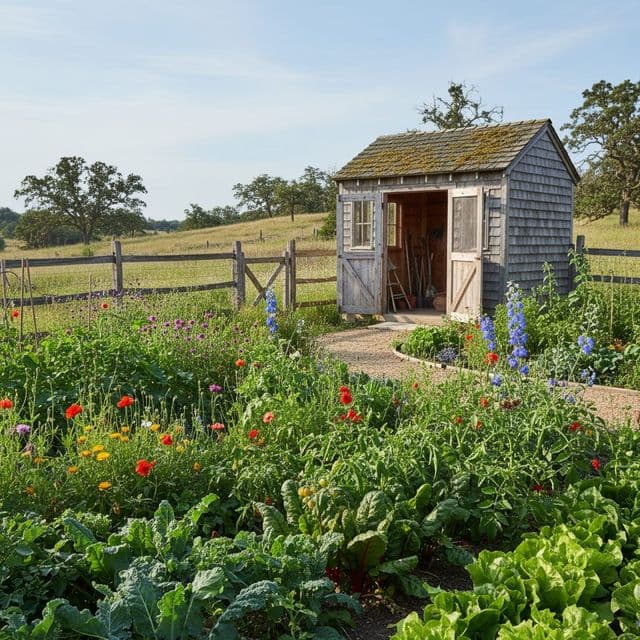
Beneficial Insects: Zone 6 Success with Proper Habitat
Learn how to effectively use beneficial insects for pest control in USDA Zone 6. Discover why habitat is essential for retaining ladybugs, lacewings, and mites long-term.
Tag
643 articles in this tag on agripure. — page 18 of 27
Learn how to effectively use beneficial insects for pest control in USDA Zone 6. Discover why habitat is essential for retaining ladybugs, lacewings, and mites long-term.
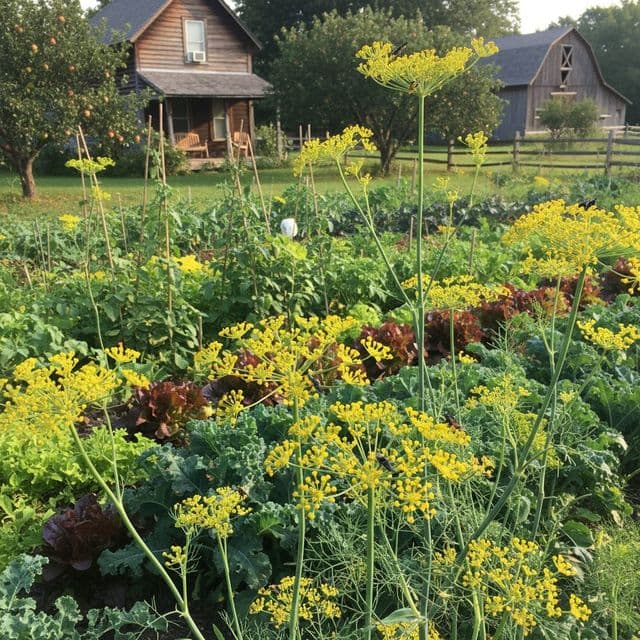
Learn how to attract native predatory wasps to your US garden. Discover their role in organic pest control, what plants to grow, and how to create habitats to reduce pest pressure naturally.
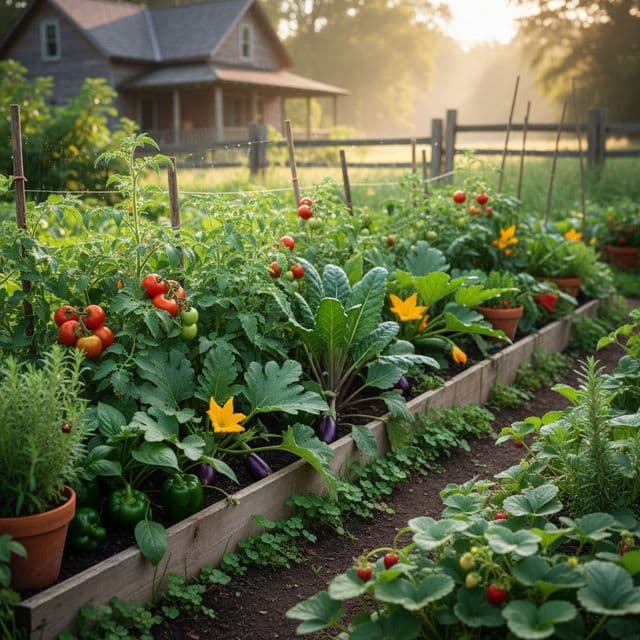
Learn to identify beneficial insect larvae like ladybugs, lacewings, and hoverflies. Protect these natural predators to reduce garden pests, save crops, and minimize pesticide use in your homestead.
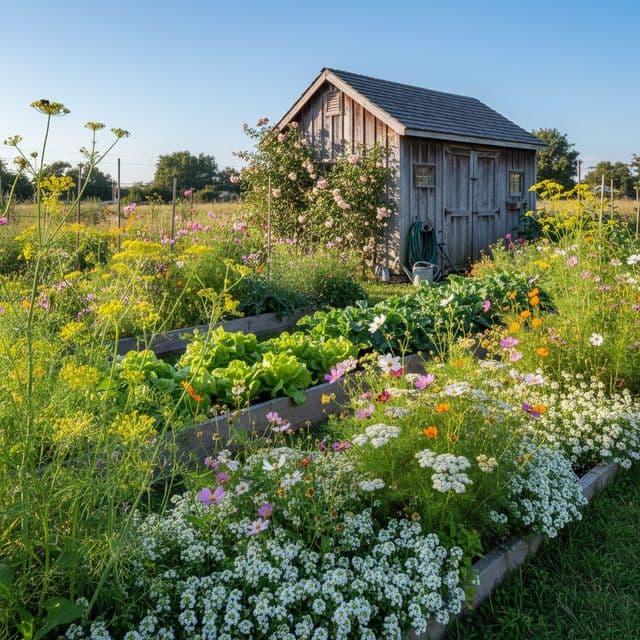
Insectary plants like alyssum, dill, and fennel attract beneficial insects and can reduce garden pests by up to 30%. Strategic placement provides natural pest control.
Understand US organic pesticide labels, OMRI certification, and IPM principles for effective pest control. Learn how to choose safe products and boost beneficial insects on your farm or garden.
Master organic pest control with effective IPM record-keeping. Learn how tracking garden data improves decision-making, reduces pest damage by 15-25%, and ensures a healthier, more productive garde…
Master organic pest prevention in USDA Zone 5. Learn strategic crop rotation, sanitation, and resistant varieties to reduce garden pests and diseases by 50% or more. Grow a healthier, more producti…
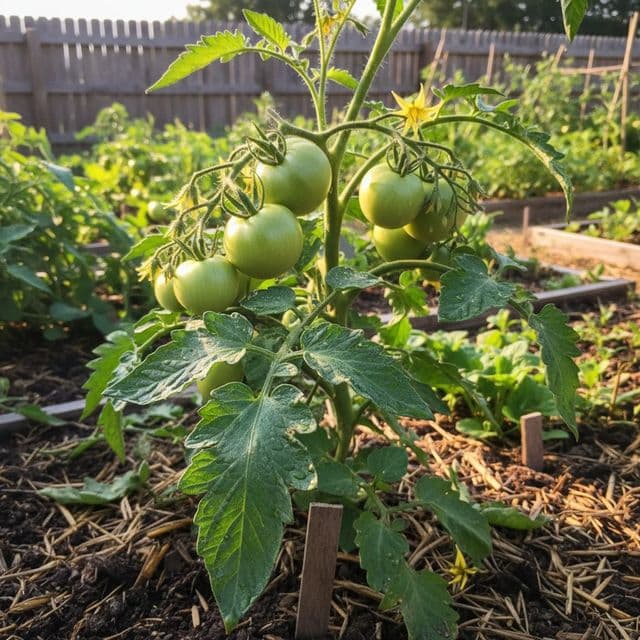
Learn how to set pest action thresholds for aphids on tomatoes in USDA zone 6. Understand economic injury levels, scouting methods, and factors influencing treatment decisions for effective, respon…
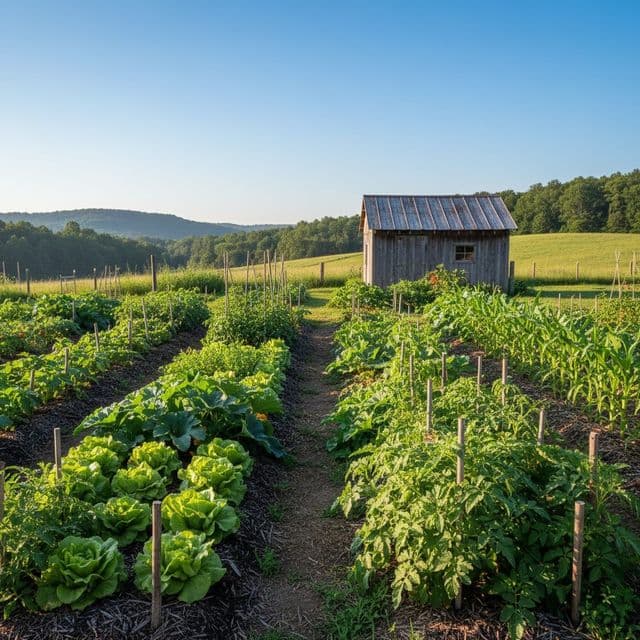
Protect your USDA Zone 6 garden with a weekly pest scouting checklist. Learn to identify common pests early, reduce crop loss, and minimize pesticide use with IPM strategies.
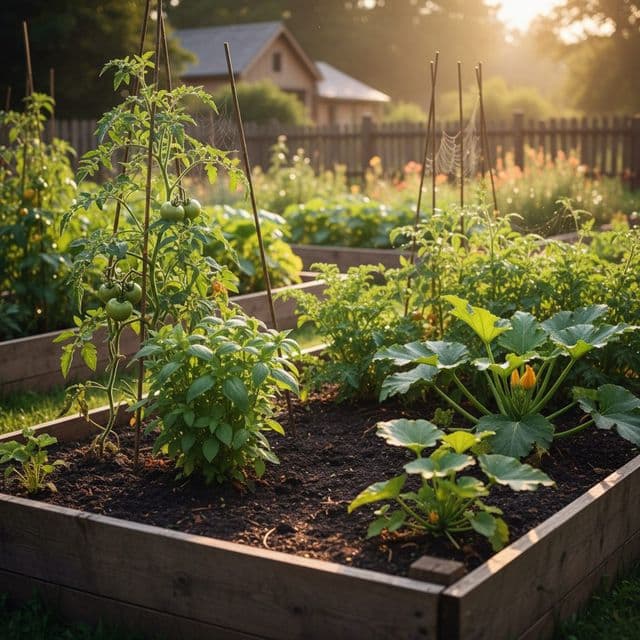
The 5 levels of Integrated Pest Management (IPM) for organic pest control in USDA Zone 6: prevent crop loss, reduce chemical use, and save costs with a systematic approach.
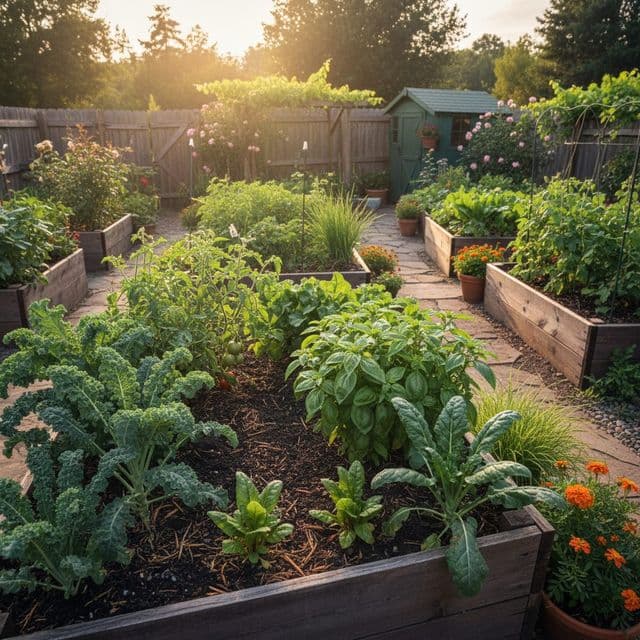
Learn why pausing fertilization during heat waves protects your garden plants from stress and nutrient burn. Discover signs of heat stress and smart management tips for a resilient garden.
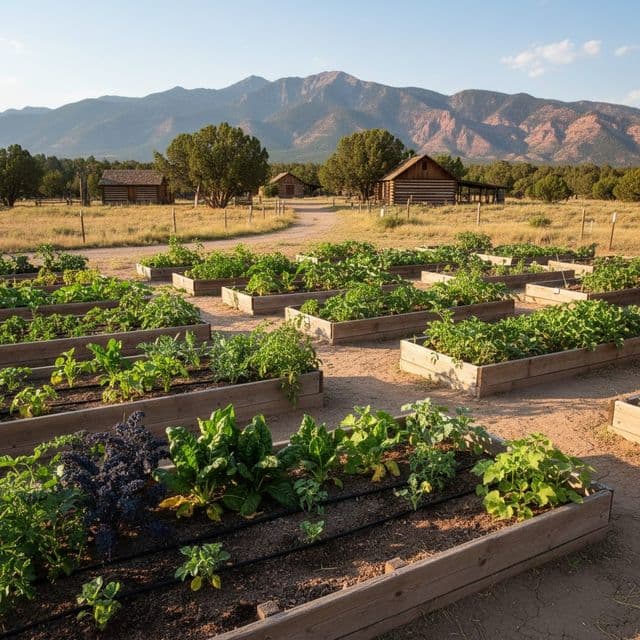
Boost your southwest garden’s drought resilience with compost tea and seaweed. Learn how these natural amendments improve soil health, water retention, and plant vigor in arid climates.
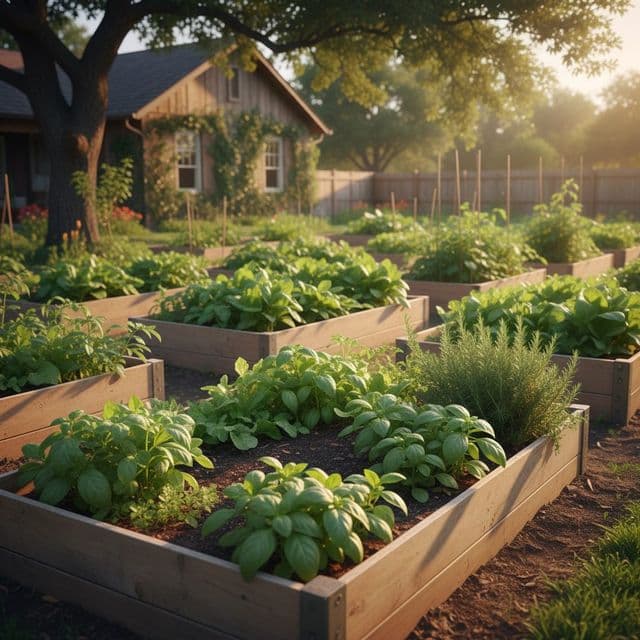
Combat nutrient lockout in US Southwest gardens. Learn how high heat and dry soil affect plant nutrient uptake and discover practical strategies to keep your plants thriving.
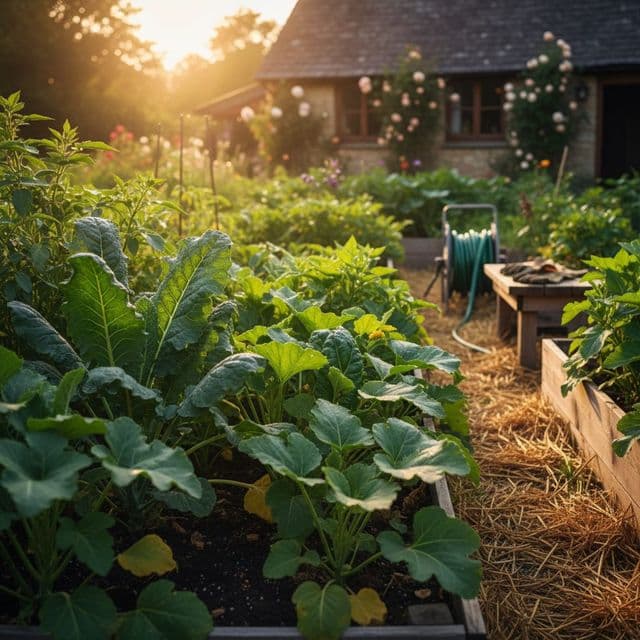
Using organic fertilizers and amendments in 90°F+ summers helps build soil organic matter, retain water, and improve yields for hot-weather vegetables in US gardens.
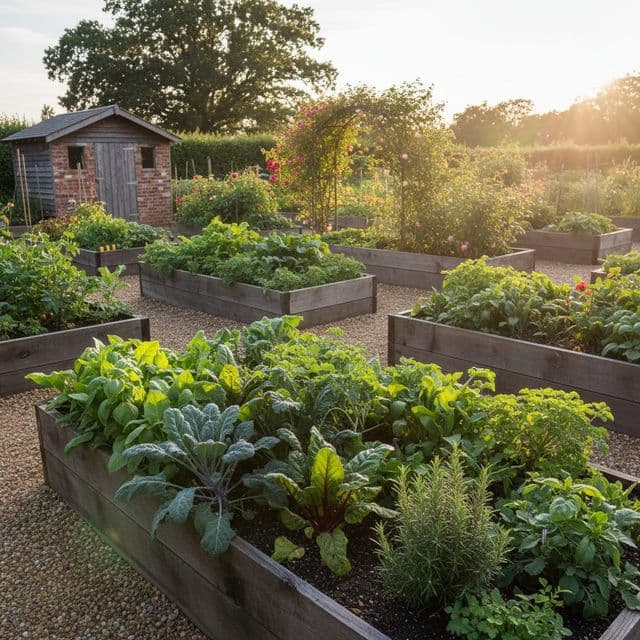
Learn how light, frequent soil feeding and foliar sprays boost nutrient uptake for heat-stressed plants. Improve resilience and yield in hot climates like USDA Zone 7 and beyond.
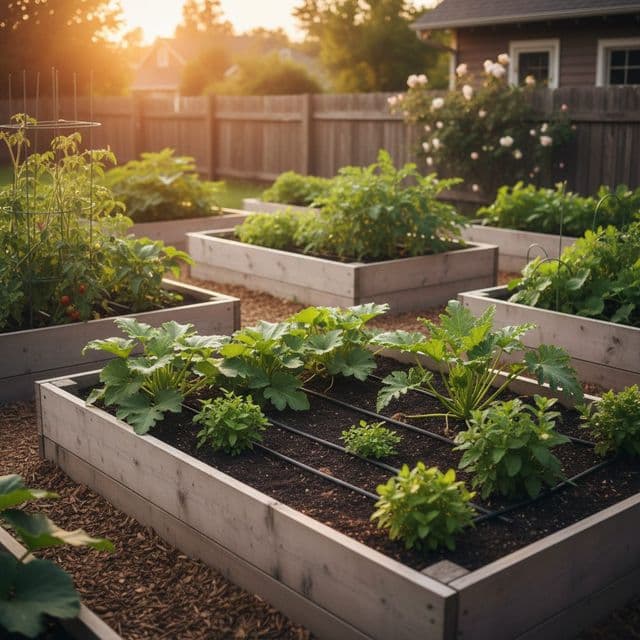
Discover how heavy nitrogen feeding harms corn yields during US heatwaves. Learn strategies for climate-resilient growing, reducing nitrogen, and building soil for drought and heat.
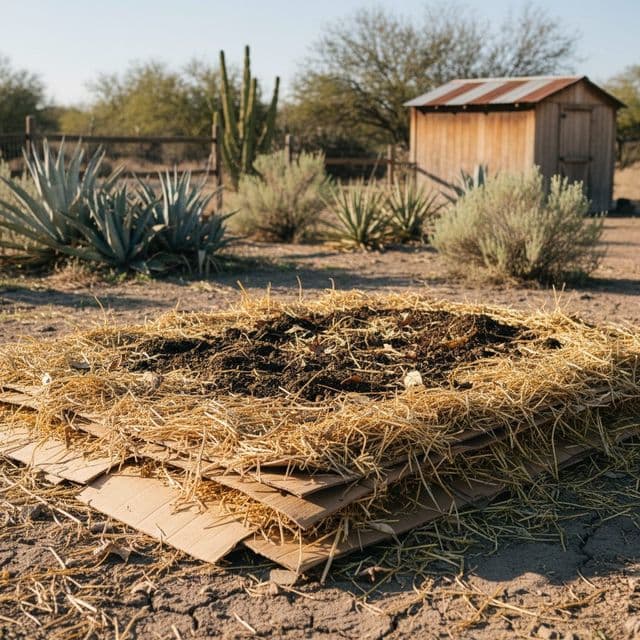
Discover how sheet mulching builds moisture-holding soil, reducing water evaporation by 30-35% and suppressing weeds. Achieve drought resilience for your US garden.
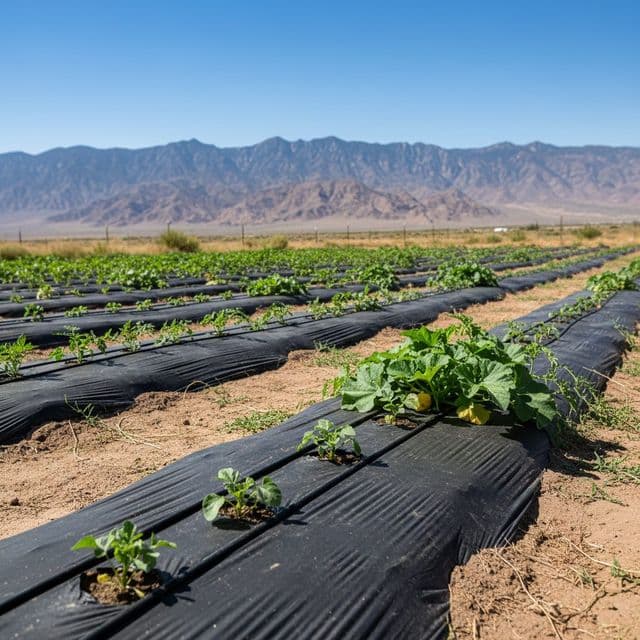
Inorganic and reflective mulches enhance climate resilience in US gardens by reducing water evaporation, moderating soil temperatures, suppressing weeds, and increasing crop yields. Learn how grave…
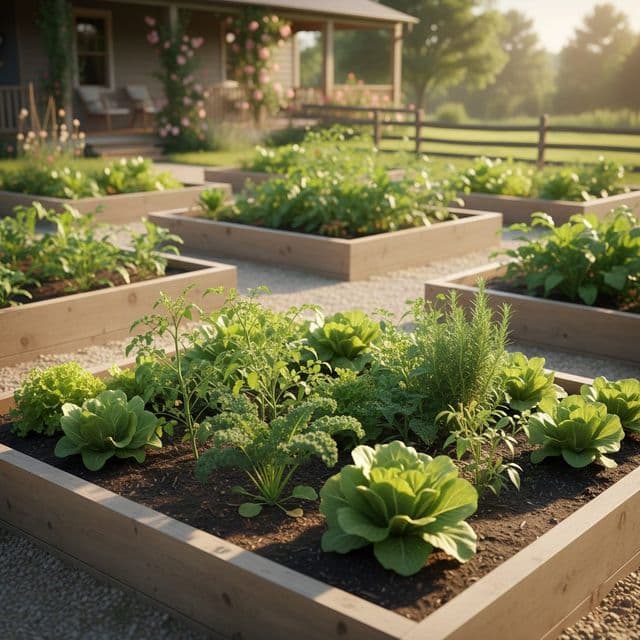
How to mulch vegetables, trees, and containers in US gardens for climate resilience, conserving water, moderating soil temperatures, and suppressing weeds in drought and heat.
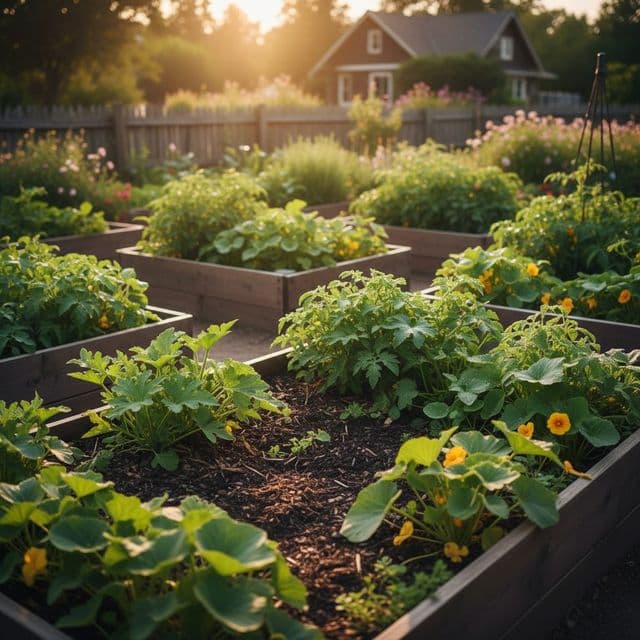
Learn how to apply mulch for drought resilience in USDA Zone 6 and beyond. Discover optimal depths, materials, and techniques to conserve water, suppress weeds, and build healthy soil in your garden.
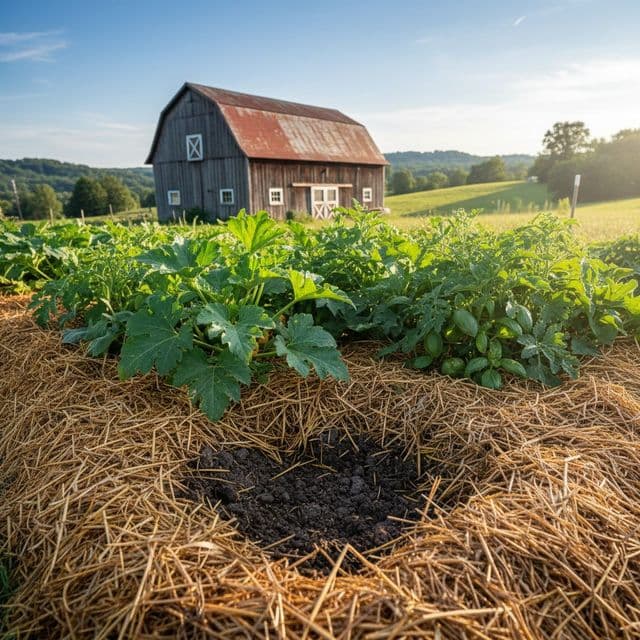
Discover how mulch reduces soil temperature, saves up to 35% irrigation water, and suppresses weeds in arid US gardens. Learn about straw, wood chips, and leaves for drought-resilient gardening.
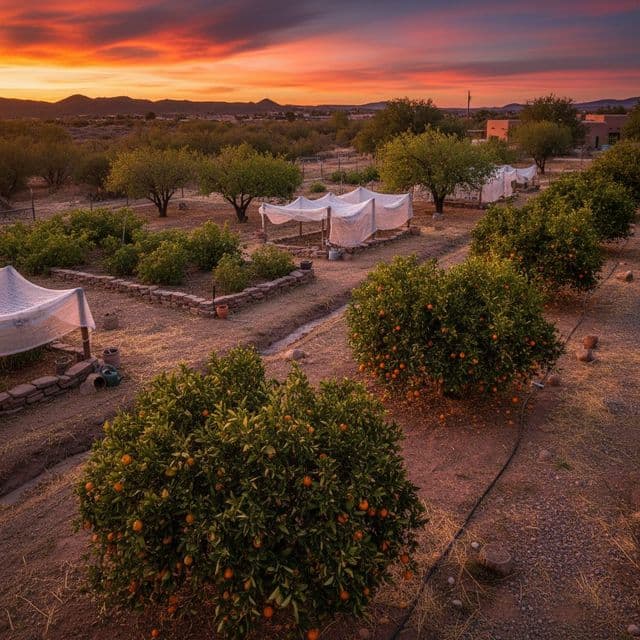
Learn how to recover heat-stressed fruit trees and berries in USDA Zone 8. This guide covers deep hydration, soil health, pruning, and pest management to revive your plants after heatwaves.
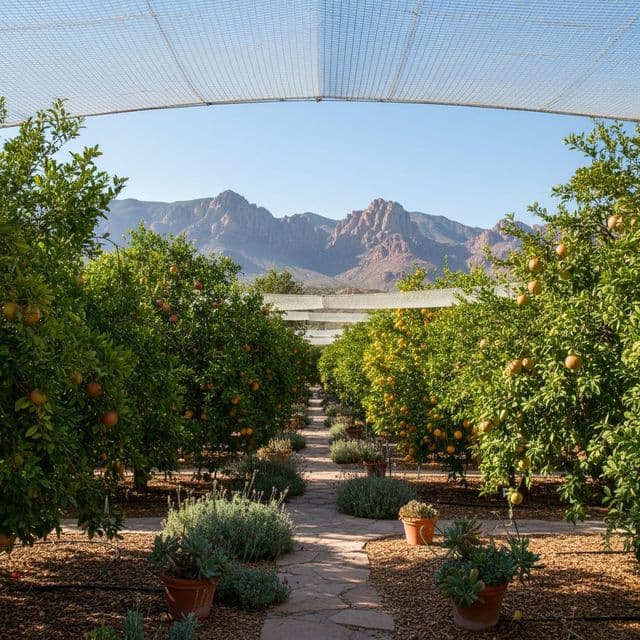
Shade netting protects desert fruit trees, reducing water use by 20-30%, preventing sunburn, and lowering temperatures by 10-15°F.
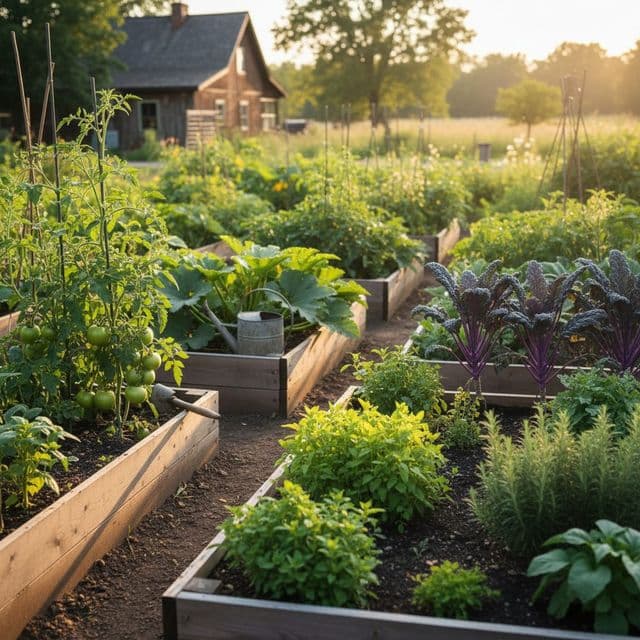
Learn essential strategies to protect young trees from summer heat and drought. Discover deep watering, mulching, and soil health tips for resilient homestead trees.