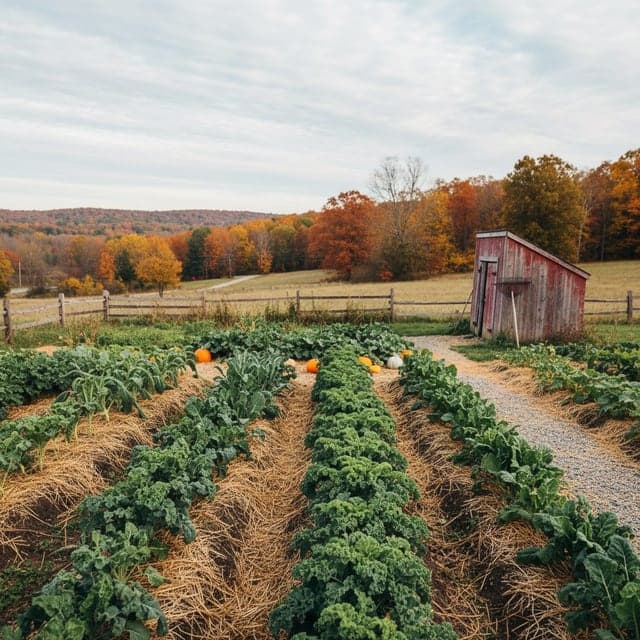
Fall Planting Dates: Calculate from First Frost
Master fall planting by calculating dates backward from your first frost. Learn to select cold-hardy crops, improve soil health, and extend your harvest in USDA Zone 6 and beyond.
Tag
860 articles in this tag on agripure. — page 19 of 36
Master fall planting by calculating dates backward from your first frost. Learn to select cold-hardy crops, improve soil health, and extend your harvest in USDA Zone 6 and beyond.
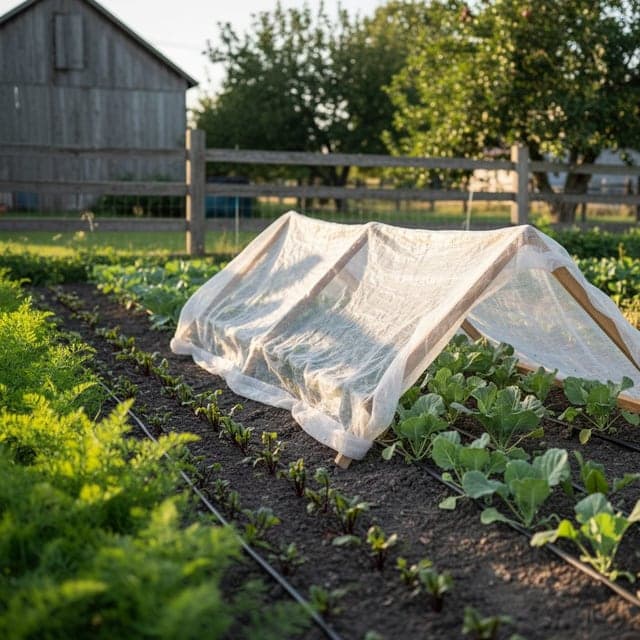
Extend your harvest with midsummer sowing. Learn to plant fall brassicas, carrots, and beets in USDA zones 4-9 for a bountiful autumn and winter yield. Get expert tips.
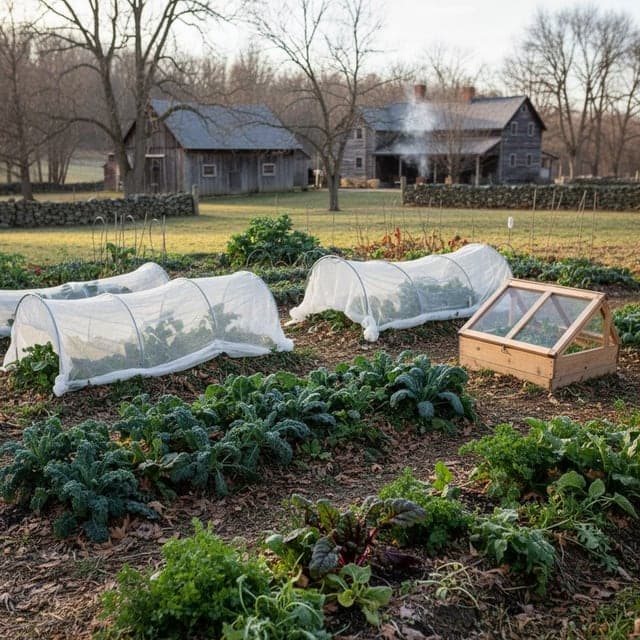
Maximize your garden’s yield in USDA Zone 6. Learn crop rotation, succession planting, and frost date planning to extend your harvest and get 30+ lbs per 100 sq ft.
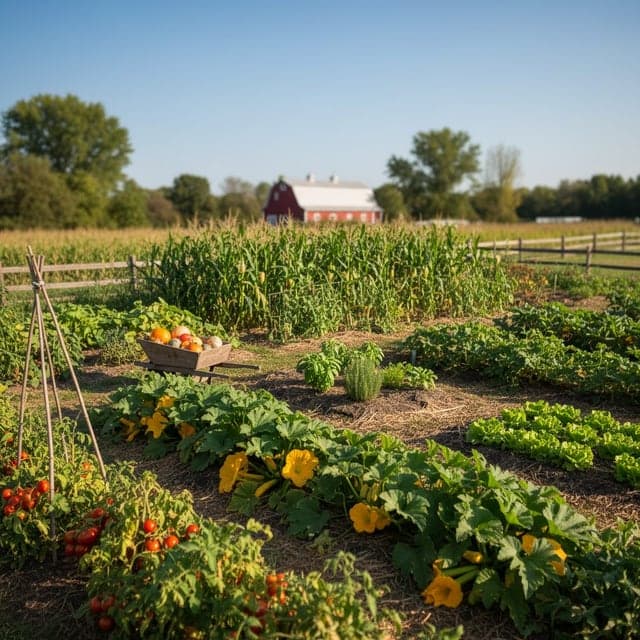
Maximize your garden’s yield with a succession planting schedule tailored to your USDA zone. Learn techniques for continuous harvest, improved soil health, and pest management.
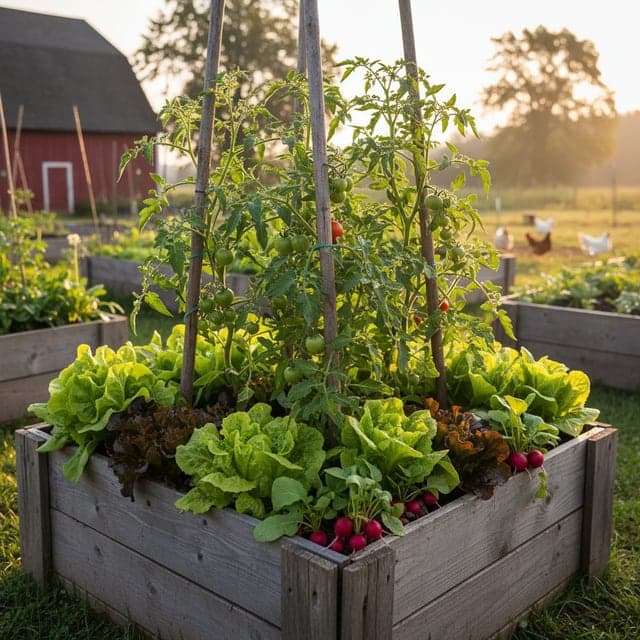
Learn how interplanting fast and slow crops can double your garden’s output. Discover strategic crop pairings, USDA zone planting calendars, and succession planting tips for maximum yield.
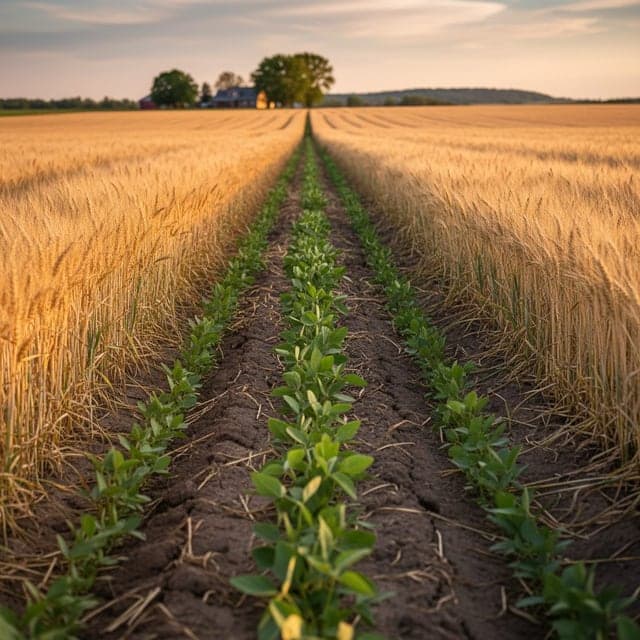
Use relay intercropping in US backyard beds to start your next vegetable crop 2–4 weeks before harvest clears: worked garlic, pea, brassica, and overwintered spinach calendars, crown-shearing to sa…
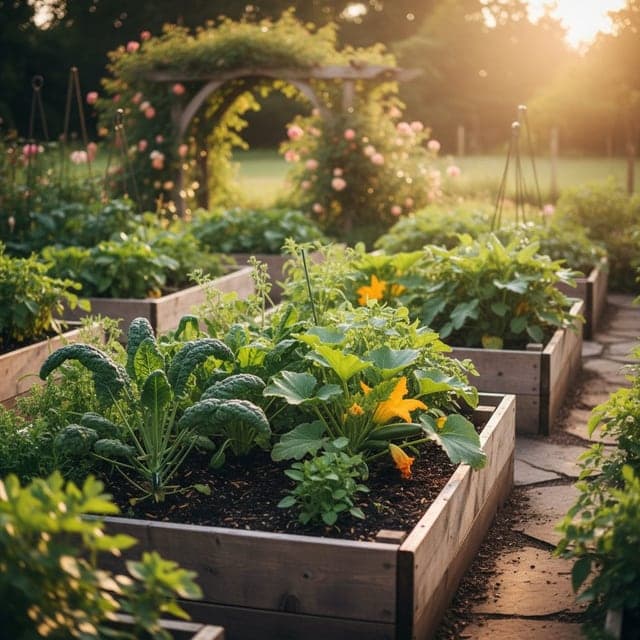
Master succession planting for continuous harvests of bush beans, radishes, and carrots. Learn to boost yields, improve soil health, and extend your growing season across USDA zones.
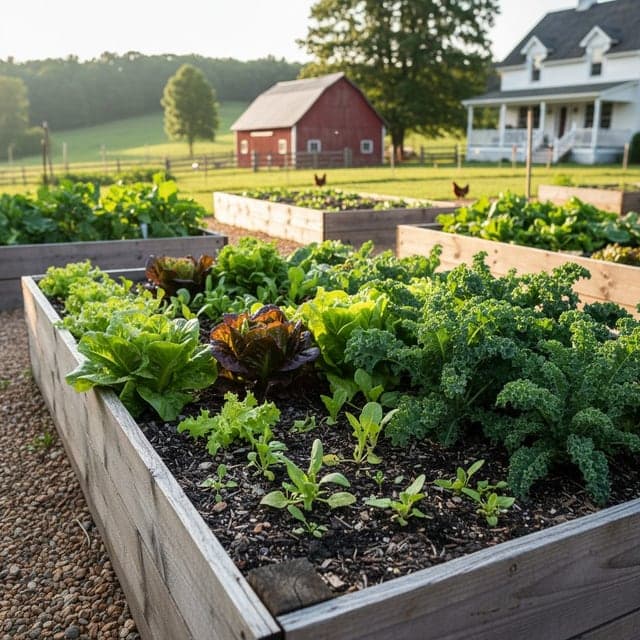
Maximize your garden’s yield with succession planting. Learn how to continuously harvest fresh lettuce and spinach every 2-3 weeks in USDA Zone 7, extending your season.
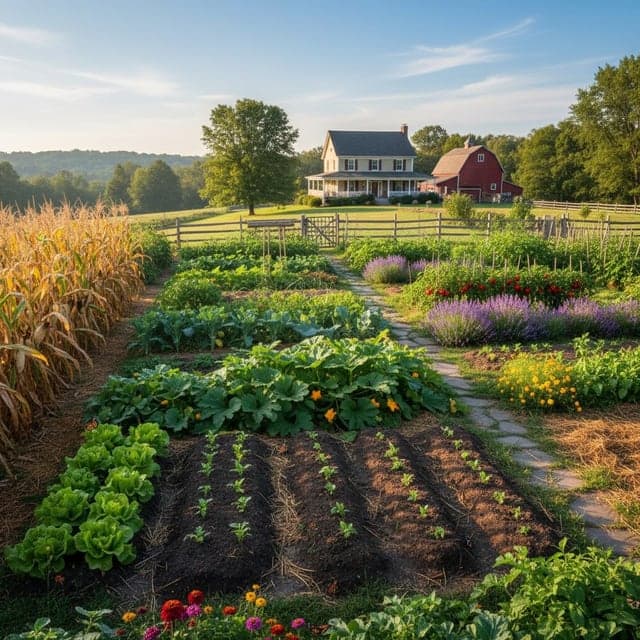
Learn four succession planting methods—same-crop, interplanting, relay, and follow-on—to maximize garden output. Get continuous harvests & boost yields in your USDA zone.
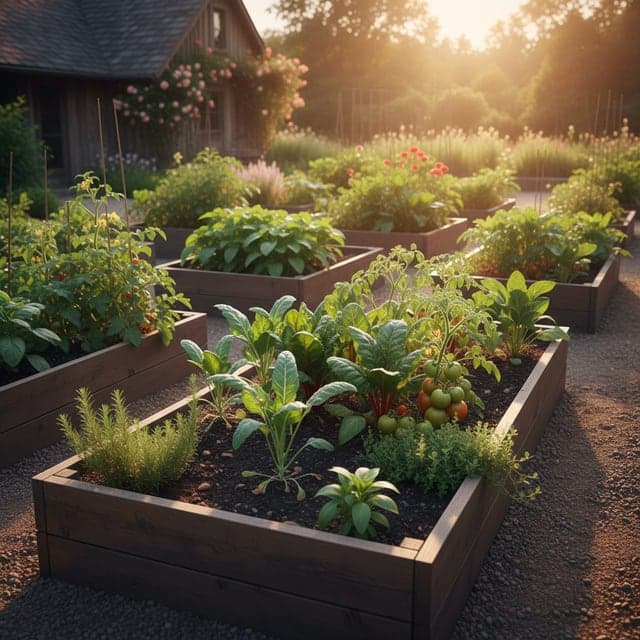
Learn how common crop rotation mistakes spread tomato and squash diseases, reducing yields. Discover effective strategies to break disease cycles and boost your garden’s productivity.
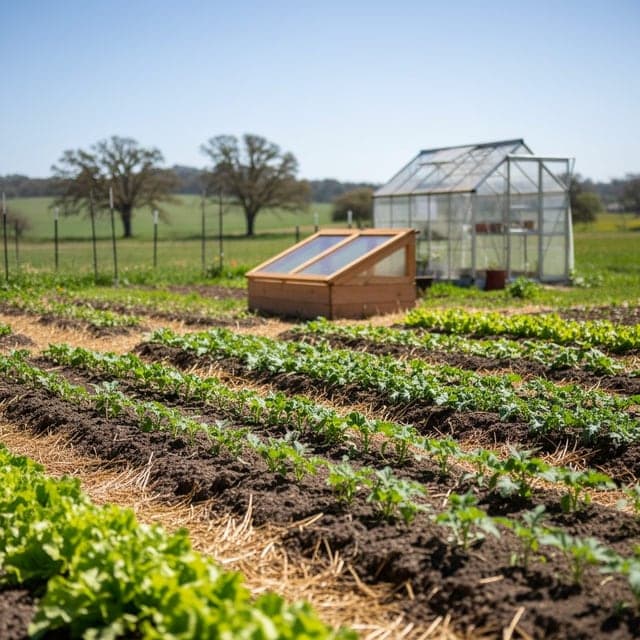
Master continuous harvest with a USDA zone planting calendar. Learn succession planting, crop rotation, and season extension for year-round garden productivity in any US region.
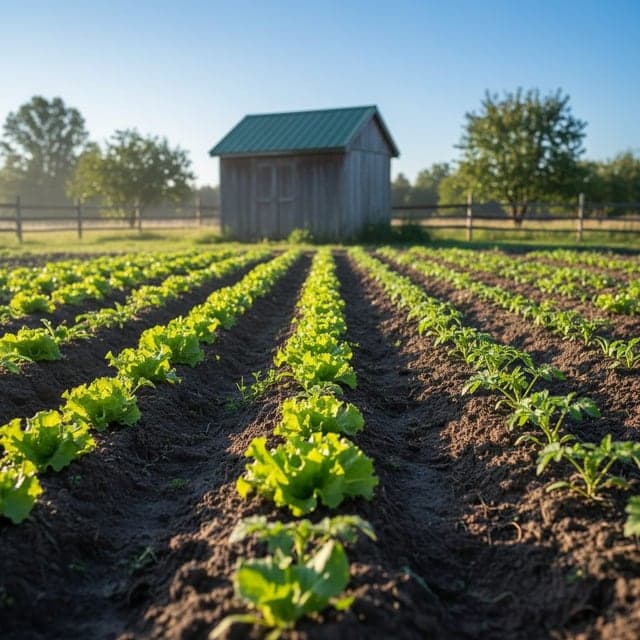
Master your USDA zone planting calendar by understanding frost dates & days to maturity. Learn to calculate optimal planting times for succession planting & crop rotation.
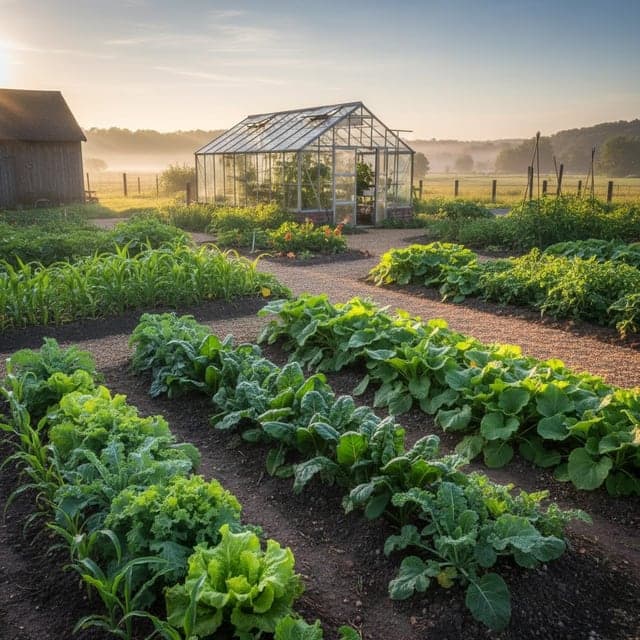
Time US cool-season and warm-season vegetables using local 50% frost dates and 4-inch morning soil temperature instead of USDA Hardiness Zones alone, with germination charts, regional windows, and…
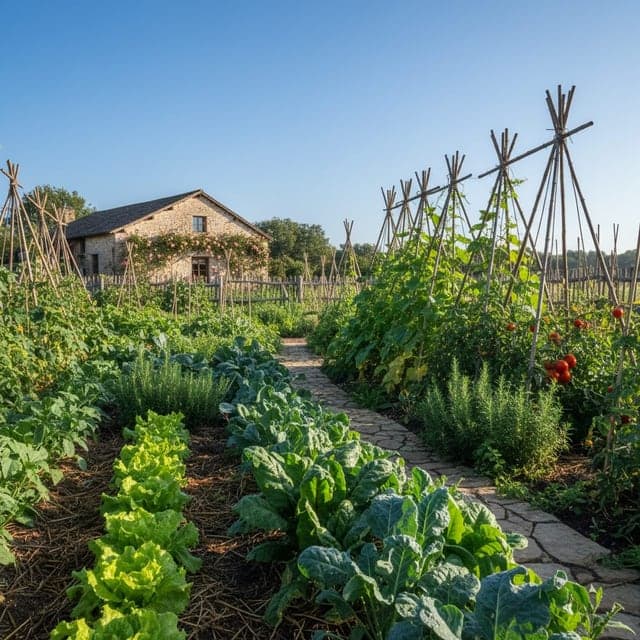
Invert the northern garden calendar for USDA Zones 9–10: run October–April as your main vegetable season, split Humid Florida from Arid California and Arizona windows, and use June–August solarizat…
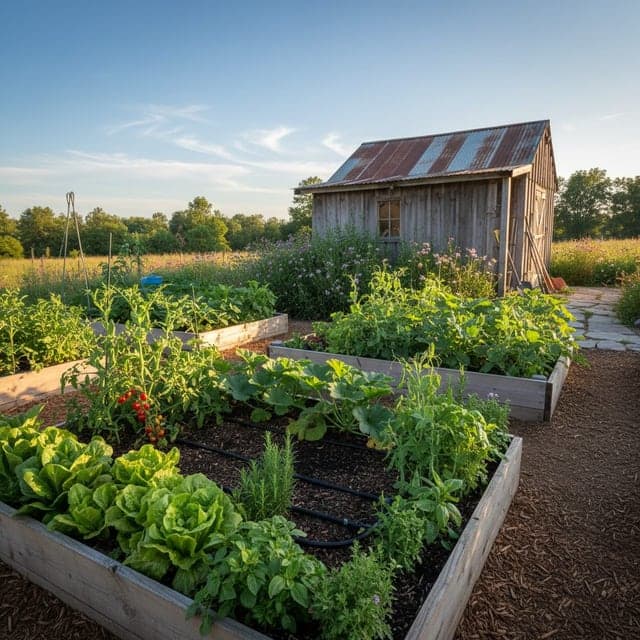
Maximize your garden’s potential with this Zone 7-8 planting calendar. Learn succession planting & crop rotation for Mid-South, PNW, & Mid-Atlantic regions.
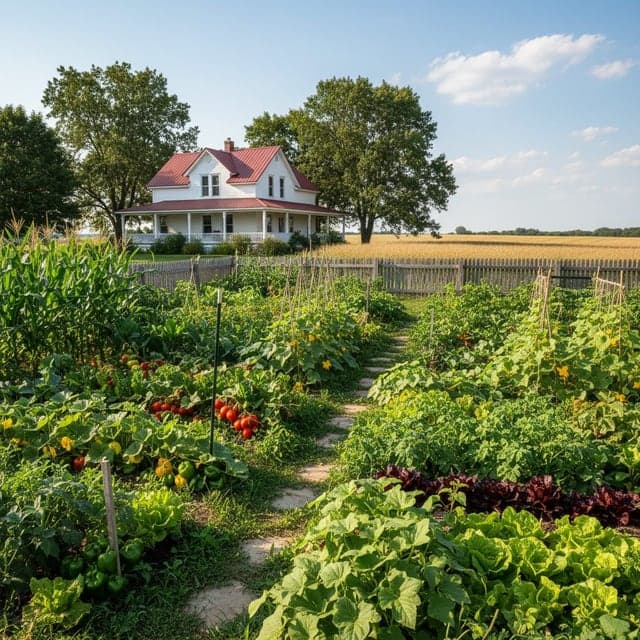
Master year-round planting in USDA Zones 5-6. This guide covers sowing, crop rotation, and succession planting for Midwest, Mid-Atlantic, and Mountain West gardens. Maximize yields.
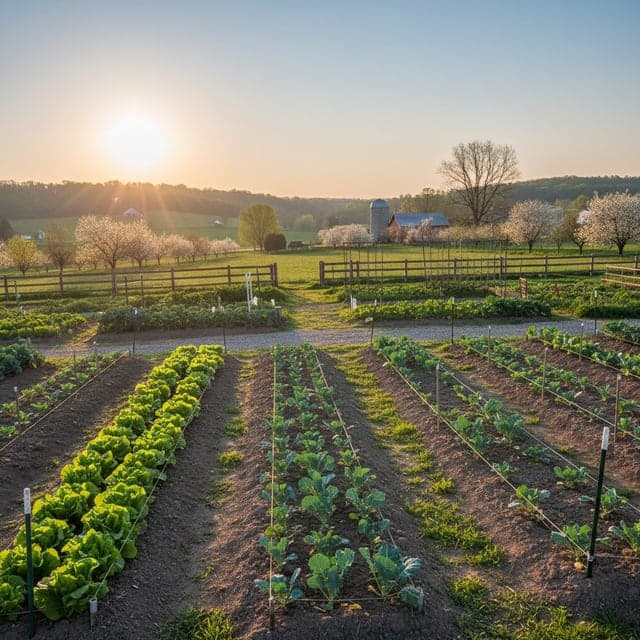
Find your average last and first frost dates to calculate growing season length in USDA Zone 6. Plan crop rotation and succession planting around your frost-free window.

How to organize spring plant sales in USDA Zone 6, including pricing methods, container sizes, and seed starting schedules.
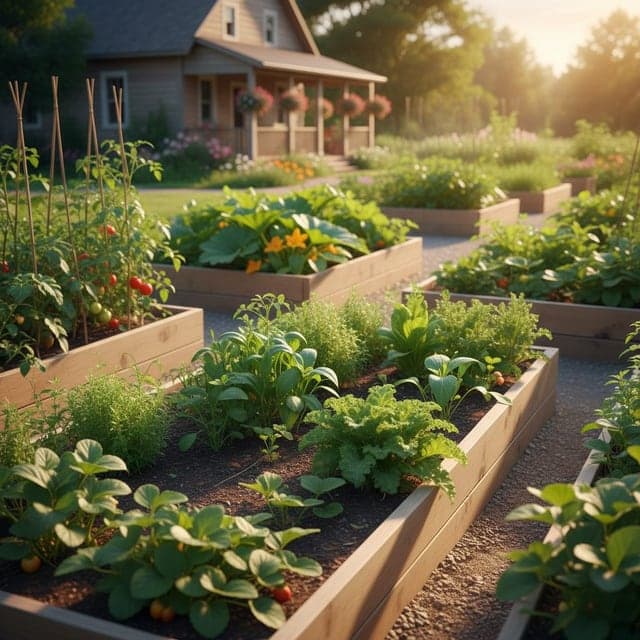
Discover how to propagate high-margin plants in the US for significant profit. Learn cost-effective methods, market research, and sales strategies for small growers.
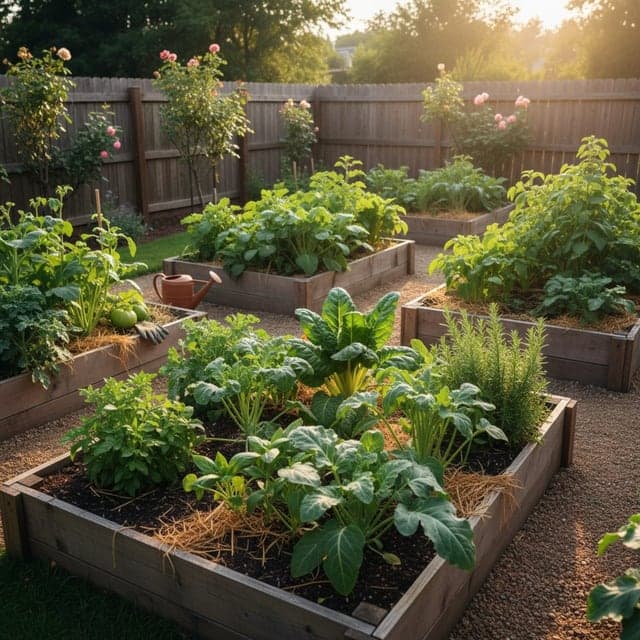
Master successful plant division in USDA Zone 6 with this guide. Learn optimal timing, tools, and aftercare for sturdy establishment and healthy garden growth.
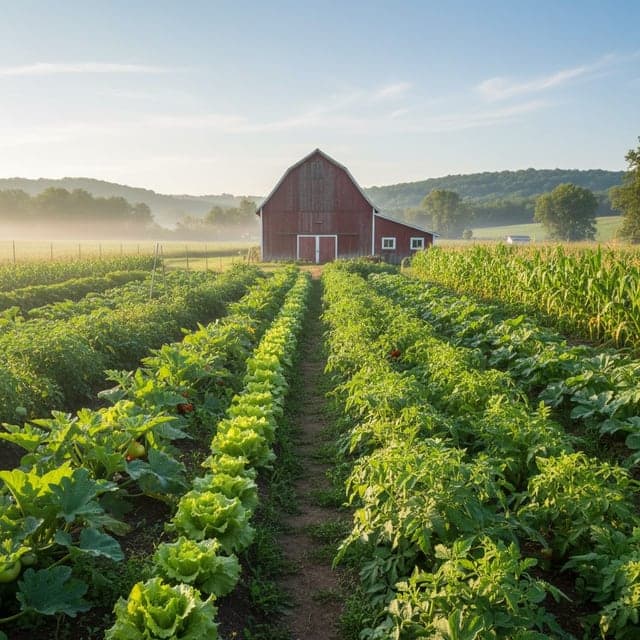
Master optimizing planting times for spring and fall across USDA zones. Learn how precise timing, soil prep, and microclimates boost yields for homesteaders.
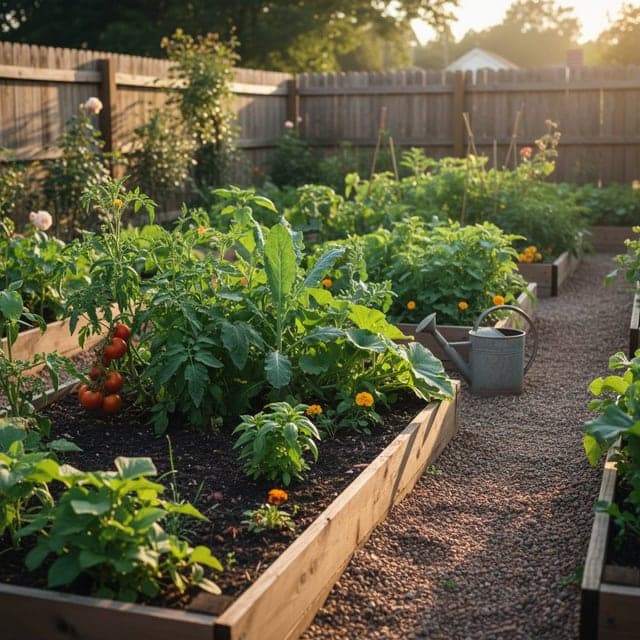
Dividing perennial edibles like rhubarb and asparagus rejuvenates plants, prevents overcrowding, and boosts garden productivity by 25% across USDA zones 4-8.
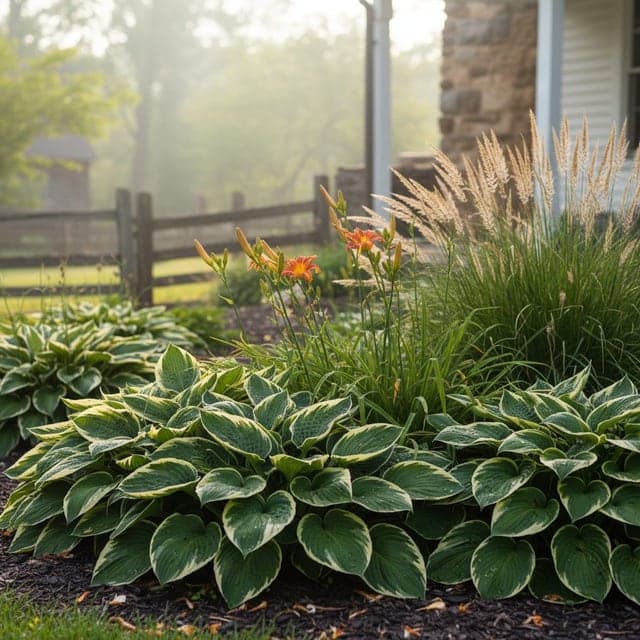
How to divide hostas, daylilies, irises, and ornamental grasses to multiply plant stock by 300%, covering timing, division methods, and replanting in USDA Zone 6.
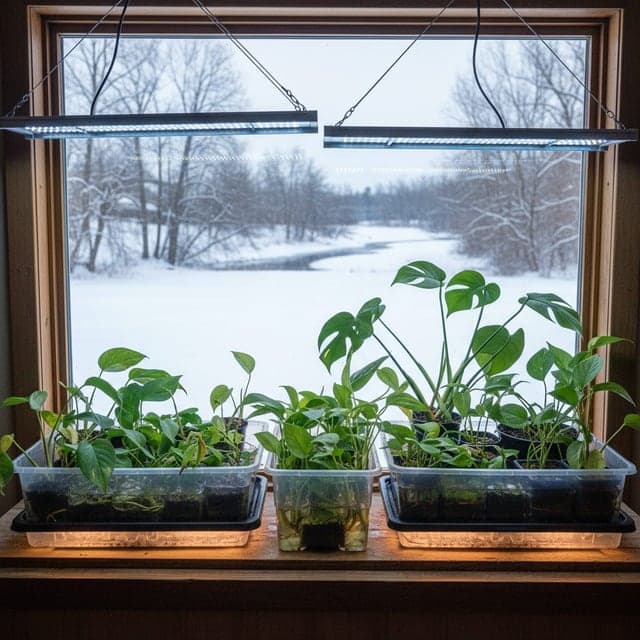
Master winter plant propagation. Learn how to prevent rot in cuttings by managing temperature, moisture, and light. Achieve 80%+ success rates even in cold weather with these expert tips.