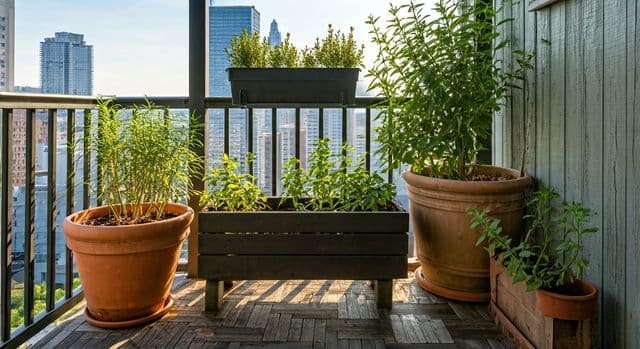
Balcony Sun Exposure Mapping for Urban Gardens in USDA Zone 7
Learn to map balcony sun exposure for successful urban container gardening in USDA Zone 7. Optimize plant choice & care for north, south, east, west-facing spaces.
Tag
642 articles in this tag on agripure. — page 8 of 27
Learn to map balcony sun exposure for successful urban container gardening in USDA Zone 7. Optimize plant choice & care for north, south, east, west-facing spaces.
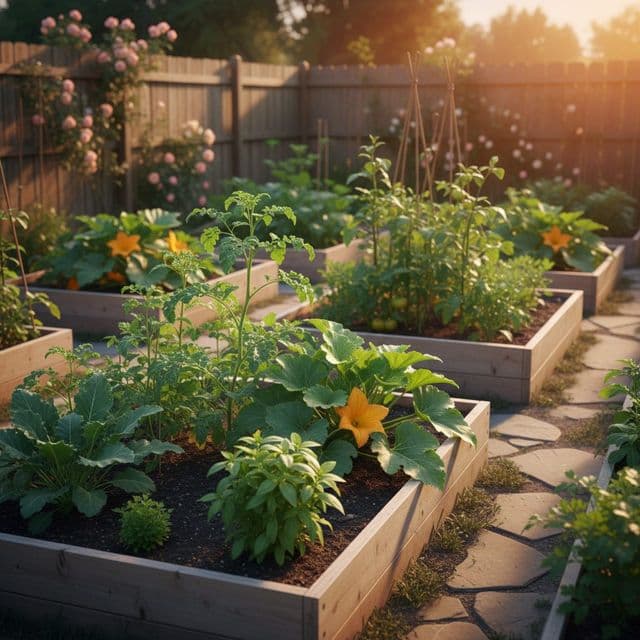
Maximize your small urban space. Learn to grow 10 easy vegetables in containers on your balcony, potentially yielding 50+ lbs of fresh produce. Master successful balcony container gardening.
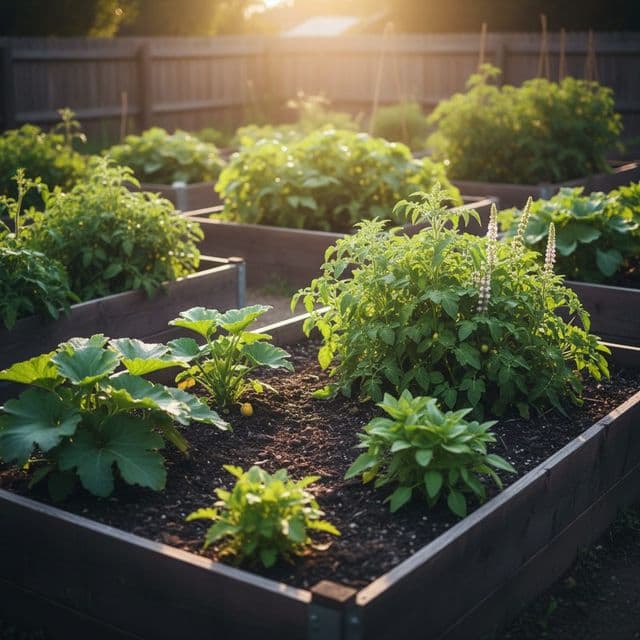
Master your garden with effective seed library organization. Learn to categorize seeds by sowing date, use USDA zones & frost dates, and implement succession planting for a bountiful harvest.
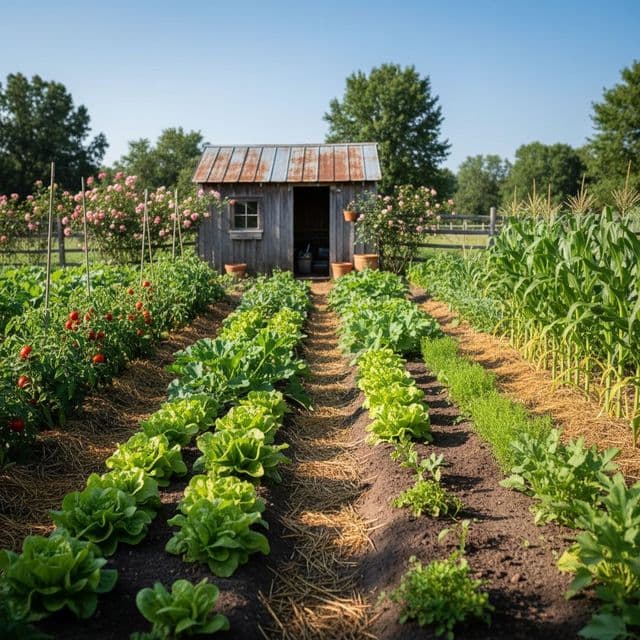
Understand open-pollinated vs hybrid seeds for resilience in USDA Zone 6. Learn how seed choice impacts crop rotation, succession planting, and long-term garden productivity.
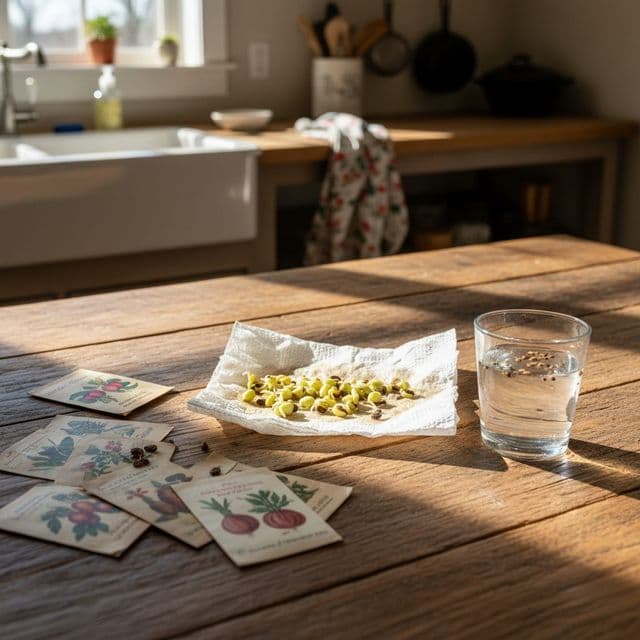
Learn how to perform a simple paper towel seed germination test to assess old seed viability. Ensure a successful harvest by testing your seeds before planting.
Maximize garden yields by understanding vegetable seed viability. Learn optimal storage conditions (cool, dry, dark), how to test germination, and integrate with crop rotation for success.
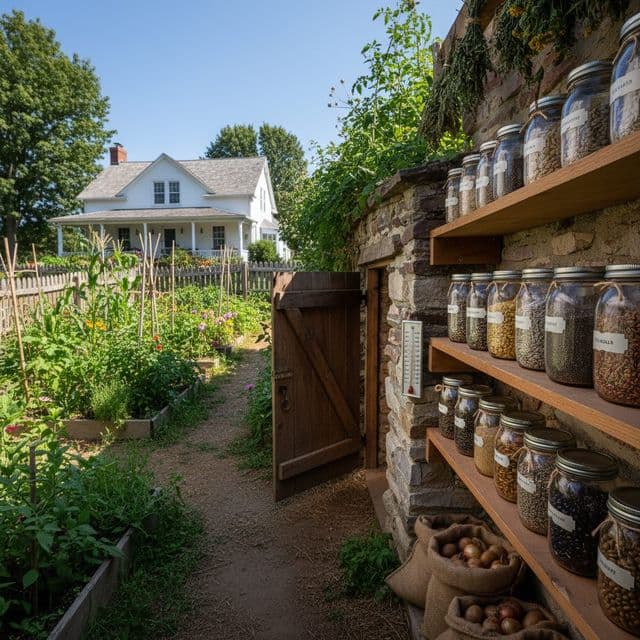
Learn critical environmental controls for long-term seed storage. Discover ideal temperatures (35-40°F), humidity (30-40%), and drying techniques to extend seed viability for years, ensuring succes…
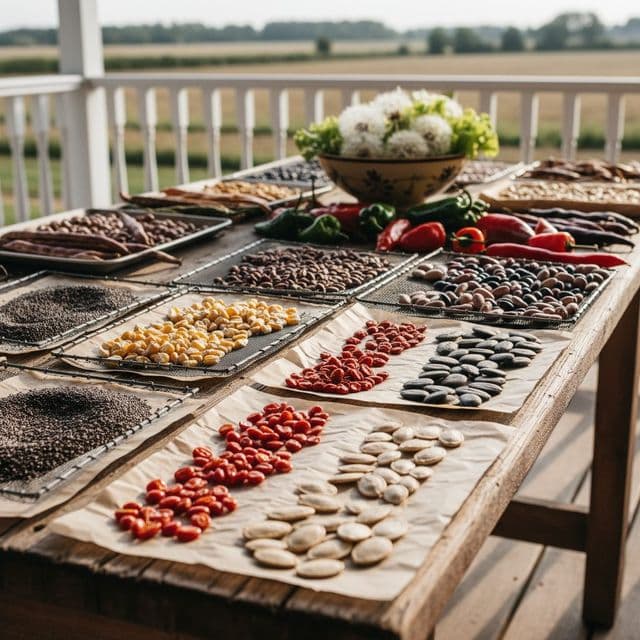
How to save seeds from tomatoes, beans, peppers, and lettuce, covering fermentation, drying, and storage techniques for US homesteaders.
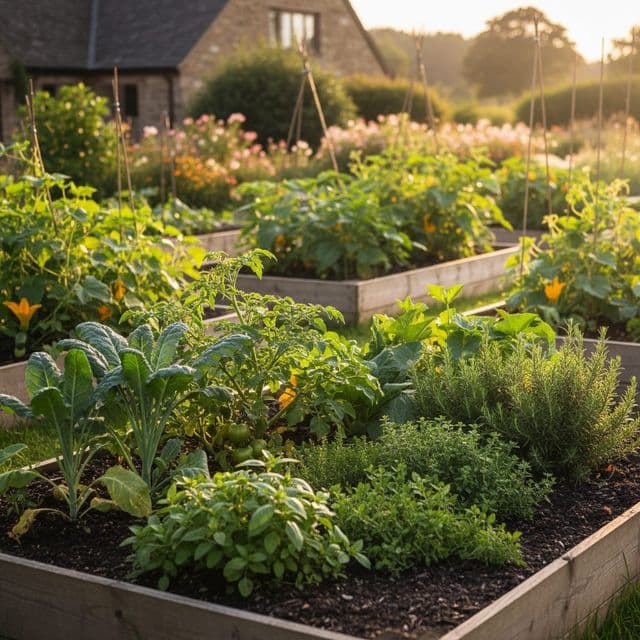
Learn how to properly harden off transplants to prevent shock and boost survival rates by 25-40%. Master this critical step for successful gardening in USDA Zone 6 and beyond.
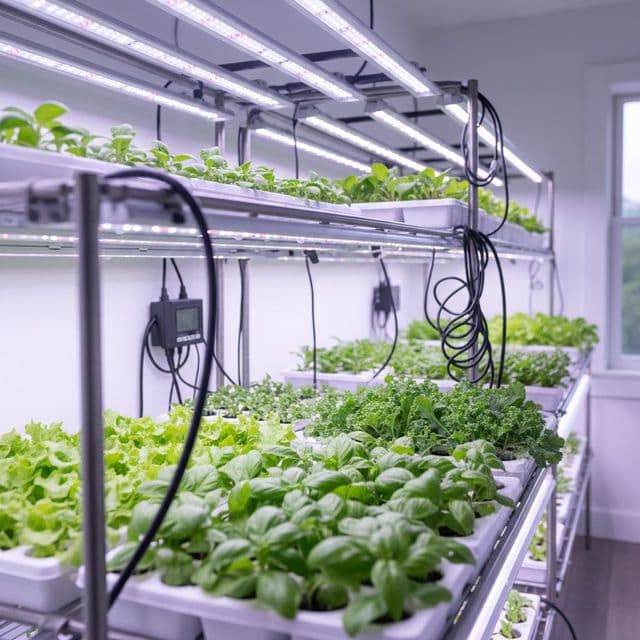
Prevent and fix leggy, crowded, or damped-off seedlings. This guide offers practical strategies for USDA Zone 6 growers to ensure strong, healthy plants from seed.
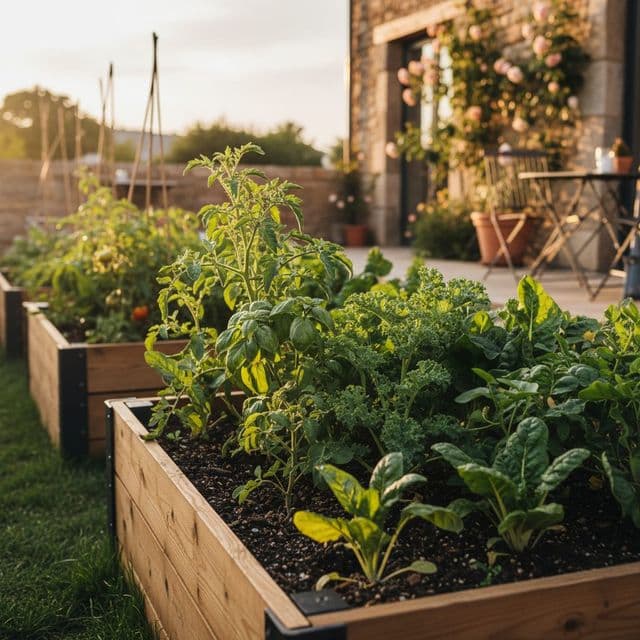
Maximize garden yields by choosing direct sow vs transplant. Learn which method suits root vegetables, warm-season crops, and your USDA Zone for a more bountiful harvest.
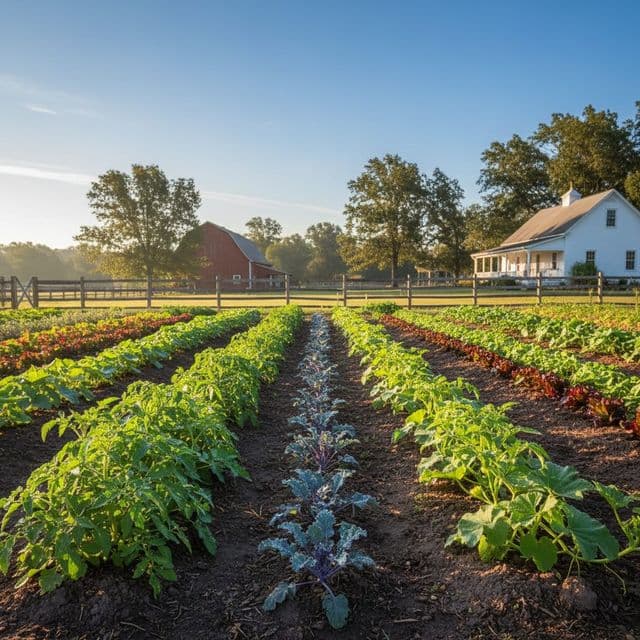
Thin carrot seedlings to 3-inch spacing in USDA Zone 6 to improve root size, reduce disease, and support succession planting.
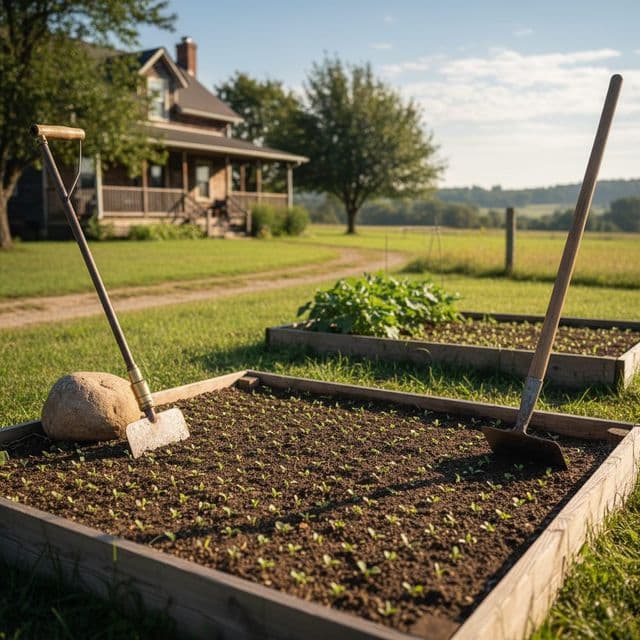
Master stale seedbed weed control in USDA Zone 6. Compare flame weeding vs. shallow hoeing for effective, chemical-free weed management, reducing weed pressure by up to 90%.
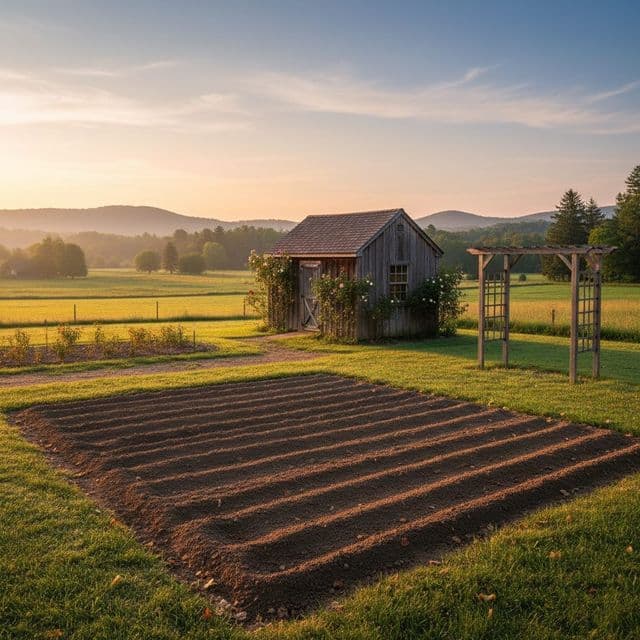
How stale seedbed preparation reduces early-season weed pressure by 40-60% for direct-sown crops, improving yields and saving labor while building soil health.
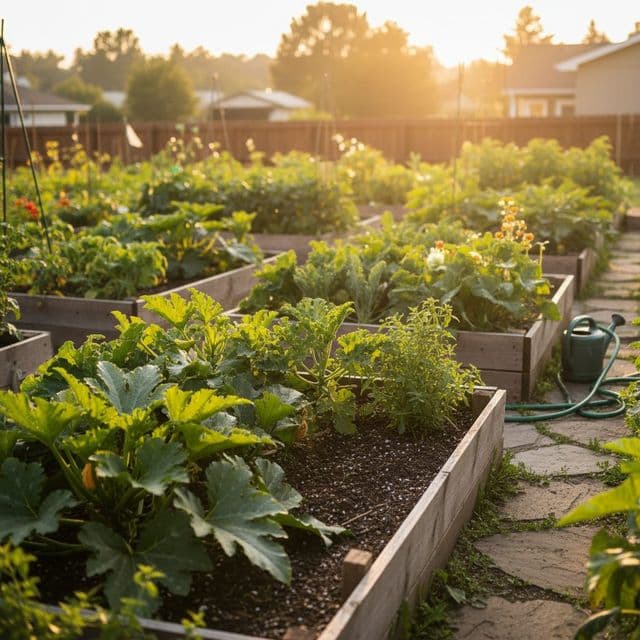
Bridge the summer gap in USDA Zone 6 with heat-tolerant crops, succession planting, and crop rotation. Maximize harvests even in 90°F heat.
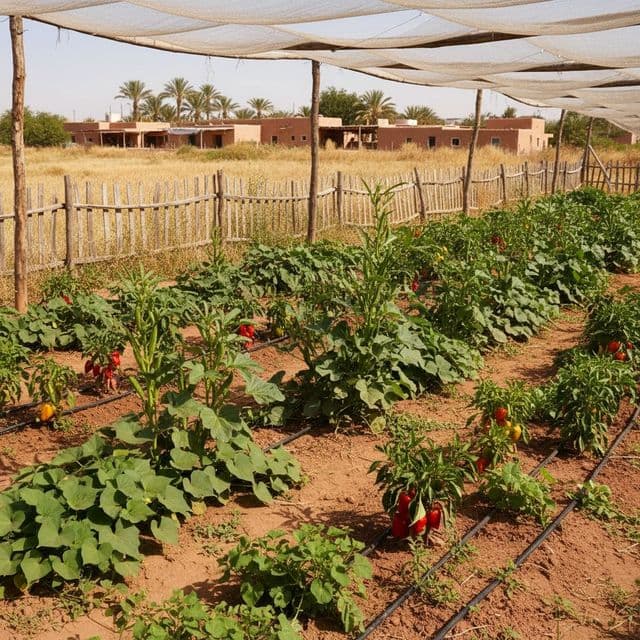
How to use a hot-season planting calendar in USDA Zones 8-10, covering crop rotation, succession planting, and heat management for continuous harvests in Florida & California.
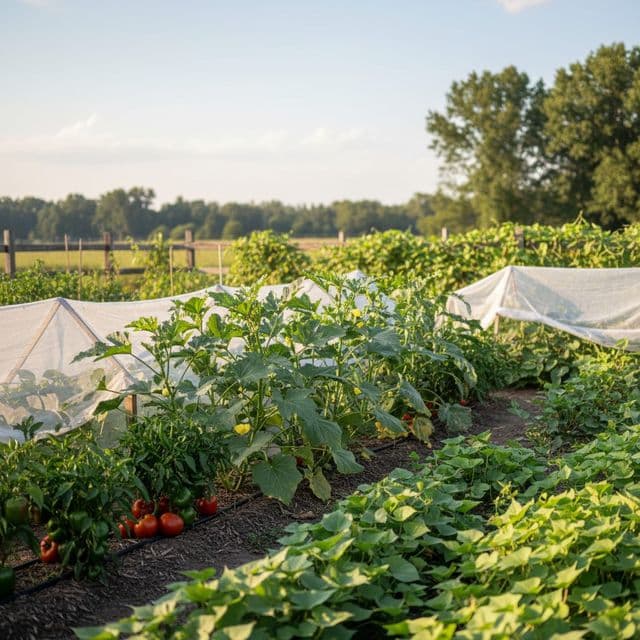
Master succession planting in USDA Zone 8 during 100°F heatwaves. Learn strategies for heat-tolerant crops, soil health, water management, and timing to ensure continuous harvests.
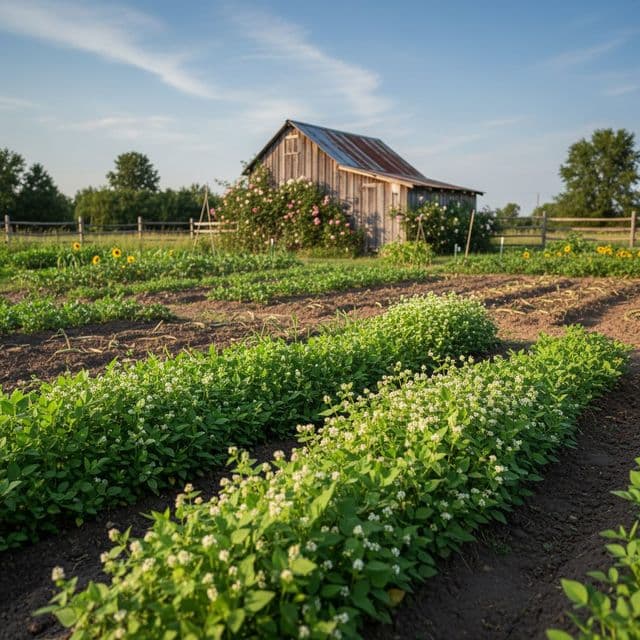
Boost garden soil health with summer cover crops like buckwheat and cowpeas. Learn how these plants prevent erosion, fix nitrogen, and improve organic matter in USDA zones 5-9.
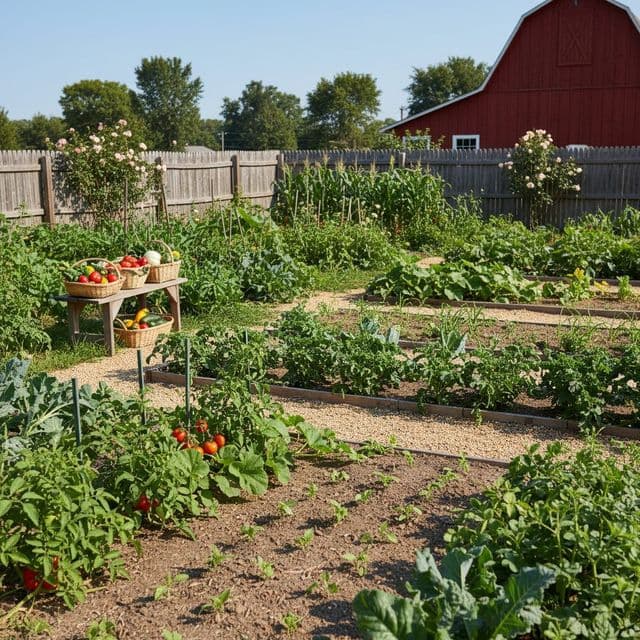
Succession planting produces continuous summer harvests in USDA Zones 5-9. Stagger fast-maturing crops to maintain yields, improve soil health, and reduce pests.
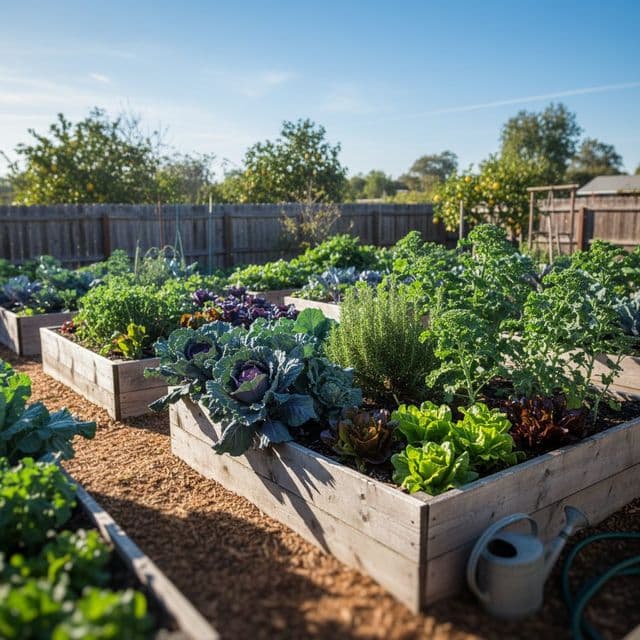
Don’t let bolted crops go to waste! Learn how to salvage bolted crops for compost, animal feed, or seeds. Discover prevention tips like succession planting and crop rotation for US growers in USDA…
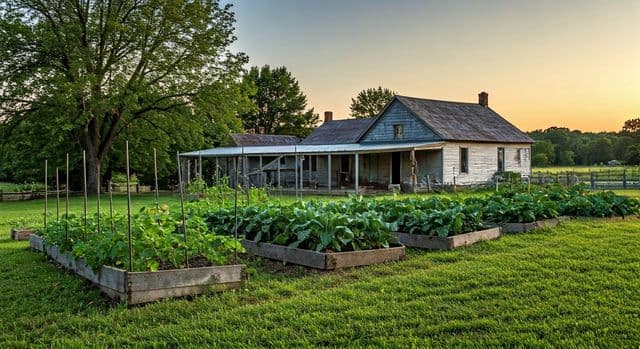
Prevent premature bolting in lettuce & spinach across USDA zones 3-9. Learn strategic shade, watering, and planting techniques to extend your harvest and keep greens fresh.
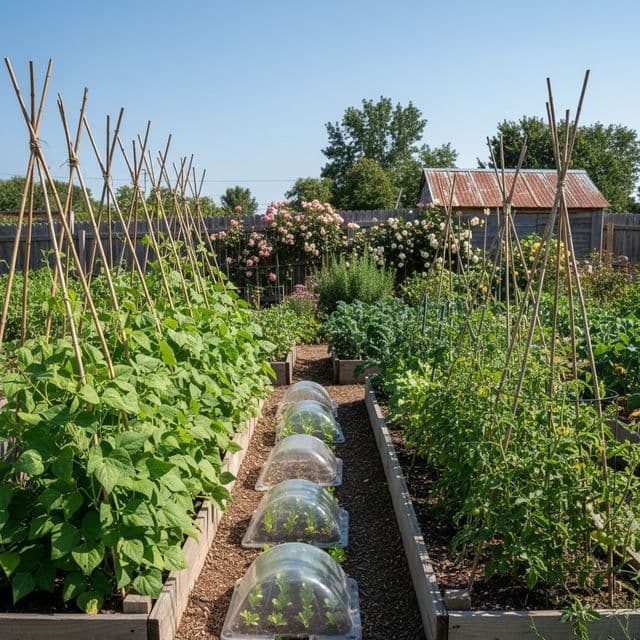
Extend your harvest in USDA zones 7-10 with bolt-resistant crops. Learn succession planting, crop rotation, and cultural practices to prevent bolting and enjoy fresh greens longer.
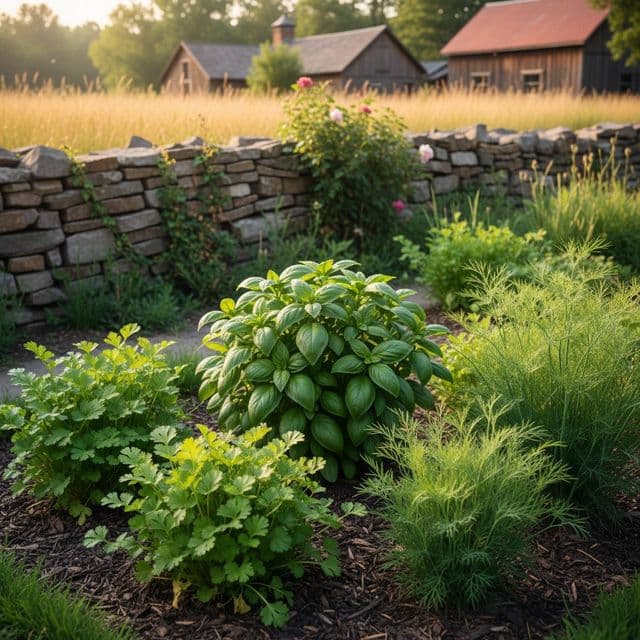
Learn how to prevent herb bolting in cilantro, basil, and dill. Use succession planting, crop rotation, and shade to extend your fresh herb harvests by weeks, especially in USDA Zone 7.
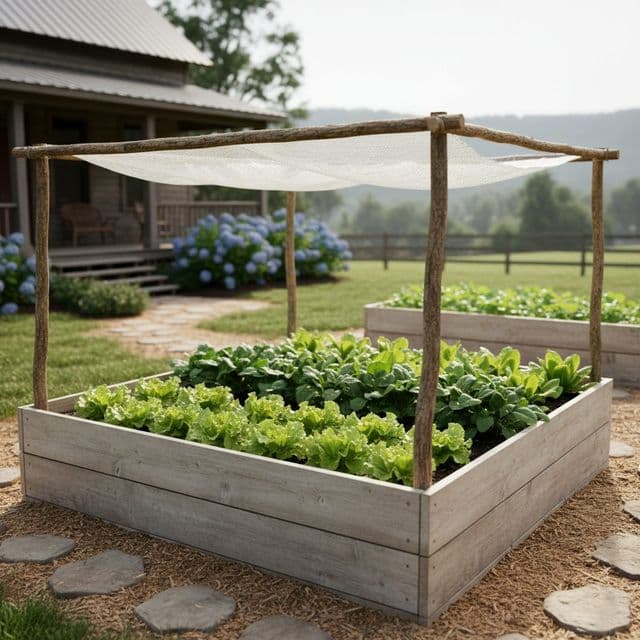
Master strategies to prevent lettuce and spinach bolting in USDA Zones 3-9. Learn succession planting, shade, and variety selection for continuous, tender greens all season.