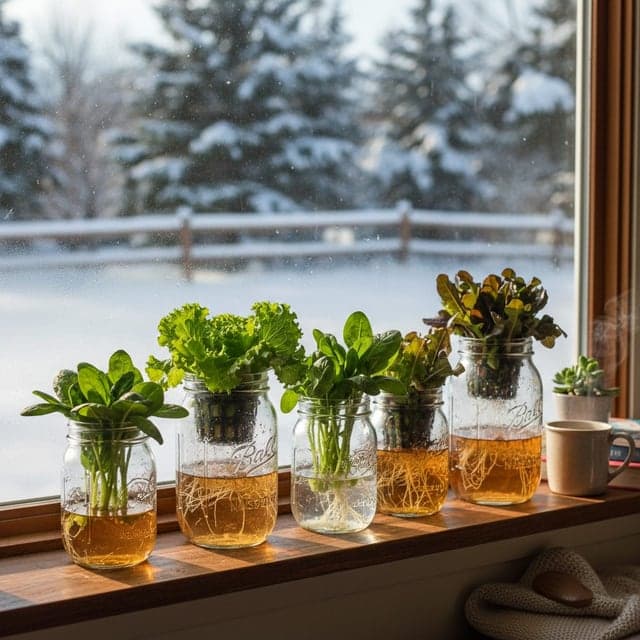
Kratky hydroponics: grow winter greens indoors in USDA zones 3-6
Extend your harvest. Learn to grow fresh winter greens indoors using the passive Kratky hydroponic method. Perfect for USDA zones 3-6, providing produce for months.
Tag
860 articles in this tag on agripure. — page 7 of 36
Extend your harvest. Learn to grow fresh winter greens indoors using the passive Kratky hydroponic method. Perfect for USDA zones 3-6, providing produce for months.
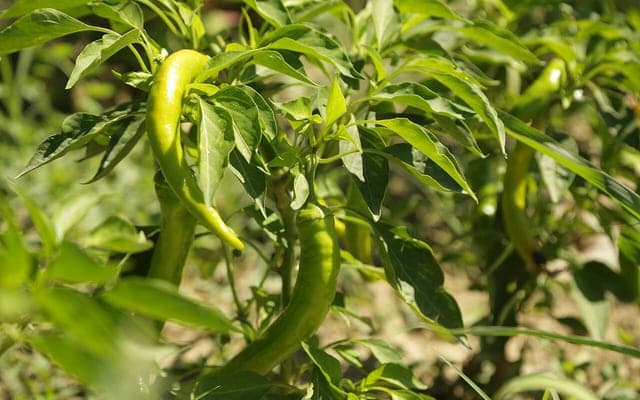
Compare DIY opaque Kratky jars and #2 HDPE totes against countertop AeroGarden Harvest and Bounty units: 12-month $USD TCO, $/oz harvest math at $0.16/kWh, EC/pH balance, 3–5 gal tomato limits, GFC…
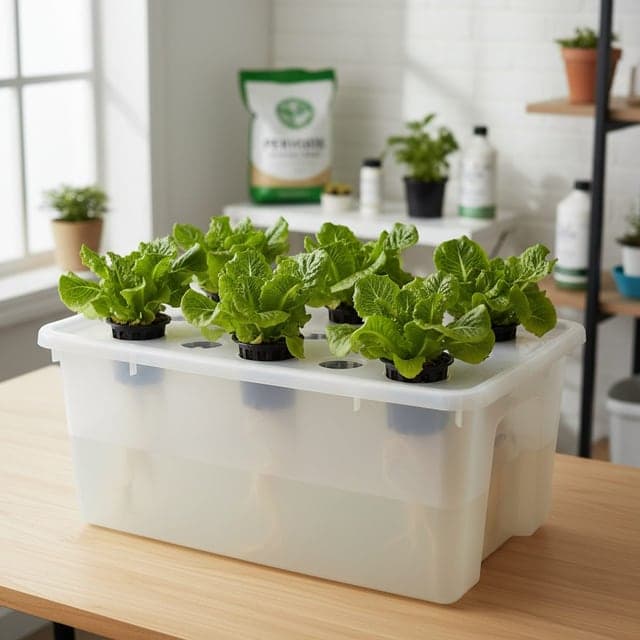
Scale passive Kratky hydroponics past buckets into 17-gal, 27-gal, and 55-gal food-grade #2 HDPE/#5 PP totes and 275-gal IBC reservoirs: 8.34 lb/gal deck load math, thermal sleeves against >75°F bl…
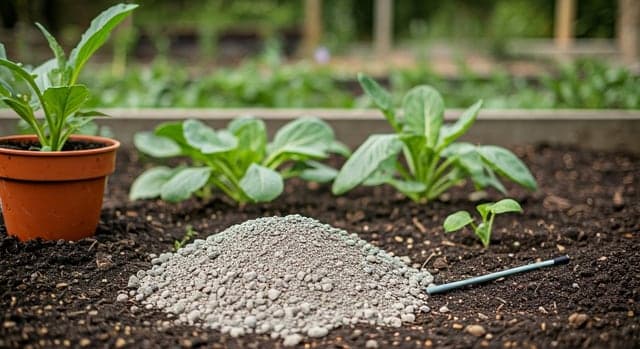
Restore depleted US Midwest garden soil with rock dusts & azomite. Learn how these amendments, combined with soil testing, can improve plant health & yields over time.
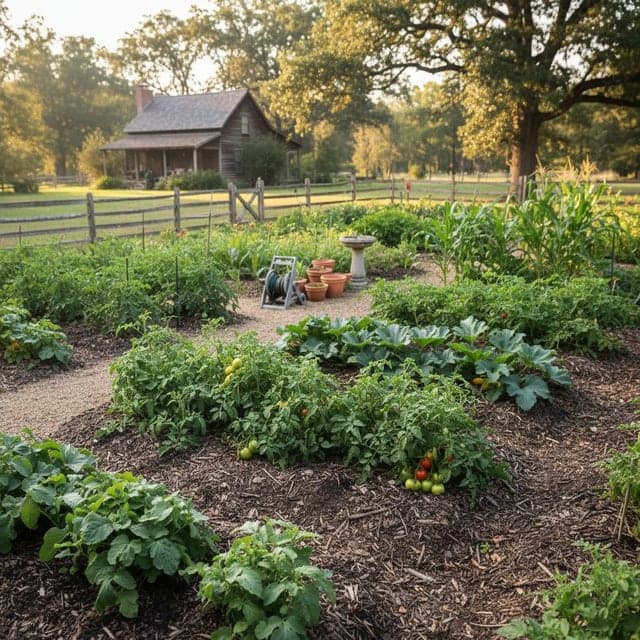
Kelp and seaweed amendments improve soil structure and supply trace minerals to crops like sweet corn. This guide covers soil testing, application rates, and foliar feeding methods.
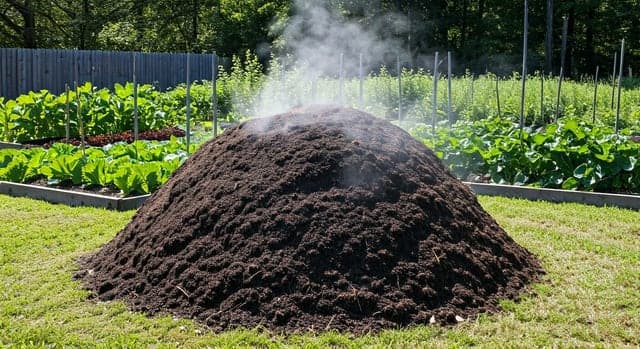
Learn how proper composting manure or aging prevents plant burn and pathogens in your garden. Essential tips for USDA Zone 6 gardeners to enrich soil safely.

Learn safe manure application rates for your garden. Discover how soil testing, composting, and specific guidelines for chicken, horse, and rabbit manure improve soil fertility.

Explore research on store-bought mycorrhizal inoculants for Midwest gardens. Learn when these fungi boost plant growth, improve soil, and reduce fertilizer needs.
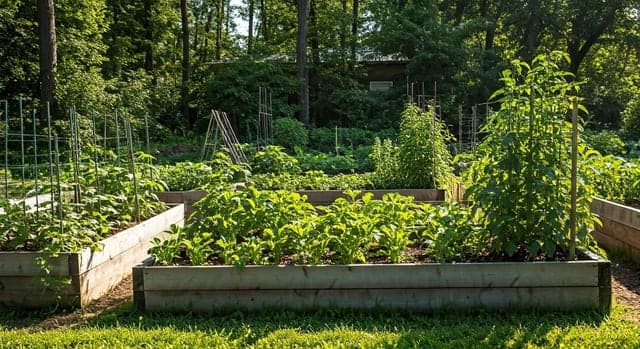
How mulch and no-till gardening support beneficial soil fungi, improve soil structure, and aid nutrient cycling in US home gardens.
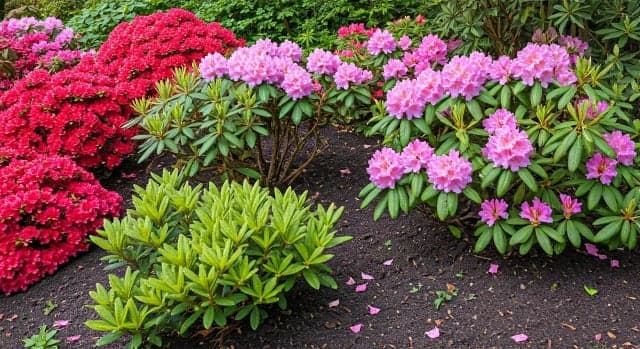
Target pH 4.5–5.5 for shallow-rooted azaleas and rhododendrons using Extension sulfur tables, the vinegar free-lime gate, raised 100% pine-bark mounds, iron chelates, and grayanotoxin pet-safety pr…
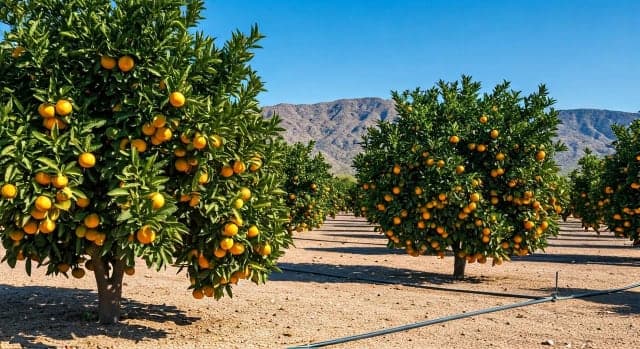
Fix iron chlorosis and alkaline water lockup on Southwest citrus in pH 7.8–8.5 caliche soils: why broadcast sulfur fails, localized auger acid-bands, Fe-EDDHA + spring Zn/Mn foliar sprays, meq/L wa…

Learn how to effectively lower soil pH in your garden, especially for acid-loving plants. Discover the best methods, including elemental sulfur and peat moss, for lasting soil pH adjustment.
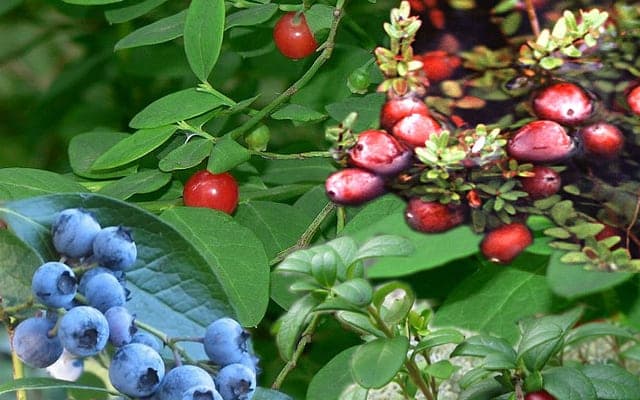
Master blueberry pH management in Western US alkaline soils. Learn strategies like raised beds, sulfur amendments, and container growing to achieve ideal acidity for thriving blueberry plants.
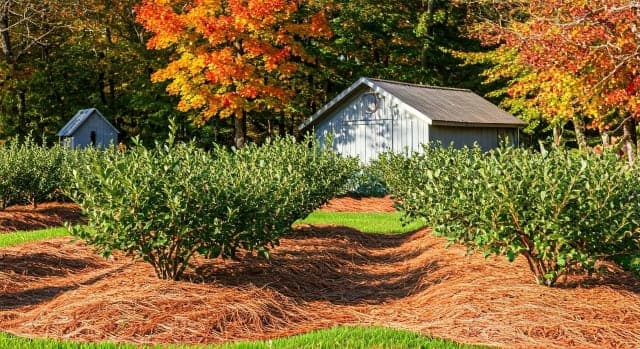
Acidifying soil for blueberries to pH 4.5-5.5 requires soil testing, elemental sulfur, peat moss, and regular pH monitoring in USDA zones 5-9.

Understand blossom-end rot in tomatoes and why inconsistent watering causes calcium deficiency in fruit. Prevent the issue with proper moisture management and soil care.
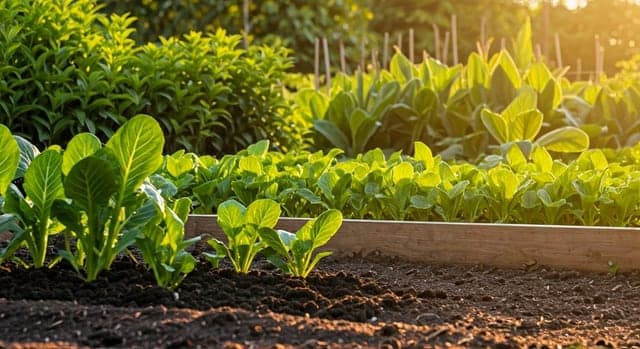
Learn to diagnose and correct potassium and magnesium deficiencies in your US home garden, especially in USDA Zone 6. Use soil testing for optimal yields and plant health.
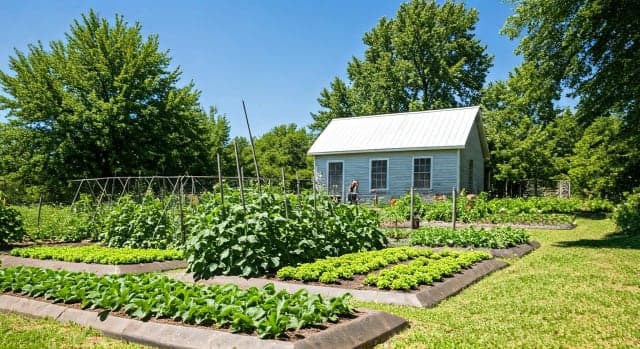
Natural methods like bone meal, rock phosphate, and compost to boost garden phosphorus in US soils, with guidance on soil pH and application timing.

Distinguish fixed soil texture from buildable crumb structure, separate fast POM from durable MAOM carbon, verify stability with the NRCS jar slake test, calculate honest +1% SOM math, and prevent…
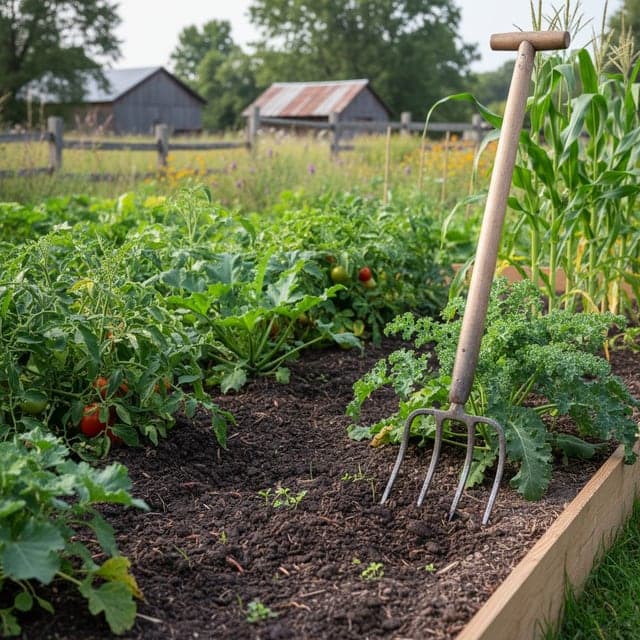
Diagnose root-stopping compaction with a 300 psi wire-flag penetrometer test, 444 mL infiltration ring, and 12-inch shovel slice, then rebuild soil porosity using 10–14 inch chromoly broadforking,…
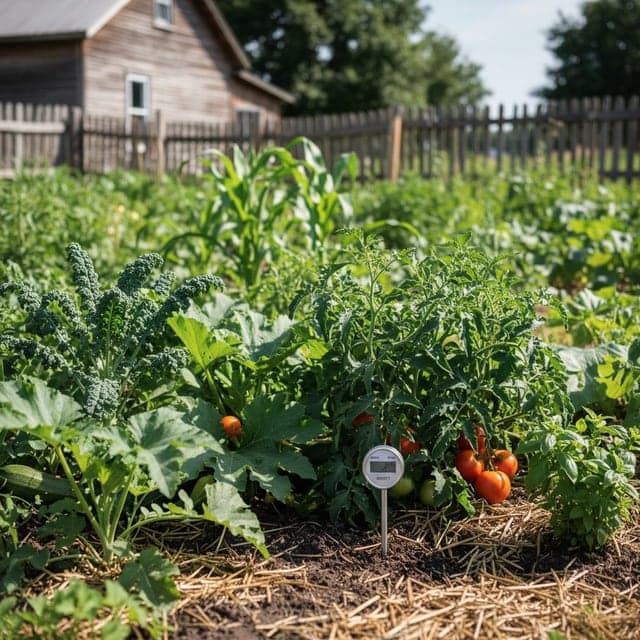
Separate true sodic clay dispersion (ESP >= 15% or SAR >= 13), where gypsum plus drainage and leaching rebuilds soil structure, from non-sodic compacted Midwest and Eastern clays where university t…
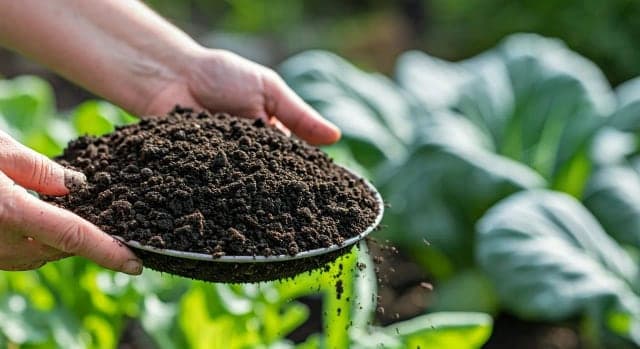
Skip concrete-forming sand and non-sodic gypsum myths. Learn the squeeze-drop wet-clay rule, compost and surface wood-chip depths, Daikon radish bio-drilling, and an honest 3-year clay soil timeline.
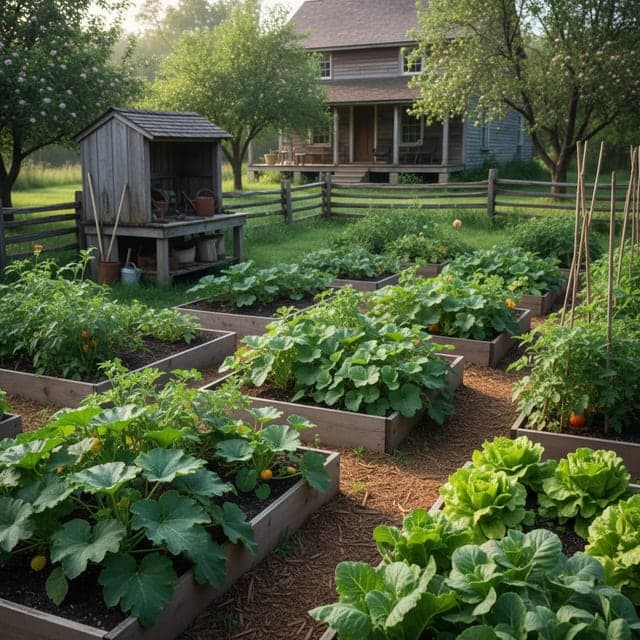
Learn how soil pH testing and amendments can dramatically increase nutrient availability and crop yields. Get a roadmap to a healthier, more productive garden.
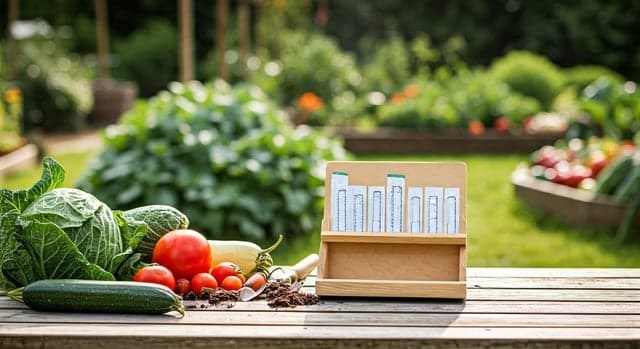
Understanding soil test results helps interpret NPK, pH, and micronutrient levels to apply amendments correctly for a garden in USDA Zone 6.
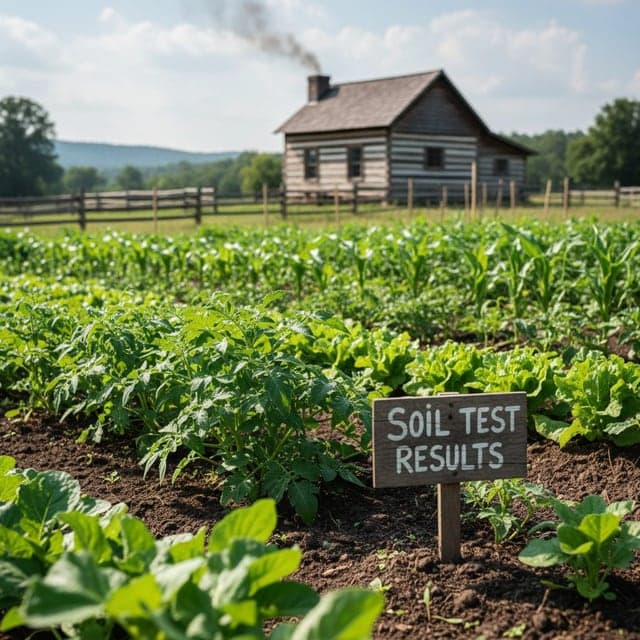
Decode US soil test reports accurately: Mehlich-3 vs. Bray P1 vs. Olsen phosphorus methods, active vs. Sikora buffer pH lime math, CEC textural tiers (3–25+ meq/100g), base saturation realism, the…