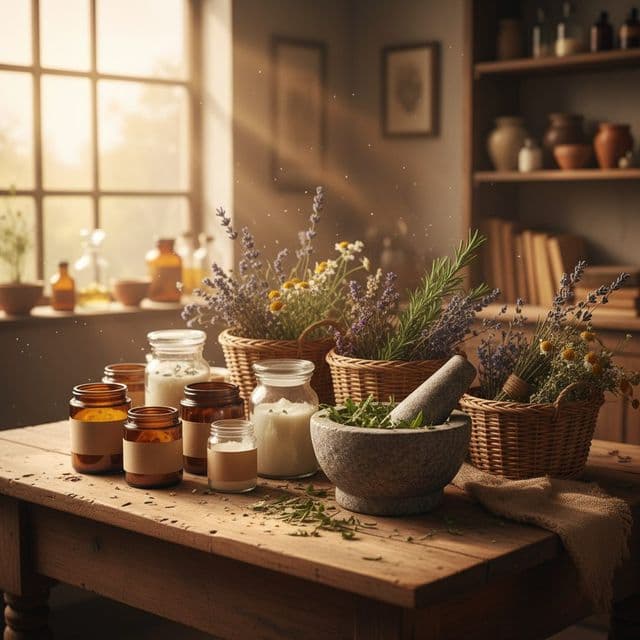
Extend Salve Shelf Life: Prevent Mold in Humid US Regions
Learn practical tips to extend salve shelf life and prevent mold, especially in humid US climates. Master herb drying, storage, and natural preservatives for your homemade apothecary.
Tag
172 articles in this tag on agripure. — page 3 of 8
Learn practical tips to extend salve shelf life and prevent mold, especially in humid US climates. Master herb drying, storage, and natural preservatives for your homemade apothecary.
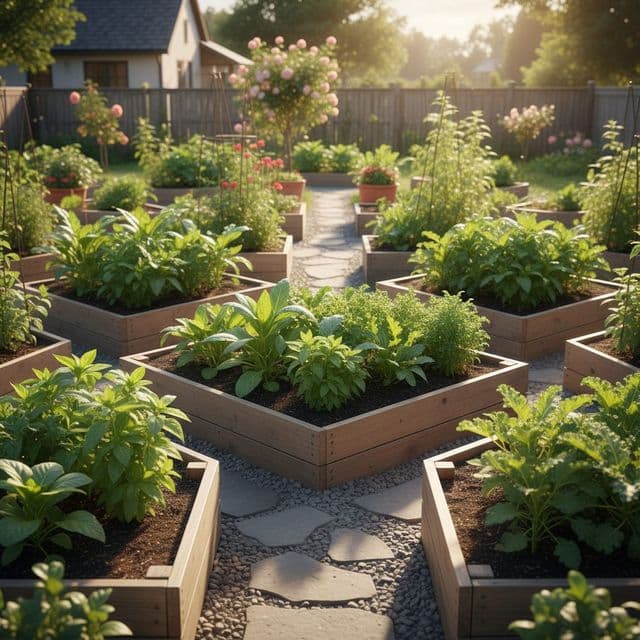
Learn to craft soothing homemade herbal balms with calendula and lavender from your garden. This guide covers infusing oils, ratios, and growing tips for natural, cost-effective skincare in just 30…
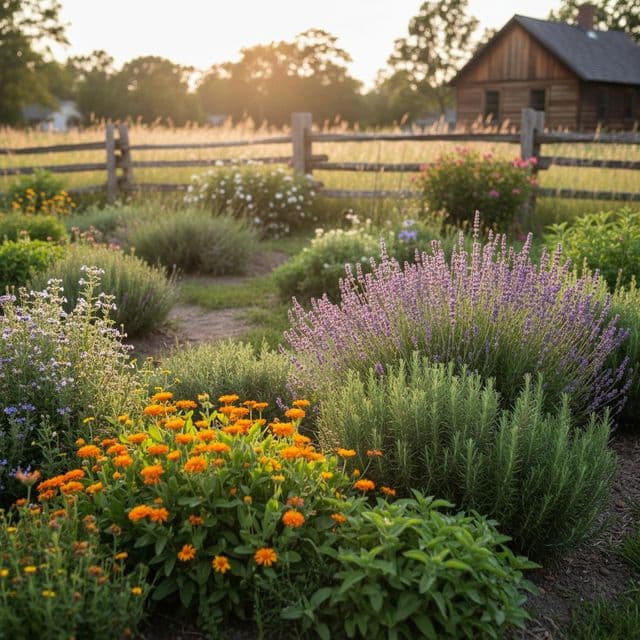
Three methods for infusing herbs into oil for a home apothecary: slow-cooker, solar, and double-boiler techniques for dried herbs in USDA zones 4-9.
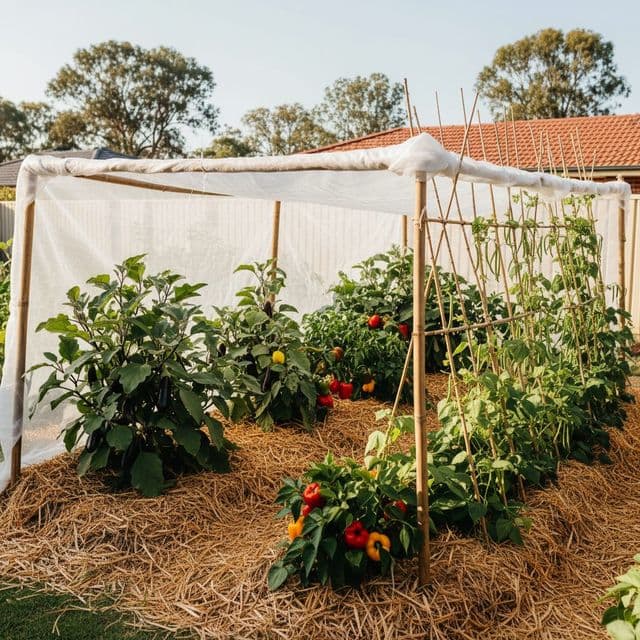
How to formulate herbal balms and salves using specific beeswax-to-oil ratios, selecting carrier oils for the desired consistency.
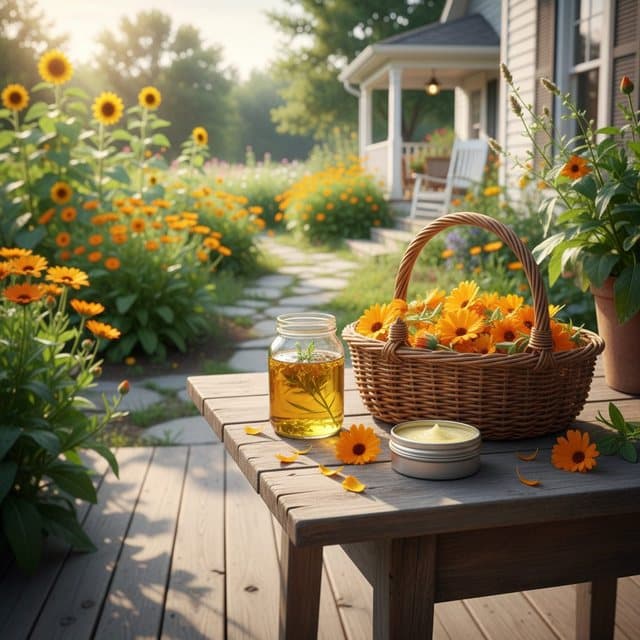
Master growing calendula (USDA zones 3-9) for medicinal use. Learn to harvest, dry, and infuse flowers to craft your own potent calendula salve for a natural home apothecary.
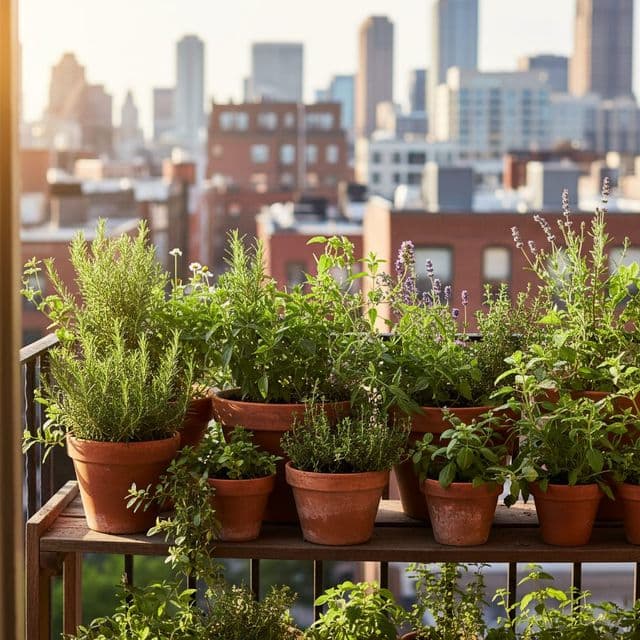
How to grow medicinal herbs in containers on balconies or patios, covering plant selection, potting mixes, light requirements, and seasonal care.
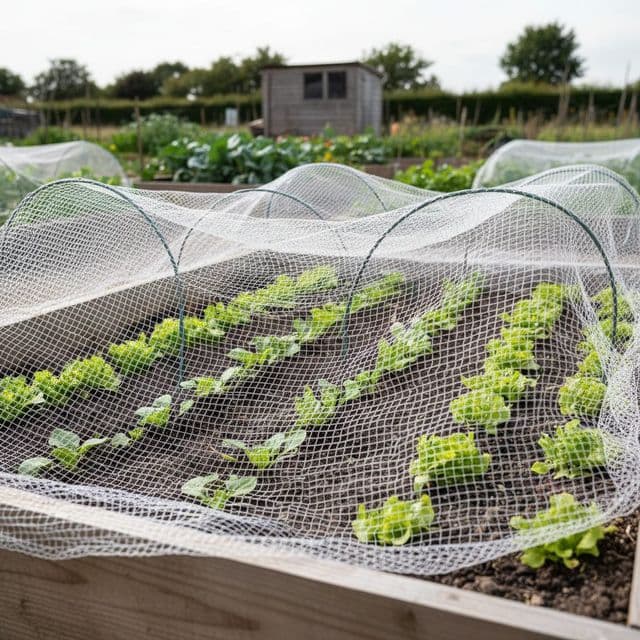
Discover 12 beginner medicinal herbs that thrive in USDA Zone 6. Learn essential growing tips for your home apothecary, from calendula to echinacea, for natural remedies.
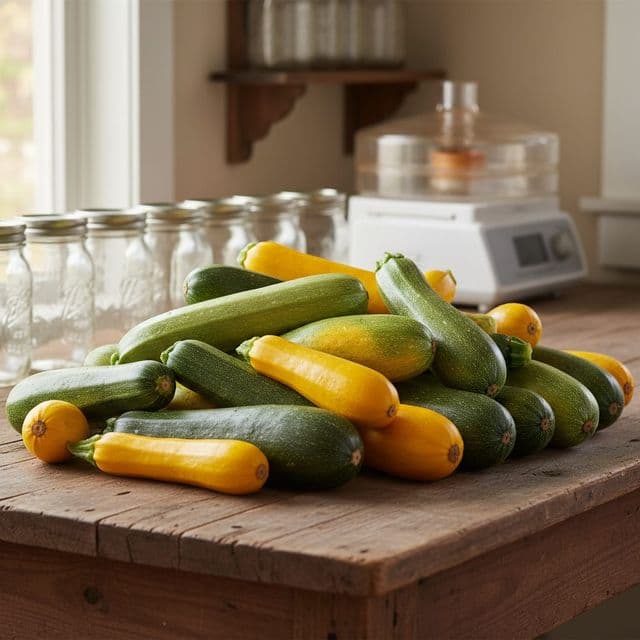
How to preserve a summer squash harvest by dehydrating, fermenting, or freezing for months or up to a year.
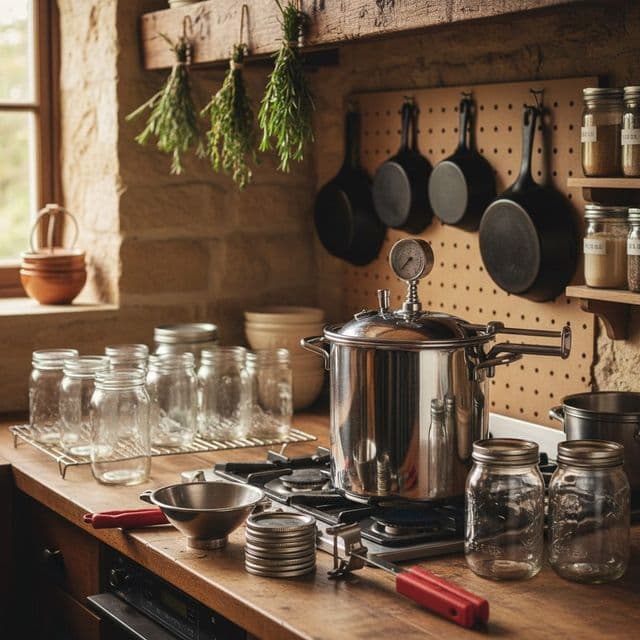
How to preserve low-acid vegetables, beans, and soups using pressure canning, covering equipment, preparation, and USDA guidelines for shelf-stable food.
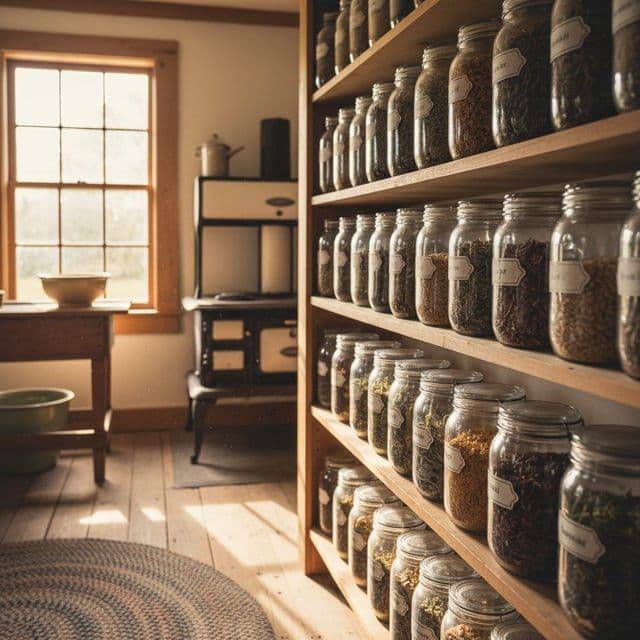
Master pantry food storage for spices & dried goods. Learn dehydration, organization, and optimal conditions to reduce waste and ensure year-round access on your homestead.
Learn to make potent fire cider and oxymels from your garden. Utilize homegrown ginger, turmeric, and other herbs for natural, cost-effective remedies. Perfect for homesteaders.
Learn how to make safe herbal infusions at home. Understand botulism risks in oils, vinegars, and honeys, and discover essential preservation techniques for your pantry.
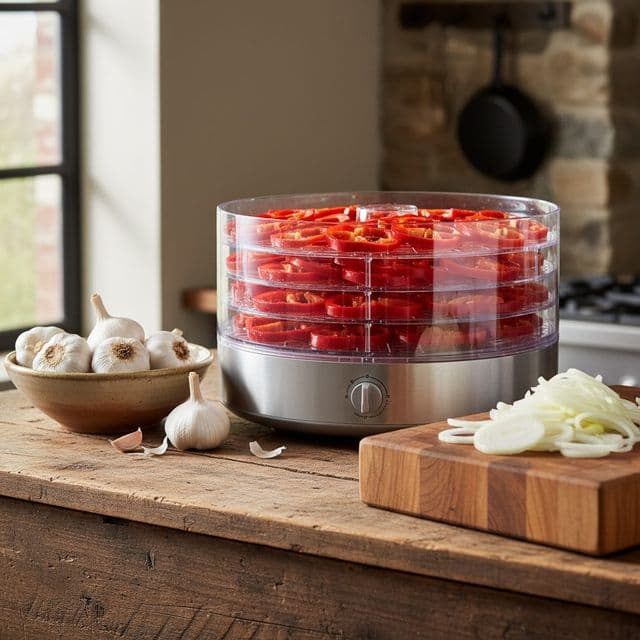
Learn to dry, store, and grind homemade spices like paprika, garlic, and onion powder from your garden. This guide helps US growers achieve high-quality, shelf-stable ingredients.
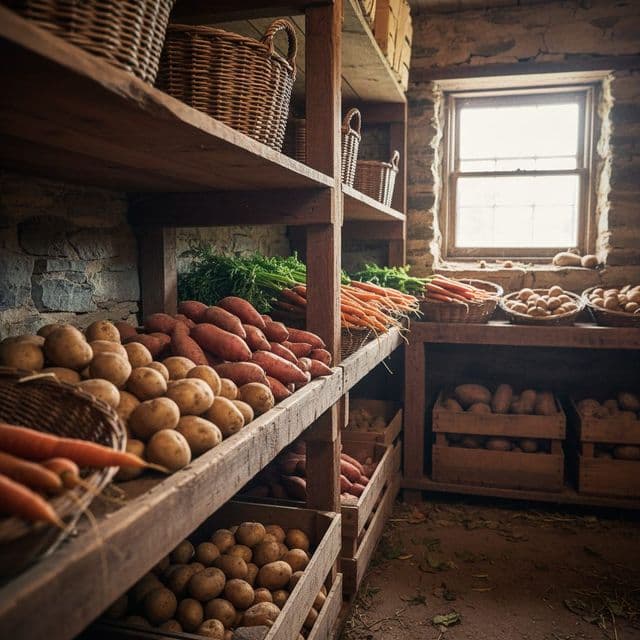
Master root crop storage techniques to extend your harvest up to 8 months. Learn ideal conditions for potatoes, sweet potatoes, and carrots, plus root cellar and sand storage methods.
Learn to brew kombucha at home for a fraction of the store-bought price. This guide covers SCOBY care, first and second fermentation, and how to keep the brew safe.
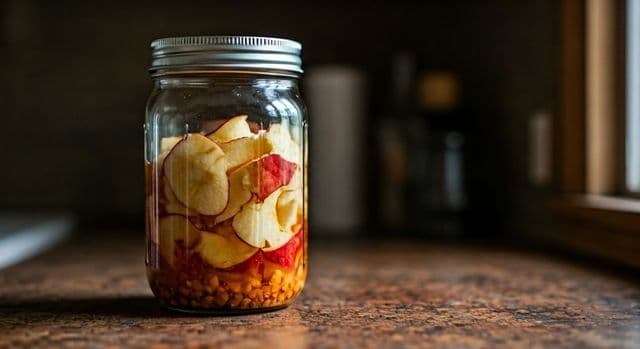
Learn to make homemade apple cider vinegar from apple scraps in the Pacific Northwest. Reduce waste, save money, and create a versatile staple for cooking, cleaning, and dressings.
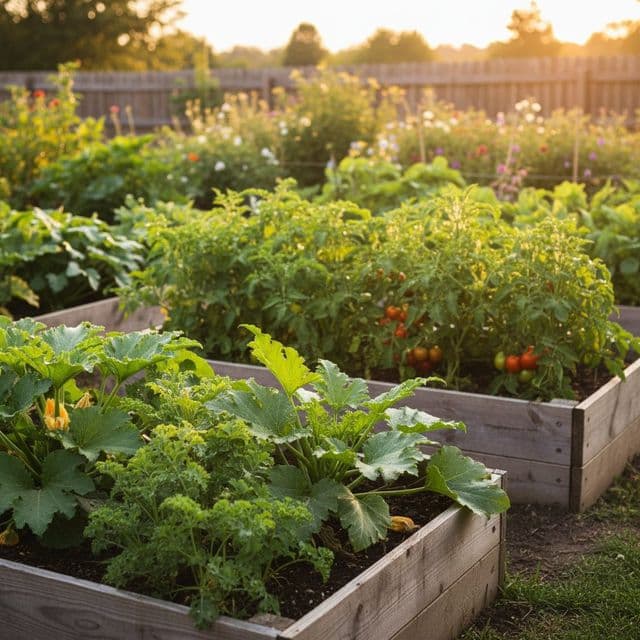
How to ferment carrots, beets, green beans, and radishes with a crisp texture, including salt ratios, temperatures, and storage for USDA Zone 6.
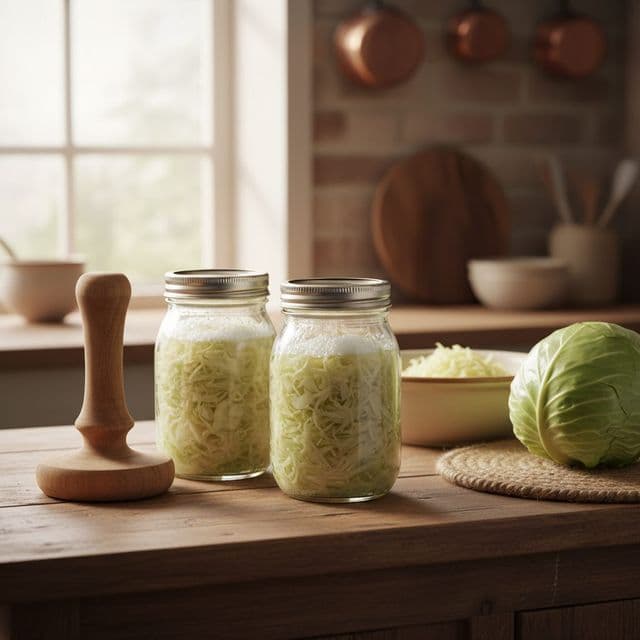
Learn to ferment cabbage in Mason jars for up to 12 months. This guide covers safe methods, health benefits, and step-by-step instructions for preserving your harvest without electricity.
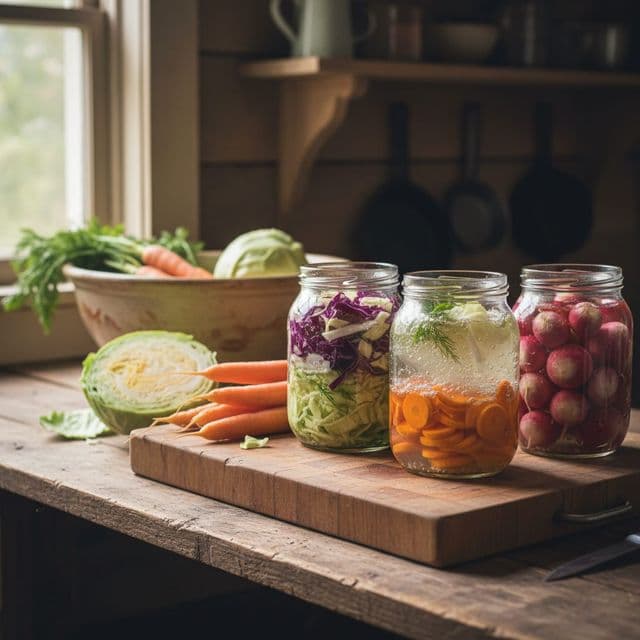
Master lacto-fermentation with a 2-3% brine for safe, delicious preserves. Learn precise salt ratios, ideal temperatures, and essential tips for successful food preservation.
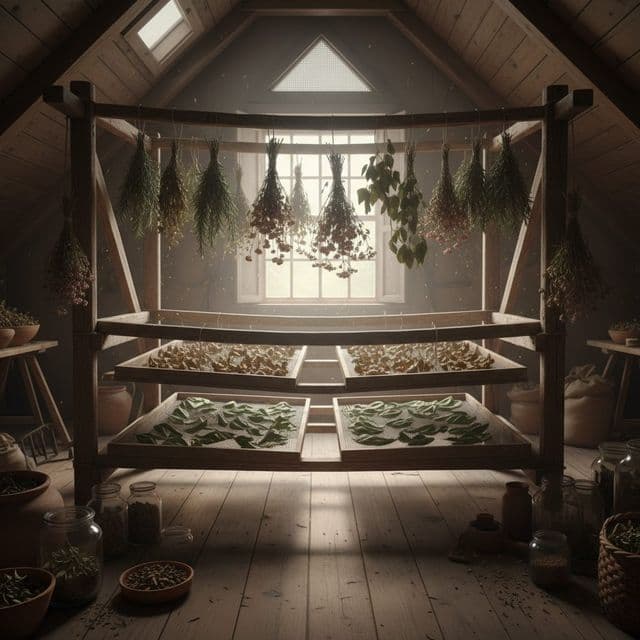
Preserve the aroma and color of fresh herbs with air drying, dehydrator methods, and proper storage for USDA Zone 6.
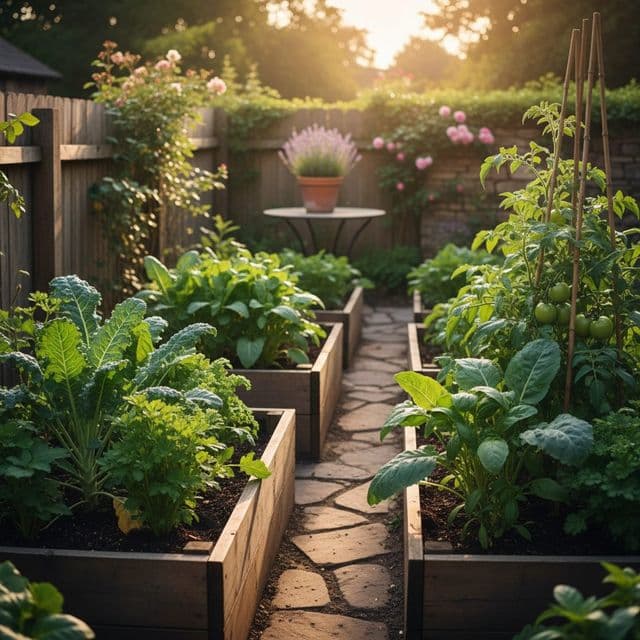
Revitalize container soil after winter’s harsh effects by assessing compaction, replenishing nutrients, and restoring microbial health for increased spring yields.
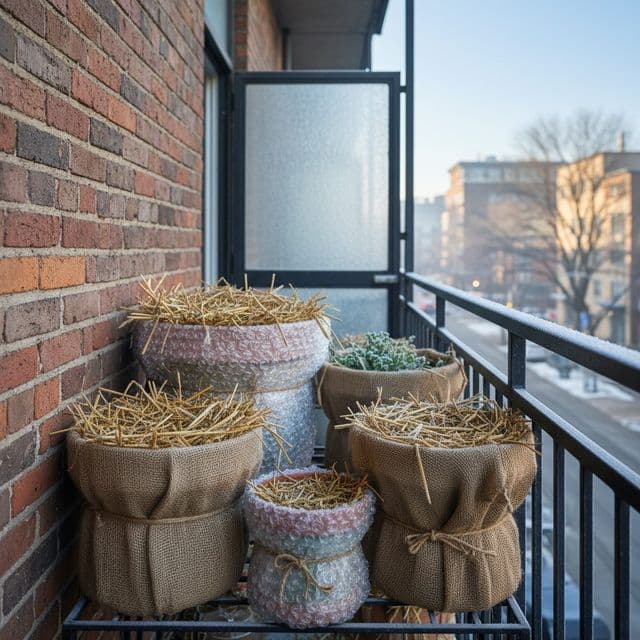
Learn essential techniques to protect container plants from freezing temperatures in USDA Zone 6. Discover wrapping, clustering, and mulching for successful container plant winter protection.
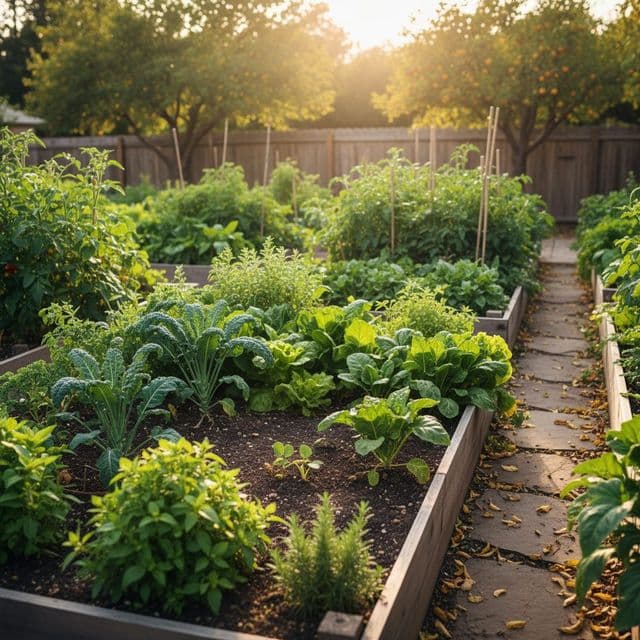
Learn how to revive sun-scorched container plants in USDA Zone 7 and beyond. This guide covers assessment, controlled rehydration, and preventing root rot.
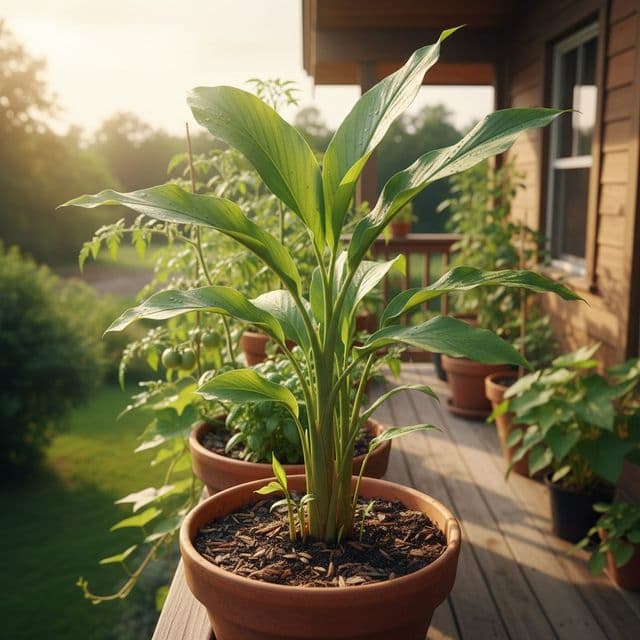
Learn how to successfully grow turmeric in containers and overwinter it indoors, even in cold USDA Zones 3-7. Get tips on planting, care, and harvesting for a bountiful spice.